
 Save 15% on your 1st Autoship learn more

 Email us
 Live Chat
 FAQs





Introduction
You are petting your cat when you notice a flurry of white flakes settling on their dark fur. It looks like a miniature snowstorm against their coat, and no matter how much they groom, the flakes keep coming back. At BaxterBoo, we know that seeing your cat with bad dandruff can be frustrating and a little worrying. While a few flakes might seem like a simple cosmetic issue, persistent flaking is often a signal that your cat needs a little extra support. This post covers why cat bad dandruff happens, how to distinguish it from normal shedding, and the practical steps you can take to restore their coat. Whether the cause is environmental or a sign of an underlying health concern, understanding the "why" is the first step toward a flake-free feline.
Quick Answer: Cat dandruff is a visible buildup of dead skin cells often caused by dry air, poor grooming, or underlying health issues like obesity or parasites. While mild cases may improve with regular brushing and better nutrition, persistent or itchy dandruff requires a veterinary exam to rule out infections or chronic conditions.
Understanding Cat Dandruff vs. Cat Dander
It is very common for pet owners to use the terms dandruff and dander interchangeably. However, they are two very different things. Dander is a normal and healthy part of a cat's life. These are microscopic skin cells that every cat sheds naturally as their skin regenerates. You cannot see dander with the naked eye, though it is the primary culprit for human allergies.
Dandruff is a different story. These are visible, larger flakes of dead skin that have clumped together. If you can see white or gray flecks on your cat's back, bedding, or your clothes after a cuddle session, you are looking at dandruff. While dander is inevitable, dandruff is usually a sign that the skin's natural cycle is out of balance.
Key Takeaway: If you can see the flakes, it is dandruff. If you can only feel the allergic reaction, it is likely dander.
Cat Skin & Coat Care








Why Does My Cat Have Bad Dandruff?
There is rarely just one reason for a flaky coat. Cats are typically very clean animals, so when dandruff begins to pile up, it means something is preventing the skin from staying healthy or preventing the cat from cleaning it away.
Mobility and Grooming Challenges
The most common cause of dandruff along the lower back and base of the tail is a lack of grooming. If a cat is overweight, they simply cannot reach certain spots to lick away dead skin and distribute natural oils. Similarly, senior cats with arthritis may find it too painful to twist and reach their hindquarters. When these areas are neglected, skin cells build up and flake off in large amounts.
Environmental Factors
Just like humans, cats experience dry skin when the humidity drops. During the winter months, indoor heating systems strip moisture from the air and your cat's skin. This leads to a brittle coat and a dry, itchy epidermis. If you notice the dandruff only appears when the heater turns on, the environment is the likely culprit.
Parasites and Walking Dandruff
Some dandruff is not actually skin at all. A specific type of mite called Cheyletiella can live on your cat's skin. These mites are large enough to be seen with the naked eye, and as they move under the fur, they look like moving flakes of skin. This is why the condition is commonly called walking dandruff. It is highly contagious to other pets and can even cause itchy spots on humans.
Nutritional Deficiencies
A cat's skin and coat require a significant amount of protein and healthy fats to stay supple. If a diet is low in essential fatty acids, specifically Omega-3 and Omega-6, the skin barrier weakens. This results in moisture loss and the characteristic flaking associated with bad dandruff.
Identifying Signs of a Deeper Problem
While a few flakes might be managed at home, bad dandruff can sometimes be the first visible sign of an internal health struggle. A cat's coat is often a mirror of their overall wellness.
If the dandruff is accompanied by other symptoms, it is time to look deeper. Pay attention to changes in their thirst or appetite. Conditions like diabetes, hyperthyroidism, and kidney disease can all cause changes in skin health. When a cat feels unwell, grooming is often the first habit they drop, leading to a greasy or flaky coat.
Vet Tip: If your cat's dandruff is paired with hair loss, red sores, or excessive scratching, schedule an appointment with your veterinarian. They can perform a skin scraping or blood work to identify if an infection, allergy, or internal condition is causing the flaking.
The Role of Professional Care and the Pharmacy
When dandruff is caused by a medical issue, home brushing is not enough. You will need to address the root cause with the help of a professional. If your vet determines that your cat has a skin infection or a chronic condition like hyperthyroidism, they will provide a prescription for treatment.
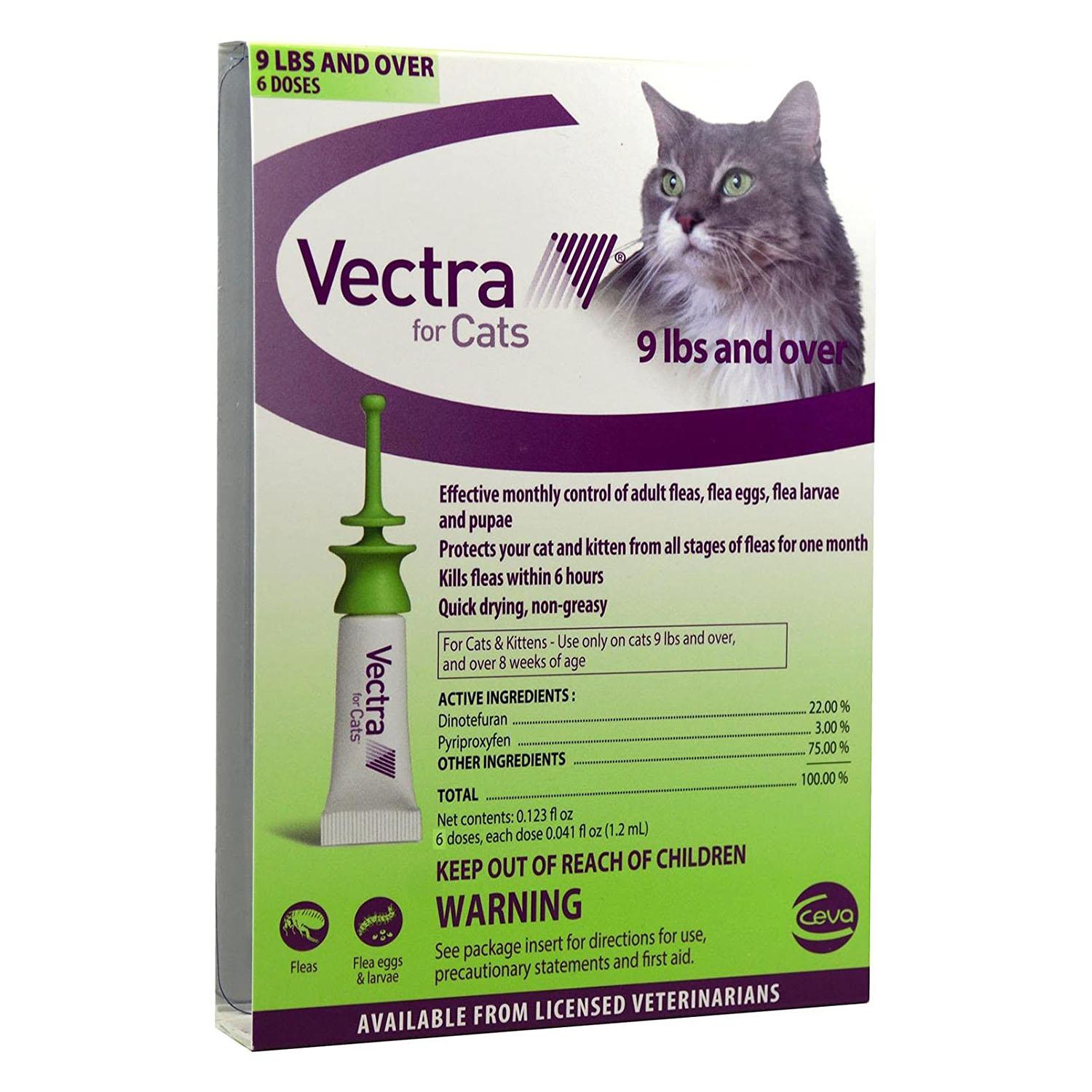
Through our cat pharmacy, you can find prescription medications and nutritional support for cats when recommended by your veterinarian. If your vet recommends a specific therapeutic food from brands like Farmina Vet Life or Royal Canin, you can have those items delivered directly to your door. We also carry a wide range of flea and tick preventives, which are essential if parasites are the cause of your cat's itchy skin.
Practical Steps to Manage Flaky Skin at Home
If your vet has given your cat a clean bill of health, you can focus on topical and environmental solutions. Managing dandruff is about adding moisture back into the system and helping your cat with the physical act of grooming.
Establish a Brushing Routine
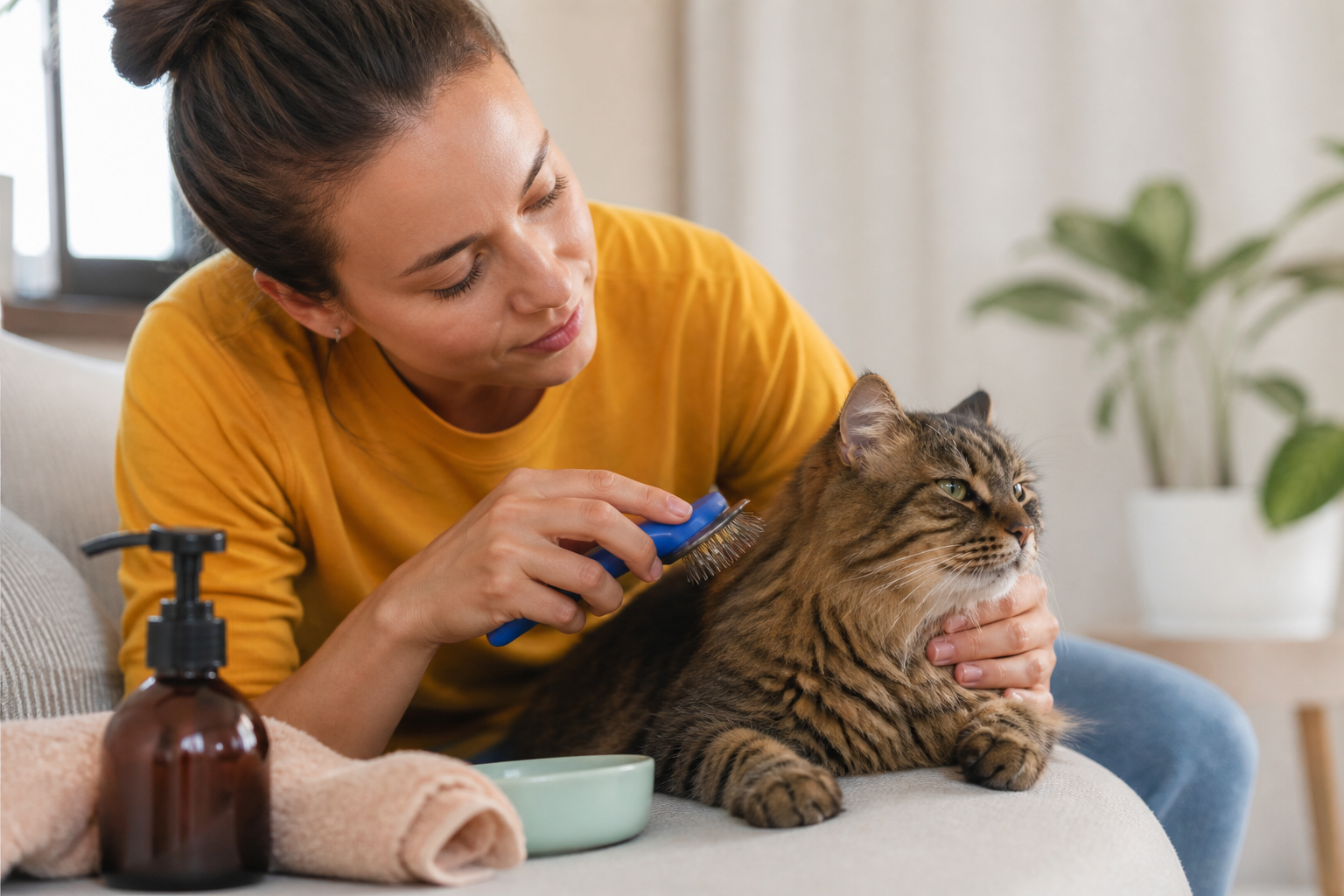
Brushing is the most effective way to manage a buildup of dead skin. It mimics the grooming a cat would do themselves. Use a high-quality brush or comb to reach through the topcoat and clear out the loose hairs in the undercoat. You can find helpful tools in our cat grooming collection.
- For short-haired cats: Use a soft bristle brush or a rubber grooming mitt once a day.
- For long-haired cats: Use a stainless steel comb or a slicker brush to prevent mats and clear out flakes twice a day.
- Focus on the reach: Pay special attention to the base of the tail and the lower back where cats often struggle to groom.
Improve Hydration and Nutrition
Skin health starts from the inside. Ensure your cat is drinking enough water. Many cats prefer running water from a fountain over a still bowl. You might also consider incorporating more wet food into their diet, as the moisture content is significantly higher than dry kibble.
Look for foods and treats rich in Omega fatty acids. Brands like Stella and Chewy's or The Honest Kitchen often include these essential nutrients to support skin elasticity. If you are considering a supplement, options like Zesty Paws or Honest Paws can provide a concentrated dose of skin-supporting oils.
Adjust the Environment
If your home is dry, a humidifier can make a world of difference for both you and your cat. Place it in the room where your cat spends the most time sleeping. This helps keep the skin from drying out overnight when the heater is running.
Key Takeaway: Brushing, hydration, and humidity are the three pillars of home dandruff management for healthy cats.
How to Introduce a Grooming Routine
If your cat is not used to being brushed, they may resist at first. It is important to make the experience positive so you can stay consistent.
- Step 1: Choose the right time. Wait until your cat is relaxed or sleepy. Avoid brushing them when they are in a playful or hyperactive mood.
- Step 2: Start small. Let them sniff the brush first. Brush a few easy strokes along their chin or cheeks where most cats enjoy being touched.
- Step 3: Use high-value rewards. Give them a favorite treat, like a lickable treat from Tiki Cat, while you brush. This creates a positive association with the tool.
- Step 4: Gradually move to the back. Slowly work your way toward the tail over several sessions. If they show signs of overstimulation, like a twitching tail or flattened ears, stop and try again later.
When to Use Specialized Shampoos
Most cats do not need regular baths, and bathing them too often can actually make dandruff worse by stripping away natural oils. However, if your cat has an oily form of dandruff or a fungal infection like ringworm, your vet may recommend a medicated shampoo.
Always use a shampoo specifically formulated for cats. Human dandruff shampoos often contain ingredients like zinc pyrithione or salicylic acid in concentrations that can be toxic if a cat licks their fur after the bath. Stick to gentle, pet-safe formulas from trusted brands like Richard's Organics or Vet's Best, which are designed to soothe without irritation.
Dietary Support for Skin Health
The quality of the ingredients in your cat's bowl directly impacts the flakes on their back. High-quality animal proteins provide the amino acids necessary for skin repair.
| Nutrient | Purpose for Skin Health | Sources |
|---|---|---|
| Omega-3 Fatty Acids | Reduces inflammation and supports the skin barrier. | Fish oil, salmon, flaxseed. |
| Vitamin E | An antioxidant that protects skin cells from damage. | Enriched cat foods and supplements. |
| Biotin | Helps with the production of keratin for hair and skin. | Egg yolks (cooked) and high-quality meats. |
| Zinc | Essential for skin cell turnover and healing. | Balanced commercial cat foods. |
If you are switching foods to help with skin health, do it slowly over seven to ten days. A sudden change in diet can cause digestive upset, which adds more stress to your cat's system.
Our cat food collection offers a variety of options to consider as you discuss your cat's nutritional needs with your veterinarian.
Bottom line: A balanced diet rich in fatty acids is often the best long-term defense against chronic dry skin and dandruff.
Managing Dandruff in Senior and Overweight Cats
For cats that physically cannot groom, you are their primary caretaker for skin health. If your cat is carrying extra weight, work with your vet on a weight management plan. Our pharmacy carries prescription weight management diets that can help your cat slim down safely.
For additional guidance, read our tips for helping an indoor cat lose weight.
As they lose weight, they will regain the flexibility needed to groom themselves. For senior cats with arthritis, consider providing heated beds to soothe their joints. When they feel less stiff, they are more likely to engage in their normal cleaning rituals. You can also use grooming wipes to gently clean the areas they cannot reach between brushing sessions.
Summary of Best Practices
Managing bad dandruff is a process of elimination. Start by checking for parasites and ensuring your cat is eating a high-quality diet. If the flakes persist, a trip to the vet is the only way to be sure there is not a more serious issue at play.
- Check for fleas and mites monthly.
- Brush daily to distribute oils and remove dead skin.
- Add a humidifier to your home during winter.
- Use high-quality food with Omega-3 and Omega-6 fatty acids.
- Consult a vet if you notice redness, itching, or behavioral changes.
By staying proactive, you can help your cat feel more comfortable and keep their coat looking beautiful. At BaxterBoo, we carry everything from grooming tools to the medications found in our pharmacy to help you support your cat through every life stage.
Key Takeaway: Consistency is the secret to a healthy coat. Regular grooming and a steady, high-quality diet prevent small flakes from becoming a big problem.
Conclusion
Cat bad dandruff is more than just an eyesore. It is a window into your cat's internal and external health. While factors like dry air or a bit of weight gain are common culprits, it is always best to stay observant for signs of discomfort. By combining regular grooming with top-tier nutrition and environmental adjustments, most owners can successfully manage these pesky flakes.
If your cat needs specialized care, remember that we are here to help. Our pharmacy provides the medical and nutritional support your cat needs for chronic skin conditions or underlying health issues. To start your journey toward a healthier coat, browse our collection of grooming supplies or look into our Autoship programme to ensure your cat never misses a day of their skin-supporting supplements.
FAQ
Is cat dandruff contagious to humans?
Standard dandruff caused by dry skin or poor grooming is not contagious. However, if the "dandruff" is actually a Cheyletiella mite infection, also known as walking dandruff, those mites can temporarily jump to humans and cause itchy skin irritations. If you or other pets start itching alongside your cat, consult a vet immediately.
Can I use human dandruff shampoo on my cat?
No, you should never use human dandruff shampoos on cats. Many of these products contain active ingredients and fragrances that are toxic to felines if ingested during self-grooming. Always use a shampoo specifically labeled for cats, and only use medicated versions if they are recommended by your veterinarian.
Does diet really help with cat dandruff?
Yes, diet is one of the most significant factors in skin health. Cats require specific levels of protein and essential fatty acids to maintain a strong skin barrier. Switching to a high-quality food or adding a fish oil supplement can often reduce flaking by nourishing the skin from the inside out.
Why does my cat only have dandruff on their lower back?
The lower back and base of the tail are the hardest areas for a cat to reach. If a cat is overweight, senior, or suffering from arthritis, they may stop grooming these spots entirely. This leads to a buildup of oils and dead skin cells that eventually flake off as dandruff.






- Site & Contents BaxterBoo.com. BaxterBoo is located in the United States.
- Privacy & Security
- Terms of Use
- Accessibility Statement
