Save 15% on your 1st Autoship learn more

 Email us
 Live Chat
 FAQs
FAQs





Introduction
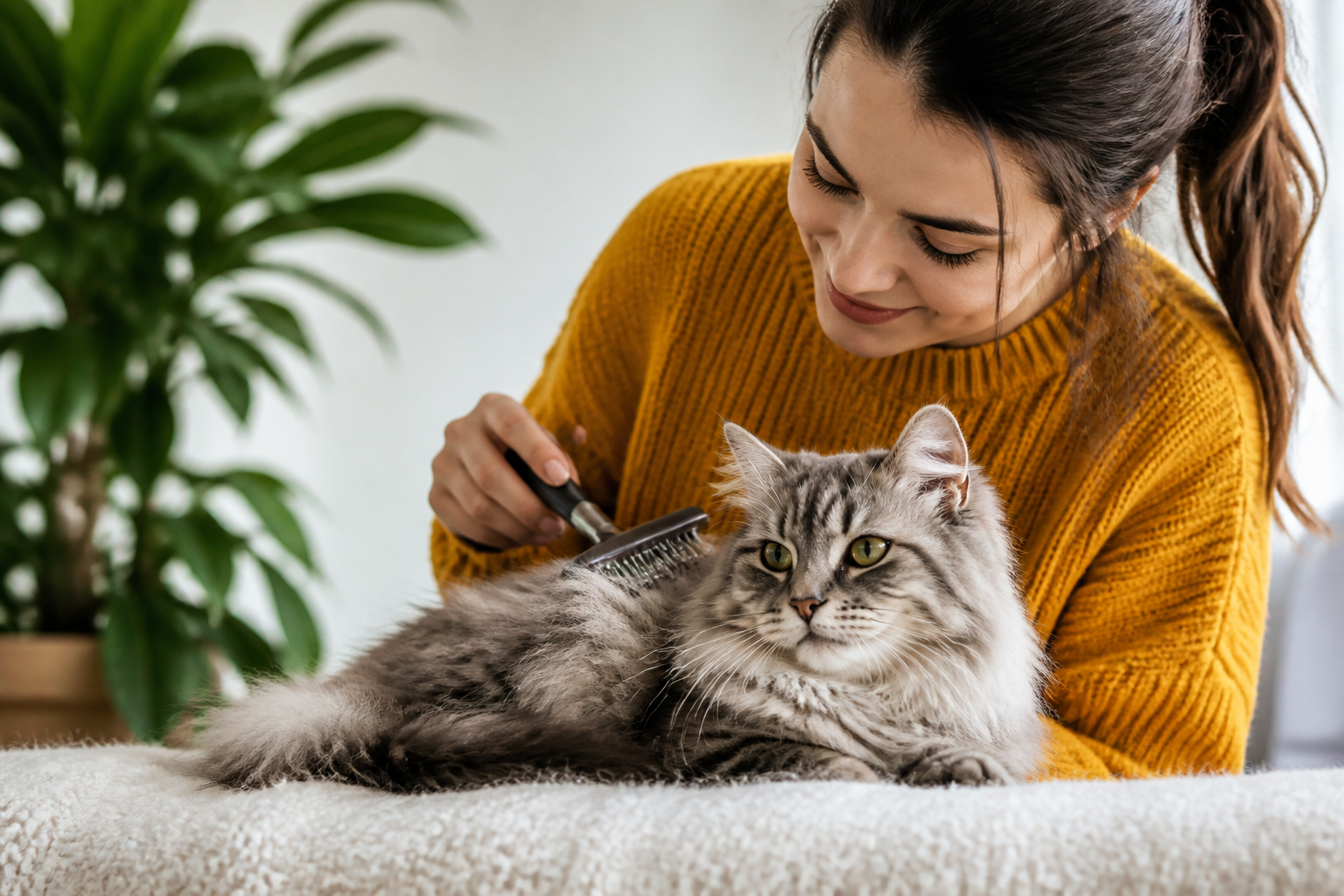
You are petting your cat when you feel a thick, hardened clump of hair near the base of their tail. When you part the fur to investigate, you notice a flurry of white flakes scattered through the coat. This combination of cat dandruff and matted fur is a common sight for many pet owners. It often appears in senior cats or those with longer coats. At BaxterBoo, we see these issues frequently and know they are usually a sign that your cat needs a little extra help with their self-care routine. This article will explain why these two problems often happen together and how you can restore your cat’s skin and coat health. Understanding the link between skin flakes and tangled fur is the first step toward a more comfortable pet.
Quick Answer: Cat dandruff and matted fur often occur together because a cat has stopped grooming effectively. When dead skin cells (dandruff) are not brushed away, they get trapped in loose hair, creating thick tangles and mats.
The Connection Between Dandruff and Matting
Cats are typically meticulous groomers. They spend hours every day using their sandpaper-like tongues to remove loose hair and distribute natural skin oils. When a cat is healthy and mobile, you rarely see dandruff because they licked it away long ago.
Matting occurs when loose hair stays on the body and becomes entangled with the growing coat. If your cat is not grooming, those dead skin cells have nowhere to go. They become trapped within the tangled clumps of hair. This creates a cycle where the mat traps the dandruff against the skin, leading to further irritation and even more flakiness.
Our team at BaxterBoo often notices that mats tend to form in high-friction areas. These include under the armpits, behind the ears, and around the base of the tail. If you see flakes specifically in these areas, the mats are likely preventing the skin from "breathing" and staying hydrated. Regular brushing with our cat grooming supplies can help remove loose hair before it becomes tangled.
Common Reasons for Poor Grooming
If your cat has stopped grooming, there is always a reason. Identifying that reason is the only way to stop the dandruff and mats from coming back.
Mobility and Arthritis
Senior cats often develop osteoarthritis. This makes it painful for them to twist and reach their back or hindquarters. If you notice mats and dandruff primarily on the lower back and tail, your cat might be struggling with joint stiffness. They simply cannot reach those spots anymore without discomfort.
Feline Obesity
A cat that carries extra weight has physical barriers to grooming. If a cat cannot reach around its middle to clean its back, the fur there will quickly become greasy and matted. You will see a buildup of white flakes in those hard-to-reach zones.
Environmental Factors
Low humidity in your home can dry out a cat's skin. This is especially common during the winter months when the heater is running. Dry skin is more likely to flake, and dry hair is more prone to static and tangling. Using a humidifier can sometimes make a significant difference in skin elasticity.
Dental Pain
If a cat has a toothache or gum disease, the act of grooming becomes painful. They may stop licking themselves entirely. A dull, unkempt coat with plenty of dandruff is often one of the first signs of dental issues in cats. A consistent oral-care routine can support your cat’s overall daily comfort, so explore our cat dental care options.
Vet Tip: If your cat suddenly stops grooming or develops severe matting, schedule a visit with your veterinarian. They can check for underlying issues like arthritis, dental disease, or even metabolic conditions like hyperthyroidism or diabetes that affect coat quality.
Identifying Dandruff versus Dander
It is helpful to know exactly what you are looking at when you see white flecks on your cat. All cats have dander, but not all cats have dandruff.
- Cat Dander: These are microscopic skin cells that all cats shed naturally. You generally cannot see them with the naked eye. Dander is a normal part of a healthy skin cycle.
- Cat Dandruff: These are visible, larger white flakes of dead skin. They indicate that the skin is either too dry, too oily, or that the cat is not removing the cells through grooming.
You should also check for "flea dirt." Flea dirt looks like tiny black pepper flakes. If you see black specks along with white flakes, your cat likely has fleas. Flea infestations cause intense itching and skin inflammation, which often leads to dandruff and poor coat quality. For additional prevention guidance, read how flea collars work.
Safe Ways to Remove Mats and Flakes
Removing a mat that is full of dandruff requires patience. You never want to pull on the skin, as cat skin is incredibly thin and can tear easily.
Step 1: Locate the mats. / Feel through your cat's fur with your fingers to find the base of each mat.
Step 2: Apply a detangler or starch. / Sprinkle a small amount of cornstarch on the mat. This helps the hair fibers slide apart. You can also use a cat-safe detangling spray.
Step 3: Use your fingers first. / Gently try to pull the mat apart with your fingers. Do not tug at the skin.
Step 4: Use a specialized tool. / Use a wide-toothed comb to gently work at the edges of the mat. Avoid using sharp scissors near the skin. Many owners prefer using a specialized mat breaker or a safety-guarded clipper.
Step 5: Brush the entire coat. / Once the mats are gone, use a soft slicker brush to remove the remaining dandruff and loose hair.
Key Takeaway: Never pull or tension the skin while removing mats. If a mat is tight against the skin, it is safer to have a professional groomer or a vet clinic clip it away with electric shears.
Nutrition for Skin and Coat Health
What goes into your cat's body shows up on their fur. A diet lacking in essential fatty acids is a primary cause of dry, flaky skin.
Omega-3 and Omega-6 Fatty Acids
These healthy fats are the building blocks of a shiny coat. They help maintain the skin's moisture barrier. We carry several supplements, such as those from Zesty Paws or Honest Paws, that provide these essential oils. Adding a small amount of fish oil to your cat's food can often reduce dandruff within a few weeks.
High-Quality Proteins
Hair is made of protein. If a cat's diet is low in high-quality animal protein, the coat becomes brittle and prone to matting. Brands like Farmina, Orijen, and Acana focus on high-protein recipes that support overall coat health. Browse our cat food selection when reviewing your cat’s everyday nutrition.
Prescription Diets
For cats with severe skin sensitivities or those who are overweight, a prescription diet may be necessary. Our pharmacy offers prescription pet foods through our partnership with Pet's Choice. These diets are formulated to manage weight or address specific nutrient deficiencies that lead to skin problems.
Bottom line: A balanced diet rich in Omega fatty acids is the best long-term defense against cat dandruff and poor coat quality.
The Role of the Pharmacy in Skin Care
Sometimes, dandruff and matting are symptoms of a medical condition that requires more than just a brush. If your cat has a skin infection, a fungal issue like ringworm, or a severe flea allergy, they will need medication. Our pet pharmacy for cats can help you find prescription options with guidance from your veterinarian.
Our pharmacy carries FDA-approved treatments for these conditions. Through our partnership with Pet's Choice, we can fulfill prescriptions from your veterinarian for:
- Antibiotic ointments for skin sores.
- Antifungal treatments for ringworm.
- Prescription-strength flea and tick preventives like NexGard or Bravecto.
- Medicated shampoos that treat seborrhea (excessive oiliness).
Using a monthly flea preventive is one of the easiest ways to ensure your cat's skin remains healthy and flake-free. Even indoor cats can get fleas from other pets or from your clothing. Staying consistent with prevention saves you and your cat from the stress of a skin flare-up. For more prevention ideas, read about flea and tick prevention products.
Grooming Routine for Prevention
Once you have cleared the current mats and flakes, you need a plan to keep them away. A routine doesn't have to be long, but it does have to be consistent.
- Daily Brushing for Long-Haired Cats: If you have a Maine Coon or a Persian, daily brushing is a must. This removes loose undercoat hair before it can turn into a mat.
- Weekly Brushing for Short-Haired Cats: Even short-haired cats benefit from a weekly session with a rubber grooming mitt or a soft brush. This distributes oils and removes dandruff.
- Wipe Down: If your cat is older and cannot groom their back, use a damp, warm washcloth to gently wipe their fur every few days. This mimics the action of their tongue and removes surface flakes.
- Weight Management: Keeping your cat at a healthy weight ensures they can reach all parts of their body. Talk to your vet about a calorie-controlled diet if your cat is struggling with its reach.
Summary of Care
Managing cat dandruff and matted fur is about more than just looking good. It is about making sure your cat feels comfortable in their own skin. Mats can be painful as they pull on the skin with every move. Dandruff can be itchy and irritating.
By combining regular grooming with high-quality nutrition and veterinary care, you can solve these problems. Remember to check your cat's skin regularly for any new lumps or flakes. Early detection makes mat removal much easier.
At BaxterBoo, we want to help you provide the best possible care for your feline friends. Whether you need a new slicker brush, a high-protein food, or a prescription treatment from our pharmacy, we have the tools to help. Keeping your cat’s coat shiny and flake-free is a great way to show them you care. For recurring grooming and care purchases, you can also review our Autoship programme.
Key Takeaway: Dandruff and mats are usually a sign of a "grooming gap." Identify why the cat isn't grooming, fix the underlying issue, and maintain the coat with regular brushing.
FAQ
Why does my cat have dandruff only on their lower back?
This is the most common spot for dandruff because it is the hardest area for a cat to reach. If a cat is overweight or has arthritis in their hips, they cannot twist far enough to groom the base of the tail. This leads to a buildup of dead skin and loose hair in that specific location.
Can I use human dandruff shampoo on my cat?
No, you should never use human dandruff shampoo on a cat. These products often contain ingredients like zinc pyrithione or salicylic acid that can be toxic if your cat licks them off. Only use shampoos specifically formulated for cats, or consult your vet for a medicated option from a pharmacy.
How do I know if the white flakes are fleas or dandruff?
Dandruff flakes are typically white or clear and look like bits of dry skin. If you see tiny black specks that look like dirt, those are likely flea droppings. You can test this by placing the black specks on a wet paper towel. If they turn red, it is flea dirt, which means your cat needs flea treatment.
Is matted fur painful for cats?
Yes, matted fur can be very painful. As a mat gets tighter, it begins to pull the skin taut. This can cause "skin pinching" and may even lead to sores or infections underneath the mat. Regular grooming prevents these painful clumps from forming and keeps the skin healthy.