
 Save 15% on your 1st Autoship learn more

 Email us
 Live Chat
 FAQs





Introduction
You are petting your cat and notice small white flakes scattered across their fur. This often happens right along the spine or at the base of the tail. While it might look like a simple cosmetic issue, seeing cat dandruff on back areas usually means your cat needs a little extra help. At BaxterBoo, we know that a shiny coat is a sign of a healthy pet. These flakes are often the first clue that something in your cat's environment or health needs to change. This post covers why these flakes appear, how to tell them apart from other issues, and the best ways to restore your cat's coat. Most cases of feline dandruff are manageable with the right grooming routine and nutritional support.
Understanding the Difference Between Dandruff and Dander
Many pet owners use these terms interchangeably. They are actually quite different. Every cat has dander. Dander consists of microscopic skin cells that shed naturally as part of the skin's renewal process. You cannot see dander with the naked eye. It is the protein found in this dander that often triggers allergies in humans.
Dandruff is different because it is visible. These are larger clumps of dead skin cells that have bonded together. When you see white specks on your cat’s back, you are looking at dandruff. While dander is a healthy sign of skin regeneration, dandruff suggests the skin is too dry, too oily, or that the shedding process is being interrupted.
Quick Answer: Cat dandruff consists of visible white flakes of dead skin that accumulate when the skin is irritated or the cat cannot groom properly. It is different from dander, which is microscopic and normal for all healthy cats.
Cat Skin & Coat Care





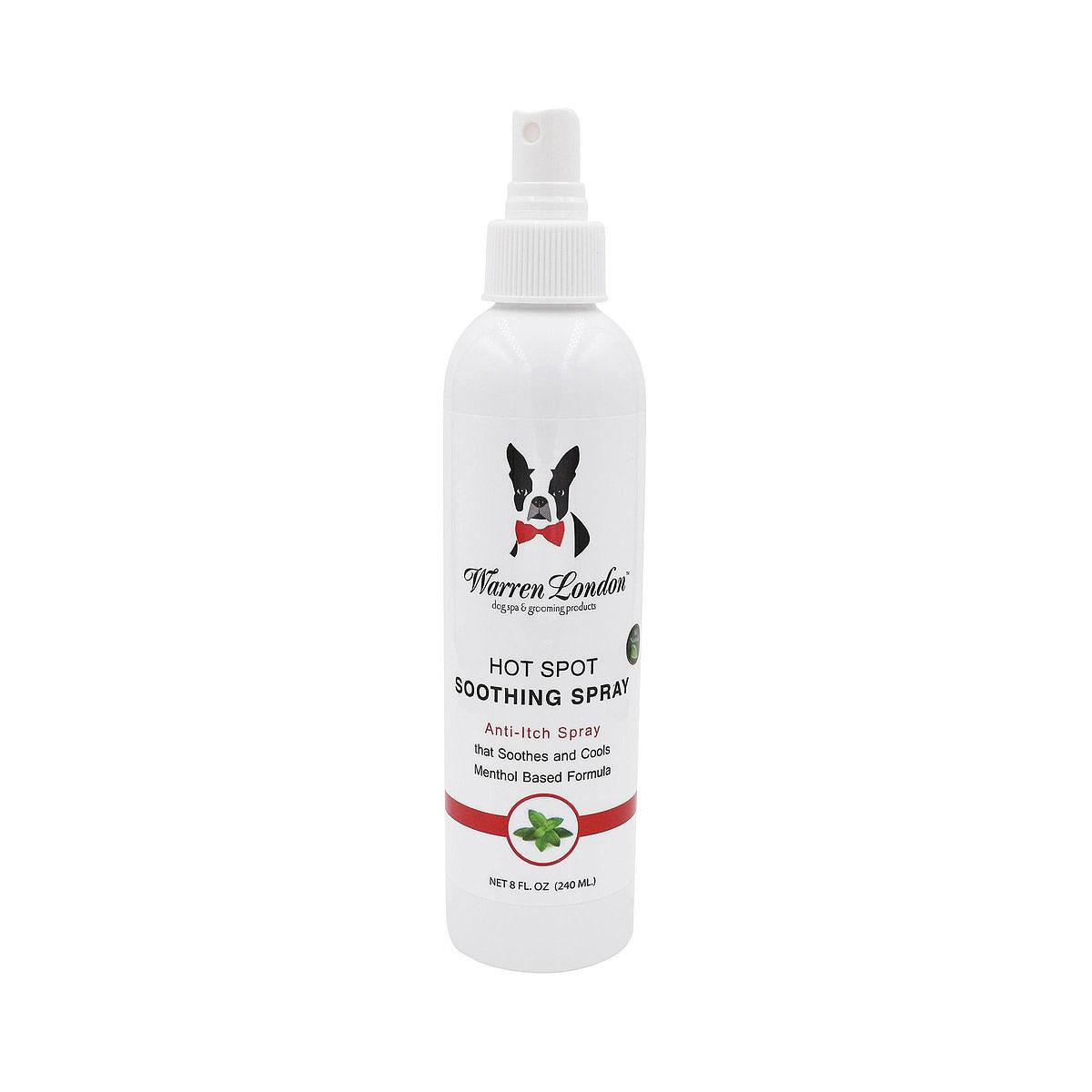

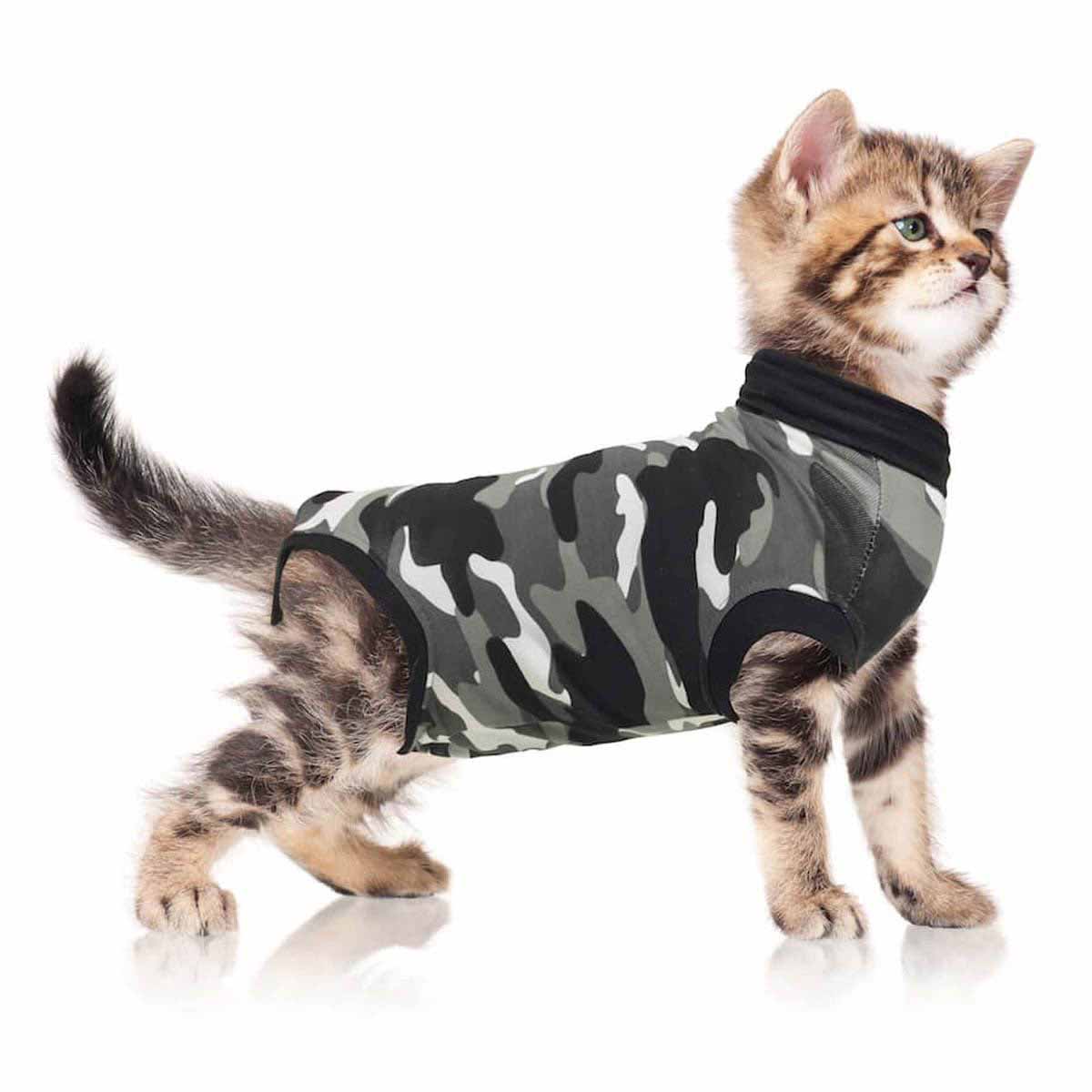


Why Cat Dandruff Often Appears on the Back
It is no coincidence that dandruff frequently congregates on a cat's back and near the base of the tail. This area is the most difficult part of the body for a cat to reach during their daily cleaning. A healthy, flexible cat can usually reach every spot. However, if anything limits their range of motion, the lower back is the first place that suffers.
When a cat cannot groom their back, dead skin cells and natural oils build up. This creates the perfect environment for flakes to form. If you notice the dandruff is concentrated only on the back, it is a strong signal to look at your cat’s mobility and weight.
Primary Causes of Feline Dandruff
Finding the cause is the first step toward a solution. Several factors can lead to a flaky coat. Some are simple environmental fixes, while others require a trip to the vet.
Obesity and Mobility Issues
This is perhaps the most common reason for cat dandruff on back areas. If a cat carries extra weight, they simply cannot reach their lower back to groom. The same applies to senior cats with arthritis. If it hurts to twist and reach, they will stop cleaning those hard to reach spots. We carry many mobility aids and supplements like Cosequin to help support joint health in aging cats.
Dry Air and Low Humidity
During the winter months, indoor heating strips moisture from the air. This dries out your cat's skin just like it dries out yours. Without enough moisture, the skin becomes brittle and starts to flake off in large patches.
Nutritional Deficiencies
A dull, flaky coat often points to a lack of essential fatty acids. Cats need Omega-3 and Omega-6 fatty acids to maintain a strong skin barrier. If their food is low quality or lacks these fats, their skin will struggle to stay hydrated.
Parasites and Walking Dandruff
Sometimes what looks like dandruff is actually alive. Cheyletiella mites are large, white parasites that move around on the skin. This condition is often called walking dandruff. Other parasites like fleas can also cause skin irritation that leads to flaking.
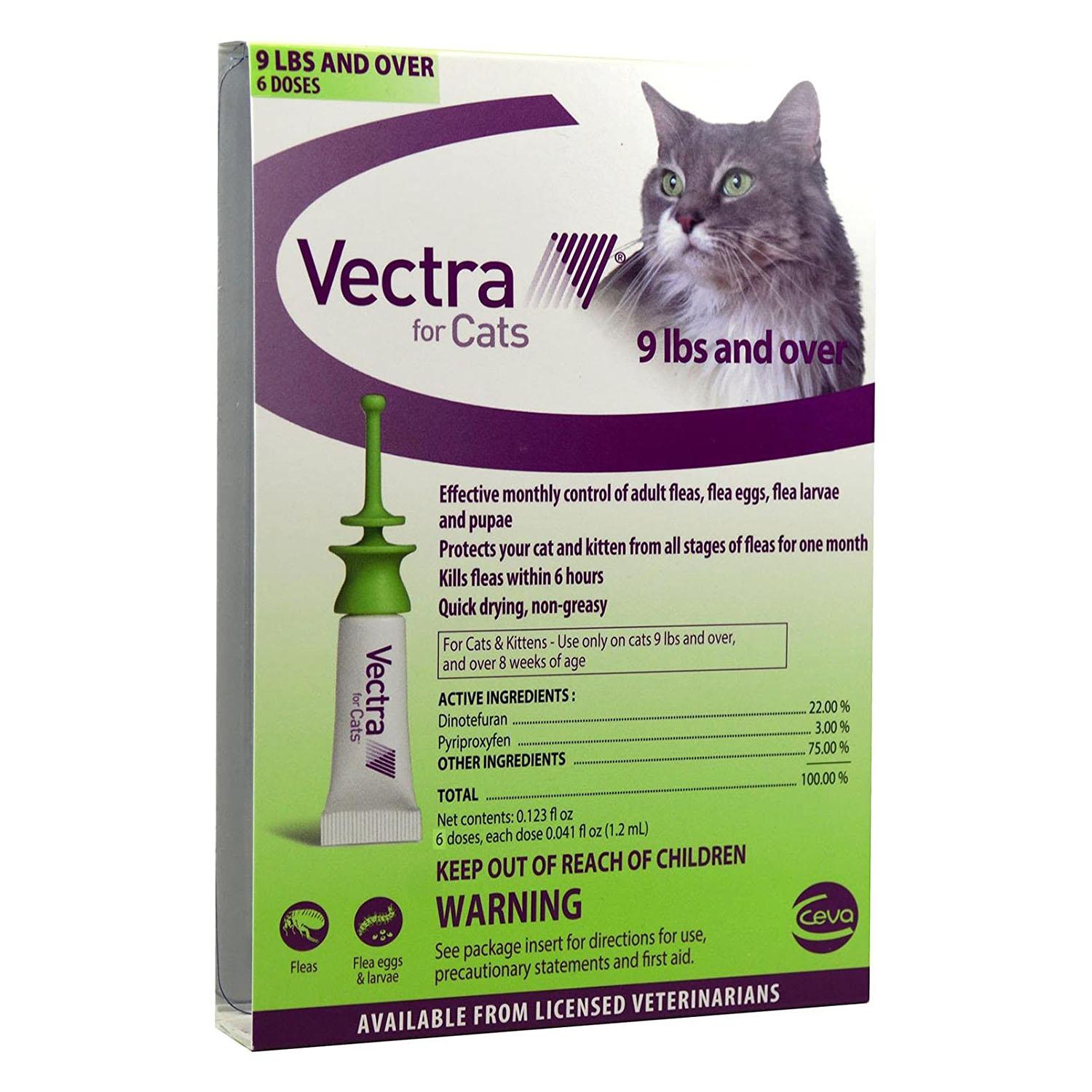
Vet Tip: If you see the "flakes" moving or if your cat is itching intensely, consult your veterinarian for a skin scraping. Our cat pharmacy carries flea and tick preventives to help address these infestations.
How to Identify Serious Symptoms
Most dandruff is a minor issue. However, you should watch for "red flag" symptoms that suggest an underlying medical condition. Skin flakes can sometimes be a side effect of systemic issues like hyperthyroidism, diabetes, or kidney disease.
Check your cat for these signs:
- Red or inflamed skin under the flakes
- Patches of hair loss or thinning fur
- A greasy or foul-smelling coat
- Excessive scratching or biting at the skin
- Changes in thirst or litter box habits
If your cat shows any of these symptoms, a grooming brush will not be enough. You should schedule a veterinary exam to rule out internal health problems.
Improving Your Cat's Grooming Routine
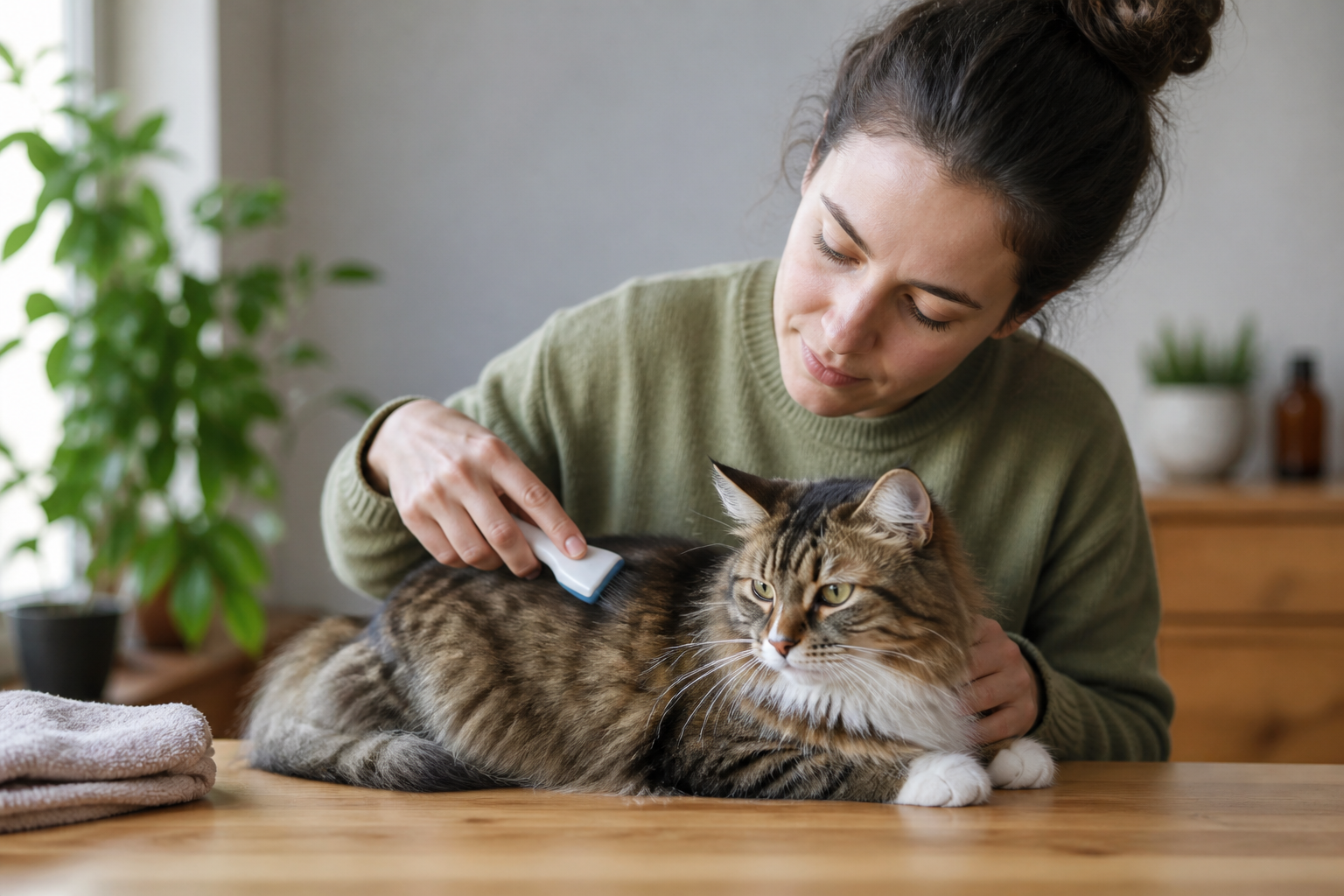
If your cat cannot reach their back, you must step in. Regular brushing is the most effective way to manage dandruff. It mimics the natural grooming process by distributing oils and removing dead cells. Our cat grooming supplies include brushes, combs, and other tools for routine coat care.
Step 1: Choose the right tool. / Use a soft slicker brush or a grooming glove for short-haired cats. Use a wide-toothed comb for long-haired cats to reach the undercoat.
Step 2: Brush in the direction of hair growth. / Start at the head and work your way down the back. Be very gentle around the base of the tail, as this area can be sensitive.
Step 3: Increase frequency during dry months. / Brush your cat daily during the winter to help remove buildup before it becomes a problem.
Key Takeaway: Consistent brushing is the best home remedy for dandruff caused by poor grooming. It stimulates blood flow to the skin and spreads natural oils that keep the coat shiny.
The Role of Diet and Hydration
What goes into your cat's body shows up on their skin. Many cats live in a state of mild dehydration because they have a low thirst drive. This leads to dry, flaky skin.
Switching to Wet Food
Dry kibble has very little moisture. Switching at least part of your cat's diet to wet food can significantly improve their hydration. This extra water helps keep the skin cells plump and healthy. We carry premium brands like Tiki Cat and Fussie Cat in our cat food category, including high-moisture options.
Adding Omega Fatty Acids
If your cat's skin is chronically dry, an Omega-3 supplement might help. These fats reduce inflammation and strengthen the skin's moisture barrier. Look for supplements containing salmon oil or small-fish oil. You can also find life-stage specific foods from brands like Royal Canin that are formulated for skin and coat health.
Managing Weight
If obesity is preventing your cat from grooming, a weight management plan is essential. Our pharmacy offers prescription weight loss diets for cats that need a clinical approach. Reducing your cat's weight will allow them to regain the flexibility needed to groom their own back. For additional ideas, read how to help your indoor cat lose weight.
Environmental Adjustments for Healthy Skin
Your home environment plays a massive role in your cat's skin health. Small changes can make a big difference in the number of flakes you see.
- Use a Humidifier: Place a humidifier in the room where your cat spends the most time. Keeping the humidity around 40 to 50 percent can prevent skin from drying out.
- Avoid Over-Bathing: Most cats do not need regular baths. Soap can strip away the very oils that protect their skin. If you must bathe your cat, use a moisturizing, soap-free shampoo designed specifically for felines.
- Provide Fresh Water: Use a pet fountain to encourage your cat to drink more. Moving water is often more appealing to cats than a still bowl.
Bottom line: A combination of increased humidity, better hydration, and weight management addresses the root causes of most non-medical dandruff.
When to Use the BaxterBoo Pharmacy
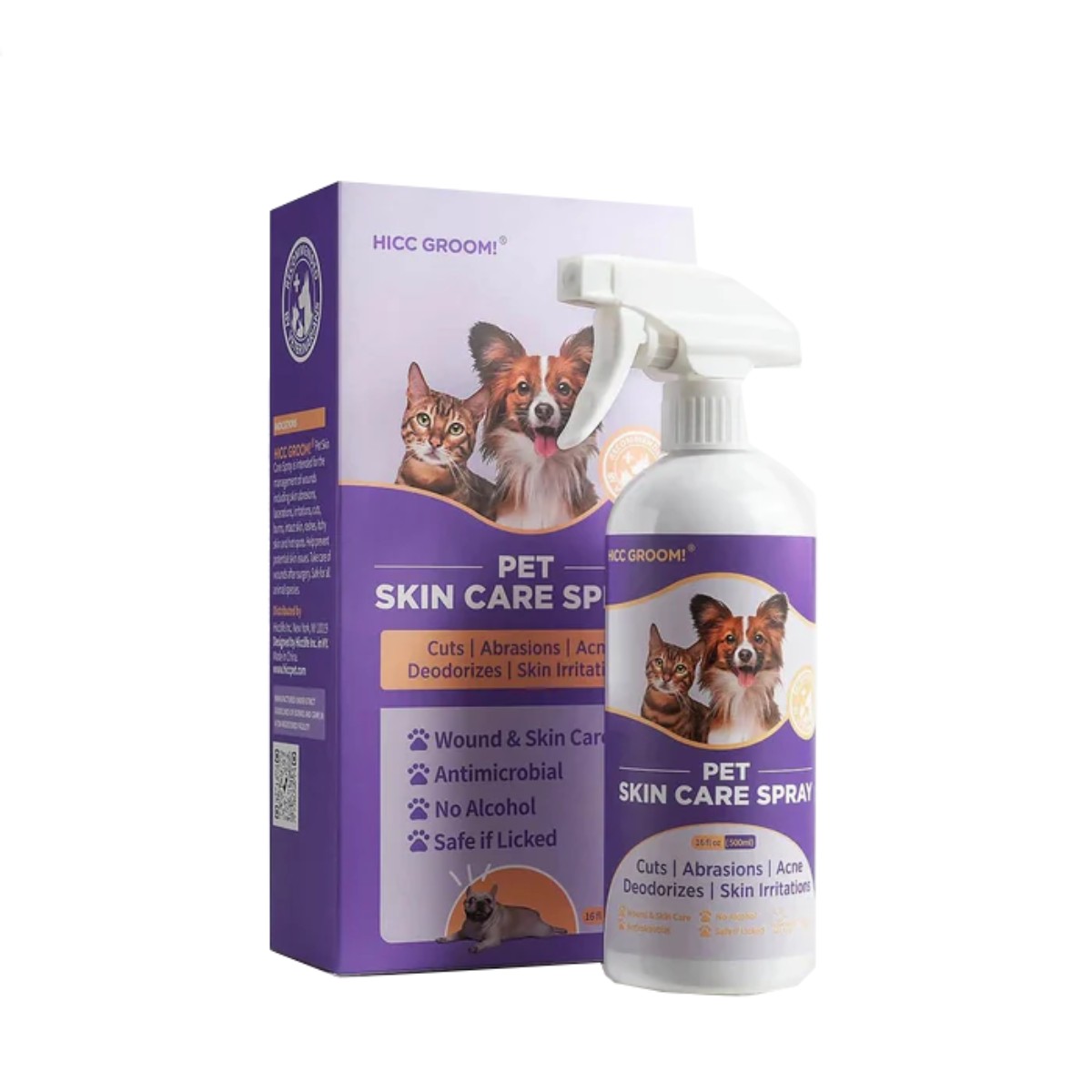
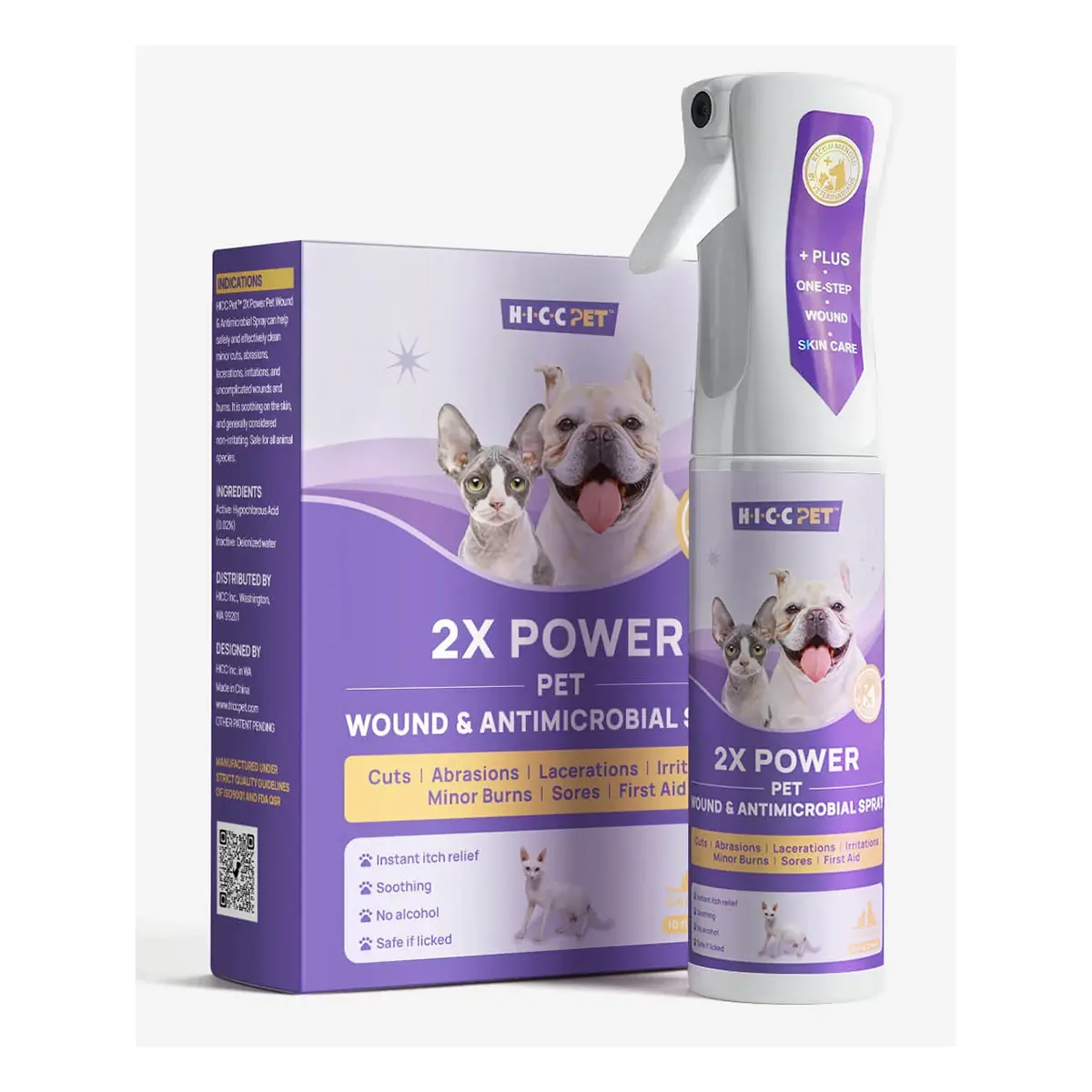
Sometimes home care is not enough. If your cat has a fungal infection like ringworm or a bacterial skin infection, they will need medication. Our cat pharmacy provides a convenient way to get these treatments. We offer prescription medications that your vet may prescribe for skin conditions.
This includes:
- Prescription antifungal creams or oral medications
- Medicated shampoos for seborrhea
- Prescription flea and mite treatments
- Therapeutic diets for skin allergies
Always talk to your vet before starting any medical treatment. They can provide a proper diagnosis and send the prescription directly to our pharmacy team.
Managing Stress-Related Skin Issues
Cats are sensitive creatures. Changes in the household can lead to stress, which often manifests as skin problems. When a cat is stressed, their immune system can weaken, making them more prone to flakes and irritation.
If you have recently moved, added a new pet, or changed your schedule, your cat’s dandruff might be stress-related. Providing enrichment toys and a predictable routine can help. We also carry calming aids like Feliway Classic Calming Spray that use pheromones to create a sense of safety for your cat. You can also explore indoor enrichment ideas for cats.
Checklist for Clear Skin
Once you start a new routine, it can take 3 to 4 weeks to see a change. Skin cells take time to regenerate. Use this checklist to stay on track:
- Brush your cat for at least five minutes every day.
- Check the humidity levels in your home.
- Ensure your cat is on a high-quality, balanced diet.
- Maintain a strict flea prevention schedule.
- Monitor your cat's weight and activity levels.
Summary of Solutions
Dealing with cat dandruff on back areas requires a multi-pronged approach. You need to help with the physical removal of flakes while addressing the reason they appeared in the first place. Whether it is a lack of moisture in the air or a lack of flexibility in your cat, most cases improve quickly with consistent care.
- Start with daily brushing to help your cat reach those tricky spots.
- Evaluate their diet for essential fatty acids and moisture content.
- Address environmental triggers like dry winter air.
- Consult a vet if you notice redness, itching, or behavioral changes.
Key Takeaway: Dandruff is usually a manageable symptom of external factors like dry air or internal factors like limited mobility. Addressing the root cause will result in a flake-free, glossy coat.
Conclusion
Seeing flakes on your cat's back is a common experience for many owners. By staying proactive with grooming and nutrition, you can keep your cat comfortable and their coat beautiful. We are here to support you with the best supplies, from grooming brushes to specialized nutrition. If the flakes persist or your cat seems uncomfortable, remember that our pharmacy offers easy access to the medical treatments your vet might recommend. A little extra attention today ensures your cat stays happy and healthy for years to come. For long-term savings on the food and supplements that keep skin healthy, consider signing up for our Autoship program to earn MVP Rewards on every order.
FAQ
Is it normal for my cat to have dandruff on their back?
A few small flakes can be normal, especially during seasonal changes or in dry climates. However, a significant buildup of white flakes usually indicates that your cat is unable to groom properly or that their skin is overly dry. If the dandruff is accompanied by itching or redness, it is best to consult a veterinarian.
Can I use human dandruff shampoo on my cat?
No, you should never use human dandruff shampoo on a cat. These products often contain ingredients like zinc pyrithione or selenium sulfide, which can be toxic if your cat licks their fur. Always use a shampoo specifically formulated for cats, or better yet, focus on brushing and nutrition to solve the problem from the inside out.
How often should I brush my cat to get rid of dandruff?
If your cat has a noticeable amount of dandruff on their back, you should aim for a daily brushing session. This helps distribute natural oils and removes the dead skin cells before they can clump together. Once the skin improves, you can move to a maintenance schedule of two to three times per week.
Will changing my cat's food help with their dandruff?
In many cases, yes. Switching to a high-quality food rich in Omega-3 and Omega-6 fatty acids can significantly improve skin health. Adding more wet food to their diet also increases hydration, which prevents the skin from becoming dry and flaky. Consult your vet to see if a specific skin-support or weight-management diet is right for your cat.






- Site & Contents BaxterBoo.com. BaxterBoo is located in the United States.
- Privacy & Security
- Terms of Use
- Accessibility Statement
