Save 15% on your 1st Autoship learn more

 Email us
 Live Chat
 FAQs
FAQs





Introduction
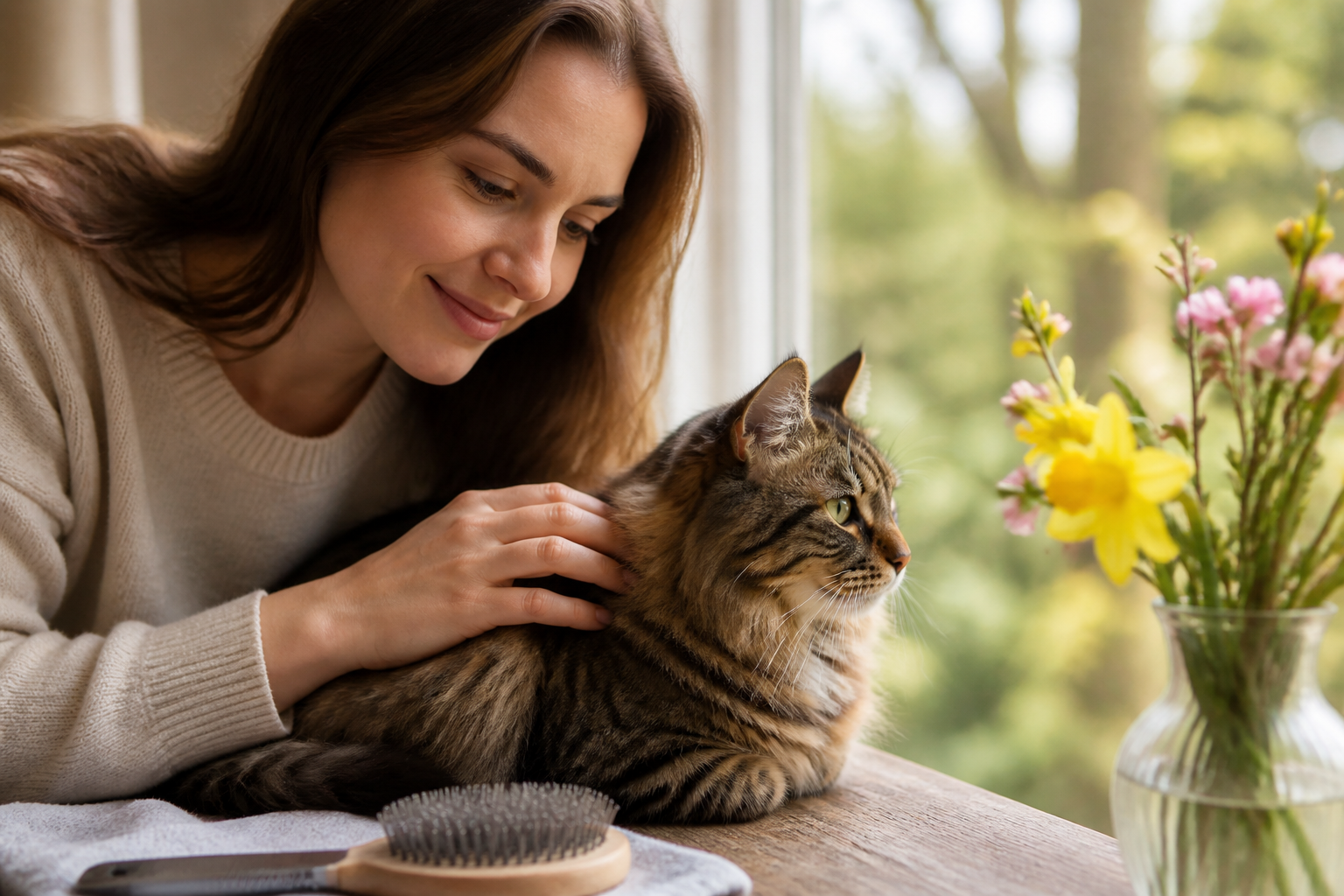
As the sun begins to stay out longer and the Illinois air warms up, you might notice your cat spending more time in the windows. When the light hits their coat just right, you may see something unexpected. Tiny white flakes scattered across their fur can be a frustrating discovery for any pet owner. This is cat dandruff, and while it often looks like a simple cosmetic issue, it usually points to an underlying cause. At BaxterBoo, we help cat owners navigate these seasonal shifts with practical advice and the right supplies. This article covers why spring triggers these skin changes, how to identify different types of flakes, and the steps you can take to restore your cat's glossy coat. Understanding the connection between the season and your cat's skin health is the first step toward a flake-free spring.
Quick Answer: Cat dandruff in spring is often caused by seasonal allergies, shifting humidity levels, or increased shedding. While some flaking is normal, persistent dandruff may indicate parasites, poor nutrition, or underlying health issues that require a veterinary consultation.
What Exactly Is Cat Dandruff?
Many people confuse dandruff with dander, but they are not the same thing. Every healthy cat produces dander. Dander consists of microscopic skin cells that shed naturally as part of the normal skin renewal process. You cannot usually see dander with the naked eye. It is the substance that often triggers allergies in humans, but it does not mean your cat has a skin problem.
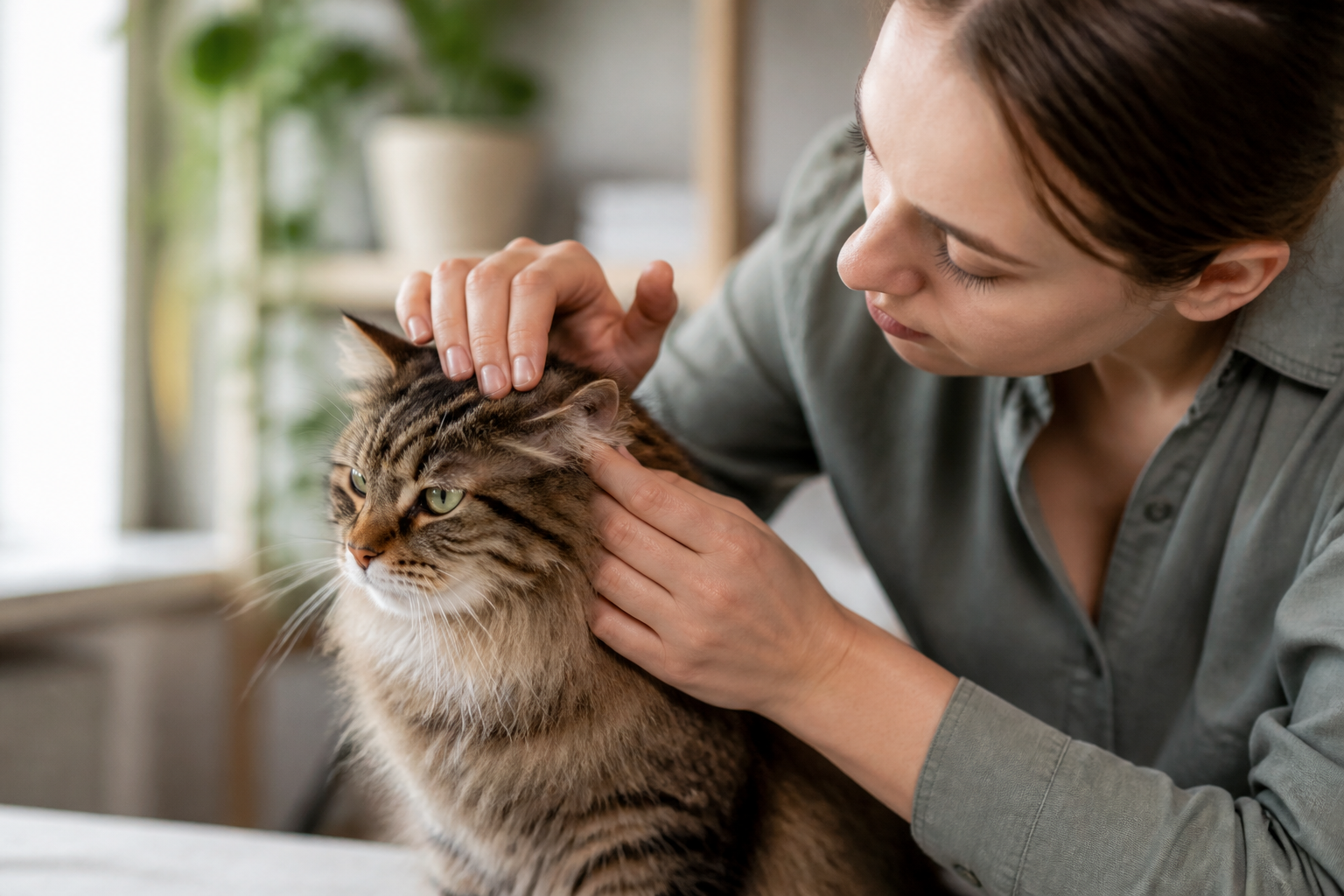
Dandruff is different. These are larger, visible flakes of dead skin that clump together. You will see them resting on the surface of the fur or tucked deep into the undercoat. It is most common on the lower back and near the base of the tail. If you see white, gray, or tan flecks that look like tiny scales, your cat has dandruff.
Dandruff is a symptom rather than a specific disease. It tells you that the skin is irritated, dry, or overproducing oils. In some cases, the skin is shedding cells faster than it can replace them. This can be caused by environmental factors or internal health shifts.
Why Spring Triggers Skin Changes
Spring is a time of transition for your cat’s body. Several factors collide during this season to create the perfect environment for flaky skin. Understanding these triggers helps you prepare your home and your grooming routine.
Seasonal Allergies and Pollen
Just like humans, cats can suffer from seasonal allergies. When plants begin to bloom, pollen counts rise. Cats do not usually get runny noses or watery eyes from allergies. Instead, their allergies often manifest through their skin. This is called atopic dermatitis. The skin becomes inflamed and itchy. When a cat scratches or over-grooms due to itchiness, they disturb the skin surface. This leads to the visible flaking we call dandruff.
Fluctuating Humidity Levels
The transition from winter to spring often involves erratic humidity. You might turn off the furnace, but the air can still be quite dry before the spring rains arrive. Rapid changes in moisture levels can sap the hydration from your cat’s skin. When the skin loses its natural moisture barrier, it becomes brittle and begins to flake. This is especially common in cats that spend a lot of time near drafty windows or heating vents that are still cycling.
The Spring Shedding Cycle
Cats undergo a major coat change in the spring. They lose their heavy winter undercoat to make room for a lighter summer coat. If this dead hair is not brushed away, it gets trapped against the skin. This trapped hair blocks airflow and prevents natural oils from being distributed. The result is a buildup of "scale" or dandruff that sits beneath the matted winter fur. For more seasonal shedding guidance, see our tips on managing cat shedding and dander.
Key Takeaway: Spring dandruff is often a combination of environmental triggers and the physical process of shedding a winter coat.
Common Lifestyle Causes of Dandruff
Sometimes the cause of dandruff has less to do with the season and more to do with your cat’s physical condition. If your cat cannot maintain their own hygiene, dandruff is often the first sign.
Obesity and Grooming Limits
Cats are meticulous groomers. However, an overweight cat may struggle to reach certain parts of their body. The lower back and the base of the tail are the most common "hard to reach" spots. If a cat cannot reach these areas to lick and groom, dead skin cells and oils accumulate. This leads to heavy flaking. Helping your cat reach a healthy weight is a long-term solution for skin health. We carry specialized weight management foods like Farmina Vet Life to help cats get back on track.
Arthritis and Joint Pain
Older cats often develop arthritis. The stretching and twisting required for a full-body groom can become painful. If you notice your senior cat has a "greasy" or flaky look along their spine, they might be skipping their grooming sessions to avoid discomfort. Managing joint pain can often lead to a direct improvement in coat quality because the cat feels good enough to groom again.
Health Issues That Look Like Dandruff
It is important to distinguish between simple dry skin and medical conditions. Some issues require a trip to the vet and specific medications.
Parasites and "Walking Dandruff"
One specific parasite is often mistaken for regular dandruff. Cheyletiella mites are tiny parasites that live on the skin surface. They are white and can look exactly like skin flakes. Because these mites move, the condition is often called "walking dandruff." If you look closely at a flake and see it twitch or move, your cat likely has mites. This condition is highly contagious to other pets and even humans.
Fleas and Flea Dirt
Spring is when flea populations begin to explode. Flea bites cause intense itching and skin inflammation. Some cats are allergic to flea saliva, which causes a massive skin reaction. You might see white dandruff flakes mixed with "flea dirt," which looks like small black specks of pepper. Regular prevention is the best way to avoid this. Our cat flea and tick collection offers products for maintaining a consistent prevention routine.
Fungal and Bacterial Infections
Ringworm is a common fungal infection that causes circular patches of hair loss and heavy flaking. Bacterial infections can also cause the skin to become crusty or scaly. These issues will not go away with brushing alone. They require a diagnosis from a veterinarian and usually involve medicated shampoos or oral medications.
Vet Tip: If your cat's dandruff is accompanied by redness, sores, hair loss, or intense itching, schedule a vet visit. These are signs of an infection or parasite rather than simple dry skin.
The Role of Nutrition in Skin Health
What your cat eats directly affects the quality of their skin and fur. The skin is the largest organ in the body. It requires a significant amount of protein and healthy fats to stay supple.
Essential Fatty Acids
Omega-3 and Omega-6 fatty acids are the building blocks of healthy skin. They help maintain the moisture barrier that keeps hydration inside the skin cells. If a diet is low in these fats, the skin becomes dry and the fur looks dull. Many premium brands we carry, such as Stella and Chewy's or Open Farm, include these essential fats. You can also add supplements like Zesty Paws salmon oil to their existing meals. Learn more about pet supplements for skin and coat support.
High-Quality Protein
Hair is made primarily of protein. If a cat is not getting enough high-quality animal protein, the body will prioritize internal organs over the coat. This leads to brittle hair and flaky skin. Look for foods that list a specific animal meat as the first ingredient. Avoid diets with excessive fillers that do not provide the amino acids a cat needs for skin repair.
Hydration and Wet Food
Cats often have a low thirst drive. Chronic mild dehydration can lead to dry, inelastic skin. Spring is a great time to evaluate your cat's water intake. Adding wet food to their diet is one of the easiest ways to increase hydration. Brands like Tiki Cat or Fussie Cat offer high-moisture options that support overall health and skin elasticity. Our cat food selection includes dry, wet, and specialty diet options.
Effective Spring Grooming Routines
A proactive grooming routine can stop dandruff before it starts. Since spring involves heavy shedding, you may need to increase your grooming frequency.
Choosing the Right Tools
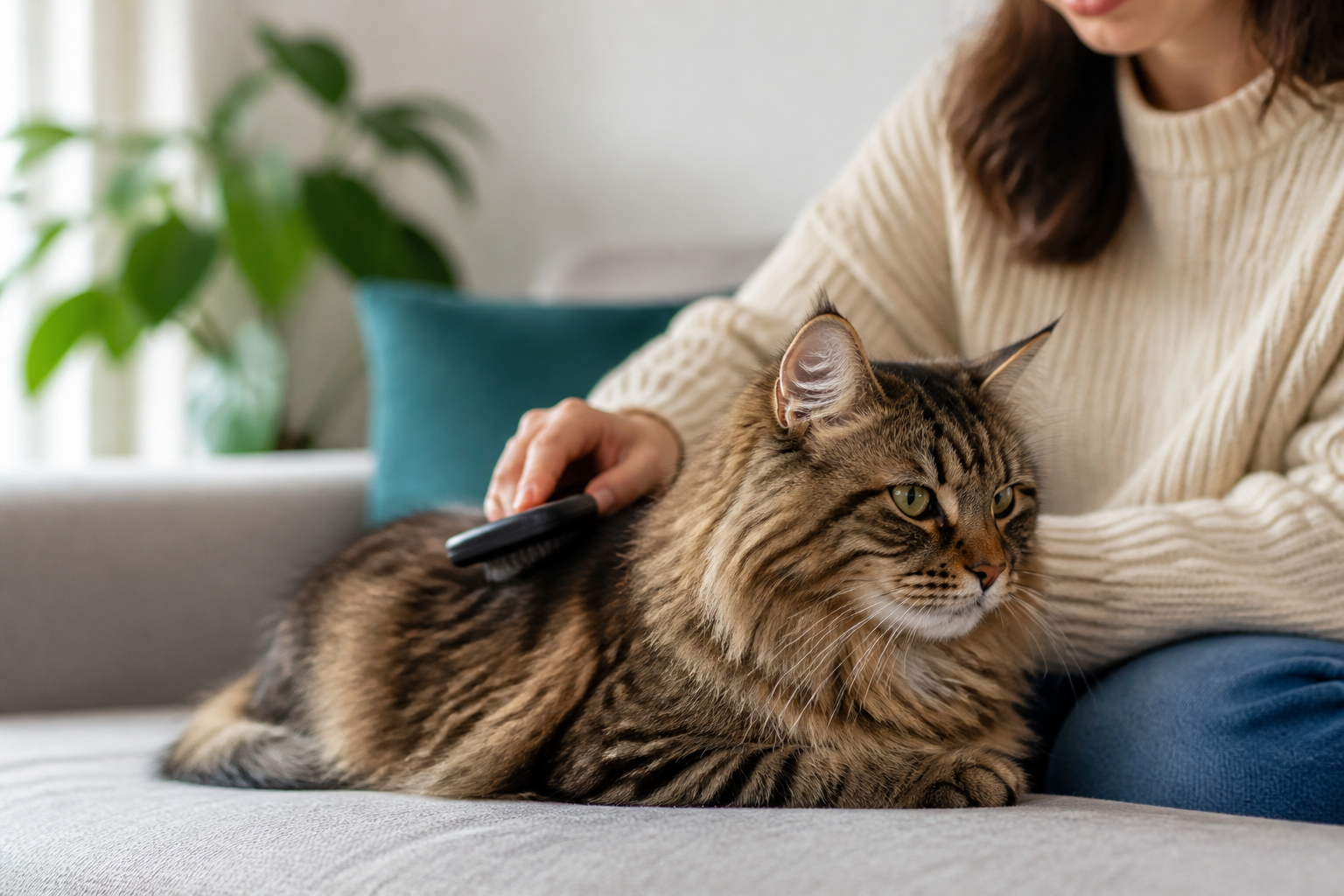
Not all brushes are created equal. For spring dandruff, you need tools that reach the undercoat.
- Slicker Brushes: These have fine wire bristles that grab loose undercoat hair.
- Shedding Blades or De-shedding Tools: These are designed to remove the dead winter fluff that traps dandruff.
- Rubber Curry Brushes: These are great for short-haired cats. They massage the skin and help distribute natural oils.
The Benefits of Daily Brushing
Brushing does more than just remove hair. It stimulates blood flow to the skin surface. This brings oxygen and nutrients to the hair follicles. It also spreads the cat’s natural sebum (oil) along the hair shaft. This oil acts as a natural moisturizer and protector. During the peak of spring shedding, aim to brush your cat every single day.
Using Grooming Wipes
If your cat has a lot of visible flakes, you can use pet-safe grooming wipes. These help lift the dandruff off the fur without the stress of a full bath. Most cats dislike baths, and frequent bathing can actually dry out the skin further. Wipes are a gentle middle ground that can remove environmental allergens like pollen from the coat. Browse our cat grooming supplies for brushes, wipes, and gentle cleaning products.
Bottom line: Consistent grooming removes the dead hair and allergens that contribute to spring skin irritation.
Environmental Adjustments for Your Home
You can help your cat's skin by managing the environment inside your house. Small changes can make a big difference in how much moisture stays in your cat's skin.
Humidifiers
If the air in your home feels dry, consider running a humidifier. This is especially helpful in the rooms where your cat sleeps most. Keeping the humidity around 40 to 50 percent can prevent the skin from becoming brittle.
Air Filtration
Since pollen and mold spores are spring dandruff triggers, a high-quality air filter can help. HEPA filters remove small particles that might land on your cat’s fur and cause allergic reactions. This reduces the need for the cat to over-groom or scratch, which keeps the skin barrier intact.
Cleaning Bedding
Wash your cat’s bedding frequently during the spring. This removes accumulated pollen, dust, and shed skin cells. Use a fragrance-free, hypoallergenic detergent. Cats are very sensitive to scents, and the chemicals in standard laundry soap can cause contact dermatitis, leading to more flakes.
When to Consult Your Veterinarian
While we provide many tools to manage skin health, some situations require professional medical care. It is always better to catch a health issue early.
Red Flags to Watch For
If you notice any of the following, please contact your vet:
- Patches of total hair loss (alopecia).
- Scabs, sores, or oozing skin.
- A strong or unusual odor coming from the skin.
- Weight loss or changes in appetite along with the dandruff.
- Excessive thirst or frequent urination.
Diagnostic Testing
Your vet may perform a skin scraping to look for mites under a microscope. They might also suggest blood work to check for systemic issues like hyperthyroidism or diabetes. Both of these conditions can cause changes in coat quality and skin health. If your vet determines that an underlying illness is the cause, they may prescribe a specific treatment plan.
Prescription Support
Our pharmacy partnership with Pet's Choice allows you to easily fill prescriptions for skin-related issues. This includes medicated dips, antifungal creams, or prescription diets like Royal Canin Veterinary Diet. Having access to these items through BaxterBoo makes it simple to manage your cat's long-term health needs from home. Explore our pet pharmacy for available feline products.
Key Takeaway: Dandruff is usually benign, but it can be a "canary in the coal mine" for deeper health concerns like diabetes or kidney issues.
Choosing the Right Products for Spring
We have spent years curating a selection of products that specifically address the needs of cats with sensitive or dry skin. When shopping for spring skin support, focus on quality and simplicity.
Supplements for the Skin
Look for supplements that contain biotin, zinc, and vitamin E. These nutrients support the structural integrity of skin cells. We carry trusted brands like Cosequin and Honest Paws that offer targeted support for feline wellness. These are easy to mix into wet food and are often flavored to appeal to picky eaters.
Gentle Cleaning Solutions
Avoid using human shampoos on your cat. The pH level of human skin is very different from feline skin. Using human products can strip away the essential oils your cat needs, making the dandruff much worse. Stick to soap-free, oatmeal-based, or aloe-vera-infused shampoos designed specifically for cats.
Managing the Undercoat
At BaxterBoo, we recommend having a variety of grooming tools on hand. A Kong ZoomGroom is excellent for massaging the skin and removing loose hair during shedding season. For long-haired cats, a stainless steel comb is essential for finding mats before they trap dead skin and cause irritation.
Steps to a Flake-Free Spring
Helping your cat overcome dandruff requires a multi-angled approach. You cannot just fix one thing and expect the flakes to disappear forever.
Step 1: Increase grooming frequency. / Brush your cat daily to remove the dead winter undercoat. This allows the skin to breathe and distributes natural oils.
Step 2: Evaluate the diet. / Ensure your cat is eating a high-protein diet with plenty of omega fatty acids. Consider adding wet food to boost hydration.
Step 3: Check for parasites. / Look for fleas or moving mites. Ensure your cat is on a year-round preventive program.
Step 4: Monitor for behavioral changes. / Watch for excessive scratching or lethargy. If the dandruff does not improve with grooming and diet changes, consult your vet.
Bottom line: A combination of proper nutrition, diligent grooming, and environmental control is the best defense against spring dandruff.
Managing the Senior Cat's Spring Coat
Senior cats need a bit more grace and help during the spring. Their skin naturally becomes thinner and less elastic as they age. They also have a harder time staying hydrated.
If your older cat has dandruff, focus on gentle assistance. Use a soft-bristled brush rather than a harsh de-shedding tool. The softer bristles will feel like a massage and will not irritate their thinner skin. You might also want to slightly warm their wet food to encourage more water consumption.
If your senior cat is struggling with mobility, they may need you to do the "heavy lifting" for their grooming. Focus on the base of the spine. This is where most senior cats develop a thick "mat" of dandruff and dead hair because they can no longer reach it. A daily session with a damp cloth can help keep this area clean and comfortable for them.
Final Thoughts on Spring Skin Care
Cat dandruff in the spring is a common challenge, but it is one you can manage with the right knowledge. Most of the time, a few flakes are just a sign that your cat needs a little extra help with their seasonal transition. By focusing on high-quality nutrition, regular grooming, and a clean home environment, you can keep your cat comfortable and their coat shining.
We are here to support you with everything from premium food to expert pharmacy services. Whether you are earning rewards through the MVP Rewards programme or saving time with our Autoship programme, our goal is to make pet care easier for you. If those spring flakes seem stubborn, remember that a quick check-in with your vet is the best way to ensure your cat stays healthy for years to come. Our pharmacy is ready to help with any prescription needs your vet identifies, ensuring you have a trusted partner in your cat's wellness journey.
FAQ
Why does my cat get more dandruff in the spring?
Spring brings a combination of rising pollen levels, fluctuating humidity, and heavy shedding of the winter undercoat. These factors can irritate the skin, cause allergic reactions, and trap dead skin cells against the body. Increased scratching from allergies also loosens skin flakes, making them more visible.
Can I use human dandruff shampoo on my cat?
No, you should never use human dandruff shampoo on a cat unless specifically directed by a veterinarian. Human products have a different pH balance and often contain ingredients like salicylic acid or zinc pyrithione that can be toxic if a cat licks their fur. Always use a shampoo specifically formulated for felines.
How can I tell if it is dandruff or "walking dandruff" mites?
Standard dandruff is made of inanimate skin flakes that stay still on the fur. "Walking dandruff" is caused by Cheyletiella mites, which are large enough to see. If you watch the white specks closely and they appear to move or crawl, your cat likely has a mite infestation that requires veterinary treatment.
Does a cat's diet really affect how much they flake?
Yes, nutrition is a primary driver of skin health. Cats need high levels of animal-based protein and essential fatty acids like Omega-3 and Omega-6 to maintain their skin's moisture barrier. A deficiency in these nutrients often leads to dry, brittle skin and a dull, flaky coat.