Save 15% on your 1st Autoship learn more

 Email us
 Live Chat
 FAQs
FAQs





Introduction
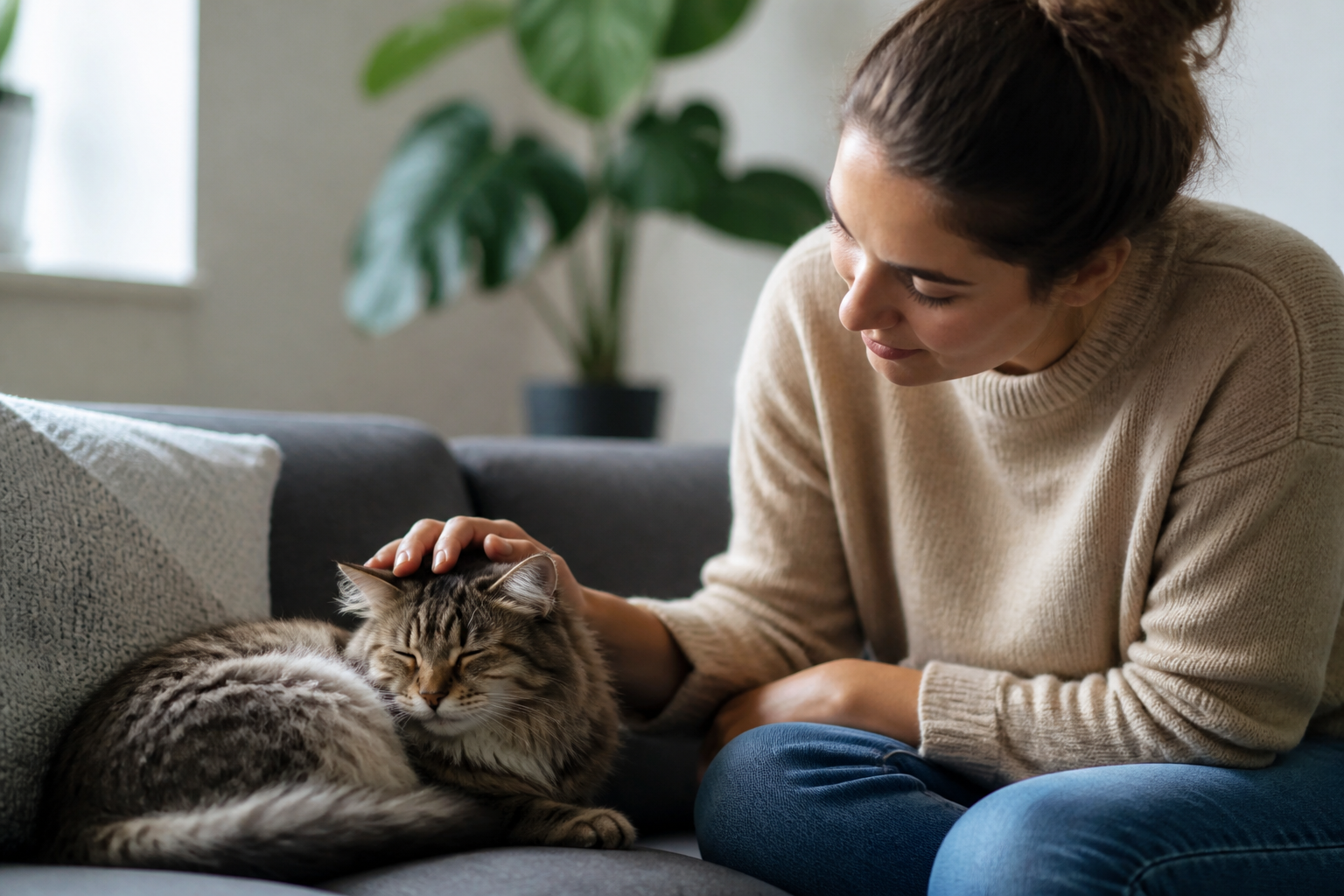
You are sitting on the sofa with your cat and notice small white flakes dusting their shiny fur. While you might first think of human hair care, cats can experience flaky skin too. At BaxterBoo, we understand that seeing these changes in your pet can be a bit worrying. It is a common issue that many of our customers ask about when they visit our warehouse or shop online. We want to help you understand why those flakes are appearing and how to manage them effectively. Most of the time, dandruff is a minor cosmetic issue, but it can sometimes point to a deeper health concern that needs a professional eye. This article covers everything from grooming techniques to nutritional support so you can help your feline friend feel comfortable again.
What Exactly Is Cat Dandruff?
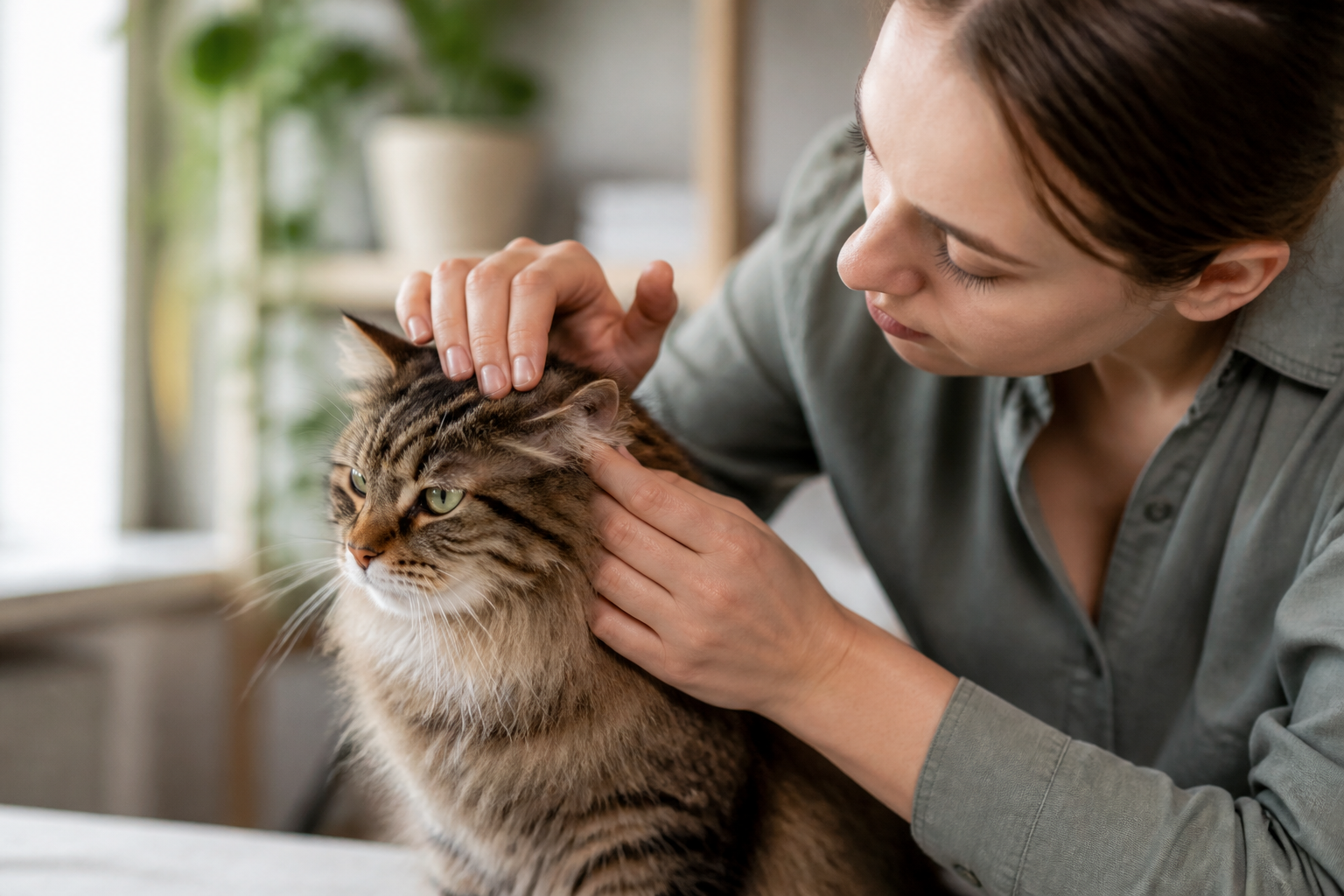
Cat dandruff is the visible accumulation of dead skin cells that have shed from the top layer of the skin. Every cat naturally sheds skin cells as part of a normal biological cycle. Usually, a healthy cat grooms these tiny particles away before you ever see them. When the skin becomes too dry or when the shedding process speeds up, those cells clump together into the white flakes you notice on their back or near the base of their tail.
It is important to distinguish between dandruff and dander. Every cat has dander, which consists of microscopic skin cells and proteins. Dander is what typically triggers human allergies. Dandruff is the larger, visible version that stays trapped in the fur. You should also watch out for flea dirt, which looks like black pepper flakes. If you see dark specks instead of white ones, your cat likely has a parasite issue rather than simple dry skin.
Quick Answer: Yes, you can usually get rid of cat dandruff by addressing the root cause, such as improving grooming habits, increasing environmental humidity, or switching to a high-quality diet. If these steps do not work, a veterinarian can help identify underlying health issues like allergies or parasites.
Common Reasons Your Cat Has Flaky Skin
There are many reasons why a cat might suddenly start looking a bit flaky. Identifying the cause is the first step toward clearing up their coat.
Lack of Proper Grooming
Cats are known for being meticulous self-groomers. However, some cats lose the ability to reach every spot on their body. Senior cats with arthritis may find it painful to twist and lick their lower back. Overweight cats often have physical limitations that prevent them from reaching the base of their tail. When a cat stops grooming an area, dead skin cells and natural oils build up, leading to dandruff and even mats.
Environmental Dryness
Just like humans, cats react to the air around them. During the winter months, indoor heating systems strip moisture from the air. This can cause a cat's skin to become brittle and dry. If your cat spends a lot of time near a heat vent or a sunny window, they might experience seasonal dandruff that clears up when the humidity levels rise.
Nutritional Deficiencies
A dull coat and flaky skin are often the first signs that a cat is not getting the right nutrients. Healthy skin requires a specific balance of proteins and fats. If a diet is low in essential fatty acids, the skin barrier weakens. This makes it harder for the skin to retain moisture. We often see improvements in coat quality when owners switch to premium brands like Farmina, Royal Canin, or Open Farm that prioritize high-quality animal proteins and healthy fats. Explore our cat food selection when evaluating your cat’s nutritional routine.
Parasites and Infections
External pests can wreak havoc on feline skin. Fleas are a common culprit, but mites can also cause a condition known as walking dandruff. This is actually a tiny mite called Cheyletiella that looks like moving flakes of skin. Fungal infections like ringworm can also cause localized flaking and hair loss.
For more information about parasite prevention options, read our guide to flea and tick prevention products.
Vet Tip: If your cat is scratching excessively, losing patches of fur, or has red, irritated skin alongside the dandruff, please schedule a visit with your veterinarian. These symptoms often indicate a medical issue like a skin infection or parasites that require prescription treatment.
Practical Steps to Get Rid of Cat Dandruff
Once you have ruled out serious medical issues with your vet, you can start a home care routine. These steps focus on adding moisture back to the skin and helping your cat manage their coat.
Step 1: Establish a Regular Brushing Routine
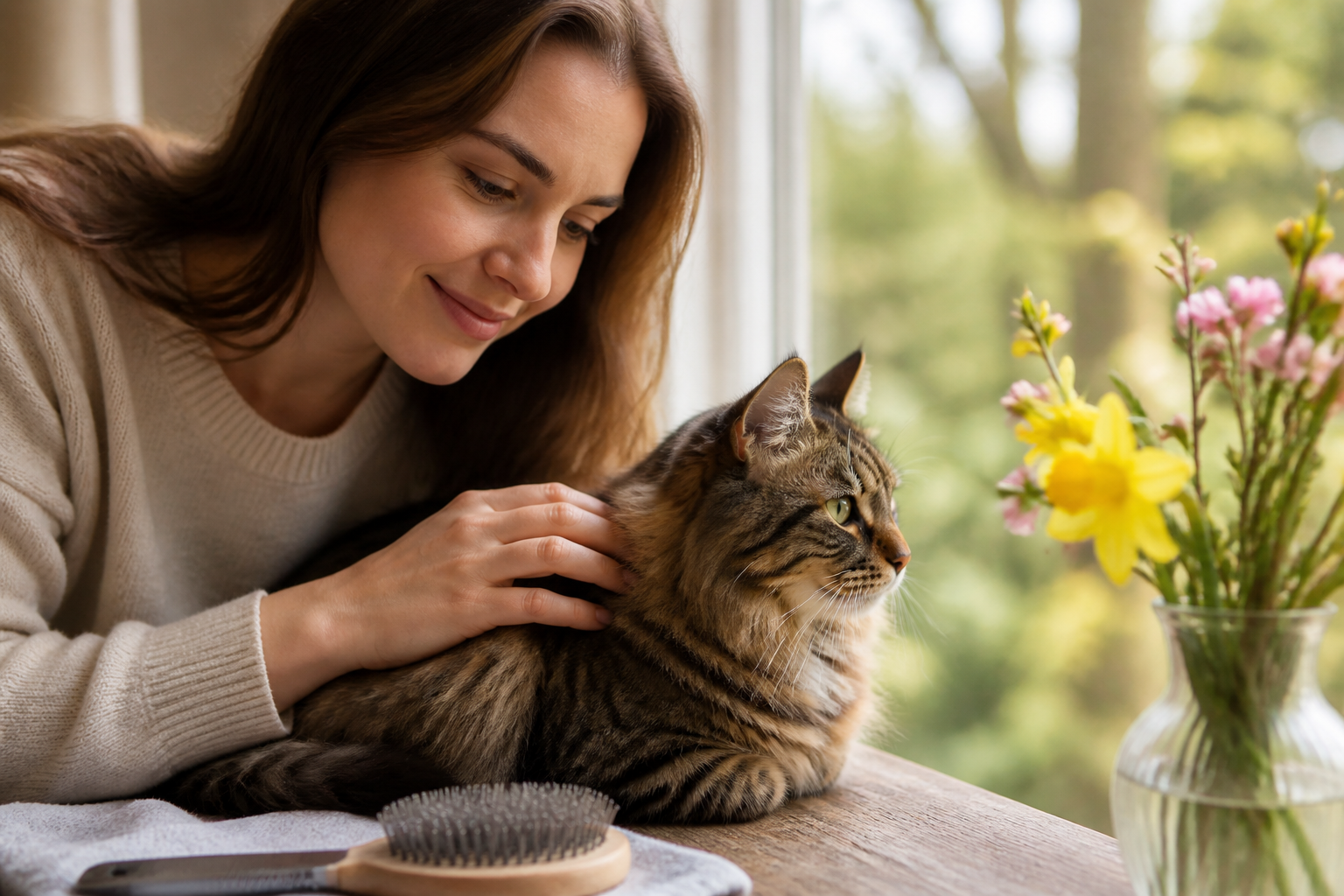
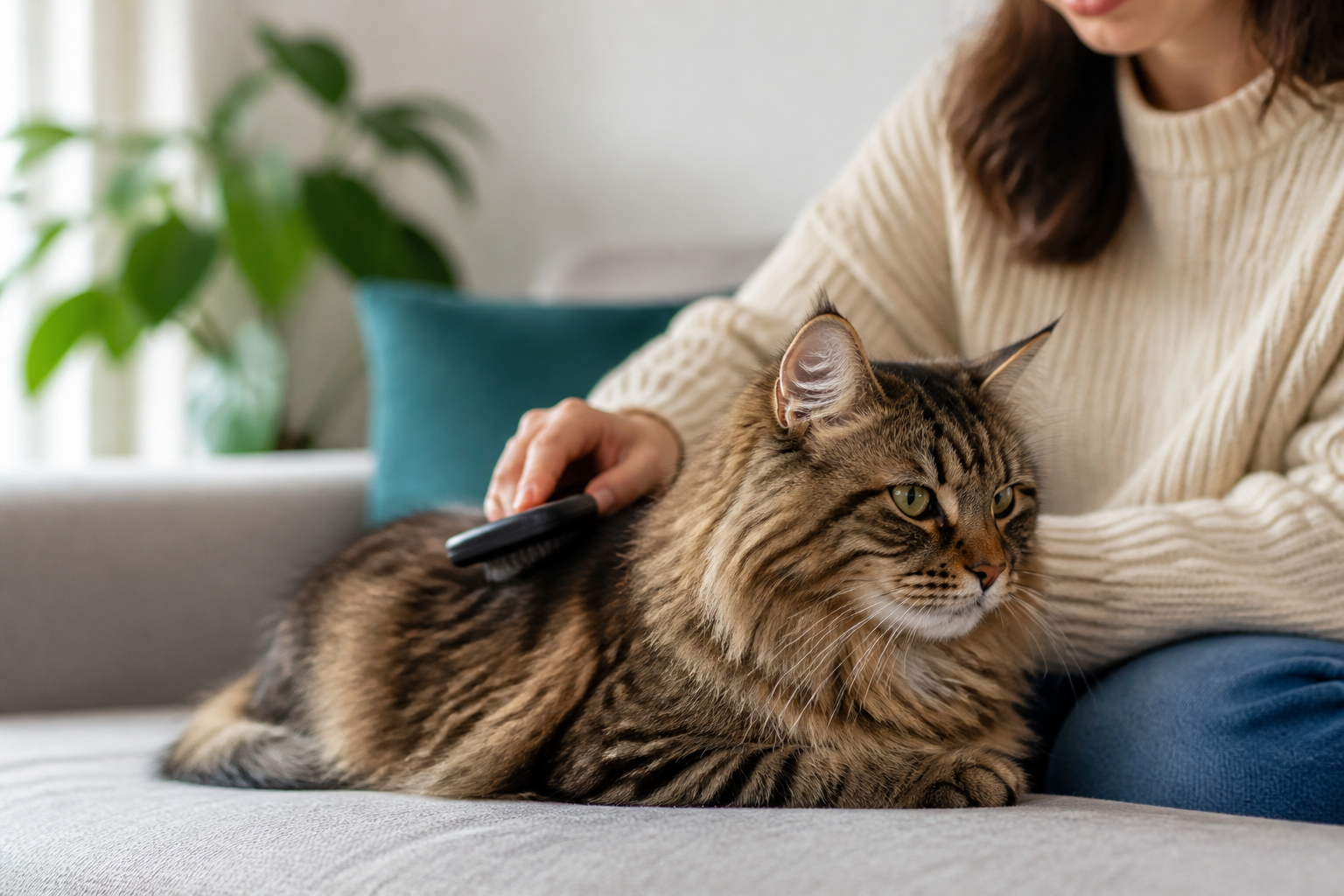
Brushing is one of the most effective ways to manage dandruff. It mimics the natural grooming process by removing dead skin and loose fur. It also stimulates blood flow to the skin surface and helps distribute natural oils.
- Use a soft-bristled brush or a rubber grooming mitt for cats with sensitive skin.
- Focus on the areas your cat cannot reach, such as the middle of the back and the base of the tail.
- Aim for short grooming sessions two or three times a week to keep the coat clear.
You can find brushes, combs, wipes, and other tools in our cat grooming collection.
Step 2: Improve the Humidity in Your Home
If you notice that the dandruff gets worse during the cold months, the air in your home is likely too dry. Adding a humidifier to the room where your cat spends the most time can make a big difference. This simple change helps keep the skin hydrated from the outside in.
Step 3: Evaluate the Water Bowl
Hydration plays a massive role in skin health. Cats are notoriously bad at drinking enough water because they evolved to get moisture from their prey. If your cat only eats dry kibble, they might be slightly dehydrated.
- Try adding a water fountain to encourage more drinking.
- Incorporate wet food from brands like Tiki Cat, Fussie Cat, or Fancy Feast into their daily routine.
- Add a splash of water or tuna juice to their meals to increase total liquid intake.
When comparing wet food options, explore cat foods selected for skin and coat support.
Step 4: Support Skin with Supplements
Omega-3 and Omega-6 fatty acids are essential for maintaining a strong skin barrier. Many owners find success by adding a high-quality fish oil supplement to their cat's food. Brands like Zesty Paws or Honest Paws offer targeted skin and coat support that can help reduce inflammation and flaking.
For additional nutrition ideas, see our sensitive-stomach cat food guide.
Key Takeaway: Managing cat dandruff is a multi-step process that involves manual grooming, environmental changes, and nutritional support to keep the skin barrier healthy and hydrated.
When to Consider the BaxterBoo Pharmacy
Sometimes, dandruff is not just about dry skin. If your veterinarian determines that your cat has an underlying condition like a flea allergy, a skin infection, or a thyroid issue, they may prescribe specific medications.
Our pharmacy offers a wide selection of FDA-approved medications and prescription pet foods through our partnership with Pet's Choice. This includes prescription diets like Farmina Vet Life, which are formulated to manage specific health conditions that can affect the skin. We also carry flea and tick preventives such as Frontline and NexGard to keep those pesky mites and fleas away. By filling your prescriptions through us, you can manage your cat's health needs alongside their regular food and treats. Visit our cat pharmacy to review available prescription products.
| Action Type | Recommended Tool or Product | Goal |
|---|---|---|
| Manual Care | Slicker Brush or Grooming Mitt | Remove dead skin and loose fur. |
| Nutrition | Omega-3 Fatty Acid Supplements | Strengthen the skin barrier and reduce flakes. |
| Environment | Room Humidifier | Maintain skin moisture in dry climates. |
| Protection | Flea and Tick Preventives | Prevent parasite-induced skin irritation. |
Bottom line: While home grooming helps, chronic or severe dandruff often requires a combination of high-quality nutrition and professional medical support from a pharmacy.
Is Bathing Necessary for Cat Dandruff?
Most cats do not need regular baths. In fact, bathing a cat too often can strip away the natural oils they need for healthy skin, making the dandruff worse. However, if your cat is extremely dirty or if your vet recommends a medicated shampoo for a skin infection, a bath might be necessary.
If you must bathe your cat, always use a shampoo specifically formulated for felines. Human shampoos have a different pH balance and can be very irritating to a cat's skin. Look for moisturizing ingredients like oatmeal or aloe vera. Ensure you rinse the coat thoroughly, as leftover soap residue can cause more itching and flaking. For cats that find water highly stressful, consider using waterless grooming products for cats to clean the coat without the drama of a tub.
Supporting Your Senior Cat's Skin
As cats age, their skin often becomes thinner and less elastic. They may also develop health conditions like chronic kidney disease or hyperthyroidism, both of which can lead to a dull, flaky coat. Senior cats also suffer from stiff joints, making it harder for them to reach around and groom themselves.
If you have an older cat, you may need to take a more active role in their hygiene. Daily gentle brushing sessions can be a great way to bond while also keeping their skin healthy. You might also want to look into mobility aids or supplements like Cosequin to help them feel more comfortable during their own grooming sessions.
Key Takeaway: Senior cats require extra grooming assistance and specialized nutrition to overcome the physical challenges that often lead to skin and coat issues in their later years.
Using the Autoship and MVP Rewards Programs
Consistency is the most important factor in clearing up cat dandruff. Whether it is a daily skin supplement or a specific brand of wet food, keeping those items in stock is vital. We designed our Autoship programme to make this easy for you. By setting up recurring deliveries, you ensure your cat never misses a dose of their skin support or a meal of their favorite food. Plus, you save on your first order and receive a free MVP Gold membership.
Our MVP Rewards program also allows you to earn up to 5% back on every purchase. This is a great way to save money on the premium brands your cat needs to stay healthy. We have been operating since 2006 and carry over 500 trusted brands, so you can find exactly what your cat needs to look and feel their best.
Conclusion
Getting rid of cat dandruff is usually a matter of patience and small changes to your daily routine. By focusing on regular brushing, proper hydration, and high-quality nutrition, you can help your cat's skin return to its healthy state. Remember that if the flakes are accompanied by scratching, redness, or changes in behavior, a trip to the vet is the safest course of action. They can provide a proper diagnosis and send a prescription to our pharmacy if needed.
- Start a weekly brushing routine to remove dead skin cells.
- Ensure your cat is eating a balanced, high-quality diet rich in fatty acids.
- Monitor your home's humidity levels, especially during the winter.
- Consult your veterinarian for any persistent or severe skin changes.
Bottom line: A flake-free coat starts with consistent grooming and the right nutritional foundation, supported by professional veterinary care when necessary.
FAQ
Is cat dandruff normal?
A very small amount of occasional flaking can be normal, especially during seasonal changes or in older cats. However, if you see a large amount of white flakes or if your cat seems itchy and uncomfortable, it usually indicates an underlying issue like dry air, poor nutrition, or a medical condition.
Can I use human dandruff shampoo on my cat?
No, you should never use human dandruff shampoo on a cat. These products are formulated for human skin pH and often contain ingredients that are toxic to cats if ingested during grooming. Always use a shampoo specifically labeled for use on cats, or consult your vet for a medicated recommendation.
Will changing my cat's food help with dandruff?
Yes, nutrition plays a major role in skin health. Foods that are high in quality protein and rich in Omega-3 and Omega-6 fatty acids can help strengthen the skin's moisture barrier. Switching to a premium brand or adding a fish oil supplement often results in a shinier, flake-free coat within a few weeks.
When should I worry about my cat's dandruff?
You should contact your veterinarian if the dandruff is accompanied by hair loss, red skin, sores, or excessive scratching. You should also seek advice if your cat's grooming habits have changed significantly or if they seem lethargic, as dandruff can sometimes be a sign of internal health problems like diabetes or kidney disease.