Save 15% on your 1st Autoship learn more

 Email us
 Live Chat
 FAQs
FAQs





Introduction
You reach out to pet your cat and feel a coat that should be silky but instead feels dry or gritty. As you pull your hand away, you notice small white flakes clinging to your clothes and a cloud of loose fur floating through the air. This moment of discovery often leads to questions about whether this is just a seasonal change or a sign of something more serious. At BaxterBoo, we know that your cat’s skin and coat are direct reflections of their internal health. Managing cat excessive shedding and dandruff requires looking beyond the surface to understand why the skin is flaking and why the hair is falling out at an unusual rate. This guide covers everything from nutritional gaps to grooming challenges and medical conditions. Our goal is to help you restore your cat’s coat to its natural, healthy shine.
Quick Answer: Cat dandruff is a buildup of dead skin cells that have failed to shed properly, often caused by poor hydration, nutritional deficiencies, or mobility issues. Excessive shedding frequently accompanies dandruff when the skin is too dry or irritated to hold onto the hair follicles.
Defining Cat Dandruff and Shedding
Dandruff is not just dry skin. In the veterinary world, visible scaling is often called seborrhea. This occurs when the sebaceous glands in the skin produce too much or too little oil. When these oils are out of balance, the skin cells do not shed invisibly as they should. Instead, they clump together and form the white or yellowish flakes you see on the fur.
Shedding is a normal biological process for every cat. Most cats go through a heavier shed twice a year as the seasons change. However, excessive shedding is different. If you notice bald patches, thinning fur, or clumps of hair coming out when your cat is not being groomed, it usually points to an underlying stressor on the body.
It is important to distinguish between dandruff and dander. Dander consists of microscopic skin cells that all cats shed naturally. You cannot see dander with the naked eye. If you can see flakes, you are looking at dandruff. While dander is a common allergen for humans, dandruff is a specific skin condition for the cat that needs management.
Key Takeaway: Normal shedding is seasonal and consistent. Visible flakes and thinning fur are signs that the skin’s natural renewal process is disrupted.
Environmental Factors and Dry Skin
The environment inside your home plays a major role in your cat's skin health. During the winter months, indoor heating systems strip the moisture from the air. This dry air pulls moisture away from your cat's skin. This leads to a brittle coat and increased flaking.
Low humidity is one of the most common causes of simple dandruff. If your cat spends a lot of time near heat vents or radiators, their skin can become localized "hot spots" of dryness. You might notice more flakes along the spine or at the base of the tail.
Static electricity is another environmental factor. When the air is dry, your cat’s fur can build up a static charge. This makes the fur stand up and can cause minor irritation that leads to more frequent scratching. Scratching further damages the skin barrier and worsens dandruff.
Managing the Home Environment
- Use a humidifier in the rooms where your cat spends the most time.
- Keep your cat’s bed away from direct heat sources like vents.
- Ensure fresh water is always available in multiple locations to support internal hydration.
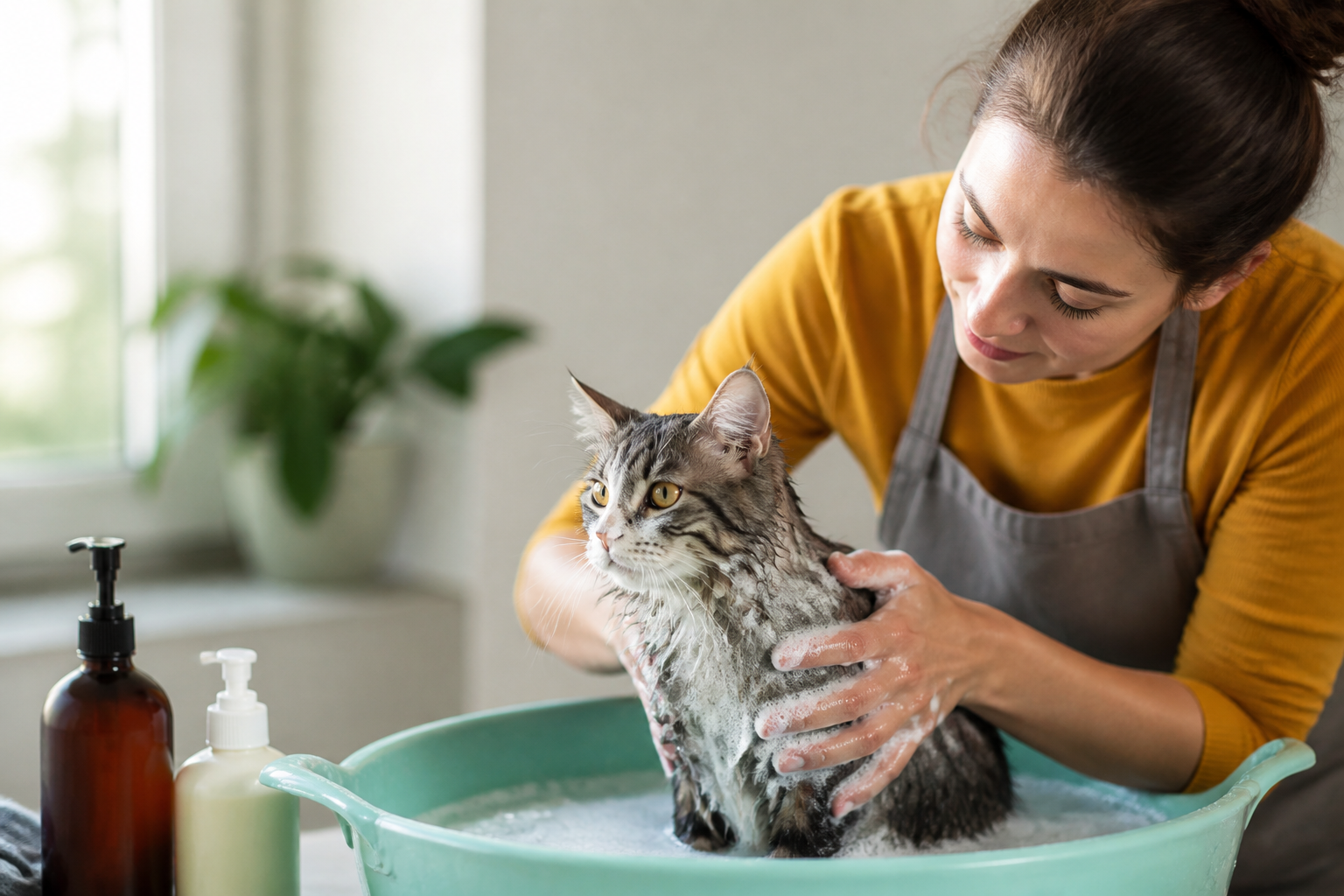
- Avoid over-bathing your cat, as water can strip away essential natural oils.
Vet Tip: If your cat only has dandruff during the winter, the cause is likely environmental. A simple humidifier and an omega fatty acid supplement can often resolve these seasonal flakes.
The Link Between Diet and Coat Health
What your cat eats is the foundation for their skin and coat. The skin is the largest organ of the body. It uses up to 30 percent of a cat’s daily protein intake just for cell renewal and hair growth. If a diet is low in high quality protein, the body will prioritize internal organs over the skin and coat.
Essential fatty acids are the next most important factor. Omega-3 and Omega-6 fatty acids are not produced by the cat's body. They must come from their food. These fats help create the lipid barrier that keeps moisture inside the skin. Without enough healthy fats, the skin becomes dry and the hair follicles weaken. This leads to the double problem of flaking and shedding.
We carry premium brands like Farmina, Royal Canin, and The Honest Kitchen that focus on these nutritional needs. Many of these brands include specific formulas for skin and coat health. They use highly digestible proteins and added oils like salmon oil or flaxseed to support the skin barrier. You can compare options in our wet cat food category.
Nutrients to Look For
- Biotin and B Vitamins: These support the growth of healthy hair and skin cells.
- Zinc: This mineral is vital for skin integrity and wound healing.
- Vitamin A: It helps regulate the production of sebum, the skin’s natural oil.
- Omega-3 Fatty Acids: These reduce inflammation and help keep the skin hydrated.
Key Takeaway: A high quality diet with balanced fatty acids is the most effective long term solution for chronic dandruff and shedding issues.
When Grooming Becomes a Challenge
Cats are famous for their meticulous grooming habits. They spend a large portion of their day cleaning themselves. This process removes loose hair and distributes natural oils across the skin. If a cat stops grooming or cannot reach certain areas, dandruff and mats will quickly follow.
Obesity is a major reason for grooming failure. Overweight cats often cannot reach their lower back or the base of their tail. This is why you often see the most dandruff in these specific spots on heavier cats. The dead skin and loose fur simply sit there because the cat cannot lick them away.
Senior cats face similar struggles due to arthritis. If it hurts for a cat to twist and reach their back, they will stop trying. You may notice their coat looks spiked or greasy in areas they used to keep clean. This lack of grooming leads to a buildup of the undercoat. This buildup traps dander and dandruff against the skin.
Helping Your Cat Groom
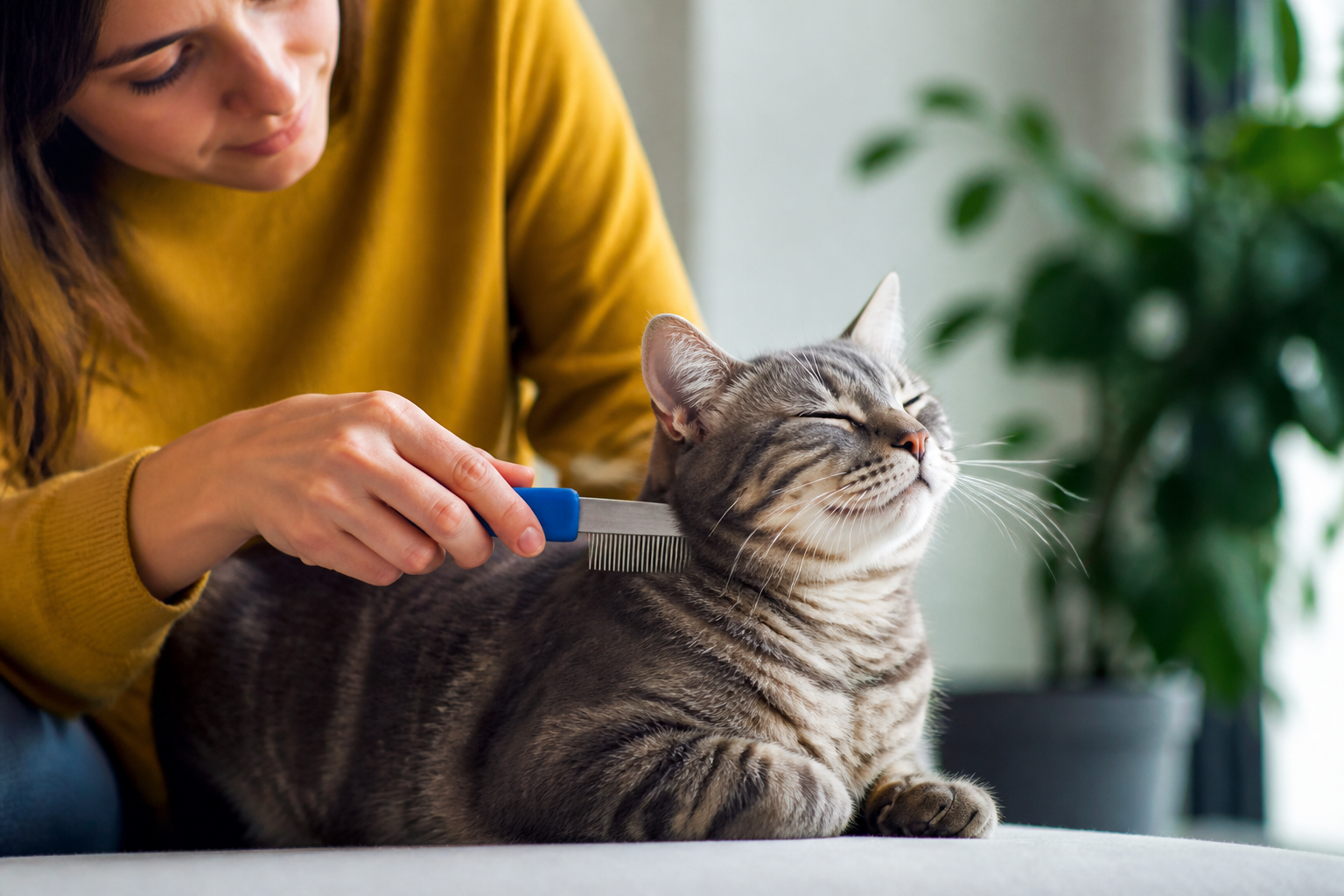
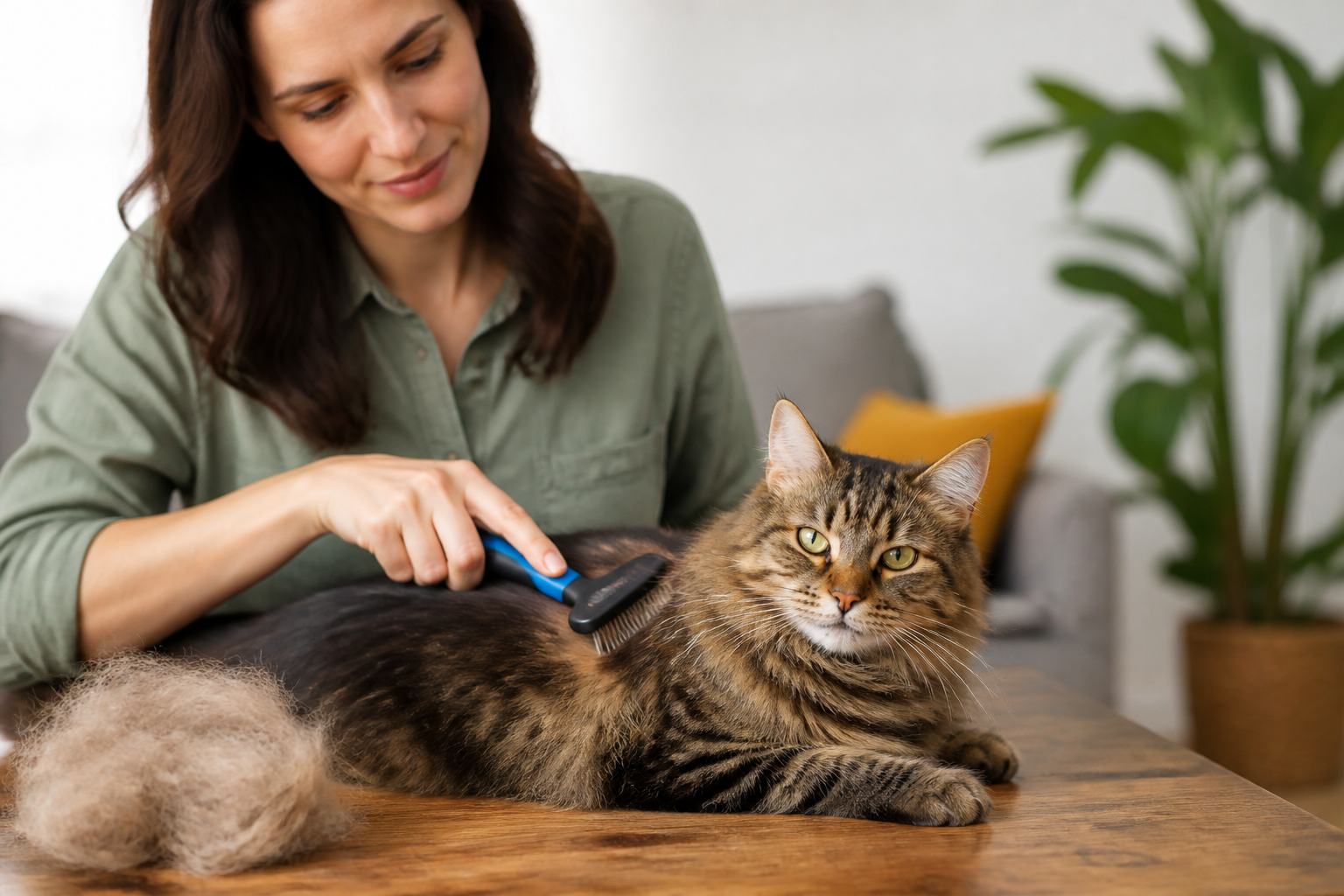
Step 1: Choose the right brush. A slicker brush or a de-shedding tool can help remove the loose undercoat that your cat cannot reach.
Step 2: Start a daily routine. Brushing for just five minutes a day can significantly reduce the amount of fur shed around your house.
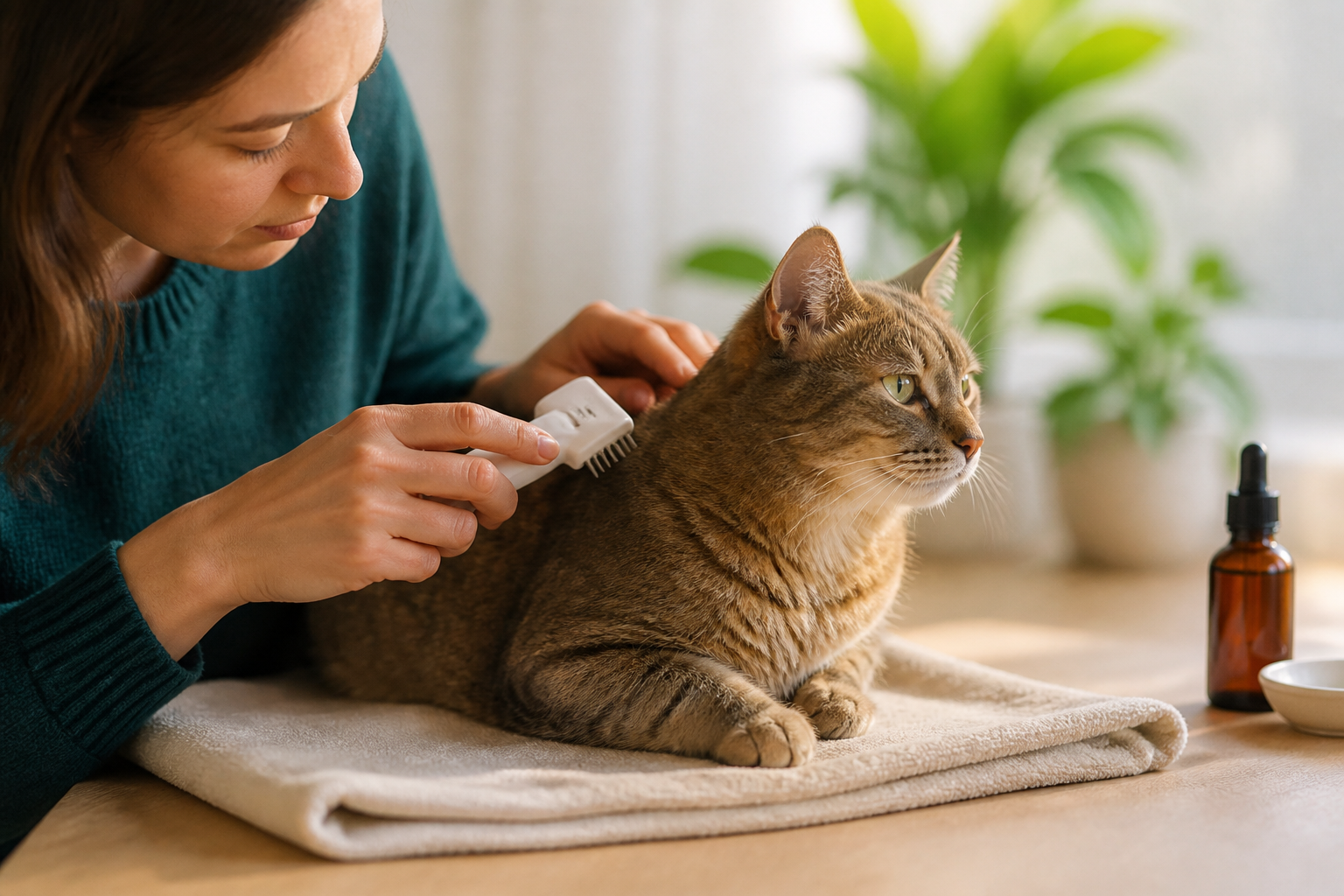
Step 3: Use grooming wipes. If your cat cannot reach their back, a gentle pet wipe can help remove flakes and excess oil without the stress of a full bath. Explore our cat grooming supplies for brushes, combs, and grooming wipes.
Bottom line: If your cat is older or overweight, they rely on you to handle the grooming tasks they can no longer manage themselves.
For additional coat-care ideas, read how proper grooming can help reduce dander and shedding.
Medical Causes for Skin Flaking and Hair Loss
Sometimes, dandruff and shedding are symptoms of a medical issue that needs a veterinarian’s attention. If you see redness, sores, or if your cat seems very itchy, it is time for a checkup.
Parasites are a common culprit. Fleas can cause an allergic reaction called flea allergy dermatitis. This leads to intense scratching and skin flaking. There is also a specific parasite called the Cheyletiella mite. It is often called "walking dandruff" because the mites are white and move under the flakes. This condition is highly contagious and requires specific medication.
Internal health issues like hyperthyroidism, diabetes, or kidney disease can also change the texture of the skin. These conditions affect the cat’s metabolism and hydration levels. When the body is struggling with an internal illness, the coat is often the first thing to look dull and flaky.
Allergies are another factor. Cats can be allergic to ingredients in their food or things in their environment like dust or pollen. These allergies cause skin inflammation. Inflammation leads to an overproduction of skin cells, which results in visible dandruff.
Vet Tip: If your cat’s dandruff is accompanied by increased thirst, weight loss, or extreme lethargy, consult your vet immediately. These can be signs of systemic issues like diabetes or kidney disease.
Managing Shedding and Dandruff with Pharmacy Support
When environmental changes and basic grooming are not enough, you may need targeted medical support. Our cat pharmacy offers prescription medications and veterinary products through our pharmacy service. This is especially helpful if your veterinarian determines that your cat’s skin issues are caused by a specific medical condition.
Prescription diets like Farmina Vet Life are formulated to address specific health hurdles. These diets can help with weight management for obese cats or provide hydrolyzed proteins for cats with severe food allergies. By managing the underlying cause, these foods help clear up the skin from the inside out.
We also provide access to prescription flea and tick preventives. Brands like NexGard or Frontline are essential for stopping the cycle of itching and flaking caused by parasites. Our pharmacy makes it easy to get these medications delivered directly to your home. You can keep your cat protected year round without the hassle of extra trips to a physical clinic.
Bottom line: Our pharmacy partnership provides a direct path to the specialized foods and medications your cat needs to overcome chronic skin and coat issues.
Practical Management and Home Care
Reducing the fur and flakes in your home requires a multi-pronged approach. You have to treat the cat and manage the environment at the same time. Frequent cleaning of the areas where your cat sleeps will help reduce the re-circulation of dander and loose fur.
Supplementing your cat’s diet can show results in as little as three to four weeks. Look for liquid fish oil or soft chews from brands like Zesty Paws or Honest Paws. These provide a concentrated dose of the fatty acids that support skin health. Always introduce new supplements slowly to avoid upsetting your cat's stomach. Our cat skin and coat health collection includes supplements and other products for coat care.
For more guidance on choosing supplements, explore our pet supplement guide.
Water intake is often overlooked in skin health. Cats are notorious for having a low thirst drive. If a cat is mildly dehydrated, their skin will be the first place to show it. Switching to wet food or using a pet water fountain can encourage your cat to drink more. This keeps the skin hydrated and less prone to flaking.
For more ideas, read how running water can support indoor cat hydration.
Home Care Checklist
- Weekly Brushing: Use a de-shedding tool once a week to remove the deep undercoat.
- Daily Hydration: Ensure water is fresh and consider adding wet food to the diet.
- Supplementation: Add an Omega-3 supplement to help the skin barrier.
- Clean Bedding: Wash cat beds once a week in hot water to remove trapped dander and flakes.
Key Takeaway: Consistency is the secret to coat health. Small daily actions like brushing and ensuring hydration prevent flakes from building up.
When to See Your Veterinarian
While a few flakes in the winter might be normal, you should monitor your cat closely for changes. You know your pet better than anyone else. If their behavior or appearance shifts suddenly, it is a signal that they need help.
Schedule a visit if you notice:
- Red, inflamed, or bleeding skin.
- Bald spots or patches where the hair is completely gone.
- The cat is grooming so much they are causing sores.
- A foul odor coming from the skin or coat.
- Visible parasites like fleas or mites.
Your vet might perform a skin scraping to look for mites or a fungal culture to rule out ringworm. They may also suggest blood work to check for internal issues like hyperthyroidism. Early diagnosis is the best way to prevent a minor skin problem from becoming a painful infection.
Vet Tip: Never use human dandruff shampoos on your cat. Many contains ingredients like salicylic acid or zinc pyrithione that can be toxic if your cat licks their fur. Always use products specifically formulated for felines.
Conclusion
Managing cat excessive shedding and dandruff is a journey that involves nutrition, grooming, and sometimes medical intervention. By addressing the root causes like dry air, poor diet, and mobility issues, you can significantly improve your cat's comfort and appearance. At BaxterBoo, we are committed to providing the tools you need for this process. Whether you need a high quality slicker brush, a supplement for skin support, or a prescription diet from our pharmacy, we are here to help. Taking these steps now will help your cat feel better and keep your home a little cleaner. Start by checking out our selection of skin and coat supplements or join the MVP Rewards programme to earn points on every grooming tool and bag of food you purchase.
Bottom line: A healthy coat starts from within. Focus on high quality nutrition and regular grooming to keep your cat flake-free.
FAQ
Why does my cat have dandruff only at the base of the tail?
The base of the tail is the hardest spot for many cats to reach during grooming. If a cat is overweight or has stiff joints from arthritis, they cannot twist far enough to clean this area. This leads to a buildup of natural oils and dead skin cells that appear as dandruff. Regular brushing in this specific spot can help clear the flakes.
Can stress cause my cat to shed more and develop dandruff?
Yes, stress can cause a physical reaction in a cat's skin. When a cat is stressed, their body releases cortisol, which can affect the skin's oil production and the hair growth cycle. This often results in sudden "stress shedding" and a dull, flaky coat. Providing a calm environment and consistent routine can help reduce these symptoms.
Is it safe to use coconut oil on my cat's skin for dandruff?
While small amounts of coconut oil are generally safe, it is not always the best solution. Applying oil to the fur can make the coat greasy and may encourage your cat to over-groom the area. It is usually more effective to provide essential fatty acids through their diet or a supplement so the skin can hydrate itself from the inside.
How long does it take for a new diet to improve my cat’s coat?
Skin cells take time to regenerate, so you will not see changes overnight. It typically takes about four to six weeks of consistent feeding with a high quality diet to see a visible improvement in shedding and dandruff. Be patient and stick to the new routine to give the nutrients time to work through the body.