Save 15% on your 1st Autoship learn more

 Email us
 Live Chat
 FAQs
FAQs





Introduction
Petting your cat is supposed to be a relaxing moment for both of you. It is frustrating when you pull your hand away and see a dusting of white flakes across your cat's dark fur. While we often think of dandruff as a human problem, our feline friends can also deal with dry, itchy skin. At BaxterBoo, we know that a healthy coat is a sign of a happy cat. This post covers the common causes of feline flakes and the practical steps you can take to restore your cat's shine. From grooming habits to nutritional support, we will help you understand how to manage your cat's skin health. Finding the root cause is the first step toward keeping your cat comfortable and flake-free.
Quick Answer: Taking care of cat dandruff involves regular brushing to distribute skin oils, improving hydration through wet food or water fountains, and ensuring a diet rich in Omega-3 fatty acids. If the dandruff is accompanied by itching, redness, or hair loss, a veterinary visit is necessary to rule out parasites or infections.
Understanding Cat Dandruff vs Dander
It is important to distinguish between dandruff and dander. Every cat has dander. These are microscopic skin cells that shed naturally as part of the body's normal renewal process. You generally cannot see dander with the naked eye. It is the material that often triggers allergies in humans, but it is a sign of healthy skin turnover.
Dandruff is different because it is visible. These are larger, clumped flakes of dead skin that stay trapped in the fur. When you see white or yellowish specks on your cat's back or near the base of the tail, you are looking at dandruff. While dander is a normal biological function, dandruff usually indicates that the skin is too dry, too oily, or that the cat is unable to groom itself properly.
Common Causes of Feline Flakes
Identifying why your cat has dandruff is the most important part of the process. You cannot fix the flakes without addressing the source. Several factors contribute to skin issues in cats.
Lack of Proper Grooming
Cats are famous for their self-cleaning habits. They spend a large portion of their day licking and smoothing their fur. This process does more than just keep them clean. It distributes natural oils across the skin and removes dead cells. If a cat stops grooming, those cells build up and turn into dandruff.
Obesity is a leading cause of poor grooming. If a cat is overweight, they simply cannot reach certain areas, particularly the lower back and the base of the tail. This is why you will often see a "strip" of dandruff down the spine of heavier cats. Arthritis is another factor. Senior cats with stiff joints may find it painful to twist and reach their hindquarters.
Environmental Factors
The air inside your home plays a significant role in your cat's skin health. During the winter, indoor heating systems strip moisture from the air. This causes the skin to lose its natural hydration, leading to cracks and flaking. If you notice that your cat's dandruff only appears when the heater is running, the environment is likely the culprit.
Nutritional Deficiencies
Skin is the largest organ of the body. It requires a specific set of nutrients to stay supple. If a cat's diet is low in essential fatty acids, their skin is often the first thing to suffer. Omega-3 and Omega-6 fatty acids are crucial for maintaining the skin's moisture barrier. Without them, the skin becomes brittle and prone to shedding large flakes.
Underlying Health Conditions
Sometimes, dandruff is a symptom of a larger internal problem. Conditions like hyperthyroidism, diabetes, or kidney disease can affect the quality of a cat's coat. These metabolic shifts change how the skin produces oil and how quickly cells regenerate.
Vet Tip: If your cat has dandruff along with changes in thirst, appetite, or energy levels, schedule a checkup with your veterinarian. They may need to run blood work to rule out underlying conditions like diabetes or thyroid issues. Our pet pharmacy carries prescription medications for chronic conditions once your vet provides a diagnosis.
Identifying Parasites and Infections
Not all flakes are just dry skin. Some are actually signs of tiny invaders. It is vital to look closely at the flakes to ensure you are not dealing with a parasite.
Walking Dandruff (Cheyletiella Mites)
There is a specific mite called Cheyletiella that looks exactly like dandruff to the naked eye. In fact, it is often called walking dandruff. If you look very closely at the flakes and notice they seem to be moving, your cat has a mite infestation. These mites are highly contagious and require medical treatment.
Fleas and Flea Dirt
Flea infestations cause intense itching. As your cat scratches, they damage the skin and create flakes. You might also see flea dirt, which looks like tiny black pepper flakes. If you see white flakes and black specks together, fleas are the likely cause.
For more information about protecting pets from parasites, read this guide to flea and tick prevention products.
Fungal and Bacterial Infections
Ringworm is a common fungal infection in cats. It often causes circular patches of hair loss and scaly, flaky skin. Bacterial infections can also cause the skin to become crusty or oily. These conditions will not go away with brushing alone. They require medicated treatments prescribed by a professional.
Key Takeaway: Dandruff is a symptom, not a disease. Always check for signs of movement or redness to ensure you are not missing a parasite infestation or a skin infection.
Step 1: Establish a Regular Brushing Routine
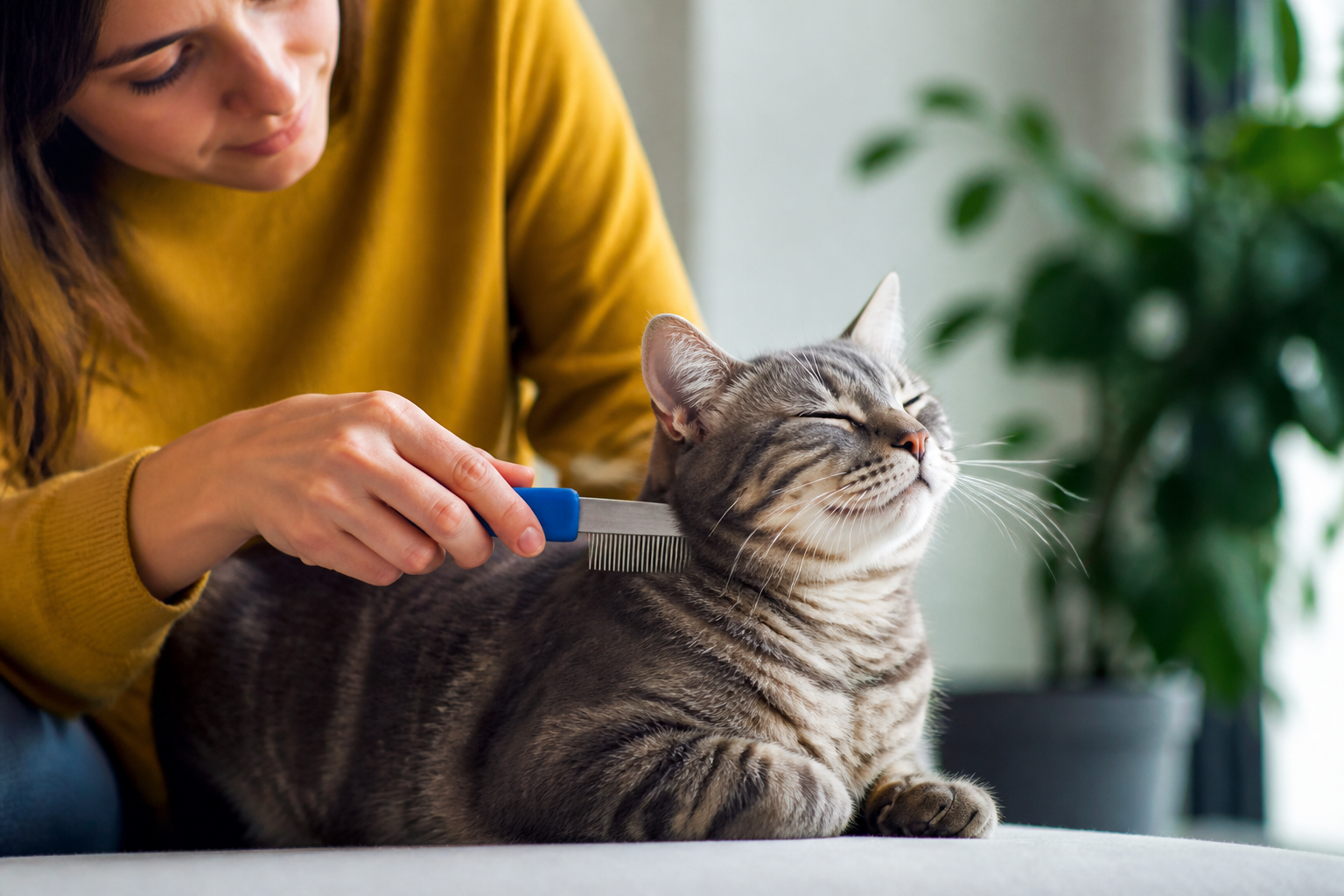
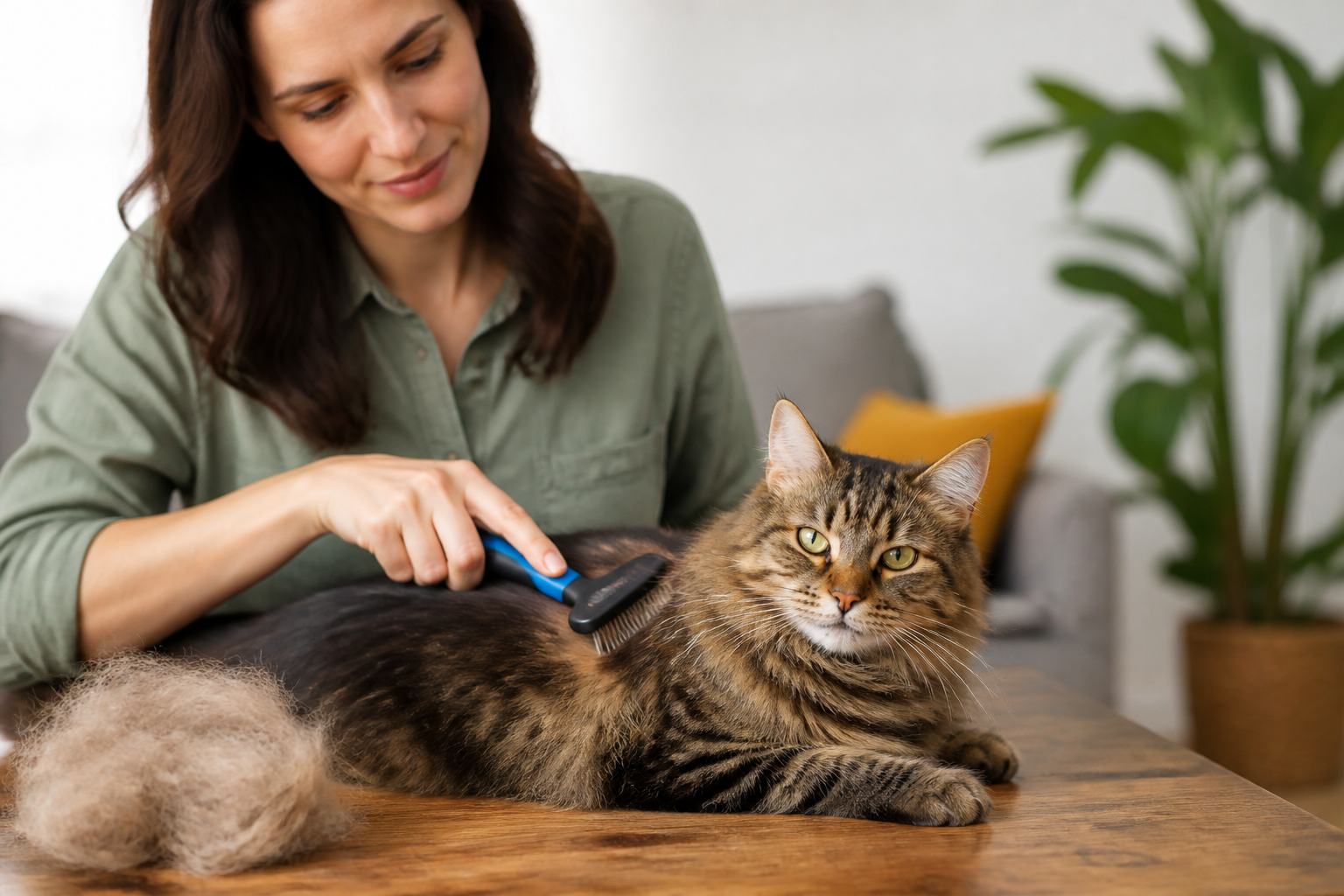
The most immediate way to take care of cat dandruff is to help your cat with their grooming. This is especially important for long-haired cats or those with mobility issues. Brushing does the work that the cat's tongue normally would.
- Choose the right tool: For short-haired cats, a rubber grooming mitt or a soft bristle brush works well. For long-haired cats, use a stainless steel comb or a slicker brush to reach the undercoat.
- Be gentle: Irritated skin is sensitive. Do not tug at mats or press too hard.
- Follow the grain: Always brush in the direction of hair growth.
- Focus on problem areas: Spend extra time on the lower back and the base of the tail where flakes tend to congregate.
By brushing your cat daily, you manually remove the dead skin cells before they can clump together. You also stimulate the skin to produce more natural oils and help spread those oils down the hair shaft.
A U-Groom Combo Brush for Dogs and Cats offers stainless-steel pins on one side and boar bristles on the other for everyday coat care.
Step 2: Improve Hydration and Diet
Internal hydration is just as important as external moisture. Cats are notorious for having a low thirst drive. In the wild, they get most of their water from their prey. If your cat eats only dry kibble, they may be in a state of mild, chronic dehydration.
Transitioning to Wet Food
Adding wet food to your cat's diet is one of the easiest ways to improve their skin. Canned food is roughly 70 to 80 percent water. This extra moisture helps keep the skin cells plump and healthy. If your cat refuses to give up their kibble, try adding a splash of water or tuna juice to their bowl.
Explore our cat food collection when comparing wet food and other dietary options for your cat.
Using a Water Fountain
Many cats prefer running water. A stagnant bowl of water can quickly become unappealing. Investing in a pet water fountain can encourage your cat to drink more frequently. Increased water intake helps flush toxins from the body and supports the skin's moisture barrier.
High-Quality Ingredients
Check your cat's food label. You want to see named animal proteins like chicken, salmon, or turkey as the first ingredients. Avoid foods with excessive fillers like corn or soy, which do not provide the necessary nutrients for a healthy coat. We carry a wide variety of premium brands at BaxterBoo, such as Stella and Chewy’s or Farmina, which focus on high-quality nutrition.
For additional ideas about hydration and food choices, see these sensitive-stomach cat food options.
Step 3: Supplements for Skin and Coat
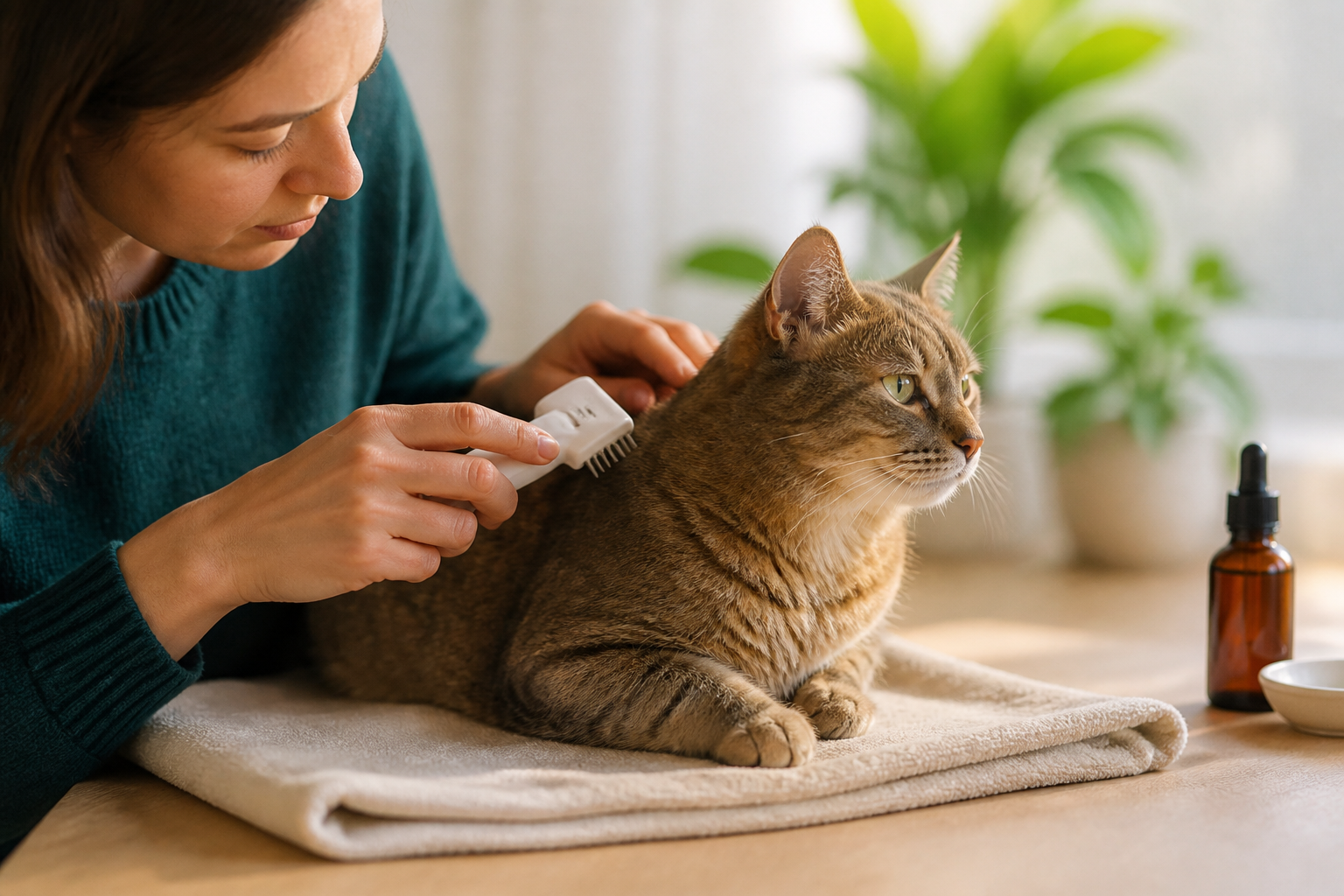
If a balanced diet is not enough, supplements can provide a concentrated boost of skin-supporting nutrients. Omega-3 fatty acids, specifically EPA and DHA, are the gold standard for feline skin care. These are usually derived from fish oils like salmon or pollock.
Omega-3s work by reducing inflammation in the skin. This can help soothe the itchiness that often leads to more dandruff. They also help strengthen the "glue" between skin cells, which prevents them from flaking off prematurely.
- Liquid oils: These can be pumped directly onto your cat's food. Most cats enjoy the fishy taste.
- Soft chews: These are treated like a snack and are easy to administer.
- Capsules: You can prick a capsule and squeeze the oil onto their meal.
Always start with a small amount to ensure the supplement does not upset your cat's stomach. It usually takes three to four weeks of consistent use to see a visible difference in the coat.
This pet supplement guide discusses skin and coat support, including Omega-3 and Omega-6 fatty acids.
Vet Tip: Before adding any supplement to your cat's routine, consult your veterinarian. They can help you determine the correct amount based on your cat's weight and current health status.
Step 4: Manage the Home Environment
If your cat's dandruff gets worse during the winter, you need to address the air quality in your home. Central heating dries out the skin of everyone in the house, including the pets.
Using a Humidifier
Placing a humidifier in the room where your cat spends the most time can make a massive difference. Aim to keep the humidity level in your home between 30 and 50 percent. This prevents the top layer of the skin from drying out and cracking.
Safe Cleaning Products
Sometimes, dandruff is a reaction to chemicals in the environment. If you use harsh floor cleaners or strong laundry detergents on your cat's bedding, their skin may become irritated. Switch to pet-safe, unscented cleaning products. This reduces the risk of contact dermatitis, which can cause flaking and redness.
Step 5: Routine Parasite Prevention
You should keep your cat on a monthly flea and tick preventive year-round, even if they stay indoors. Fleas can easily hitch a ride into your home on your clothes or other pets. A single flea bite can cause an allergic reaction in some cats, leading to a condition called flea allergy dermatitis. This results in extreme itching, scabbing, and dandruff.
Our cat flea and tick collection includes preventive products for helping protect cats from parasite-related irritation. Keeping your cat protected is a simple way to rule out one of the most common causes of skin irritation. If you are already seeing signs of parasites, your vet may recommend a specific prescription-strength treatment to clear the infestation quickly.
For another look at flea-control options, read how flea collars work.
Bottom line: Consistent use of flea prevention and regular brushing are the most effective ways to prevent "walking dandruff" and other parasite-related skin issues.
Should You Bathe a Cat with Dandruff?
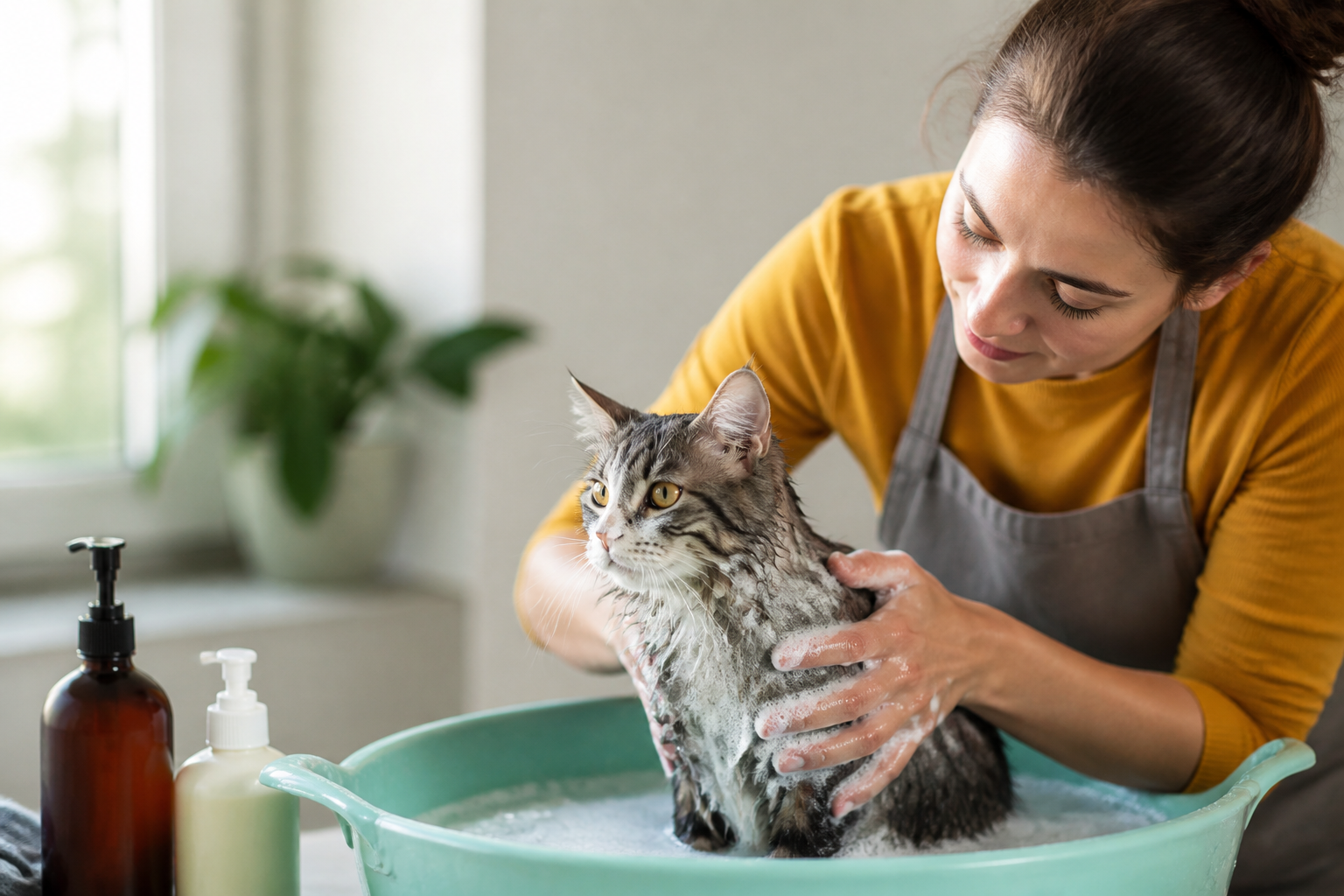
Most cats do not need regular baths. In fact, bathing a cat too often can make dandruff worse. Soap and water can strip away the very oils you are trying to preserve. However, there are times when a bath is helpful.
If your cat is extremely oily or has a fungal infection, a medicated bath may be necessary. Use only shampoos specifically formulated for cats. Human dandruff shampoos are toxic to cats and should never be used. They contain ingredients like zinc pyrithione or selenium sulfide that can be harmful if ingested during grooming.
If your cat finds baths too stressful, consider using grooming wipes. These allow you to clean the fur and remove flakes without the drama of a tub. They often contain soothing ingredients like aloe or oatmeal to calm the skin.
You can compare brushes, shampoos, wipes, and other options in our cat grooming collection.
When to Seek Veterinary Care
While mild dandruff is often a cosmetic issue, you should not ignore it if it occurs alongside other symptoms. Skin health is a window into what is happening inside the body.
See a veterinarian if you notice:
- Red, inflamed, or raw skin
- Patches of hair loss or thinning fur
- The cat is hiding or acting lethargic
- A foul odor coming from the skin or ears
- Excessive scratching, biting, or licking of the skin
- Scabs, pustules, or open sores
Your vet can perform a skin scraping to look for mites or fungi under a microscope. They may also suggest a specialized diet if they suspect a food allergy is the cause of the flakes. For cats with severe allergies or chronic skin conditions, our pharmacy carries prescription diets and medications that can provide long-term relief.
Managing Senior Cats and Obesity
If your cat has dandruff because they are too old or too heavy to groom, you have to address those specific challenges. For obese cats, weight management is the only permanent solution. Talk to your vet about a calorie-controlled diet. As your cat loses weight, they will regain the flexibility needed to clean themselves.
For senior cats with arthritis, you can help by making grooming a daily bonding activity. Use a soft brush to reach their lower back every evening. You might also consider starting them on a joint supplement like Cosequin to help improve their range of motion. When they feel better, they will likely return to their normal grooming habits.
Summary of Management Steps
To effectively take care of cat dandruff, follow these steps:
- Daily Brushing: Spend five to ten minutes a day removing dead fur and spreading skin oils.
- Dietary Review: Ensure they are eating high-quality protein and consider adding wet food for hydration.
- Omega Supplements: Add a fish oil supplement to support the skin's moisture barrier.
- Environmental Control: Use a humidifier during dry months and use pet-safe cleaners.
- Parasite Protection: Stay current on flea and tick preventives to avoid irritation.
By taking a proactive approach, you can turn a flaky, dull coat into one that is soft and shiny. Most cases of dandruff improve significantly within a month of making these changes.
Conclusion
Cat dandruff is a common issue that often points to a need for a few simple lifestyle changes. By focusing on better hydration, regular grooming, and high-quality nutrition, you can help your cat feel much more comfortable. Remember that the skin reflects the health of the entire body. At BaxterBoo, we are committed to helping you provide the best care for your pets through our expertly curated products and our dedicated pharmacy services. If your cat's flakes persist, do not hesitate to consult your veterinarian for a professional diagnosis. To get started on your cat's skin health journey, explore our collection of grooming tools and supplements, or check out our Autoship program to ensure you never run out of the essentials.
Key Takeaway: Healthy skin requires a combination of external grooming and internal nutrition. Addressing both ensures your cat remains flake-free and comfortable year-round.
FAQ
Can I use human dandruff shampoo on my cat?
No, you should never use human dandruff shampoo on a cat. These products contain active ingredients and chemicals that are formulated for human skin pH and can be toxic if your cat licks their fur. Always use a shampoo specifically designed for cats, or better yet, consult your vet for a medicated recommendation if the dandruff is severe.
How often should I brush my cat to get rid of dandruff?
For most cats, a daily brushing session of five to ten minutes is ideal for managing dandruff. This frequency helps keep the undercoat clear of dead cells and ensures skin oils are distributed regularly. If your cat has very long hair or is currently experiencing a heavy flake breakout, you may want to brush them twice a day until the condition improves.
Will changing my cat's food help with their dry skin?
Changing to a higher-quality food can definitely help if the current diet lacks essential fatty acids or high-quality proteins. Look for recipes that include salmon oil or flaxseed, which are natural sources of Omega-3s. It is best to transition foods slowly over seven to ten days to avoid upsetting your cat's stomach.
Is cat dandruff the same as "walking dandruff"?
They look similar, but they are very different. Normal dandruff is just dead skin flakes caused by dryness or poor grooming. "Walking dandruff" is actually a parasitic infestation caused by Cheyletiella mites. If the flakes on your cat appear to be moving, or if the itching is intense and sudden, you should see a vet for parasite treatment immediately.