Save 15% on your 1st Autoship learn more

 Email us
 Live Chat
 FAQs
FAQs





Introduction
You may notice a sudden dusting of white flakes on your cat's back right after a car ride or a visit to the vet. This rapid appearance of skin flakes is often called cat stress dandruff. It can be startling to see a glossy coat turn flaky in a matter of minutes. At BaxterBoo, we understand how these small changes in your cat's appearance can cause big concerns for a pet owner.
This guide covers why stress triggers skin changes and how to distinguish between temporary flakes and chronic health issues. We will look at environmental triggers, nutritional support, and when a vet visit is necessary. Our goal is to help you keep your cat’s skin healthy and their stress levels low. Understanding the connection between your cat’s nervous system and their coat is the first step toward a flake-free feline.
What Is Cat Stress Dandruff?
Dandruff consists of visible flakes of dead skin cells that have shed from the upper layer of the skin. While all cats shed microscopic skin cells called dander, dandruff is large enough to see with the naked eye. In many cases, these flakes appear during moments of high anxiety. This happens because a cat's body reacts physically to perceived threats.
When a cat becomes stressed, their body releases adrenaline and cortisol. These hormones trigger a "fight or flight" response. This response can cause the blood vessels in the skin to constrict. It also affects the tiny muscles at the base of each hair follicle. This sudden physiological shift can cause the skin to dry out rapidly or shed cells at an accelerated rate.
Quick Answer: Cat stress dandruff is a physiological reaction where a cat sheds visible skin flakes during or after a high-stress event. It is caused by a sudden release of stress hormones that affect skin hydration and cell turnover.
The Difference Between Dander and Dandruff
It is easy to confuse these two terms, but they represent different things. Dander is a normal part of a healthy cat’s life. Every cat produces dander as skin cells naturally age and fall away. These particles are tiny and usually invisible until they accumulate on furniture. Dander is also the primary carrier of the protein that causes allergies in humans.
Dandruff is not considered normal in large amounts. It appears as white or grayish flecks that look like grains of salt or small scales. If you can see the flakes clearly against your cat’s fur, you are looking at dandruff. While dander is a sign of a functioning body, excess dandruff often points to a problem with grooming, nutrition, or stress.
Why Cats Get "Flash" Dandruff
The phenomenon of dandruff appearing almost instantly is unique to the feline stress response. You might be petting your cat and notice their coat is perfectly clear. Ten minutes later, after a loud noise or a move to a new room, flakes appear along the spine. This "flash" dandruff is a result of the skin's moisture barrier being temporarily compromised.
Stress shifts the body’s focus away from non-essential functions like skin maintenance. The sebaceous glands, which produce the oils that keep skin supple, may fluctuate in their output. This leaves the outermost layer of skin brittle. When the cat twitches their skin or moves their fur in a "piloerection" (puffed-up) state, those dry cells break loose all at once.
Identifying Behavioral Signs of Stress
Dandruff is rarely the only sign that a cat is struggling with anxiety. If the flakes are stress-related, you will likely see other behavioral cues. Cats are masters at hiding discomfort, so these signs can be subtle. Watching for these changes can help you identify the source of the skin issues.
Common behavioral signs of a stressed cat include:
- Hiding more than usual in dark or high places
- Excessive grooming or licking a specific spot until it is bald
- Changes in litter box habits or spraying
- A decrease in appetite or pickiness with food
- Vocalizing more often or with a different tone
- Hyper-vigilance or jumping at small sounds
If your cat shows these signs along with flaky skin, the dandruff is likely a secondary symptom of their emotional state. Addressing the environment is just as important as addressing the skin itself.
Nutritional Links to Skin Health
A cat’s skin is their largest organ. It requires a significant amount of protein and healthy fats to stay resilient. If a cat’s diet lacks essential fatty acids, their skin barrier becomes weak. This makes them more prone to dandruff when stress occurs. High-quality food provides the building blocks for a healthy coat.
We carry brands like Farmina and Stella and Chewy’s that focus on premium proteins and balanced fats. Omega-3 and Omega-6 fatty acids are particularly important. These fats help retain moisture in the skin cells. When a cat has a strong moisture barrier, they are less likely to develop "flash" dandruff during stressful moments.
Key Takeaway: Proper nutrition acts as a buffer against stress-induced skin reactions by strengthening the natural moisture barrier of the skin.
The Role of Grooming in Managing Flakes
Cats are usually fastidious groomers. They spend a large portion of their day cleaning themselves and removing loose fur and skin cells. If you see a buildup of dandruff, it might mean your cat has stopped grooming effectively. Stress can cause a cat to neglect their self-care routines.
Other factors can also interfere with grooming. Obesity makes it difficult for cats to reach their lower back and the base of the tail. This is why dandruff is most common in those areas. Arthritis in senior cats can also make the twisting motions of grooming painful. If your cat cannot clean themselves, the dead skin cells simply sit on the surface and clump together.
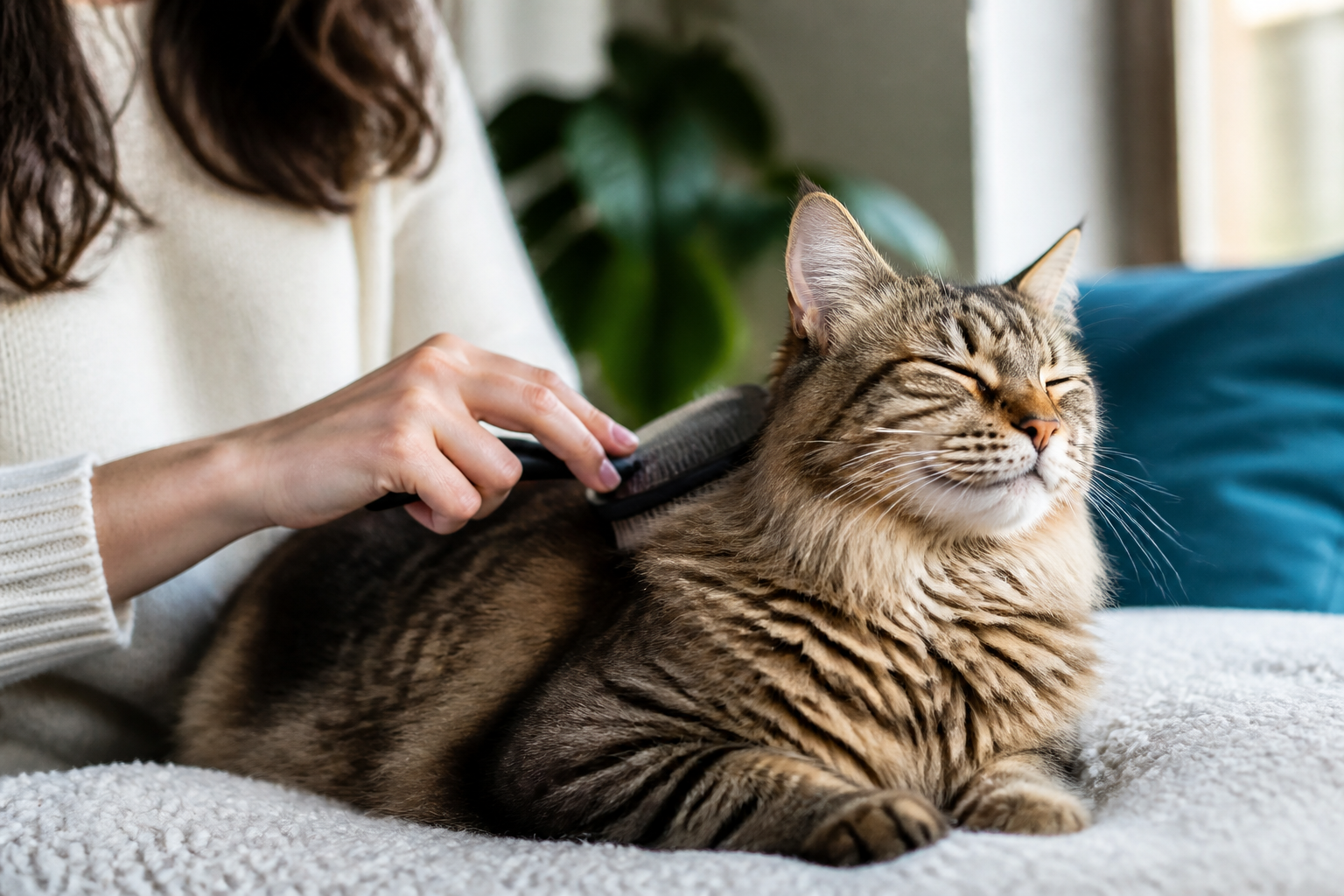
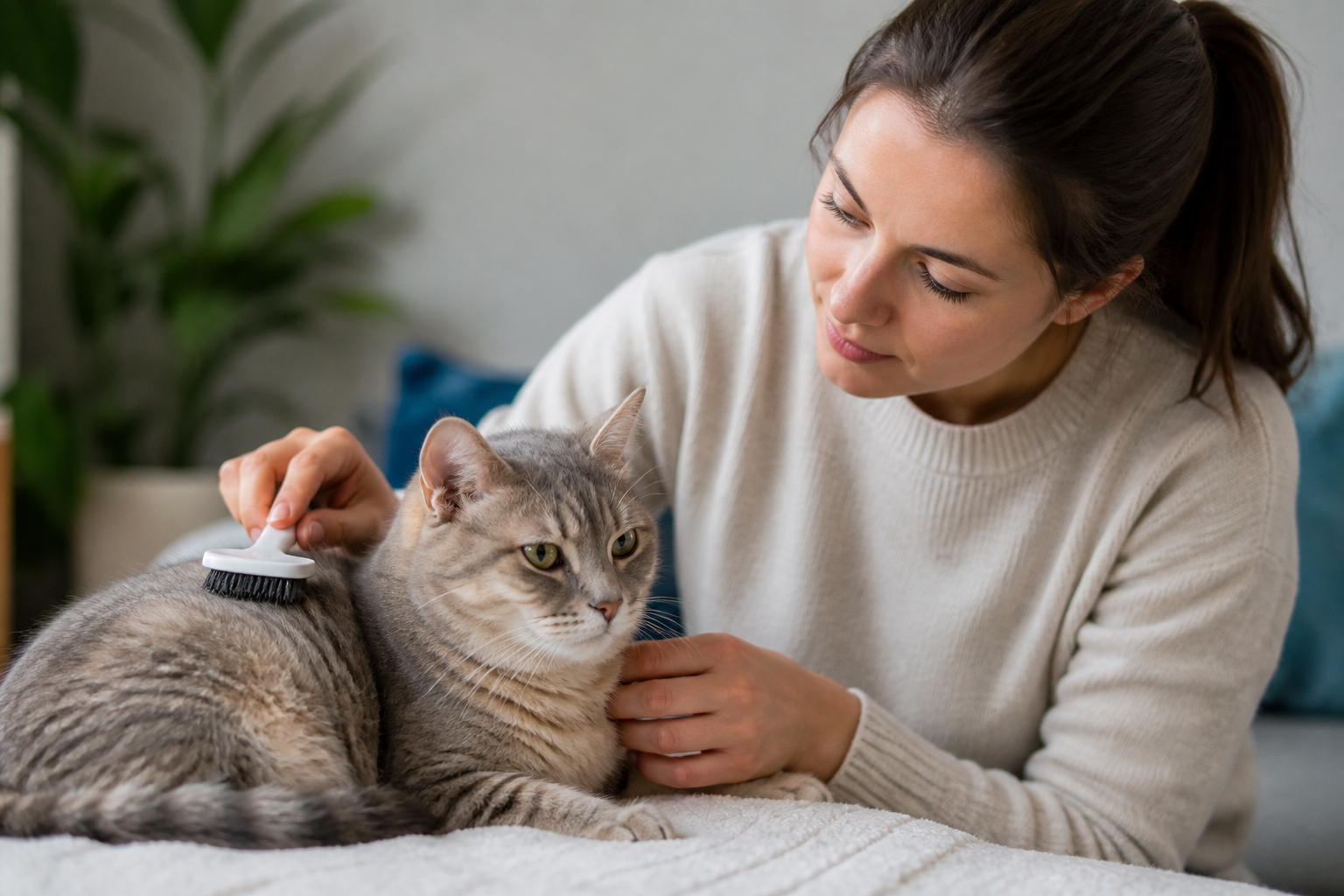
Step 1: Choose a gentle brush. / Use a tool like a Kong ZoomGroom to massage the skin and loosen flakes without causing irritation.
Step 2: Set a routine. / Brush your cat for five minutes at the same time every day to create a predictable, low-stress habit.
Step 3: Wipe away excess flakes. / Use a damp, warm cloth or feline-specific grooming wipes to remove visible dandruff after a stressful event.
Environmental Triggers for Flaky Skin
The air inside your home can contribute to cat stress dandruff. This is especially true during the winter months. Forced-air heating systems strip moisture from the environment. This leads to dry skin for both humans and pets. A cat who already has dry skin will react more visibly to stress.
Low humidity makes the skin brittle and prone to flaking. Using a humidifier in the rooms where your cat spends the most time can help. Keeping the humidity level around 40 to 50 percent is ideal for feline skin health. This simple environmental change can reduce the severity of dandruff even during stressful transitions.
When Dandruff Is Not Just Stress
While stress is a common cause, it is not the only reason cats get dandruff. It is important to rule out medical conditions that require professional treatment. Some issues look very similar to stress flakes but have much different causes.
Walking Dandruff (Cheyletiella Mites)
This is a parasitic infestation caused by tiny mites. To the naked eye, it looks exactly like dandruff. However, if you watch closely, you may see the "flakes" moving. These mites are highly contagious and require specific medical treatment to eliminate.
Fleas and Flea Dirt
Flea infestations can cause a cat to develop scabs and flakes. Flea dirt looks like small black specks of pepper. If your cat is allergic to flea saliva, they may develop significant skin inflammation and scaling. Our pet pharmacy offers FDA-approved flea and tick preventives through our partnership with Pet's Choice to help manage these risks.
Internal Health Issues
Chronic dandruff can be a sign of systemic disease. Conditions like diabetes, hyperthyroidism, and kidney disease can all affect the quality of a cat's skin. These illnesses change the way the body processes nutrients and hydrates itself. If dandruff persists even when your cat is calm, it is time for a vet visit.
Vet Tip: If your cat's dandruff is accompanied by weight loss, increased thirst, or lethargy, schedule a veterinary exam. These can be signs of underlying metabolic conditions like hyperthyroidism or diabetes.
The Importance of Professional Diagnosis
You should never assume that dandruff is only caused by stress if it lasts for more than a few days. A veterinarian can perform a skin scraping to look for mites or fungus like ringworm. They can also run blood work to ensure your cat’s organs are functioning correctly.
Getting a clear diagnosis prevents you from wasting money on the wrong treatments. For example, a supplement will not fix a mite infestation. Similarly, a medicated shampoo might not help if the problem is an overactive thyroid. Always consult a professional for any persistent skin changes.
Using the BaxterBoo Pharmacy for Skin Support
Many causes of dandruff require prescription intervention. If your vet determines that your cat has an allergy or a parasitic infection, they may prescribe specialized medications. We provide access to a full pharmacy that carries FDA-approved treatments for skin conditions and ongoing health management.
Our partnership with Pet's Choice ensures that you can get the medications your cat needs delivered to your door. This includes prescription diets like Farmina Vet Life, which are formulated for specific health concerns. Using a prescription diet can often resolve skin issues that are rooted in internal imbalances. This convenience reduces the stress of multiple trips to a clinic for refills.
Anxiety and Calming Aids
If stress is the primary driver of your cat's dandruff, managing their anxiety is the best cure. There are several ways to help a cat feel more secure in their environment. Calming aids can take the edge off during known stressors like thunderstorms or holiday gatherings.
Consider these options for stress management:
- Pheromone diffusers that mimic a mother cat's scent
- Calming treats containing L-theanine or tryptophan
- Anxiety wraps or weighted blankets for cats who enjoy pressure
- Quiet "safe zones" with familiar bedding and toys
Supplements from brands like Honest Paws or Zesty Paws can also support a calm nervous system. These products often use natural ingredients to help your cat stay level-headed. A calmer cat is less likely to experience the hormonal spikes that lead to skin flaking.
Grooming Tools for Sensitive Cats
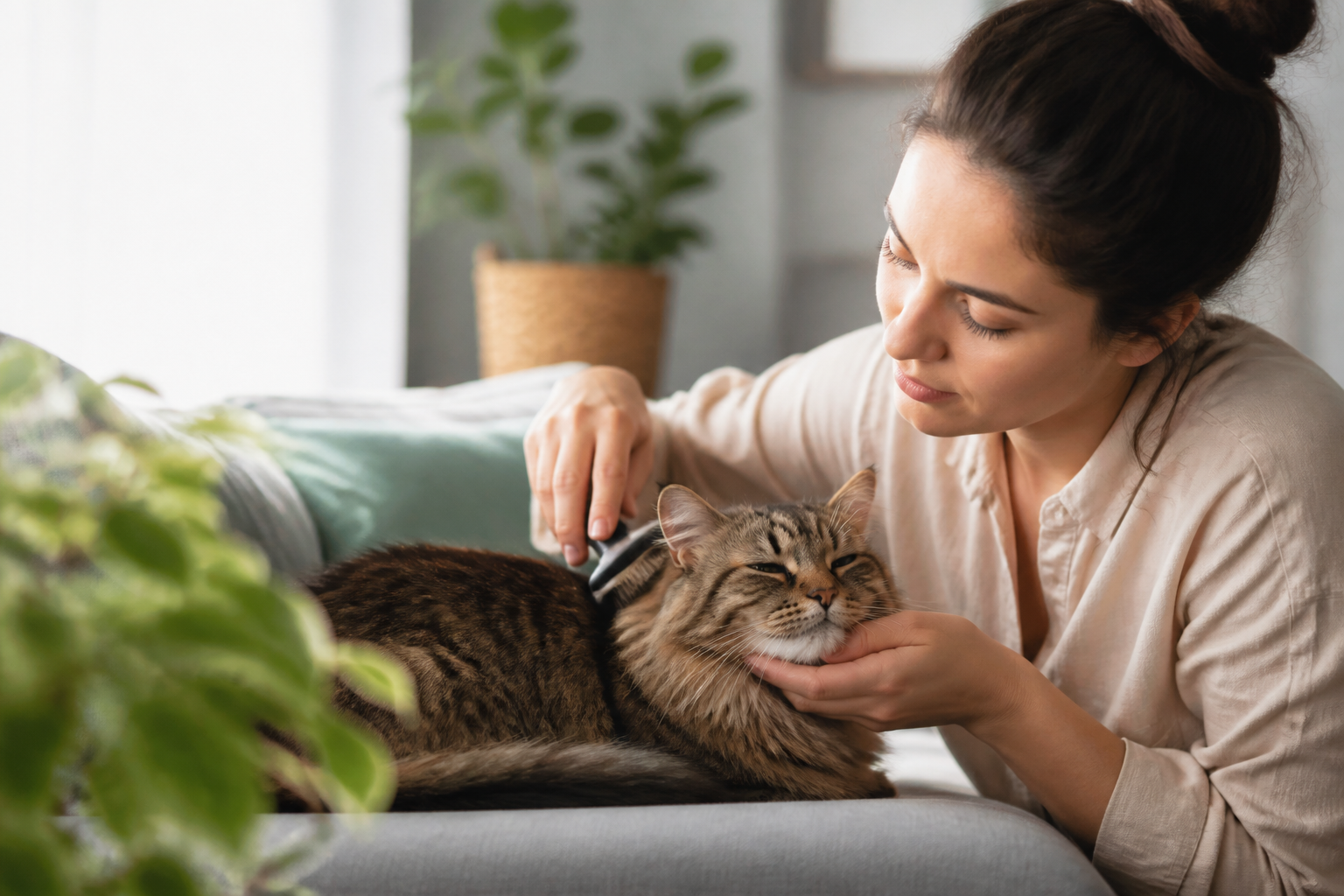
The way you brush your cat matters. If the skin is already irritated, a metal comb might be too harsh. It can cause micro-scratches that lead to further flaking and potential infection. Use soft-bristled brushes or silicone grooming mitts for cats with dandruff.
These tools help distribute the skin's natural oils. Brushing also stimulates blood flow to the surface of the skin. This encourages healthy cell turnover and can prevent the buildup of dead cells. For many cats, a gentle grooming session also serves as a bonding activity that lowers their overall stress. Explore our cat grooming supplies for brushes, wipes, and other gentle care tools.
Hydration and Its Impact on Skin
Dehydration is a quiet contributor to flaky skin. Many cats do not have a strong thirst drive and can become mildly dehydrated without showing obvious signs. When a cat is dehydrated, their skin loses elasticity. This makes it much easier for flakes to form when the cat is stressed.
To improve hydration, consider adding wet food to your diet. Brands like Tiki Cat or Fussie Cat offer high-moisture options that cats love. You can also use a pet water fountain. Many cats prefer running water and will drink significantly more from a fountain than a stagnant bowl. Proper hydration keeps the skin plump and less prone to drying out.
Bottom line: Increasing your cat's water intake through wet food or fountains is a simple way to improve skin elasticity and reduce dandruff.
Seasonal Changes and Skin Health
In the US, many cat owners notice a spike in dandruff during the transition between seasons. The shift from humid summer air to dry winter heat is a major trigger. During these times, your cat’s body is also adjusting its coat thickness. This process involves shedding old fur and skin cells.
You can prepare for these transitions by increasing the frequency of grooming. Adding a high-quality skin and coat supplement a few weeks before the weather turns can also help. This gives the body time to build up nutrient reserves. Being proactive helps prevent the extreme dryness that leads to stress-induced flaking.
Managing Multi-Pet Stress
If you have a multi-pet household, social stress can be a factor. Competition for resources like food, water, and prime sleeping spots can keep a cat in a constant state of low-level anxiety. This chronic stress can manifest as persistent dandruff along the back.
Ensure you have enough resources for every animal. The general rule is one of everything per cat, plus one extra. This includes litter boxes, water bowls, and scratching posts. Reducing the need for competition helps your cat feel more relaxed. When the environment is peaceful, you will likely see a significant improvement in their coat quality. For additional ideas about hydration and creating a comfortable environment, read these tips for improving your cat’s quality of life.
The Role of MVP Rewards and Autoship
Managing a cat with chronic skin issues or anxiety often requires a consistent supply of specific foods and supplements. We want to make it easy for you to maintain this routine without added stress. Our Autoship program allows you to schedule regular deliveries of your cat’s favorite skin-support products.
When you sign up for Autoship, you also receive a free MVP Gold membership. This program helps you earn rewards on every purchase. These savings add up, making it more affordable to provide the high-quality care your cat deserves. Staying consistent with nutrition and calming aids is the best way to keep dandruff under control in the long term.
Conclusion
Cat stress dandruff is a common but manageable reaction to a cat's environment. While the sight of white flakes can be concerning, it often serves as a helpful signal that your cat needs a little extra support. By combining proper nutrition, a low-stress environment, and regular grooming, you can keep your cat’s coat looking its best.
Remember to watch for behavioral changes and consult your veterinarian if the dandruff persists. Whether it is a simple fix like a humidifier or a medical need handled through our pharmacy, we are here to help. Taking care of your cat’s skin is an important part of their overall wellness.
- Monitor for sudden flakes during stressful events.
- Distinguish visible dandruff from microscopic dander.
- Prioritize Omega-3 fatty acids in your cat's diet.
- Use gentle grooming tools to manage flakes.
Check out our Skin & Coat collection or visit our pet pharmacy for FDA-approved health solutions for your feline friend.
FAQ
Can stress really cause dandruff to appear instantly on my cat?
Yes, cats can experience a physiological reaction where their skin sheds cells rapidly due to a sudden spike in stress hormones. This often happens because the blood vessels in the skin constrict, and the skin's moisture barrier is temporarily disrupted. You might see these flakes appear within minutes of a stressful event like a loud noise or a carrier ride.
Is walking dandruff different from regular cat dandruff?
Walking dandruff is actually caused by tiny mites called Cheyletiella. While it looks like normal white flakes, these "flakes" are actually moving parasites. This condition is highly contagious to other pets and even humans, so it requires a veterinary diagnosis and prescription treatment from a pharmacy.
How can I tell if my cat’s dandruff is a medical emergency?
Dandruff itself is rarely an emergency, but it can be a symptom of a larger problem. If you notice the flakes alongside sores, redness, extreme itching, or patches of missing fur, you should see a vet. Additionally, if your cat is acting lethargic or has stopped eating, the dandruff might be a sign of a systemic illness like diabetes.
Should I give my cat a bath to get rid of the dandruff?
Bathing a cat is often very stressful and can actually make stress-induced dandruff worse. Instead of a full bath, try using feline-specific grooming wipes or a damp, warm cloth to gently remove the flakes. If a bath is necessary for a medical reason, use a very gentle, soap-free shampoo recommended by your veterinarian.