Save 15% on your 1st Autoship learn more

 Email us
 Live Chat
 FAQs
FAQs





Introduction
You are petting your cat when your fingers catch on a rough patch of fur. When you look closer, you see white flakes scattered across their coat and small, dry scabs along their back. This is more than just typical shedding. Finding crusty cat dandruff can be a worrying moment for any pet owner. It often signals that your cat's skin is struggling with more than just a bit of dryness. At BaxterBoo, we know how much you want your feline friend to feel comfortable and sleek again. This article explains why these crusty patches happen and how you can help your cat find relief. From simple grooming fixes to managing underlying health issues, we have the practical advice you need. Understanding the root cause is the best way to restore your cat's healthy, glossy coat.
Quick Answer: Crusty cat dandruff is often caused by skin infections, parasites like fleas or mites, or an inability to groom properly. Treatment involves identifying the specific cause with a veterinarian and using medicated shampoos, parasite preventives, or nutritional supplements.
Understanding the Difference Between Dander and Dandruff
It is helpful to know exactly what you are looking at when you find flakes on your cat. Many owners use the words dander and dandruff as if they are the same thing. They are actually quite different. Dander consists of microscopic skin cells that every healthy cat sheds naturally. You usually cannot see dander with the naked eye. It is the material that often triggers allergies in humans, but it does not indicate a skin problem for the cat.
Dandruff is different because the flakes are large enough to see. These flakes are clumps of dead skin cells that have shed prematurely. When that dandruff becomes crusty, it means there is likely inflammation, fluid, or scabbing involved. This usually indicates that the skin barrier has been compromised. If you see visible white or yellow flakes paired with a rough or bumpy texture, your cat is dealing with a specific skin condition rather than normal shedding.
Common Causes of Crusty Skin and Flakes
Several factors can cause your cat's skin to become flaky and crusty. Some are external and easy to spot. Others are internal and require a deeper look at your cat's overall health.
Parasites and Walking Dandruff
Pests are a frequent culprit behind skin irritation. Fleas are the most common cause. Many cats are allergic to flea saliva. This condition is called flea allergy dermatitis. Even a single bite can cause a cat to break out in itchy, crusty bumps, especially around the base of the tail.
Another specific parasite is the Cheyletiella mite. This is often called walking dandruff because the mites are large enough to see. When they move under the scales of the skin, it looks like the dandruff itself is crawling. These mites are highly contagious and cause intense itching and scaling. Our pharmacy offers FDA approved flea and tick preventives through our partnership with Pet's Choice to help manage these infestations. Browse our cat flea and tick collection for parasite-prevention options.
Fungal and Bacterial Infections
Ringworm is a common fungal infection that causes circular patches of hair loss and crusty skin. It is not actually a worm. It is a fungus that lives on the skin and hair follicles. Bacterial infections can also occur. These are often secondary. This means your cat scratched their skin because of an allergy, and bacteria moved into the small cuts. This leads to pus, scabbing, and a crusty texture.
Environmental Factors
Dry air can take a toll on a cat's skin just like it does on yours. During the winter, indoor heating systems strip moisture from the environment. This can lead to brittle fur and a flaky coat. While this usually causes simple dandruff, excessive scratching from dry skin can lead to crusting.
Key Takeaway: Crusty dandruff is a symptom of an underlying issue like parasites, infection, or environmental stress. Identifying the specific cause is the first step toward effective treatment.
The Impact of Grooming and Mobility
Cats are famous for their grooming habits. They spend a large portion of their day cleaning themselves. When a cat stops grooming, their skin health suffers quickly.
Obesity and Accessibility
If a cat is overweight, they may not be able to reach certain parts of their body. The lower back and the base of the tail are the most common spots for dandruff to build up on an obese cat. The natural oils on the skin do not get distributed. Dead skin cells and loose hair get trapped. This creates a thick, crusty layer over time.
Arthritis and Senior Cats
Senior cats often suffer from osteoarthritis. This makes it painful to twist and reach their back or hindquarters. You might notice that your older cat has a matted or flaky coat along their spine. This is not necessarily a skin disease. It is often a sign of mobility issues. Helping your cat with daily brushing can make a massive difference in these cases. We carry a wide range of grooming tools in our cat grooming collection to assist with this process.
Vet Tip: If your senior cat has stopped grooming, consult your veterinarian about joint support. Managing their pain can often lead to improved grooming habits and better skin health.
For more guidance on mobility-related grooming changes, read our guide to arthritis care for cats.
Seborrhea in Cats
Seborrhea is a specific skin disorder where the sebaceous glands produce too much oil. This condition can be primary or secondary. Primary seborrhea is often inherited. It is seen more frequently in breeds like Persians. Secondary seborrhea is more common and is usually triggered by an underlying medical issue like a hormonal imbalance.
There are two types of seborrhea:
- Seborrhea Sicca: This is the dry form. It results in white, silver, or gray flakes.
- Seborrhea Oleosa: This is the oily form. It results in yellow, greasy scales and a distinct odor.
Most cats with this condition have a combination of both. The skin may feel greasy to the touch, but you will still see flakes and crusty patches. Because this condition can be linked to internal health, it is important to have your vet run blood tests.
Nutrition and Skin Health
What goes into your cat's body shows up on their coat. A poor diet is a very common cause of flaky skin. Cats need specific nutrients to maintain the integrity of their skin barrier.
Essential Fatty Acids
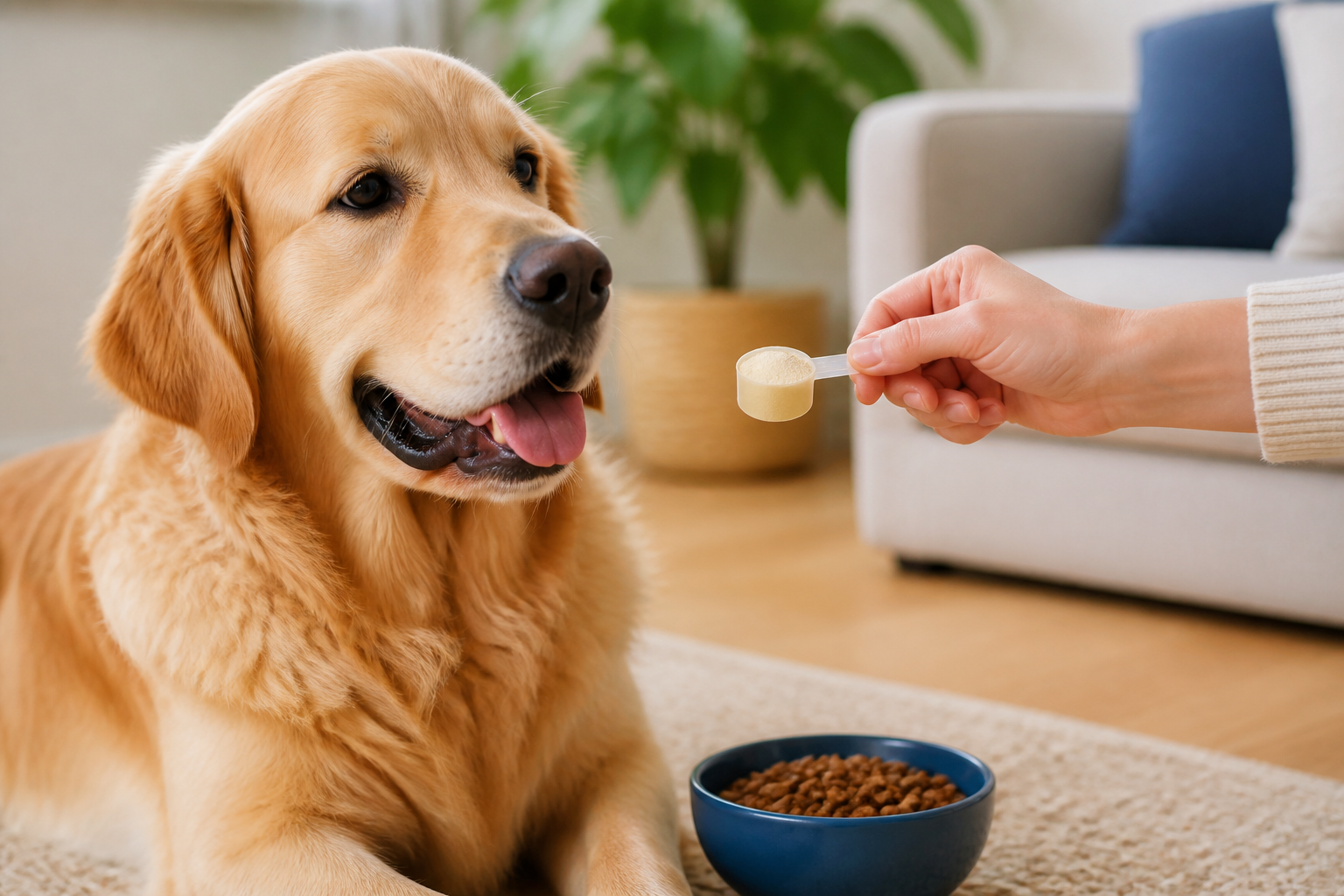
Omega-3 and Omega-6 fatty acids are vital for skin health. These fats help keep the skin hydrated and reduce inflammation. Many standard cat foods may not have high enough levels of these fats for a cat with sensitive skin. Adding a high quality fish oil supplement can often clear up mild dandruff within a few weeks. Our cat healthcare collection includes supplements for skin and coat support.
Hydration and Wet Food
Cats have a low thirst drive. They are designed to get much of their water from their prey. If a cat eats only dry kibble, they may live in a state of mild dehydration. This leads to dry, inelastic skin that flakes easily. Switching to a wet food diet or adding a water fountain can improve hydration and skin moisture.
Bottom line: High quality nutrition rich in fatty acids and proper hydration are the foundations of a healthy, flake-free coat.
When to See a Veterinarian
While a few dry flakes might be managed at home, crusty dandruff usually requires professional help. You should book an appointment if you notice any of the following:
- Redness or visible inflammation on the skin.
- Your cat is scratching or biting at themselves constantly.
- Patches of hair loss or thinning fur.
- A foul or musty odor coming from the coat.
- The presence of scabs, sores, or oozing patches.
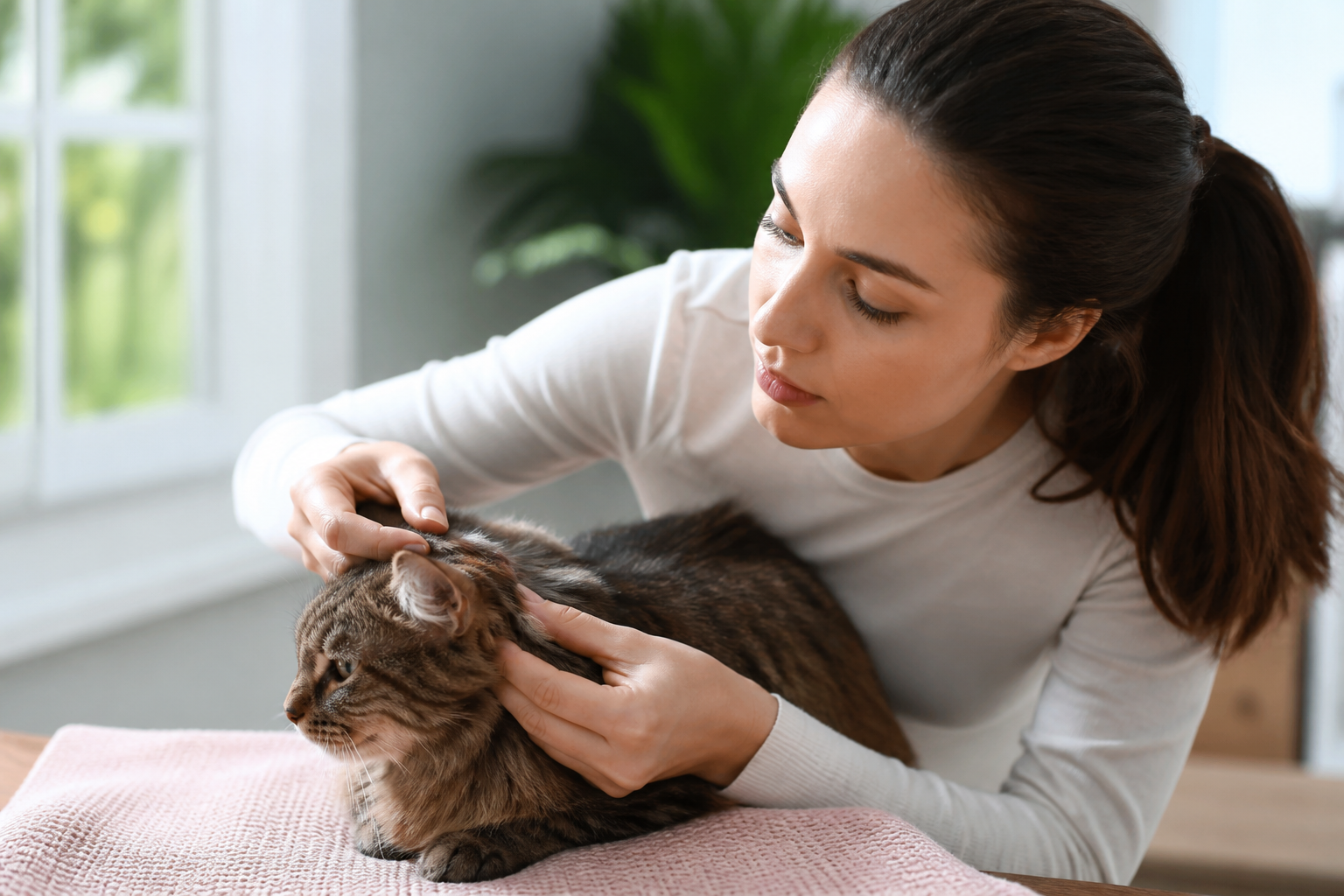
Your vet may perform a skin scraping to look for mites. They might also use a special light called a Wood's lamp to check for ringworm. In some cases, blood work is needed to rule out conditions like hyperthyroidism or diabetes. These systemic diseases often cause changes in skin and coat quality.
Our pharmacy provides access to prescription diets and FDA approved medications for these chronic conditions. Through our partnership with Pet's Choice, we can help you manage your cat's health after your vet provides a diagnosis and prescription. Visit our pharmacy for cats to explore prescription options.
Practical Steps for Managing Dandruff at Home
Once your vet has ruled out serious illness, you can take several steps to improve your cat's skin. Consistency is the key to seeing results.
Step 1: Establish a Brushing Routine
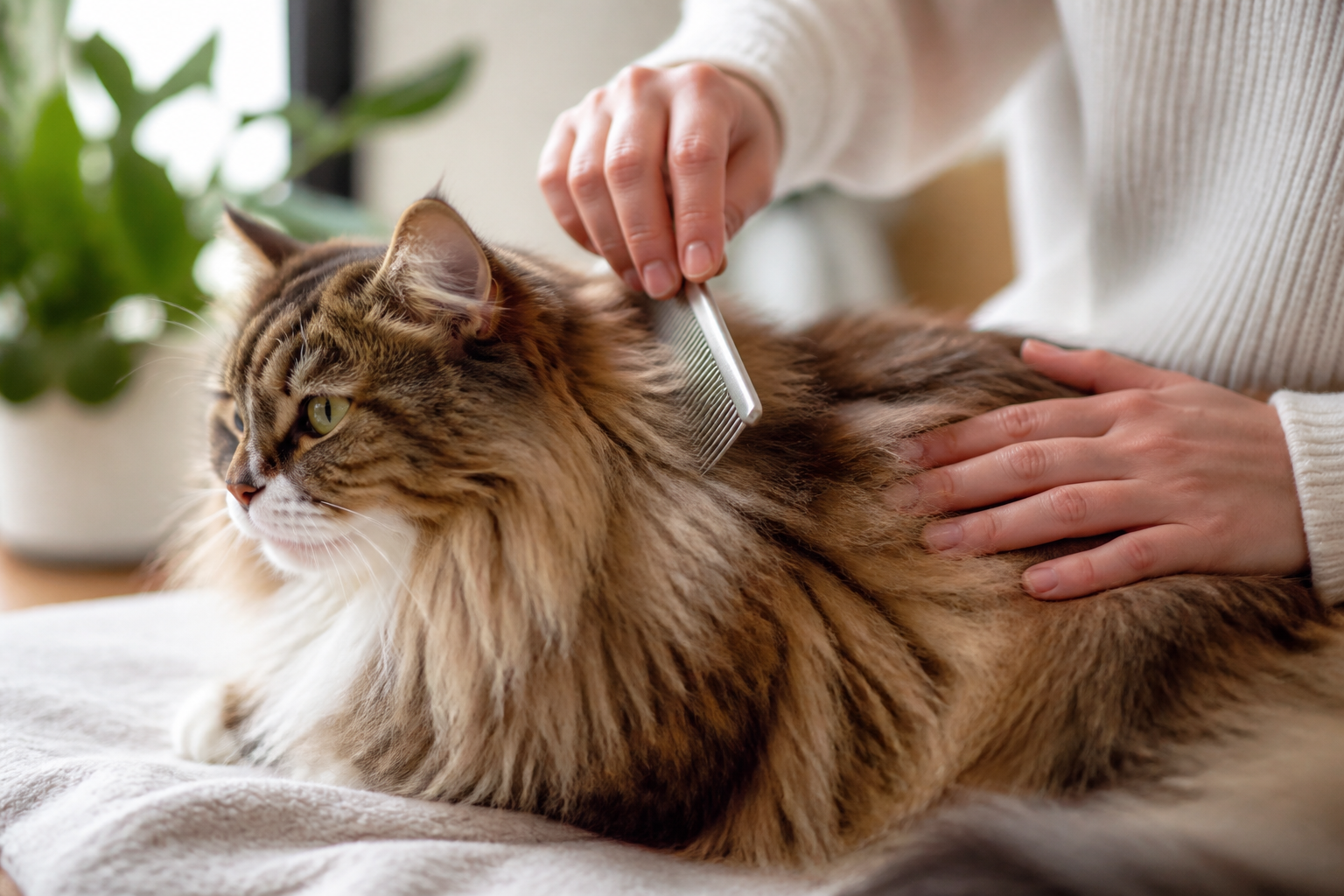
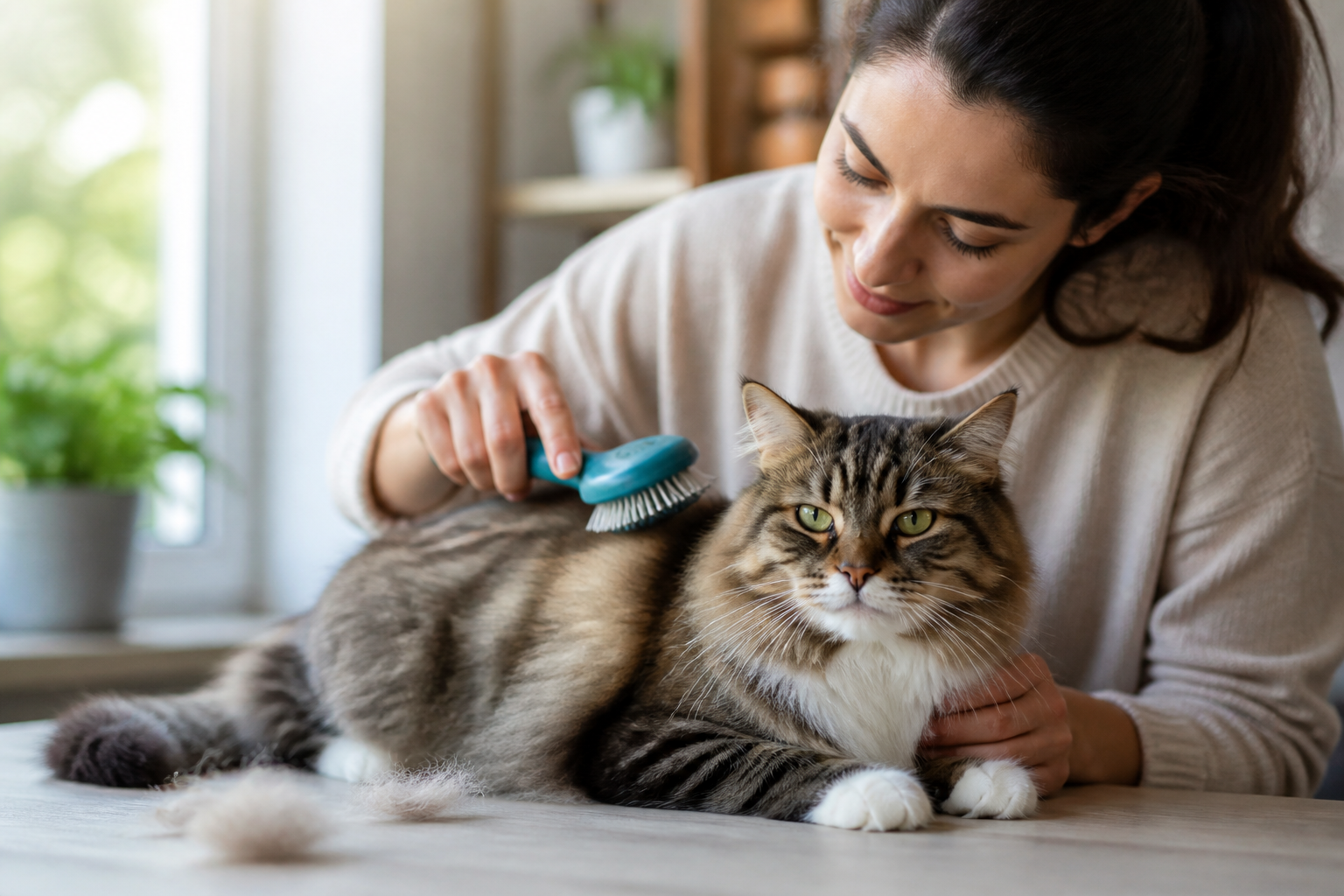
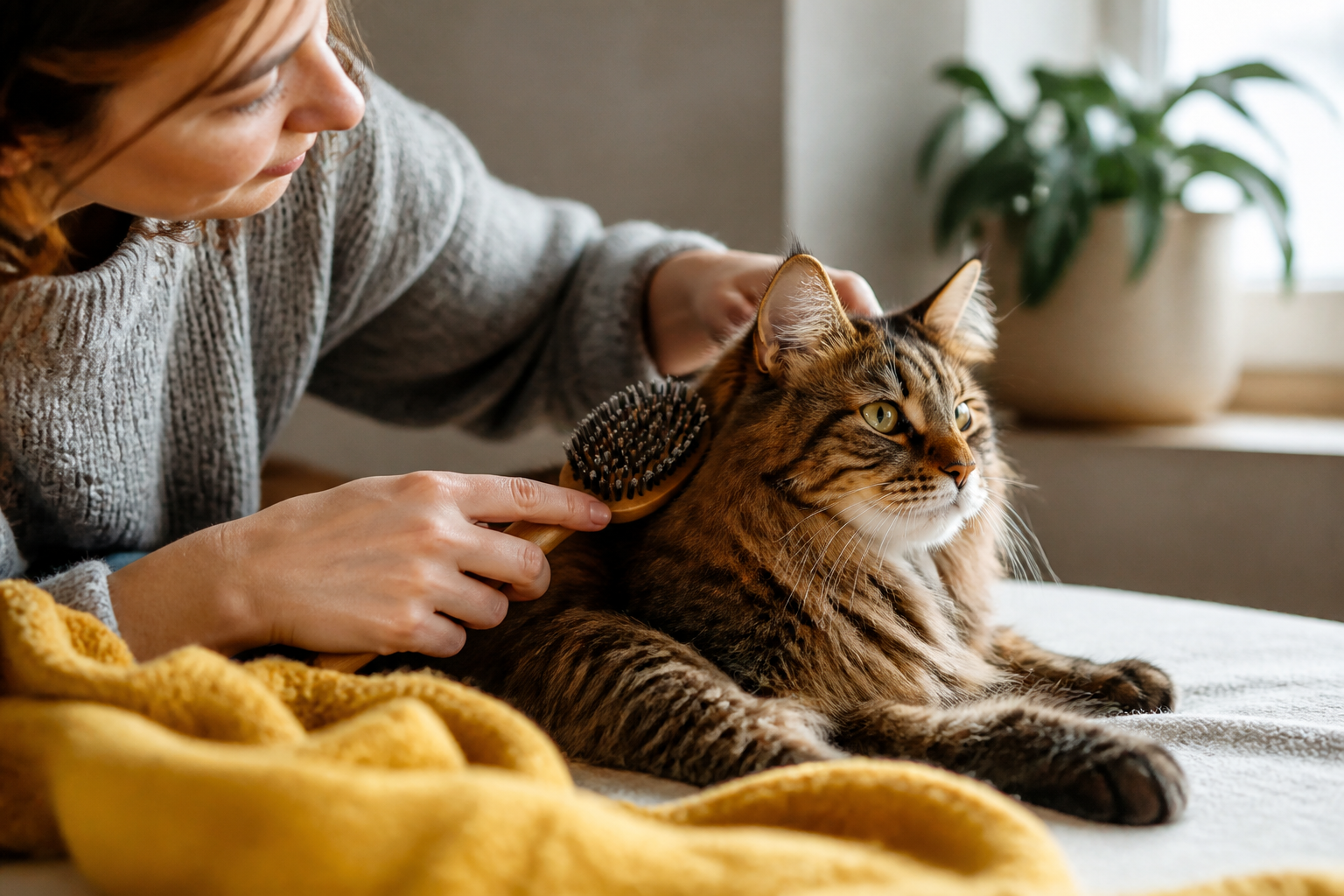
Brushing does more than just remove loose hair. It stimulates the skin and helps distribute natural oils. For short-haired cats, a weekly session is usually enough. Long-haired cats or those with mobility issues may need daily attention. Use a soft bristle brush or a grooming glove to avoid irritating sensitive skin.
Step 2: Improve the Environment
If your home is dry, especially in winter, use a humidifier. Placing one in the room where your cat sleeps can help prevent their skin from drying out. Avoid using harsh cleaning chemicals or scented sprays near your cat's bedding. These can cause contact dermatitis and lead to crusty patches.
Step 3: Use Specialized Shampoos
Only use shampoos specifically formulated for cats. Human dandruff shampoos are toxic to felines and should never be used. If your vet recommends a medicated bath, follow the instructions carefully. Most medicated shampoos need to sit on the skin for 5 to 10 minutes to be effective.
Step 4: Update Parasite Protection
Ensure your cat is on a year round flea and tick preventive. Even indoor cats can get fleas brought in on your clothes or from other pets. Preventing these bites is the easiest way to stop the cycle of itching and crusting.
- Check for "flea dirt" (small black specks) during grooming.
- Wash bedding regularly in hot water.
- Maintain consistent dosing of preventives.
For additional prevention ideas, see our guide to flea and tick products.
Transitioning to a Skin Support Diet
If your cat's dandruff is linked to a food allergy or poor nutrition, a diet change may be necessary. This process should be done slowly to avoid upsetting their stomach.
Step 1: Consult your vet. / They can recommend specific brands like Farmina Vet Life or Royal Canin that focus on skin health.
Step 2: Mix the old and new food. / Start with 25 percent new food and 75 percent old food for the first few days.
Step 3: Increase the ratio. / Over the course of a week, move to a 50/50 mix, then 75/25, until the transition is complete.
Step 4: Monitor the skin. / It can take up to eight weeks to see the full results of a diet change on your cat's coat.
Key Takeaway: Managing skin issues requires a multi-pronged approach involving grooming, environmental changes, and proper nutrition.
The Role of the BaxterBoo Pharmacy
When your cat needs more than just a brush and a better diet, our pharmacy is here to help. We understand that managing a chronic skin condition can be overwhelming. Our partnership with Pet's Choice allows us to provide FDA approved medications that your veterinarian may prescribe. This includes treatments for allergies, fungal infections, and hormonal issues that manifest as skin problems.
Using a trusted source for your cat's medication ensures you are getting the correct formulas. This is especially important for cats, as they are very sensitive to certain chemicals found in over the counter or off-brand products. Having your prescriptions delivered through our service saves you time and ensures your cat never misses a dose.
Senior Cat Skin Care
Aging cats face unique challenges. Their skin becomes thinner and less elastic. Their immune systems may not fight off skin infections as easily as they once did.
If you have a senior cat, pay close attention to their grooming habits. If they can no longer reach their lower back, they are at a higher risk for developing thick, crusty mats. These mats trap moisture against the skin, which quickly leads to painful infections. Keeping the fur trimmed short in hard-to-reach areas can help prevent this buildup.
Regular veterinary checkups are also vital for seniors. Conditions like kidney disease or hyperthyroidism can cause a dull, flaky coat. Catching these issues early allows for better management and a higher quality of life for your pet.
For more ideas on supporting older pets, explore our senior pet joint health resources.
Summary of Crusty Dandruff Care
Dealing with crusty cat dandruff requires patience. It is rarely a quick fix because skin takes time to heal. By combining veterinary care with good home habits, you can clear up those flakes and crusts.
- Identify the cause: Parasites, infections, or mobility issues are common triggers.
- Improve nutrition: Focus on Omega fatty acids and hydration.
- Maintain grooming: Assist your cat if they can no longer reach certain areas.
- Use the right products: Stick to cat-safe shampoos and professional preventives.
Bottom line: A crusty coat is a message from your cat's body that something is out of balance, and a veterinary visit is the best way to start the healing process.
Conclusion
Finding crusty patches on your cat's skin can feel daunting. However, most cases of feline dandruff are manageable once you identify the trigger. Whether the issue is a simple lack of grooming or a more complex medical condition, we are here to support you. BaxterBoo provides the tools, food, and pharmacy services you need to keep your cat's skin healthy. Remember to always consult your veterinarian if you notice signs of infection or if your cat seems uncomfortable. With the right care and a little extra attention to their grooming routine, your cat will soon be back to their soft, glossy self. Explore our health and mobility category for supplements and tools that can help your cat thrive.
FAQ
Is cat dandruff contagious to humans or other pets?
It depends entirely on the cause of the dandruff. If the flakes are caused by ringworm or Cheyletiella mites (walking dandruff), these can absolutely spread to other pets and even to humans. However, if the dandruff is caused by allergies, obesity, or dry air, it is not contagious at all. If you notice skin lesions on yourself or other animals in the house, seek medical and veterinary advice immediately.
Can I use human dandruff shampoo on my cat?
No, you should never use human dandruff shampoo on a cat. Many of these products contain ingredients like zinc pyrithione or salicylic acid that can be toxic if swallowed or absorbed through the skin. Cats groom themselves with their tongues, so they will inevitably ingest any product you put on their fur. Always use a shampoo that is specifically labeled for use in cats and recommended by a professional.
Why does my cat only have dandruff at the base of their tail?
Dandruff at the base of the tail is a classic sign of two common issues: fleas or mobility problems. Fleas often congregate in this area because it is warm and harder for the cat to reach. If it is not fleas, it may be that your cat is overweight or has arthritis. These conditions prevent the cat from reaching their lower back to groom, leading to a buildup of oils and dead skin cells in that specific spot.
Does a cat's diet really affect their skin?
Yes, nutrition is one of the most significant factors in feline skin health. Cats require high levels of protein and specific fats to maintain their skin and fur. If their food is low quality or lacks essential fatty acids like Omega-3, their skin can become dry, brittle, and prone to flaking. Improving their diet or adding a veterinarian-approved supplement can often result in a much healthier and more resilient coat.