Save 15% on your 1st Autoship learn more

 Email us
 Live Chat
 FAQs
FAQs





Introduction
You are petting your cat and notice a dusting of white flakes along their lower back. It looks like a sprinkle of salt against their dark fur. While a few flakes might seem like a minor cosmetic issue, dandruff in cat fur often tells a story about your pet's internal health. At BaxterBoo, we know that a shiny, flake-free coat is more than just a beauty standard. It is a sign that your cat is hydrated, well-nourished, and able to groom themselves effectively. This post covers why these flakes appear, how to tell dandruff apart from normal dander, and what steps you can take to restore your cat's skin health. Understanding the root cause is the first step toward helping your feline friend feel comfortable again.
Quick Answer: Cat dandruff consists of visible white or gray skin flakes that often indicate dry skin, poor grooming, or underlying health issues. While mild cases may resolve with better nutrition and regular brushing, persistent flaking requires a veterinary exam to rule out parasites or medical conditions.
Understanding Cat Dandruff vs. Dander
Many cat owners use the terms dandruff and dander interchangeably, but they are quite different. Dander is a normal, healthy part of owning a cat. It consists of microscopic skin cells that all cats shed as their skin regenerates. You cannot see dander with the naked eye. It is the protein found in this dander that typically triggers allergies in humans.
Dandruff is a different matter. These are larger, visible flakes of dead skin that have clumped together. If you can see white specks on your cat's fur or on the chair where they sleep, you are looking at dandruff. It usually signals that the skin's natural shedding process has been disrupted. This can happen because the skin is too dry, too oily, or because the cat is not grooming properly.
Key Takeaway: If you can see the flakes, it is dandruff. If you cannot see them but your allergies are acting up, it is likely dander.
Common Environmental and Lifestyle Causes
Sometimes the reason for flaky skin is as simple as the world around your cat. During the winter, indoor heating systems strip moisture from the air. This dry environment can cause a cat's skin to lose its natural elasticity and begin to flake. You might notice the dandruff becomes more prominent during the colder months and disappears when the humidity rises.
Diet also plays a massive role in skin health. Cats require specific nutrients to maintain the barrier of their skin. If their food lacks essential fatty acids like Omega-3 and Omega-6, the skin can become brittle and dry. We see this often with low-quality diets that do not provide enough healthy fats. Ensuring your cat eats a balanced, premium diet is one of the easiest ways to support their coat from the inside out. Explore our cat food collection when reviewing your cat's everyday nutrition.
Grooming Challenges and Obesity
A healthy cat is a professional groomer. They spend a significant portion of their day cleaning themselves. This process removes dead skin cells before they can build up and become visible dandruff. However, several things can get in the way of this routine.
Obesity is a major factor in feline skin issues. If a cat is overweight, they literally cannot reach certain parts of their body. You will often see a thick strip of dandruff and matted fur along the lower back and the base of the tail. This is simply because the cat cannot twist far enough to reach those spots.
Age and physical comfort also matter. Senior cats often develop arthritis or joint stiffness. This makes the contortions required for grooming painful. If your cat has stopped cleaning their back, they might be dealing with more than just a skin issue.
- Check for matted fur along the spine.
- Monitor your cat's weight and body condition.
- Look for signs of stiffness when they jump or run.
- Observe if they can reach their hindquarters during grooming.
Vet Tip: If your cat has suddenly stopped grooming, it is time for a checkup. A veterinarian can help determine if weight, dental pain, or arthritis is preventing them from maintaining their coat.
Medical Concerns Behind the Flakes
While dry air and missed grooming sessions are common, dandruff can also be a symptom of a medical condition. Some of these are minor, while others require ongoing management. Skin infections, whether bacterial or fungal, can cause the skin to peel and flake. Ringworm is a common fungal infection that often presents with circular patches of hair loss and heavy scaling.
Allergies are another frequent culprit. Cats can be allergic to ingredients in their food or environmental triggers like dust and pollen. This often leads to inflammation, which speeds up the shedding of skin cells. If your cat is also scratching or has red patches of skin, allergies are a likely suspect.
For products intended to support everyday skin and coat care, browse our cat skin and coat care collection.
Parasites and Walking Dandruff
Parasites are a common cause of skin irritation. Fleas are the most well-known, but there is a specific mite that every cat owner should know about. Cheyletiella mites cause a condition known as walking dandruff. These mites are large enough to be seen with the naked eye. As they move under the scales of the skin, it looks like the dandruff is actually crawling.
This condition is highly contagious between pets. It can also cause itchy red bumps on humans. If you suspect your cat has walking dandruff, they need specific medical treatment to clear the infestation. Regular flea and tick prevention can often help prevent these types of parasitic issues before they start. A flea comb for dogs and cats can also help you inspect the coat for debris.
Bottom line: Persistent dandruff accompanied by itching or redness usually indicates a medical issue that needs professional diagnosis.
The Role of the BaxterBoo Pharmacy
When dandruff is caused by an underlying medical condition, simple brushing might not be enough. Many cats require prescription diets or medications to manage issues like severe allergies, skin infections, or parasitic outbreaks. Our cat pharmacy provides access to FDA-approved medications and prescription pet foods through our partnership with Pet's Choice.
If your veterinarian prescribes a specific diet for skin sensitivities or a medicated shampoo, we can help you get those items delivered to your door. This is especially helpful for managing chronic conditions like hyperthyroidism or diabetes. Both of these systemic diseases can affect a cat's coat quality and lead to significant flaking. Having a reliable source for these health needs ensures your cat stays on their treatment plan without any gaps.
Practical Steps for Management at Home
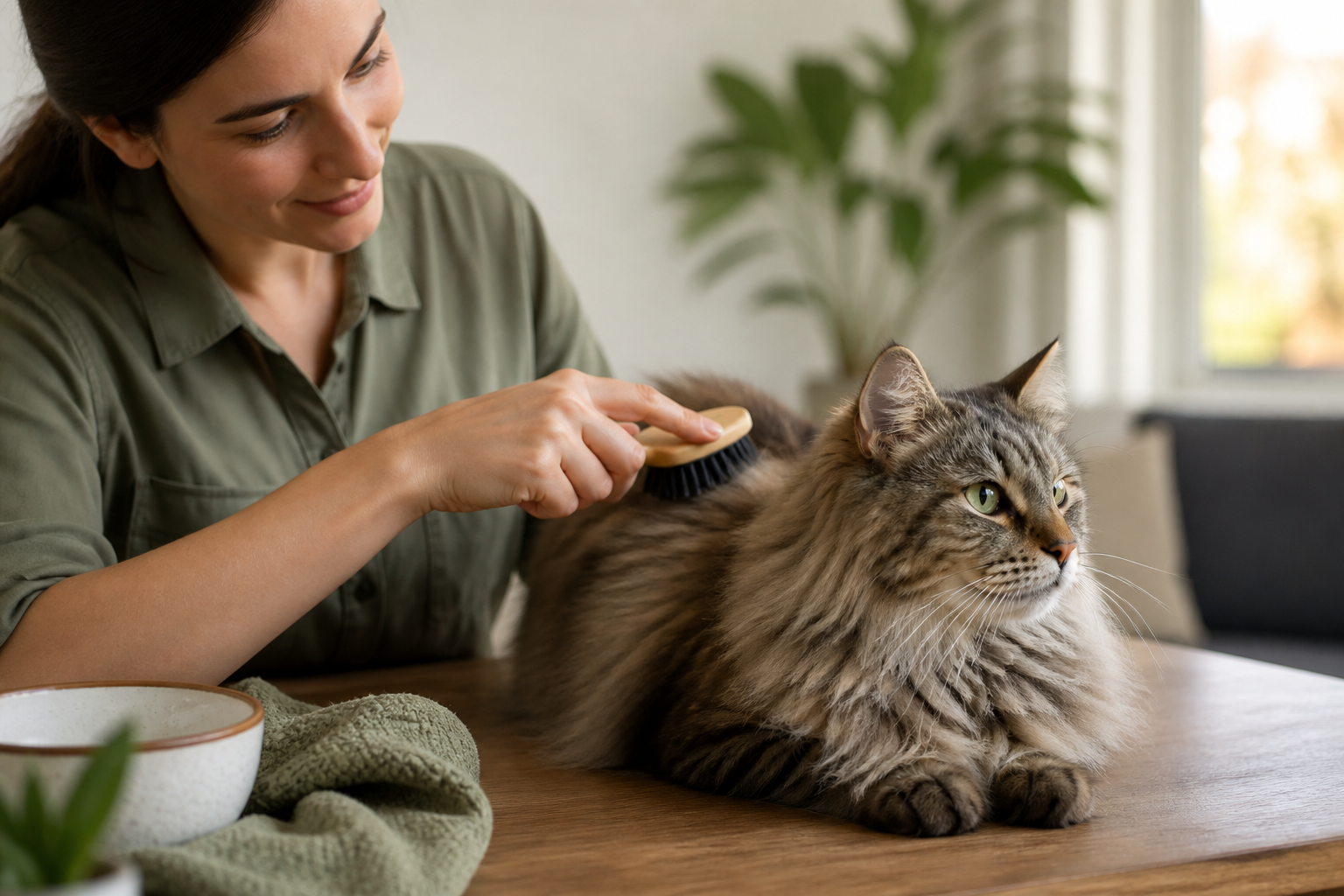
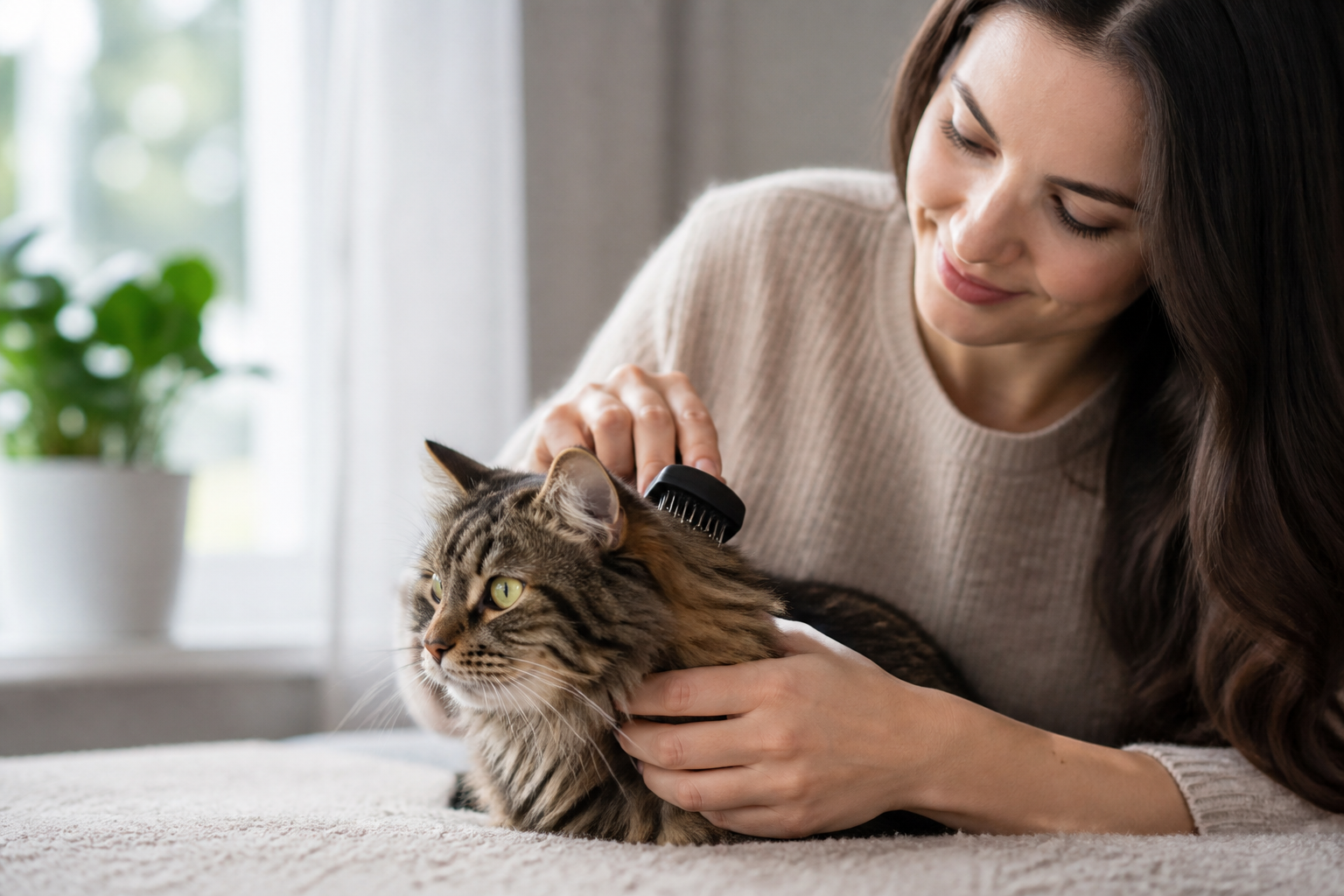
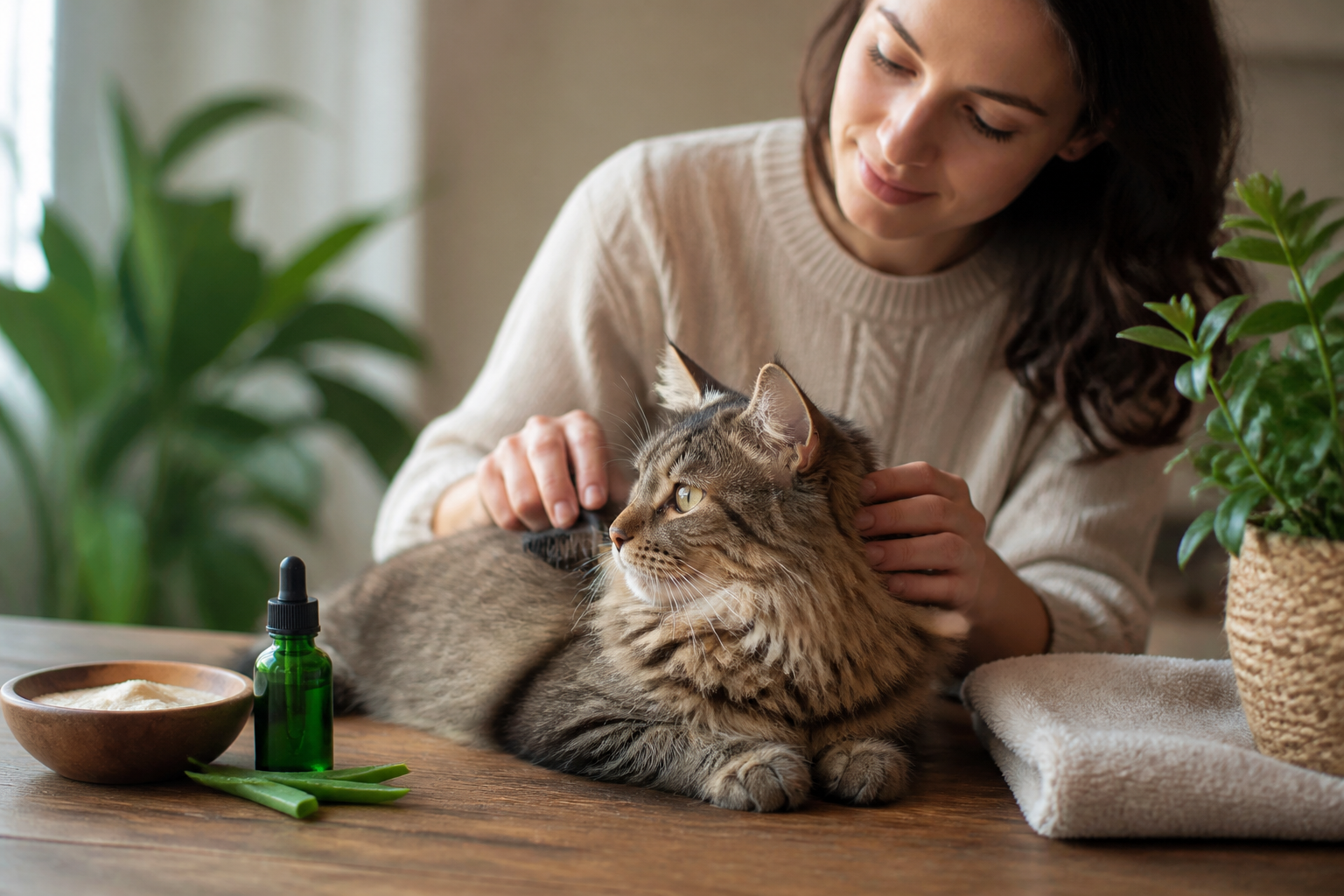
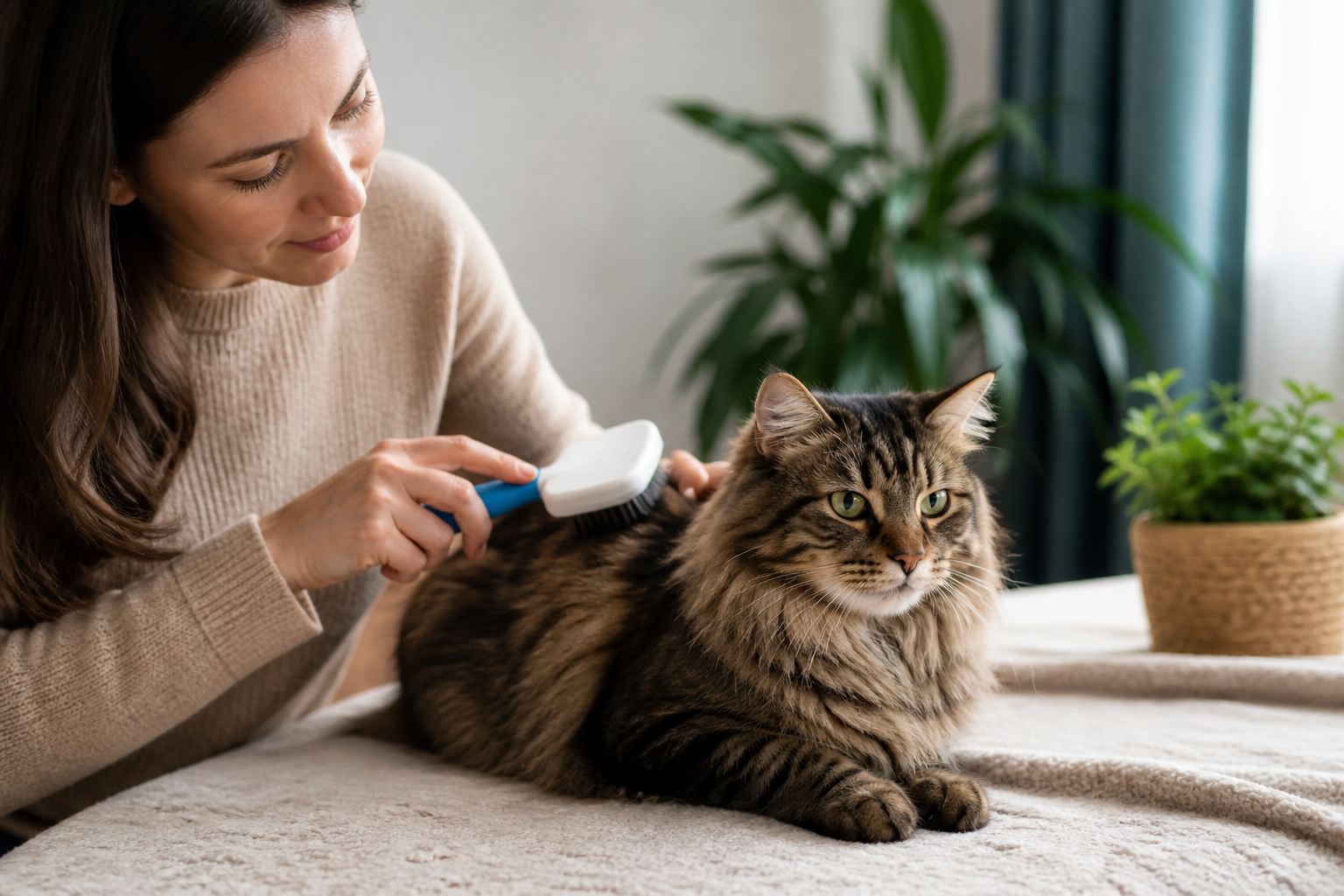
If your veterinarian has given your cat a clean bill of health, you can focus on home care to reduce the flakes. The most effective tool in your kit is a high-quality brush. Regular brushing mimics the grooming your cat might be missing. It helps distribute natural skin oils across the fur, which moisturizes the skin and gives the coat a healthy shine. The U-Groom Combo Brush for Dogs and Cats is one option designed for home grooming.
For short-haired cats, a weekly brushing is usually enough. Long-haired cats or those with thick undercoats may need daily attention. This not only removes dandruff but also prevents painful mats from forming.
Nutritional Support
Adding supplements to your cat's routine can make a noticeable difference in skin hydration. Look for products containing fish oil or other sources of Omega fatty acids. These supplements work by bolstering the skin's natural moisture barrier.
- Start with a high-quality, complete, and balanced cat food.
- Consult your vet about adding a liquid fish oil supplement.
- Ensure your cat has multiple sources of fresh water to prevent dehydration.
- Consider a water fountain to encourage more frequent drinking.
For additional ideas about hydration and feline nutrition, read our guide to sensitive stomach cat food and hydration.
Key Takeaway: Consistency is key. You will likely not see an immediate change, as it takes several weeks for new, healthy skin cells to reach the surface.
Creating a Healthier Environment
Since dry air is a major trigger, adding moisture back into your home can help both you and your cat. A humidifier in the room where your cat spends the most time can prevent their skin from drying out. This is particularly helpful in the bedroom or living room during the peak of winter.
You should also be cautious about the products you use in your home. Harsh cleaning chemicals or strong perfumes can sometimes irritate a cat's sensitive skin. Switching to pet-friendly, unscented cleaners can reduce the total burden of allergens in your cat's environment. For more household care guidance, see our article on cleaning a litter box.
Vet Tip: Never use human dandruff shampoos on your cat. Many of these products contain ingredients that are toxic to felines if ingested during grooming. Always use products specifically formulated for cats.
When to See the Veterinarian
It is important to know when home care is not enough. While a few flakes might be normal, certain red flags mean your cat needs a professional exam. Early intervention can prevent a small skin issue from turning into a painful infection.
Schedule an appointment if you notice:
- Patches of total hair loss or thinning fur.
- Skin that looks red, inflamed, or has open sores.
- Intense scratching or biting at the skin.
- Changes in appetite, thirst, or litter box habits.
- The flakes appear to be moving or crawling.
A veterinarian can perform a skin scraping or blood work to find the exact cause. This ensures you are treating the real problem rather than just the symptoms.
Summary of Feline Skin Health
Maintaining a flake-free coat involves a mix of good nutrition, regular grooming, and a watchful eye. Most cases of dandruff in cat fur are manageable with simple lifestyle changes. By keeping your cat at a healthy weight and assisting them with grooming, you can prevent most buildup.
When the flakes are persistent, remember that your cat's skin is an organ that reflects their overall wellness. We are here to support that journey with the right gear and guidance. Our Autoship programme is a great way to ensure you never run out of the food or supplements your cat needs for a healthy coat.
Key Takeaway: Dandruff is a symptom, not a disease. Address the environment, nutrition, and grooming first, then consult a professional if the flakes remain.
Conclusion
Dealing with dandruff in cat fur can be frustrating, but it is a manageable part of cat ownership. Whether the cause is a dry living room or a need for better nutrition, most cats can return to a glossy, healthy state with a little help. We at BaxterBoo are dedicated to providing the tools you need for every stage of your cat's life. From grooming brushes to specialized diets through our pharmacy partnership, we want to help your cat feel their best. Start by increasing your grooming routine and monitoring for any behavioral changes. A little extra attention today can lead to a much more comfortable cat tomorrow. For the best results, consider signing up for the MVP Rewards programme to earn points on all your skin and coat care essentials.
FAQ
Is it normal for cats to have a little dandruff?
A very small amount of dandruff can be normal as cats naturally shed skin cells. However, if the flakes are easily visible or concentrated in one area, it usually suggests the cat needs help with grooming or is experiencing dry skin. If you see more than a few scattered specks, it is worth investigating the cause.
Can I use a wet wipe to get rid of my cat's dandruff?
Pet-safe grooming wipes can help remove surface flakes and add a bit of moisture to the coat. However, they only treat the symptom and not the cause. While they are great for a quick cleanup, you should still address nutrition and grooming habits to prevent the dandruff from returning. Our cat grooming collection includes wipes, brushes, and other grooming tools.
Does my cat's weight affect their dandruff?
Yes, weight is a significant factor in feline skin health. Overweight cats often struggle to reach their back and hindquarters, leading to a buildup of dead skin and oils. Helping your cat reach a healthy weight often resolves dandruff issues along the spine and tail.
Why does my cat have dandruff only in the winter?
Winter dandruff is usually caused by low humidity in the home due to central heating. The dry air pulls moisture from your cat's skin, leading to flaking. Using a humidifier and ensuring your cat stays well-hydrated can help manage these seasonal flakes.
Bottom line: Keep your cat hydrated, groomed, and at a healthy weight to minimize dandruff.