Save 15% on your 1st Autoship learn more

 Email us
 Live Chat
 FAQs
FAQs





Introduction
You are running your hand down your cat’s back, enjoying the soft, flowing fur, when you notice tiny white specks clustered near the base of the tail. If your long haired cat has dandruff, it can feel like a losing battle against the thick layers of their coat. These flakes are more than just a cosmetic nuisance. They often tell a story about your cat's internal health, grooming habits, or environment. At BaxterBoo, we know that managing a long-haired coat requires specific tools and a bit of extra patience. This post will cover why these flakes appear, how to distinguish them from parasites, and the best ways to restore a healthy shine to your cat’s skin. Understanding the root cause is the first step toward a flake-free home and a comfortable pet.
Quick Answer: Cat dandruff is the visible buildup of dead skin cells that have not been properly groomed away. In long-haired cats, it is often caused by a dense undercoat trapping debris, poor nutrition, or mobility issues like arthritis that prevent self-grooming.
Understanding the Flakes: Dandruff vs. Dander
It is important to understand that every cat produces dander. Dander consists of microscopic skin cells that shed naturally as part of the skin’s renewal process. You cannot see dander with the naked eye. It is the protein on these microscopic cells that typically triggers allergies in humans.
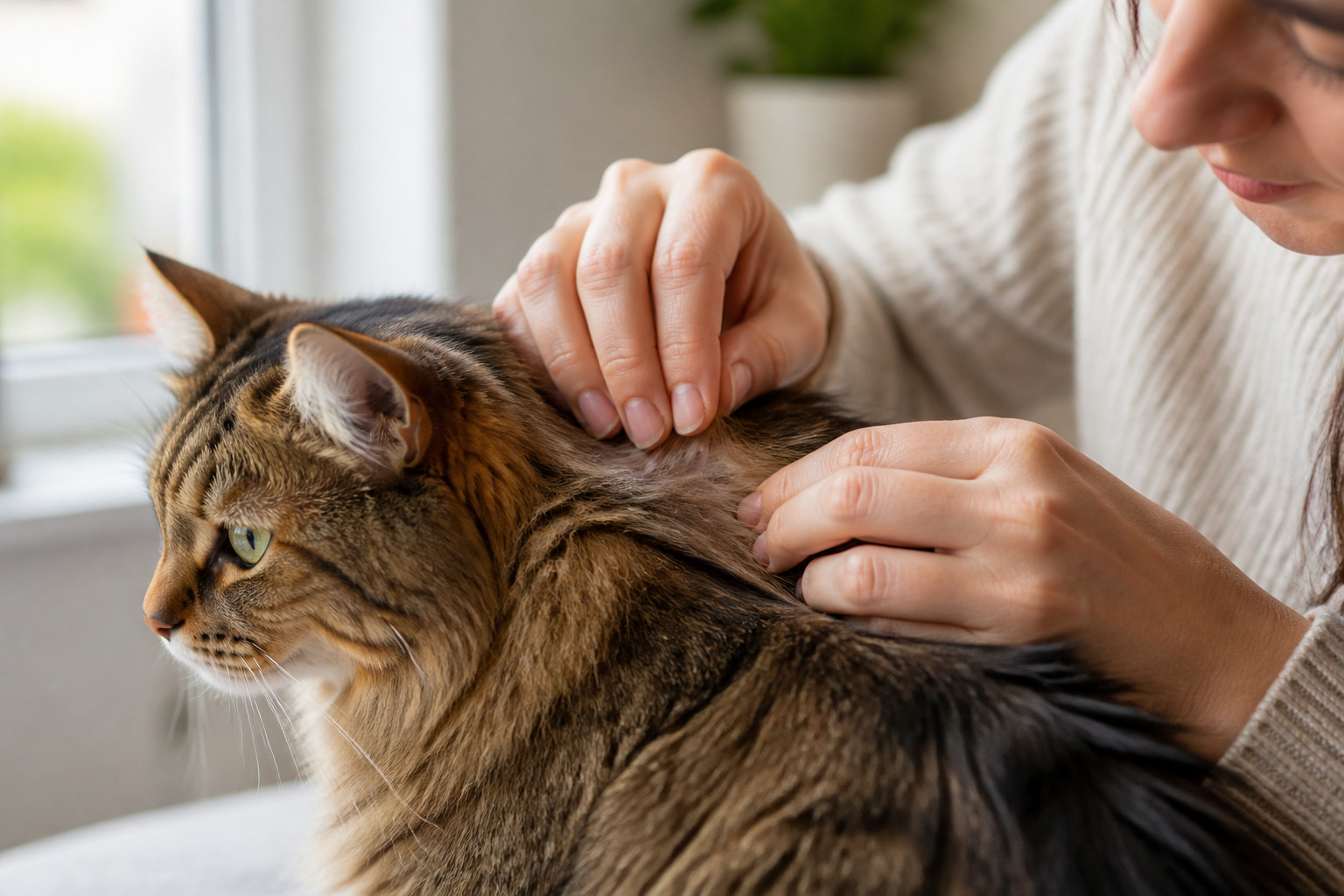
Dandruff is different. These are large, visible flakes that cling to the hair shafts or settle on the skin. While a few flakes are normal, a significant amount usually points to an underlying issue. In long-haired breeds, the length of the fur can hide dandruff until the problem becomes quite advanced. You might only notice it when the fur parts or when your cat leaves white specks on your dark furniture.
Why Your Long Haired Cat Has Dandruff
The causes of flaky skin range from simple environmental changes to complex medical conditions. Because long-haired cats have such dense coats, they are particularly susceptible to certain types of buildup.
Difficulty Grooming and Mobility Issues
Cats are famous for their cleanliness. They spend a large portion of their day grooming. If a cat stops grooming effectively, dead skin cells build up and flake off. For long-haired cats, this is a major hurdle.
Obesity is a common reason for poor grooming. A cat that is overweight may not be able to reach the middle of its back or the base of its tail. This is exactly where you will likely see the most dandruff. Arthritis is another factor. Senior cats may feel too stiff or painful to twist and reach their hindquarters. If you notice your cat is less active or struggling to jump, their dandruff might be a sign of joint discomfort.
The Role of the Undercoat
Long-haired cats typically have a double coat. They have long guard hairs on the outside and a soft, dense undercoat underneath. If you do not brush your cat deeply enough to reach that undercoat, dirt and dead skin get trapped. This creates a layer of debris right against the skin. This trapped material can irritate the skin and lead to more flaking. It can even lead to painful mats that pull on the skin and cause further inflammation.
Nutritional Deficiencies
Skin and hair require a lot of energy and nutrients to stay healthy. In fact, a large percentage of a cat's daily protein intake goes toward maintaining their skin and coat. If their diet is lacking in high-quality protein or essential fatty acids, the skin is often the first thing to suffer.
Omega-3 and Omega-6 fatty acids are crucial for maintaining the skin's moisture barrier. Without them, the skin becomes dry and prone to cracking. Low-quality diets with too many fillers may not provide the concentrated nutrition a long-haired cat needs to support such a massive amount of fur.
External Parasites and Walking Dandruff
Sometimes, what looks like dandruff is actually alive. Cheyletiella mites cause a condition known as "walking dandruff." These mites are large enough to be seen with the naked eye. When they move under the scales of the skin, it looks like the flakes are moving.
Standard fleas can also cause flaking. Some cats have a flea saliva allergy. A single bite can cause a massive inflammatory reaction. This leads to intense scratching, redness, and a sudden eruption of dandruff. Our cat flea and tick care options can help you explore products designed for skin and parasite-related concerns.
Vet Tip: If you see the flakes on your cat moving, or if your cat is scratching skin until it is red and raw, consult your veterinarian immediately. These are signs of parasites or infections that require medical-grade treatment rather than just home grooming.
When Dandruff Signals a Health Condition
While many cases are related to grooming, dandruff can be a "canary in the coal mine" for internal health issues. Several systemic diseases affect the quality of a cat's coat.
- Hyperthyroidism: An overactive thyroid can cause the coat to look greasy, matted, or excessively flaky.
- Diabetes Mellitus: Poorly managed blood sugar often leads to poor skin health and dehydration.
- Kidney Disease: Dehydration is a hallmark of kidney issues. When a cat is dehydrated, their skin loses elasticity and becomes very dry.
- Fungal Infections: Ringworm can cause circular patches of hair loss and heavy scaling that looks like dandruff.
If your cat shows other symptoms like increased thirst, weight loss, or changes in appetite, the dandruff is likely not a standalone problem. Our cat pharmacy offers prescription options for many chronic conditions through our partnership with Pet's Choice. If your vet prescribes a specific treatment or a prescription diet, we can help you manage those needs conveniently.
Key Takeaway: Dandruff is a symptom, not a primary disease. Always look for accompanying signs like lethargy or changes in thirst to determine if a vet visit is necessary.
Dandruff vs. Flea Dirt: How to Tell
It is easy to confuse different types of debris in a thick coat. Use the following table to help identify what you are seeing.
| Feature | Dandruff | Flea Dirt |
|---|---|---|
| Color | White, gray, or clear | Dark brown or black |
| Shape | Flat flakes or scales | Tiny specks like black pepper |
| Reaction to Water | Remains white/clear | Turns reddish-brown (dissolved blood) |
| Location | Often on the lower back/skin | Deep in the fur near the skin |
Grooming Strategies for Long-Haired Cats
Brushing a long-haired cat once a week is rarely enough. To keep dandruff at bay, you need a proactive routine that targets the skin, not just the top layer of fur. Our cat grooming collection includes brushes, combs, shampoos, and other tools for regular coat care.
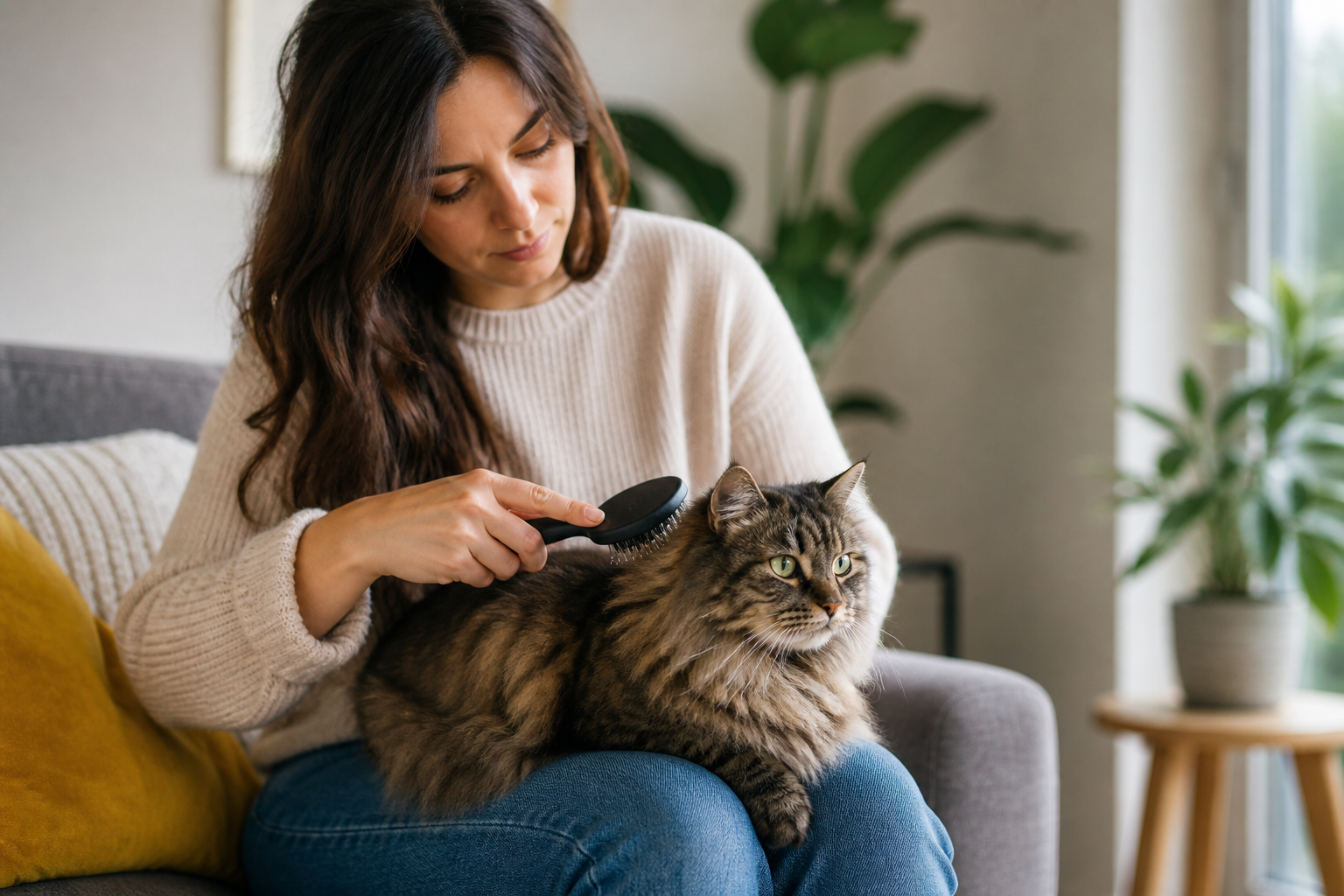
Step 1: Choose the right tools. / Use a stainless steel comb and a slicker brush. A slicker brush like those made by Kong can help grab loose fur from the top layer. A metal comb is essential for reaching the undercoat and finding hidden mats.
Step 2: Work in sections. / Do not try to brush the whole cat at once. Part the hair so you can see the skin. Brush from the skin outward to ensure you are removing dead cells and loose undercoat hair.
Step 3: Focus on the "high-flake" zones. / Pay extra attention to the base of the tail and the lower back. These are the areas where cats struggle to groom themselves. If your cat has limited mobility, you are essentially acting as their tongue and teeth to keep these areas clean.
Step 4: Use a damp cloth. / After brushing, wipe your cat down with a warm, damp washcloth. This helps pick up the loose flakes you just dislodged and mimics the sensation of a mother cat grooming her kittens.
Step 5: Check for mats. / Mats trap moisture and bacteria against the skin. If you find a mat, do not use scissors. Use a mat splitter or a wide-toothed comb to gently pick it apart.
Bottom line: Consistent, deep-reaching grooming is the most effective way to prevent and treat non-medical dandruff in long-haired cats.
For additional grooming guidance, read our post on choosing sensitive-stomach food for cats when diet and overall wellness are part of your cat-care routine.
The Importance of High-Quality Nutrition
If the environment and grooming are fine, look at the bowl. Skin health starts from within. Long-haired cats benefit from diets rich in animal proteins and specific fats.
Brands like Farmina, Royal Canin, and Orijen offer formulas specifically designed for skin and coat health. Look for ingredients like salmon oil or flaxseed. These provide the Omega-3 fatty acids that soothe skin inflammation. If your cat is prone to allergies, a limited ingredient diet from a brand like The Honest Kitchen or Stella and Chewy's might reduce the systemic inflammation that causes flaking. Explore our cat food selection when comparing everyday diets.
For cats with severe skin issues, your vet may recommend a prescription diet. These diets often contain highly hydrolyzed proteins that the immune system does not recognize as a threat. We carry these prescription options through the BaxterBoo pharmacy. A simple change in food can often clear up flaky skin within four to six weeks.
How the BaxterBoo Pharmacy Supports Skin Health
When home remedies like brushing and over-the-counter food are not enough, professional medical support is the next step. Our pharmacy carries a wide range of products to address the root causes of dandruff.
If the cause is parasites, we offer FDA-approved flea and tick preventives like Frontline and NexGard. These are essential for cats with flea allergy dermatitis. If the dandruff is caused by a fungal or bacterial infection, your vet can send a prescription to us for medicated shampoos or oral antibiotics.
We also provide supplements that support the skin barrier. Products like Cosequin or Zesty Paws can help with the joint stiffness that prevents a senior cat from grooming. By treating the underlying arthritis, you allow the cat to return to their normal cleaning routine, which naturally reduces dandruff. You can also browse skin and coat health products for cats for supplements and topical care options.
Creating a Skin-Friendly Environment
The air inside your home can be a major factor. During the winter, heating systems strip moisture from the air. This dries out your cat's skin just as it dries out yours.
Consider using a humidifier in the rooms where your cat spends the most time. Keeping the humidity around 40 to 50 percent can make a massive difference in skin elasticity. Also, ensure your cat is staying hydrated. Some cats prefer a water fountain over a still bowl. Proper hydration keeps the skin supple and less likely to flake.
Avoid bathing your long-haired cat too often. While it might seem like a bath would wash away the flakes, soap can strip away the natural oils that protect the skin. If you must bathe them, use a soap-free, moisturizing shampoo specifically formulated for cats. Always rinse thoroughly. Any soap residue left in a thick coat will cause more irritation and even heavier flaking.
For repeat purchases such as food and supplements, our Autoship programme can help you maintain a consistent routine.
Conclusion
A long haired cat has dandruff for a reason. It is usually a sign that they need a little extra help with their grooming or a boost in their nutrition. By establishing a daily brushing routine and ensuring they are on a high-quality diet, you can solve most cases of flaky skin. Always keep an eye out for changes in behavior or severe itching that might require a trip to the vet. Whether you need a better slicker brush, a new premium food, or a prescription treatment from our pharmacy, we are here to support you. Keeping your cat’s coat glossy and flake-free is a team effort.
- Brush daily with a metal comb to reach the undercoat.
- Add Omega-3 supplements to support the skin's moisture barrier.
- Maintain a healthy weight so your cat can reach all areas for grooming.
- Use a humidifier during dry winter months.
If you are ready to upgrade your grooming kit or switch to a skin-supportive diet, check out our full selection of cat supplies. Joining the MVP Rewards programme is a great way to earn points on every purchase as you care for your pet's coat.
FAQ
Is it normal for a long-haired cat to have some dandruff?
A few occasional flakes are usually normal and simply represent dead skin cells being shed. However, if the flakes are numerous, accompanied by a greasy coat, or located in areas your cat cannot reach, it suggests a need for better grooming or a health check.
Can I use human dandruff shampoo on my cat?
No, you should never use human dandruff shampoos on cats. These products often contain ingredients like zinc pyrithione or selenium sulfide which can be toxic if your cat licks their fur. Always use a shampoo specifically pH-balanced for felines.
Why does my cat only have dandruff on their lower back?
This is the most common spot for dandruff because it is the hardest place for a cat to reach. If a cat is overweight or has arthritis, they cannot twist far enough to groom this area, leading to a buildup of dead skin and loose hair.
How long does it take for a cat's dandruff to clear up after a diet change?
Skin cells take time to regenerate. If you switch to a high-quality food or start a fatty acid supplement, it typically takes four to eight weeks to see a visible improvement in the coat. Consistency is key during this period.