Save 15% on your 1st Autoship learn more

 Email us
 Live Chat
 FAQs
FAQs





Introduction
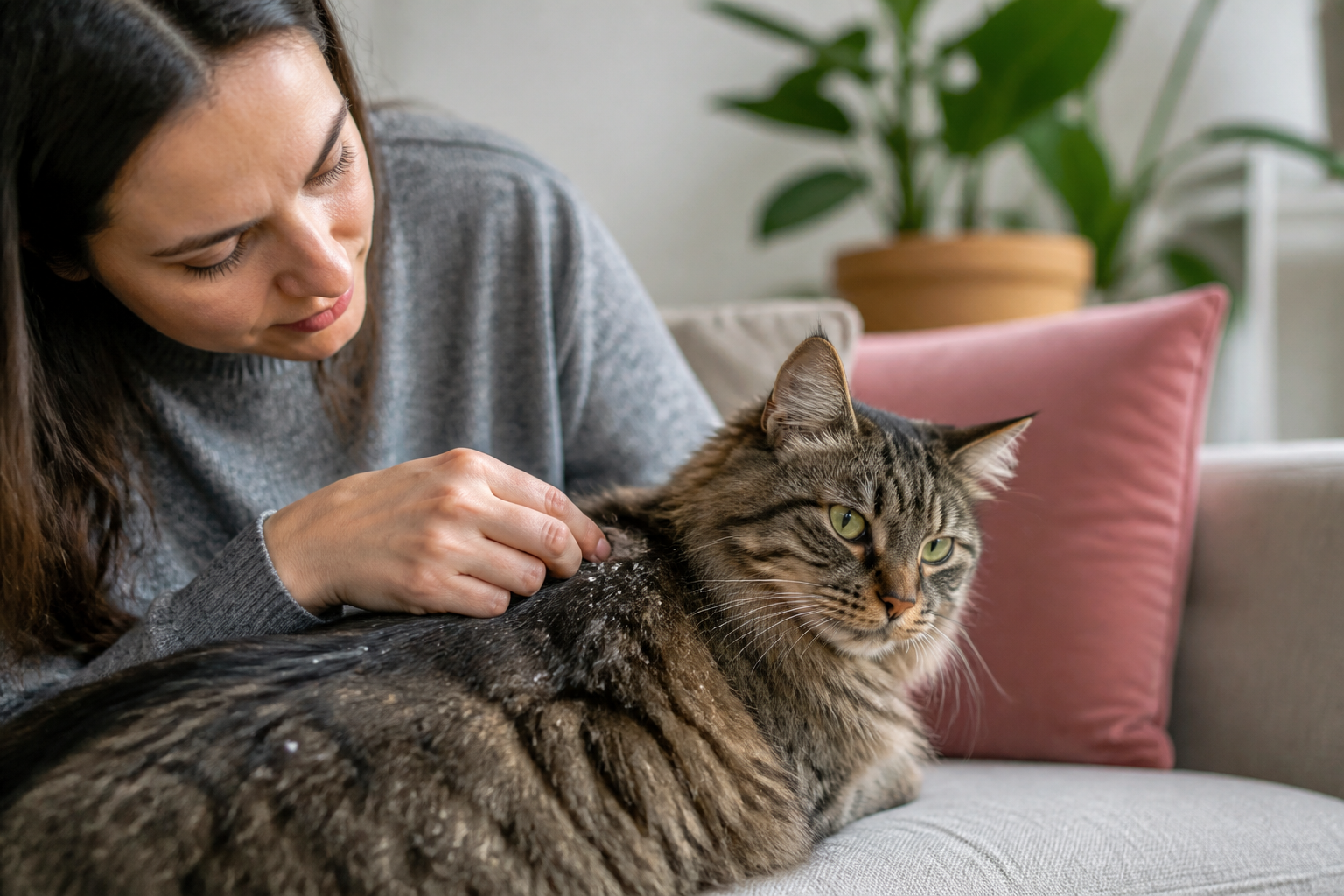
You are relaxing on the couch with your cat when you notice a dusting of white specks across their glossy coat. You might first think it is dust or litter. When you look closer, you realize it is flaky skin concentrated along their lower back. At BaxterBoo, we know how frustrating it is to see your feline friend looking less than their best. Feline dandruff is a common issue that often signals a need for a change in diet, grooming, or home environment. While usually a minor cosmetic problem, persistent flaking can sometimes point to underlying health concerns that require professional attention. This guide will help you understand why these flakes appear and provide practical steps to restore your cat's skin health. We will cover everything from nutritional boosts to the best grooming practices for a flake-free coat.
Understanding Feline Dandruff
It is helpful to distinguish between dandruff and dander. Every cat produces dander. Dander consists of microscopic skin cells that shed naturally as part of the skin’s renewal process. You cannot see dander with the naked eye, but it is often the cause of allergies in humans. Dandruff is different. It consists of larger, visible white or gray flakes that get trapped in the fur.
Dandruff occurs when the skin’s natural shedding process is interrupted or accelerated. This can happen because the skin is too dry or because it is producing too much oil. When the skin barrier is compromised, cells clump together and flake off prematurely.
Quick Answer: Cat dandruff is a symptom of dry, irritated, or oily skin that causes visible white flakes to accumulate in the fur. It is usually managed by improving hydration, adjusting the diet, and increasing the frequency of brushing to distribute natural oils.
While a few flakes might not seem like a big deal, they can cause your cat discomfort. Dry skin often feels tight and itchy. This leads to excessive scratching or over-grooming, which can eventually cause sores or thinning hair. Addressing the flakes early helps keep your cat comfortable and prevents secondary skin infections.
Common Causes of Flaky Skin in Cats
Before you can fix the problem, you need to understand why it is happening. Cats are generally excellent self-groomers. If you start seeing a buildup of flakes, it often means something is preventing their natural cleaning process or causing the skin to react.
Difficulty with Grooming
One of the most common reasons for dandruff is a lack of grooming. This is particularly common in senior cats or those who are overweight. If a cat is carrying extra weight, they may not be able to reach their lower back or the base of their tail. Dead skin cells and natural oils build up in these hard-to-reach spots, leading to heavy flaking. Arthritis can also make the twisting and reaching required for grooming painful.
Environmental Factors
The air inside your home plays a major role in skin health. During the winter, indoor heating systems strip moisture from the air. This dry environment quickly dries out your cat's skin. Low humidity is a frequent culprit for seasonal dandruff. You may notice the flakes appear in late autumn and disappear once the weather warms up and the windows stay open.
Dehydration and Diet
Cats are notorious for having a low thirst drive. In the wild, they get most of their moisture from their prey. If your cat eats only dry kibble and does not drink much water, they may live in a state of mild, chronic dehydration. This lack of moisture shows up on the skin first. Additionally, a diet that lacks essential fatty acids can weaken the skin barrier, making it more prone to drying out.
Parasites and Infections
Certain parasites can mimic or cause dandruff. A condition known as Cheyletiellosis is caused by the Cheyletiella mite. These mites are large enough to be seen moving under the fur, earning them the nickname walking dandruff. Fleas and lice also irritate the skin and cause flaking. Fungal infections like ringworm are another possibility, often accompanied by circular patches of hair loss.
The Role of Nutrition and Hydration
What your cat eats is the foundation of their skin health. If the body does not have the right building blocks, it cannot maintain a supple skin barrier. Improving nutrition is often the fastest way to see a long-term change in coat quality.
Increasing Moisture Intake
If your cat has bad dandruff, consider their water intake. You can encourage more drinking by switching to a pet fountain. Many cats prefer running water over a still bowl. Another effective strategy is to incorporate wet food into their daily routine. Brands like Tiki Cat and Fussie Cat offer high-moisture recipes through our cat food collection. Even adding a tablespoon of warm water to their dry kibble can make a difference.
Essential Fatty Acids
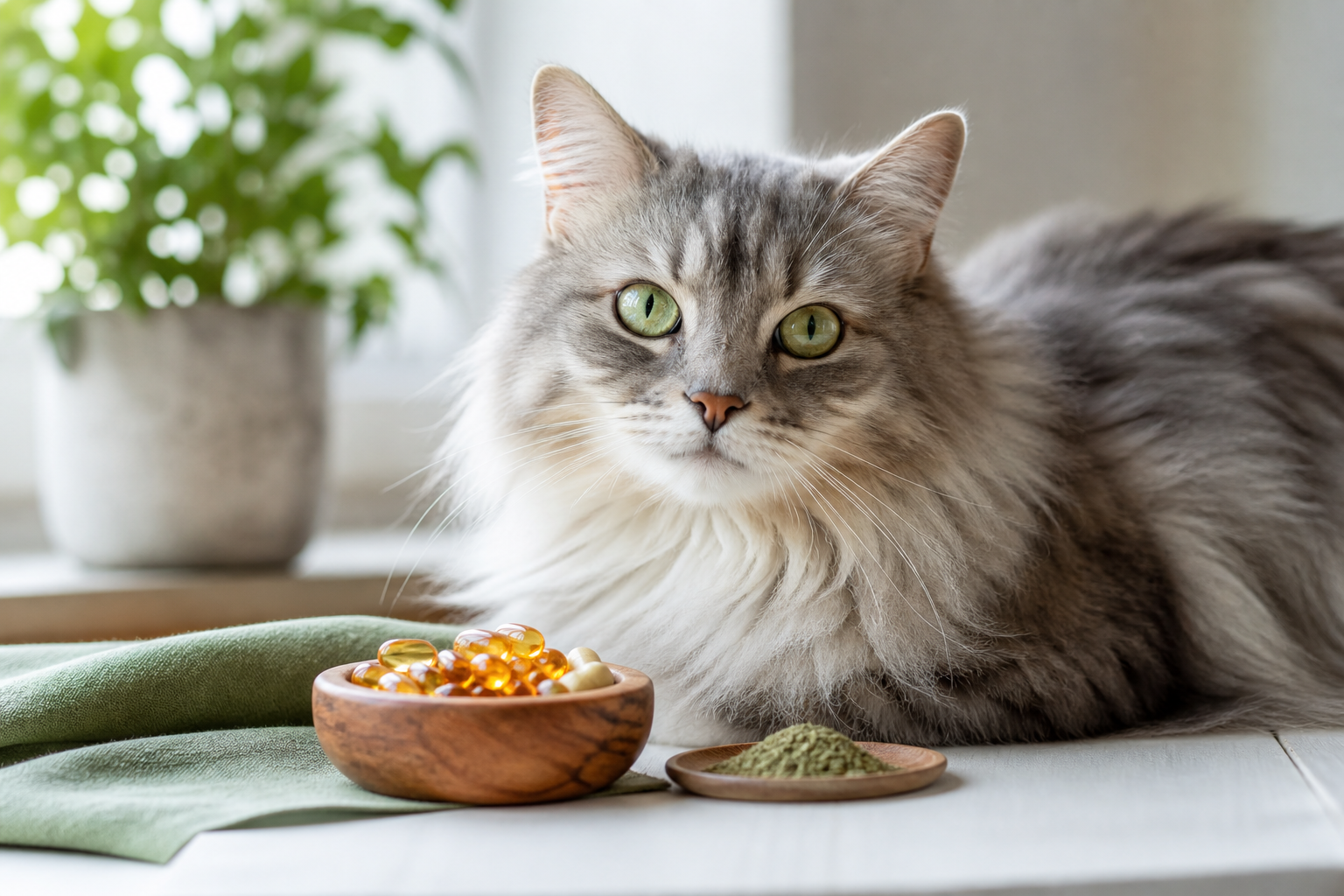
Omega-3 and Omega-6 fatty acids are vital for skin health. These healthy fats help the skin retain moisture and reduce inflammation. If your current cat food is low in these nutrients, you may see dry, brittle fur. Look for foods that include salmon oil, flaxseed, or menhaden fish meal.
Key Takeaway: A combination of high-moisture wet food and supplemental Omega fatty acids is often the most effective nutritional strategy for eliminating feline dandruff.
We carry several premium brands at BaxterBoo that focus on these nutritional needs. For cats struggling with weight-related grooming issues, a weight management formula like Farmina Vet Life can help them reach a healthy size. This makes it easier for them to groom those hard-to-reach areas on their own.
Check for Food Sensitivities
Sometimes dandruff is a sign of a mild food allergy. If your cat is also experiencing redness, ear infections, or digestive upset, their protein source might be the problem. Transitioning to a limited-ingredient diet from a brand like The Honest Kitchen or Stella and Chewy’s can help rule out common allergens.
- Switch from a dry-only diet to a mix of wet and dry.
- Add a fish oil supplement formulated specifically for cats.
- Ensure the first ingredient in their food is a high-quality animal protein.
- Avoid foods with excessive fillers like corn or soy.
Improving Your Grooming Routine
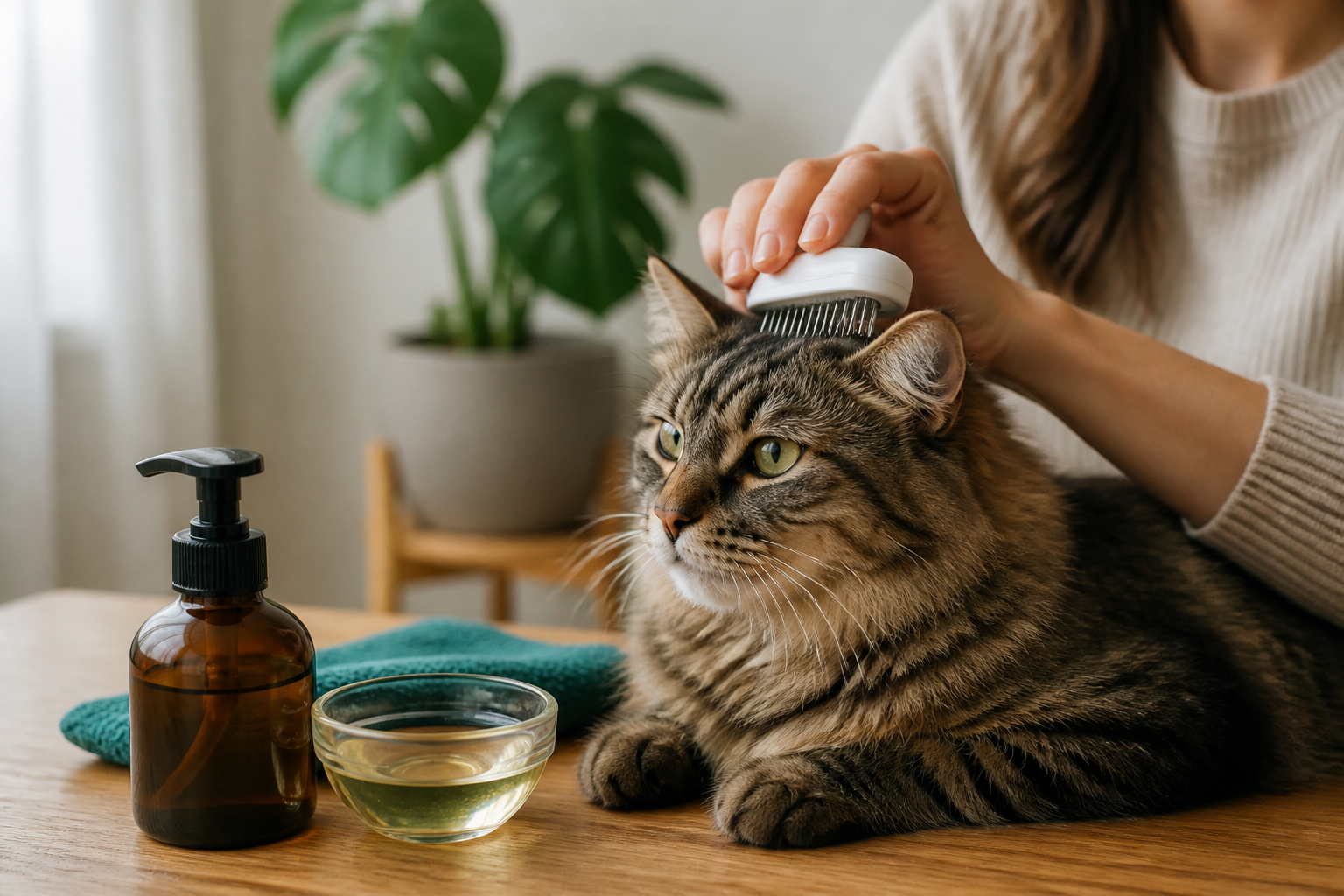
While cats do a great job of cleaning themselves, they sometimes need a helping hand. Regular brushing is the most direct way to remove existing flakes and stimulate the skin. Explore our cat grooming supplies for brushes, combs, shampoos, and other tools.
Choosing the Right Tools
The tools you use depend on your cat's coat length. For short-haired cats, a rubber curry brush like the Kong ZoomGroom is excellent. It massages the skin and pulls away loose hair without being abrasive. For long-haired cats, a slicker brush or a stainless steel comb is necessary to get through the undercoat where flakes get trapped.
The Brushing Process
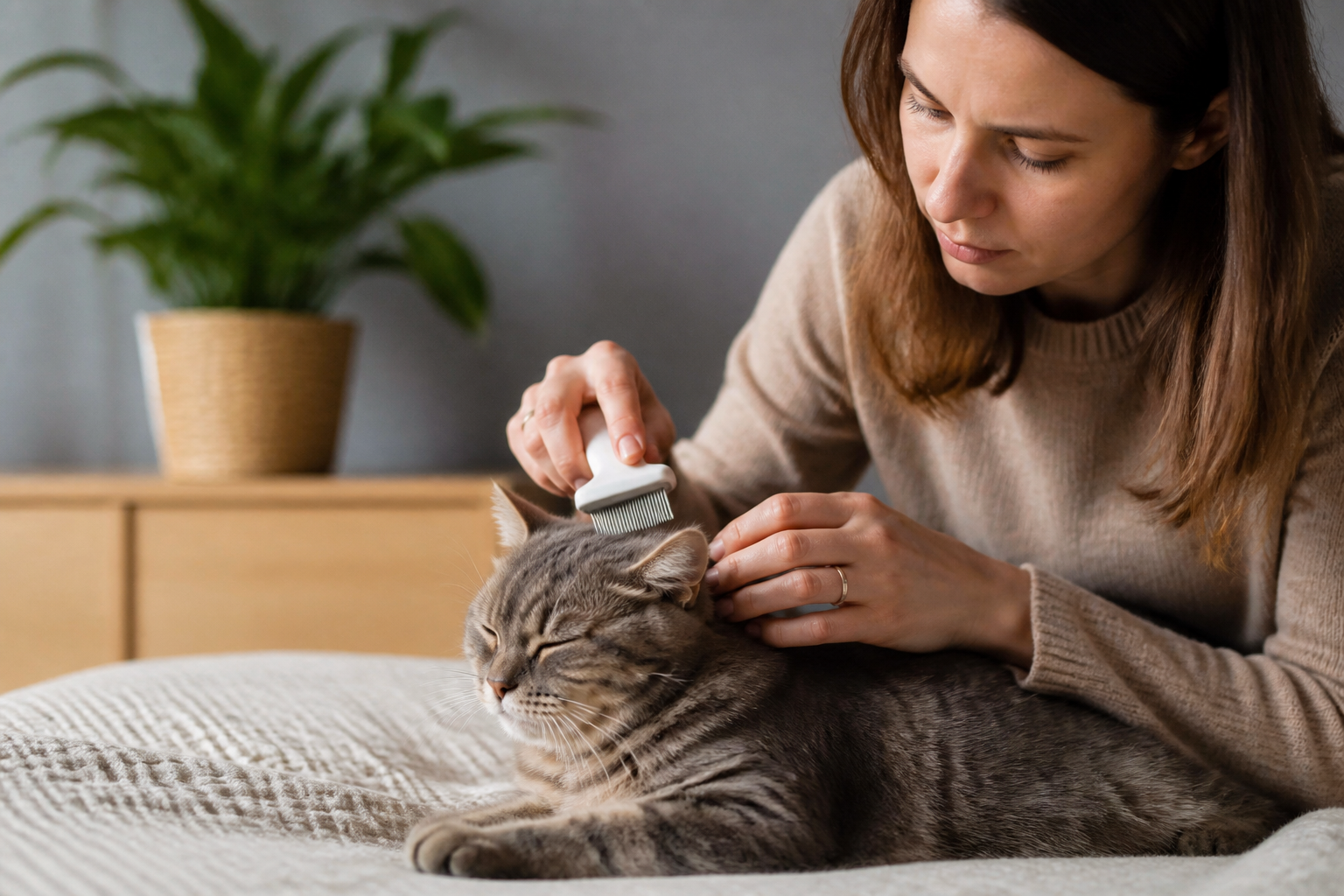
When you brush your cat, you are doing more than just removing dead hair. The mechanical action of the bristles stimulates the sebaceous glands in the skin. These glands produce natural oils that act as a protective coating for each hair strand. By brushing, you distribute these oils from the skin surface down the length of the hair. This provides a natural shine and prevents the skin from becoming overly dry.
Step 1: Choose a quiet time. / Pick a moment when your cat is relaxed and sleepy.
Step 2: Start gently. / Use soft strokes in the direction of hair growth to get them comfortable.
Step 3: Focus on problem areas. / Spend extra time on the lower back and base of the tail where dandruff is most common.
Step 4: Keep sessions short. / Five minutes of daily brushing is better than one long, stressful session per week.
To Bathe or Not to Bathe?
Most cats do not need regular baths. In fact, bathing a cat too often can strip away the very oils you are trying to preserve, making dandruff worse. However, if your cat has a greasy form of dandruff or has stopped grooming entirely, a gentle bath may be necessary. Always use a shampoo specifically formulated for cats. Human shampoos have a different pH balance and can cause significant irritation to feline skin.
Environmental Adjustments for Healthy Skin
Your home environment can either help or hinder your cat's skin health. If you have addressed diet and grooming but the flakes remain, it is time to look at your surroundings.
Managing Humidity
During the dry months, a humidifier can be a lifesaver for your cat's skin. Place one in the room where your cat spends the most time, such as the bedroom or living room. Keeping the humidity level between 40 and 50 percent can prevent the skin from losing moisture to the air. This is a simple change that benefits both you and your pet.
Reducing Stress
Stress can manifest in physical ways for cats, including changes in their skin and coat. A stressed cat might over-groom one area until it is raw, or they might stop grooming altogether. Changes in the household, such as a new pet or a move, can trigger these reactions. Providing a stable routine and plenty of vertical space can help your cat feel secure, which in turn supports their overall well-being. For more feline wellness ideas involving hydration and daily care, read this guide to supporting your cat’s immune system.
Vet Tip: If you notice sudden hair loss, skin sores, or if your cat seems lethargic, consult your veterinarian. These can be signs of more serious issues like hyperthyroidism or diabetes that require a professional diagnosis.
When to Consult Your Veterinarian
If home remedies do not work, or if the dandruff is accompanied by other symptoms, a vet visit is essential. There are several medical conditions where dandruff is just the tip of the iceberg.
Potential Health Concerns
- Diabetes and Hyperthyroidism: Both of these metabolic conditions can cause changes in coat quality and skin health.
- Skin Infections: Bacterial or fungal infections require specific medications to clear up.
- Severe Parasite Infestations: If your cat has mites or a heavy flea burden, over-the-counter solutions may not be enough.
- Allergies: A veterinarian can help identify if the flakes are caused by environmental allergens like pollen or dust mites.
Using the BaxterBoo Pharmacy
When your veterinarian determines that a prescription is necessary, we are here to help. Our pet pharmacy provides a wide range of FDA-approved medications and prescription diets through our partnership with Pet's Choice. Whether your cat needs a specific flea treatment to stop a parasitic infection or a prescription diet for weight management, you can have it delivered directly to your door.
This is a convenient way to manage chronic conditions that affect skin health. Our pharmacy carries medications for allergies, thyroid issues, and more. Having access to these professional-grade products ensures that you are giving your cat the exact care their doctor recommended.
Conclusion
Managing cat dandruff is about looking at the big picture of your pet's health. By combining better hydration, targeted nutrition, and a consistent grooming routine, you can usually clear up those pesky white flakes within a few weeks. Remember that your cat's skin is a reflection of their internal health.
- Increase hydration by adding wet food or using a water fountain.
- Brush your cat daily to distribute natural skin oils.
- Use a humidifier during the winter to combat dry indoor air.
- Consult a vet if you notice redness, hair loss, or behavioral changes.
Bottom line: Most feline dandruff can be resolved with improved hydration and regular brushing, but always rule out underlying medical issues with your vet.
To get started on your cat's skin health journey, explore our cat skin and coat care collection and grooming tools. If your vet has already recommended a specific treatment, visit our pet pharmacy to find the prescription supplies you need.
FAQ
Is cat dandruff different from dander?
Yes, cat dandruff consists of large, visible white flakes that get stuck in the fur, while dander is microscopic skin cells shed by all cats. While dander is a normal and healthy part of shedding, dandruff is usually a sign of dry skin, poor grooming, or a health issue.
Can I use human dandruff shampoo on my cat?
No, you should never use human dandruff shampoo on a cat. These products are formulated for the pH level of human skin and often contain ingredients that are toxic to cats if swallowed during grooming. Always choose a moisturizing shampoo specifically labeled for feline use.
Why does my cat only have dandruff on their lower back?
Dandruff concentrated on the lower back and base of the tail is often a sign that a cat cannot reach that area to groom. This is very common in cats that are overweight or those suffering from arthritis, as the physical movements required to clean that spot become difficult.
How long does it take for cat dandruff to go away?
If you address the underlying cause through diet or grooming, you should see an improvement in the coat within two to four weeks. Skin cells take time to regenerate, so consistency with new habits is key to seeing a lasting difference.