
 Save 15% on your 1st Autoship learn more

 Email us
 Live Chat
 FAQs





Introduction
You are relaxing on the sofa with your cat when you notice a dusting of white flakes across their dark fur. It looks just like human dandruff, and you might wonder if you should be worried. Seeing these flakes is a common experience for many pet owners, but it usually signals that your cat needs a little extra help with their skin health or grooming routine. At BaxterBoo, we know that a shiny, flake-free coat is more than just a cosmetic preference. It is a sign that your cat is hydrated, well-nourished, and feeling their best. This guide will walk you through why these flakes appear, when they indicate a health issue, and the practical steps you can take at home to restore your cat's coat. By understanding the root causes of dry skin, you can help your feline friend feel much more comfortable.
Quick Answer: Cat dandruff is often caused by dry air, a lack of omega fatty acids, or difficulty grooming. To help, you can increase hydration with wet food, brush your cat daily to distribute natural oils, and use a humidifier during winter months.
Understanding the Difference Between Dander and Dandruff
It is important to distinguish between dander and dandruff before you start any treatments. Many people use these terms interchangeably, but they are actually different things. Every cat has dander. These are microscopic skin cells that shed naturally as part of the body's normal renewal process. Because dander is so small, you cannot see it with the naked eye. It is the protein in this dander that often triggers allergies in humans.
Dandruff, on the other hand, is visible. It consists of larger clumps of dead skin cells that have accumulated and flaked off. While a few occasional flakes might not be a major concern, frequent or heavy dandruff usually points to an underlying issue. This might be as simple as the air being too dry or as complex as a metabolic condition.
Key Takeaway: Dander is a healthy, invisible part of a cat's skin cycle, while visible dandruff flakes suggest an imbalance in skin moisture or a problem with grooming.
Cat Skin & Coat Care













Common Reasons Why Cats Develop Dandruff
Most cases of feline dandruff stem from a handful of lifestyle or environmental factors. Identifying which one fits your cat is the first step toward clearing up their skin.
Seasonal Changes and Humidity
Just like humans, cats often experience dry skin during the winter. When you turn on the heater in your home, it strips the moisture from the air. This low humidity environment causes the skin to lose its natural barrier, leading to itchiness and flaking. If your cat spends a lot of time near heat vents, the problem can be even worse.
Nutritional Deficiencies
The skin is the largest organ in a cat's body, and it requires specific nutrients to stay healthy. If a diet is low in essential fatty acids, specifically Omega-3 and Omega-6, the skin barrier becomes weak. We often see cats on low-quality kibble struggle with this issue. Without enough fat in the diet, the skin becomes brittle and the coat loses its shine.
Dehydration and Diet Type
Cats have a low thirst drive. They evolved to get most of their moisture from their prey. If a cat eats only dry kibble and does not drink enough water, they can live in a state of mild, chronic dehydration. This shows up on the skin very quickly. Adding moisture to their meals is one of the easiest ways to combat dry, flaky skin. Explore our cat food collection when comparing wet and dry meal options.
Weight and Mobility Issues
If your cat is carrying extra weight, they may simply be unable to reach certain parts of their body. Dandruff is frequently found on the lower back and near the base of the tail in overweight cats. Similarly, senior cats with arthritis may find it painful to twist and groom themselves. When a cat stops grooming an area, dead skin cells and loose fur build up, creating a layer of dandruff.
Identifying Underlying Health Conditions
Sometimes, flakes on the fur are more than just dry skin. They can be a symptom of a medical problem that requires professional help.
- Parasites: Fleas and mites can cause significant skin irritation. A specific type of mite called Cheyletiella is often nicknamed "walking dandruff" because the mites are large enough to see, and they move the skin flakes as they crawl.
- Fungal and Bacterial Infections: Ringworm is a common fungal infection that causes circular patches of hair loss and scaly, flaky skin.
- Metabolic Diseases: Conditions like hyperthyroidism, diabetes, or kidney disease can change the quality of a cat's skin and coat. These diseases often affect how the body processes nutrients and maintains hydration.
- Allergies: Cats can be allergic to ingredients in their food or environmental triggers like pollen and dust. Allergic reactions often manifest as skin inflammation, over-grooming, and dandruff.
For products that support general feline wellness, browse our cat healthcare selection.
Vet Tip: If your cat's dandruff is accompanied by redness, sores, hair loss, or a sudden change in thirst and appetite, please consult your veterinarian. They can run blood tests or skin scrapings to rule out systemic health issues.
How to Get Rid of Cat Dandruff at Home
Once you have ruled out serious medical issues, you can implement a routine to improve your cat's skin health. Consistency is the key to seeing results.
Establish a Daily Brushing Routine
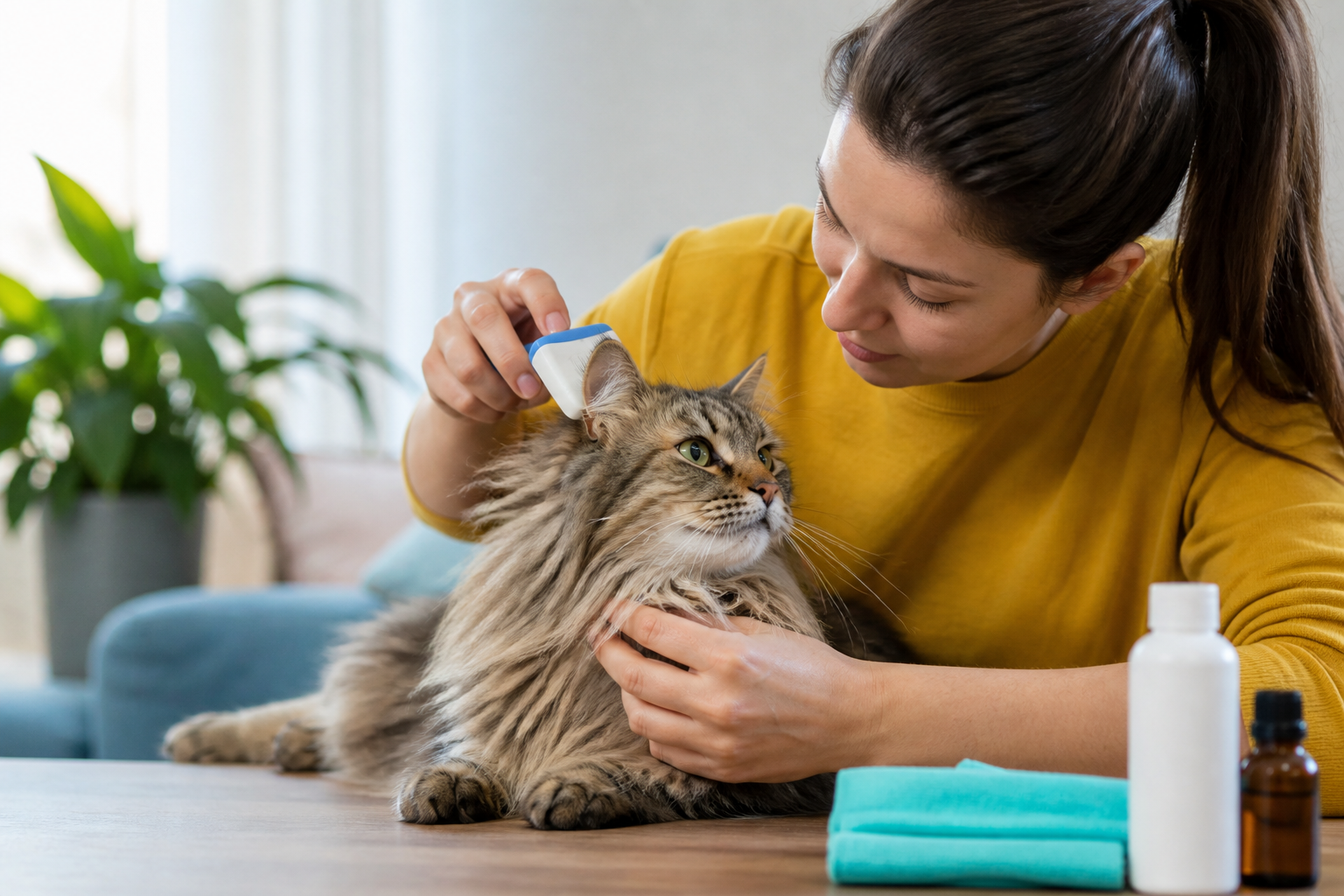
Brushing does more than just remove loose hair. It stimulates the skin and helps distribute natural oils across the entire coat. For a cat with dandruff, regular grooming acts as a natural moisturizer. You can compare brushes, combs, and other tools in our cat grooming supplies.
Step 1: Choose the right tool. Use a soft bristle brush or a rubber grooming mitt for short-haired cats. Long-haired cats may need a stainless steel comb to reach the undercoat.
Step 2: Start slowly. If your cat is not used to grooming, keep sessions short and offer treats.
Step 3: Focus on hard to reach areas. Pay special attention to the lower back and the base of the tail where flakes tend to accumulate.
Step 4: Brush in the direction of hair growth. This is more comfortable for the cat and more effective at moving oils.
Improve Nutrition and Hydration
What goes into your cat's body is just as important as what you do to their fur. Consider these nutritional upgrades:
- Omega Fatty Acids: Look for supplements or foods enriched with fish oil. These provide the building blocks for a healthy skin barrier.
- Increase Wet Food: Even a small amount of wet food added to a dry diet can improve hydration levels.
- Water Fountains: Many cats prefer running water. A fountain can entice a finicky cat to drink more throughout the day.
- Avoid Over-Bathing: Unless your cat is physically dirty or a vet has prescribed a medicated bath, avoid frequent washing. Most cats do not need baths, and water can actually strip away the oils they need.
For additional ideas about feline grooming, read our guide to caring for a cat's whiskers.
Bottom line: A combination of daily brushing and increased moisture in the diet is usually enough to clear up mild cat dandruff within a few weeks.
Managing Parasites and Medications
If your cat's dandruff is caused by parasites like fleas or mites, you will need specific treatments to solve the problem. Even indoor cats are at risk of bringing in hitchhiking pests. Our pharmacy carries a wide range of prescription and other cat medications. Review our pet pharmacy for cats with your veterinarian when medication may be appropriate.
Using a monthly preventative is the best way to stop the cycle of skin irritation. If your cat has "walking dandruff" mites, your vet will likely prescribe a specific course of treatment to clear the infestation. Once the parasites are gone, the skin usually heals quickly, and the flakes will disappear.
Weight Management for Better Grooming
Since obesity is a leading cause of dandruff in the "hard to reach" zones, helping your cat reach a healthy weight is a long-term solution. When a cat can reach their entire body, they can perform the daily maintenance required to keep their skin clear.
If your cat is struggling with weight, we recommend talking to your vet about a specialized diet. We carry brands like Farmina Vet Life that offer weight management formulas. These are designed to keep your cat feeling full while reducing calorie intake. You can also use puzzle feeders to slow down their eating and encourage movement.
For more guidance on this topic, read how to help an indoor cat lose weight.
Environmental Adjustments
You can also make small changes to your home environment to support your cat's skin. This is especially helpful during the transition between seasons.
- Use a Humidifier: Placing a humidifier in the room where your cat spends the most time can prevent their skin from drying out during the winter.
- Avoid Harsh Cleaners: Sometimes skin flakes are a reaction to strong chemicals on the floor or in their bedding. Switch to pet-safe, unscented laundry detergents and cleaners.
- Reduce Stress: Stress can impact a cat's immune system and skin health. Ensure they have plenty of vertical space, hiding spots, and mental stimulation.
Key Takeaway: Environmental moisture and a stress-free home play a supporting role in maintaining a healthy, shiny coat for your cat.
When Home Remedies Are Not Enough
If you have improved your cat's diet, started a brushing routine, and added a humidifier, but the flakes persist, it is time for a professional evaluation. Persistent dandruff can sometimes be the first visible sign of an internal problem.
Your veterinarian might recommend:
- Blood Work: To check for kidney function, thyroid levels, and signs of diabetes.
- Skin Scraping: To look for microscopic mites or fungal spores under a microscope.
- Medicated Shampoos: If there is a secondary bacterial or fungal infection, a specific shampoo might be necessary. Never use human dandruff shampoo on a cat, as the pH levels are different and the ingredients can be toxic if licked.
- Prescription Diets: For cats with severe food allergies or metabolic needs.
Why Quality Matters in Cat Care
At BaxterBoo, we handpick the products we carry because we want to make sure you have access to the best possible care for your pets. Whether it is a high-quality brush that does not irritate the skin or a supplement rich in salmon oil, we focus on value and expertise. We have been operating since 2006, and our team understands that every cat is different.
If you are just starting your journey to clear up your cat's skin, the MVP Rewards program is a great way to save while you find the right combination of food and grooming tools. You can earn points on every purchase and get exclusive offers that make premium care more affordable.
Summary of Next Steps
Managing cat dandruff is usually a matter of improving daily habits. Start with the simplest changes and monitor your cat's skin for improvements over two to four weeks.
- Daily Brushing: Use a soft brush to move natural oils.
- Hydration: Add wet food to the diet and provide fresh, running water.
- Supplements: Introduce Omega-3 fatty acids to strengthen the skin barrier.
- Weight Check: Ensure your cat can reach all areas for grooming.
- Vet Consult: Reach out to a professional if you see hair loss, redness, or behavioral changes.
Bottom line: Most cat dandruff is a manageable condition that responds well to better hydration and consistent grooming.
Conclusion
Seeing white flakes on your cat can be frustrating, but it is a problem with many effective solutions. By focusing on high-quality nutrition, proper hydration, and a regular grooming schedule, you can help your cat regain a healthy, lustrous coat. Remember that the skin is a window into your cat's overall health. While simple dry skin is common, always stay alert for other symptoms that might require a trip to the vet. For those looking to stay stocked up on skin-supporting foods and supplements, our Autoship program offers a convenient way to save on recurring deliveries while keeping your cat's wellness a top priority. Whether you visit us online or at our warehouse superstore in Vernon Hills, we are here to help you provide the best care for your feline companion.
FAQ
Is cat dandruff the same as fleas?
No, cat dandruff consists of white or translucent skin flakes, while flea evidence usually looks like "flea dirt," which are small black specks. If you see the flakes moving, it could be a specific mite called "walking dandruff," which requires a veterinary visit for treatment.
Can I use my own dandruff shampoo on my cat?
You should never use human dandruff shampoo on a cat. These products are formulated for the pH of human skin and often contain chemicals that are toxic to cats if they lick their fur after a bath. Always use a shampoo specifically designed for felines or one recommended by your veterinarian.
Does my cat's weight affect their dandruff?
Yes, obesity is a very common cause of dandruff in cats. If a cat is too heavy to reach their lower back or tail area, dead skin cells and oils will build up in those spots, leading to visible flakes and sometimes matted fur.
Why does my cat only get dandruff in the winter?
Winter dandruff is usually caused by low humidity in the home. Artificial heating dries out the air, which in turn dries out your cat's skin. Using a humidifier and adding a skin-supporting supplement can help combat this seasonal issue.






- Site & Contents BaxterBoo.com. BaxterBoo is located in the United States.
- Privacy & Security
- Terms of Use
- Accessibility Statement
