
 Save 15% on your 1st Autoship learn more

 Email us
 Live Chat
 FAQs





Introduction
You are sitting on the sofa with your favorite feline friend when you notice small white flakes scattered across their dark fur. It looks just like human dandruff, and you might wonder if your cat is simply dry or if something more serious is happening. Seeing these flakes during a grooming session is a common experience for many pet owners. At BaxterBoo, we know that your cat's coat is a direct reflection of their internal health. This guide will help you identify the common causes of flaky skin and provide practical steps to restore that glossy shine. We will cover everything from environmental triggers and nutritional gaps to underlying medical conditions that require a veterinarian's attention. Understanding why these flakes appear is the first step toward helping your cat feel comfortable again.
Quick Answer: Cat dandruff is a buildup of dead skin cells that haven't been properly shed or groomed away. It is often caused by low humidity, poor diet, or a lack of self-grooming, but it can also signal underlying health issues like parasites or allergies.
Understanding the Difference Between Dandruff and Dander
It is easy to get confused by the terminology used for feline skin. Many people use the words dandruff and dander as if they mean the same thing, but they are quite different. Every cat has dander. It consists of microscopic skin cells that shed naturally as part of the normal skin renewal process. You cannot see dander with the naked eye. It is the substance that often triggers allergies in humans because it carries proteins from the cat's saliva.
Dandruff is much larger and very visible. These are the white or grayish flakes you see on the fur, bedding, or your clothes after a cuddle session. While dander is a sign of a healthy, functioning body, dandruff usually indicates that the skin cycle is out of balance. The skin may be producing cells too quickly, or the cat may not be able to remove the dead cells through regular grooming.
Key Takeaway: If you can see the flakes, it is dandruff. If you cannot see them but you are sneezing, you are likely reacting to dander.
Cat Skin & Coat Care












Common Environmental Causes of Flaky Skin
The environment inside your home plays a massive role in the health of your cat's skin. This is especially true during the winter months in places like Illinois. When the heater runs constantly, the air inside your house becomes very dry. This lack of moisture pulls hydration out of your cat's skin, leading to a brittle and flaky coat.
Low humidity is one of the most frequent reasons we see cats with minor dandruff. You might notice the flakes are worse when the seasons change. If the skin feels tight or looks dusty, it is likely an environmental issue. Using a humidifier in the rooms where your cat spends the most time can make a significant difference.
Direct sunlight can also be a factor. If your cat spends hours baking in a sunny window, their skin can become dehydrated or even slightly sunburnt. This is particularly common in white cats or those with very thin fur. Providing a shaded spot near their favorite window can help protect their skin from excessive heat and UV rays.
The Role of Grooming and Mobility
Cats are famous for their fastidious grooming habits. They typically spend a large portion of their waking hours cleaning themselves. This process does more than just keep them smelling fresh. Licking the fur stimulates the production of natural oils and spreads them across the skin. This keeps the skin supple and helps shed dead cells.
If your cat stops grooming effectively, dandruff will accumulate quickly. This often happens in older cats who are dealing with arthritis or joint stiffness. If it hurts to reach their lower back or the base of their tail, those areas will become flaky and greasy. You might notice the fur in those spots looks clumped or dull.
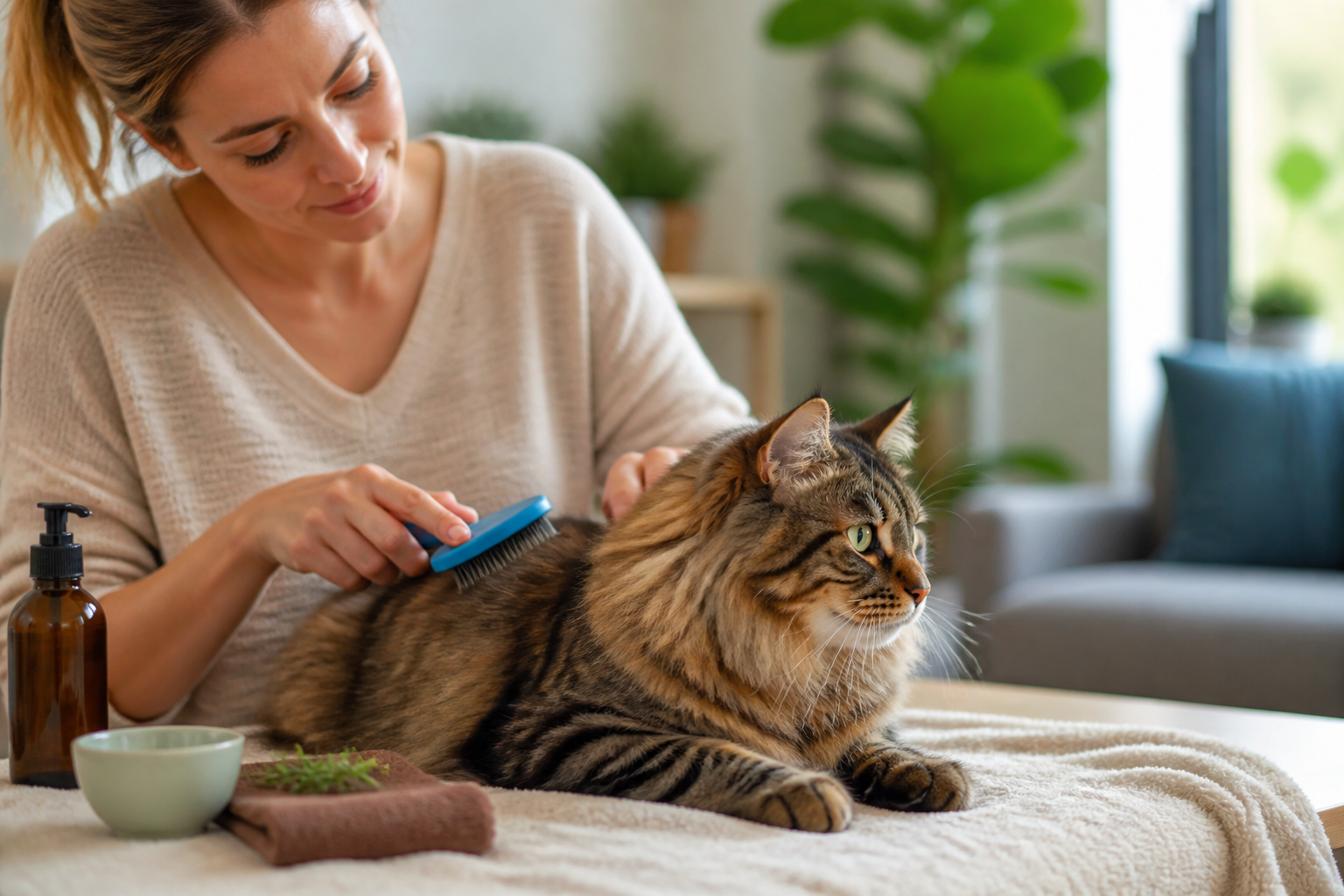
Obesity is another major hurdle for grooming. A cat that is overweight simply cannot reach every part of its body. The middle of the back is usually the first place to show signs of neglect. If your cat has a "racing stripe" of dandruff down their spine, it is a strong sign they need help with their daily maintenance. Regular brushing with a soft bristle brush or a grooming glove can mimic the action of their tongue and clear away those stubborn flakes. Explore our cat grooming supplies for brushes, combs, and other coat-care tools.
Nutritional Deficiencies and Hydration
What goes into your cat's body is just as important as what happens on the outside. Skin requires specific nutrients to remain healthy and resilient. If a cat is eating a low-quality diet, they may not be getting enough essential fatty acids. Omega-3 and Omega-6 fatty acids are the building blocks of a healthy skin barrier. Without them, the skin becomes prone to inflammation and dryness.
Hydration is the other side of the nutritional coin. Many cats have a low thirst drive and rely on their food for moisture. If your cat eats only dry kibble, they may live in a state of mild, chronic dehydration. This shows up very clearly in the quality of their coat.
- Try adding wet food to their daily routine to increase water intake.
- Consider a pet water fountain, as many cats prefer running water over a still bowl.
- Look for treats or toppers enriched with fish oils to boost fatty acids.
- Ensure their main diet meets AAFCO standards for their specific life stage.
Vet Tip: If your cat has persistent dandruff despite a good diet, consult your veterinarian about prescription diets. Our pharmacy carries specialized skin and coat formulas, including prescription options through our partnership with Pet's Choice, that are designed to manage severe dermatological issues.
Medical Conditions That Cause Dandruff
Sometimes, those white flakes are more than just dry skin. Several medical conditions can manifest as dandruff, and these require a professional diagnosis. Parasites are a very common culprit. While you might know what a flea looks like, there is a specific mite called Cheyletiella that is often called walking dandruff.
These mites are tiny and white. When they move around on your cat's skin, it looks like the dandruff itself is crawling. It is highly contagious to other pets and can cause intense itching. Other parasites like lice or certain types of mange can also cause the skin to flake and crust.
Infections are another possibility. Ringworm, which is actually a fungus, can cause circular patches of hair loss and flaky skin. Bacterial infections can also lead to crusting and scaling. Beyond surface issues, systemic diseases like diabetes, hyperthyroidism, or kidney disease can change the way a cat's body processes nutrients and hydrates the skin. If your cat is drinking more water than usual, losing weight, or acting lethargic alongside the dandruff, a vet visit is mandatory.
How to Check for Parasites at Home
Before you assume it is just dry skin, do a quick check for unwanted guests. You can perform a simple "paper test" to look for flea activity. Place your cat on a white piece of paper or a white towel and brush them thoroughly. Look for small black specks that fall onto the paper.
If you see black specks, drop a little bit of water on them. If they turn reddish-brown, that is flea dirt, which is actually digested blood. This confirms a flea infestation even if you don't see a live flea. Fleas cause irritation that leads to scratching, which further damages the skin and creates flakes.
To check for walking dandruff, you can use a piece of clear tape. Press the sticky side against a patch of flaky skin and then look at the tape under a bright light or a magnifying glass. If you see the flakes moving, you are dealing with mites. Both fleas and mites require specific medications to eliminate.
The Importance of Flea and Tick Prevention
Even indoor cats are at risk for parasites. Fleas can hitch a ride into your home on your clothes or through window screens. A single flea bite can trigger an allergic reaction in some cats, leading to a condition called Flea Allergy Dermatitis. This causes extreme itchiness, redness, and a massive amount of dandruff.
The best way to manage this is through consistent, year-round prevention. We recommend using a trusted preventative every month to keep your cat's skin barrier safe. Explore our cat flea and tick collection for topical treatments, sprays, shampoos, and other options.
Key Takeaway: Preventing parasites is much easier and cheaper than treating a full-blown infestation and the resulting skin damage.
For more guidance on choosing a prevention method, read our guide to flea and tick prevention products.
Step-by-Step: Managing Dandruff at Home
If your vet has ruled out serious medical issues, you can start a home care routine to clear up the flakes. Consistency is the key to seeing results.
Step 1: Increase grooming frequency.
Spend five to ten minutes every day brushing your cat. Use a brush that reaches the undercoat without scratching the skin. This removes dead hair and distributes skin oils.
Step 2: Boost humidity.
Place a humidifier near your cat's favorite sleeping spot. Aim to keep the humidity in your home between 40 and 50 percent. This prevents the air from stealing moisture from their fur.
Step 3: Improve the diet.
Switch a portion of their meals to high-quality wet food like Tiki Cat or Weruva. Add a supplement rich in Omega fatty acids. Brands like Zesty Paws or Honest Paws offer options that are easy to mix into food.
Step 4: Use a water fountain.
Encourage more drinking by providing fresh, moving water. Many cats find fountains more appealing than stagnant bowls, leading to better overall hydration.
Step 5: Avoid over-bathing.
Unless your cat is physically dirty or has a greasy skin condition, avoid frequent baths. Water and shampoo can actually strip away the natural oils that keep the skin healthy. If you must bathe them, use a soap-free, moisturizing shampoo formulated specifically for cats.
When adding moisture to meals, browse our wet cat food selection for recipes from brands such as Tiki Cat and Weruva.
When to See a Veterinarian
While a few flakes might not seem like an emergency, you should monitor your cat for "red flag" symptoms. Dandruff is often just the tip of the iceberg for skin health. If you notice any of the following, schedule a veterinary appointment immediately.
- Patches of total hair loss or thinning fur.
- Red, inflamed, or bleeding skin.
- Constant scratching, biting, or licking of specific areas.
- Small bumps, pustules, or scabs on the skin surface.
- A foul odor coming from the skin or ears.
- Changes in behavior, such as hiding or irritability.
- Weight loss or changes in appetite and thirst.
A veterinarian can perform a skin scraping or a fungal culture to find the exact cause of the irritation. They may also suggest blood work to rule out internal health problems. Getting a professional diagnosis early can save your cat from a lot of unnecessary discomfort.
Vet Tip: Never use human dandruff shampoo on your cat. Many of these products contain ingredients like zinc pyrithione or salicylic acid which can be toxic if your cat licks them off their fur. Always use products specifically labeled for feline use.
For additional information about medication types and parasite preventatives, read our comprehensive guide to pet medications.
The Connection Between Stress and Skin
Cats are sensitive creatures that thrive on routine. Significant changes in the household can lead to stress, which often manifests physically. When a cat is stressed, their immune system can become slightly suppressed, making them more susceptible to skin issues.
Stress can also lead to over-grooming or under-grooming. A stressed cat might lick one spot until it is raw and flaky, or they might stop cleaning themselves altogether. If you have recently moved, added a new pet, or changed your work schedule, your cat's dandruff might be a stress response.
Providing enrichment and a stable environment can help. Use vertical space like cat trees and offer plenty of interactive play. If the stress seems unmanageable, talk to your vet about calming supplements or pheromone diffusers. Our cat stress and anxiety collection includes many non-prescription options that can support a peaceful home environment.
Seasonal Shifts and Your Cat's Coat
It is normal to see a slight increase in dandruff during the spring and fall. These are the times when cats typically shed their seasonal coats. As the old fur falls out, it can take some dead skin cells with it. If the air is particularly dry during these transitions, the flakes will be more noticeable.
During these times, you may need to double your brushing efforts. Helping your cat remove the old undercoat prevents it from trapping heat and moisture against the skin, which can lead to irritation. A deshedding tool can be very helpful during these peak shedding weeks. Just be gentle, as cat skin is much thinner and more delicate than human skin.
For more coat-care ideas during seasonal shedding, read our guide to grooming cats with thick coats.
Selecting the Right Grooming Tools
Not all brushes are created equal. The right tool for your cat depends on their hair length and skin sensitivity. For cats with short hair, a rubber grooming mitt or a soft bristle brush is often enough to clear away dandruff. These tools massage the skin and feel like a petting session.
For long-haired cats, you need a comb or a slicker brush that can get through the thick undercoat. If the dandruff is trapped deep near the skin, a fine-toothed metal comb is excellent for lifting those flakes to the surface where they can be brushed away. Always move in the direction of hair growth and watch for signs that your cat is getting overstimulated.
Bottom line: Regular, gentle grooming is the most effective way to prevent and manage non-medical dandruff in cats.
Conclusion
Dealing with cat dandruff is usually a matter of improving daily care and monitoring for health changes. By focusing on hydration, high-quality nutrition, and regular grooming, you can help your cat maintain a coat that is soft, shiny, and flake-free. Remember that environmental factors like dry winter air are often the simplest explanation, but never ignore signs of parasites or infection. If home remedies do not show results within a few weeks, or if your cat seems uncomfortable, professional help is the best next step.
- Brush your cat daily to distribute natural skin oils.
- Increase moisture in the air and in their diet.
- Keep up with year-round flea and tick prevention.
- Monitor for red flags like redness, itching, or hair loss.
If you find that your cat needs a specific medication or a prescription diet to manage their skin health, our pet pharmacy can help you find veterinarian-recommended options. You can also save on these recurring needs through our Autoship programme, which helps ensure you never run out of the supplies your cat needs to stay healthy.
FAQ
Can I use coconut oil on my cat's dandruff?
While coconut oil is generally safe, it is very greasy and can lead to a messy coat or digestive upset if your cat licks it off. It is much more effective to provide essential fatty acids through their diet or a fish oil supplement. If you want to use something topical, look for a spray or mousse specifically formulated for feline skin.
Why is my cat's dandruff only on their lower back?
The lower back and the base of the tail are the hardest spots for a cat to reach, especially if they are older or overweight. If a cat has limited mobility, they cannot groom these areas effectively, leading to a buildup of dead skin and oils. Regular brushing in these specific spots can help clear the flakes.
Is walking dandruff contagious to humans?
Yes, the mites that cause walking dandruff (Cheyletiella) can temporarily move onto humans and cause an itchy rash. While they cannot complete their life cycle on a human, they can cause significant discomfort until the infested pet is treated. If you suspect mites, it is important to treat all pets in the household and deep-clean their bedding.
Does wet food really help with dry skin?
Yes, wet food is significantly higher in moisture than dry kibble, which helps with overall hydration. Proper hydration is essential for maintaining the elasticity and moisture levels of the skin. Many cat owners see a noticeable improvement in coat shine and a reduction in flakes after incorporating more wet food into the diet.






- Site & Contents BaxterBoo.com. BaxterBoo is located in the United States.
- Privacy & Security
- Terms of Use
- Accessibility Statement
