Save 15% on your 1st Autoship learn more

 Email us
 Live Chat
 FAQs
FAQs





Introduction
Petting your cat is usually a way to bond and relax at the end of a long day. It becomes a lot less relaxing when your hand comes away covered in loose fur and tiny white flakes. You might notice these flakes on your black sweater or scattered across your cat’s favorite napping spot. At BaxterBoo, we know that seeing a sudden change in your cat’s coat can be stressful. While some shedding is normal, an increase in hair loss paired with visible dandruff usually means your cat’s skin needs some extra help. This guide will help you understand why these two issues often go hand in hand. We will explore the common causes and provide practical steps to get your cat’s coat back to its silky, healthy state.
Understanding Feline Skin Health
A cat’s skin is their largest organ. It acts as a protective barrier against the environment. When the skin is healthy, it produces just enough oil to keep the fur soft and the skin hydrated. This process involves a constant cycle of new skin cells replacing old ones. In a healthy cat, you never actually see this happening. The cells are microscopic and fall away during normal grooming.
When you see dandruff, it means the skin cell turnover is happening too fast or the skin is too dry. This flakiness often weakens the hair follicles. This is why you often see shedding and dandruff together. If the skin is not healthy, it cannot hold onto the fur as effectively.
Quick Answer: Dandruff in cats is a sign of skin irritation or an underlying health issue that causes dead skin cells to clump together. It often leads to excessive shedding because dry, unhealthy skin cannot properly support the hair follicles.
The Difference Between Dander and Dandruff
Many people use the terms dander and dandruff interchangeably, but they are different. Dander consists of tiny, microscopic skin cells that every healthy cat sheds. This is what usually triggers allergies in humans. You cannot see dander with the naked eye.
Dandruff consists of much larger, visible white flakes. These flakes are clumps of skin cells that have died and peeled off. If you can see white specks on your cat’s back, you are looking at dandruff. While dander is a normal part of being a cat, dandruff is a sign that something is slightly off balance.
Why the Shedding and Flakes Happen Together
It is rare to see a cat with heavy dandruff that is not also shedding more than usual. This happens because the skin and the hair are part of the same system. When the skin becomes dry or inflamed, it loses its elasticity. The pores and follicles that hold the hair in place become loose.
When your cat grooms themselves, their sandpaper-like tongue pulls away far more hair than it should. This creates a cycle where the cat loses fur, and the exposed skin becomes even more prone to drying out. This cycle can lead to thinning patches of fur or even bald spots if left unaddressed.
Common Environmental Triggers
The environment inside your home plays a huge role in skin health. This is especially true during the winter months in the US. When we turn on our heaters, the air inside becomes very dry. This pulls moisture directly out of your cat’s skin.
Low Humidity and Heating
Central heating is one of the most common causes of seasonal dandruff. If you notice the flakes appearing only when the temperature drops outside, the air quality is likely the culprit. You might even feel a static shock when you pet your cat. This is a clear sign that the environment is too dry.
Over-Bathing
Most cats are experts at keeping themselves clean. They rarely need a bath unless they get into something messy. If you bathe your cat too often, you might be washing away the essential oils they need. Without these oils, the skin becomes brittle and starts to flake. If you must wash your cat, always use a soap-free formula designed specifically for felines.
Key Takeaway: Environmental factors like dry winter air or over-bathing are often the simplest reasons for skin flakes. Managing the humidity in your home can significantly improve your cat's coat quality.
The Role of Nutrition in Coat Quality
What goes into your cat’s body is just as important as what you put on their fur. Skin cells require a lot of energy and specific nutrients to grow correctly. In fact, a cat uses a large portion of their daily protein intake just to maintain their skin and coat.
For additional guidance on choosing nutritional support, explore our cat food selection.
Essential Fatty Acids
The most important nutrients for skin health are Omega-3 and Omega-6 fatty acids. These are often called essential fatty acids because a cat’s body cannot make them on its own. They must come from their food.
If a diet is low in these fats, the skin barrier becomes weak. We carry brands like Stella and Chewy’s or The Honest Kitchen that focus on high-quality ingredients to support these needs. A boost in healthy fats can often resolve mild dandruff within a few weeks.
High-Quality Proteins
Cats are obligate carnivores. This means they need protein from animal sources to thrive. Poor quality fillers in cheap cat food can lead to a dull coat and flaky skin. Look for foods where a specific meat, like chicken or salmon, is the first ingredient. Brands like Farmina or Royal Canin offer specialized formulas that target skin and coat health through precise protein levels.
Physical Barriers to Proper Grooming
Sometimes the dandruff is not caused by a skin disease, but by a lack of grooming. Cats spend a large part of their day licking their fur. This action removes loose hair and distributes natural oils across the body. If a cat stops grooming, the dead skin and old hair just sit there.
Obesity and Accessibility
If a cat is overweight, they simply cannot reach every part of their body. You will often see a strip of dandruff along the lower back and the base of the tail. This is the hardest spot for a heavy cat to reach. If the cat cannot lick that area, the oils build up and the skin becomes irritated.
Arthritis in Senior Cats
Senior cats often suffer from joint stiffness or arthritis. Bending and twisting to reach their hindquarters can be painful. If your older cat suddenly has a messy coat and lots of flakes, it might be a sign of mobility issues rather than a skin problem. We often recommend supplements like Cosequin or products from Honest Paws to support joint health in aging pets.
Vet Tip: If your cat has stopped grooming and has dandruff along their spine, check for signs of stiffness or weight gain. Helping your cat reach a healthy weight or managing joint pain can often clear up skin issues.
For more information about supporting aging pets with supplements, read our guide to pet supplements.
Medical Concerns and Parasites
While many cases of dandruff are related to the environment or diet, some have a medical cause. These require a bit more investigation.
Walking Dandruff (Mites)
There is a specific mite called Cheyletiella that is often mistaken for simple dandruff. It is commonly called walking dandruff because if you look closely, the flakes actually move. These tiny mites live on the surface of the skin and cause intense itching and flaking. This is highly contagious to other pets and can even cause a temporary rash on humans.
Fleas and Allergies
Flea bites are a major cause of skin irritation. Many cats have a flea saliva allergy. A single bite can cause a massive reaction that leads to scratching, shedding, and dandruff. Our cat healthcare collection includes products for common feline health needs. Keeping your cat on a monthly preventive like Frontline or NexGard is the best way to rule out parasites as a cause for their skin issues.
Systemic Diseases
In some cases, skin changes are a symptom of a deeper internal problem. Conditions like diabetes, hyperthyroidism, or kidney disease can change the way a cat's skin functions. These diseases often cause dehydration, which leads to dry, flaky skin. If you notice your cat is also drinking more water or losing weight, a vet visit is necessary for blood work.
How to Help Your Cat at Home
Once you have ruled out serious medical issues with your vet, you can take steps at home to clear up the flakes. A consistent routine is the best way to maintain a healthy coat.
Establish a Brushing Routine
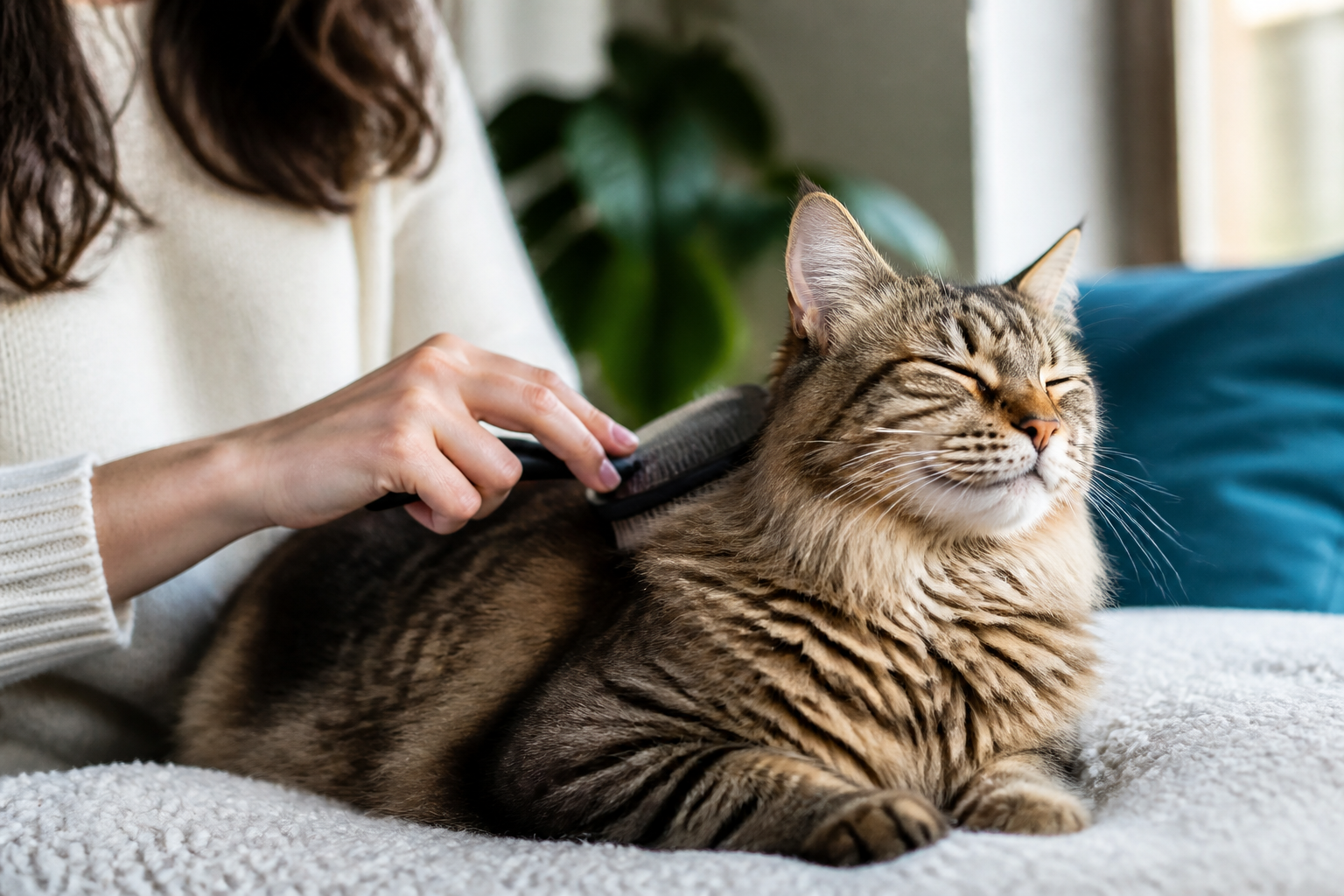
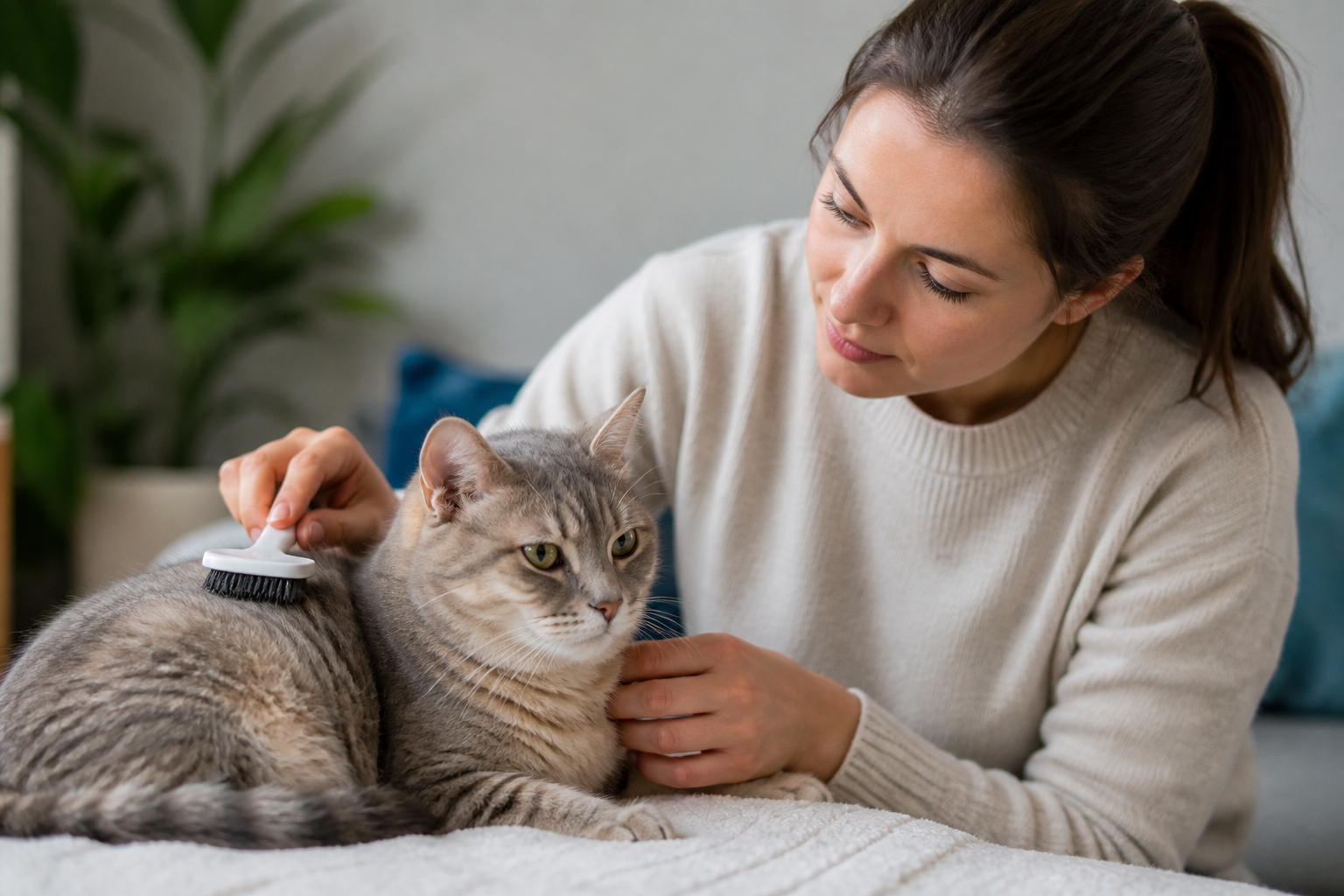
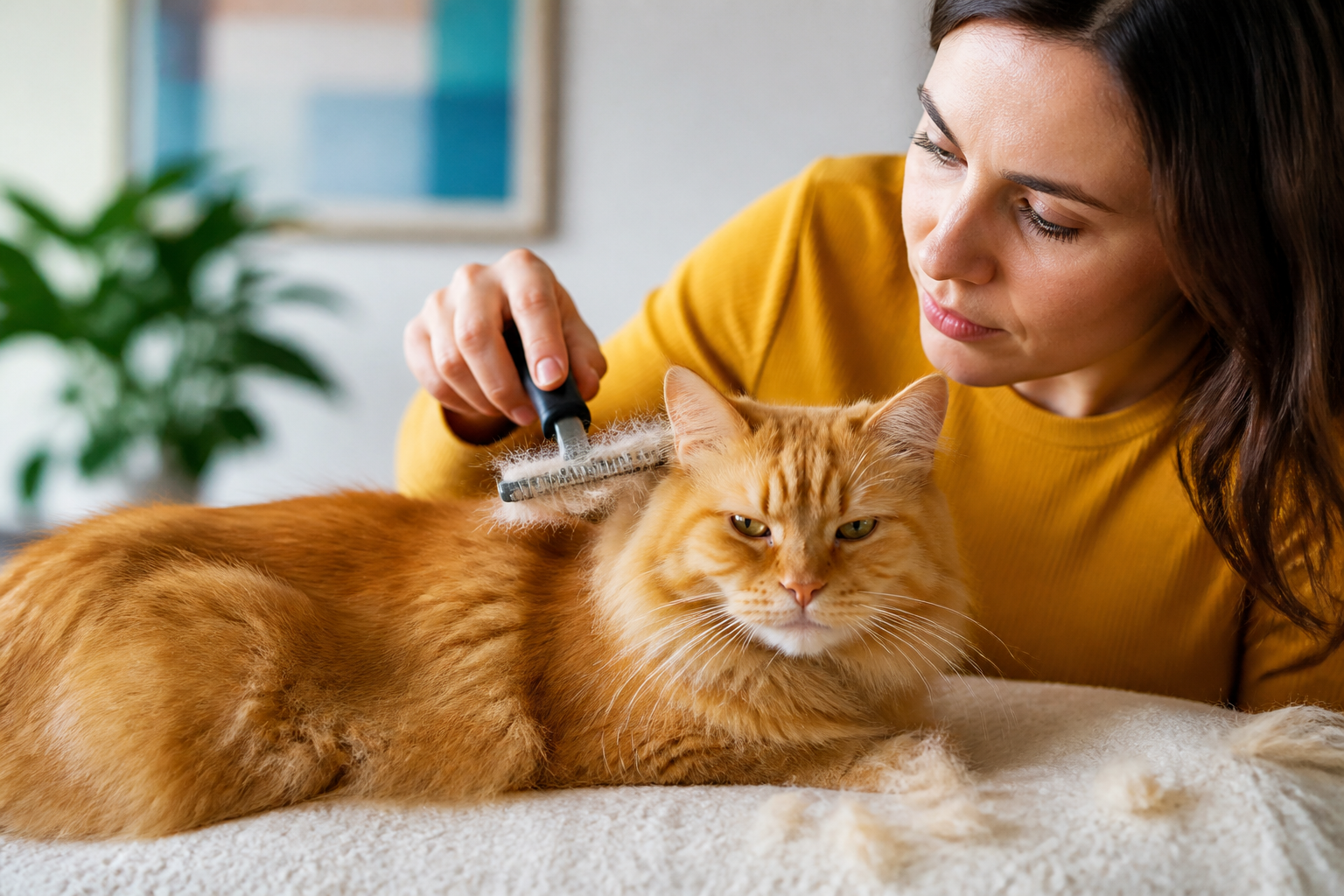
Brushing is the most effective way to manage shedding and dandruff. It mimics the grooming a cat would do for themselves.
- For short-haired cats: Use a rubber curry brush like the Kong ZoomGroom once or twice a week.
- For long-haired cats: Use a stainless steel comb or a slicker brush daily to prevent mats.
Brushing pulls away the loose undercoat before it falls off around your house. It also massages the skin, which stimulates the sebaceous glands to produce healthy oils.
You can find brushes, shampoos, and other tools in our cat grooming supplies.
Using Supplements
If your cat's food is already high-quality but the flakes persist, a supplement might be the answer. Fish oil is a popular choice. You can find liquid versions that pump right onto their food or soft chews from brands like Zesty Paws. These provide a concentrated dose of Omega fatty acids that support the skin barrier from the inside out.
For additional grooming guidance, read our article about caring for cats during grooming.
Adding Humidity
If your home feels dry, a small humidifier near your cat's favorite sleeping spot can make a world of difference. This prevents the air from sucking moisture out of their skin while they nap. It is a simple fix that often yields great results in the winter.
Introducing New Foods and Supplements
If you decide to change your cat's diet to help their skin, do it slowly. A sudden change can cause an upset stomach, which makes skin problems worse due to stress.
Step 1: Mix a small amount. / Add about 25 percent of the new food to 75 percent of the old food.
Step 2: Watch for reactions. / Observe your cat for any signs of vomiting or diarrhea over two days.
Step 3: Gradually increase the ratio. / Over the next week, move to a 50/50 mix, then 75/25, until the transition is complete.
Bottom line: A slow transition to a high-quality, nutrient-dense food can solve many chronic skin and shedding issues.
When to See a Veterinarian
While a few flakes are usually not an emergency, you should know when to seek professional help. Your vet can perform skin scrapings or blood tests to find the exact cause of the problem.
Schedule a visit if you see:
- Large bald patches or thinning fur
- Red, inflamed, or bleeding skin
- Excessive scratching or biting at the skin
- A foul odor coming from the fur
- Changes in appetite or thirst
Our cat pharmacy offers a wide range of prescription pet foods and medications. If your vet determines that your cat needs a prescription diet for skin sensitivities or allergies, we can help you get those items delivered right to your door.
Conclusion
Seeing your cat struggle with shedding and dandruff is difficult, but most cases are very treatable. Whether the cause is dry air, a need for better nutrition, or a simple grooming hurdle, there are clear steps you can take. By focusing on a high-quality diet and a regular brushing routine, you can help your cat feel comfortable in their own skin again. We are here to support your journey with the best gear and expert advice. You might want to explore our Skin and Coat collection or set up our Autoship programme for your favorite supplements to ensure your cat never misses a dose. Every purchase also helps you earn rewards through the MVP Rewards programme, making it easier to keep your pet healthy and happy.
FAQ
Why does my cat have dandruff specifically on their lower back?
The lower back is the hardest area for cats to reach during grooming, especially if they are senior or overweight. When a cat cannot groom an area properly, dead skin cells and natural oils build up, leading to visible flakes. Regular brushing in this specific spot can often resolve the issue.
Can I use human dandruff shampoo on my cat?
No, you should never use human dandruff shampoo on a cat. These products are formulated for the pH levels of human skin and often contain ingredients like zinc or salicylic acid that can be toxic if your cat licks them. Always use a shampoo specifically labeled for feline use.
Does stress cause cats to shed more and get dandruff?
Yes, stress can cause a condition called "telogen effluvium," where the hair follicles enter a resting phase and the hair falls out. Stress also affects the immune system and skin barrier, which can lead to dryness and flakiness. Providing a calm environment and using calming pheromones can help.
How long does it take for a diet change to improve my cat’s skin?
Skin cells take time to regenerate, so you likely will not see results overnight. It usually takes about four to six weeks of consistent high-quality nutrition or supplementation to see a visible difference in your cat’s coat. Consistency is key during this period.