Save 15% on your 1st Autoship learn more

 Email us
 Live Chat
 FAQs
FAQs





Introduction
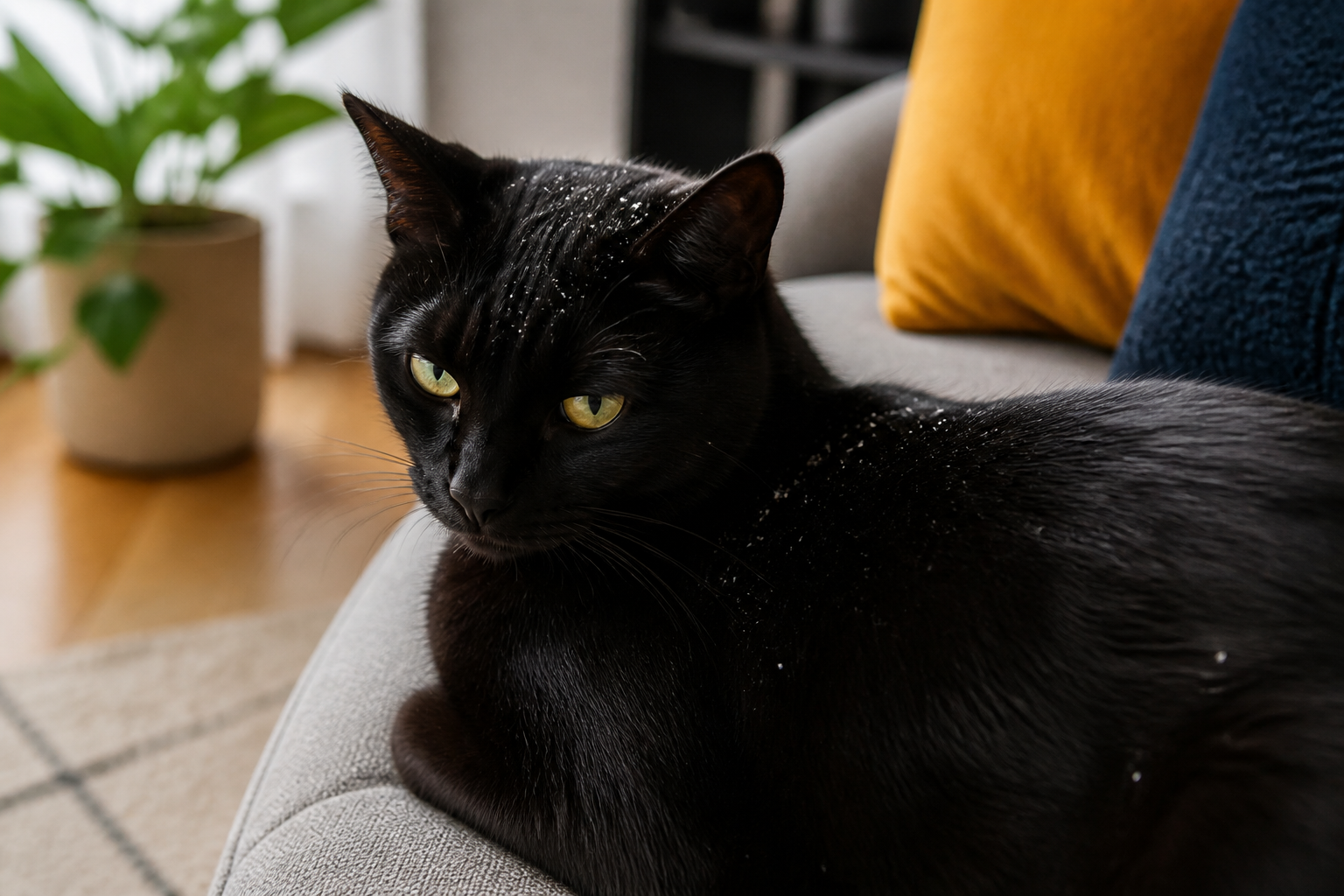
You are petting your cat when you notice small white flakes resting on her dark fur. It looks a bit like salt or tiny bits of paper scattered along her back. When you try to brush them away, they seem to cling to the hair or reappear a few minutes later. At BaxterBoo, we know that seeing these flakes can be concerning for any pet owner. While a few specks might be normal shedding, a sudden increase in visible flakes usually points to an underlying issue. This post covers the common causes of feline dandruff, how to distinguish it from normal dander, and the best ways to support your cat's skin health. We will look at environmental triggers, nutritional needs, and when you should consult a professional. Our goal is to help you understand why those flakes are there and how to get your cat's coat back to its shiny, healthy state.
Quick Answer: Cat dandruff consists of visible white flakes of dead skin that stay trapped in the fur. It is often caused by dry air, poor grooming, or nutritional gaps, but it can also signal parasites or medical conditions like diabetes.
Understanding the Difference Between Dandruff and Dander
Many people use the terms dander and dandruff as if they are the same thing. In the world of feline health, they are actually quite different. All cats produce dander. It consists of microscopic skin cells that shed naturally as part of the body's normal cycle of renewal. You generally cannot see dander with the naked eye. It is the substance that often triggers allergies in humans, but it does not mean your cat has a skin problem.
Dandruff is visible. It occurs when skin cells shed too quickly or clump together with excess oils. Instead of falling away unnoticed, these cells form the white or gray flakes you see on your cat's coat. If you can see the flakes, your cat has dandruff. This is a symptom of a condition rather than a disease itself. It tells us that the skin's natural balance has been disrupted.
Key Takeaway: Dander is a normal, invisible part of a cat's skin cycle, while dandruff is a visible sign that something is irritating the skin or preventing proper shedding.
Why Your Cat Has Flaky Skin
Identifying the cause of the flakes is the first step toward a solution. Several factors can lead to a dry, irritated coat. Some are simple environmental issues, while others require a closer look at your cat's daily habits and health status.
Low Humidity and Dry Air
This is one of the most common reasons for mild dandruff, especially during the winter. When you turn on the heater in your home, the air loses moisture. This dry air pulls moisture from your cat's skin. Over time, the skin becomes brittle and starts to flake. You might notice the dandruff is worse in the months when your furnace is running constantly.
Grooming Struggles
Cats are famous for their grooming habits. They spend a large portion of their day cleaning themselves and distributing natural oils across their fur. If a cat stops grooming effectively, dead skin cells and oils build up. This leads to visible dandruff and a greasy or matted coat.
Mobility issues are often the culprit here. If your cat has arthritis or joint stiffness, reaching the middle of her back or the base of her tail becomes painful. Similarly, obesity can physically prevent a cat from reaching certain areas. When a cat is too heavy to turn and lick her back, dandruff usually settles in those hard to reach spots.
Nutritional Gaps
A cat's skin and coat require specific nutrients to stay supple. Protein and essential fatty acids are the building blocks of healthy skin. If a cat's diet is low in Omega-3 or Omega-6 fatty acids, her skin may become dry and prone to flaking. Low quality commercial foods sometimes lack the bioavailable nutrients a cat needs for optimal coat health. We see a significant difference in skin quality when cats move to premium options like Tiki Cat or Stella and Chewy's, which focus on high quality proteins and healthy fats.
The Role of Parasites and Infections
Sometimes, the flakes you see aren't just dry skin. Certain parasites can mimic the appearance of dandruff or cause enough irritation that the skin begins to flake excessively.
Walking Dandruff (Cheyletiella Mites)
There is a specific parasite called the Cheyletiella mite that is often confused with simple dry skin. These mites are large enough to be seen with the naked eye. When they move around under the fur, they carry skin scales with them. This creates the illusion that the dandruff is actually walking. If the flakes on your cat appear to be moving, it is a sign of a mite infestation that requires immediate veterinary attention.
Fleas and Ticks
Flea bites cause significant irritation. Many cats are allergic to flea saliva, a condition known as flea allergy dermatitis. The resulting scratching and inflammation lead to skin damage and flaking. Even if your cat stays indoors, fleas can hitch a ride inside on your clothes or other pets.
Vet Tip: If your cat is scratching, losing hair, or has red skin along with dandruff, consult your veterinarian. These are often signs of parasites or infections like ringworm that require specific medical treatments rather than just a change in grooming.
Our cat pharmacy offers a variety of flea and tick preventives to help manage these issues. We can help you fulfill prescriptions for medical-grade treatments that clear up infestations and prevent future skin irritation.
Underlying Health Conditions
In some cases, dandruff is a secondary symptom of a systemic health problem. When a cat's body is fighting an internal illness, skin health often takes a backseat.
Metabolic and Hormonal Disorders
Conditions like diabetes, hyperthyroidism, and kidney disease can all affect the quality of a cat's coat. These illnesses change how the body processes nutrients and manages hydration. A cat with diabetes might have a greasy, flaky coat because her body is struggling to regulate its systems. Hyperthyroidism can lead to a ragged appearance and poor skin elasticity.
Fungal and Bacterial Infections
Ringworm is a common fungal infection that causes circular patches of hair loss and heavy flaking. It is also zoonotic, meaning it can spread to humans and other pets. Bacterial infections can also cause the skin to produce excess oils and scales. These conditions usually involve more than just a few flakes. You will often see redness, crusting, or a distinct odor.
Bottom line: While mild dandruff is often environmental, persistent or severe flaking can be a sign of internal illness or infection.
Practical Steps to Manage Feline Dandruff
If your vet has ruled out serious medical conditions, you can take several steps at home to improve your cat's skin health. Most of these involve simple changes to the environment and daily routine.
Improve the Humidity
Adding moisture to the air can make a massive difference for a cat with dry skin. A small humidifier in the room where your cat spends the most time can prevent the skin from drying out during the winter. You do not need to turn your home into a rainforest, but maintaining a consistent humidity level helps both you and your cat feel more comfortable.
Support Grooming and Brushing
If your cat is struggling to reach her back, you can step in as the surrogate groomer. Regular brushing does more than just remove loose hair. It stimulates the skin and helps distribute natural oils across the entire coat. Our cat grooming collection includes brushes, combs, shampoos, and other helpful tools.
Step 1: Choose the right tool. / A soft bristle brush or a grooming glove is often better for cats with sensitive skin than a harsh metal comb. Brands like Kong and RC Pets offer gentle tools designed for feline comfort.
Step 2: Establish a routine. / Brush your cat for five minutes every day. Focus on the areas she cannot reach, like the lower back and the base of the tail.
Step 3: Be gentle. / If the skin is already irritated, do not scrub. Use long, slow strokes to lift the flakes and move the oils.
Adjust the Diet
Nutrition is the foundation of skin health. Look for foods that list a high quality animal protein as the first ingredient. Many owners find success adding a skin and coat supplement to the daily routine. Products from Zesty Paws or Honest Paws often contain salmon oil or other sources of Omega fatty acids that support the skin's moisture barrier.
If your cat is overweight, helping her reach a healthy weight is essential for skin health. We carry specialized weight management formulas, including prescription diets like Farmina Vet Life, through our pharmacy. Once a cat loses excess weight, she can often return to self-grooming, which naturally resolves the dandruff issue.
Using the BaxterBoo Pharmacy for Skin Health
When dandruff is caused by more than just dry air, you may need medical intervention. Our pharmacy is designed to be a useful resource for pet owners managing chronic or acute skin conditions.
If your veterinarian diagnoses your cat with a skin infection or a parasite problem, they may prescribe:
- Antifungal medications for ringworm
- Antibiotics for bacterial skin infections
- Prescription-strength flea and tick preventives
- Specialized medicated shampoos
We provide access to these FDA-approved medications. This allows you to get everything your cat needs in one place, from her favorite Tiki Cat treats to her necessary heartworm and flea protection.
Note: Never use human dandruff shampoos on your cat. Many human products contain zinc or salicylic acid, which can be toxic if your cat licks her fur after a bath. Always use products specifically formulated for feline safety.
When to See the Vet
It is easy to dismiss a few white flakes as a minor problem. However, your cat's coat is a window into her overall wellness. You should schedule a veterinary visit if you notice any of the following:
- Excessive itching or biting at the skin
- Red, inflamed, or bleeding skin under the flakes
- Bald patches or thinning fur
- A foul odor coming from the skin or ears
- Visible parasites like fleas or "walking" flakes
- Changes in appetite, thirst, or litter box habits
A veterinarian can perform a skin scraping or blood tests to determine the exact cause of the flaking. This ensures you are treating the root of the problem rather than just the symptoms. For cats with chronic conditions like allergies or arthritis, a vet can help create a long-term management plan that includes the right medications and supplements.
Helping Your Cat Stay Flake-Free
Consistency is the most important factor in managing your cat's skin. A single brushing session or one week of supplements might not show immediate results. It often takes three to four weeks for a cat's skin to cycle and show improvement from a change in diet or environment.
Keep an eye on the seasons. If you know your cat gets flaky every December, start using your humidifier and adding a salmon oil supplement to her food in November. Prevention is always easier than trying to heal cracked, dry skin once it has already become a problem.
Key Takeaway: Supporting skin health requires a multi-pronged approach involving hydration, proper nutrition, regular grooming, and parasite prevention.
Summary of At-Home Care
If your cat looks like she has dandruff, follow this checklist to help her feel better:
- Check for fleas or mites using a fine-toothed comb.
- Increase the humidity in your home during dry months.
- Brush your cat daily to distribute natural oils and remove dead cells.
- Evaluate her diet for high quality proteins and Omega fatty acids.
- Monitor her weight and mobility to ensure she can groom herself.
- Consult your vet for any persistent or painful skin changes.
Managing your cat's coat health is an ongoing part of being a pet parent. By staying proactive, you can keep her skin comfortable and her fur looking its best.
Conclusion
Seeing dandruff on your cat is a signal that her skin needs a little extra attention. Whether the cause is the dry winter air, a lack of certain nutrients, or a hidden medical issue, there are clear steps you can take to help. We are here to support you with expertly curated products, from grooming tools to premium foods like The Honest Kitchen and Farmina. For more complex needs, our pharmacy provides a reliable way to access prescription diets and medications. We want every cat to feel comfortable in her own skin, and helping you navigate these small health hurdles is what we do best. Consider signing up for our Autoship programme to ensure you never run out of the skin supplements or high quality food your cat needs to stay healthy and flake-free.
FAQ
Is it normal for cats to have a little bit of dandruff?
A very small amount of occasional flaking can be normal, especially during seasonal changes or in very dry climates. However, if the dandruff is persistent, covers a large area of the body, or is accompanied by itching, it usually indicates an underlying issue that needs to be addressed. Healthy cats with a good diet and grooming routine typically have a sleek coat without visible flakes.
Can I give my cat a bath to get rid of dandruff?
Bathing a cat can actually make dandruff worse if done too frequently or with the wrong products. Water and soap can strip the skin of essential oils, leading to more dryness and flaking. If you must bathe your cat, use a moisturizing shampoo specifically designed for cats and ensure you rinse it out completely. In most cases, regular brushing and dietary changes are more effective than bathing.
Does diet really affect how much dandruff my cat has?
Yes, nutrition plays a massive role in skin and coat health. Cats require a diet rich in high quality animal proteins and essential fatty acids like Omega-3 and Omega-6 to maintain the skin's moisture barrier. If a cat is eating a low quality food or has an undiagnosed food allergy, one of the first signs is often a dry, flaky, or dull coat. Explore our cat food collection when reviewing your cat's daily nutrition.
What is "walking dandruff" and is it dangerous?
Walking dandruff is the common name for an infestation of Cheyletiella mites. These parasites are visible to the naked eye and look like small white flakes that move across the fur. While not usually life-threatening, they are highly contagious to other pets and can cause itchy skin lesions in humans. If you suspect your cat has these mites, you should see a veterinarian for a prescription-strength parasite treatment. For additional prevention ideas, read about flea and tick protection for pets.