
 Save 15% on your 1st Autoship learn more

 Email us
 Live Chat
 FAQs






Introduction
You are sitting on the sofa trying to relax, but the sound of frantic scratching and thumping on the floor makes it impossible. Your dog is nibbling at their paws again, and their skin looks pink and irritated. This cycle of itching and discomfort is one of the most common reasons pet owners reach out for help. At BaxterBoo, we know that seeing your companion in distress is heartbreaking. While many owners try shampoos first, the real solution often starts in the gut. This post will explain how itchy dog probiotics can help calm skin irritation by balancing the immune system from the inside out. We will cover specific bacterial strains, the role of prebiotics, and when it is time to consult your veterinarian about more advanced options.
Quick Answer: Itchy dog probiotics are beneficial bacteria that help regulate the immune system and reduce inflammation. By balancing the gut microbiome, these supplements can decrease the severity of skin allergies and yeast overgrowth in dogs.
The Science of the Gut-Skin Connection
It might seem strange to treat a skin problem by focusing on the stomach. However, the gut and the skin are closely linked through what scientists call the gut-skin axis. Roughly 70 percent of a dog's immune system resides in the gastrointestinal tract. When the balance of bacteria in the gut is disrupted, it can lead to a condition called dysbiosis.
Dysbiosis often triggers a systemic inflammatory response. In many dogs, this inflammation shows up on the skin. It can manifest as redness, chronic itching, or a greasy, smelly coat. By introducing itchy dog probiotics, you are helping to crowd out "bad" bacteria with beneficial strains. This helps reset the immune system so it does not overreact to environmental triggers like pollen or dust.
A healthy gut barrier also prevents toxins and allergens from "leaking" into the bloodstream. This is often referred to as leaky gut syndrome. When the gut wall is strong, the body is less likely to stay in a state of high alert. This leads to calmer skin and a much happier dog.
Dog Skin & Coat Care


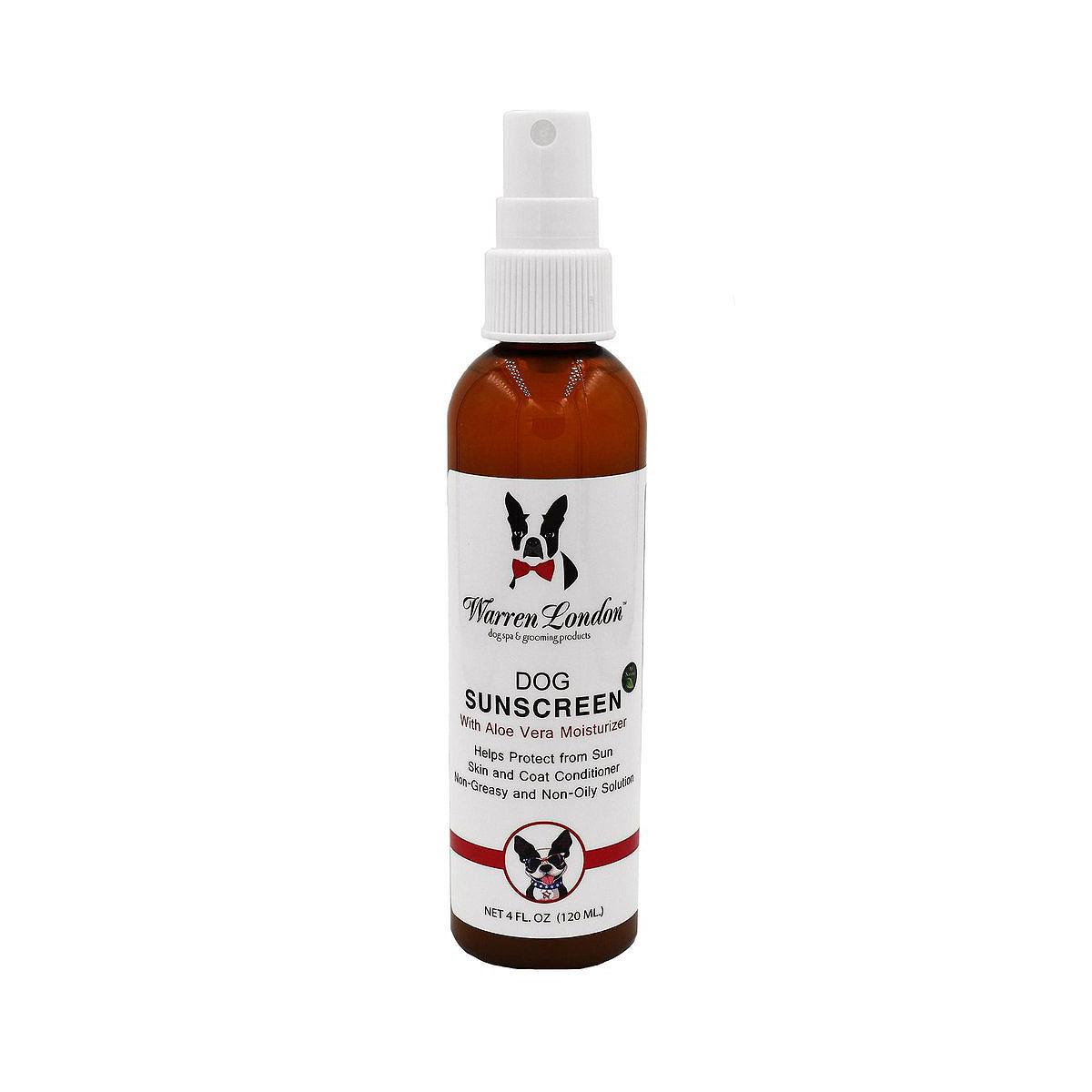


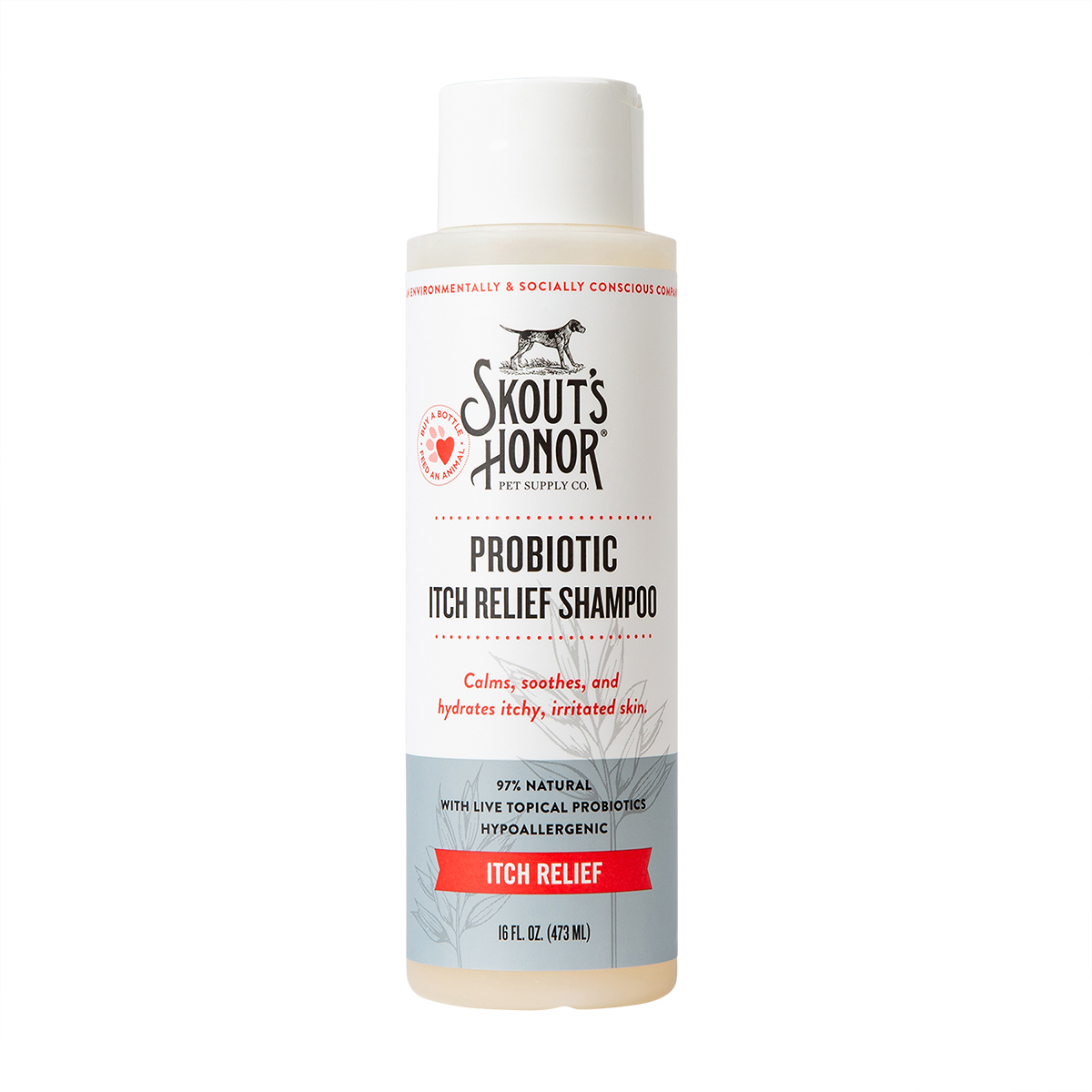
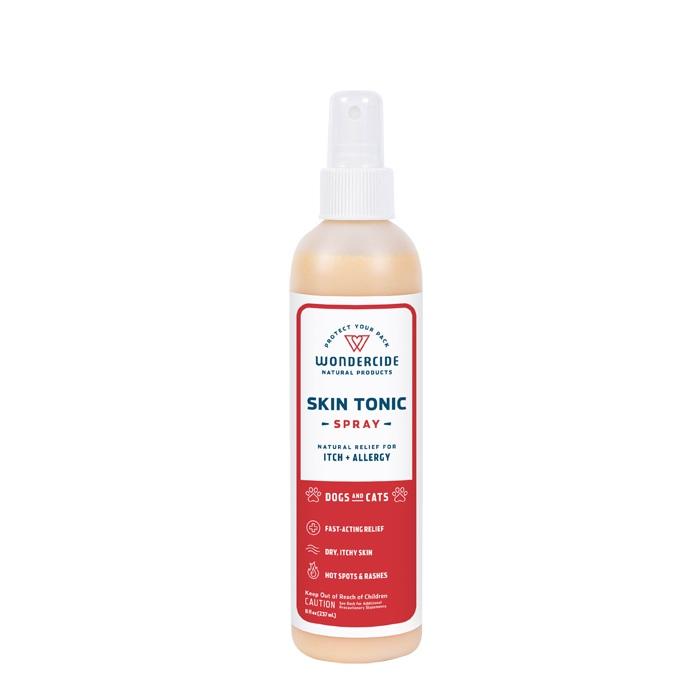
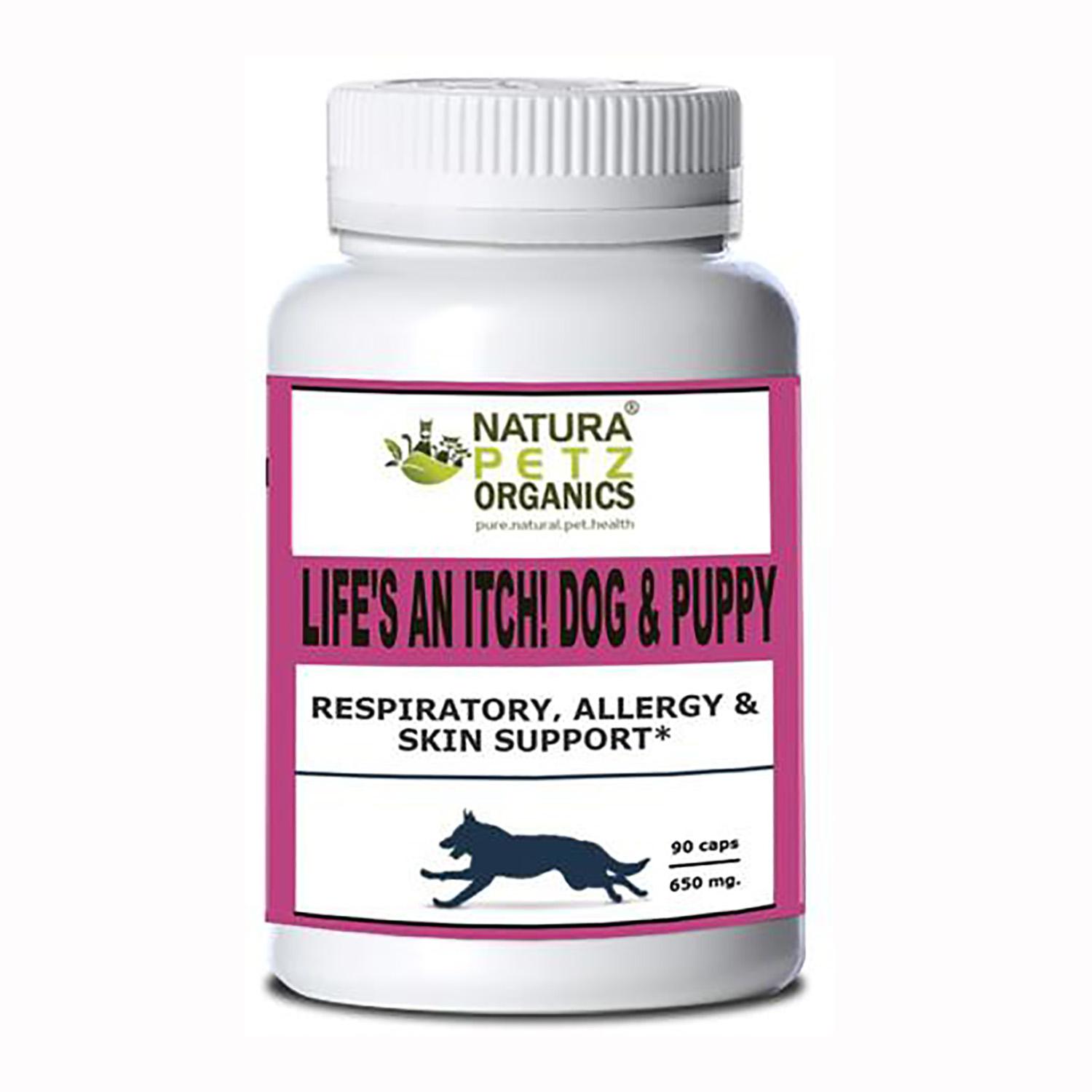


Common Signs Your Dog Needs Probiotic Support
Itching is the most obvious sign, but it is not the only one. Dogs with gut imbalances often show a variety of symptoms that affect their skin and coat. You might notice your dog has a "yeasty" smell, often described as smelling like corn chips. This scent is usually strongest in the ears and between the paw pads.
Other signs include:
- Constant licking of the paws or groin area.
- Frequent ear infections that keep coming back.
- Red, inflamed skin that feels hot to the touch.
- A dull coat that sheds excessively.
- Digestive issues like occasional gas or loose stools.
If your dog is constantly scratching, they can break the skin. This creates an opening for secondary bacterial infections. Probiotics help build up the internal defenses so the skin can finally begin the healing process.
Key Takeaway: The gut and skin are deeply connected. Probiotics help reduce the systemic inflammation that causes dogs to itch and scratch.
Understanding Probiotic Strains for Skin Health
Not all probiotics are created equal. Different strains of bacteria perform different jobs within the body. When you are looking for itchy dog probiotics, you want to see specific strains that have been studied for their impact on atopic dermatitis and allergies.
Lactobacillus Rhamnosus
This is one of the most researched strains for canine skin health. It has shown promise in reducing the clinical signs of atopy in dogs. It helps modulate the immune response, making the dog less sensitive to environmental allergens.
Bifidobacterium Animalis
This strain is excellent for overall immune support. It helps maintain a healthy balance in the intestines and can reduce the duration of digestive upsets. A stable digestive system is the foundation for healthy skin.
Lactobacillus Acidophilus
This is a staple in many high-quality supplements. It helps with nutrient absorption. When your dog absorbs their food better, they get more of the vitamins and minerals necessary to maintain a strong skin barrier.
Enterococcus Faecium
This strain is known for its ability to survive the harsh acidic environment of the stomach. It reaches the intestines where it can effectively compete with harmful bacteria for space and nutrients.
Vet Tip: If your dog has severe, persistent itching, hair loss, or open sores, please consult your veterinarian for a full diagnostic exam. They can determine if the cause is environmental, food-related, or parasitic before you begin a new supplement routine.
The Role of Prebiotics and Postbiotics
Probiotics are live bacteria, but they need help to do their jobs effectively. This is where prebiotics and postbiotics come into play. A complete supplement for an itchy dog will often contain a blend of all three.
Prebiotics are essentially the food for the good bacteria. They are non-digestive fibers, like chicory root or inulin, that nourish the probiotics. Without prebiotics, the beneficial bacteria may not survive long enough to colonize the gut.
Postbiotics are the newest area of pet health research. These are the beneficial byproducts left behind by the fermentation process of probiotics. They can help support the immune system and provide an extra layer of protection for the gut lining. Some products use yeast-derived postbiotics to help manage seasonal allergy symptoms.
Identifying Quality Ingredients
When shopping for these supplements, look for brands that list the specific strains and the number of Colony Forming Units (CFUs). We carry trusted brands like Zesty Paws and NaturVet that prioritize ingredient transparency. A high CFU count ensures that enough live bacteria reach the gut to make a difference.
Choosing the Best Form for Your Dog
You can find probiotics in several different formats. The best choice often depends on your dog’s personality and their specific health needs.
Soft Chews
Soft chews are the most popular option because they taste like treats. Most dogs will take them happily without any fuss. This makes it easy to stay consistent with the daily dosage. Brands like Pet Honesty and Greenies offer palatable options that include skin-supporting ingredients like Omega fatty acids. A specific option is the NaturVet Advanced Probiotics & Enzymes Soft Dog Chew.
Powders
Powdered probiotics are great for dogs that are picky about textures. You can easily mix the powder into wet food or kibble. Powders often have a very high concentration of CFUs and are easy to dose for very small or very large dogs.
Capsules and Tablets
These are less common but can be useful if your dog has many food sensitivities. Capsules often contain the fewest inactive ingredients. However, you may need to hide them in a bit of dog-safe food to get your pet to swallow them.
| Probiotic Form | Best For | Pros | Cons |
|---|---|---|---|
| Soft Chews | Picky eaters | Easy to give; tastes like a treat | May contain more inactive ingredients |
| Powders | Mixing with food | Highly concentrated; easy to adjust dose | Can be messy; some dogs dislike the dust |
| Capsules | Dogs with allergies | Purest form; no fillers | Harder to administer to some dogs |
Probiotics and the Management of Yeast
Many itchy dogs are actually suffering from an overgrowth of yeast on their skin. Yeast thrives in warm, moist environments and feeds on sugars. When a dog’s gut microbiome is out of balance, yeast can flourish both internally and externally.
Probiotics help control yeast by creating an acidic environment in the gut that is less hospitable to fungal growth. They also compete with yeast for the same food sources. When you use probiotics to reduce the internal yeast load, you often see a significant improvement in the "yeasty" smell and the redness of the skin.
For dogs with chronic yeast issues, look for a supplement that also includes digestive enzymes. These enzymes help break down the biofilm that yeast uses to protect itself. This makes the yeast more vulnerable to the dog's natural immune defenses.
When to Use the BaxterBoo Pharmacy
Sometimes, over-the-counter supplements are not enough to break the itch cycle. If your dog is in significant pain or has developed a skin infection, prescription intervention is necessary. We provide a real pharmacy experience through our partnership with Pet's Choice.
Our pet pharmacy offers FDA-approved medications that your veterinarian may prescribe for chronic skin conditions. This includes allergy medications like Apoquel or Cytopoint, as well as medicated shampoos and topical treatments. We also carry prescription pet foods designed for severe dermatological issues. These diets are formulated with hydrolyzed proteins that are less likely to trigger an immune response.
Using the pharmacy is a convenient way to get your dog's essential medications delivered alongside their favorite toys and treats. Since we have been operating since 2006, we understand how important it is to have a reliable source for health supplies.
Bottom line: While probiotics support long-term health, severe flare-ups may require prescription medications from our pharmacy to provide immediate relief.
Integrating Probiotics into the Daily Routine
Consistency is the most important factor when starting a probiotic regimen. It takes time for the gut microbiome to shift. You should not expect to see a total stop to the itching overnight. Most owners begin to notice a difference after four to six weeks of daily use.
Starting Slow
If your dog has a sensitive stomach, it is wise to start with a half-dose for the first week. This allows their digestive system to adjust to the new bacteria. Occasionally, introducing probiotics too quickly can cause temporary gas or soft stools.
Step-by-Step Transition
Step 1: Consult your vet. / Make sure probiotics are the right choice for your dog’s specific itch.
Step 2: Choose your form. / Pick a soft chew or powder based on your dog's preference.
Step 3: Start with a half-dose. / Give a smaller amount for seven days to prevent digestive upset.
Step 4: Move to the full daily dose. / Follow the weight-based instructions on the packaging.
Step 5: Monitor and wait. / Watch for changes in skin redness and scratching over the next month.
Supporting the Skin Barrier from the Outside
While itchy dog probiotics work from the inside, you can also support the skin barrier from the outside. Combining internal support with external care often leads to faster results.
Regular grooming is essential for removing environmental allergens like pollen from the coat. Use a gentle, soap-free shampoo that won't strip the natural oils from your dog's skin. We carry a wide range of grooming supplies specifically for sensitive skin. For additional guidance, read our article on sensitive skin dog shampoos.
You should also consider adding Omega fatty acids to your dog's diet. These healthy fats, often found in fish oil, help strengthen the skin's moisture barrier. A strong barrier keeps allergens out and hydration in. Many probiotic chews already include salmon oil or flaxseed for this very reason.
Environmental Management
Check your dog’s bedding and the areas where they spend the most time. Washing bedding in a fragrance-free detergent can reduce contact irritation. Keeping your home vacuumed and using air purifiers can also lower the amount of dust and pollen your dog is exposed to daily.
Probiotics for Different Life Stages
The needs of a puppy are different from those of a senior dog. Itchy dog probiotics can be beneficial at any age, but the goals might change.
Puppies
Puppies have developing immune systems. Giving them probiotics can help set a healthy foundation. It may even help prevent the development of certain allergies later in life. Look for formulas specifically labeled for puppies to ensure the correct nutrient balance.
Adult Dogs
For adult dogs, the focus is usually on managing existing seasonal or food allergies. Probiotics help maintain a steady state of health and can reduce the frequency of "hot spots" and ear infections.
Senior Dogs
As dogs age, their digestive efficiency can decrease. This can lead to a weakened immune system and new skin sensitivities. Probiotics for seniors often include extra support for joint health or cognitive function. Strengthening the gut in senior dogs helps them absorb more nutrients from their senior-specific diets.
Key Takeaway: Probiotics offer benefits for dogs at every life stage, from building a young immune system to supporting a senior’s aging gut.
Understanding the Cost and Value
We know that managing a dog with chronic skin issues can become expensive. Between vet visits, special diets, and supplements, the costs add up. However, investing in a high-quality probiotic can often save money in the long run.
By reducing the frequency of ear infections and skin flare-ups, you may find yourself making fewer emergency trips to the vet. Probiotics are a proactive way to manage health rather than a reactive one. Our MVP Rewards program is a great way to earn points on these repeat purchases. You can learn more about the MVP Rewards programme and make consistent care more affordable.
Additionally, our Autoship programme allows you to set up recurring deliveries of your dog's favorite probiotics and food. This ensures you never run out and often comes with extra savings on your first order. Keeping your dog on a steady routine is the best way to see real results in their skin health.
Why Quality Matters in Supplements
The supplement market is not as strictly regulated as the medication market. This means that some products might not contain the number of live bacteria they claim on the label. At BaxterBoo, we handpick every product we stock. We only carry brands that meet high standards for quality and safety.
We look for brands that use "cold-pressed" or "cold-processed" methods. Heat can kill the live bacteria in probiotics. Cold processing ensures that the organisms remain alive and active until they reach your dog’s bowl. We also look for products that are free from common fillers like corn, soy, and wheat, which can be allergy triggers themselves.
When you buy from us, you are getting products vetted by people who actually care about pets. We have been a trusted resource since 2006, and we stand by the 500+ brands we carry. Whether you are visiting our warehouse in Vernon Hills or ordering online, you can trust that we are providing the best for your furry family members.
Conclusion
Managing an itchy dog requires patience and a multi-faceted approach. Itchy dog probiotics are a powerful tool in your arsenal for calming irritated skin and supporting a healthy immune system. By addressing the root cause in the gut, you can help your dog find lasting relief from the inside out. Remember to choose high-quality strains like L. rhamnosus and be consistent with daily dosing.
- Probiotics balance the gut-skin axis to reduce inflammation.
- Specific strains help modulate the immune response to allergies.
- Consistency is key; results typically appear after 4-6 weeks.
- Combine supplements with proper grooming and a healthy diet.
If you are ready to start your dog on the path to better skin health, browse our dog probiotic collection. For those managing chronic conditions that require more than supplements, our pharmacy is here to help with prescription diets and medications.
FAQ
Can I give my dog human probiotics for their itching?
While some strains are the same, it is always better to use a product formulated specifically for dogs. Canine supplements are designed to survive the unique pH of a dog's stomach and often include flavors that dogs enjoy. Human products may also contain ingredients like xylitol that are toxic to pets.
How long does it take for probiotics to stop my dog's itching?
Probiotics are not an instant fix like an antihistamine. It usually takes between four to six weeks of daily use to see a noticeable improvement in skin redness and scratching. Consistent daily dosing is required to allow the beneficial bacteria to colonize the gut.
Are there any side effects to giving my dog probiotics?
Most dogs tolerate probiotics very well. However, some may experience mild digestive changes like gas or loose stools when first starting. To avoid this, start with a half-dose for the first week and gradually increase to the full amount.
Can probiotics help with food allergies in dogs?
Probiotics can support a dog with food allergies by strengthening the gut lining and improving digestion. However, they are not a cure for a food allergy. If your dog is allergic to a specific protein, you will still need to eliminate that ingredient from their diet, often with the help of a prescription food from our pharmacy.




- Site & Contents BaxterBoo.com. BaxterBoo is located in the United States.
- Privacy & Security
- Terms of Use
- Accessibility Statement
