Save 15% on your 1st Autoship learn more

 Email us
 Live Chat
 FAQs
FAQs





Introduction
You are sitting on the sofa with your cat, enjoying a quiet moment of petting, when you notice small white flakes scattered across their glossy fur. These flakes often look like salt or tiny bits of paper against a dark coat. Seeing dandruff on your cat can be worrying, but it is a common issue that many pet owners face. At BaxterBoo, we know that a healthy coat is more than just a cosmetic concern. It is a sign of overall wellness and comfort for your feline friend. This post covers why these flakes appear and how you can use natural approaches to support skin health. Understanding the root cause of the dryness is the first step toward restoring that soft, silky shine.
Understanding Cat Dandruff vs. Dander
It is important to distinguish between dandruff and dander. Every cat produces dander. Dander consists of microscopic skin cells that shed naturally as part of the body's cycle. You cannot see dander with the naked eye, but it is often the cause of allergies in humans.
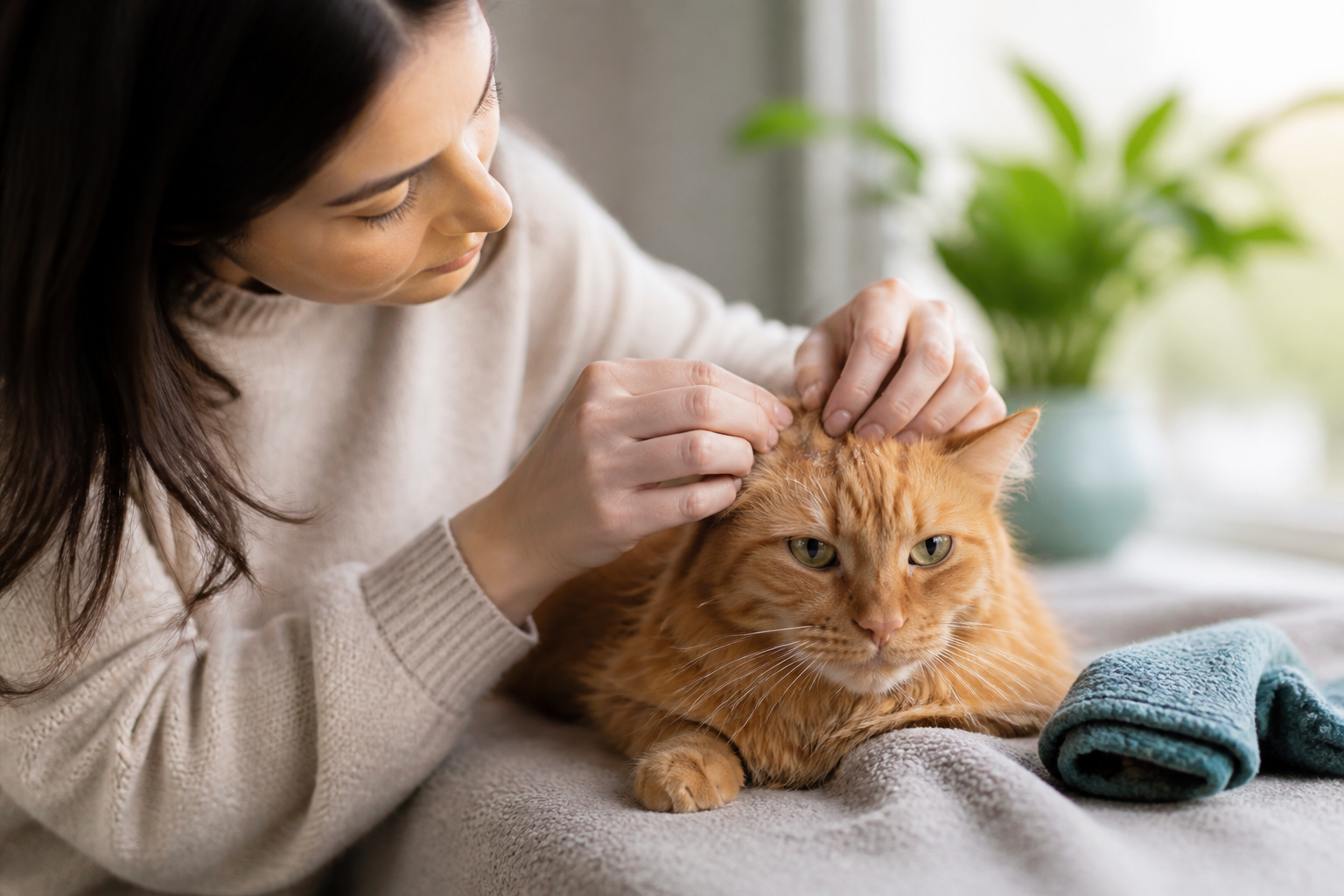
Dandruff is different. These are larger, visible flakes of dead skin that have clumped together. While a few flakes are normal, a sudden increase suggests the skin is too dry or irritated. It can appear anywhere on the body. However, you will most often see it along the lower back and near the base of the tail.
Quick Answer: Cat dandruff is a visible accumulation of dead skin flakes caused by dryness, poor grooming, or underlying health issues. Natural remedies include regular brushing to distribute oils, adding Omega-3 fatty acids to the diet, and increasing hydration.
Why Your Cat Has Flaky Skin
Before trying a natural remedy, you should consider why the skin is flaking. Cats are generally excellent groomers. If they stop keeping their fur clean, dandruff quickly builds up. Several factors can lead to this.
Poor Grooming Habits
If a cat is overweight, they may struggle to reach their lower back or tail area. This leads to a build-up of skin cells and oils. Senior cats with arthritis might also find it painful to twist and groom. If you notice your cat is less flexible than they used to be, they likely need your help with their coat.
Environmental Dryness
Low humidity is a common culprit. During the winter months, indoor heating systems strip moisture from the air. This dries out your cat's skin just as it dries out yours.
Nutritional Gaps
A coat requires specific nutrients to stay hydrated. If a diet lacks essential fatty acids, the skin barrier becomes weak. This allows moisture to escape, leading to a brittle coat and flaky skin.
Key Takeaway: Identifying if the dandruff is caused by an environmental factor or a physical limitation helps you choose the right remedy.
Natural Remedy 1: Frequent Brushing
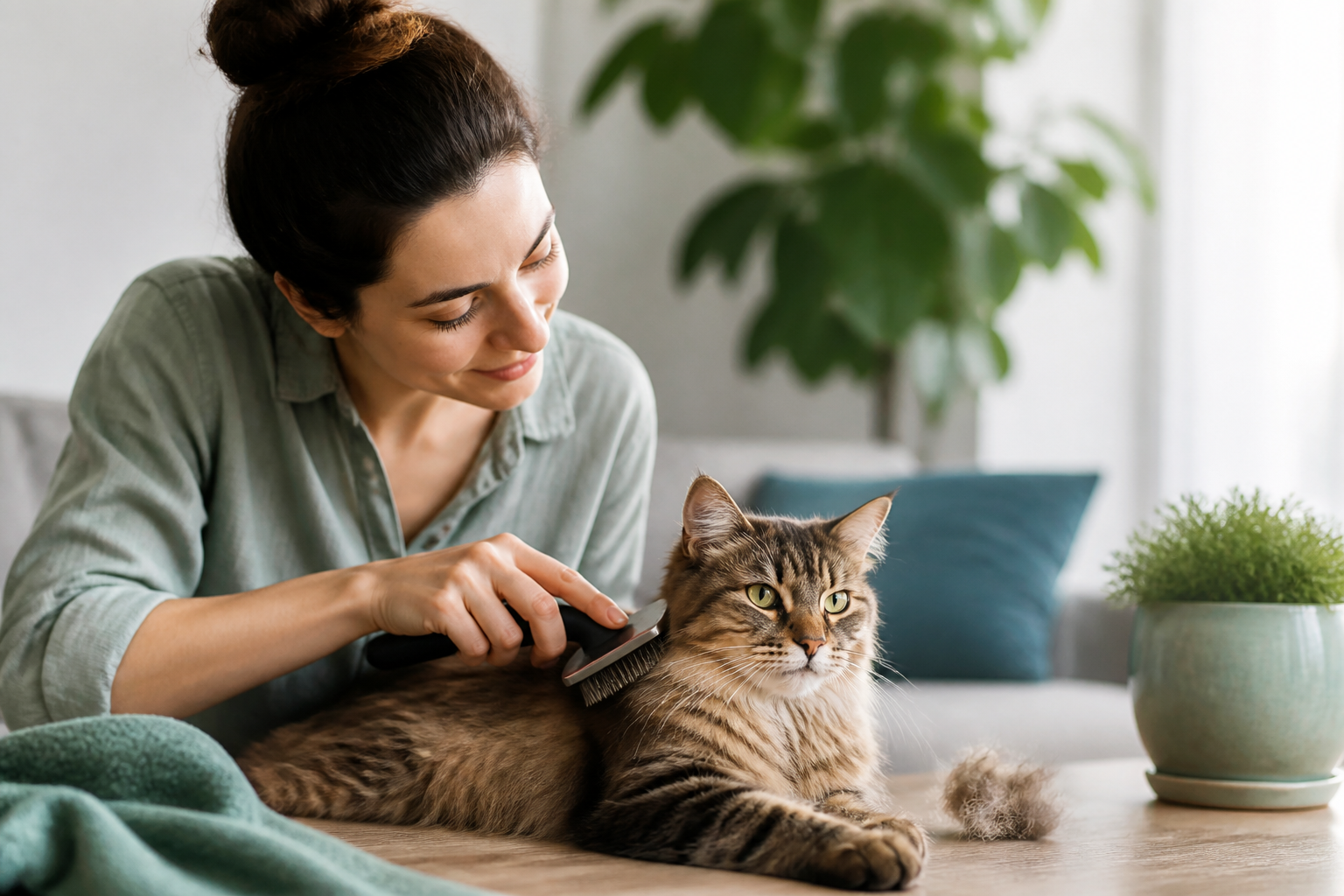
Brushing is the most effective natural way to manage dandruff. It mimics the natural grooming process that your cat might be missing. When you brush your cat, you are doing more than just removing loose fur. Explore our cat grooming collection for brushes, combs, and coat-care supplies.
The brushing action stimulates the skin and encourages the production of natural oils. These oils act as a built-in moisturizer. By moving the brush from the head toward the tail, you distribute these oils across the entire coat.
Choosing the Right Tool
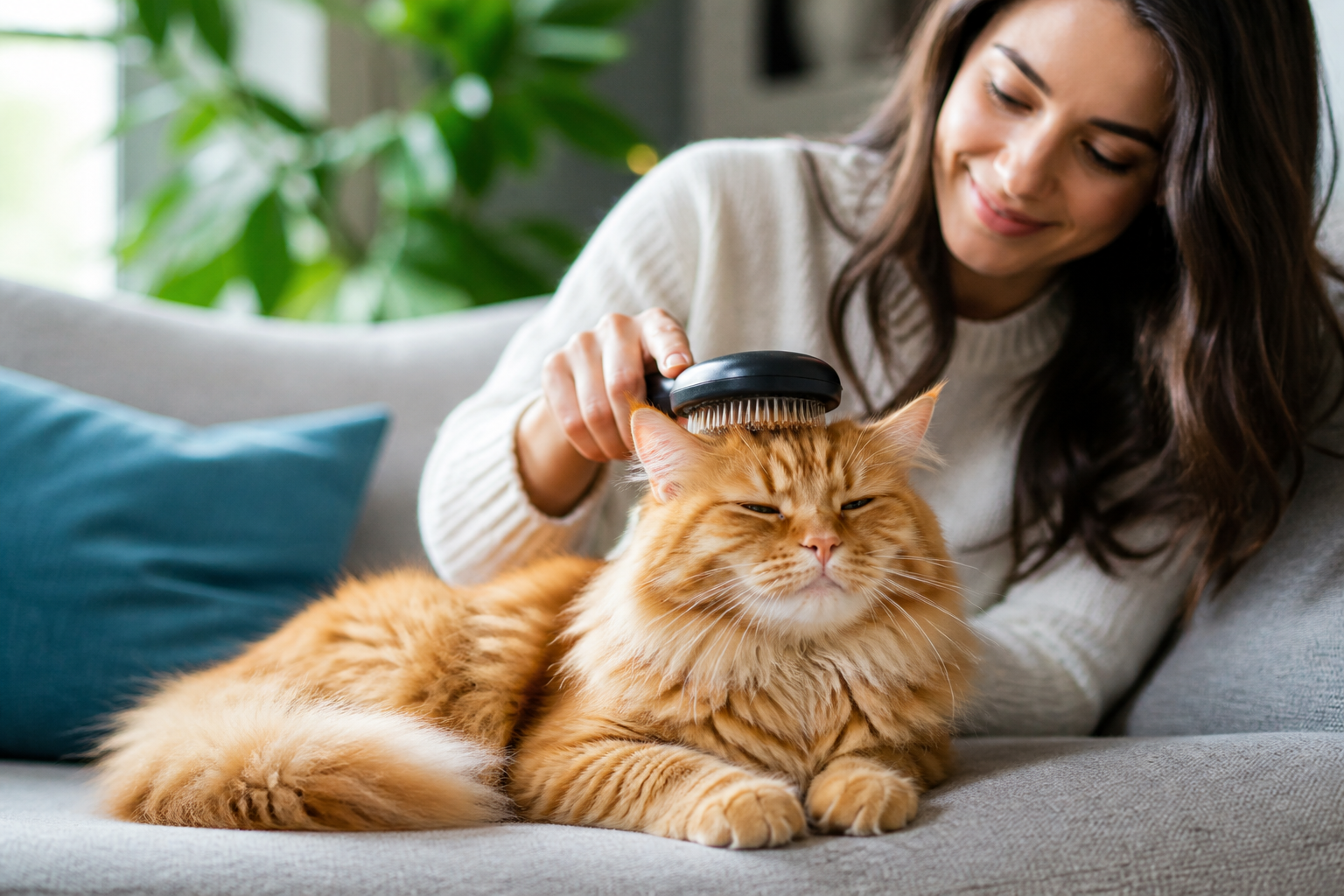
Different coats require different tools. For short-haired cats, a soft bristle brush or a rubber grooming mitt works well. For long-haired cats, a stainless steel comb or a slicker brush from brands like RC Pets can reach through the undercoat.
- Step 1: Create a calm environment. Choose a time when your cat is relaxed.
- Step 2: Start gently. Brush in the direction of hair growth.
- Step 3: Focus on problem areas. Pay extra attention to the lower back where flakes accumulate.
- Step 4: Keep sessions short. Five minutes a day is better than one long session per week.
A two-sided tool such as the U-Groom Combo Brush for Dogs and Cats can help detangle fur while distributing natural oils through the coat.
Natural Remedy 2: Supporting Skin from Within
Healthy skin starts on the inside. If your cat is eating a diet that is highly processed or low in quality fats, their skin will show it. Natural remedies often involve adjusting what goes into the food bowl.
Omega-3 Fatty Acids
Omega-3 and Omega-6 fatty acids are vital for skin health. Many pet owners add a small amount of fish oil or specialized supplements to their cat's meals. Brands like Zesty Paws or Honest Paws offer targeted skin and coat support. These supplements help strengthen the skin barrier and reduce inflammation. Browse our cat skin and coat care selection for supplements and related products.
High-Quality Proteins
Cats are obligate carnivores. They need animal-based proteins to produce keratin, which is the primary component of hair and skin. Look for foods that list real meat as the first ingredient. Brands like Stella and Chewy's, Open Farm, or Tiki Cat prioritize high-quality proteins that support a healthy glow.
Vet Tip: Before adding new supplements like fish oil to your cat's diet, consult your veterinarian. They can help you determine the correct amount based on your cat's weight and current health status.
Natural Remedy 3: Improving Hydration
Dehydration is a leading cause of dry skin in cats. Cats have a low thirst drive by nature. They historically obtained most of their moisture from their prey. If your cat eats only dry kibble, they may be in a state of mild, chronic dehydration.
Switch to Wet Food
One of the easiest natural remedies is incorporating wet food. Wet food has a much higher moisture content than dry kibble. Brands like Fussie Cat or Caru offer moisture-rich options that can significantly improve skin hydration. Compare options in our cat food selection.
Use a Water Fountain
Cats are often attracted to moving water. A dripping tap or a circulating water fountain can entice them to drink more. This simple change can help keep their skin cells plump and hydrated from the inside out. For more ideas about encouraging cats to drink, read our guide to offering cats running water.
- Add "tuna water" to the bowl. Use the liquid from a can of tuna in water (not oil) to flavor their drinking water.
- Offer multiple stations. Place water bowls in different rooms to make drinking convenient.
- Clean bowls daily. Cats are sensitive to the smell and taste of stagnant water.
Bottom line: Increasing your cat's water intake is a fundamental way to combat dry, flaky skin.
Natural Remedy 4: Environmental Comfort
Since dry air is a major contributor to dandruff, changing the home environment can provide relief. This is especially true during the winter.
Use a Humidifier
Placing a humidifier in the room where your cat spends the most time adds moisture back into the air. This prevents the skin from losing water to the environment. Aim for a humidity level between 40 and 50 percent.
Reduce Stress
Stress can impact a cat's skin and their willingness to groom. If there have been changes in the household, your cat might experience stress-related skin issues. Creating a quiet, safe space and using calming aids can help them feel secure enough to return to their normal grooming routine.
When to Call the Vet
While many cases of dandruff respond to natural remedies, some require professional medical attention. Dandruff can sometimes be a sign of a more serious condition.
You should contact your veterinarian if you notice any of the following:
- Extreme itching or constant scratching.
- Red, inflamed, or bleeding skin.
- Patches of hair loss or thinning fur.
- A foul odor coming from the skin or coat.
- The appearance of "walking dandruff."
"Walking dandruff" is actually a skin mite called Cheyletiella. To the naked eye, these mites look like moving flakes of skin. This condition is contagious to other pets and requires specific medical treatment. Natural remedies like brushing or oil will not eliminate mites.
Vet Tip: If your cat is scratching excessively or has bald spots, skip the home remedies and schedule a check-up. These symptoms often indicate parasites or infections that need a professional diagnosis.
Managing Chronic Skin Conditions via the Pharmacy
Sometimes, dandruff is a symptom of a chronic health issue like allergies, hyperthyroidism, or kidney disease. In these cases, your cat may need more than just a better brush or a humidifier. They might require prescription support.
Our pet pharmacy offers a wide selection of FDA-approved medications and prescription pet foods through our partnership with Pet's Choice. If your vet determines that your cat has a clinical skin condition, they may prescribe a specialized diet. Brands like Farmina Vet Life offer formulas specifically designed to manage skin sensitivities.
Having access to a pharmacy means you can get your cat's medications and therapeutic diets delivered right to your door. This is particularly helpful for managing long-term skin health or recurring flea and tick issues. Prescription flea preventives like those from Frontline or NexGard can stop the irritation that leads to scratching and dandruff in the first place.
Conclusion
Cat dandruff is often a manageable condition that responds well to a little extra care. By focusing on regular grooming, high-quality nutrition, and proper hydration, you can help your cat maintain a healthy, flake-free coat. Remember to monitor for any signs of discomfort or persistent irritation. Our team at BaxterBoo is here to support your journey with expertly curated products and a dedicated pharmacy for your cat's specific health needs.
- Start a daily brushing routine with a quality grooming tool.
- Add Omega-3 fatty acids to support the skin barrier.
- Increase moisture intake through wet food and water fountains.
- Consult a vet if you see redness, hair loss, or signs of mites.
Key Takeaway: A proactive approach to skin health combined with high-quality supplies ensures your cat stays comfortable and their coat stays beautiful.
For more ways to support your pet's wellness, explore our MVP Rewards program to earn back on every purchase.
FAQ
Can I use human dandruff shampoo on my cat?
No, you should never use human dandruff shampoo on a cat. Human products have a different pH balance and often contain ingredients that are toxic if a cat licks their fur. Always use a shampoo specifically formulated for felines or consult your vet for a recommendation.
Is coconut oil a good natural remedy for cat dandruff?
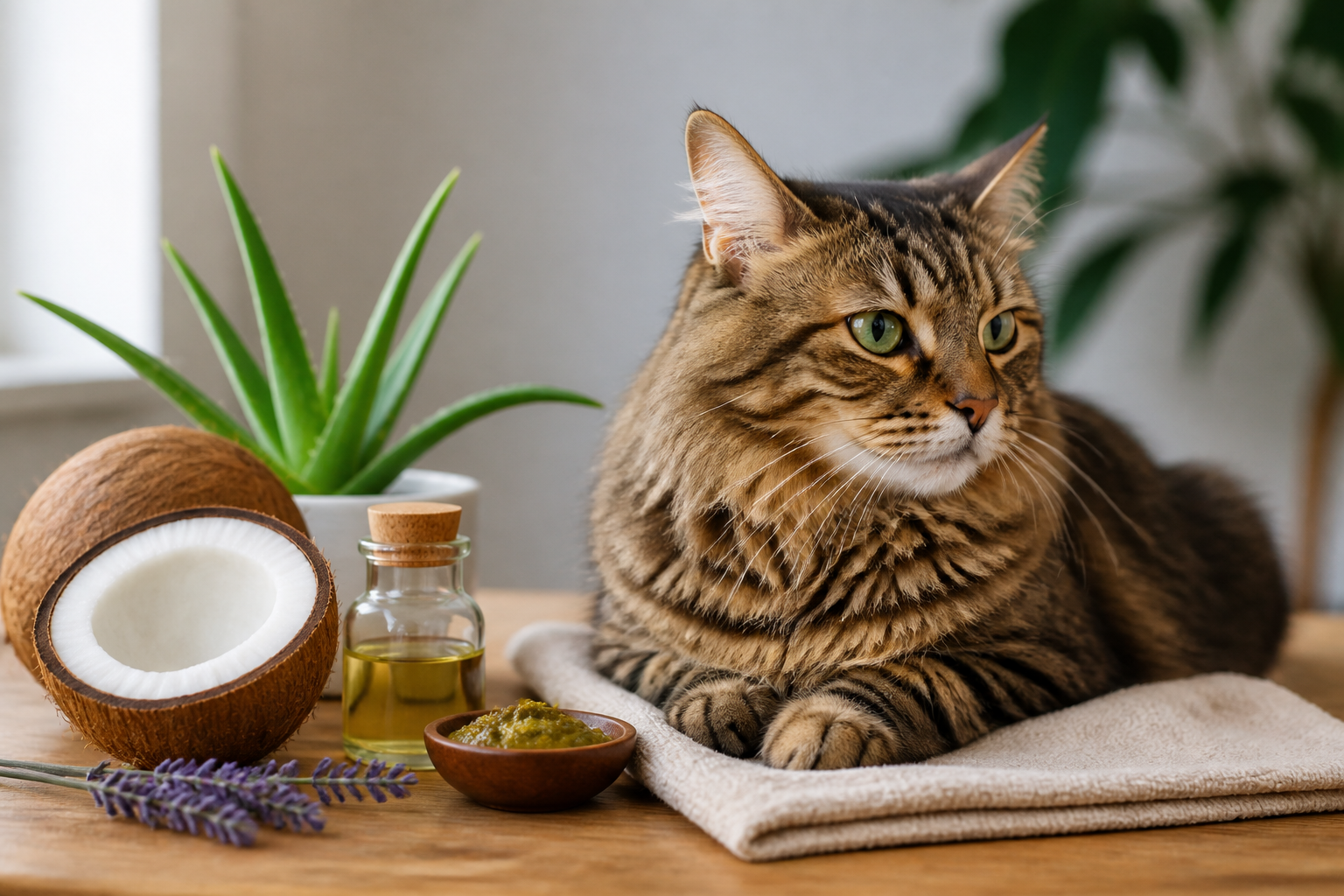
Small amounts of coconut oil can be applied topically to dry patches, but it is not a complete fix. Many cats will simply lick the oil off, which can lead to upset stomachs or unwanted calories. It is usually more effective to use dietary supplements like fish oil that work from the inside out.
How long does it take for natural remedies to work?
Skin cells take time to regenerate, so you should not expect an overnight change. Most owners see an improvement in coat quality and a reduction in flakes within three to four weeks of consistent brushing and dietary changes. If you see no improvement after a month, a vet visit is necessary.
Can allergies cause dandruff in cats?
Yes, both food and environmental allergies can cause skin inflammation and dryness. If your cat is allergic to an ingredient in their food, their skin may become flaky and itchy. Your veterinarian may suggest a limited-ingredient diet or a prescription food from our pharmacy to help identify the trigger.