Save 15% on your 1st Autoship learn more

 Email us
 Live Chat
 FAQs
FAQs





Introduction
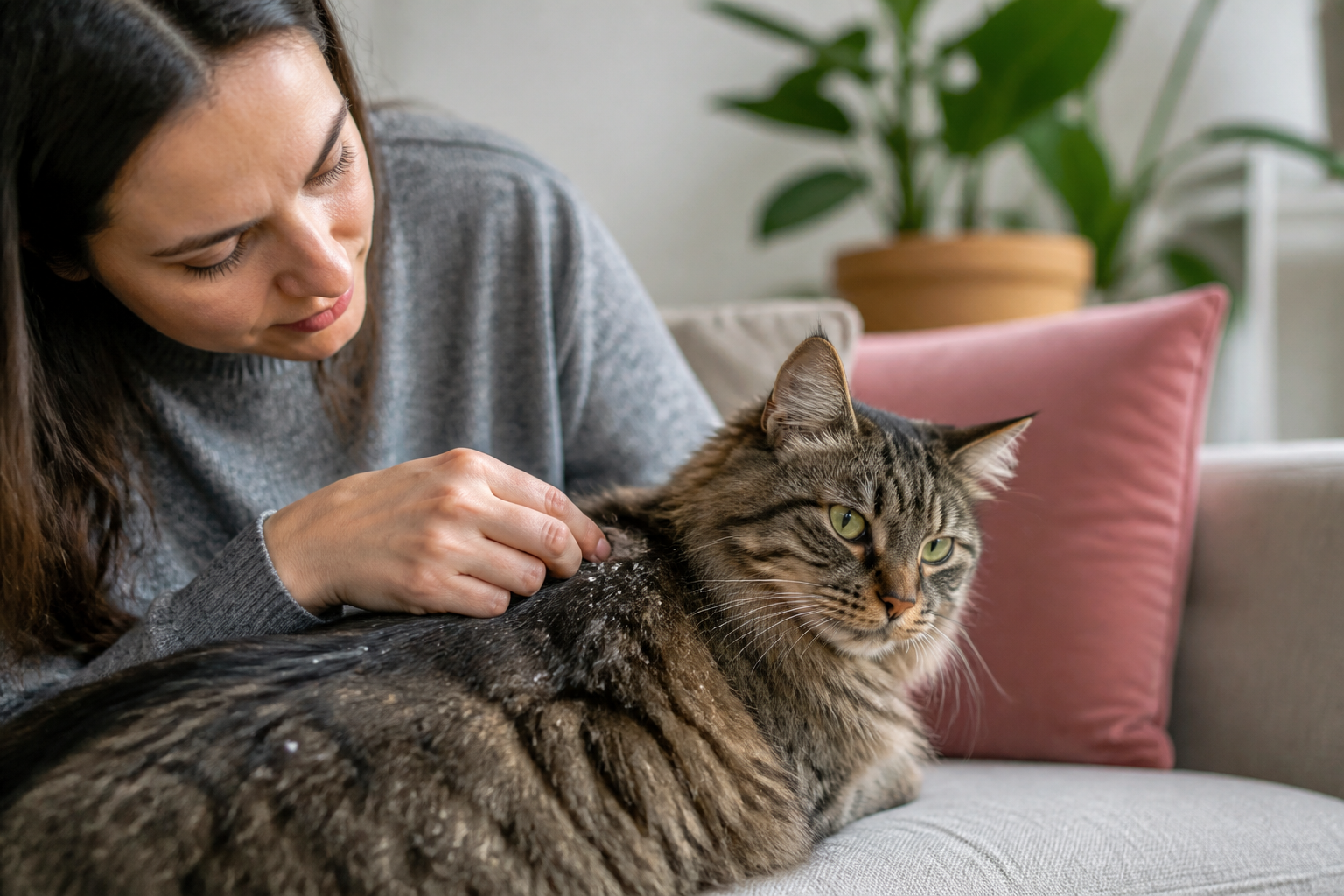
You are relaxing on the sofa with your cat when you notice a dusting of white flakes across their back. It is a common sight for many pet owners, but those little flakes are a signal that your cat’s skin is struggling. At BaxterBoo, we know that a shiny coat starts from the inside out. While dandruff might seem like a minor cosmetic issue, it often points to dry air, nutritional gaps, or grooming habits that need a little adjustment. This post covers the most effective natural ways to hydrate your cat's skin and restore their coat's natural luster. Most cases of feline dandruff respond well to increased moisture, better fats in the diet, and a consistent brushing routine.
Quick Answer: Natural remedies for cat dandruff include adding Omega-3 fatty acids to their diet, increasing environmental humidity, and using regular brushing to distribute natural skin oils. Providing moisture-rich wet food and ensuring your cat stays hydrated can also significantly reduce skin flakiness.
Understanding Feline Dandruff
Dandruff is simply the shedding of dead skin cells. In a healthy cat, this process happens quietly and invisibly. When you start seeing large, visible flakes, it means the skin cycle is moving too fast or the skin itself is too dry to stay intact. This is different from "walking dandruff," which is actually a type of mite that requires medical treatment.
Most feline dandruff is localized on the lower back and near the base of the tail. This is often because these areas are harder for cats to reach during their daily grooming sessions. If the skin is red, irritated, or if your cat is losing patches of hair, the issue might be more than just dry skin.
Vet Tip: If you notice your cat scratching excessively or if the skin looks inflamed, consult your veterinarian. They can rule out underlying issues like allergies, fungal infections, or parasites. Our pet pharmacy carries FDA-approved treatments for these conditions through our partnership with Pet's Choice if your vet provides a prescription.
Boost Skin Health with Omega-3 Fatty Acids
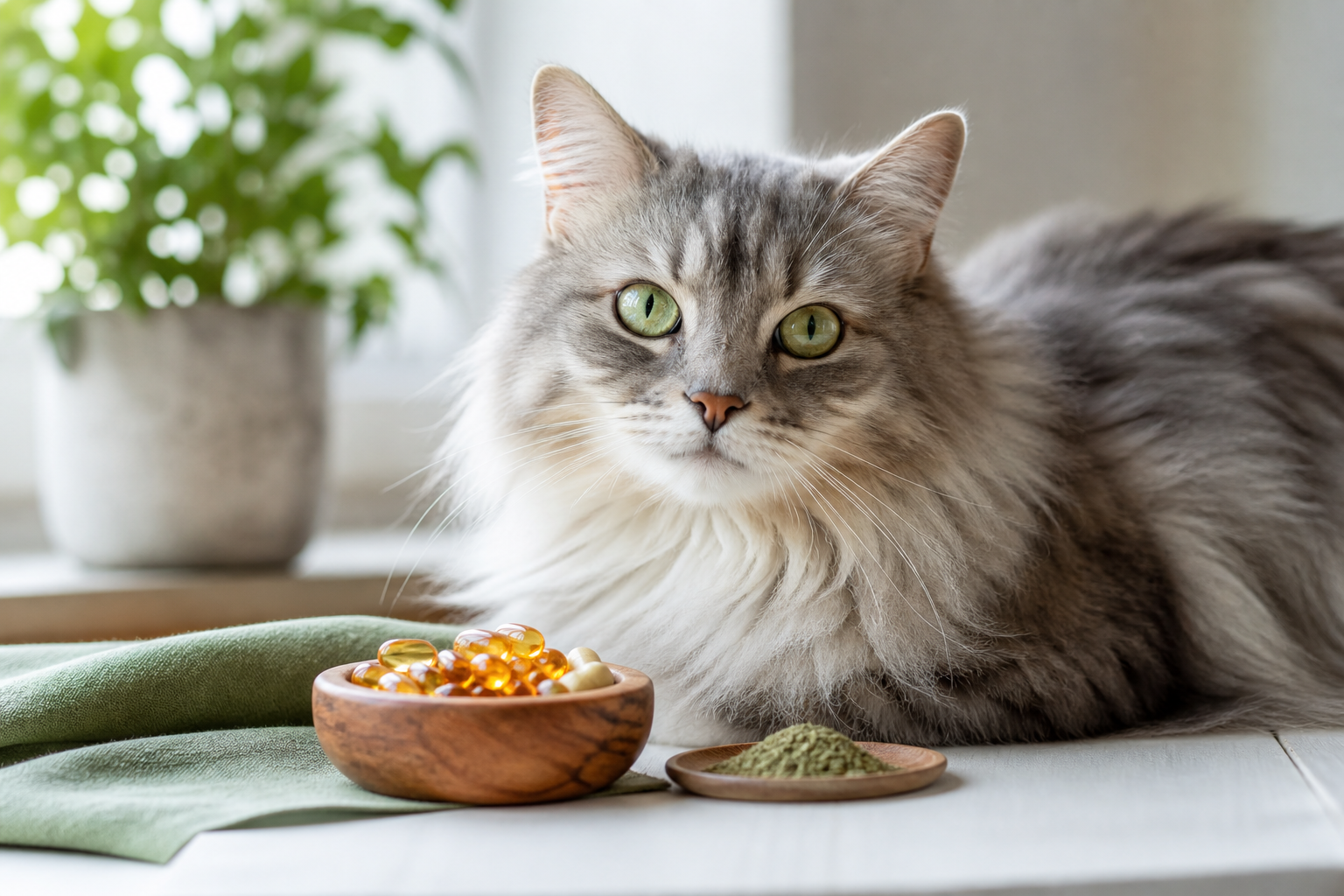
One of the most effective natural remedies for dry skin starts in the food bowl. Cats are obligate carnivores, and their skin health is directly tied to the fats they consume. Omega-3 fatty acids, specifically EPA and DHA, help maintain the skin's moisture barrier.
Choosing the Right Oil
Fish oil is the most bioavailable source of Omega-3s for cats. Look for high-quality salmon oil, pollock oil, or sardine oil. These provide the essential fatty acids that help reduce inflammation in the skin. Brands like Zesty Paws or Honest Paws offer targeted supplements that are easy to pump directly onto your cat's meals.
Transitioning to Supplements
When adding oil to your cat's diet, start slowly. Their digestive systems need time to adjust to the increased fat content.
Step 1: Start with a tiny dose. / Use about a quarter of the recommended daily dose for the first three days.
Step 2: Monitor their stool. / If you notice any loose stools, reduce the amount and wait a few days before trying again.
Step 3: Gradually increase the dose. / Work your way up to the full recommended amount over two weeks.
Step 4: Stay consistent. / It can take four to six weeks of daily supplementation to see a visible change in the coat.
Key Takeaway: Healthy skin requires healthy fats. Supplementing with fish oil strengthens the skin barrier from the inside, leading to fewer flakes and a softer coat.
Hydration from the Inside Out
Cats have a notoriously low thirst drive. In the wild, they get most of their water from their prey. If a cat eats primarily dry kibble, they are often in a state of mild dehydration. This lack of moisture shows up quickly on the skin and coat.
Switch to Wet Food
If your cat only eats dry food, consider introducing wet food into their daily routine. Brands like Tiki Cat, Fussie Cat, and Open Farm provide high-moisture recipes that mimic a natural feline diet. The extra water intake helps keep the skin cells plump and hydrated.
Use a Water Fountain
Many cats prefer running water over standing water in a bowl. A pet fountain can encourage them to drink more frequently throughout the day. Better hydration helps the body flush out toxins and keeps all organs, including the skin, functioning at their best. For more ideas, read about improving your cat’s quality of life with hydration and enrichment.
| Strategy | Benefit | Ease of Use |
|---|---|---|
| Wet Food | Increases daily water intake significantly | Very Easy |
| Fish Oil | Provides essential fatty acids for skin barrier | Easy |
| Water Fountain | Encourages natural drinking behavior | Moderate |
| Humidifier | Adds moisture to the air in dry climates | Easy |
The Power of Regular Brushing
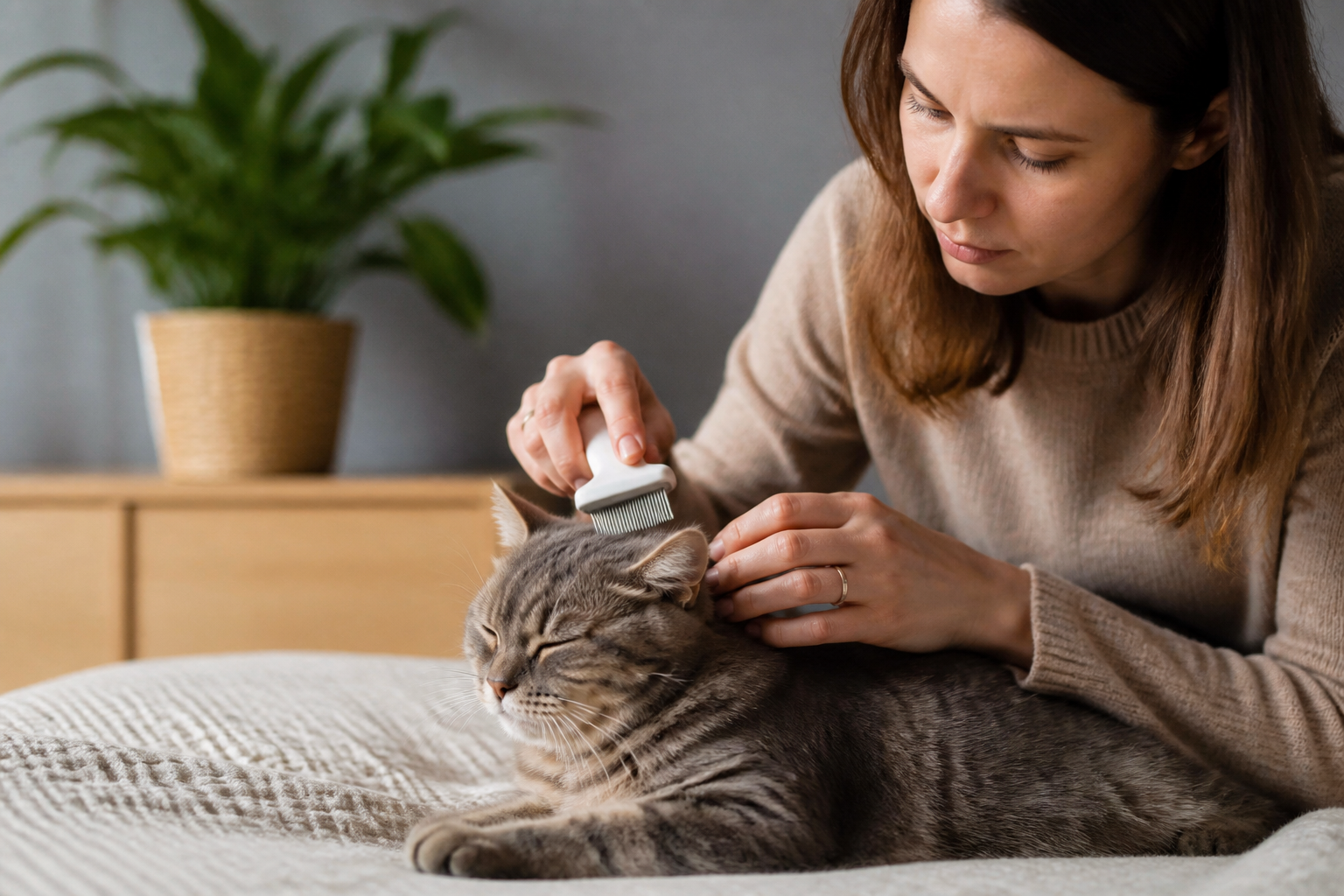
Brushing is more than just a way to bond with your cat. It is a vital part of skin health. When you brush your cat, you are doing two things: removing dead skin flakes and stimulating the production of natural oils.
Distributing Natural Oils
The skin produces sebum, a natural oil that protects the coat. Brushing helps move these oils from the skin surface down the hair shaft. This provides a natural protective layer that prevents moisture from escaping the skin.
Choosing the Right Tool
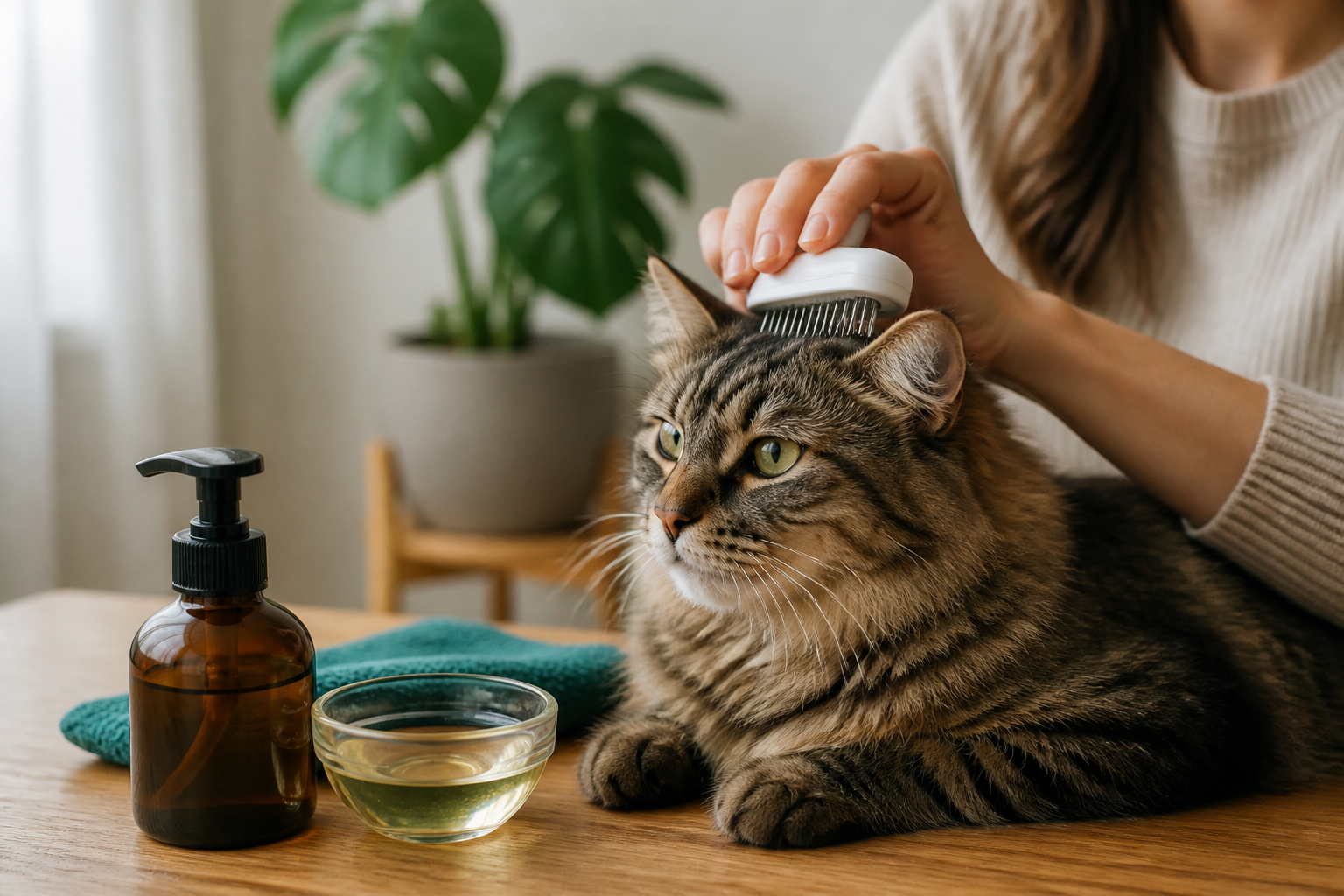
The tool you use depends on your cat's coat length. For short-haired cats, a soft bristle brush or a rubber grooming mitt works best. For long-haired cats, a stainless steel comb or a slicker brush is necessary to reach through the undercoat to the skin surface. Explore our cat grooming supplies to find a suitable brush or comb.
Bottom line: Daily brushing for just five minutes can significantly reduce visible dandruff by manually removing flakes and spreading natural skin oils.
Managing the Environment
The air inside your home plays a massive role in your cat's skin health. During the winter, indoor heating systems strip the moisture out of the air. This dry environment causes the skin to lose water, leading to itchiness and flaking.
Use a Humidifier
Placing a humidifier in the room where your cat spends the most time can make a world of difference. Aim for a humidity level between 40 and 50 percent. This keeps the air comfortable for both you and your pet and prevents the skin from drying out.
Avoid Over-Bathing
Most cats rarely, if ever, need a full bath. Bathing a cat with harsh soaps can strip away every bit of natural oil they have, making dandruff much worse. If your cat is dirty, use a damp cloth or feline-specific grooming wipes that contain soothing ingredients like aloe or Vitamin E.
Weight Management and Grooming Access
Sometimes dandruff is not a skin problem, but a mobility problem. If a cat is overweight, they simply cannot reach their lower back or the base of their tail to groom themselves. When these areas are neglected, dead skin and loose fur build up, creating a thick layer of dandruff.
Helping Your Cat Reach
If your cat is struggling with their weight, you will need to take over the grooming duties for the areas they cannot reach. Focus your brushing on the lower back and hindquarters.
Long-Term Weight Health
Helping your cat reach a healthy weight will eventually allow them to resume their own grooming. We carry several weight management diets, such as Farmina Vet Life, which can help your cat slim down safely. Our pharmacy also offers prescription weight management foods if your veterinarian recommends a specific therapeutic diet.
Vet Tip: Sudden changes in grooming habits can sometimes signal joint pain or arthritis in senior cats. If your cat stops grooming themselves, it is worth a visit to the vet to discuss mobility support or supplements like Cosequin.
Feline-Safe Topical Remedies
While diet and environment are the most important factors, some topical treatments can provide immediate relief for an itchy, flaky cat.
Pure Coconut Oil
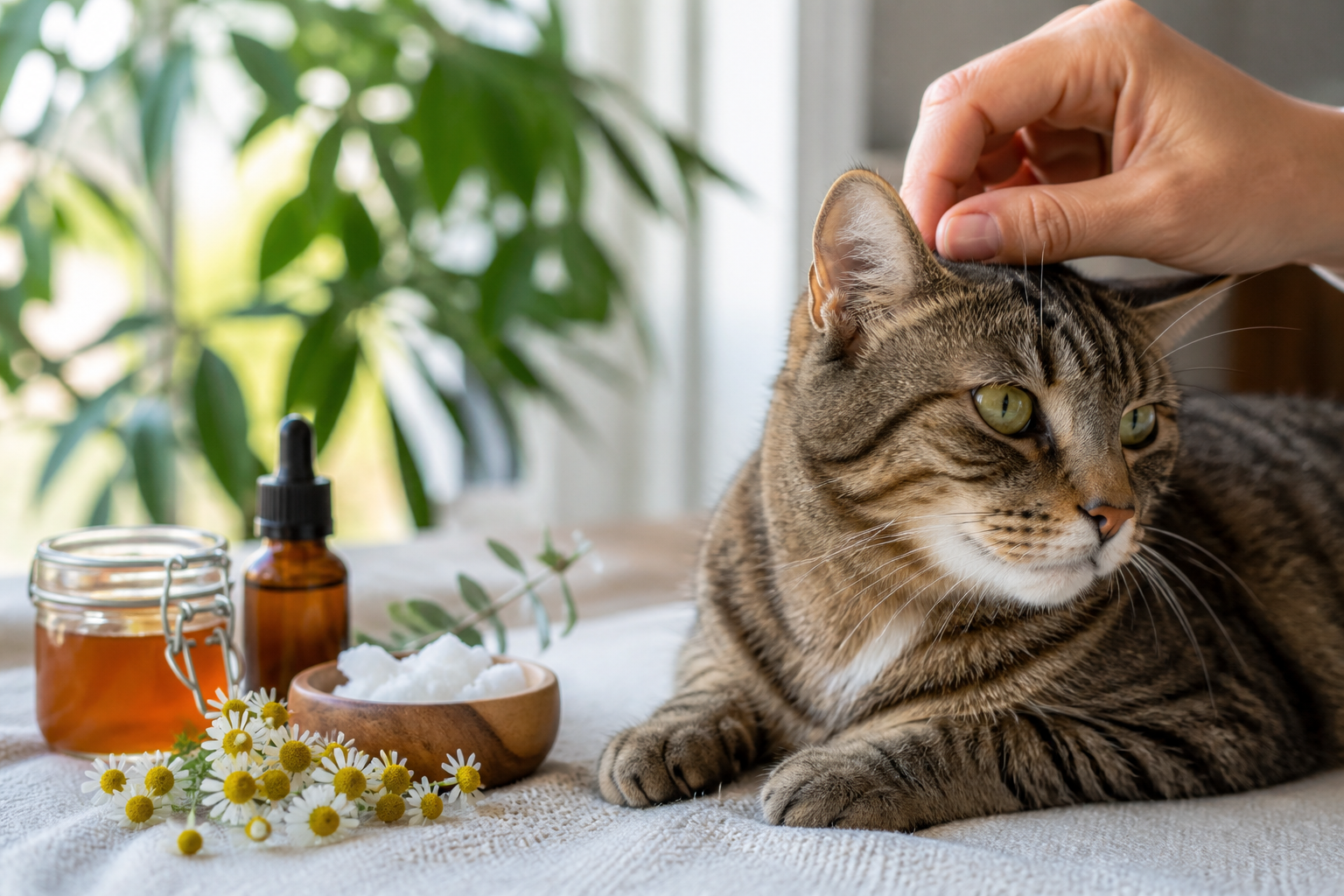
Coconut oil is generally safe for cats when used in very small amounts. You can rub a tiny pea-sized amount between your palms until it melts, then gently massage it into the flakiest areas of your cat's skin. It acts as a natural moisturizer and has mild antimicrobial properties.
Note: Do not over-apply coconut oil. If your cat licks too much of it off their fur, it can cause an upset stomach or diarrhea. A little goes a long way.
Water-less Shampoos
There are many natural foam shampoos that do not require rinsing. Look for formulas that include oatmeal or honey. These ingredients help soothe inflammation and lock in moisture without the stress of a traditional bath.
Natural Support for Stress-Related Dandruff
Believe it or not, stress can cause a cat to "blow" dandruff. When a cat is stressed, their body produces cortisol, which can affect the health of their skin and coat. You might notice your cat suddenly looks flakier after a move, a vet visit, or the addition of a new pet.
Creating a Calm Space
Using pheromone diffusers can help lower your cat's overall stress levels. Providing plenty of vertical space, like cat trees, allows them to feel secure in their environment. When a cat feels safe, their immune system and skin health often improve.
Enrichment and Play
Regular play sessions help burn off anxious energy. A happy, active cat is more likely to engage in healthy grooming behaviors. Brands like Kong and Jackson Galaxy offer a variety of toys designed to engage a cat's natural hunting instincts. For more ideas, explore indoor enrichment activities for cats.
Putting It All Together: A Weekly Routine
To truly clear up cat dandruff, you need a multi-pronged approach. Consistency is the most important part of any natural remedy.
- Daily: Add fish oil to one meal and ensure water fountains are clean and full.
- Daily: Spend five minutes brushing the most affected areas of the coat.
- Weekly: Check the humidity levels in your home and refill humidifiers.
- Weekly: Use a grooming wipe or a tiny amount of coconut oil on stubborn dry patches.
Key Takeaway: Resolving dandruff is a slow process. It takes time for new, healthy skin cells to grow and replace the dry, flaky ones. Stick with your routine for at least a month before expecting major results.
Summary of Natural Care
Managing your cat's dandruff doesn't always require medicated shampoos or complex procedures. By focusing on high-quality nutrition, proper hydration, and environmental moisture, you can solve the root cause of the dryness. Brushing remains your best tool for immediate improvement, as it manually manages the flakes and supports the skin's natural oil production.
At BaxterBoo, we believe that the best care is proactive care. Whether you are adding a new supplement to their routine or upgrading your grooming tools, these small steps lead to a much happier and more comfortable cat. If you find that natural remedies aren't enough, remember that we offer a full range of health supports through our pet pharmacy and the MVP Rewards programme to help you manage your pet's wellness journey.
Bottom line: A combination of Omega-3 supplements, increased hydration, and daily brushing is the most effective natural way to eliminate cat dandruff and prevent its return.
FAQ
Can I use human dandruff shampoo on my cat?
No, you should never use human dandruff shampoos on cats. Many of these products contain ingredients like salicylic acid, coal tar, or zinc pyrithione, which can be toxic to cats if they lick their fur. Cats have a different skin pH than humans, and human products can cause severe irritation or chemical burns. Stick to products specifically formulated for feline use.
Is coconut oil safe to put on my cat's skin?
Yes, pure, organic coconut oil is generally safe for topical use in very small amounts. It can help moisturize dry patches and soothe minor irritation. However, since cats groom themselves, they will likely lick the oil off. Use only a tiny amount to avoid causing digestive upset or unnecessary caloric intake.
How long does it take for natural dandruff remedies to work?
It usually takes between four and six weeks to see a significant improvement in your cat's skin and coat. This is because it takes time for the body to incorporate new nutrients into skin cell production. Consistency with supplements and grooming is the key to seeing long-term results.
Why does my cat only have dandruff on their lower back?
Dandruff often accumulates on the lower back because it is the hardest area for a cat to reach during grooming. This is especially common in cats that are older, overweight, or have mobility issues like arthritis. If your cat cannot reach these spots, you will need to help them by brushing that area daily to remove dead skin and distribute oils.