
 Save 15% on your 1st Autoship learn more

 Email us
 Live Chat
 FAQs
FAQs





Introduction
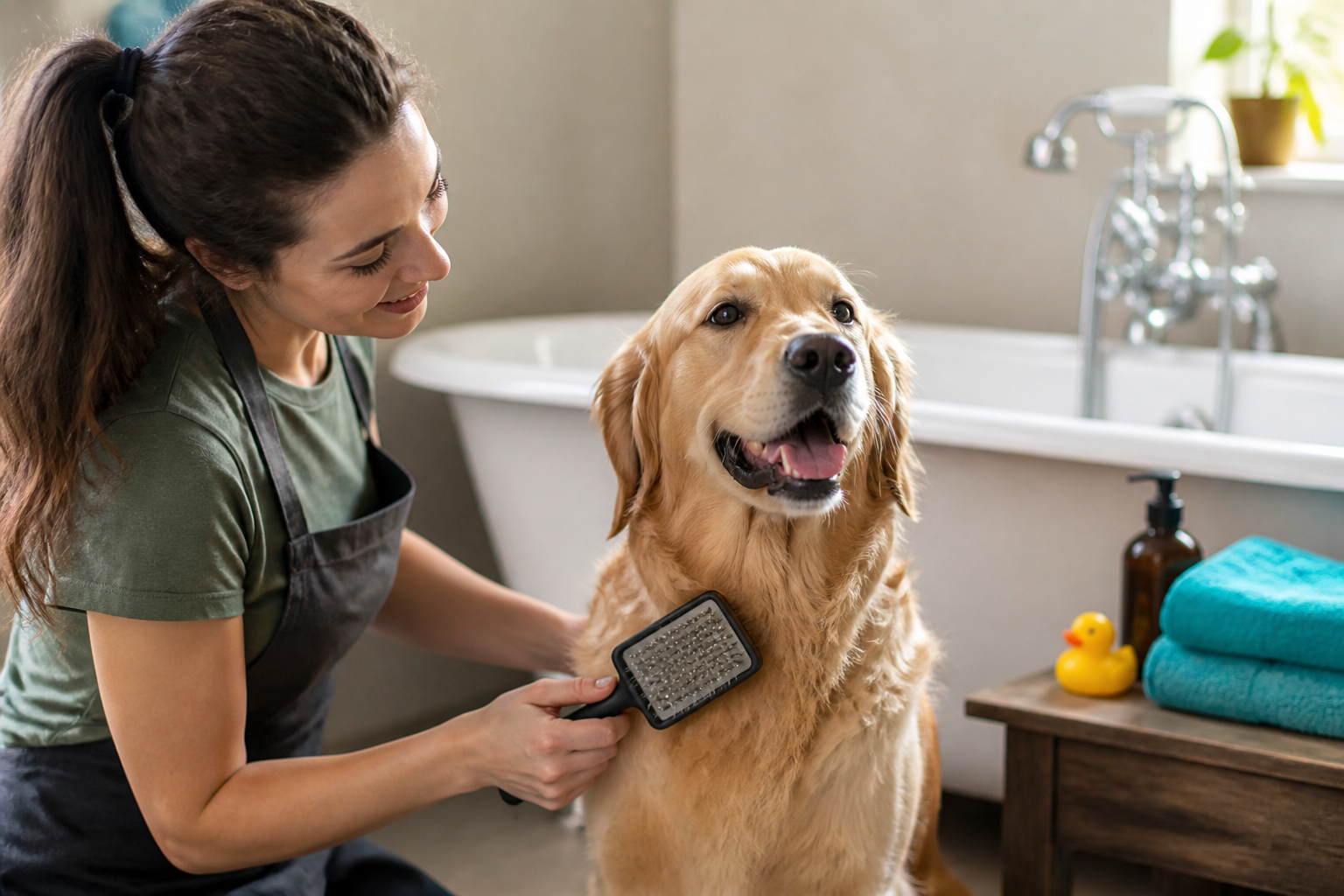
You finally have the towels ready and the water is at the perfect temperature. Your dog is standing by the tub with that look of quiet resignation. Just as you reach for the shampoo, you stop and wonder if you should have run the brush through their coat first. It is a common dilemma for pet owners who want to do the best for their furry friends. At BaxterBoo, we see this question often from customers looking for the right grooming tools and advice. Whether you are dealing with a fluffy Goldendoodle or a sleek Beagle, the order of your grooming routine matters. This guide covers why the timing of your brushing session impacts your dog's skin health and the quality of their coat. You will learn the best practices to keep your pet comfortable and clean.
Quick Answer: You should almost always brush your dog before a bath to remove loose fur and tangles. Water can tighten existing mats, making them nearly impossible to remove without causing pain or skin irritation later.
The Golden Rule of Pre-Bath Brushing
Most professional groomers agree that brushing before the bath is the most important step. Think of your dog's coat like a specialized fabric. If you have a sweater covered in loose threads and knots, getting it wet only makes those tangles more compact. For a dog, this leads to a condition often called wet matting. When water hits a knot, the hair fibers swell and then lock together as they dry. This creates a tight clump against the skin that can trap moisture and bacteria.
Brushing before the water starts running allows you to identify problem areas. You can gently work through small snags while the hair is dry and flexible. This process also removes a significant amount of dead hair and debris. If you skip this, that loose fur ends up clogging your drain or sticking to your dog's wet skin like a heavy blanket. A slicker brush for dogs can help you work through everyday tangles before bath time.
Key Takeaway: Removing tangles before the bath prevents mats from becoming permanent "landmines" that require professional clipping to remove safely.
Why Water and Mats Do Not Mix
It is a common mistake to think that soapy water will help a brush glide through a knot. In reality, the opposite is true for most coat types. Dog hair is porous. When it absorbs water, the structure of the hair shaft changes. If there is already a tangle, the hair becomes heavy and the knot tightens.
Once a mat is wet, it acts like a sponge. It stays damp long after the rest of the coat is dry. This constant moisture against the skin can lead to hot spots or fungal infections. We often see owners who are frustrated that their dog still smells like a "wet dog" days after a bath. Frequently, the culprit is a hidden mat that never fully dried. Brushing beforehand ensures the shampoo can actually reach the skin to do its job. For additional bathing guidance, read our tips on dos and don'ts for bathing your dog.
Managing Different Coat Types
Not every dog requires the same level of pre-bath work. Your routine should depend on the specific texture and length of your pet's fur.
Double-Coated Breeds
Dogs like Huskies, Golden Retrievers, and German Shepherds have a dense undercoat. These breeds shed a lot of fine, fuzzy hair. If you do not brush this undercoat out before a bath, the water will trap the dead hair against the skin. This creates a thick, felted mess that is very difficult to dry. For these dogs, using a de-shedding tool or an undercoat rake is essential before they ever get wet.
Curly and Wavy Coats
Poodles, Bichon Frises, and "Doodle" mixes have hair that grows continuously. Their curls are excellent at trapping loose hair that has already fallen out. This leads to quick matting. You must be able to run a metal comb all the way to the skin before the bath. If the comb catches, that spot needs attention.
Short and Smooth Coats
Boxers, Labradors, and Pugs have it a bit easier. While they still benefit from a quick once-over with a rubber curry brush, they do not face the same matting risks as long-haired breeds. For these dogs, brushing before the bath is mostly about reducing the amount of hair that ends up in your tub. You can find brushes, combs, and other tools in our dog grooming supplies.
Vet Tip: If you notice your dog is constantly scratching or has red, flaky skin after a grooming session, consult your veterinarian. They may recommend a medicated shampoo from our pet pharmacy to address underlying allergies or skin infections.
The Professional Secret: Brushing During the Bath
While the primary brush happens before the bath, there is a professional technique that involves the tub. Some groomers use a specific type of brush while the dog is covered in conditioner. This is common for dogs with heavy shedding or very thick coats.
The conditioner provides a "slip" that allows a wide-toothed comb or a rubber brush to pull out remaining loose undercoat. This should only be done after you have already cleared the major tangles during the dry brush stage. It is a secondary step to help with de-shedding, not a primary way to remove mats. A dog conditioner and detangler can be useful during this stage.
Step-by-Step Tub Brushing
Step 1: Thoroughly wet the dog and apply a high-quality shampoo.
Step 2: Rinse the shampoo and apply a generous amount of conditioner.
Step 3: Use a rubber curry brush or a wide-toothed comb to gently massage the coat.
Step 4: Rinse until the water runs completely clear.
The Danger of Brushing Wet Fur
Once your dog is out of the tub and towel-dried, you might be tempted to start brushing immediately. Be very careful here. Wet hair is much more fragile than dry hair. It has more elasticity, which means it can stretch and then snap.
If you pull a brush through damp hair, you may inadvertently cause micro-tears in the hair shaft. This makes the hair feel rough and actually makes it more likely to tangle in the future. Unless you are using a high-velocity dryer to "force" the hair dry while you brush, it is usually better to wait.
When to Brush After the Bath
Post-bath brushing is for finishing and fluffing. Once the coat is completely dry, a final brush session serves several purposes:
- It removes any last bits of loose hair loosened by the warm water.
- It separates the hair fibers to give the coat a full, healthy look.
- It allows you to check for any spots you might have missed or skin issues that the bath revealed.
For many owners, this is the most rewarding part of the process. The dog is clean, smells great, and the coat looks its absolute best. We recommend using a light finishing spray or detangler during this stage to add shine and protect the hair from dust.
Essential Tools for Your Grooming Kit
At BaxterBoo, we carry over 500 trusted brands to help you build a professional-grade grooming kit at home. Having the right tool for each stage of the process makes the job easier for you and more comfortable for your dog.
- Slicker Brushes: These are the workhorses of the grooming world. They have fine wire bristles that are perfect for removing tangles and smoothing the coat before a bath.
- Metal Combs: These are essential for the "comb test." If a metal comb can slide through the hair from skin to tip, your dog is ready for the tub.
- Rubber Curry Brushes: Best for short-haired dogs or for use during the bath to massage the skin and loosen dead hair.
- Undercoat Rakes: A must-have for double-coated breeds to pull out the "fluff" that causes bulk and heat retention.
You can also browse our selection of Master Grooming Tools products for brushes, combs, and undercoat tools.
Preparing the Grooming Environment
Before you start the pre-bath brush, make sure you have a calm environment. Grooming can be stressful for some pets. If your dog is nervous, try using a lick mat with some peanut butter to keep them occupied while you work through tangles.
Pre-Grooming Checklist
- Check for fleas or ticks before you start brushing.
- Look for any scratches, lumps, or sore spots on the skin.
- Ensure your brushes are clean and free of old hair.
- Have your treats ready for positive reinforcement.
Key Takeaway: A successful bath starts 20 minutes before the water is turned on with a thorough, patient brushing session.
Dealing with Severe Matting
Sometimes, despite our best efforts, a dog becomes severely matted. This often happens in friction areas like under the collar, behind the ears, or in the "armpits." If you find a mat that is tight against the skin and feels like a hard lump of felt, do not try to wash it.
Washing a severely matted dog is a recipe for skin disaster. If you cannot gently pick the mat apart with your fingers or a comb, it may be time to see a professional groomer or your vet. Trying to brush out heavy matting can cause "brush burn" or tear the skin. In some cases, the safest option is to have the mats clipped away with electric shears.
The Role of Our Pharmacy in Coat Health
Sometimes a dull or tangled coat is a sign of an internal health issue. Skin allergies and nutritional deficiencies can change the texture of your dog's fur, making it more prone to breakage and knots. Through our partnership with Pet's Choice, the BaxterBoo pharmacy offers FDA-approved medications and prescription diets that can help.
If your vet identifies a skin condition or an allergy, you can fulfill those prescriptions through us. We carry specialized shampoos and treatments for:
- Atopic dermatitis and itchy skin.
- Flea and tick prevention to stop scratching before it starts.
- Prescription diets formulated for skin and coat sensitivity.
- Supplements like Omega-3 fatty acids that support a healthy shine.
Our pharmacy makes it easy to manage your pet's chronic health needs alongside your regular shopping. Since we are a hybrid retailer with a physical warehouse in Illinois and a robust online store, we provide the convenience you need with the expertise you trust.
Step-by-Step: The Ideal Grooming Sequence
To get the best results, follow this specific order every time you groom your dog at home. This routine minimizes stress and maximizes cleanliness.
Step 1: The Pre-Bath Inspection. / Check for skin issues, parasites, and the general state of the coat.
Step 2: The Dry Brush. / Use a slicker brush and comb to remove every single tangle and all loose fur.
Step 3: The Comb Test. / Run a metal comb through the entire coat to ensure no mats remain.
Step 4: The Bath. / Use lukewarm water and a dog-specific shampoo. Rinse thoroughly.
Step 5: The Drying Phase. / Towel dry gently (do not rub vigorously) and use a pet-safe dryer if possible.
Step 6: The Finishing Brush. / Once the coat is 100 percent dry, brush one last time to fluff and check your work.
Common Mistakes to Avoid
Even seasoned pet owners can fall into bad habits. Here are a few things to avoid when deciding when to brush your dog.
Using Human Shampoo
Human skin and dog skin have different pH levels. Using your shampoo on a dog can strip their natural oils, leading to dry, brittle hair that tangles more easily. Always use a formula designed for canines.
Skipping the Rinse
If you do not rinse out every bit of shampoo, it will dry into a flaky residue. This residue is sticky and will attract dirt and dust immediately, leading to new tangles within hours of the bath.
Brushing Too Hard
The skin is the largest organ of the body. If you are too aggressive with a slicker brush, you can cause painful scratches called brush burn. Use light, repetitive strokes rather than heavy pressure.
Vet Tip: Always dry your dog's ears thoroughly after a bath. Moisture trapped in the ear canal is a leading cause of ear infections. If you notice a foul smell or frequent head shaking, visit your vet for a checkup.
Benefits of Regular Brushing Between Baths
You should not wait for bath day to pull out the brush. Brushing your dog two or three times a week has long-term benefits that go beyond just looking good.
- Distribution of Oils: Brushing moves the skin's natural oils down the hair shaft, which keeps the coat hydrated and shiny.
- Bonding Time: Regular, gentle grooming sessions build trust between you and your pet.
- Less House Cleaning: The hair you catch in the brush is hair that does not end up on your couch or carpet.
- Early Detection: Frequent brushing helps you find new lumps, bumps, or pests like ticks before they become major problems.
Bottom line: Brushing before the bath protects the coat, while brushing after the bath perfects the look.
How Our Programs Help You Save
Keeping up with a grooming routine requires a steady supply of shampoos, brushes, and conditioners. We want to make it easier for you to provide the best care. Our MVP Rewards programme allows you to earn up to 5 percent back on every purchase. If you find a brand you love, like Kong or TropiClean, our Autoship programme offers savings on your first order and ensures you never run out of supplies.
For those who shop frequently, our Frequent Buyer Program helps you earn free products faster on participating brands. We have been operating since 2006, and our 4.9-star Google rating reflects our commitment to helping pet owners find high-quality solutions at a great value.
Conclusion
Determining whether to brush before or after a bath is easy once you understand how water affects a dog's coat. Brushing before the bath is the essential step that prevents mats and protects the skin. Brushing after the bath is the finishing touch that leaves your pet looking like they just stepped out of a professional salon. By following a consistent routine and using the right tools, you can turn bath time from a chore into a positive experience for both you and your dog.
- Always clear tangles from a dry coat before adding water.
- Use conditioner in the tub to help loosen the undercoat.
- Wait for the fur to be fully dry before the final finishing brush.
- Consult your vet for any persistent skin or coat issues.
Check out our full collection of dog grooming supplies to find the perfect brushes and shampoos for your dog's specific coat type.
FAQ
Why does my dog get more mats after I wash them?
If you do not brush your dog before the bath, existing tangles often shrink and tighten when they get wet. As the hair dries, these knots become much harder and more compact, leading to what groomers call "wet matting." Always ensure the coat is tangle-free before the water touches the fur to avoid this problem.
Can I brush my dog while they are still wet from the bath?
It is generally best to avoid brushing a soaking wet dog because wet hair is more elastic and prone to breaking. Brushing wet fur can cause the hair to stretch and snap, leading to a damaged coat texture over time. Wait until the coat is damp-dry or fully dry before using a slicker brush or comb for the best results.
Is it okay to skip the pre-bath brush for short-haired dogs?
While short-haired dogs do not get mats like long-haired breeds, a pre-bath brush is still beneficial. It removes loose, dead hair that would otherwise clog your drain or stick to the wet skin. Using a rubber curry brush before the bath makes the washing process much more efficient and reduces the "wet dog" smell.
What should I do if I find a mat that won't come out before the bath?
If you find a stubborn mat, do not get it wet, as this will only make it tighter. Try using a detangling spray and your fingers to gently tease the hair apart. If the mat is too close to the skin or too solid to move, it is safer to have a professional groomer clip it out rather than trying to wash or force a brush through it.






