
 Save 15% on your 1st Autoship learn more

 Email us
 Live Chat
 FAQs





Introduction
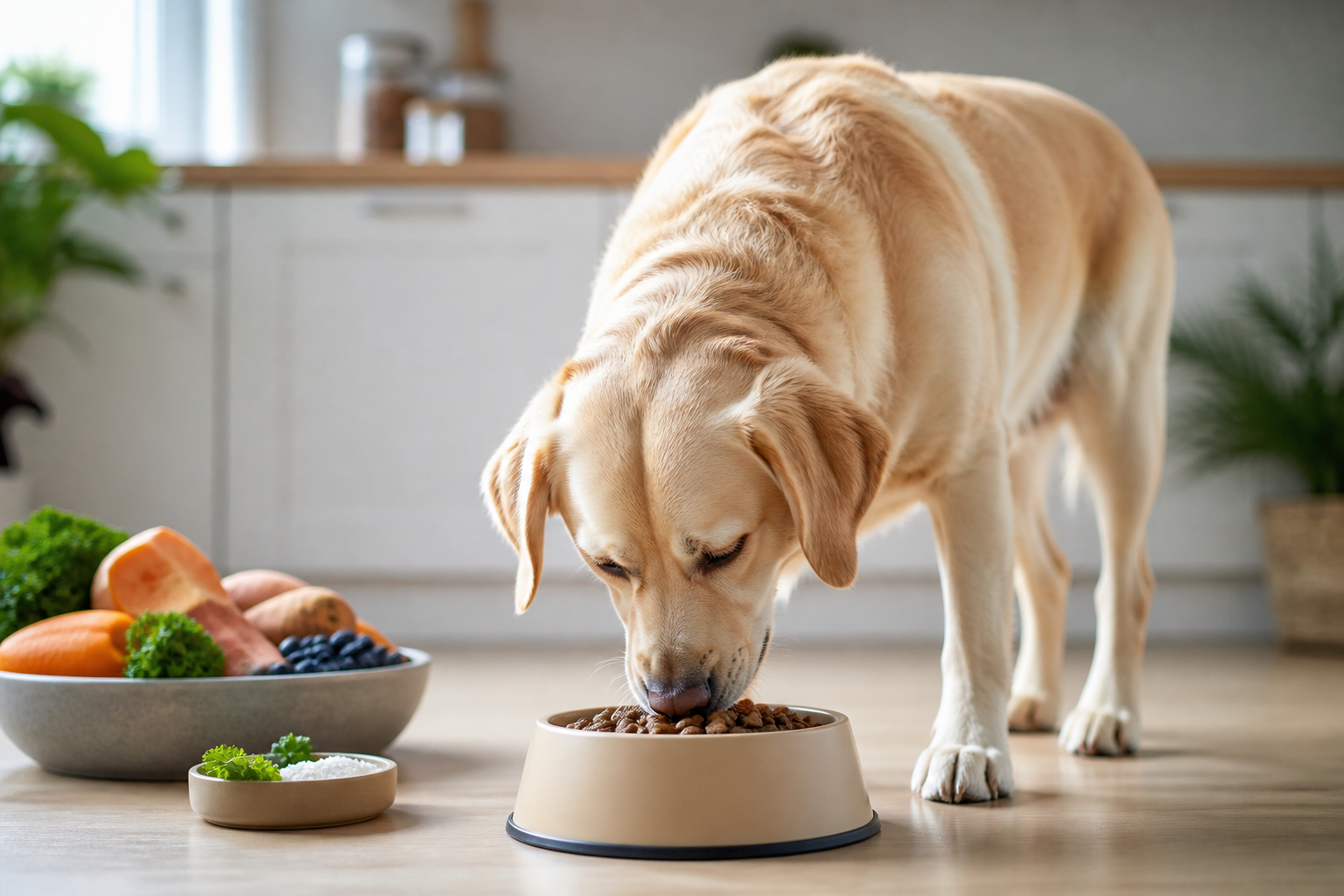
You know the sound. It usually happens right when the house is quiet: a loud, liquid gurgle coming from your dog's stomach. Maybe it is followed by room-clearing gas or a sudden, urgent need to go outside. When your dog's digestion is off, it affects their whole day and yours too. Many pet owners are turning to probiotics for dog food as a way to steady these tummy troubles and support long-term wellness. At BaxterBoo, we see thousands of pet parents looking for ways to improve their dog's vitality through better nutrition. This post covers how these beneficial bacteria work, which strains actually matter, and how to choose the best delivery method for your pup. Our goal is to help you understand how to balance your dog's internal ecosystem for a happier, healthier life.
Quick Answer: Probiotics are live, beneficial bacteria that support a dog's digestive and immune systems. They can be found as additives in high-quality kibble, specialized supplements, or natural food toppers like plain yogurt and goat milk.
Understanding the Canine Microbiome
Your dog's gut is home to billions of microscopic organisms. This community of bacteria, yeast, and fungi is known as the microbiome. It functions like a busy internal city where different inhabitants have specific jobs. Some break down food, some produce essential vitamins, and others stand guard against harmful pathogens like Salmonella or E. coli.
When this city is in balance, your dog likely has firm stools, a shiny coat, and steady energy. However, this balance is fragile. A course of antibiotics, a sudden change in diet, or even the stress of a weekend at the boarding kennel can wipe out the "good" residents. This allows "bad" bacteria to move in and take over. This shift is what leads to the gas, bloating, and diarrhea we often see.
Adding probiotics to your dog's routine helps repopulate the gut with helpful residents. These bacteria work by changing the acidity in the intestines, making the environment less friendly for harmful microbes. They also produce short-chain fatty acids that nourish the cells lining the colon.
Key Takeaway: A balanced microbiome is essential for more than just digestion: it is the foundation of your dog’s immune system and overall metabolic health.
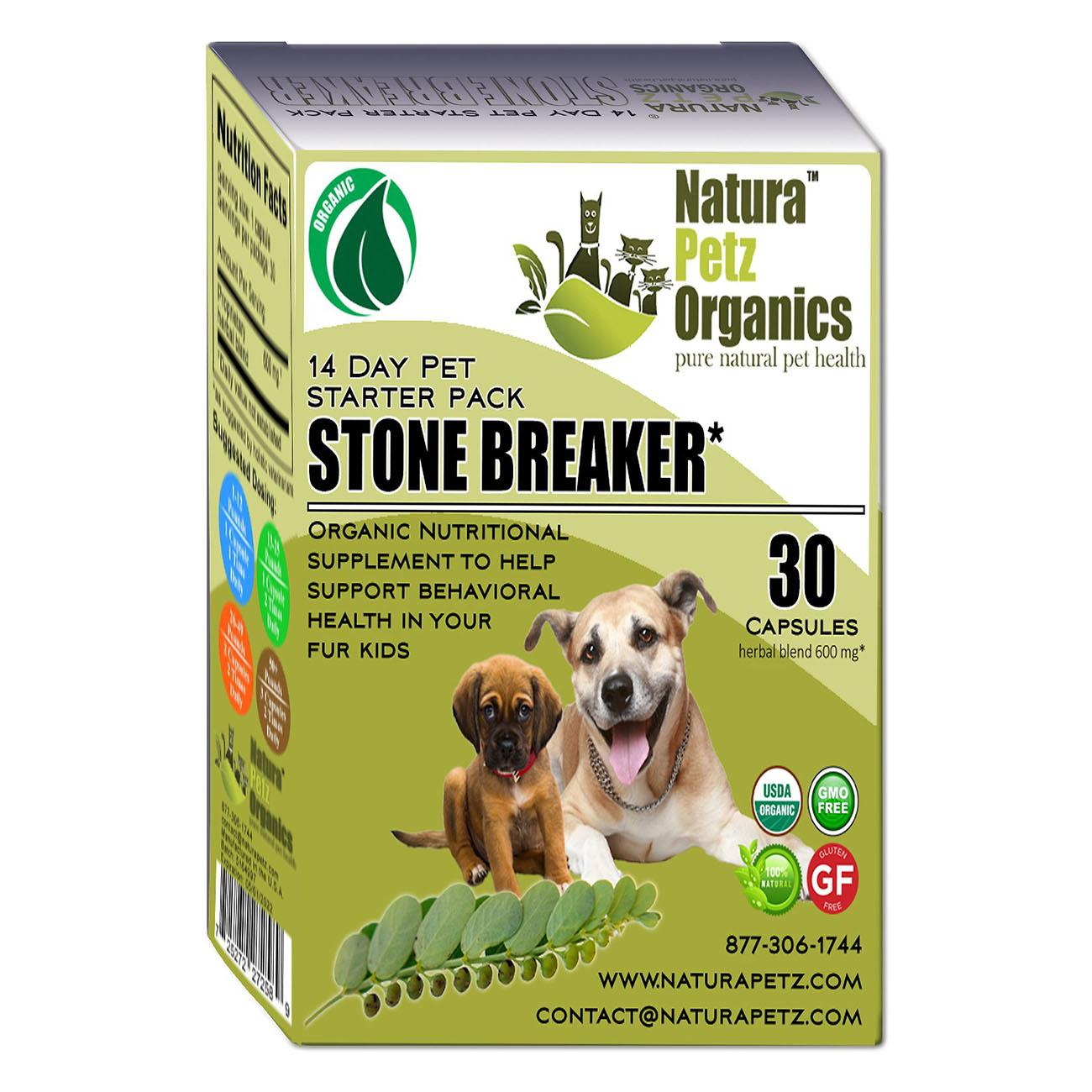
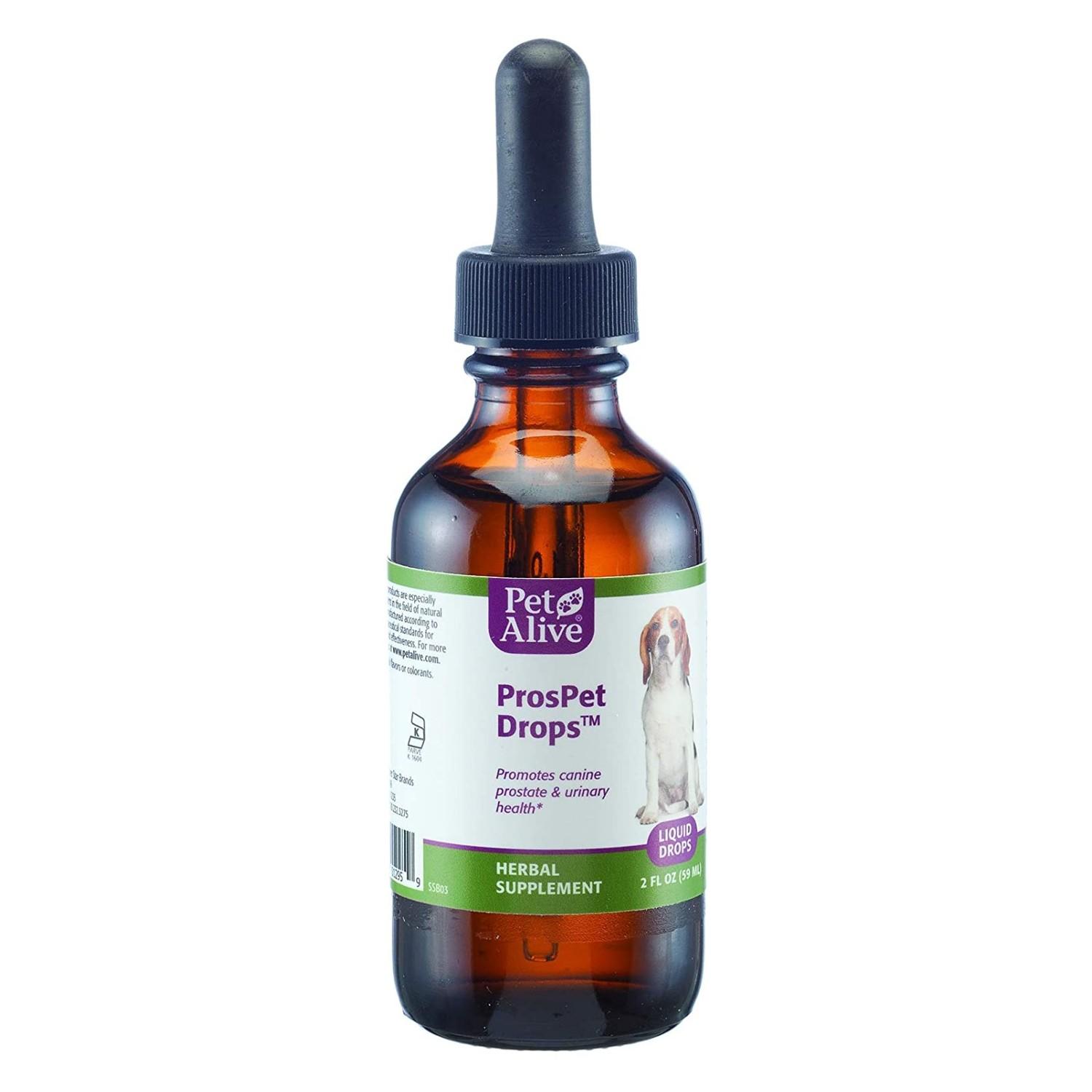
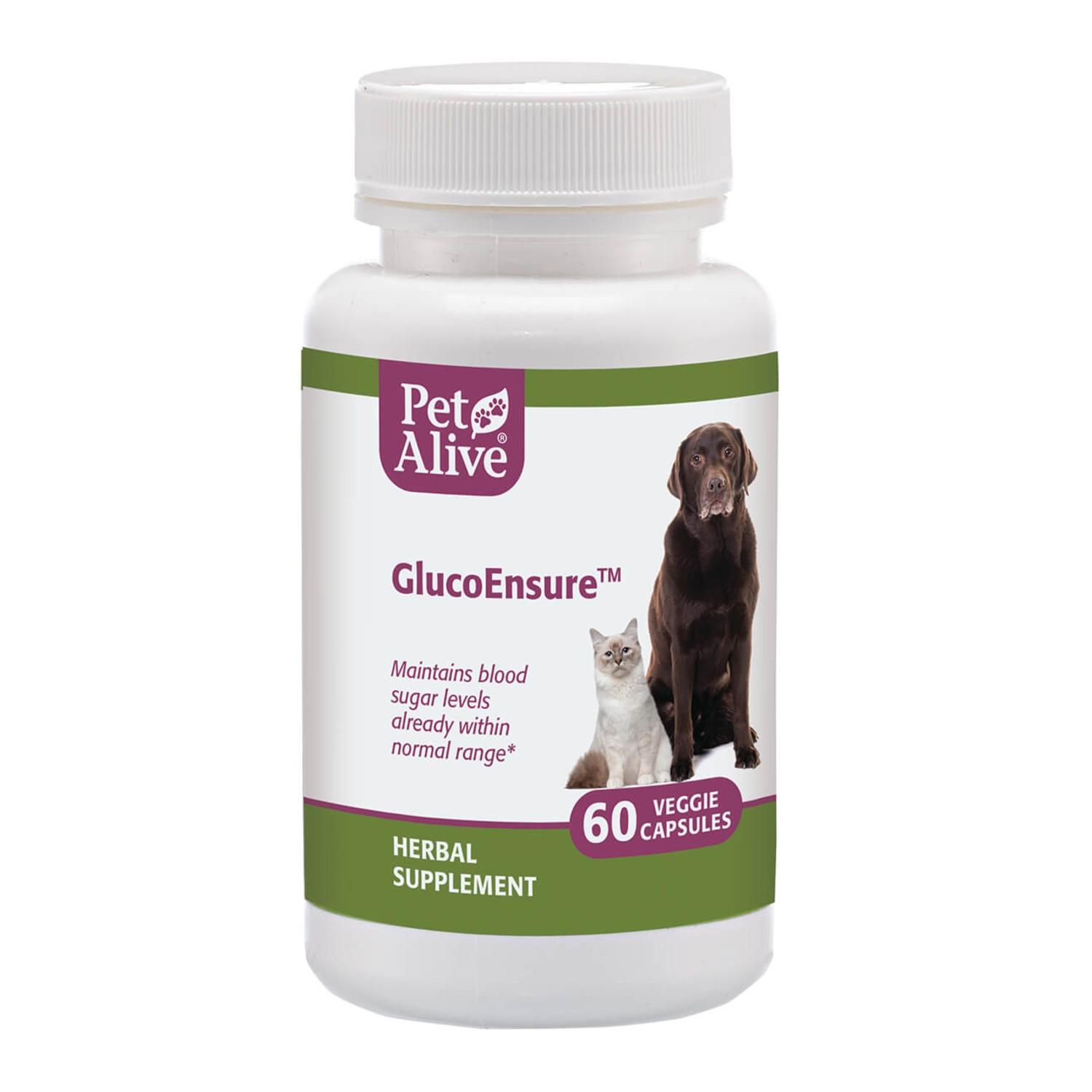
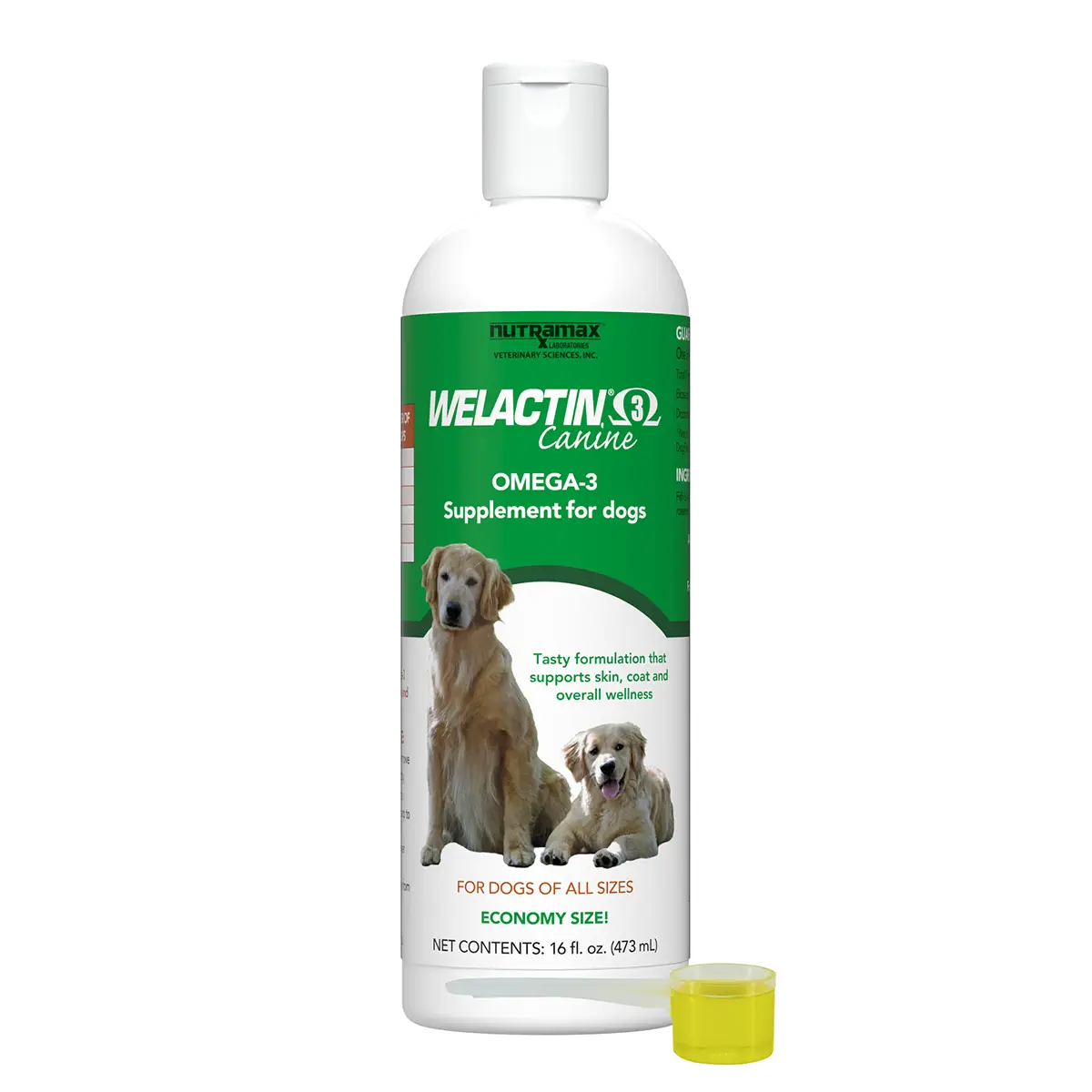
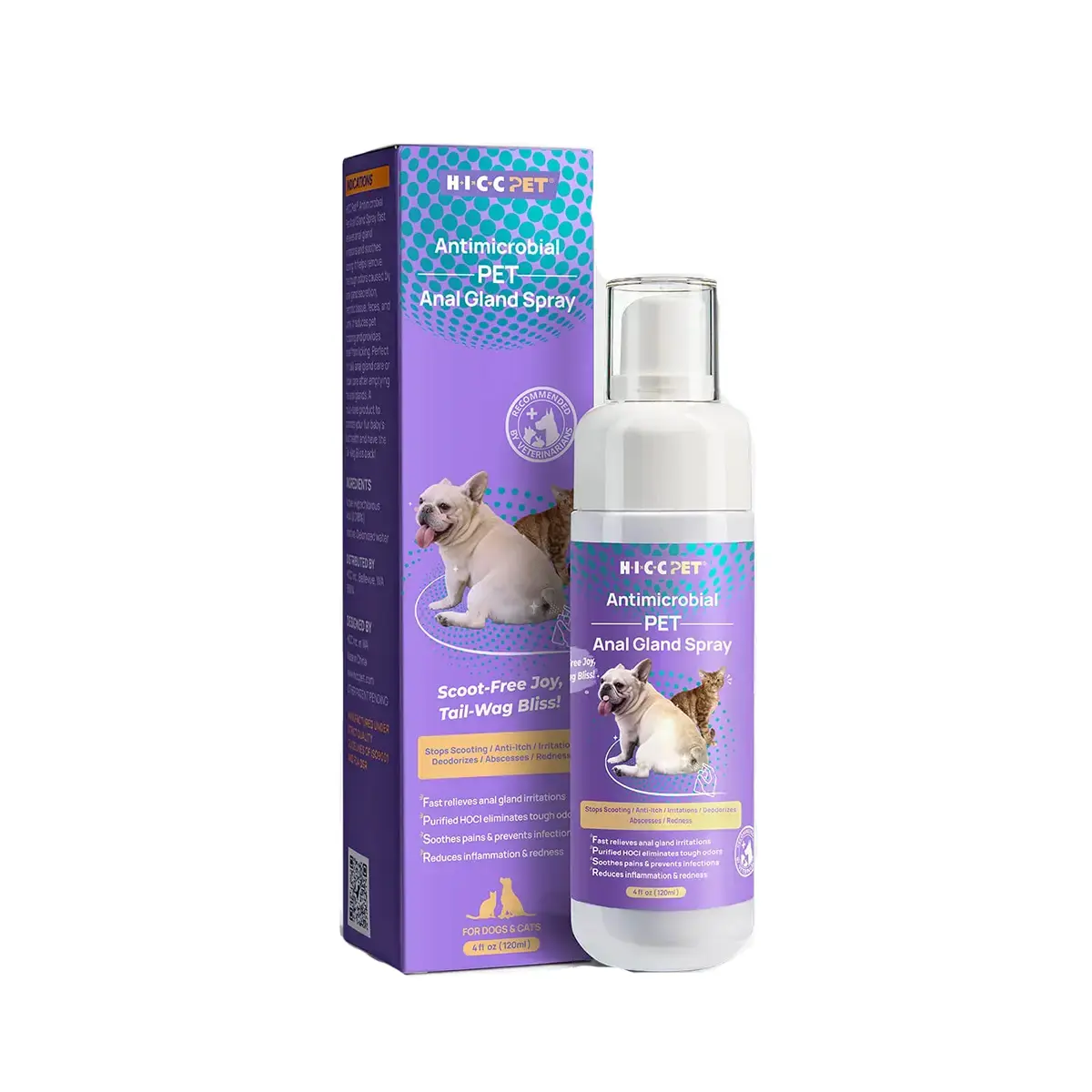
Dog Digestive & Urinary Support








Common Signs Your Dog Needs Probiotics
It is not always as obvious as a bout of diarrhea. While digestive upset is the most common reason people search for probiotics, other signs suggest your dog's gut health needs a boost.
- Frequent flatulence or a "gurgly" stomach after eating.
- Intermittent loose stools that come and go without a clear cause.
- Bad breath that does not stem from dental issues.
- Dull coat or itchy skin, which can sometimes be linked to gut inflammation.
- Recent use of antibiotics, which kill both good and bad bacteria.
- High levels of stress or anxiety, as the gut and brain are closely connected.
If your dog is experiencing severe or persistent symptoms, a trip to the vet is the first step. They can rule out parasites, infections, or more serious underlying conditions before you start a supplement regimen. Our dog digestive health collection offers options for dogs with everyday digestive-support needs.
Vet Tip: If your dog has a weakened immune system or is undergoing treatment for a serious illness, always consult your veterinarian before adding live bacterial supplements to their diet.
Specific Probiotic Strains to Look For
Not all bacteria are created equal. When you look at the back of a bag of dog food or a supplement bottle, you will see long, scientific names. These are the specific strains that have been studied for their effects on dogs.
Lactobacillus Acidophilus
This is one of the most well known strains. It is highly effective at supporting the quality and frequency of a dog's stool. It helps the body absorb nutrients more efficiently and is a common inhabitant of the small intestine.
Bifidobacterium Animalis
If your dog struggles with acute diarrhea or general digestive sensitivity, this strain is a heavy lifter. It has been shown to reduce the time it takes for a dog to recover from an upset stomach.
Enterococcus Faecium
This strain is particularly robust. It can survive the harsh, acidic environment of the stomach to reach the intestines where it is needed most. It is often used to help shelter dogs or dogs in high-stress environments stay regular.
Bifidobacterium Longum
Interestingly, this strain is often studied for its impact on the gut-brain axis. Some research suggests it can help dogs stay calmer during stressful events like thunderstorms or travel.
How to Choose Probiotics for Dog Food
You have three main ways to get these beneficial bugs into your dog's diet. Each has its pros and cons depending on your dog's pickiness and your daily routine.
Probiotics Already in the Food
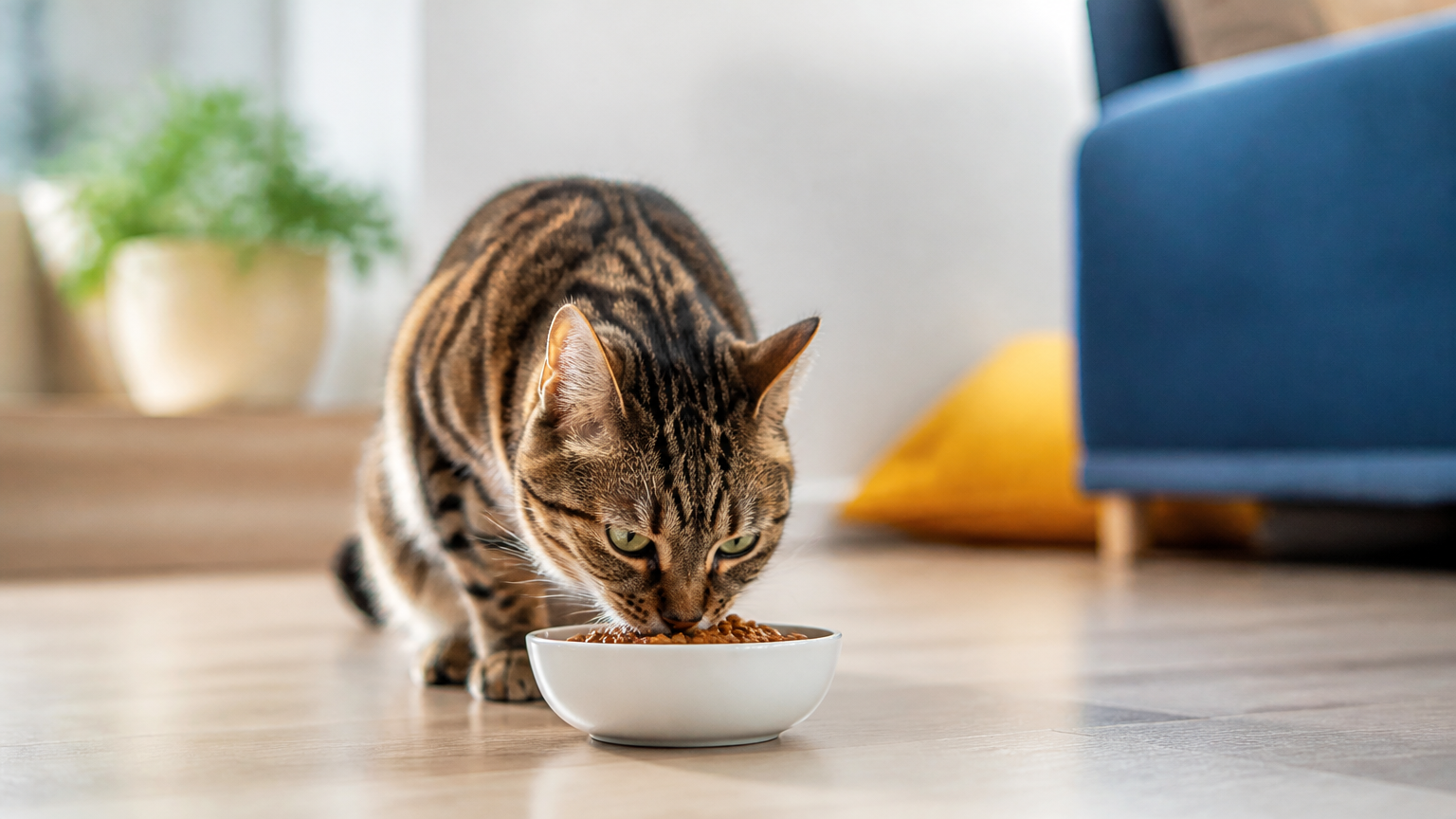
Many premium brands carried at BaxterBoo, such as NutriSource or Farmina, include probiotics right in their formulas. This is the most convenient method. The bacteria are often sprayed onto the kibble after the cooking process. This is important because the high heat used to make kibble can kill live cultures. You can browse probiotic dog food and supplements to compare available options.
When choosing a food, look for a "Guaranteed Analysis" on the bag. It should list the specific strains and the number of Colony Forming Units (CFUs) per cup or pound. If the bag just says "contains probiotics" without a guarantee of live cultures, the bacteria might not be active by the time it reaches the bowl.
Probiotic Supplements (Powders and Chews)
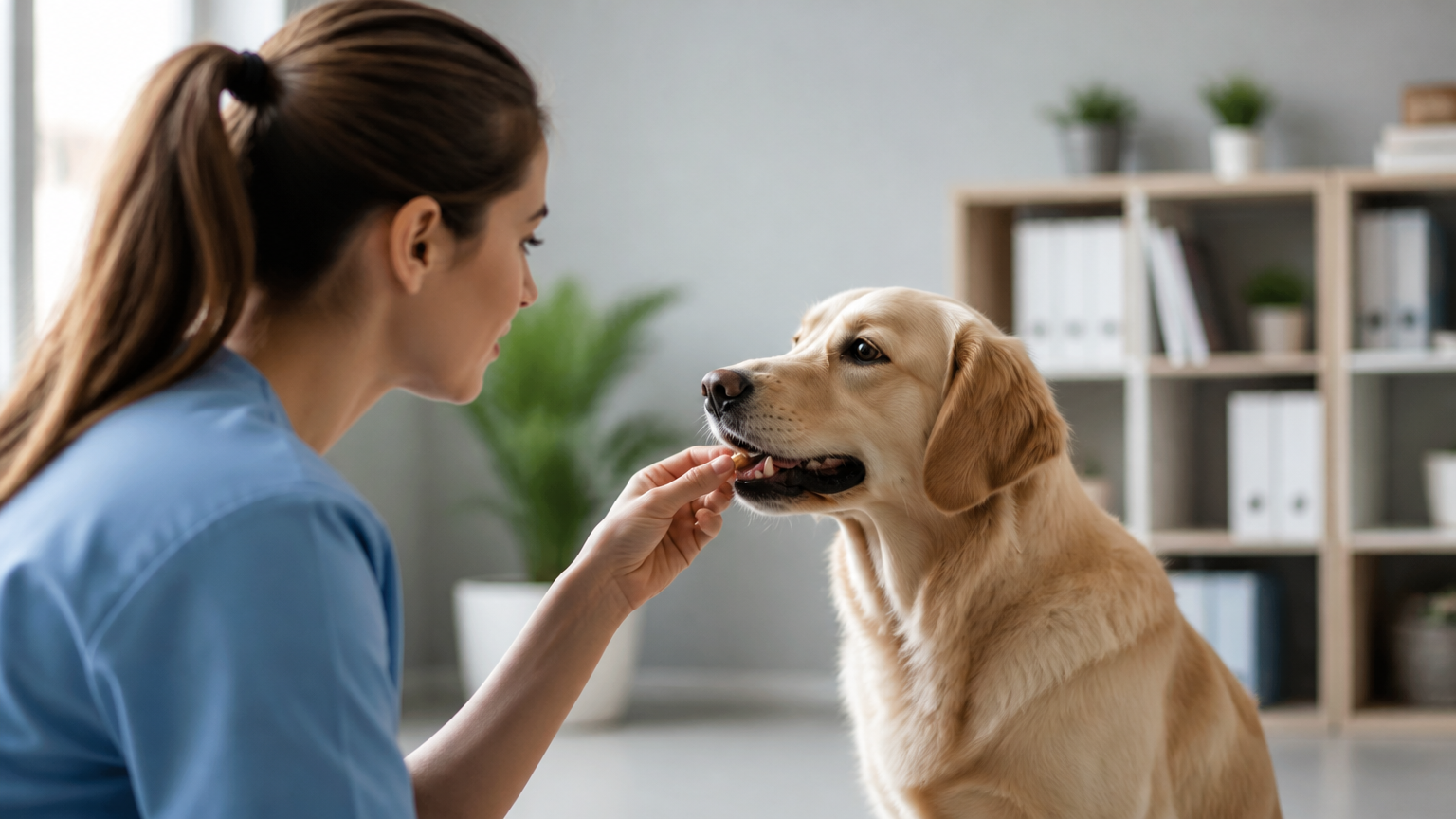
Supplements often provide a higher concentration of bacteria than what is found in standard kibble. Powders are great because you can mix them into wet food or a little bit of warm water to create a gravy. Chews are convenient for travel or as a quick daily treat.
Brands like Zesty Paws or Honest Paws offer targeted probiotic chews that dogs usually love. These are helpful if you do not want to change your dog's primary food but want to add a boost of gut support. One example is Zesty Paws Probiotic Bites Digestive Support Dog Soft Chews.
Natural Food Toppers
For a more "whole food" approach, you can use items from your own kitchen. However, you must be careful with portions and ingredients.
- Plain Greek Yogurt: Must be unsweetened and free of xylitol. Only use a small spoonful, as the lactose in dairy can actually cause diarrhea in some dogs.
- Kefir: A fermented milk drink that often contains more strains of bacteria than yogurt. Again, start with very small amounts.
- Goat Milk: Often easier for dogs to digest than cow milk. We carry brands like Primal that offer frozen raw goat milk specifically for pets.
- Green Tripe: This is the stomach lining of ruminants like cows. It is naturally rich in digestive enzymes and probiotics, though it has a very strong smell.
The Role of Prebiotics
You cannot talk about probiotics without mentioning prebiotics. If probiotics are the "good bugs," prebiotics are the "food" that helps them grow. Prebiotics are types of fiber that the dog cannot digest, but the bacteria in the gut love to eat.
Common prebiotics found in dog food include:
- Chicory root
- Inulin
- Beet pulp
- Pumpkin
- Dandelion greens
By feeding your dog a diet that includes both, you are creating a "synbiotic" effect. You are introducing the workers and providing them with a lunchbox at the same time. This makes the probiotic much more likely to survive and colonize the gut. For more supplement-selection guidance, read our pet supplement guide.
Bottom line: Probiotics introduce new beneficial bacteria, while prebiotics nourish the bacteria that are already there.
Probiotics for Senior Dogs
As dogs age, their digestive systems can become less efficient. Nutrient absorption may slow down, and they may become more prone to constipation or occasional diarrhea. Senior dogs also tend to have more sensitive immune systems.
Adding a daily probiotic can help a senior dog get more "miles" out of their food by assisting in the breakdown of proteins and fats. If your senior dog is on long-term medication for joint pain or other chronic issues, their gut may be under extra stress. A targeted supplement can help maintain that protective barrier in the intestines. You can also read our life-stage pet nutrition guide for additional context on supplements for senior dogs.
Managing Allergies and Skin Issues
It might seem strange to treat an itchy ear or a red belly by looking at the stomach, but the two are closely linked. About 70 percent of a dog's immune system resides in the gut. When the microbiome is out of whack, it can lead to "leaky gut," where the intestinal lining becomes too permeable.
This allows toxins and undigested food particles to enter the bloodstream, triggering an immune response that often shows up as skin allergies. While probiotics are not a "cure" for allergies, they can support a healthier immune response. Many owners find that their dogs have fewer "hot spots" and less itching when their gut health is prioritized. For related products, explore our dog allergy collection.
Transitioning to Probiotic Dog Food
If you decide to switch to a food that contains probiotics, or if you are adding a high-potency supplement, do it slowly. Introducing a large amount of new bacteria all at once can actually cause the very gas and bloating you are trying to fix.
Step 1: Start with a small amount. / If using a supplement, start with a quarter of the recommended dose for the first three days. Step 2: Watch the stool. / If your dog's poop remains firm, you can move to a half dose for the next few days. Step 3: Reach the full dose. / Over the course of about ten days, work up to the full recommended amount or complete transition to the new food.
If at any point your dog develops watery diarrhea or starts vomiting, stop the supplement and consult your vet. This might be a sign that the specific strain is not a good match for your dog or that there is a different underlying issue.
When to Use the BaxterBoo Pharmacy
Sometimes, a standard over-the-counter probiotic is not enough. If your dog has been diagnosed with a chronic condition like Inflammatory Bowel Disease (IBD) or severe food protein allergies, your vet might prescribe a specific medical diet.
Through our partnership with Pet's Choice, we offer a full-service pharmacy. We carry FDA-approved medications and prescription diets like Royal Canin Veterinary Diet or Farmina Vet Life. These foods are formulated with highly specific, hydrolyzed proteins and precise probiotic levels to manage serious health conditions. If your vet has provided a prescription, you can easily fulfill it through our pharmacy section to ensure your dog gets exactly what they need to manage their condition.
Storage and Safety Tips
Probiotics are living organisms. They are sensitive to heat, light, and moisture. If you buy a large bag of probiotic dog food, keep it in the original bag and seal it tightly. Storing it in a hot garage will likely kill the beneficial bacteria before your dog ever eats it.
For supplements, check the label to see if refrigeration is required. Many modern powders are shelf-stable, but they still need to be kept in a cool, dry cupboard. Always check the expiration date. Bacteria die off over time, so an expired bottle is likely just a bottle of expensive dust.
Vet Tip: If your dog accidentally gets into the container and eats too many probiotic chews, they may experience significant gas or diarrhea, but it is rarely a life-threatening emergency. Still, call your vet to be safe, especially if the product contains other vitamins or minerals.
Conclusion
Supporting your dog's gut health is one of the most proactive things you can do for their long-term wellness. By choosing the right probiotics for dog food, you are helping your pup digest their meals better, strengthening their immune system, and potentially reducing those middle-of-the-night tummy gurgles.
- Look for specific, studied strains like Lactobacillus or Bifidobacterium.
- Check the "Guaranteed Analysis" for live CFUs.
- Introduce new supplements slowly to avoid temporary gas.
- Consult your vet for chronic digestive issues or prescription needs.
If you are ready to start your dog on a gut-health journey, our selection of probiotics and digestive aids is a great place to begin. You can also explore our Autoship programme to ensure you never run out of your dog’s favorite probiotic food while saving on every order.
FAQ
Can I give my dog human probiotics?
While some human probiotics are safe, they are often formulated with strains that are not the most effective for a dog's specific digestive tract. Furthermore, some human supplements contain xylitol or other sweeteners that are toxic to dogs. It is always better to use a product specifically designed for canine biology.
How long does it take for probiotics to work?
For acute issues like a sudden upset stomach, you might see an improvement in stool quality within two to three days. For chronic issues like skin allergies or long-term immune support, it can take four to six weeks of consistent use to see a noticeable difference.
Does the heat of cooking kill the probiotics in dog food?
Yes, the high heat used in the extrusion process to make kibble kills most bacteria. This is why high-quality brands apply the probiotics as a coating after the kibble has cooled. Always look for brands that guarantee "live" or "active" cultures on the packaging to ensure the bacteria survived the process.
Can puppies have probiotics?
Yes, probiotics can be very beneficial for puppies as their immune systems and microbiomes are still developing. They are especially helpful during the weaning process or when a puppy is transitioning to a new home, as stress can easily disrupt a young dog's digestion. Always use a puppy-specific product or follow the weight-based dosing instructions carefully.




- Site & Contents BaxterBoo.com. BaxterBoo is located in the United States.
- Privacy & Security
- Terms of Use
- Accessibility Statement
