Save 15% on your 1st Autoship learn more

 Email us
 Live Chat
 FAQs
FAQs





Introduction
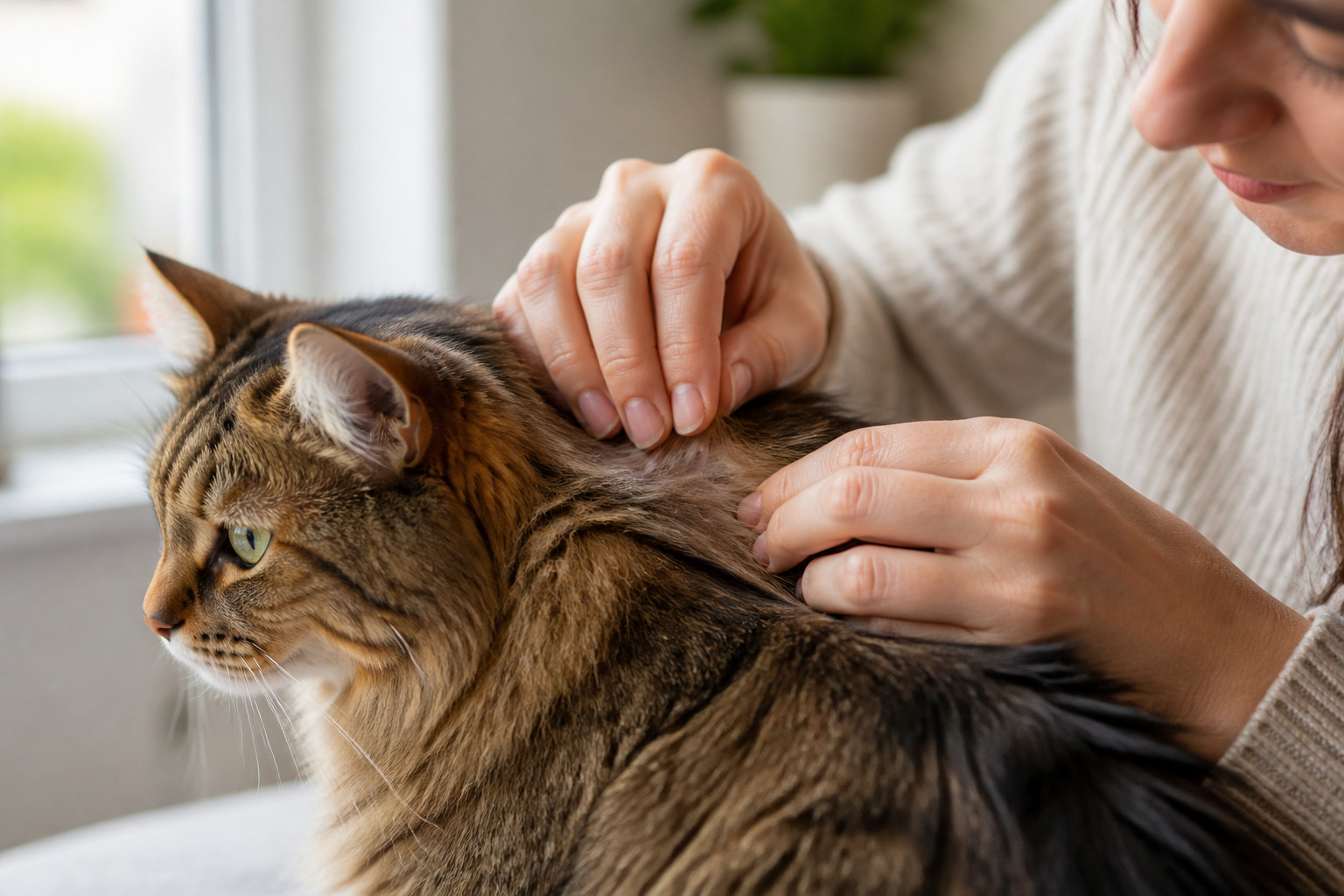
You are brushing your cat and notice a dusting of white flakes against their dark fur. Perhaps you see them scratching more than usual, or their coat feels coarse rather than silky. Feline dandruff is a common frustration for pet owners, and it often signals that the skin is crying out for moisture from within. While many topical treatments exist, addressing the root cause through nutrition is frequently the most effective long-term strategy. At BaxterBoo, we see many pet parents looking for ways to restore that healthy glow to their cat's coat. This article will explore how salmon oil targets the underlying causes of dry skin, the specific benefits of omega-3 fatty acids, and how to choose a high-quality supplement. We will also discuss safety precautions and when it is time to consult your veterinarian for a prescription solution.
Understanding Feline Dandruff
Cat dandruff occurs when the skin's natural renewal process happens too quickly or when the skin barrier becomes compromised. This leads to dead skin cells clumping together and shedding as visible white flakes. Unlike humans, cats do not usually get dandruff from a fungus. Instead, it is typically a result of environmental factors, grooming habits, or nutritional deficiencies.
Dry air during winter months can sap moisture from a cat's skin. Older cats or those with mobility issues may struggle to groom themselves properly, leading to a buildup of oils and dead skin. However, the most frequent internal cause is a lack of essential fatty acids. These fats are the building blocks of the skin barrier, acting like the mortar between bricks to keep moisture in and irritants out.
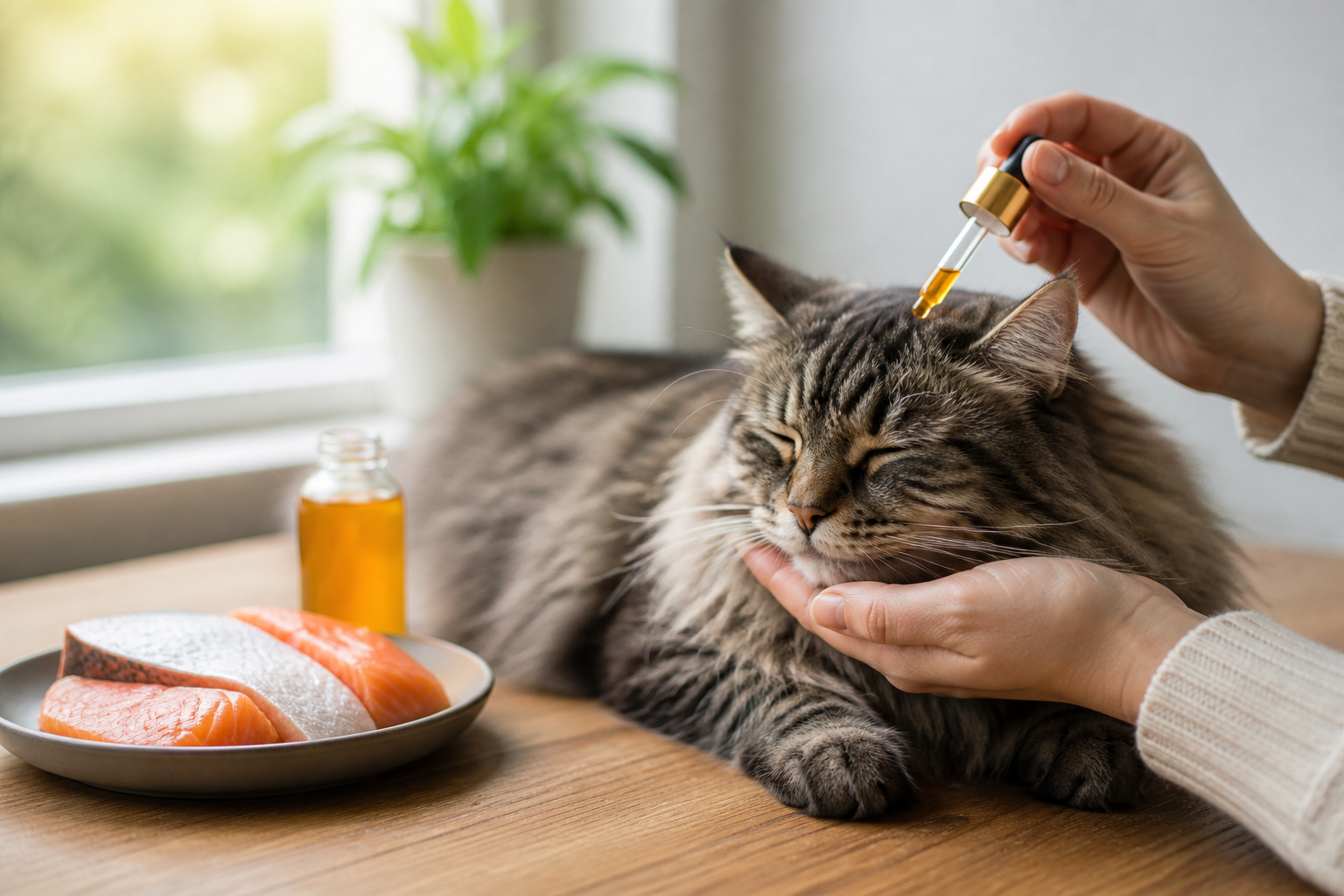
Quick Answer: Salmon oil treats cat dandruff by providing concentrated EPA and DHA omega-3 fatty acids. These nutrients strengthen the skin barrier, reduce inflammation, and encourage the production of natural oils that keep the coat hydrated and flake-free.
The Role of Omega-3 Fatty Acids
Not all fats are created equal when it comes to feline health. Cats require specific types of polyunsaturated fats known as omega-3 and omega-6 fatty acids. Most commercial cat foods provide plenty of omega-6s, which are important but can be pro-inflammatory if not balanced. Omega-3s, particularly eicosapentaenoic acid (EPA) and docosahexaenoic acid (DHA), are the heavy hitters for skin health.
Cats are biologically unique because they are poor at converting plant-based omega-3s, like those found in flaxseed, into the usable forms of EPA and DHA. This makes animal-derived sources like salmon oil essential. When a cat consumes salmon oil, these fatty acids are integrated into the cell membranes of the skin. This process helps reduce the production of inflammatory chemicals that cause itching and redness.
The result of a balanced omega ratio is skin that remains supple and elastic. When the skin is healthy, it produces the right amount of sebum. This natural oil coats each hair shaft, giving the fur that signature sheen and preventing the dryness that leads to flaking.
Why Salmon Oil is a Top Choice
While many fish oils are available, salmon oil is often preferred for cats because of its palatability and nutrient profile. It tends to have a milder scent and flavor than cod liver oil or sardine oil, which is a major benefit for notoriously finicky eaters. You can explore our cat skin and coat care collection for supplements and other supportive products.
Bioavailability
Salmon oil provides EPA and DHA in a form that is immediately ready for the cat's body to use. Because cats are obligate carnivores, their digestive systems are fine-tuned to process animal fats with high efficiency. This means you can often see results using smaller doses than you would with other supplement types.
Nutrient Density
Salmon oil is naturally rich in antioxidants like astaxanthin, which gives the oil its deep orange color. These antioxidants help protect the delicate fatty acids from oxidizing and becoming rancid. They also provide extra support for the cat's immune system.
Key Takeaway: Salmon oil is superior to plant-based oils for cats because it provides direct, bioavailable EPA and DHA that feline bodies can use immediately to repair the skin barrier.
Beyond Dandruff: Total Body Benefits
Adding salmon oil to your cat's diet does more than just clear up flakes. The same anti-inflammatory properties that help the skin also support other vital systems. As cats age, these benefits become even more significant for their overall quality of life.
- Joint Mobility: The EPA in salmon oil helps block enzymes that break down cartilage, making it a valuable tool for senior cats with stiff joints.
- Heart Health: Omega-3s support healthy heart rhythms and can help lower triglycerides in the blood.
- Kidney Function: Research indicates that fish oils can help support cats with chronic kidney disease by improving blood flow to the kidneys and reducing protein loss in urine.
- Cognitive Support: DHA is a primary structural component of the brain, helping kittens with development and keeping senior cats sharp.
If your cat is managing a chronic condition like kidney disease or severe inflammatory skin allergies, a standard supplement might not be enough. Our pet pharmacy offers prescription-strength options and specialized diets, such as Farmina Vet Life or Royal Canin Veterinary Diet, through our partnership with Pet's Choice. These products are formulated to provide therapeutic levels of nutrients under a veterinarian's supervision.
Vet Tip: If your cat’s dandruff is accompanied by bald patches, intense itching, or a foul odor, consult your veterinarian. These can be signs of a skin infection or parasites that require medical treatment rather than just a dietary supplement.
Quality Markers to Look For
Not all bottles of fish oil are created equal. Because oils are highly susceptible to heat, light, and air, the way the product is manufactured and packaged matters. At BaxterBoo, we prioritize brands that adhere to strict purity standards to ensure your cat gets the most benefit without harmful contaminants.
Purity and Testing
Fish can accumulate heavy metals like mercury or toxins like PCBs from the ocean. Look for products that are molecularly distilled or third-party tested for purity. A high-quality oil will often feature the National Animal Supplement Council (NASC) seal on the label, which indicates the manufacturer has passed rigorous quality audits.
Sourcing
Wild-caught salmon, particularly from cold Alaskan waters, generally has a more robust nutrient profile than farmed salmon. Farmed fish may be treated with antibiotics or fed a diet that alters the natural fatty acid balance of their oil. Transparency about where the fish was caught is a hallmark of a trustworthy brand.
Freshness and Packaging
Oils that have gone rancid are not only unappealing to cats but can actually cause oxidative stress in the body. Look for salmon oil packaged in dark, airtight bottles to protect it from light. Many high-quality brands, like Wholistic Pet Organics or Nutramax, add Vitamin E (tocopherols) to the oil. This acts as a natural preservative to keep the fats stable.
Bottom line: Choose an NASC-certified, wild-caught salmon oil packaged in a dark bottle to ensure your cat receives a pure, fresh, and effective supplement.
How to Introduce Salmon Oil to Your Cat
Introducing a new supplement should be a slow process. While most cats enjoy the taste of salmon oil, their digestive systems can be sensitive to sudden increases in fat. A gradual introduction helps prevent loose stools and ensures your cat accepts the new flavor.
Step 1: Start with a micro-dose. / Use just a few drops or a quarter of the recommended pump on your cat's usual food for the first three days.
Step 2: Monitor for digestive changes. / Watch for any signs of diarrhea or vomiting. If your cat’s stomach seems fine, you can proceed.
Step 3: Gradually increase the amount. / Over the course of two weeks, slowly work up to the full dose recommended by your veterinarian or the product label.
Step 4: Maintain consistency. / Skin cells take time to regenerate, so you need to give the oil daily to see lasting changes in the coat.
Most owners begin to see a reduction in dandruff and a noticeable shine in the coat after four to six weeks of consistent use. If your cat is a particularly picky eater, try mixing the oil into a small amount of wet food or a lickable treat to make it more enticing. For a specific option, consider the Brilliant Salmon Oil Supplement for Dogs and Cats.
Potential Side Effects and Safety
While salmon oil is generally very safe, it is possible to have too much of a good thing. Because it is a fat, it is calorie-dense. If you are adding a significant amount of oil to your cat's diet, you may need to slightly reduce their kibble or wet food portions to prevent unwanted weight gain.
High doses of fish oil can also interfere with blood clotting. This is usually only a concern for cats undergoing surgery or those on specific medications like blood thinners. Additionally, excessive amounts can lead to "fishy" breath or a greasy feel to the fur.
Vet Tip: Always discuss new supplements with your veterinarian, especially if your cat is on medication or has a history of pancreatitis. They can help you determine the exact dosage of EPA and DHA based on your cat’s specific weight and health status.
Signs Your Cat Needs a Prescription Diet
Sometimes, dandruff is just the tip of the iceberg. If your cat has persistent skin flakes along with chronic ear infections, red paws, or digestive upset, they may be suffering from food sensitivities or environmental allergies. In these cases, over-the-counter salmon oil might provide some relief, but it won't solve the underlying problem.
Our pharmacy provides access to FDA-approved medications and prescription diets designed for cats with severe dermatological needs. These diets often use hydrolyzed proteins or unique ingredient profiles to calm the immune system. Working with your vet to obtain a prescription through our Pet's Choice partnership ensures you are getting the right tool for your cat's specific medical condition. For additional context on dietary concerns and hairballs, read our guide to sensitive-stomach food choices for cats.
Summary of Best Practices
Managing cat dandruff requires a holistic approach that starts with what goes into the bowl. Salmon oil is a powerful, natural tool that addresses skin dryness by nourishing the body with essential fatty acids. By choosing a high-quality, pure product and introducing it slowly, you can transform a dull, flaky coat into one that is soft and vibrant.
- Look for wild-caught salmon oil with an NASC seal for the best purity.
- Introduce the oil gradually over 10 to 14 days to avoid stomach upset.
- Wait at least four to six weeks to judge the full results on skin and coat health.
- Consult your vet if dandruff is accompanied by scabs, redness, or hair loss.
We are committed to helping you find the right wellness solutions for your feline companions. Whether you need a daily supplement from our skin and coat supplements or a specialized diet from our pharmacy, we have the expertise to guide you. Keeping your cat flake-free is not just about looks: it is about ensuring their largest organ, the skin, is healthy and resilient.
Bottom line: Consistent supplementation with high-quality salmon oil is a proven way to reduce cat dandruff and support long-term feline wellness.
FAQ
How long does it take for salmon oil to help with cat dandruff?
You should expect to see an improvement in your cat's skin and coat within four to six weeks of consistent daily use. This timeline is based on the biological cycle of skin cell regeneration, as the body needs time to integrate the new fatty acids into the skin barrier.
Can I give my cat salmon oil every day?
Yes, salmon oil is designed to be a daily supplement that provides essential fatty acids your cat cannot produce on their own. However, you should follow the dosing instructions on the bottle or from your veterinarian to ensure you are not over-feeding fats, which could lead to weight gain. For recurring supplement purchases, our Autoship programme can help simplify delivery.
Will salmon oil make my cat's breath smell like fish?
At the correct dosage, most high-quality salmon oils do not cause significant changes in breath odor. If you notice a very strong fishy smell, you may be giving too much, or the oil itself might have gone rancid and should be replaced.
Can salmon oil help with hairballs in cats?
Yes, salmon oil can indirectly reduce hairballs by improving the health of the skin and coat. When the coat is healthy, there is less shedding and brittleness, meaning your cat ingests less loose fur during their normal grooming routine. For more information about hairballs and feline digestion, explore this guide to sensitive stomachs and hairballs.