
 Save 15% on your 1st Autoship learn more

 Email us
 Live Chat
 FAQs
FAQs





Introduction
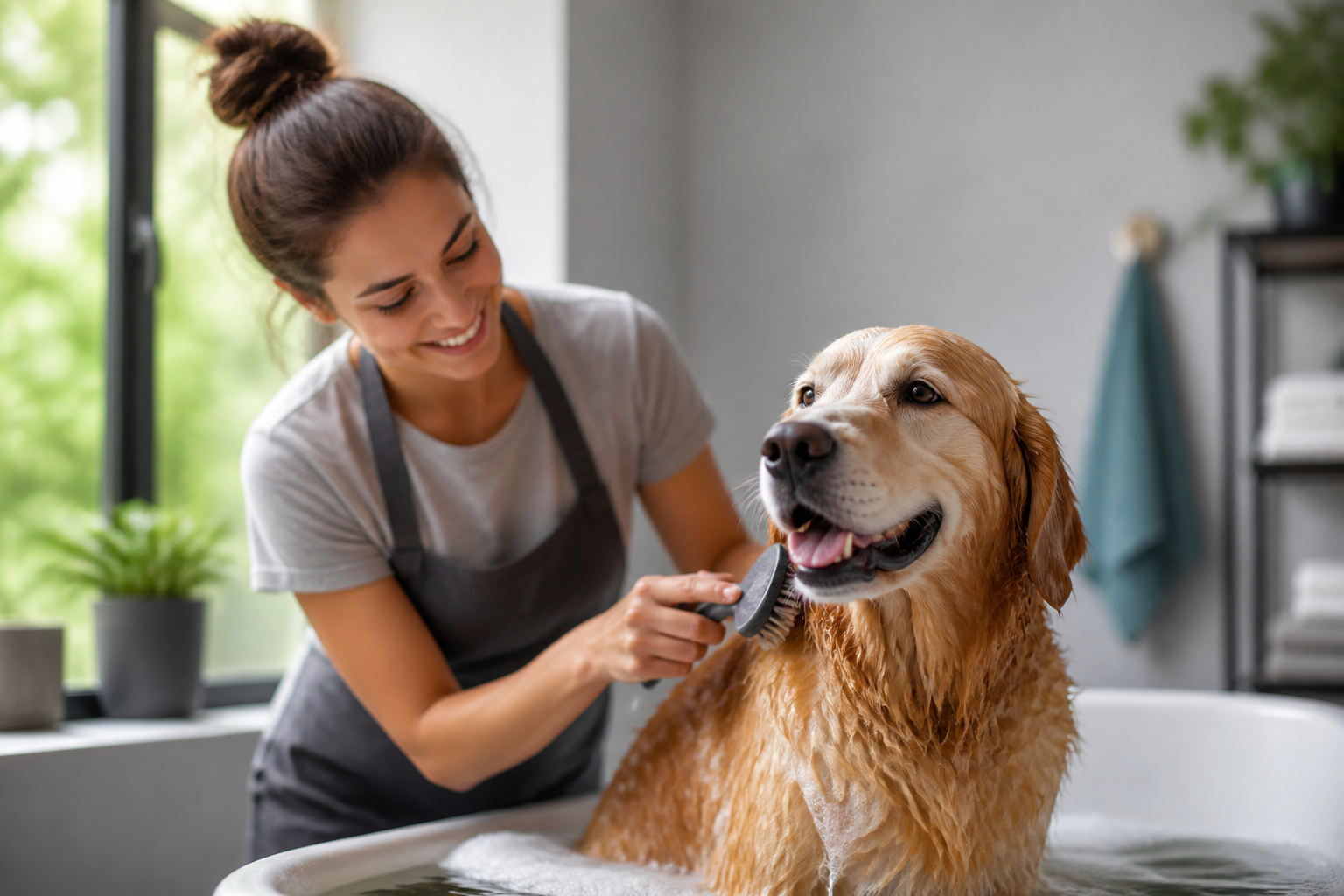
You are standing in the bathroom with a bucket of shampoo and a dog who knows exactly what is about to happen. Your pup might be wagging their tail or looking for an exit, but your goal is clear. You want a clean, fluffy pet without the stress of tangled fur. One question usually stops pet owners in their tracks: should you brush that coat before the water starts running or wait until the bath is over? At BaxterBoo, we know that grooming is about more than just a good smell. It is a vital part of your dog's physical health and comfort. This post covers why the order of your grooming routine matters for different coat types and how to avoid common mistakes. The best approach involves a two step process that prioritizes detangling before the coat ever gets wet.
Quick Answer: You should always brush your dog before a bath to remove loose fur and tangles that water can tighten into permanent mats. Once your dog is fully dry after the bath, a second brushing session helps separate the hair and gives the coat a polished, fluffy finish.
Why Brushing Before the Bath is Non Negotiable
Most professional groomers agree that the pre-bath brush is the most important step in the entire process. If you put a tangled dog into a bathtub, you are likely setting yourself up for a difficult afternoon. Water acts like a physical binder for loose fur and debris. When hair gets wet, the strands expand and then contract as they dry. If those strands are already knotted, the drying process can shrink those knots into tight, solid mats that are nearly impossible to remove without clippers.
Brushing a dry coat allows you to find small tangles before they become big problems. It also clears away the top layer of shed hair. This is particularly helpful for double coated breeds like Golden Retrievers or Huskies. If you skip this, that loose undercoat will clump together in the water. It creates a thick, soggy mess that makes it hard for shampoo to actually reach the skin. By removing the "dead" hair first, you ensure the shampoo can do its job.
Key Takeaway: Brushing before the bath prevents mats from "setting" and allows cleaning products to reach the skin where dirt and oils live.
The Science of Wet Hair and Matting
To understand why water makes tangles worse, we have to look at how dog hair behaves. Each strand of hair has an outer layer called the cuticle. In a healthy, clean coat, these cuticles lie flat. When hair is dirty or damaged, the cuticles can become raised and jagged. When you add water and start scrubbing, these jagged cuticles hook onto each other like Velcro.
If there is already a knot present, the mechanical action of washing causes more hairs to wrap around that knot. This is often called "cementing." Once the dog comes out of the tub and begins to dry, the hair fibers tighten. A small tangle that might have taken ten seconds to brush out before the bath can turn into a painful mat that requires professional intervention.
Vet Tip: If you discover mats that are tight against the skin during your pre-bath brush, do not try to cut them out with scissors. Skin can easily get pulled into a mat, leading to accidental cuts. Consult a professional groomer or your veterinarian if the matting is severe.
The Post Bath Brush: Finishing the Job
While the pre-bath brush handles the heavy lifting, the post-bath brush is about the finish. You should never brush a soaking wet dog unless you are using a specialized tool and a leave-in conditioner. Wet hair is more elastic than dry hair. This means it can stretch and snap easily. Pulling a brush through wet fur can cause breakage and split ends, which actually leads to more tangles in the future.
Wait until your dog is at least 90 percent dry. If you use a high velocity dryer, you might see loose undercoat blowing out as you go. This is the perfect time to use a slicker brush to catch that hair. The final brush-through helps to:
- Separate the hair shafts for a fluffier look.
- Remove any hair that was loosened during the scrubbing process.
- Distribute natural oils that were stirred up by the warm water.
- Confirm that no new tangles were created during the drying process.
Bottom line: Use the post-bath brush as a finishing touch once the coat is dry to ensure your dog looks and feels their best.
Step-by-Step Bath Day Routine
A successful grooming session requires a plan. Following a consistent order helps your dog stay calm and ensures you do not miss any hidden spots like the armpits or behind the ears.
- Step 1: The Pre-Bath Detangle. Use a slicker brush or a wide tooth comb to go over the entire body. Pay close attention to high friction areas like the collar line and the base of the tail.
- Step 2: The Comb Test. Run a metal comb through the coat. If it catches, you still have work to do. The bath should only start when the comb can pass through freely.
- Step 3: The Gentle Wash. Use lukewarm water and a dog-specific shampoo. Avoid circular scrubbing motions that twist the hair. Instead, massage the shampoo in the direction of hair growth.
- Step 4: The Rinse and Dry. Rinse until the water runs clear and no bubbles remain. Squeeze excess water out with a towel rather than rubbing vigorously.
- Step 5: The Final Fluff. Once the hair is dry, do a quick pass with your brush to smooth everything out.
For brushes, combs, shampoos, and other supplies, explore our dog grooming collection.
Choosing the Right Tools for the Job
Not all brushes are created equal. The tool you choose depends entirely on your dog's specific coat type. Using the wrong brush can be ineffective or even painful for your pet.
Slicker Brushes
These have fine, short wires closely spaced together. They are the workhorse of the grooming world. We recommend a slicker brush for almost all medium to long-haired dogs. They are excellent for removing loose undercoat and breaking up small surface tangles before a bath.
Undercoat Rakes
If you have a thick-coated breed like a German Shepherd or a Newfoundlander, a rake is essential. These tools reach deep into the heavy undercoat to pull out dead hair without damaging the topcoat. Using this before a bath will significantly reduce the amount of hair you find in your bathtub drain.
Bristle Brushes
For short-haired dogs like Boxers or Beagles, a bristle brush is usually enough. It helps remove surface dirt and loose hair. Even though these dogs rarely mat, a pre-bath brush is still useful for reducing shedding in the house.
Metal Combs
A stainless steel comb is your best diagnostic tool. It is the only way to be 100 percent sure that a coat is free of mats. We often suggest using a comb after the slicker brush to check the deep layers of the fur near the skin.
You can compare slicker brushes, combs, rakes, and other options in our dog brushes and combs category.
When Skin Issues Change the Routine
Sometimes, the state of your dog's skin dictates how you handle bath day. If your dog has been scratching more than usual or has red, inflamed patches, the traditional brush-wash-brush routine might need adjustment. Excessive brushing on irritated skin can cause further discomfort.
If you notice skin abnormalities during your pre-bath check, it might be time to look into specialized care. Our pharmacy at BaxterBoo offers a variety of FDA-approved medications and prescription shampoos through our partnership with Pet's Choice. These products are designed to handle everything from fungal infections to chronic allergies.
Vet Tip: If your dog’s skin is crusty, oozing, or has a strong odor, skip the home bath and head to the vet. Bathing certain skin conditions with standard shampoo can sometimes make the irritation worse or mask a more serious underlying issue.
For medication-related needs, browse our pet pharmacy. For general bathing guidance, you can also read our tips for bathing your dog.
Specific Guidance by Coat Type
Every dog is an individual, but coat categories provide a good roadmap for your grooming schedule.
Long and Silky Vests
Breeds like Yorkies or Malteses have hair that is very similar to human hair. It tangles easily and needs a thorough pre-bath brush. Because their hair is fine, using a light detangling spray during the pre-bath step can prevent breakage.
Curly and Wavy Vests
Poodles and Doodles are the most high-maintenance when it comes to bathing. Their curls trap shed hair, which leads to quick matting. You must be extremely diligent about the "Brush Before" rule with these breeds. If a Doodle gets wet while matted, the only solution is often a very short shave.
For additional guidance, read how to groom a dog with curly hair.
Double Coated Vests
These dogs have a soft, insulating undercoat and a tougher outer coat. The goal here is "de-shedding." Use a rake to clear out the undercoat before the bath. During the bath, a rubber curry brush can help loosen even more hair while you shampoo.
Short and Smooth Vests
These are the easiest to manage. A quick brush with a rubber mitt or bristle brush before the bath will remove most of the loose hair. You can even brush them while the shampoo is on to help massage the skin.
Common Bathing Mistakes to Avoid
Even with the best intentions, it is easy to fall into bad habits. Avoiding these common errors will make the process faster and keep your dog's coat in better condition.
- Using Human Shampoo: Human skin has a different pH level than dog skin. Using our shampoo can strip their natural protective barrier, leading to dry, itchy skin and a dull coat.
- Forgetting the Ears: Water in the ear canal is a leading cause of ear infections. Always be careful when washing the head. You can use cotton balls to gently block the ear canals during the bath.
- Incomplete Rinsing: Shampoo residue is a major cause of post-bath itching. If your dog’s coat feels "tacky" or sticky once dry, you probably didn't rinse enough.
- Scrubbing in Circles: This is the fastest way to create mats. Always use long, sweeping strokes that follow the direction the hair grows.
Key Takeaway: A successful bath is 50 percent preparation, 25 percent washing, and 25 percent drying and finishing.
For more ideas about sensitive skin and dog shampoo, read this guide to sensitive skin dog shampoos.
Managing Your Dog's Stress During Grooming
Not every dog loves the tub. If your pet is anxious, the brushing process can become a struggle. We recommend keeping sessions short and positive. If your dog has a lot of tangles, do not feel like you have to finish the entire pre-bath brush in one sitting. You can brush the front half in the morning and the back half in the afternoon.
High-value treats can make a huge difference. You can even use a silicone lick mat with a bit of peanut butter (ensure it is xylitol-free) stuck to the wall of the tub to keep them occupied while you work. If your dog is consistently terrified of the water, consult a trainer or your vet to discuss calming strategies. For pets with significant anxiety, our pharmacy carries various calming supports that may help make grooming day more manageable.
The Role of Professional Groomers
While home grooming is great for maintenance, some jobs are best left to the pros. If your dog is severely matted, has a difficult temperament, or requires a specific breed-standard haircut, a professional groomer is a wise investment. They have high-velocity dryers that can blow out undercoat more effectively than any home hair dryer. They also have the experience to handle sharp tools around wiggly pets safely.
However, even if you use a pro, your home routine still matters. Brushing your dog regularly between professional appointments prevents the need for "shave-downs." It also keeps your dog used to being handled, which makes the professional's job much easier.
Maintaining the Results
Once the bath is over and the final brush is complete, the work isn't quite done. Maintaining a clean coat means regular brushing every few days, depending on your dog's hair length. This prevents the "cycle of mats" where the dog stays clean for a week but ends up tangled by the time the next bath rolls around.
We also suggest checking your dog’s paws and nails every time you brush. Long nails can change the way a dog walks and lead to joint pain over time. If you can hear their nails clicking on the floor, it is time for a trim. Keeping up with these small tasks makes the big bath days much less of an ordeal for everyone involved.
Summary of the Best Routine
To get the best results, stick to this order every time you bathe your dog. Start with a dry coat and a good quality slicker brush. Remove all tangles and use a metal comb to check your work. Wash with a high-quality dog shampoo and rinse thoroughly. Dry the coat completely, then finish with one last brushing session to fluff the fur and remove any remaining loose strands.
By following this professional-tested method, you protect your dog's skin, prevent painful mats, and keep your home a little bit cleaner. It might take a few extra minutes at the start, but it saves hours of frustration later.
Our team at BaxterBoo is here to help you find the right supplies for your specific breed. Whether you are looking for a new de-shedding tool or need to restock your favorite shampoo, we have the expert-curated selection you need. If your grooming routine reveals skin issues that need medical attention, remember that our pharmacy is a convenient resource for FDA-approved treatments.
You can also save time and money by using our Autoship program for your regular grooming supplies. It ensures you never run out of shampoo or ear cleaner, and you'll earn MVP Rewards on every purchase. A clean, happy dog starts with the right routine and the right tools.
FAQ
Is it okay to brush a dog while they are soaking wet?
Generally, you should avoid brushing a soaking wet dog because wet hair is weak and prone to snapping. The exception is if you have applied a high-quality conditioner and are using a specialized wet-brush or a wide-tooth comb to work through a specific tangle. For most coats, it is much safer to wait until the hair is dry to perform the final brush.
What happens if I wash my dog without brushing them first?
If you skip the pre-bath brush, any existing tangles or loose undercoat will likely clump together and tighten as the hair dries. This can lead to severe matting that is painful for the dog and may require the coat to be shaved off. Additionally, the shampoo will have a harder time reaching the skin through the trapped layer of shed hair.
How do I get a brush through a dog that hates being groomed?
The best approach is to go slow and use plenty of positive reinforcement. Try brushing for just two minutes at a time and follow up with a favorite treat. You can also use a grooming glove for sensitive dogs, as it feels more like petting than brushing. Consistency is key, so try to do a very short session every single day to build their comfort level.
Does my short-haired dog really need to be brushed before a bath?
Yes, even short-haired dogs benefit from a pre-bath brush. While they do not get mats, they do have a lot of loose, "dead" hair sitting in their coat. Brushing before the bath removes this hair so it doesn't end up clogging your drain or clumping on the dog’s skin during the wash. It also helps stimulate the skin's natural oils before you apply shampoo.






