
 Save 15% on your 1st Autoship learn more

 Email us
 Live Chat
 FAQs
FAQs





Introduction
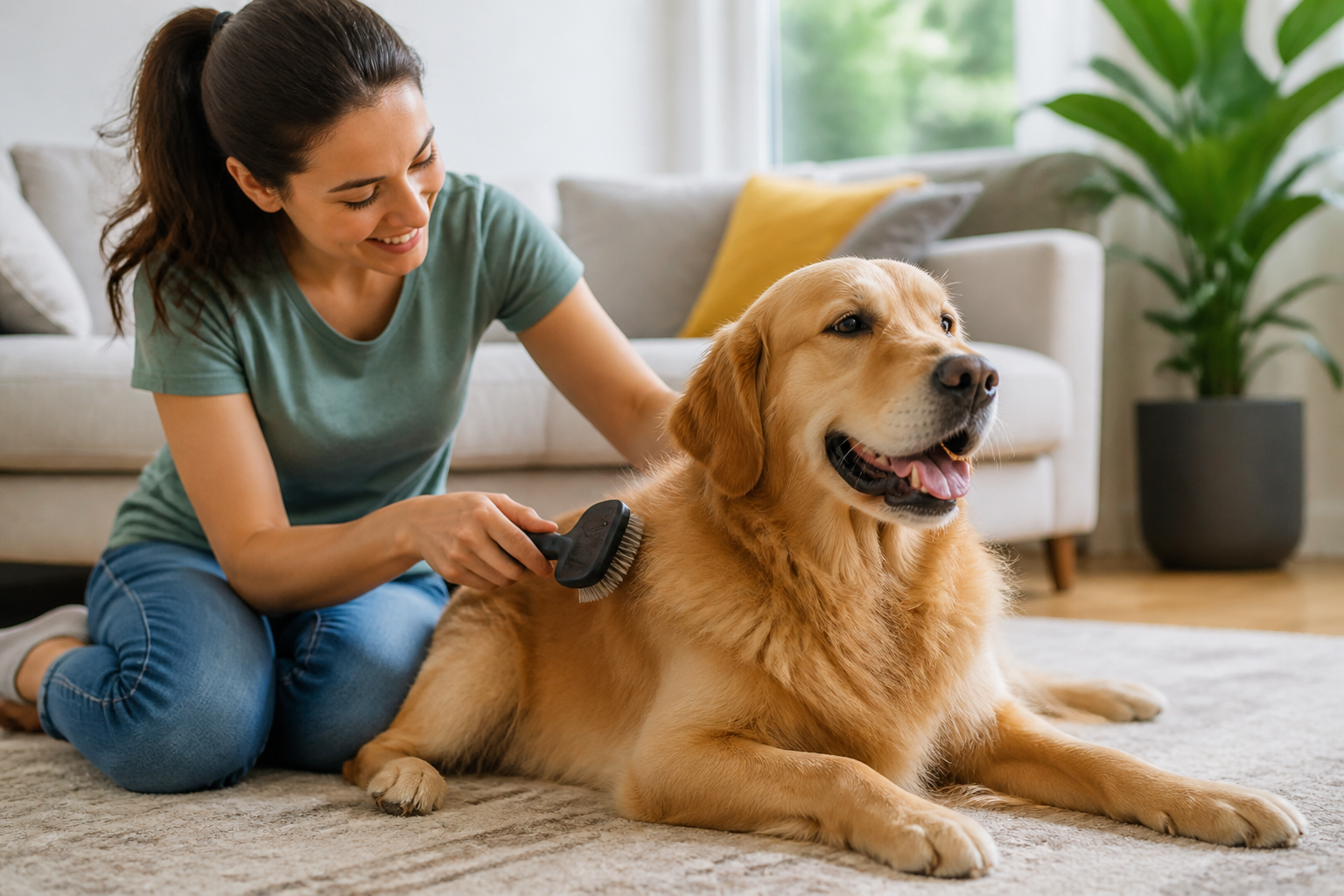
You are sitting on the rug after a long day of work when your dog nudges your hand for attention. As you pet them, you notice a small tangle forming behind their ear or a fine layer of loose fur drifting onto your clothes. It is a common moment for many pet owners. You wonder if a quick weekly session is enough or if you should be reaching for the brush every single evening. At BaxterBoo, we know that grooming is about more than just looking good for the neighborhood walk. It is a fundamental part of physical health and emotional bonding. This guide covers why frequency matters, how to handle different coat types, and the tools you need to succeed. Brushing your dog regularly is one of the simplest ways to keep them comfortable and catch health issues before they become serious.
The Reality of Daily Brushing
The short answer to whether you should brush your dog every day depends largely on their breed and lifestyle. However, for most dogs, a daily session offers benefits that a weekly one simply cannot match. When you brush every day, you are not just removing hair. You are performing a mini health exam.
Daily brushing keeps the coat free of debris, burrs, and dust that can irritate the skin. It also helps distribute natural skin oils. These oils act as a built-in conditioner that keeps the fur shiny and the skin hydrated. If you skip too many days, those oils can sit at the base of the hair, potentially leading to a greasy feel or even clogged pores.
Quick Answer: While some short-haired breeds only require brushing once or twice a week, many dogs benefit from daily sessions to prevent mats, reduce shedding, and distribute natural oils. Long-haired, curly, and double-coated breeds often require daily attention to stay comfortable.
Regular sessions also mean less time spent on each individual session. A five-minute daily brush is much easier for a dog to tolerate than a grueling forty-minute session once a week to hack through tangles. It turns a potential chore into a relaxing ritual for both of you.
Understanding Different Coat Types
Not all fur is created equal. The "everyday" rule is a gold standard, but the specific needs of your dog vary by the type of coat they carry. Using the wrong approach for a specific coat can lead to skin irritation or ineffective grooming.
Smooth Coats
Dogs like Boxers, Pointers, and Dalmatians have very short hair that lies close to the skin. These dogs are the lowest maintenance in terms of tangles. You generally do not need to brush a smooth-coated dog every single day. Once or twice a week is usually sufficient to remove dead hair and skin cells.
Short Coats
Beagles and Labrador Retrievers have hair that is slightly longer and denser than smooth-coated breeds. They often have a surprising amount of undercoat that sheds year-round. Brushing them twice a week helps manage the volume of hair in your home. A rubber curry brush is excellent here as it massages the skin while pulling away loose fur.
Double Coats
German Shepherds, Huskies, and Samoyeds have a soft, insulating undercoat protected by a tougher outer coat. These dogs are heavy shedders. During the spring and fall, they "blow" their coats, meaning the undercoat comes out in clumps. For these breeds, daily brushing is highly recommended to prevent the undercoat from matting against the skin. For additional shedding guidance, read our guide to managing seasonal dog shedding.
Curly and Wool Coats
Poodles, Bichon Frises, and Portuguese Water Dogs have hair that grows continuously. Because they do not shed in the traditional sense, the loose hairs get trapped in the curls. This leads to painful mats very quickly. If you have a curly-coated dog, daily brushing is almost always a necessity to keep them out of the grooming salon for a "shave down." Our guide on grooming curly-haired dogs offers additional coat-care ideas.
Drop Coats
Yorkshire Terriers and Maltese dogs have long, silky hair that hangs down. This hair is very similar to human hair and tangles with the slightest movement. Even a quick walk in a harness can cause "friction mats" under the legs. Daily brushing is the only way to maintain the length and beauty of a drop coat.
Key Takeaway: Match your frequency to the coat type. Smooth coats can wait a few days, but curly, silky, and double coats usually require daily attention to prevent painful skin pulling and matting.
Health Benefits Beyond Aesthetics
Brushing is a primary tool for preventative medicine. When you run a brush over your dog, you are feeling for anything that was not there yesterday. This is how many owners discover early-stage tumors, cysts, or localized swelling.
Skin health is also directly tied to grooming. Mats and tangles are not just an eyesore. They pull on the skin every time the dog moves. In severe cases, mats can restrict blood flow to the skin or trap moisture, leading to "hot spots" or fungal infections. By brushing daily, you ensure the skin can breathe.
Vet Tip: Use your daily brushing time to check for parasites. Look for flea dirt, which looks like small black pepper flakes, or ticks that may have latched on during a walk. If you find signs of pests or unusual skin irritation, consult your veterinarian for a proper diagnosis and treatment plan.
Our pharmacy at BaxterBoo offers a wide range of FDA-approved flea and tick preventives through our partnership with Pet's Choice. Many of these options require a prescription from your vet. Catching a flea or tick early during a brushing session allows you to start treatment before an infestation takes hold in your home. You can also browse the flea and tick collection for additional grooming and prevention supplies.
Choosing the Right Tools
Using the wrong brush is a common mistake that can make your dog dislike grooming. If a brush is too scratchy or does not reach the undercoat, the job remains unfinished. Our dog grooming collection includes brushes, combs, shampoos, and other coat-care supplies.
- Slicker Brushes: These have fine, wire bristles. They are the workhorse of the grooming world. They are great for removing mats and loose hair from double, curly, and long coats.
- Pin Brushes: These look like human hairbrushes but with wider gaps between the pins. They are best for finishing long coats or for dogs with very sensitive skin.
- Bristle Brushes: These are ideal for smooth and short-haired dogs. They remove surface dust and distribute oils without irritating the skin.
- Undercoat Rakes: These have long, blunt teeth designed to reach through the topcoat and pull out the dead undercoat. These are essential for Huskies and Shepherds.
- Rubber Curry Brushes: These are perfect for short-haired breeds and for use during bath time. They stimulate the skin and are very gentle.
For a slicker brush, comb, or dematting tool, explore our selection of Master Grooming Tools products.
Step-by-Step Daily Brushing Routine
To make daily brushing a success, you need a consistent method. This helps your dog know what to expect and ensures you do not miss any hidden spots.
Step 1: Set the environment. / Choose a time when your dog is naturally relaxed, perhaps after a long walk or a meal. Have your tools and some small treats ready.
Step 2: Perform a quick touch check. / Run your hands over your dog's entire body. Feel for new lumps, bumps, or particularly thick tangles that might need extra care.
Step 3: Start with the sensitive areas. / Gently brush the areas that mat easily, such as behind the ears, the armpits, and the "feathers" on the back of the legs. Using a detangling spray can make this much more comfortable for the dog.
Step 4: Move to the main body. / Brush in the direction of hair growth using long, steady strokes. If you are working on a double-coated dog, use a "line brushing" technique where you pull the hair up and brush from the skin outward in layers.
Step 5: Reward and finish. / Give your dog praise and a high-value treat once you are done. This builds a positive association with the brush.
Bottom line: A consistent, five-minute routine is more effective and less stressful than an occasional, intensive grooming session.
For more bath-and-brush guidance, see these tips for brushing or combing your dog after a bath.
Managing Shedding and Allergies
If you find yourself vacuuming every single day, daily brushing is your best defense. Most of the hair that ends up on your furniture is "dead" hair that has already detached from the follicle but is just sitting in the coat. Brushing captures this hair in the bristles so you can toss it in the trash instead of finding it on your rug.
For families with mild pet allergies, daily brushing can be a life-saver. Most allergies are triggered by dander, which consists of microscopic skin cells and dried saliva. Regular brushing removes the dander and prevents it from becoming airborne. If you brush your dog outside, you can keep even more of those allergens out of your living space.
We carry several supplements that support skin and coat health. Ingredients like Omega-3 fatty acids from fish oil can strengthen the hair shaft and reduce excessive shedding caused by dry skin. When the skin is healthy from the inside out, the coat is easier to manage on the outside.
Training Your Dog to Love the Brush
Not every dog is born loving the sensation of a brush. If your dog hides when they see the grooming kit, you may need to go back to basics. This is especially true for puppies or rescue dogs with unknown histories.
Start by just leaving the brush on the floor near their food bowl. Let them sniff it and realize it is not a threat. Next, touch them with the back of the brush while giving them a treat. Gradually move to a single, gentle stroke with the bristles.
It is important never to force a dog through a painful grooming session. If you encounter a mat that is too tight to brush out, do not yank on it. This can cause "brush burn" or skin tears. In these cases, it is better to use a specialized mat-splitting tool or consult a professional groomer. You can also review these tips for handling mats and tangles.
The Role of Professional Grooming
Daily brushing does not replace the need for professional grooming, but it makes the professional’s job much easier. A dog that is brushed daily at home is less likely to need a painful "strip down" at the salon.
Professional groomers handle the tasks that are difficult for many owners to do at home. This includes:
- Expressing anal glands
- Trimming hair between paw pads
- Deep cleaning ears
- Grinding or clipping nails
- Sanitary trims
By maintaining the coat daily, you ensure that the professional groomer can focus on these technical tasks rather than spending hours dematting your pet. This often results in a shorter, cheaper, and less stressful visit for your dog.
Seasonal Considerations
Your brushing routine should shift with the weather. In the winter, the air in our homes becomes very dry due to heating systems. This can lead to static electricity in the coat and dry, flaky skin. You may need to use a moisturizing coat conditioner or a hydrating spray during your daily sessions.
In the summer, dogs spend more time outdoors. This means more opportunities for burrs, seeds, and sticky sap to get caught in the fur. A daily check after the final walk of the evening is essential during the warmer months.
If you live in an area with high tick activity, this daily check is non-negotiable. Ticks often hide in the "warm" spots of a dog, such as the groin, the ears, and between the toes. Brushing allows you to find them before they have a chance to transmit diseases like Lyme or Anaplasmosis.
The Connection Between Diet and Coat
No amount of brushing can fix a coat that is dull due to poor nutrition. The skin is the largest organ of the dog's body, and it requires significant protein and healthy fats to stay in top shape. If you notice that your dog’s fur is brittle or they are shedding excessively despite daily brushing, it might be time to look at their bowl.
We stock premium brands like Farmina, Royal Canin, and The Honest Kitchen that prioritize high-quality proteins and essential minerals. These formulas are designed to support the skin barrier. For dogs with specific medical needs, our pharmacy carries prescription diets through Pet's Choice that target skin sensitivities and food allergies.
Key Takeaway: Daily brushing works best when paired with a high-quality diet and proper hydration to support the natural strength of the fur.
Brushing and Emotional Well-being
We often focus on the physical side of grooming, but the emotional benefits are just as significant. In the wild, canines use social grooming to reinforce pack bonds and lower stress levels. When you brush your dog, you are mimicking this natural behavior.
Many owners find that their dog becomes visibly more relaxed during a grooming session. The rhythmic strokes can lower a dog's heart rate and reduce cortisol levels. For anxious dogs, a predictable daily routine that includes grooming can provide a sense of security and structure.
It is also a quiet time for you to connect with your pet. In our busy lives, taking ten minutes to sit on the floor and focus solely on your dog’s comfort is a powerful way to strengthen your relationship. You will find that you become more in tune with their body language and subtle signs of discomfort.
Summary of Best Practices
To get the most out of your grooming routine, keep these principles in mind. Consistency is always more important than intensity.
- Frequency: Aim for daily for long-haired and double-coated breeds; twice weekly for short-haired dogs.
- Technique: Always brush in the direction of hair growth. Use "line brushing" for thick coats.
- Safety: Check for lumps, bumps, and parasites during every session.
- Positivity: Keep sessions short and reward your dog with treats and praise.
- Tool Quality: Invest in a high-quality slicker brush and a comb suited for your dog’s specific coat type.
Conclusion
Determining whether you should brush your dog everyday comes down to their specific needs, but for the majority of pets, it is a practice that yields massive rewards. From reducing the amount of fur on your furniture to catching early signs of health issues, the benefits are clear. At BaxterBoo, we believe that the best care happens at home through these simple, daily rituals. By choosing the right tools and staying consistent, you are providing your dog with a higher quality of life and a deeper bond with you. If you are just starting out, explore our dog grooming section to find the perfect brush for your dog's coat type. For those managing ongoing skin issues or looking for flea and tick protection, our pharmacy and the MVP Rewards program are here to help you provide expert care at a great value.
FAQ
Does brushing my dog everyday hurt their skin?
If you use the correct brush and a gentle technique, daily brushing should not hurt. In fact, it usually feels like a pleasant massage. However, using a harsh tool with too much pressure or focusing on one spot for too long can cause "brush burn," so always monitor the skin for redness.
Can daily brushing prevent my dog from shedding?
Brushing cannot stop the natural biological process of shedding, but it can control where that hair goes. By brushing daily, you remove the loose hair before it falls off on its own, which significantly reduces the amount of fur found on your furniture and floors.
My dog hates being brushed; what should I do?
Start with very short sessions, sometimes just thirty seconds, and pair the brush with high-value treats. Gradually increase the time as your dog becomes more comfortable. It is also helpful to ensure you are using a brush that is appropriate for their coat type and skin sensitivity.
Should I brush my dog when their fur is wet?
Generally, it is better to brush your dog when they are dry or only slightly damp with a detangling spray. Wet hair is more prone to stretching and snapping. For dogs with thick undercoats, brushing while wet can actually tighten existing mats, making them much harder to remove.






