
 Save 15% on your 1st Autoship learn more

 Email us
 Live Chat
 FAQs
FAQs





Introduction
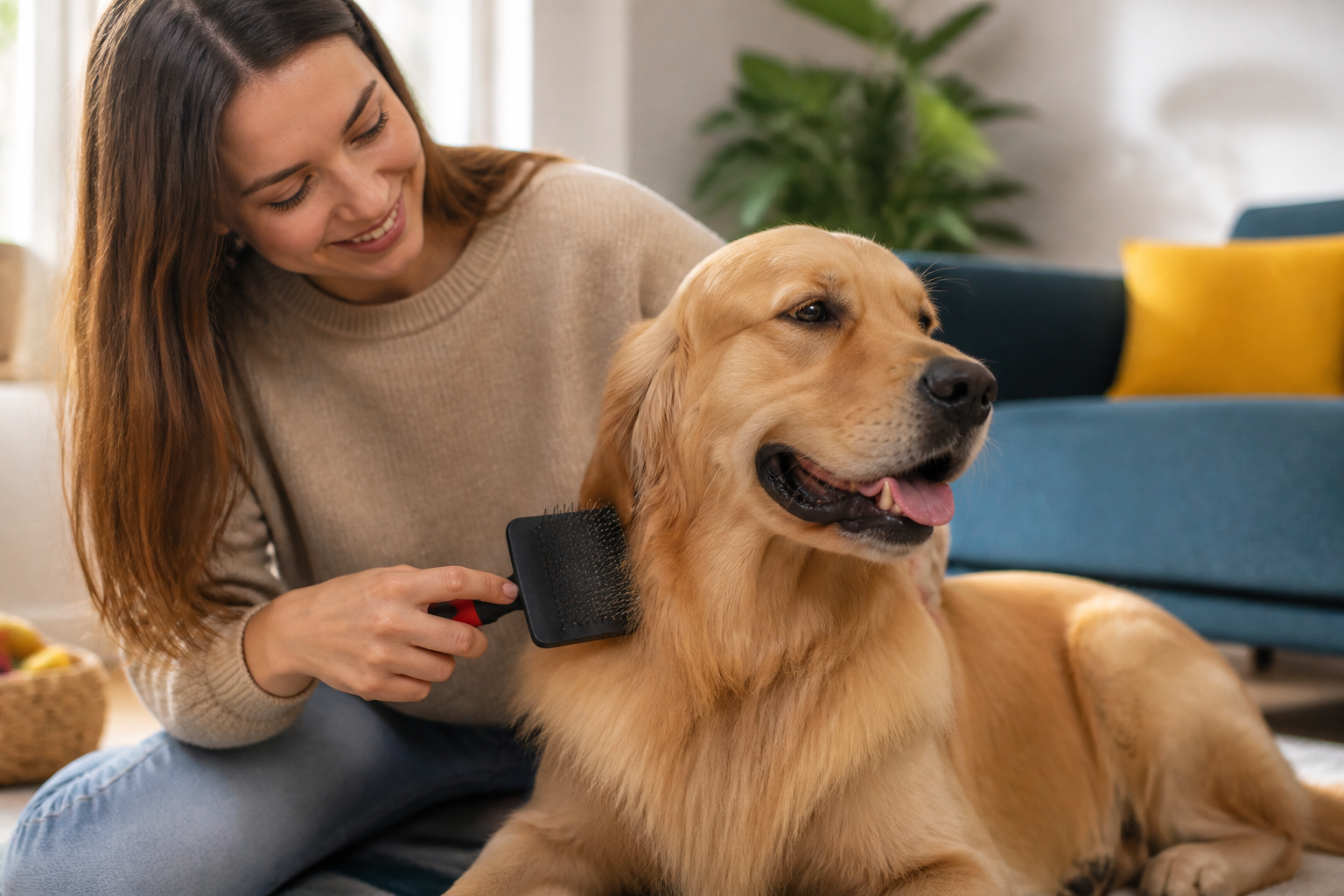
You might be sitting on the floor with your dog after a long walk and notice a few tangles starting to form behind their ears. Or perhaps you are tired of finding tufts of fur on your favorite rug every morning. Many pet owners wonder if a daily brushing session is a necessary chore or an optional luxury. At BaxterBoo, we know that grooming is about more than just looks. It is a fundamental part of your dog's physical health and emotional wellbeing. While some dogs thrive with daily attention, others might only need a quick brush once a week to stay comfortable. This guide covers how coat types dictate your schedule, the best tools for the job, and how to turn grooming into a bonding ritual. Whether you have a fluffy Poodle or a sleek Greyhound, understanding your dog's unique needs will help you maintain their coat and skin health effectively.
Quick Answer: Daily brushing is highly recommended for dogs with long, silky, or curly coats to prevent painful mats. Short-haired and smooth-coated dogs typically only need brushing once or twice a week to remove loose fur and distribute natural skin oils.
Understanding Your Dog's Coat Type
The answer to how often you should brush depends almost entirely on the type of hair your dog grows. Not all fur is created equal. Some coats are designed to repel water, while others are meant to provide insulation or protect the skin from thick brush.
Smooth and Short Coats
Dogs with smooth coats, like Boxers, Pointers, and Dalmatians, have very short hair that lies close to the body. These pups are the lowest maintenance when it comes to brushing. You generally do not need to brush them every day. Once or twice a week is usually enough to keep them looking sharp.
Short-coated dogs, such as Labradors and Beagles, have slightly more hair than smooth-coated breeds but still fall into the low-maintenance category. Brushing helps remove the dead hair that would otherwise end up on your furniture. It also stimulates the skin to produce natural oils that keep the coat shiny.
Long, Silky, and Drop Coats
If you own a Yorkshire Terrier, a Maltese, or a Cocker Spaniel, you are dealing with a different set of rules. These dogs have hair that continues to grow, much like human hair. This is often called a drop coat or a silky coat.
These breeds are very prone to tangles and mats. A single day of skipping the brush can lead to small knots that eventually tighten into hard mats. For these dogs, daily brushing is almost always a requirement. It keeps the hair flowing and prevents the discomfort of tangles pulling on their sensitive skin.
Curly and Wire Coats
Poodles and Bichon Frises have curly coats that do not shed much. While this is great for your allergies, it is challenging for grooming. The hair they "shed" actually gets trapped inside the curls. If you do not brush it out daily, that trapped hair turns into thick matting very quickly.
Wire-coated dogs, like Schnauzers and Airedale Terriers, have a rough outer coat and a softer undercoat. They need regular attention to prevent the wire hairs from tangling with the soft undercoat. While they might not need a full session every single day, brushing them three to four times a week is a good middle ground.
For additional guidance, read how to groom a dog with curly hair.
Double and Heavy Coats
Huskies, German Shepherds, and Newfoundlands have double coats. This means they have a soft, insulating undercoat and a tougher outer layer. These dogs go through "blowing coat" seasons where they shed excessively.
During shedding season, you absolutely should brush these dogs every day. During the rest of the year, three times a week might suffice. However, many owners of heavy-coated dogs find that a quick daily session makes the vacuuming much easier to manage.
Key Takeaway: Coat length and texture are the biggest factors in determining brushing frequency. Long, curly, or double coats require much more frequent attention than smooth or short coats.
The Physical Health Benefits of Daily Brushing
Brushing is not just about aesthetics. It is a health check that happens right in your living room. When you run a brush through your dog's hair every day, you are doing much more than just removing tangles.
Skin Stimulation and Oil Distribution
Every time you brush your dog, you are giving them a mini-massage. This action increases blood flow to the skin surface. It also helps spread sebum, which is the natural oil produced by your dog's skin. This oil is what gives a coat that healthy, vibrant glow. Without regular brushing, these oils can build up at the base of the hair, leading to greasy skin or even clogged pores.
Temperature Regulation
A matted coat is a dangerous coat. When hair becomes knotted and thick, it loses its ability to insulate the dog. In the winter, a matted coat cannot trap heat. In the summer, it prevents air from reaching the skin, which can lead to overheating. By brushing daily, you ensure that the coat remains lofted and functional, helping your dog stay comfortable in any weather.
Early Detection of Issues
Daily grooming allows you to feel for bumps, lumps, or skin irritations that you might not see otherwise. You might catch a tick before it attaches firmly. You might notice a hot spot starting to form or a patch of dry, flaky skin. Catching these issues early often means a much easier trip to the vet.
Vet Tip: If you notice persistent redness, unusual discharge, or if your dog seems painful when you brush a certain area, consult your veterinarian. Your veterinarian may recommend appropriate treatments if they find an underlying skin condition.
Choosing the Right Tools for the Job
You cannot use the same brush for a Boxer that you would use for a Poodle. Using the wrong tool can be ineffective or even painful for your dog. We carry a wide variety of grooming tools in our dog grooming collection to match every coat type.
The Slicker Brush
This is the workhorse of the grooming world. It has fine, short wires close together on a flat surface. It is perfect for removing mats and tangles in long-haired, curly, or double-coated dogs. You must be gentle with a slicker brush, as the wire bristles can scratch the skin if you press too hard.
The Bristle Brush
This tool is best for short-haired or smooth-coated dogs. It uses natural or synthetic bristles to remove surface dust and distribute skin oils. It is very gentle and feels great for the dog, making it a good choice for dogs that are nervous about grooming.
The Pin Brush
A pin brush looks similar to a human hairbrush. It has long, metal pins with rounded ends. This is ideal for dogs with long, flowing hair like Collies or Golden Retrievers. It goes deep into the coat without pulling as much as a slicker brush might.
The Undercoat Rake
For double-coated breeds, an undercoat rake is essential. It has long teeth designed to reach through the outer coat and pull out the loose fluff from the undercoat. This tool is a lifesaver during shedding season.
You can compare brushes, combs, and undercoat tools in our dog brushes and combs category.
Tool Selection Guide
| Coat Type | Primary Tool | Secondary Tool |
|---|---|---|
| Smooth | Bristle Brush | Rubber Curry Comb |
| Short | Bristle Brush | Slicker Brush |
| Long/Silky | Pin Brush | Stainless Steel Comb |
| Curly | Slicker Brush | Stainless Steel Comb |
| Double | Undercoat Rake | Slicker Brush |
| Wire | Slicker Brush | Bristle Brush |
How to Introduce a Daily Brushing Routine
If your dog is not used to being brushed, starting a daily routine can be a challenge. You want the experience to be something they look forward to, not something they run away from.
Step 1: Choose a quiet time. / Pick a moment when your dog is relaxed, perhaps after a long walk or a meal. Avoid trying to brush them when they are full of energy and want to play.
Step 2: Start small. / Only brush for two or three minutes at first. Focus on easy areas like the back or sides. Give them plenty of praise and perhaps a small treat.
Step 3: Gradually expand. / Once they are comfortable with the easy spots, move to more sensitive areas like the belly, tail, and legs. These areas are where mats often form, so they need the most attention.
Step 4: Use a detangling spray. / If you find a knot, do not pull on it. Use a bit of detangling spray or a small amount of dog-safe conditioner to help slide the hair apart.
Step 5: End on a high note. / Always finish the session with a high-value treat or a favorite game. You want the last thing they remember to be something positive.
For bathing and brushing tips, see this guide to bathing your dog.
Key Takeaway: Consistency is more important than duration. Five minutes of stress-free brushing every day is better than a thirty-minute struggle once a week.
The Risks of Over-Brushing
Can you brush a dog too much? While daily brushing is generally good, there is a risk of "brush burn." This happens when the bristles of the brush scrape against the skin too many times in the same spot. It causes redness, irritation, and sometimes even small sores.
To avoid brush burn, always check the skin as you go. If the skin looks pink or irritated, move to a different section or stop for the day. Be especially careful with slicker brushes and metal rakes, as their points can be sharp.
Signs of Brush Burn
- Red, inflamed skin in a specific area.
- Your dog flinching or yelping when you touch a certain spot.
- Scabs or small scratches on the skin surface.
- Increased licking or biting at a groomed area.
If your dog develops brush burn, give them a break from grooming for a few days. If the area looks infected or does not clear up quickly, a visit to the vet is necessary. Your veterinarian can determine whether medicated treatments are appropriate for skin irritations.
Managing Seasonal Shedding
Many dog owners find that their brushing needs change with the seasons. Most dogs "blow their coat" twice a year, usually in the spring and fall. This is when the light summer coat is replaced by a thick winter coat, or vice versa.
During these times, you will likely need to brush your dog every single day, regardless of their coat type. For double-coated breeds, you might even need to brush them twice a day to keep up with the volume of fur.
For more seasonal grooming ideas, read how Australian Shepherds shed.
Shedding Management Checklist
- Increase brushing frequency to once or twice daily during seasonal changes.
- Use an undercoat rake to pull out dead hair before it mats.
- Consider a deshedding tool like the ones we carry from brands like Kong or Coastal Pet.
- Give your dog a warm bath to help loosen the dead hair before a big brushing session.
- Maintain a high-quality diet rich in Omega fatty acids to support skin health during the transition.
Bottom line: Brushing daily during shedding season is the best way to prevent your home from being covered in fur and your dog from developing uncomfortable mats.
Bonding and Behavioral Benefits
Grooming is one of the primary ways dogs interact with each other in a pack setting. When you brush your dog, you are performing a social behavior that strengthens your bond. It signals to your dog that you are a caregiver who provides comfort and safety.
For many dogs, a daily brushing session becomes a calming ritual. It can help reduce anxiety and provide a sense of structure to their day. If you have a rescue dog that is wary of touch, a gentle daily brushing routine can be a powerful tool in building trust.
Note: If your dog shows signs of extreme fear or aggression during grooming, do not force the issue. Consult a professional trainer or your veterinarian to rule out pain or deep-seated anxiety.
When to See a Professional
While daily brushing at home is vital, it does not always replace the need for a professional groomer. Some tasks are best left to the experts, especially if your dog has a complex coat or requires specific styling.
Professional groomers have high-powered dryers that can blow out undercoats more effectively than any home brush. They also handle sensitive tasks like ear cleaning and nail trimming, which can be stressful for some owners to do at home.
Combine Home Care with Professional Visits
- Daily brushing at home prevents mats between professional appointments.
- Professional groomers can spot skin issues you might miss.
- Regular home care makes the professional grooming experience much faster and less stressful for your dog.
- A well-maintained coat often costs less to groom professionally because there are no mats to remove.
At BaxterBoo, we believe that the best grooming plan is a partnership between the owner, the professional groomer, and the veterinarian. Keeping your dog comfortable is a team effort.
Grooming and Senior Dogs
As dogs age, their skin often becomes thinner and more sensitive. They may also develop arthritis, which makes standing for long grooming sessions difficult. Daily brushing is still important for seniors, but you may need to adjust your approach.
Use softer brushes, like a soft bristle brush or a rubber curry comb, to avoid hurting their delicate skin. Keep sessions very short and allow your dog to lie down while you work. Pay close attention to the hair around their hindquarters and paws, as older dogs can sometimes have trouble keeping these areas clean themselves.
If your senior dog has mobility issues, brushing can also be a way to check for pressure sores or changes in muscle tone. It is a gentle way to stay connected to their physical needs as they slow down.
Vet Tip: Senior dogs with stiff joints may benefit from supplements like Cosequin or Zesty Paws. Your veterinarian can also determine whether prescription mobility aids or pain management medications are appropriate to make grooming more comfortable.
Conclusion
Deciding whether to brush your dog every day depends on their coat, their lifestyle, and their personal comfort. While long-haired and curly breeds almost always require daily attention to prevent matting, short-haired dogs can often get by with a weekly session. However, the benefits of a daily routine go far beyond just looking good. It supports healthy skin, helps regulate temperature, and provides a valuable moment of connection between you and your pet. By choosing the right tools from the 500 plus brands we carry and keeping sessions positive, you can make grooming a highlight of your dog's day.
To keep your grooming kit fully stocked, consider setting up our Autoship programme for your favorite shampoos and conditioners. Not only will you save on your first order, but you will also receive a free MVP Gold membership for even more rewards.
FAQ
What happens if I don't brush my long-haired dog every day?
If you skip daily brushing for a long-haired dog, the hair will likely begin to tangle and form mats. These mats can pull tightly against the skin, causing pain, irritation, and even skin infections if they trap moisture and bacteria. Over time, the only solution for severe matting is to have the dog professionally shaved, which can be a stressful experience.
Can I brush my dog when their hair is wet?
It is generally best to brush your dog when their hair is dry or only very slightly damp. Wet hair is more fragile and prone to breakage. Additionally, if your dog already has mats, getting them wet can actually cause the knots to tighten and become much harder to remove. Always try to brush out any tangles before you give your dog a bath.
My dog hates the brush. What should I do?
If your dog is resistant to brushing, start by letting them sniff the tool while offering high-value treats. Keep your initial sessions extremely short, focusing on just one small area for thirty seconds. Gradually increase the time as they become more comfortable. Using a very soft brush at first can also help them realize that grooming does not have to be painful.
Is it normal for my dog to lose a lot of hair during brushing?
For many breeds, especially those with double coats, it is completely normal to see a large amount of fur in the brush. This is simply the dead hair being removed so new, healthy hair can grow in. However, if you notice bald patches, skin redness, or if the hair loss seems excessive and is accompanied by scratching, you should consult your veterinarian to rule out allergies or skin parasites.






