
 Save 15% on your 1st Autoship learn more

 Email us
 Live Chat
 FAQs
FAQs





Introduction
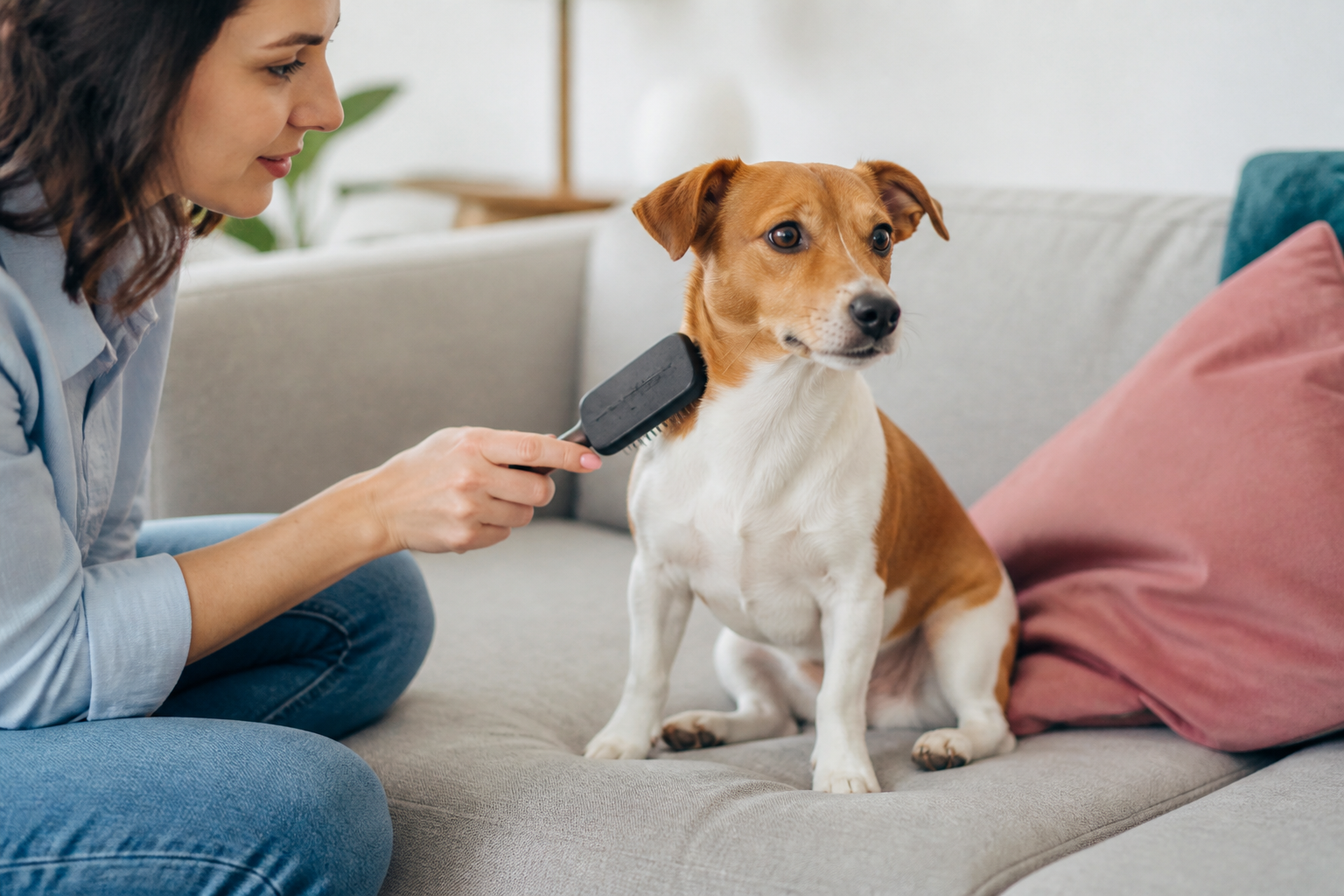
You are sitting on the sofa after a long day when your Boxer or Labrador Retriever hops up to say hello. You give them a good scratch behind the ears and a long stroke down the back, only to find your hand covered in fine, needle-like hairs. It is a common misconception that because a dog has short hair, they do not need much in the way of grooming. At BaxterBoo, we talk to many pet owners who think brushing is only for the long-haired breeds that are prone to tangles and mats.
While it is true that short-haired dogs are lower maintenance than a Poodle or a Golden Retriever, they still require regular coat care. Brushing serves a purpose far beyond just aesthetics. It is a vital part of maintaining skin health, managing shedding, and spotting early signs of health issues. This article explains why brushing matters for your short-coated companion and which tools will make the job easiest for both of you.
The Surprising Benefits of Brushing Short Hair
It might seem like there is not much to brush when your dog has a coat that is only half an inch long. However, the benefits of regular grooming go deep beneath the surface of the fur. Even if your dog never gets a tangle, the act of brushing is essential for their overall well-being.
One of the primary reasons to brush is the distribution of natural skin oils. Your dog produces sebum, a natural oil that keeps the skin hydrated and the coat shiny. When you brush, you act as a manual distributor for these oils. Without regular brushing, these oils can sit at the base of the hair follicle, leading to a greasy feel or even clogged pores. Spreading the oil down the hair shaft provides a natural barrier against moisture and environmental irritants.
Brushing also acts as a massage that stimulates blood flow to the skin. Better circulation means a healthier coat and more efficient skin cell turnover. For short-haired breeds that are prone to dry skin or "dandruff," this stimulation can make a noticeable difference in the texture of their coat.
Quick Answer: Yes, you should brush your short-haired dog at least once or twice a week. Regular brushing removes dead skin cells and loose fur while distributing natural oils that keep the coat shiny and the skin healthy.
Managing the "Needle Hair" Shedding
If you own a Beagle, a Pug, or a German Shorthaired Pointer, you know that short hair does not mean less shedding. In fact, many short-haired owners find shedding more frustrating because the hairs are stiff and sharp. These "needle hairs" weave themselves into upholstery and clothing, making them very difficult to remove with a vacuum.
Regular brushing captures this hair before it ever hits your carpet. By spending ten minutes a week with the right tool, you can reduce the amount of fur in your home significantly. During seasonal changes in the spring and fall, your dog may "blow" their coat. During these times, you might need to increase your brushing frequency to daily sessions to keep up with the volume of loose fur. For more ideas about managing seasonal shedding, read our guide to dog shedding and de-shedding tools.
Using Brushing as a Health Check
Every grooming session is an opportunity to perform a mini physical exam. Because short-haired dogs have less "padding" between you and their skin, you are in a great position to notice changes quickly. As you move the brush over their body, look and feel for:
- Lumps or bumps under the skin
- Redness or inflamed patches
- Ticks, fleas, or flea dirt (small black specks)
- Sores or scratches
- Dry, flaky patches of skin
Our pharmacy carries a wide range of FDA-approved flea and tick preventives that can help keep these pests away in the first place. If you do spot something unusual during your brushing routine, it is always best to catch it early. You can also browse our dog healthcare category for related care supplies.
Vet Tip: If you notice your dog is shedding excessively in patches or has red, itchy skin that does not improve with brushing, consult your veterinarian. These can be signs of allergies, parasites, or underlying health conditions that may require prescription treatment from a pharmacy.
Choosing the Best Tools for Short Coats
You cannot use just any brush on a short-haired dog. Their skin is much closer to the surface than a long-haired dog, so a stiff wire brush or a sharp slicker brush can easily cause "brush burn" or irritation. You need tools designed to be gentle while still being effective at grabbing loose hair. Our dog grooming supplies include brushes, combs, shampoos, and other coat-care tools.
Rubber Curry Brushes
The rubber curry brush is arguably the best tool for a short-haired dog. Brands like Kong make rubber brushes with soft, flexible "fingers" that grab onto loose hair like a magnet. Because they are made of rubber, you can apply a bit of pressure without worrying about scratching the skin. The massaging action is usually very enjoyable for the dog, turning a chore into a spa session.
Bristle Brushes
A natural or synthetic bristle brush is perfect for the finishing touch. These brushes have densely packed, soft bristles that are excellent at smoothing the coat and bringing out a high-gloss shine. They are particularly effective for very smooth-coated breeds like Boxers or Weimaraners.
Grooming Gloves
If your dog is nervous about traditional brushes, grooming gloves are an excellent alternative. You simply wear the glove and pet your dog as you normally would. The silicone nubs on the palm pick up loose fur while the dog feels like they are just getting extra affection.
De-shedding Tools
For dogs with a thick, short double coat (like Labradors), a dedicated de-shedding tool can be used. Tools like the Furminator are designed to reach through the topcoat and pull out the loose undercoat. Use these with a light hand and avoid going over the same area too many times to prevent skin irritation. For a short-coat option, consider the Coastal Safari Short Hair Shedding Dog Comb.
| Brush Type | Best For | Benefit |
|---|---|---|
| Rubber Curry | All short hair types | Massages skin and grabs loose fur |
| Bristle Brush | Smooth, thin coats | Adds shine and removes surface dust |
| Grooming Glove | Anxious dogs | Feels like petting; great for legs/paws |
| Flea Comb | All dogs | Specifically detects pests and fine debris |
How to Brush Your Dog Correctly
The technique you use matters just as much as the tool. For a short-haired dog, the goal is to be thorough but gentle.
Step 1: Start at the neck. / Move the brush in the direction of hair growth toward the tail. Step 2: Use long, sweeping strokes. / Avoid short, scrubbing motions which can irritate the skin. Step 3: Pay attention to the chest and belly. / These areas often have thinner hair and more sensitive skin, so use a lighter touch. Step 4: Don't forget the legs and tail. / Use a grooming glove or a smaller brush for these contoured areas. Step 5: Finish with a soft cloth. / Wiping the dog down with a damp cloth after brushing can pick up any remaining loose dust and add extra shine.
Key Takeaway: Always brush in the direction of hair growth. For short-haired dogs, the goal is to stimulate the skin and remove loose fur without causing redness or irritation.
Brushing and the Bathing Routine
Bathing and brushing go hand in hand. One of the biggest mistakes pet owners make is putting a dirty, unbrushed dog straight into the tub. Water can actually "trap" loose hair against the skin, making it harder to remove later. For additional bath-time guidance, read our tips for bathing your dog.
Always give your dog a thorough brushing before the bath. This removes the bulk of the loose fur and dirt, allowing the shampoo to reach the skin more effectively. Once the dog is in the tub, you can use a rubber curry brush to massage the shampoo into the coat. This helps loosen even more hair that is ready to fall out.
After the bath, wait until the dog is completely dry before brushing again. Brushing wet, short hair can sometimes cause tugging on the skin. Once dry, a final pass with a bristle brush will leave them looking professional and polished.
Training Your Dog to Love Brushing
Not every dog is born loving the brush. If your dog moves away or looks stressed when the brush comes out, you can change their perspective with a little patience and some high-quality rewards. We carry many treats from brands like Stella and Chewy's or Greenies that are perfect for positive reinforcement.
Start by just showing the dog the brush and giving them a treat. Once they are comfortable with the sight of it, touch the brush to their side without moving it, then treat again. Gradually work up to a single stroke, then two. Over time, your dog will associate the grooming kit with delicious snacks and focused attention.
If your dog is particularly wiggly, try brushing them when they are naturally tired, such as after a long walk or a play session. Keep the first few sessions very short, perhaps only two or three minutes, and always end on a positive note.
Common Short-Haired Breeds and Their Specific Needs
Not all short coats are created equal. Different breeds have different densities and textures that require slightly different approaches.
Smooth-Coated Breeds
Breeds like Boxers, Great Danes, and Doberman Pinschers have very short, single coats. They do not have an undercoat, so they are the least likely to get "mats." For these dogs, a rubber curry brush once a week is usually sufficient. They are prone to getting cold, so regular brushing helps keep their skin healthy since they often wear coats or sweaters in the winter.
Short Double-Coated Breeds
Labradors and Rottweilers have a dense undercoat beneath their short outer hair. These dogs shed significantly more than smooth-coated breeds. They require more frequent brushing, especially during the change of seasons. A de-shedding tool or a firm rubber brush is necessary to penetrate that dense undercoat and pull out the dead hair.
Wire-Haired Breeds
Some short-haired dogs have a "wiry" or "broken" coat, like certain terriers. These coats can be a bit more stubborn. While they do not shed as much as a Lab, they can get "shaggy" and trap dirt easily. A fine-toothed comb or a firmer bristle brush can help keep these coats looking tidy.
The Role of Nutrition in Coat Health
You can brush your dog every day, but if their nutrition is lacking, their coat will never truly shine. The skin is the body's largest organ, and it requires a significant amount of protein and healthy fats to stay in top shape.
Feeding a high-quality diet from brands like Open Farm, Farmina, or The Honest Kitchen provides the essential fatty acids (Omega-3 and Omega-6) that support skin health. If your dog's coat seems dull or brittle despite regular brushing, you might consider adding a supplement. Products like Cosequin or Zesty Paws often include skin and coat formulas that can help from the inside out. Our skin and coat care selection includes nutrition and care products for this part of your dog’s routine.
For dogs with severe skin sensitivities or chronic itchiness, your veterinarian may recommend a prescription diet. Our partnership with Pet's Choice allows you to easily manage these prescription needs through our pharmacy, ensuring your dog gets the specific nutrition their skin requires.
Key Takeaway: Brushing is only half the battle; a shiny, healthy coat starts with high-quality nutrition and proper hydration.
Keeping Your Grooming Kit Clean
A dirty brush will not help your dog stay clean. Over time, your brushes will accumulate skin oils, dander, hair, and environmental dust. If you continue to use a dirty brush, you are just moving that debris back onto your dog's skin, which can lead to irritation or a dull coat.
Make it a habit to clean your tools once a month. For rubber brushes and grooming gloves, a simple soak in warm water with a drop of dog-safe shampoo is usually enough. For bristle brushes, use a comb to pull out the trapped hair, then swish the bristles in soapy water, being careful not to soak the handle if it is made of wood. Let everything air dry completely before the next use.
Seasonal Considerations for Short-Haired Dogs
The time of year influences how you should approach grooming. In the summer, short-haired dogs are more susceptible to sunburn, especially if they have white or thin coats. Brushing helps you monitor for any signs of sun damage.
In the winter, the air in our homes becomes very dry due to heating systems. This can lead to "static" in the coat and itchy, flaky skin for your dog. You may want to use a conditioning spray or a small amount of coconut oil during your brushing sessions to help lock in moisture. This is also the time of year when many owners notice more dander, making that weekly brush even more important for keeping your home clean.
When Brushing Isn't Enough
While brushing is a fantastic preventative tool, it cannot solve every skin and coat problem. There are times when you need to look beyond the grooming kit. If your dog is constantly licking a specific area, losing hair in clumps, or has a strong "musty" odor even after a bath, these are signs of potential medical issues.
Skin infections, fungal growth, and flea allergies are common in short-haired dogs because their skin has less protection from the elements. If you notice these symptoms, a trip to the vet is the right move. They can provide a diagnosis and, if needed, a prescription for medicated shampoos or ointments. Our pharmacy is a convenient resource for fulfilling those prescriptions once your vet has determined the cause of the problem.
Bottom line: Brushing is a foundational part of dog care that supports skin health, reduces household mess, and strengthens the bond between you and your pet.
Conclusion
Brushing your short-haired dog is a simple task that yields big results for their health and your home's cleanliness. It is an opportunity to slow down and connect with your pet while performing a vital health check. By choosing the right tools, such as a rubber curry brush or a soft bristle brush, you ensure the experience is comfortable and effective.
At BaxterBoo, we want to help you make grooming a regular, stress-free part of your routine. Whether you are dealing with a shedding Labrador or a smooth-coated Boxer, having the right supplies makes all the difference. We invite you to explore our dog grooming category to find the perfect tools for your dog's specific coat type.
Key Takeaway: Don't skip the brush just because the hair is short; consistent grooming is the secret to a healthy, shiny dog and a cleaner home.
To get started on your grooming journey, consider joining our MVP Rewards program to earn points on every brush, shampoo, and treat you buy.
FAQ
How often should I brush my short haired dog?
For most short-haired dogs, brushing once or twice a week is ideal for maintaining skin health and controlling light shedding. If your dog is a heavy shedder or is currently "blowing" their coat during a seasonal change, you may want to brush them daily. Regular sessions keep the hair from building up on your furniture and keep the skin oils well-distributed.
Can I use a human hairbrush on my dog?
It is not recommended to use human brushes on dogs, especially short-haired ones. Human brushes often have sharp plastic or metal tips that can scratch a dog's sensitive skin, which is much thinner than ours. Dog-specific brushes like rubber curry brushes or soft bristle brushes are designed to be safe and effective for canine coat textures.
Does brushing help with the "doggy smell"?
Yes, regular brushing can significantly reduce odors. Smells are often caused by a buildup of old oils, trapped dirt, and dead skin cells sitting on the skin's surface. By brushing these away, you are removing the source of the odor and allowing the skin to breathe.
My dog hates being brushed; what should I do?
Start very slowly and use high-value treats to create a positive association. Use a soft tool like a grooming glove that feels like a hand, and only brush for a few seconds at a time. Gradually increase the duration as your dog becomes more comfortable, and always reward them with praise or a treat when the session is over.






