
 Save 15% on your 1st Autoship learn more

 Email us
 Live Chat
 FAQs
FAQs





Introduction
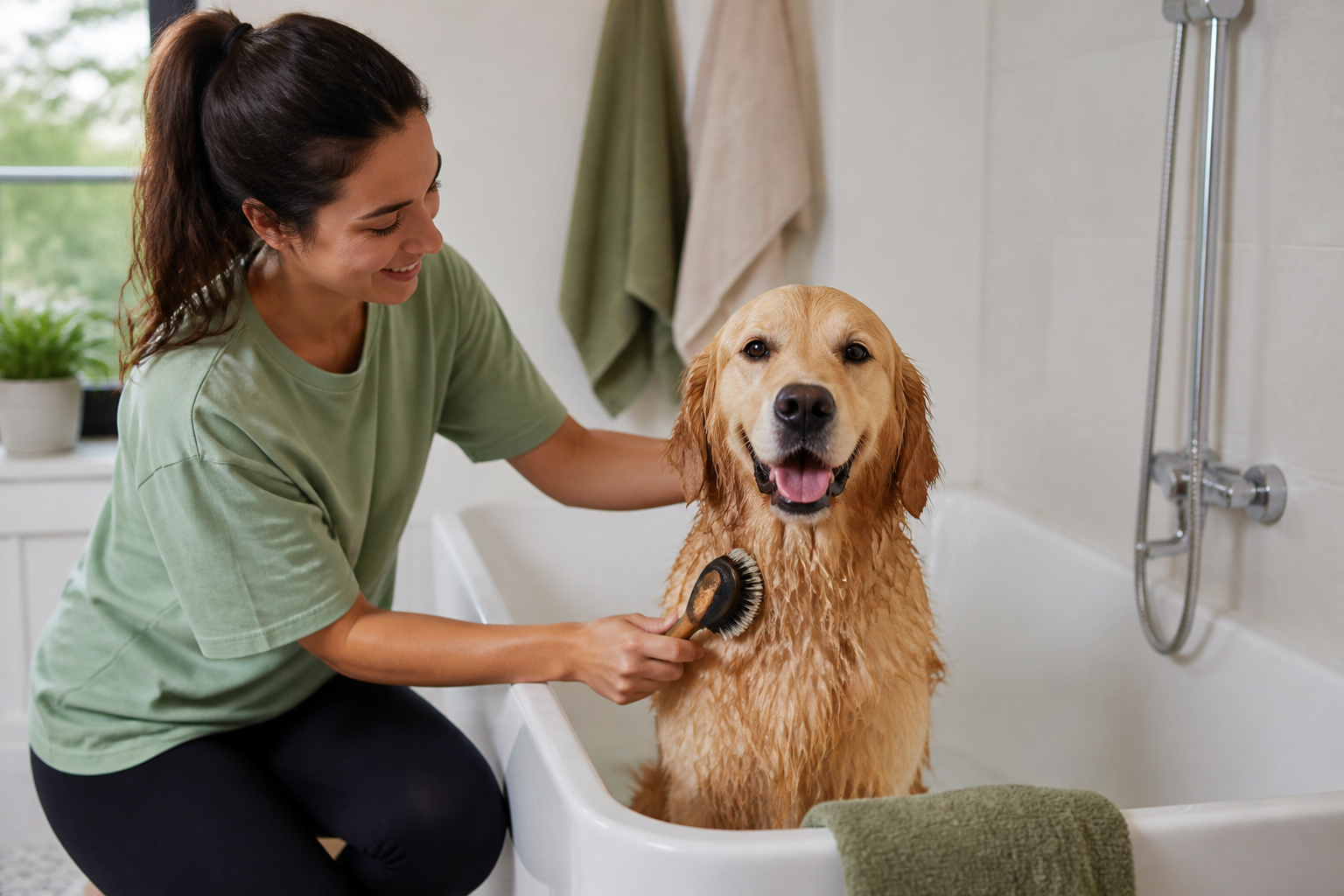
Standing in front of a tub with a muddy dog and a handful of grooming tools often leads to a common question. You want your pet clean, but you also want the process to be as painless as possible for both of you. Many owners wonder if the water will help loosen up tangles or if they should tackle the fur while it is still dry. At BaxterBoo, we have spent years helping pet parents navigate these everyday care routines with the right gear and expert advice. This post covers the specific order of operations for a successful bath day. You will learn why the pre-bath brush is the most important step for coat health. Brushing your dog before the bath prevents mats from tightening and ensures a deeper clean.
Quick Answer: You should always brush your dog before bathing. Water causes existing tangles and mats to shrink and tighten, making them nearly impossible to remove without causing pain or needing to use clippers.
The Science of Wet Fur and Tangles
It seems logical that water and soap would make hair slippery and easier to manage. In reality, the opposite is true for most dog coats. When hair gets wet, the individual strands swell and the cuticle scales roughen. This creates friction. If there is already a knot or a clump of loose undercoat, the water acts like a setting agent. As the hair dries, those fibers contract and lock together.
This is especially true for double-coated breeds like Golden Retrievers or Huskies. These dogs have a soft, dense undercoat that sheds constantly. If you put a shedding dog in the tub without brushing first, that loose hair clumps together into a soggy mess. It becomes a heavy blanket that traps soap against the skin. This can lead to irritation or even "hot spots" if the coat does not dry completely.
Brushing while dry allows you to remove the bulk of that dead hair and debris. It opens up the coat so the water and shampoo can actually reach the skin. If you skip this, you are essentially just washing the top layer of a dusty rug. The dirt remains trapped near the skin, and your dog will not truly be clean.
The Correct Grooming Order for Every Breed
While every dog is unique, a standard professional routine follows a specific sequence. This method protects the coat and makes the final result look much better. Most professional groomers use a "sandwich" approach: brush, bathe, and brush again.
Step 1: The Pre-Bath De-Shedding.
Use a slicker brush or an undercoat rake to remove loose fur. This is the time to find any small knots. If a comb cannot pass through the hair easily, do not let it get wet yet. You can find suitable options in our dog brushes and combs collection.
Step 2: The Bath.
Use lukewarm water and a high-quality dog shampoo. Focus on massaging the skin rather than scrubbing the hair in circular motions. Circular scrubbing is a major cause of post-bath tangles.
Step 3: Conditioning.
A good conditioner helps smooth the hair cuticle after the shampoo has opened it. This makes the post-bath brush much easier. Rinse until the water runs completely clear.
Step 4: Thorough Drying.
Towel dry by blotting rather than rubbing. If your dog allows it, use a blow dryer on a cool setting. Air drying often allows the hair to clump back together as it settles.
Step 5: The Finishing Brush.
Once the coat is 100 percent dry, do a final pass with a brush and comb. This removes any hair that loosened during the washing process.
Key Takeaway: Water acts as a "lock" for existing mats. Brushing a dry coat is a preventative measure that saves your dog from the discomfort of tight knots and saves you from a difficult grooming session.
Why Tools Matter for the Pre-Bath Phase
You cannot achieve a professional result with the wrong equipment. Many owners use a standard bristle brush, which only reaches the top layer of fur. For the pre-bath stage, you need tools that can penetrate down to the skin.
A slicker brush is the workhorse of dog grooming. It features fine, short wires close together on a flat or curved surface. These wires grab the loose undercoat and pull it away from the healthy guard hairs. If you have a dog with long or curly hair, like a Poodle or a Shih Tzu, the slicker brush is your best friend.
For dogs with very thick, double coats, an undercoat rake is necessary. These have long, rounded metal teeth that dive deep into the fur. They pull out the "dead" coat that causes the most trouble in the bathtub. Using our dog grooming supplies at home ensures you are not just moving dirt around.
A stainless steel comb is the final judge. After you think you are done brushing, run a comb through the coat. If it snags, you have a hidden tangle. It is much better to find that snag now than after it has been soaked in soapy water.
Dealing with Severe Matting
Sometimes life gets busy and a dog ends up with significant matting. In these cases, the "brush first" rule has a limit. If the mats are tight against the skin, trying to brush them out can be incredibly painful. It pulls on the delicate skin and can cause bruising or tears.
If you find mats that are hard like felt, do not put the dog in the tub. Water will turn those mats into tight "pelts." These pelts trap moisture against the skin, which can lead to fungal or bacterial infections. In these extreme situations, the best course of action is to use clippers to safely remove the mats before the bath.
If you are uncomfortable using clippers, this is the time to visit a professional. They have the experience to shave under the mat without nicking the skin. Once the matted hair is gone, you can start fresh with a healthy bathing routine.
Vet Tip: If your dog has persistent skin irritation, redness, or a strange odor even after a bath, consult your veterinarian. These can be signs of underlying allergies or infections that require medicated treatment rather than just a standard cleaning.
The Importance of Rinsing
One of the biggest mistakes pet owners make is failing to rinse the coat thoroughly. It takes much longer than you think to get all the soap out. Shampoo residue is a primary cause of itchy skin and "dull" looking coats.
When you leave soap behind, it dries into a film. This film attracts dirt and causes the hair to stick together. It can also cause a chemical irritation that makes the dog scratch. If your dog starts itching immediately after a bath, residue is the likely culprit.
A good rule of thumb is to rinse until you see no bubbles, then rinse for three more minutes. Focus on the "hidden" areas. These include the armpits, the belly, and the area under the tail. Use your fingers to feel the coat while you rinse. It should feel "squeaky" clean, not slippery.
Health and Wellness in the Tub
Bathing is about more than just smelling good. It is a vital time to check your dog's physical health. When the hair is wet and flat, you can see the skin more clearly. This is the perfect time to look for lumps, bumps, or strange moles.
It is also the primary time to check for external parasites. Fleas often head for the head and neck as soon as the rest of the body gets wet. If you see tiny black specks or moving insects, you are dealing with a flea or tick issue.
Our pharmacy carries FDA-approved flea and tick preventives through our partnership with Pet's Choice pharmacy services. If you find pests during a bath, you may need a prescription-strength solution from your vet. Having a clean coat makes these treatments more effective because the medication can reach the skin without being blocked by thick, dirty fur.
Brushing a Wet Dog: When is it Okay?
There is one specific scenario where brushing while wet is actually helpful. If your dog has a very curly coat and you have already completed a thorough pre-bath brush, you can use a wide-toothed comb while the conditioner is still in the hair.
The conditioner provides "slip." This allows the comb to glide through the curls and ensures the product is distributed evenly. This is common for breeds like Poodles or Doodles. However, this only works if the coat was 100 percent tangle-free before the water touched it. If you try this on a matted dog, you will only make the problem worse.
For most other breeds, especially those with straight or double coats, stay away from the brush until the dog is dry. Wet hair is more elastic and prone to snapping. Brushing it while damp can lead to split ends and a frizzy appearance.
Bottom line: Unless you are working conditioner through a perfectly pre-brushed curly coat, wait until the fur is dry to do your final grooming.
Drying Techniques for Best Results
How you dry your dog is just as important as how you wash them. Most people grab a towel and rub vigorously. This is the fastest way to create a tangled mess. The friction of the towel twists the hair fibers together.
Instead, use the "pat and squeeze" method. Lay a large, absorbent towel over the dog and press down to soak up the water. Move to a dry section of the towel and repeat. This removes the bulk of the moisture without disturbing the hair follicles. Our dog towel collection includes options designed for drying after baths.
If you use a blow dryer, keep it on a low or cool setting. High heat can burn a dog's sensitive skin very quickly. Move the dryer constantly and use your fingers to "fluff" the hair. This helps the air reach the skin. A high-velocity dryer, often used by professionals, is excellent for blowing out loose undercoat that the brush might have missed.
Managing the Bath Day Environment
Grooming can be stressful for some dogs. A slippery tub makes them feel insecure, which leads to struggling and splashing. This makes your job much harder.
Place a rubber mat or a towel on the bottom of the tub. This gives your dog a firm footing and reduces their anxiety. Keep the water pressure low. A loud, high-pressure spray can be terrifying to a sensitive pet.
Talk to your dog in a calm, soothing voice throughout the process. Have treats ready for positive reinforcement. If the dog associates the bath with good things, they will be much more cooperative for the pre-bath brushing and the drying phase. We find that a calm environment leads to a much more thorough cleaning.
For additional guidance, review these dos and don'ts for bathing your dog.
Identifying Skin Conditions During Grooming
While you are brushing and bathing, pay close attention to the state of the skin. Healthy dog skin should be pale and smooth. If you notice flaky patches, extreme redness, or oily buildup, your dog might be struggling with a skin condition.
Environmental allergies often manifest as skin issues. Dogs do not usually get watery eyes like humans. Instead, they get itchy paws and red bellies. If your dog is constantly licking or chewing after a bath, it might not be the shampoo. It could be an underlying issue that needs a specific diet or medication.
We offer various prescription pet foods and supplements designed to support skin and coat health. Through our pharmacy and Pet's Choice partnership, you can access medications that help manage chronic itchiness. A clean coat is a great starting point, but internal health is what truly makes a coat shine.
Training Your Dog for Grooming
If your dog hates the brush or the tub, you have to work in small steps. Do not try to do a full brush, bath, and dry all in one day if they are stressed.
Start by just showing them the brush and giving a treat. Then, do two or three strokes and stop. Gradually increase the time. For the bath, let them stand in the tub with no water first. Then, just wet their paws.
Building trust takes time, but it is worth the effort. A dog that stands still for grooming is much safer. You are less likely to pull on a tangle or get soap in their eyes if they are relaxed. This consistency is key to maintaining a healthy coat over the long term.
The Role of Diet in Coat Texture
You can brush and bathe every day, but if the dog's nutrition is poor, the coat will never look its best. High-quality fats and proteins are the building blocks of fur. Omega-3 and Omega-6 fatty acids are particularly important.
If your dog's hair feels brittle or looks dull, consider their food. Many premium brands carried at BaxterBoo focus on skin and coat health. Look for ingredients like salmon, flaxseed, and biotin.
When a dog is getting the right nutrients, their skin produces the perfect amount of natural oils. These oils make the hair more resilient and less likely to tangle. This makes your pre-bath brushing much faster and more effective.
Seasonal Grooming Adjustments
The "brush first" rule becomes even more critical during the spring and fall. These are the "blowing coat" seasons for many breeds. As the daylight changes, dogs shed their heavy winter undercoat or prepare to grow one.
During these times, you might need to brush your dog every single day. If you wait until bath day to tackle the shedding, you will be overwhelmed by the amount of hair.
In the winter, be careful with frequent bathing. The air is dry, and bathing too often can strip away the oils that protect the skin from the cold. Always ensure the dog is 100 percent dry before they go outside in cold temperatures. A damp coat in freezing weather can lead to a dangerous drop in body temperature.
Final Brushing and Finishing
Once the dog is dry, you get to see the fruits of your labor. This is the most satisfying part of the process. The coat should be fluffy, clean, and easy to manage.
Use a finishing spray or a light leave-in conditioner to add a final layer of protection. These products help repel dirt and reduce static electricity. This keeps the dog cleaner for longer.
Run your comb through one last time. If it slides from the skin to the tips without stopping, you have done a perfect job. Your dog will feel lighter and more comfortable without the weight of dead hair and dirt pulling on their skin.
Summary of the Best Grooming Routine
A successful grooming session is about preparation. By following a consistent system, you protect your dog's skin and ensure their coat stays healthy and vibrant.
- Always brush the coat while it is completely dry to remove tangles and loose fur.
- Use a comb to check for hidden mats that water could tighten.
- Wash with gentle motions and rinse much longer than you think is necessary.
- Blot dry with a towel and use a cool dryer to prevent clumping.
- Finish with a final brush to remove any hair loosened by the water.
Key Takeaway: The pre-bath brush is the foundation of a clean dog. It prevents painful matting and allows your cleaning products to work effectively on the skin and hair.
Conclusion
Taking the time to brush your dog before they get wet is the best thing you can do for their coat health. It simplifies the washing process and prevents the formation of tight, painful mats. We want every pet owner to feel confident in their at-home care routines. Whether you are using a new slicker brush or trying a medicated shampoo for the first time, consistency and the right order of steps make all the difference. For all your grooming needs, from specialized brushes to skin-support supplements, we are here to help. You can even earn points on every grooming tool through the MVP Rewards program. Keeping your dog clean and comfortable is a team effort, and we are proud to be part of your pet care journey.
FAQ
Can I just brush my dog while they are covered in shampoo?
It is generally not recommended to brush during the shampoo stage because wet hair is weak and prone to breaking. The friction of the brush against wet strands can cause damage to the hair shaft. The only exception is using a wide-toothed comb to work conditioner through a coat that was already brushed perfectly while dry.
What happens if I forget to brush and my dog gets mats after the bath?
If you find mats after a bath, do not try to pull them out while the hair is damp. Wait until the coat is completely dry. Use a detangling spray to provide some lubrication, and gently work at the mat from the outside edges toward the center. If the mat is too tight, you may need to safely clip it out to avoid hurting your dog.
How often should I bathe my dog if I brush them every day?
If you maintain a daily brushing routine, most dogs only need a bath once every four to six weeks. Brushing removes the surface dirt and spreads natural oils, which keeps the coat cleaner for longer. Over-bathing can actually lead to skin dryness and irritation by stripping away those essential oils.
Should I brush my short-haired dog before a bath too?
Yes, even short-haired dogs benefit from a pre-bath brush. Using a rubber curry brush or a soft bristle brush removes "dead" hair that would otherwise end up clogging your drain. It also stimulates the skin and helps the shampoo penetrate more effectively, leading to a much shinier coat once they are dry.






