
 Save 15% on your 1st Autoship learn more

 Email us
 Live Chat
 FAQs
FAQs





Introduction
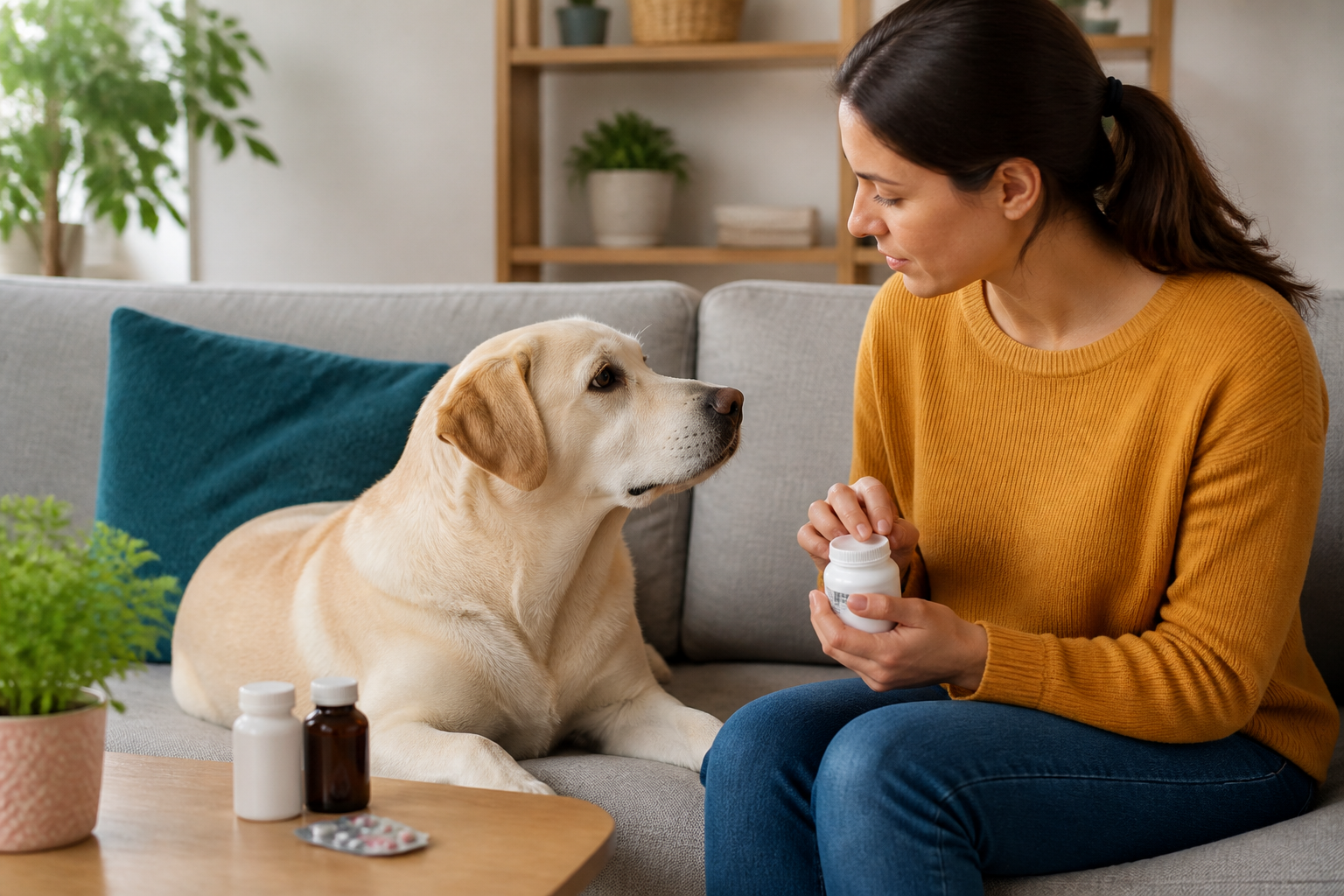
It is a common scene for many dog owners. Your pup has a stubborn ear infection or a urinary tract infection. The veterinarian prescribes a course of antibiotics to clear it up. You feel relieved that your dog is on the mend. Then, a day or two later, the digestive issues start. Loose stools, gas, and a lack of appetite can make your dog feel just as miserable as the original infection did.
At BaxterBoo, we hear from many owners asking if they can use supplements to prevent this cycle. The short answer is yes. You absolutely should consider giving your dog probiotics while they are on antibiotics. This approach helps maintain the delicate balance of the gut during a time of significant internal stress. This post will cover how to time these supplements, which strains work best, and how to support your dog’s long term wellness. Probiotics are a vital tool for protecting your dog's digestive health during medical treatment.
Understanding the "Scorched Earth" Effect
Antibiotics are life-saving tools in modern veterinary medicine. They work by targeting and destroying harmful bacteria that cause illness. Without them, simple infections could become life-threatening. However, most antibiotics cannot tell the difference between "bad" bacteria and "good" bacteria.
When your dog takes a pill for an infection, the medication travels through the digestive system. It kills the infection-causing microbes, but it also wipes out the beneficial bacteria living in the gut. These good microbes are responsible for digestion, nutrient absorption, and supporting the immune system. When they are gone, the gut enters a state of dysbiosis. This is simply a fancy word for an imbalance in the microscopic community of the intestines.
Quick Answer: Yes, you should give your dog probiotics during antibiotic treatment. They help replenish beneficial bacteria and can significantly reduce the risk of antibiotic-associated diarrhea. For the best results, give the probiotic two hours after the antibiotic dose.
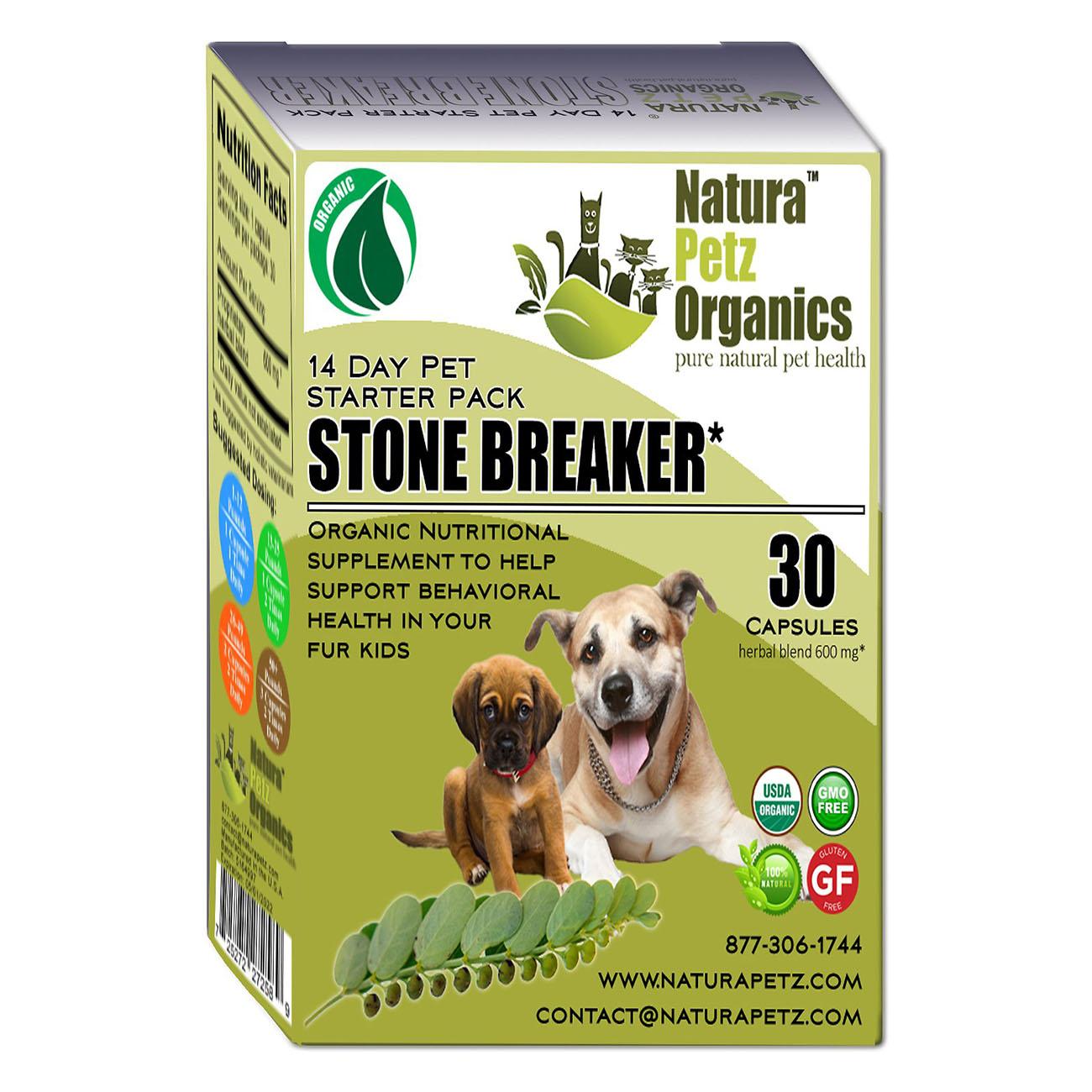
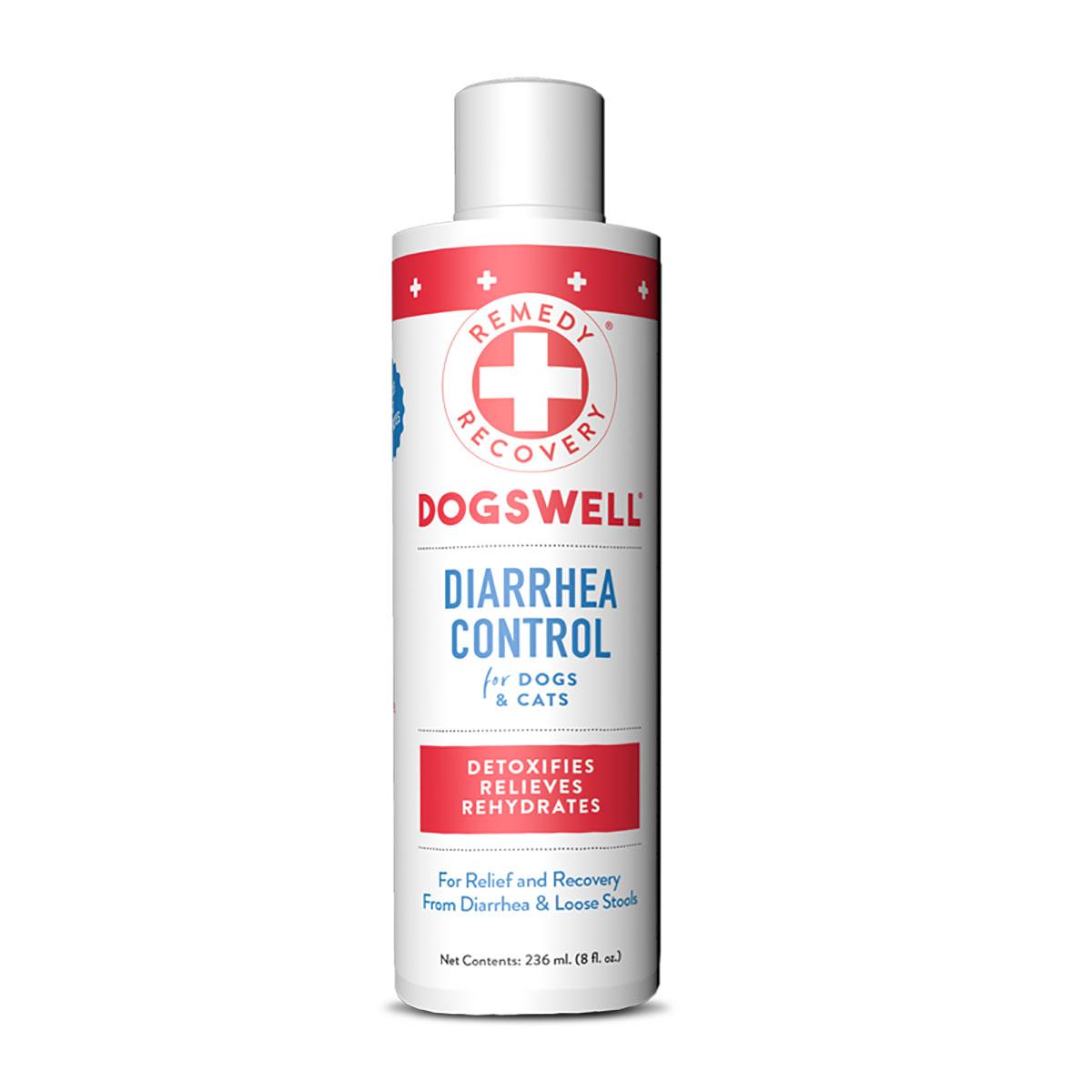
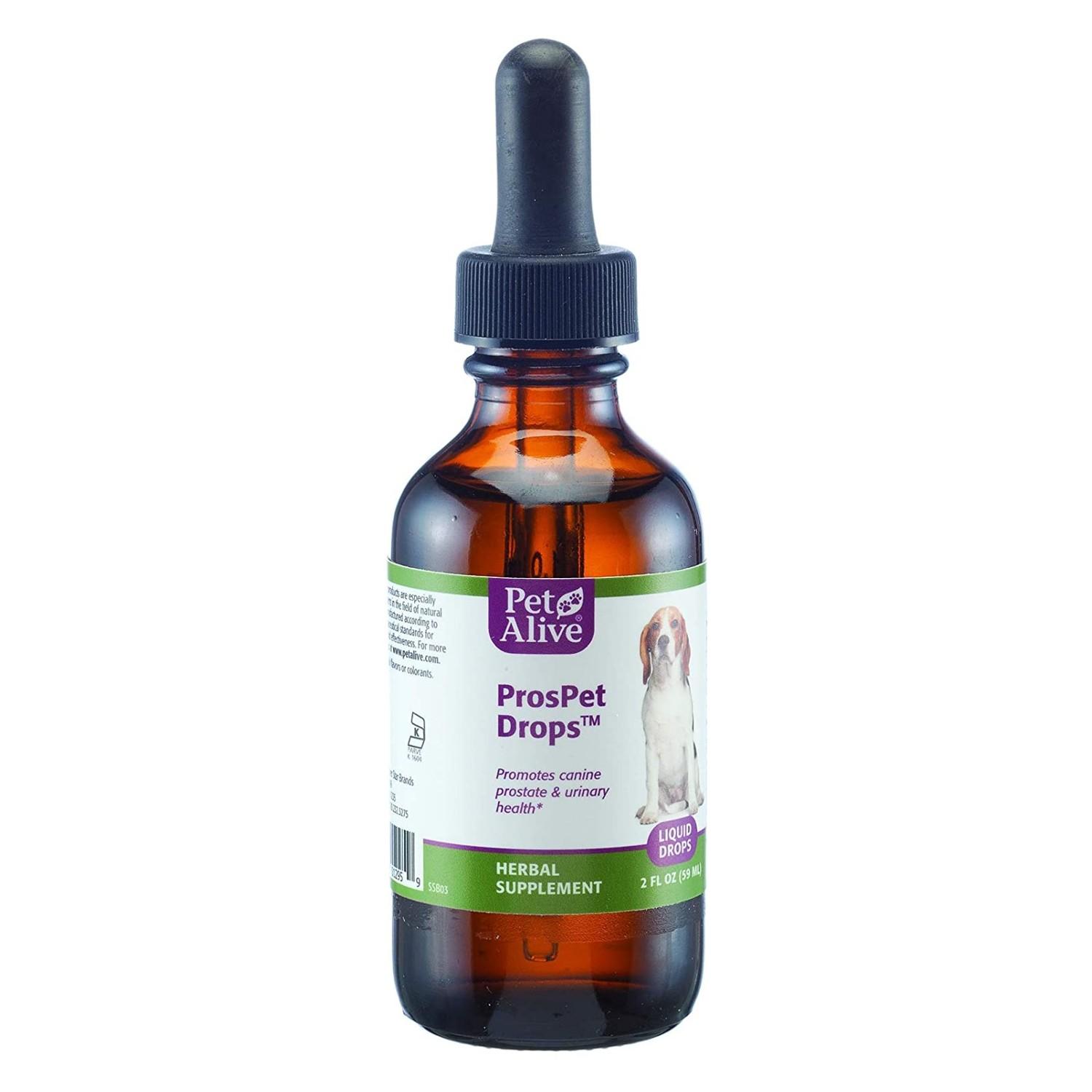
Dog Digestive & Urinary Aids






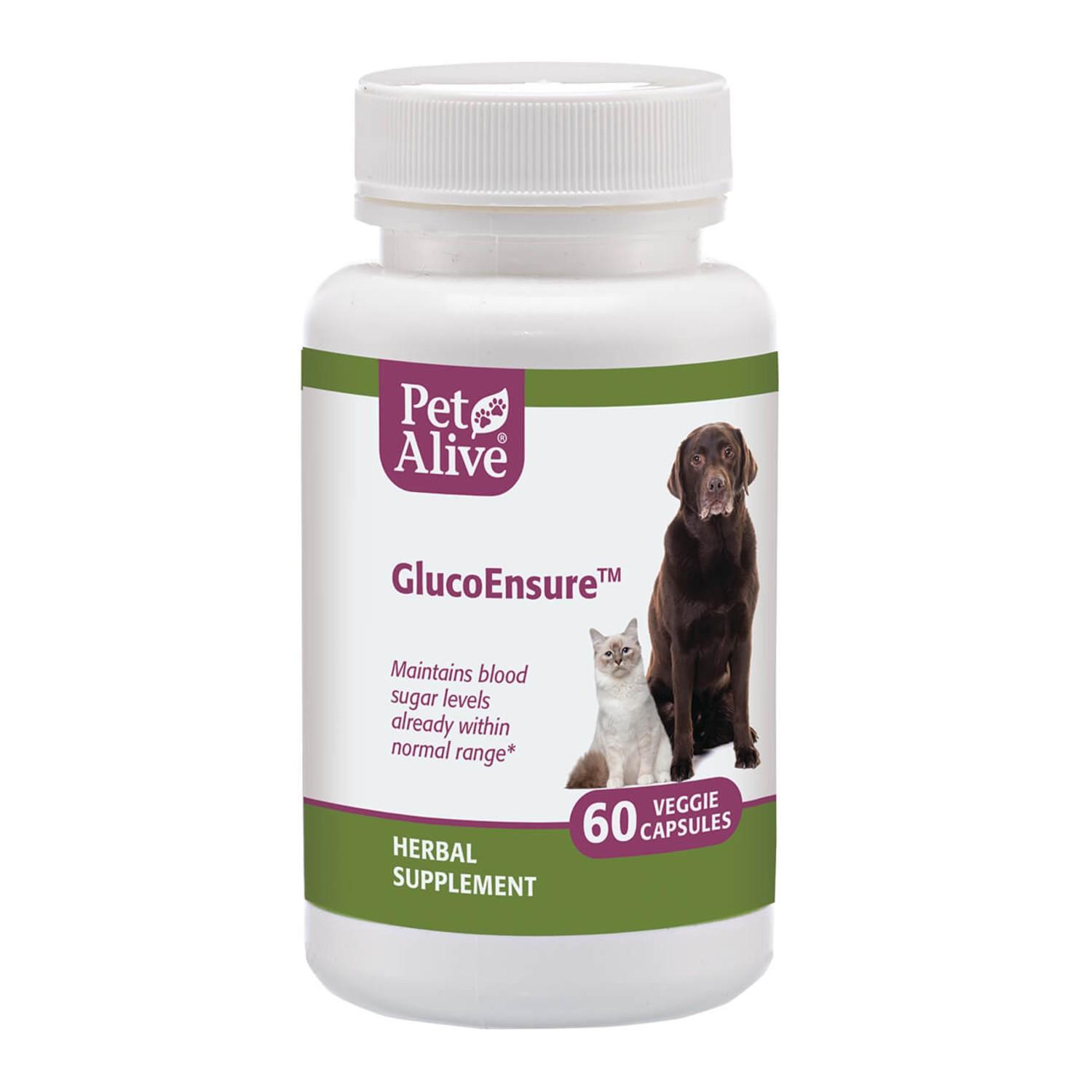




Why Probiotics Matter During Treatment
The canine gut contains about 70 percent of the immune system. When the bacterial balance is disrupted, the immune system may weaken. This is why some dogs seem to catch one illness right after another. By introducing probiotics during the antibiotic course, you are essentially sending in "reinforcements" to help occupy the space being vacated by the bacteria that were killed off.
Probiotics can help in several specific ways:
- They produce short-chain fatty acids that nourish the gut lining.
- They help maintain the proper acidity levels in the digestive tract.
- They compete with harmful pathogens for space and food.
- They can reduce the duration and severity of loose stools.
We often see dogs that struggle with chronic digestive issues after just one round of strong medication. Starting support early can prevent these long-term hurdles. For options designed to support digestive balance, explore our dog digestive health category.
The Importance of Timing
One of the most frequent mistakes owners make is giving the antibiotic and the probiotic at the same time. If you do this, the antibiotic may simply kill the "good" bacteria in the supplement before they can do any work. To get the most value out of your supplements, you must create a window of time between the two.
We recommend waiting at least two hours after giving the antibiotic before you provide the probiotic. This allows the medication to be absorbed into the bloodstream or move further down the digestive tract. By the time the probiotic arrives, the highest concentration of the antibiotic has passed.
Vet Tip: Always finish the entire course of antibiotics prescribed by your vet, even if your dog seems better after two days. Stopping early can lead to antibiotic resistance, making future infections much harder to treat. Use probiotics to manage the side effects rather than stopping the medication.
Choosing the Right Probiotic Strains
Not all probiotics are the same. Some are better at surviving the "storm" of an antibiotic course than others. When you browse the selection at BaxterBoo, you will see many different strains listed on the labels. Two specific types are particularly useful when your dog is taking medication.
Saccharomyces boulardii
This is actually a type of beneficial yeast rather than a bacterium. Because it is a yeast, it is naturally resistant to antibiotics. Antibiotics only kill bacteria. This makes S. boulardii the gold standard for support during a prescription. It can survive the trip through the stomach and stay active even while the medication is working.
Spore-Forming Bacteria (Bacillus Strains)
Strains like Bacillus subtilis or Bacillus coagulans are known as soil-based organisms. They have a hard outer shell that protects them from heat, stomach acid, and most medications. This "armor" helps them reach the large intestine where they are needed most.
| Probiotic Type | Common Strains | Benefit During Antibiotics |
|---|---|---|
| Yeast-Based | Saccharomyces boulardii | Immune to antibiotics; prevents diarrhea. |
| Spore-Forming | Bacillus subtilis | Highly durable; supports immune health. |
| Lactic Acid | Lactobacillus acidophilus | Best for daily maintenance; may be weakened by meds. |
| Bifidobacteria | Bifidobacterium animalis | Supports colon health and stool quality. |
For a multi-strain option with prebiotics, consider the Nutramax Proviable Digestive Health Supplement.
The Role of Prebiotics
If probiotics are the "seeds" you plant in your dog's gut, prebiotics are the "fertilizer." Prebiotics are types of fiber that your dog cannot digest, but the good bacteria in the gut love to eat. When you provide both together, it is often called a synbiotic.
Common prebiotics found in high-quality supplements include:
- Fructooligosaccharides (FOS)
- Inulin (often from chicory root)
- Mannan-oligosaccharides (MOS)
- Acacia fiber
Giving prebiotics ensures that the probiotics you are providing have the fuel they need to grow and multiply. This is especially important during antibiotic treatment when the environment in the gut is harsh.
Key Takeaway: For the most effective gut support, look for a supplement that contains Saccharomyces boulardii and prebiotics like FOS. This combination provides hardy microbes and the food they need to survive.
For more background on choosing supplements, read our guide to pet supplements.
Managing Common Antibiotics
There are several antibiotics commonly used for dogs. Knowing which one your dog is taking can help you understand what side effects to expect.
Amoxicillin and Cephalexin
These are often used for skin infections, ear infections, or dental issues. They are broad-spectrum, meaning they kill a wide variety of bacteria. These are very common causes of mild stomach upset and loose stools.
Doxycycline
This is frequently used for tick-borne illnesses like Lyme disease or respiratory issues like kennel cough. Doxycycline can be very hard on the stomach and may cause nausea or vomiting. It is often recommended to give this specific medication with food.
Metronidazole
This is a unique medication because it is an antibiotic that is often used to treat diarrhea. However, it can still disrupt the long-term balance of the microbiome. It is still beneficial to use probiotics during and after a course of metronidazole to help the gut recover its natural diversity.
If your dog requires long-term medication for chronic issues, our pet pharmacy can help. Through our partnership with Pet's Choice, we offer a wide range of FDA-approved prescription medications and prescription pet foods. This allows you to manage your dog's health needs in one place.
For additional medication guidance, see our comprehensive guide to pet medications.
How to Support Your Dog After the Antibiotics End
The work does not stop when the last pill is gone. It can take weeks or even months for a dog's gut microbiome to return to its original state after a round of antibiotics. This is the period when many owners notice their dogs becoming "picky" or developing skin issues and allergies.
Step 1: Continue probiotics for at least 30 days. / This gives the beneficial colonies time to firmly re-establish themselves without competition from the medication.
Step 2: Monitor stool quality. / Use a consistent diet and avoid adding new, rich treats while the gut is still in a sensitive recovery phase.
Step 3: Consider a microbiome test. / If your dog has frequent infections or persistent digestive issues, a stool analysis can show exactly which bacteria are missing.
Step 4: Gradually reintroduce varied fibers. / Adding small amounts of steamed pumpkin or plain green beans can provide natural prebiotics to support a diverse gut.
Bottom line: Recovery of the gut microbiome is a slow process that continues long after the infection is cleared.
Supporting the Liver and Immune System
Antibiotics must be processed by the liver and excreted through the kidneys. This puts an extra workload on your dog's internal organs. While the gut is the primary focus, general wellness support can help your dog bounce back faster.
Milk thistle is a common supplement used to support liver function. It contains silymarin, which may help protect liver cells from damage and support the detoxification process. Additionally, ensuring your dog stays hydrated is critical. Antibiotics can sometimes cause a decrease in thirst, or diarrhea can lead to fluid loss. Adding a splash of bone broth to their water bowl can encourage them to drink more.
If your dog's appetite is low, try warming up their food. This increases the aroma and makes it more appealing. You can also mix in a small amount of a bland, prescription diet if your vet recommends it. Our pharmacy stocks many of these therapeutic diets for dogs with sensitive systems.
When to Contact Your Veterinarian
While probiotics are safe and effective for most dogs, they are not a cure-all. You should always monitor your dog closely while they are on any medication. Some side effects are normal, but others require professional attention.
Contact your vet immediately if your dog:
- Vomits multiple times or cannot keep water down.
- Shows extreme lethargy or seems unable to stand.
- Has blood in their stool.
- Develops a rash, hives, or swelling around the face.
- Refuses to eat for more than 24 hours.
These signs could indicate an allergic reaction to the medication or a more serious secondary infection. Probiotics are a support tool, but they should never replace the guidance of your veterinary professional.
For more information about infections and treatment, read our guide to spotting and treating dog infections.
Diet and Nutrition During Recovery
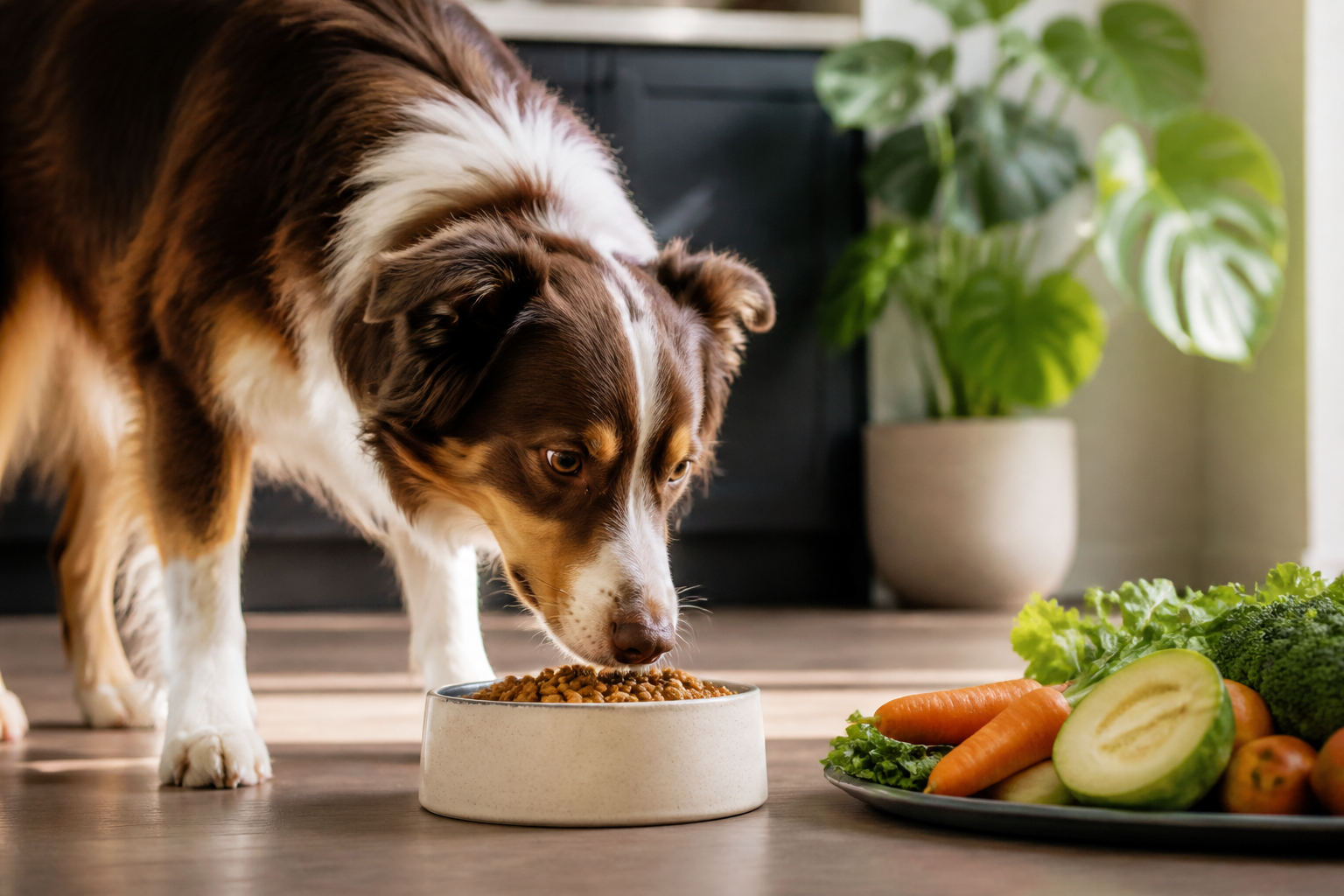
What you put in the bowl matters just as much as what you put in the supplement. During and after antibiotic treatment, aim for a diet that is easy to digest. Many owners find success with high-protein, low-starch diets. High amounts of starch and sugar can actually feed the "bad" bacteria in the gut, potentially leading to yeast overgrowth or further imbalance.
If your dog is on a kibble diet, you might consider adding a "topper" of fresh or freeze-dried food to increase the nutrient density. These foods often contain natural enzymes that help with digestion. Just be sure to introduce any food changes slowly. A sudden switch in diet on top of an antibiotic course can create a "perfect storm" for an upset stomach.
Our MVP Rewards program is a great way to save on these premium foods and supplements. You can explore the MVP Rewards programme to learn how points and membership benefits can support future purchases.
The BaxterBoo Difference in Wellness
We know that navigating pet health can feel overwhelming. Since 2006, we have focused on curating products that actually work. We do not just stock items because they are popular; we choose them because they meet our standards for quality and safety.
Whether you are looking for a specific strain like S. boulardii or a comprehensive multi-strain powder, we have options that fit your dog's needs. Our warehouse in Vernon Hills, Illinois, is stocked with over 500 trusted brands. We handle everything from your dog's favorite treats to their essential flea and tick protection.
For medications that require a prescription, our pharmacy partnership ensures you get genuine, FDA-approved products delivered to your door. This combination of expertise and convenience is why so many pet owners trust us with their dogs' care.
Summary of Best Practices
Providing your dog with probiotics while they take antibiotics is a proactive way to protect their health. It reduces the chance of unpleasant side effects and helps their immune system stay strong. Remember that timing is the most important factor for success.
- Give probiotics 2 hours after the antibiotic dose.
- Select hardy strains like Saccharomyces boulardii or Bacillus spores.
- Include prebiotics to feed the good bacteria.
- Continue supplementation for a month after the meds are finished.
- Watch for signs of serious distress and call your vet if they occur.
Key Takeaway: Probiotics act as a protective barrier for your dog's digestive system. Using them correctly ensures that the "good" bacteria can survive the antibiotic treatment and continue supporting your dog's overall wellness.
By following these simple steps, you can help your dog get through their treatment with fewer "tummy troubles" and a faster return to their happy, energetic self. For more support, you can explore our wide range of digestive aids and pharmacy services. We also offer our Autoship programme for recurring needs, which ensures you never run out of the supplements your dog needs to stay healthy.
FAQ
Can I give my dog human probiotics?
While some human probiotics are safe, it is always better to use a dog-specific formula. Canine digestive systems have different pH levels and different native bacterial species than humans. Dog-specific supplements are formulated to survive the canine stomach and provide the exact strains that benefit their unique microbiome.
How long should my dog stay on probiotics after antibiotics?
We recommend continuing the probiotic for at least four weeks after the final dose of antibiotics. It takes time for the natural gut flora to repopulate and stabilize. Stopping too soon can leave the gut vulnerable to "bad" bacteria moving back into the empty spaces left by the medication.
Will probiotics interfere with how the antibiotic works?
No, probiotics do not change the effectiveness of the antibiotic itself. The antibiotic will still target the infection as intended. The probiotic simply works to protect the "good" bacteria in the gut and replace what is lost. Just remember to space the doses by two hours to ensure the antibiotic doesn't kill the probiotic.
Can probiotics cause any side effects in dogs?
Most dogs tolerate probiotics very well. In some cases, a dog might experience a temporary increase in gas or slightly softer stools when first starting a high-potency supplement. This is usually just the gut adjusting to the new microbes. If the symptoms are severe or persist for more than a few days, consult your veterinarian.


- Site & Contents BaxterBoo.com. BaxterBoo is located in the United States.
- Privacy & Security
- Terms of Use
- Accessibility Statement
