
 Save 15% on your 1st Autoship learn more

 Email us
 Live Chat
 FAQs
FAQs





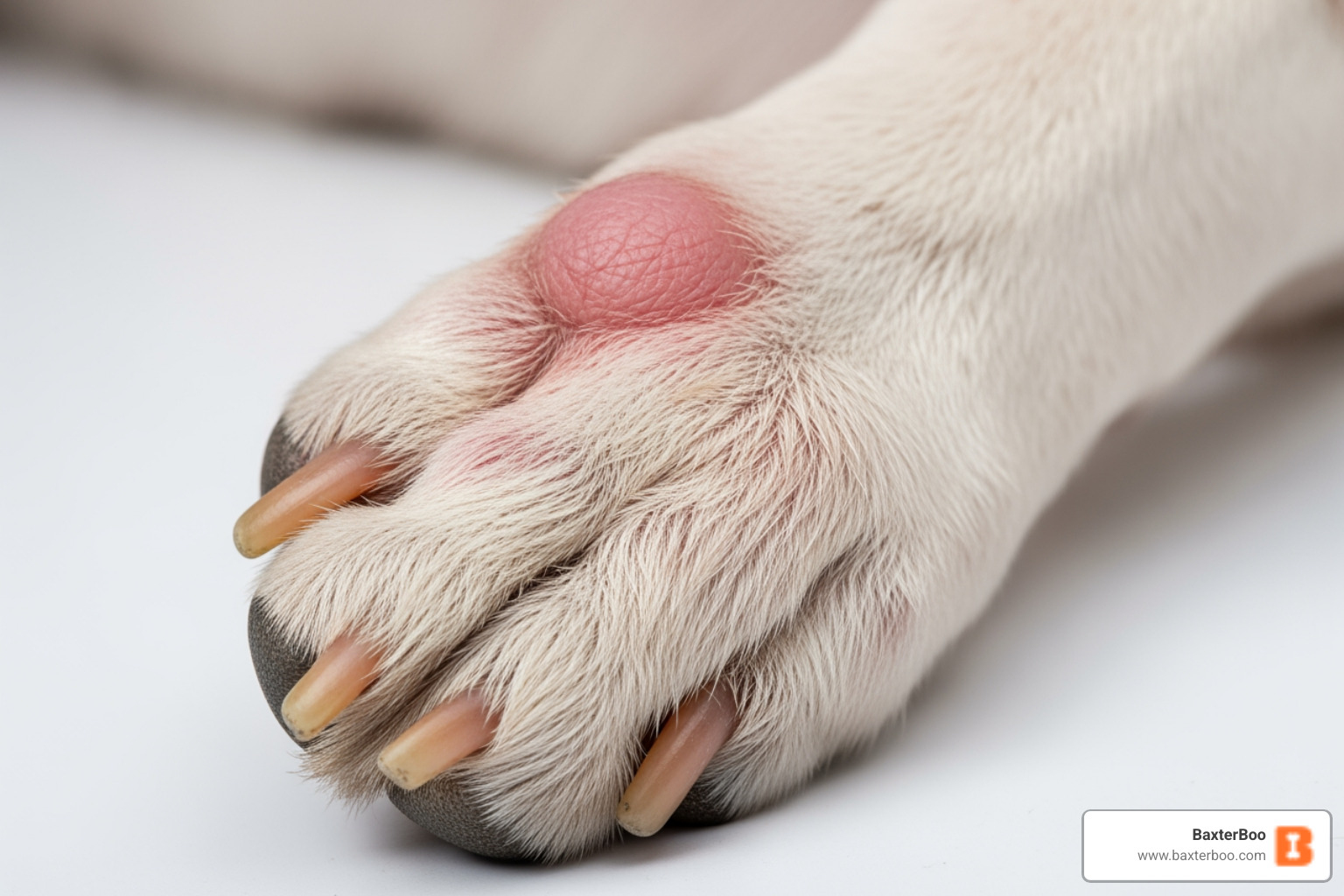
What Every Dog Owner Should Know About Leg Infections
A dog leg infection can range from a minor irritation to a serious bone infection requiring immediate veterinary attention. These infections occur when pathogens like bacteria or fungi invade the skin, tissues, or bones of a dog's leg or paw, often due to trauma, allergies, or underlying health issues.
Quick Answer: Key Signs Your Dog Has a Leg Infection
- Swelling or redness on the paw, leg, or between toes
- Limping or reluctance to walk on the affected leg
- Excessive licking or chewing at a specific area
- Discharge, pus, or a foul odor from the affected site
- Warmth to the touch and visible pain when touched
- Hair loss or crusty, flaky skin around the infection
If you notice a swollen leg, lameness, fever, or lethargy, seek veterinary care immediately. As research shows, "An abscess, or localized infection of the skin, between the toes is also called an interdigital furuncle. It is similar to a severely infected pimple or boil on the face."
Dog leg infections commonly affect the paws, interdigital spaces, nail beds, and skin folds. Early detection is crucial because a small red bump can quickly develop into a painful, pus-filled boil or spread to deeper tissues.
Fortunately, most leg infections respond well to treatment when caught early. Understanding the signs, causes, and treatment options helps you protect your dog from pain and serious complications.
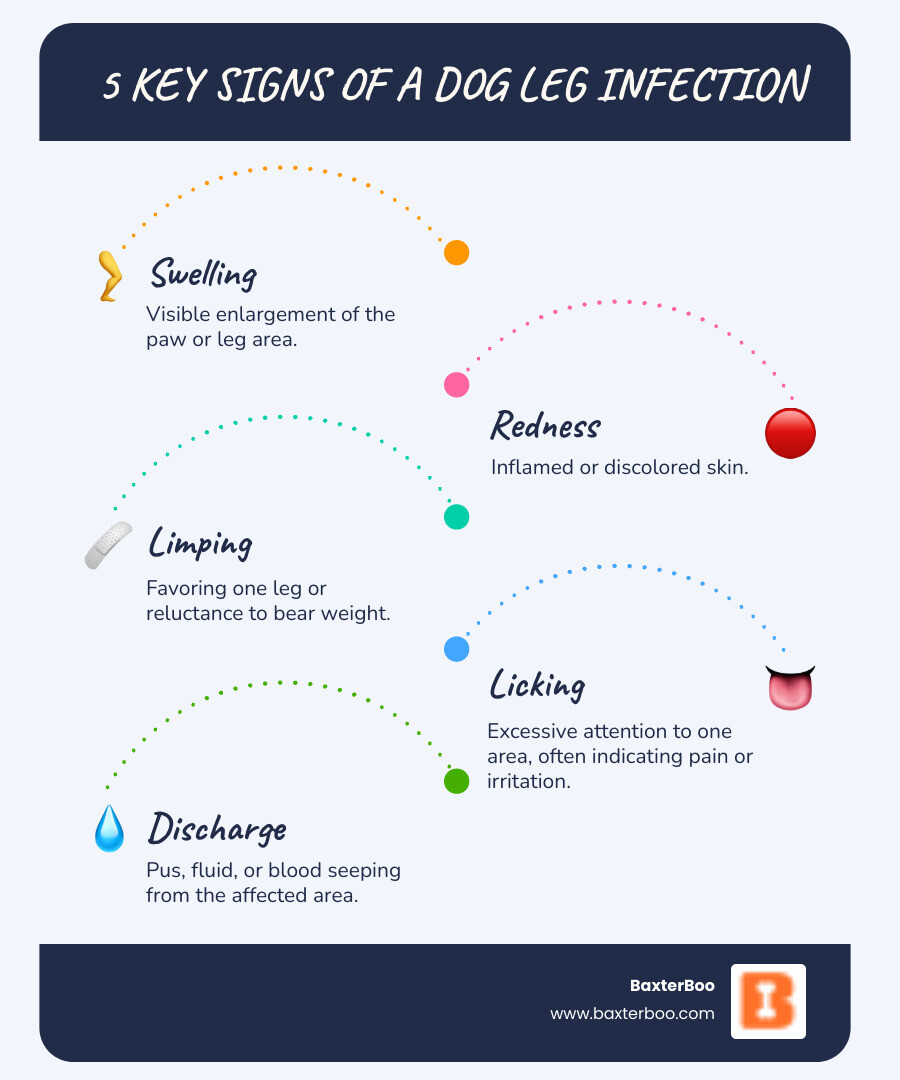
Recognizing the Signs: Is Your Dog's Leg Infected?
Since your dog can't tell you what's wrong, it's up to you to spot the clues of a leg or paw issue. Recognizing these signs early can prevent a minor problem from becoming a serious health crisis.
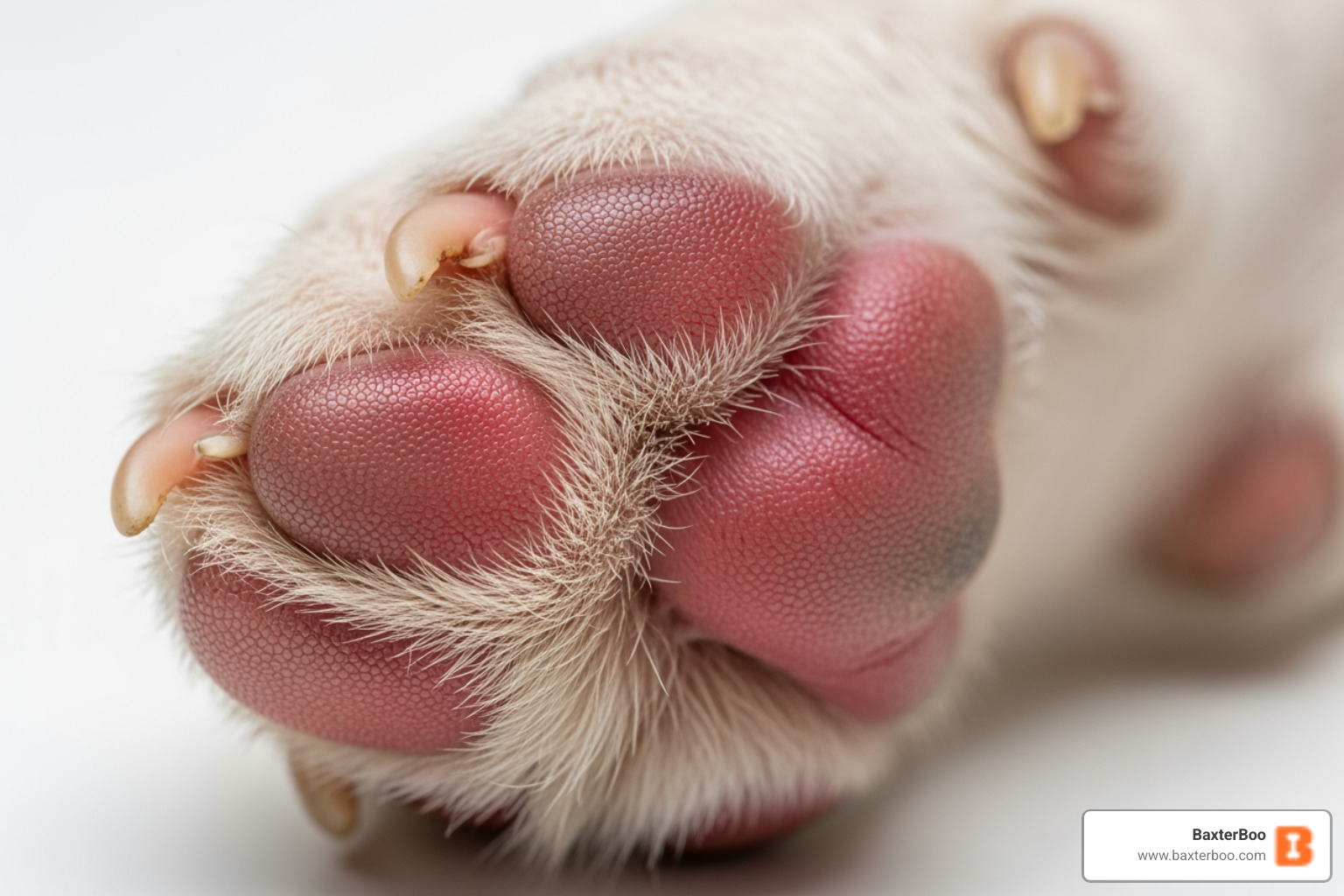
One of the first signs is often limping or reluctance to walk. If your energetic pup suddenly favors one leg, pay attention. Also, watch for excessive licking or chewing at a specific spot. Dogs lick to soothe pain, but constant attention to one area is a major red flag for a dog leg infection. This licking can introduce more bacteria and moisture, making the problem worse.
Look for physical changes like swelling, which may appear as a puffy paw or a localized bump, and redness or discoloration, especially between the toes. An infected area often feels warm to the touch as the body sends extra blood to fight the infection. A definite sign of infection is discharge or pus—which can be clear, yellow, green, or bloody—oozing from a wound.
A foul odor from the paw often indicates a bacterial or yeast overgrowth. You may also see hair loss around the site as the infection damages hair follicles. Your dog might also show pain or sensitivity, pulling away or yelping when you touch the sore spot.
Beyond the leg itself, watch for behavioral changes. Lethargy or unusual tiredness can signal a more serious, spreading infection. Some dogs also develop a fever.
When to Seek Veterinary Care
Some situations require an immediate trip to the vet. Seek help right away if you notice:
- Severe pain (crying, yelping, or uncharacteristic aggression)
- Complete non-weight bearing on the leg
- Rapidly spreading swelling that moves up the leg
- Open, draining wounds, especially if they are deep or bleeding
- Fever combined with lethargy and poor appetite
- Any signs in puppies or senior dogs, as their immune systems are more vulnerable.
When in doubt, it's always better to have your vet take a look. Catching a dog leg infection early makes treatment easier and recovery faster.
Uncovering the Culprits: Common Causes and Types of Dog Leg Infections
Understanding the cause of a dog leg infection is the first step to solving it. Your dog's paws face daily challenges that can break down their natural defenses, allowing bacteria, fungi, and parasites to invade.
Common causes include:
- Trauma: Cuts, scrapes, or puncture wounds from glass, thorns, or animal bites create an entry point for infection.
- Allergies: Environmental or food allergies cause intense itching. The resulting licking and chewing damages the skin, allowing bacteria to colonize.
- Foreign bodies: Splinters, grass awns, or pebbles can get lodged between toes or in paw pads, causing inflammation that leads to infection.
- Parasites: Mites, fleas, and ticks create inflammation and compromise the skin's protective barrier.
- Underlying health conditions: Hypothyroidism, Cushing's disease, or a weak immune system can make a dog more vulnerable to recurrent infections.
Bacterial Infections (Pyoderma)
Most dog leg infections are bacterial, known as pyoderma ("pus in the skin"). The common culprit is Staphylococcus pseudintermedius, a bacterium that normally lives on dog skin but causes trouble when the skin barrier is broken. Pyoderma can be surface-level, like a "hot spot"—an angry, red, moist patch of skin. It can also be superficial, involving hair follicles and causing pustules, or deep, penetrating the dermis to create abscesses and draining tracts. Deep infections often signal an underlying issue like severe allergies. For hot spots, products like MicrocynAH Hot Spot Spray Gel for Dogs & Cats can provide relief. For more detail, see this scientific research on Pyoderma.
Fungal and Yeast Infections
Fungi and yeast can also cause a dog leg infection. Yeast dermatitis, caused by Malassezia, is common in warm, moist areas like between the toes. Signs include a musty odor (like corn chips), greasy or flaky skin, and redness. Ringworm, a contagious fungal infection (not a worm), causes circular patches of hair loss with scaly, red skin and can spread to other pets and humans. Your vet may recommend treatments like Conzol-1 Topical Spray for fungal issues.
Paw-Specific Problems: Pododermatitis and Interdigital Furunculosis
Pododermatitis is a general term for inflammation of the paws, which can be caused by infections, allergies, or foreign objects. Interdigital furunculosis is a particularly painful deep bacterial infection (boil) that forms between a dog's toes. These reddish-purple nodules can rupture and leak fluid. They are often caused by short, bristly hairs being forced back into the hair follicles during movement, or by foreign bodies. Breeds like Bulldogs, Chinese Shar-Peis, Labrador Retrievers, and German Shepherds are more prone to this condition. An in-depth guide to Interdigital Furunculosis offers more clinical insight.
Deeper Issues: Bone Infections (Osteomyelitis)
Osteomyelitis is the most serious type of dog leg infection. This infection of the bone and bone marrow is a medical emergency requiring immediate, aggressive treatment. It is typically caused by deep puncture wounds, open fractures where bone is exposed, or, in rare cases, an infection spreading through the bloodstream. Dogs with osteomyelitis show severe lameness, extreme pain, swelling, and fever. The clinical overview of Osteomyelitis in Dogs highlights the seriousness of this condition.
Diagnosis and Treatment for a Dog Leg Infection
When your dog is limping or licking, you want answers and relief for them. With proper veterinary care, most dog leg infection cases can be successfully treated. The first step is always an accurate diagnosis.

How Vets Diagnose a Dog Leg Infection
Your veterinarian will start with a thorough physical examination, inspecting the leg for swelling, redness, and discharge, and checking for pain and warmth. To identify the specific cause, they may recommend diagnostic tests:
- Cytology: A skin scrape or impression smear is examined under a microscope to quickly identify bacteria, yeast, or inflammatory cells.
- Bacterial and Fungal Cultures: These tests identify the exact microorganism and determine which medications will be effective against it.
- X-rays: Used to check for bone infections (osteomyelitis) or hidden foreign objects.
- Blood Tests: Can reveal signs of systemic infection and help rule out underlying health conditions.
- Biopsy: A small tissue sample is examined to diagnose complex cases, immune-mediated diseases, or to rule out cancer.
Common Treatment Approaches
Treatment plans are customized for your dog and often involve a multi-pronged approach.
-
Medications: Oral antibiotics are prescribed for bacterial infections. You must complete the entire course, even if your dog seems better, to prevent resistant bacteria. A common choice is Amoxicillin/Clavulanate tablets. Fungal infections require specific antifungal medications. Anti-inflammatory drugs like Meloxidyl Oral Suspension can provide pain relief.
-
Topical Therapies: Medicated shampoos and ointments work directly on the skin to control bacterial and yeast growth. For gentle cleansing, options like Honest Paws 5-in-1 Dog Wash Oatmeal & Aloe can soothe irritated skin.
-
Paw Soaks: Warm water soaks, sometimes with a vet-recommended antiseptic, help clean wounds, reduce swelling, and draw out infection from between the toes.
-
E-collars: The "cone of healing" is essential. It prevents your dog from licking or chewing the infected area, which is critical for allowing the site to heal.
-
Surgery: May be required for deep abscesses, removing foreign bodies, or treating severe bone infections.
The Road to Recovery and Potential Complications
Recovery time varies based on the infection's severity and your dog's health. Completing the full medication course is non-negotiable. Skipping doses can lead to a relapse with a more resistant infection. Attend all follow-up appointments so your vet can monitor progress and adjust treatment as needed.
A surface infection might clear in a few weeks, while deep infections or osteomyelitis can take months of treatment. If left untreated, a dog leg infection can lead to devastating consequences, including sepsis (a life-threatening blood infection), chronic pain, or even amputation to save your dog's life. Prompt veterinary care is the key to a full recovery.
Prevention: Keeping Your Dog's Legs Healthy and Infection-Free
The best way to handle a dog leg infection is to prevent it from starting. Proactive steps to keep your dog's legs and paws healthy can save them from pain and you from costly vet visits.
Routine Paw and Leg Inspection
Make paw checks a regular habit, ideally daily. This helps you catch small problems before they escalate. Gently run your hands over each leg and paw, and look carefully between the toes. You're checking for:
- Cuts or scrapes
- Cracks in the paw pads
- Swelling or unusual lumps
- Foreign objects like thorns, burrs, or glass
- Redness between the toes, an early warning sign
If your dog seems sensitive in a particular spot, investigate further. You know your dog best.
Proper Grooming and Hygiene
Good hygiene is essential for preventing infections. Cleaning paws after walks with a damp cloth or pet-safe wipe removes mud, salt, and irritants. This is especially important after hikes or walks on salted winter sidewalks.
Keeping the hair between the toes trimmed is crucial for many dogs, as long hair traps moisture and debris, creating a breeding ground for bacteria and yeast. You can trim this hair with blunt-nosed scissors or ask your groomer for help.
Regular bathing with a quality dog shampoo like Honest Paws 5-in-1 Dog Wash Oatmeal & Aloe keeps skin healthy. Thorough brushing with a good grooming brush also helps by removing loose hair and distributing natural oils.
Proactive Health Management
Preventing a dog leg infection often means addressing the bigger health picture.
-
Manage Allergies: Uncontrolled allergies lead to intense itching, scratching, and chewing, which breaks down the skin barrier. Work with your vet to manage your dog's allergies through diet, medication, or environmental changes.
-
Use Year-Round Parasite Prevention: Flea and tick bites cause irritation and create open wounds perfect for bacteria. Consistent prevention with products like Vectra Topical Flea Treatment for Dogs & Puppies is far easier than treating an infestation and subsequent infections.
-
Support Skin and Immune Health: A balanced diet rich in omega-3s helps maintain a strong skin barrier. For dogs prone to skin issues, supplements like VetriScience Derma Strength Skin & Coat Supplement can provide targeted support. Always consult your vet before starting new supplements.
Finally, keep your yard free of sharp objects and be mindful of hot pavement or ice-melting chemicals during walks. These simple steps go a long way in protecting your dog's paws.
Frequently Asked Questions about Dog Leg Infections
As pet parents, we all have questions when our dogs are unwell. Here are answers to some of the most common concerns about dog leg infections.
Can I treat my dog's leg infection at home with home remedies?
A veterinary diagnosis must always come first. What looks like a minor irritation could be a serious infection requiring specific medication. Treating in the dark can make the problem worse or allow it to spread.
That said, home care can support professional treatment. Your vet might recommend Epsom salt soaks or specific antiseptic cleaners. Follow their instructions carefully. Never use hydrogen peroxide unless specifically directed by your vet, as it can damage healing tissue. Also, avoid giving your dog human medications, as many are toxic to them.
What's the difference between a sprain and an infection?
Both can cause limping, but the underlying causes are different. A sprain is a ligament injury from overstretching or twisting a leg. You'll see lameness and joint swelling, but the skin itself is usually intact.
An infection involves pathogens (bacteria or fungi). In addition to lameness and swelling, an infection has telltale signs like discharge or pus, a foul odor, warmth to the touch, and often a visible wound or fever. If you see these signs, it's likely an infection, not a sprain. Your vet can provide a definitive diagnosis.
Are dog leg infections contagious to humans or other pets?
It depends on the cause of the infection.
- Most common bacterial skin infections (caused by Staphylococcus) are not highly contagious to healthy humans or other pets.
- Fungal infections like ringworm are highly contagious and can spread easily to other animals and people. Meticulous hygiene is required.
- Certain resistant bacteria, like MRSA, can be zoonotic (transferable between animals and humans), though this is less common.
- Some parasites, like Sarcoptic mange mites, can also temporarily transfer to humans.
Always practice good hygiene. Wash your hands thoroughly after handling an infected area and ask your vet about any specific precautions needed for your dog's condition.
Conclusion: Proactive Care for Healthy Paws and Legs
When it comes to a dog leg infection, you are your dog's most important advocate. Your daily observations—a quick paw check, noticing a slight limp, or catching an unusual odor—are the first line of defense.
When caught early, most leg infections respond well to veterinary treatment, sparing your dog from pain and preventing serious complications like sepsis or chronic lameness. We've seen that effective solutions are available, from antibiotics like Amoxicillin/Clavulanate to soothing topicals like MicrocynAH Hot Spot Spray.
However, prevention is always the best medicine. Regular grooming with quality grooming brushes, consistent flea and tick treatment, and nutritional support with skin & coat supplements can keep many infections from ever starting.
At BaxterBoo, we are committed to your dog's wellness. Trust your instincts, call your vet when something seems off, and know that we're here to support you. Explore our complete range of dog health and wellness products and let's work together to keep those paws healthy and tails wagging






