
 Save 15% on your 1st Autoship learn more

 Email us
 Live Chat
 FAQs
FAQs





Introduction
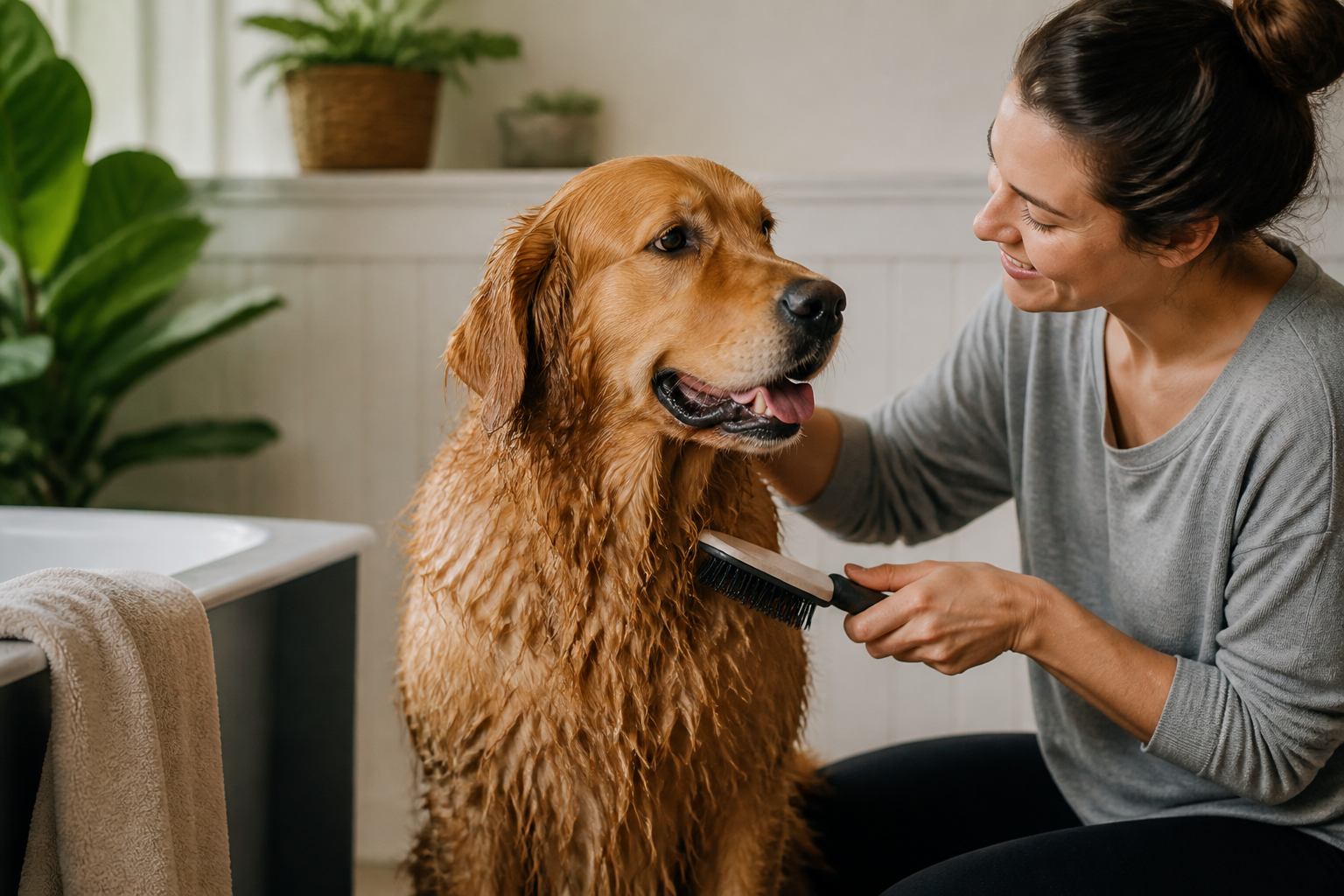
You just finished giving your dog a bath and they are finally standing still for a moment. They are soaking wet and starting to shake. You reach for the brush to start working through their coat, but you hesitate. You might wonder if brushing wet hair causes damage or if you should wait for the fur to dry completely. At BaxterBoo, we hear this question from pet parents every day. Many people assume that brushing a dog is exactly like brushing human hair, but dog coats have unique needs. The answer depends on your dog's coat type, the tools you use, and whether you are using the right products to protect the hair. This article explains when to brush, how to protect the hair bonds, and why lubrication is the most important part of the process.
The Short Answer for Pet Parents
Many owners are surprised to learn that professional groomers often avoid brushing a bone dry coat. However, they also do not recommend brushing a soaking wet dog without the right products. The best approach is usually somewhere in the middle.
Quick Answer: You should generally avoid brushing a completely dry coat because it causes static and breakage. The best time to brush is either during the conditioning phase of a bath or while the coat is damp after being treated with a detangling spray.
Why Brushing a Bone Dry Coat is Risky
It seems natural to grab a brush and tidy up your dog while they are lounging on the rug. If their coat is bone dry and lacks any moisture, you might be doing more harm than good. Dry hair is structurally strong, but it is also very brittle. When you pull a brush through dry fur, you create friction. This friction leads to a few specific problems that can ruin a healthy coat over time.
Static Electricity and Tangling
Dry brushing creates a buildup of static electricity. This is especially true in the winter months when the air in our homes is very dry. Static causes individual hair shafts to stand up and wrap around each other. This actually encourages new mats to form while you are trying to brush out the old ones. It also makes the hair attract more dust, dirt, and dander from your floors.
Hair Breakage and Frizz
Without some form of lubrication, the bristles of a brush can snag on the microscopic scales of the hair shaft. This leads to split ends and breakage. If you notice your dog's coat looks dull or frizzy after you brush them, dry brushing is likely the culprit. Consistent breakage can eventually lead to a thinner coat and may even cause your dog discomfort as the brush tugs at their skin.
Discomfort for Your Dog
Think about how it feels when someone pulls a comb through your hair when it is tangled and dry. It hurts. Dogs feel that same tugging sensation. If grooming becomes a painful experience, your dog will start to hide when they see the brush. Using a little moisture makes the process much more comfortable for them.
Key Takeaway: Brushing a completely dry coat causes friction that leads to breakage, static, and a dull appearance. Always use a light mist of conditioning spray if the coat is not wet from a bath.
The Science of Dog Hair Bonds
To understand why moisture matters, we have to look at the structure of the hair itself. Dog hair is held together by three different types of bonds. Each one reacts differently to water and heat.
Hydrogen Bonds
These are the most common bonds in the hair. They are responsible for the hair's ability to hold its shape and retain moisture. Water easily breaks these bonds. This is why hair becomes more elastic when it is wet. As the hair dries, these bonds reform. If you brush while the hair is drying, you can help the bonds reform in a smooth, straight pattern.
Disulfide Bonds
These are the strongest bonds in the coat. They provide the permanent shape of the hair, whether it is curly, wavy, or straight. These bonds are not broken by water alone. However, they can be damaged by harsh chemicals or excessive heat from a blow dryer. When these bonds break, the coat loses its natural luster and becomes very difficult to manage.
Salt Bonds
Salt bonds are fragile and react to changes in pH levels. This is why using the right shampoo is so important. If you use a product that is too acidic or too alkaline, these bonds weaken. This makes the hair much more prone to snapping during a grooming session.
Brushing During the Bath
One of the best times to brush your dog is actually while they are in the tub. This is a common secret among professional groomers. However, there is a specific way to do it. You should never brush a dog while they are covered in shampoo. Shampoo is designed to lift dirt and open the hair cuticle, which makes the hair very vulnerable.
The right time to brush is during the conditioning phase. Once you have rinsed out the shampoo and applied a high quality conditioner, the hair is lubricated. The conditioner fills in the gaps in the hair cuticle and provides "slip." This allows your brush or comb to glide through knots without tension. For bathing products designed for a dog's coat, explore our dog shampoo and conditioner selection.
Benefits of Brushing with Conditioner
Brushing in the tub helps distribute the conditioner evenly from the skin to the tips of the hair. This ensures that the skin stays hydrated. It also helps you remove dead undercoat more efficiently. For double coated breeds like German Shepherds or Huskies, the water and conditioner help the dead hair slide right out of the coat. This can significantly reduce the amount of shedding you deal with inside your house.
Brushing a Wet Dog After the Bath
If you choose to brush after the bath, timing is everything. You should not brush a dog that is dripping wet. When hair is saturated with water, it can stretch up to a third of its original length before it snaps. If you pull on soaking wet hair with a brush, you are likely to overstretch and damage the strands.
The best time to start is when the coat is damp. After you have towel dried your dog or used a blow dryer to remove the excess water, the hair is in its most manageable state. This is the point where the hydrogen bonds are beginning to reform. Brushing at this stage helps you set the coat and prevent new tangles from forming as the hair finishes drying.
Vet Tip: If your dog has a history of skin infections or hot spots, be careful with wet brushing. Moisture trapped against the skin by thick mats can worsen bacterial growth. Always ensure the coat is dried thoroughly all the way to the skin after a bath. If you notice redness or a bad smell, consult your veterinarian for a checkup.
The Role of Brushing Sprays
Since we know that bone dry brushing is bad and soaking wet brushing is risky, what do you do for daily maintenance? This is where brushing sprays come in. We carry several brands at BaxterBoo that are designed specifically for this purpose. You can find conditioning products and detanglers in our dog grooming collection.
A brushing spray provides the lubrication of a conditioner without the need for a full bath. You simply mist the coat lightly before you start. The spray helps the brush move through the fur and neutralizes static. It also leaves behind a protective barrier that repels dirt and dust.
How to Use a Spray Effectively
Do not just spray the top of the dog's back. You need to get the product into the layers of the fur. Lift the hair and spray the undercoat, especially in areas prone to matting like the armpits and behind the ears. You do not need to soak the dog. A light mist is enough to provide the protection the hair needs.
Tools Matter for Wet and Dry Brushing
The tool you choose will change based on whether the coat is damp or dry. Using the wrong brush on wet hair can cause significant damage to the skin and follicles. Compare pin brushes, slickers, curry brushes, and other options in our dog brushes and combs category.
Pin Brushes
A pin brush is often the best choice for damp or wet brushing. Look for pins that have rounded ends. These are gentler on the skin when it is softened by water. Pin brushes are excellent for long haired breeds because they reach through the coat without pulling too hard on the hair.
Slicker Brushes
Slicker brushes are great for removing dead hair and breaking up small mats. However, they have fine wire bristles that can be sharp. Use these with a very light hand on a damp coat. If you use a slicker brush on a dry coat, the friction is much higher, so you must be careful not to cause brush burn on the skin.
Rubber Curry Brushes
For short haired dogs, a rubber curry brush is a fantastic tool to use during the bath. You can use it while the dog is lathered in shampoo or conditioner. It massages the skin and pulls out loose hair without any risk of breaking the hair shafts. A bathing brush from our BASS Brushes selection can be useful for this routine.
Step by Step Brushing Routine
Following a consistent routine will keep your dog's coat in top shape and make grooming easier for both of you.
Step 1: Check for large mats. / Before getting the dog wet, look for any large or tight mats. Use a detangling spray and your fingers or a comb to break them up as much as possible. Water can actually make some mats tighter.
Step 2: Apply moisture. / If you are not giving a bath, mist the dog with a grooming spray. If you are bathing, wait until the conditioner is applied to start your deep brushing.
Step 3: Start from the bottom. / Begin brushing at the legs and work your way up. This prevents you from brushing a tangle into another tangle further down the hair.
Step 4: Use the line brushing technique. / Lift a section of hair and brush the fur underneath it. This ensures you are reaching the skin and not just smoothing over the top layer of fur.
Step 5: Dry thoroughly. / If you brushed while wet, make sure you dry the coat completely. Use a hair dryer on a cool setting or a high velocity pet dryer to remove moisture from the undercoat.
Special Considerations for Coat Types
Not every dog should be handled the same way. The "wet or dry" debate changes depending on what kind of fur your dog has.
Double Coated Dogs
Breeds like Golden Retrievers or Pomeranians have a soft undercoat and a tougher top coat. For these dogs, wet brushing in the tub is a lifesaver. It is the most effective way to manage the massive amount of shedding they do. However, you must be very careful to dry them completely. If a double coat stays damp, it can lead to skin irritation. Our pharmacy carries medicated shampoos and skin treatments through our partnership with Pet's Choice if your dog develops a fungal or bacterial skin issue from trapped moisture.
Curly and Wire Coated Dogs
Poodles and Doodles have hair that grows continuously. This hair traps shed fur, which leads to mats. For these breeds, you should never brush them bone dry. The curls will frizz and break. Always use a leave in conditioner or a detangling spray. Wire coated breeds like Terriers often benefit from being brushed while damp to help maintain the texture of their coat. For more guidance on curly coats, read our guide to grooming a curly-haired dog.
Short Haired Dogs
Dogs like Boxers or Labs are the easiest to manage. You can brush them wet or dry without much risk of breakage. Using a rubber brush during their bath is the most efficient way to keep their shedding under control.
When to Call a Professional
Sometimes, a coat gets beyond the help of a home brushing session. If your dog has mats that are tight against the skin, do not try to brush them out while wet. Wetting a severely matted dog can cause the mats to shrink and tighten like a wool sweater. This can cut off circulation to the skin or cause extreme pain.
Key Takeaway: Never wet a dog that is severely matted without the help of a professional groomer. The water can make the mats impossible to remove without shaving.
Maintaining Skin Health
Brushing is about more than just looks. It is a vital part of your dog's health. Regular grooming allows you to check for lumps, bumps, or parasites like fleas and ticks. If your dog has sensitive skin or allergies, the way you brush can either help or hurt.
Using high quality tools and products helps maintain the skin's natural oil barrier. If you notice that your dog's skin is flaky or red after grooming, you may be brushing too hard or using a product that is too harsh. We offer a wide range of supplements and topical treatments that support coat health from the inside out. For dogs with chronic skin conditions, our pharmacy provides FDA approved medications and prescription diets that can help manage inflammation and itching. Browse our dog skin and coat care products for grooming and coat-care options.
Common Brushing Mistakes to Avoid
Even well meaning pet owners can make mistakes that damage a dog's coat.
- Skipping the conditioner: Brushing a wet dog with just shampoo on the coat is a recipe for breakage.
- Using human products: Human shampoos and conditioners have the wrong pH for a dog's skin. This weakens the hair bonds.
- Brushing too fast: Take your time. Rushing leads to tugging, which causes pain and broken hair.
- Neglecting the undercoat: Only brushing the top layer leads to "hidden" mats near the skin.
Bottom line: Proper lubrication through conditioners or sprays is the most important factor in whether you brush wet or dry.
Summary of the Best Practices
To keep your dog's coat healthy, remember that moisture is your friend. Avoid bone dry brushing to prevent static and breakage. Use the "wet brushing" technique during the conditioning phase of a bath to handle heavy shedding. For daily touch ups, always use a detangling spray to provide the necessary slip for your tools.
By choosing the right tools and being mindful of the hair's structure, you can turn grooming into a bonding experience. Your dog will appreciate the lack of tugging, and you will appreciate the shiny, healthy coat. If you are ready to upgrade your grooming kit, check out our selection of brushes and sprays. Our MVP Rewards programme can even help you earn points on every grooming purchase.
FAQ
Is it better to brush a dog before or after a bath?
It is usually best to do a quick brush before the bath to remove loose debris and check for large mats. However, the most effective deep brushing happens during the conditioning phase or while the coat is damp after the bath. Brushing while the coat is conditioned allows for the most slip and the least amount of hair breakage. For additional bathing guidance, see these dog bathing tips.
Can I brush my dog while they are soaking wet?
You should avoid brushing a dog that is dripping wet unless they are saturated with a heavy conditioner. Water makes the hair more elastic and fragile, so pulling on it can cause the strands to overstretch and snap. Always towel dry the dog until they are damp before you start your post bath brushing routine.
What happens if I brush my dog when their fur is bone dry?
Brushing a bone dry coat often leads to static electricity, which causes the hair to tangle further. It also creates friction that can damage the hair cuticle and lead to split ends or frizz. If you must brush a dry dog, always use a light mist of a detangling or conditioning spray to protect the hair.
Do all dog breeds need to be brushed the same way?
No, different coat types require different approaches. Double coated breeds benefit greatly from wet brushing in the tub to remove undercoat, while curly coated breeds like Poodles always need moisture to prevent frizz. Short haired dogs are more flexible, but they still benefit from the massage and cleaning action of a rubber brush during their bath. For more shedding-related grooming ideas, explore this guide to managing a dog's shedding.






