
 Save 15% on your 1st Autoship learn more

 Email us
 Live Chat
 FAQs
FAQs





Introduction
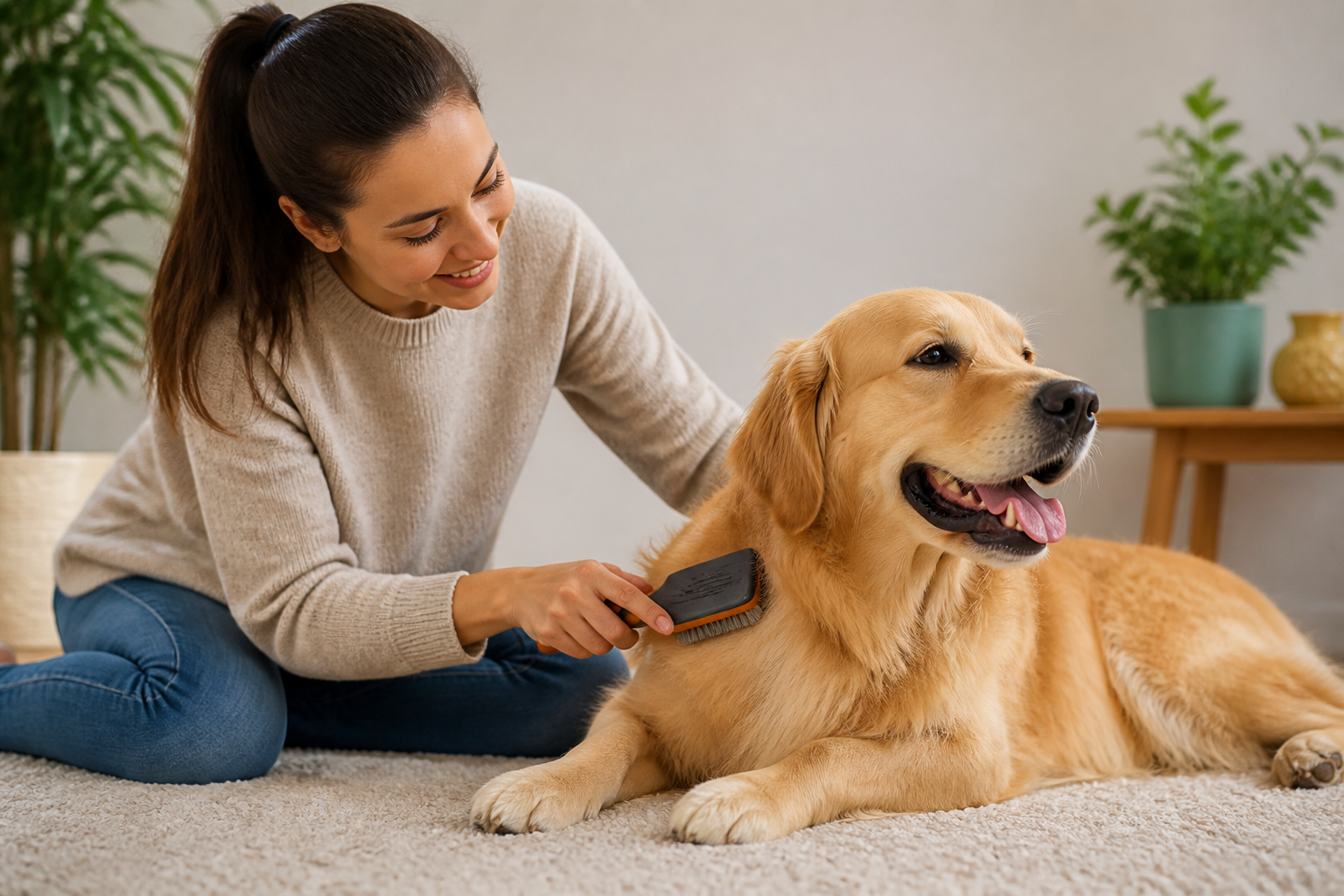
You are sitting on the rug with your dog when you notice a small knot behind their ear. Or perhaps you have just watched another tumbleweed of fur roll across your hardwood floor. These moments make every pet owner wonder if their grooming routine is actually enough. At BaxterBoo, we talk to owners every day who are trying to balance a busy schedule with the needs of their pet's coat. The truth is that there is no single answer for every dog. Brushing frequency depends on the length of the hair, the texture of the fur, and even the time of year. While some dogs need a quick pass once a week, others require a daily commitment to stay comfortable and healthy. This guide will help you determine the right schedule for your dog and the best tools to keep their skin in top shape.
Quick Answer: Whether you should brush your dog every day depends mostly on their coat type. Long-haired, silky, or curly-coated dogs often need daily brushing to prevent painful mats. Short-haired breeds usually only require brushing once or twice a week to remove loose fur and distribute skin oils.
Why Brushing Frequency Matters for Skin Health
Brushing is about much more than just making your dog look like they just left a professional salon. It is a fundamental part of their physical wellness. When you run a brush through your dog's hair, you are performing several tasks at once. You are removing dead hair that would otherwise end up on your furniture. You are also stimulating the skin and moving natural oils from the base of the hair shaft down to the ends.
These natural oils are the best conditioner your dog can get. They provide a protective barrier against environmental irritants and give the coat a healthy shine. If a dog is not brushed often enough, these oils can build up at the skin level. This often leads to clogged pores or a greasy feeling. On the other side, the tips of the hair can become dry and brittle.
Beyond the hair itself, regular grooming sessions allow you to check for skin issues. You might find a small tick, a new lump, or an area of redness that needs attention. Catching these things early is much better than finding them after they have become a major problem. Explore our dog grooming supplies to find tools for regular coat care.
A Breakdown of Coat Types and Schedules
The most important factor in your grooming schedule is the specific coat your dog was born with. Dogs have evolved to have different types of protection from the elements. A dog bred for swimming in cold water has a very different coat than a dog bred for chasing rodents in tight burrows.
Smooth and Short Coats
Smooth-coated dogs, like Boxers or Great Danes, have hair that lies very close to the body. Short-coated dogs, like Labradors or Beagles, have slightly more length. These dogs are the lowest maintenance in terms of tangling. You generally do not need to brush these dogs every day.
A schedule of once or twice a week is usually plenty. During these sessions, the goal is to remove "dead" hair. Short hairs can be very stiff and can easily weave themselves into fabric. Removing them during a dedicated grooming session saves your clothes and your couch.
Double Coats
Double-coated dogs are some of the most misunderstood when it comes to grooming. These dogs, including German Shepherds, Huskies, and Golden Retrievers, have a soft undercoat and a tougher outer coat. They "blow" their coat twice a year, usually in the spring and fall.
During the heavy shedding seasons, you should brush a double-coated dog every single day. If you skip even a few days, the undercoat can become trapped under the guard hairs. This leads to "compacting," where the fur becomes a thick, hot layer that prevents air from reaching the skin. This can cause your dog to overheat or develop skin infections. During the rest of the year, three times a week is usually sufficient.
Long and Silky Coats
Dogs like Yorkshire Terriers, Maltese, and Cocker Spaniels have hair that is very similar to human hair. It grows continuously and is prone to tangling. For these breeds, daily brushing is highly recommended.
The fine texture of silky hair means that even a small amount of friction can create a knot. If your dog wears a harness or a sweater, you might notice "friction mats" forming in the armpits or along the chest. A five minute daily brush through these high friction areas can prevent you from having to cut out mats later.
Curly and Wire Coats
Poodles, Bichon Frises, and many "Doodle" mixes fall into the curly category. These dogs shed very little, which is great for your allergies. However, the hair that they do shed gets caught in the curls rather than falling to the floor.
If you do not brush a curly coat at least every other day, those shed hairs will weave themselves around the live hairs. This creates mats that can eventually pull tight against the skin. Wire-haired dogs, like Schnauzers or Airedale Terriers, have a different challenge. Their coats are rough and can become quite dirty. Weekly brushing helps remove debris and prevents the undercoat from matting. For more guidance, read how to groom a dog with curly hair.
Key Takeaway: Match your brushing frequency to the "tangle potential" of the coat. If the hair is long, curly, or silky, daily care is the safest way to avoid painful matting.
Selecting the Right Tools
Using the wrong brush can be frustrating for you and uncomfortable for your dog. A brush that is too soft will not reach the undercoat. A brush that is too stiff might scratch the skin. Browse our dog brushes and combs to compare options for different coat types.
The Slicker Brush
This is the workhorse of the grooming world. It has fine, short wires close together on a flat or curved surface. It is excellent for removing mats and tangles in long, curly, or double-coated dogs. We often recommend this as the primary tool for most households. The Master Grooming Tools Ergonomic Slicker Dog and Cat Brush is one available option.
The Bristle Brush
This tool is best for smooth-coated dogs or as a finishing brush for longer coats. The bristles are close together and vary in stiffness. This brush is perfect for removing surface dust and spreading those healthy skin oils.
Undercoat Rakes and De-shedding Tools
These tools are specifically designed to reach through the top layer of hair to pull out the loose undercoat. They are essential for breeds like Samoyeds or Newfoundlands. Use these with a light touch to avoid "brush burn," which is skin irritation caused by too much pressure in one spot.
Pin Brushes
A pin brush looks similar to a human hairbrush. It has wire pins with a plastic or rubber tip. These are great for dogs with long, flowing hair because they provide a gentle touch without pulling too hard.
- For shedding: Use a rubber curry brush or a de-shedding tool.
- For tangles: Use a slicker brush and a metal comb.
- For shine: Use a soft bristle brush.
- For sensitive skin: Use a pin brush with rounded tips.
The Health Connection
Sometimes, no matter how much you brush, your dog’s coat might look dull or their skin might seem flaky. This is often an internal issue rather than an external one. Nutrition plays a massive role in coat quality. If your dog is missing essential fatty acids, their hair will become brittle and more likely to tangle.
We also see many dogs who struggle with seasonal allergies or skin sensitivities. If you notice your dog is constantly scratching or has red, inflamed skin during your brushing sessions, it is time to look at medical solutions. Our dog pharmacy carries a range of prescription treatments for skin conditions and allergies through our partnership with Pet's Choice. Whether it is a prescription diet designed for skin support or a specific medication to stop the itch, addressing the underlying health issue makes grooming much easier for everyone.
Vet Tip: If you find a mat that is tight against the skin, do not try to cut it out with kitchen scissors. It is very easy to accidentally nick the skin, which can lead to a serious infection. Instead, use a detangling spray and a metal comb to slowly work it apart from the outside in. If it is too tight, consult a professional groomer or your veterinarian.
Transitioning Your Dog to Daily Brushing
If your dog currently runs away when they see the brush, the idea of doing this every day might seem impossible. However, most dogs can learn to enjoy the process if you take it slow.
Step 1: Introduce the brush without using it. / Let your dog sniff the tool. Give them a high-value treat every time they interact with it calmly.
Step 2: Start with very short sessions. / Brush one small area, like the shoulder, for only thirty seconds. Follow this with praise and a treat.
Step 3: Gradually increase the time. / Slowly move to more sensitive areas like the legs or belly. Always end on a positive note before your dog becomes restless.
Step 4: Establish a consistent time. / Dogs thrive on routine. Whether it is right after the evening walk or while you are watching TV, picking the same time helps your dog know what to expect.
Managing Shedding Season
Even with daily brushing, some breeds will still leave a trail of fur during the change of seasons. This is especially true for "heavy" coats like those found in Newfoundlands or Chow Chows. During these times, you may need to use a combination of tools.
Start with a de-shedding rake to pull out the bulk of the loose undercoat. Follow up with a slicker brush to catch any remaining stray hairs. Finally, use a metal comb to check your work. If the comb slides through the hair without catching, you have successfully cleared the coat. This process prevents the "pelted" look that happens when old hair gets trapped and turns into a solid sheet of felted fur. Our grooming tools include brushes, combs, and de-shedding options for seasonal coat care.
Key Takeaway: Brushing is a skill for both you and your dog. Consistent, short, and positive sessions are more effective than one long, stressful session every few weeks.
The Role of Professional Grooming
Even if you brush your dog every day, most breeds still benefit from seeing a professional groomer every six to eight weeks. Professionals have high-velocity dryers that can blow out loose hair that a hand brush simply cannot reach. They can also handle tasks like ear cleaning and nail trimming, which are essential parts of the grooming puzzle.
Daily brushing at home makes the professional's job much easier. If a dog comes in with severe matting, the only humane option is often to shave the hair off entirely. By keeping up with your daily or weekly sessions, you ensure your dog can keep their beautiful coat and stay comfortable throughout the grooming process.
Seasonal Considerations
The weather outside should change how you approach grooming. In the winter, many owners stop brushing because they want their dog to stay warm. However, a matted coat actually provides less insulation than a clean, fluffy one. Mats hold moisture against the skin, which can make your dog colder.
In the summer, the same logic applies. A well-brushed double coat acts as insulation against the heat. If that coat is clogged with dead fur, air cannot circulate, and the dog's natural cooling system fails. Brushing is a year-round necessity, not just a summer chore. For bathing and post-bath brushing tips, see these dog bathing dos and don'ts.
Summary of Best Practices
Maintaining your dog's coat does not have to be a burden. By understanding the specific needs of your breed and having the right tools on hand, you can turn grooming into a quick and easy part of your day.
- Check for mats in high-friction areas like the armpits and under the collar.
- Always brush in the direction of hair growth to avoid discomfort.
- Use a detangling spray for longer coats to reduce hair breakage.
- Keep sessions positive with plenty of rewards.
- Inspect the skin for any new lumps, bumps, or parasites.
Bottom line: While not every dog needs daily brushing, a consistent routine prevents painful mats and allows you to monitor your pet's overall health.
If you find that your dog’s skin needs more than just a brush, remember that our pharmacy is here to help with professional-grade solutions. You can also use our Autoship options to help ensure you never run out of the grooming sprays, shampoos, or supplements that keep your dog’s coat in peak condition. Taking care of the outside of your dog is just as important as taking care of the inside.
FAQ
Can you over-brush a dog?
Yes, it is possible to over-brush, especially if you use too much pressure or the wrong tool. This can lead to "brush burn," which is skin irritation that looks like a red rash. Always use a light hand and stop if you see the skin turning pink or if your dog seems to be in pain.
What should I do if my dog has a large mat?
Avoid using scissors to cut out a mat that is close to the skin. Instead, try to work it apart using your fingers or a metal comb after applying a generous amount of detangler. If the mat is solid and feels like felt, it is best to have a professional groomer or a veterinarian remove it safely.
Does brushing help with dog allergies?
Regular brushing can significantly help people with mild pet allergies. By removing loose dander and hair in a controlled way, you prevent these allergens from floating through your home. Brushing your dog outside can further reduce the amount of dander that ends up on your indoor surfaces.
My dog's coat is very dry even though I brush him. Why?
A dry coat can be caused by many factors, including over-bathing, low humidity, or a lack of essential fatty acids in the diet. If a high-quality food and regular grooming do not help, consult your vet. They may suggest a specific supplement or a prescription diet from our pharmacy to support skin and coat health.






