
 Save 15% on your 1st Autoship learn more

 Email us
 Live Chat
 FAQs
FAQs





Introduction
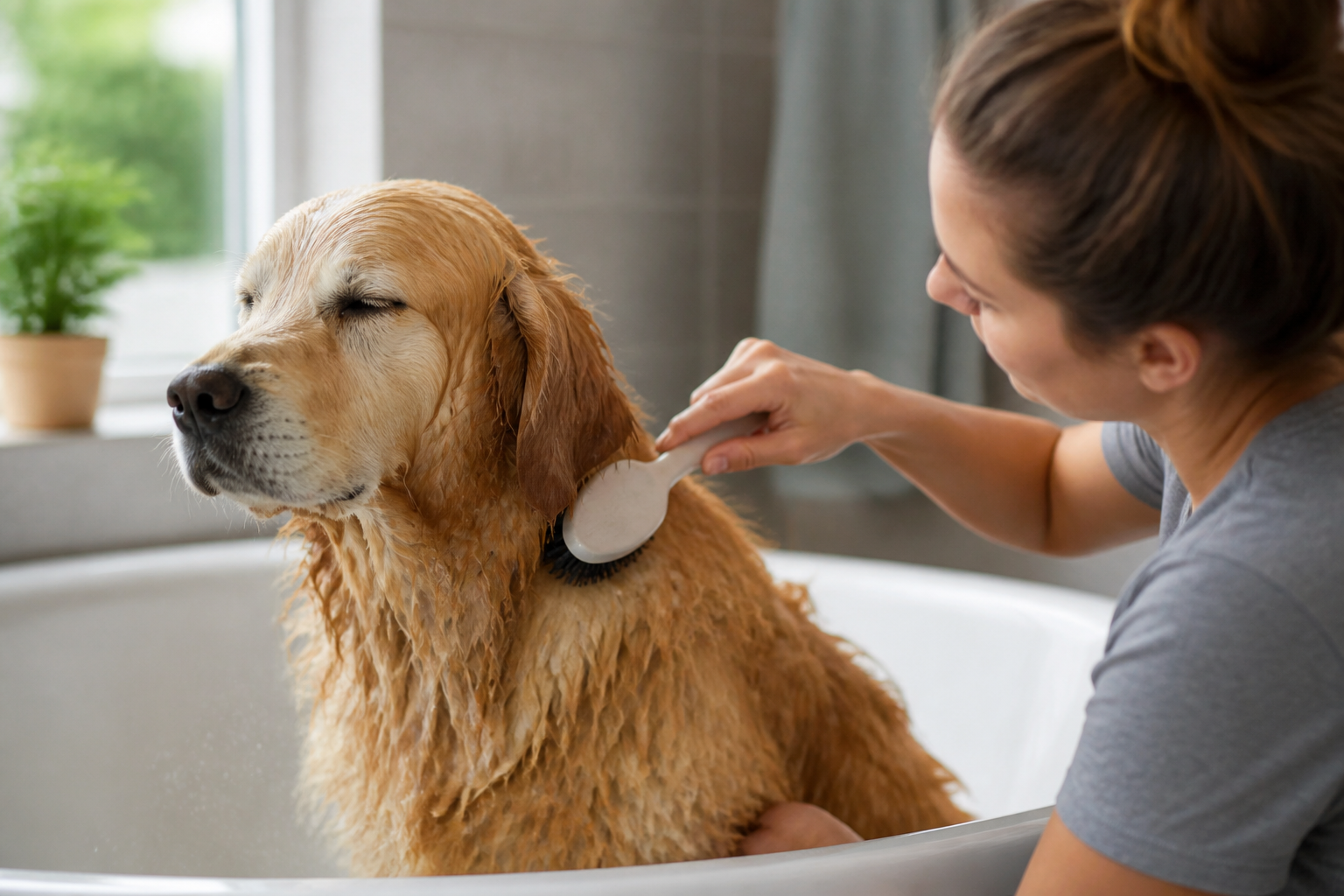
You have just finished giving your dog a bath. They are shivering, smelling like wet fur and shampoo, and looking half their normal size. Your first instinct is to grab a brush and start working through those soggy clumps of hair. It seems like the perfect time to get them looking neat again. However, the question of whether you should brush a dog when wet is one that causes a lot of debate among pet owners. At BaxterBoo, we have spent years helping customers find the right tools for every grooming scenario. We know that the wrong move with a brush can lead to broken hair or a very unhappy pup. While there are a few specific exceptions, the general rule is that you should avoid brushing a soaking wet dog. This post will explain the science of wet hair and how to groom safely.
Why Water Changes Your Dog's Hair
To understand why brushing a wet dog can be risky, you have to look at the structure of the hair itself. Every strand of your dog’s fur is made of keratin. When that hair gets wet, it undergoes a physical change. Water breaks down the hydrogen bonds in the hair shaft. This makes the hair more elastic and much more prone to stretching.
When you pull a brush through wet hair, you are not just moving through tangles. You are stretching the hair beyond its natural limit. Once the hair stretches too far, it snaps. This leads to frayed ends and a coat that looks dull and frizzy once it finally dries.
The outer layer of the hair is called the cuticle. When the hair is dry, the cuticle scales lie flat like shingles on a roof. When water enters the hair shaft, the hair swells. This causes those scales to lift up. Lifted scales snag on each other easily. This is why wet hair feels rougher and tangles more quickly than dry hair.
Quick Answer: In most cases, you should not brush a dog when they are soaking wet. Wet hair is weaker and more elastic, which leads to breakage and skin irritation. It is best to brush thoroughly before the bath or wait until the coat is mostly dry.
The Danger of Mats and Tangles
The biggest mistake a pet owner can make is trying to brush out a mat while the dog is wet. If your dog has tangles or thick mats, water acts like a tightening agent. When a mat gets wet, the hair fibers swell and lock together even tighter.
If you try to pull a brush through a wet mat, you are essentially trying to untie a knot that has been shrink-wrapped. The tension on the skin is much higher when the hair is wet. This can cause painful "brush burn" or skin abrasions.
It is also much harder to see where the mat ends and the skin begins when the fur is saturated. This increases the risk of accidentally nicking the skin with a comb or scissors. If you find a mat after the dog is already wet, it is usually better to leave it alone until the coat is dry or use a heavy amount of conditioner to help it slide apart. For suitable tools, see our dog brushes and combs collection.
The Golden Rule: Brush Before the Bath
The most effective way to manage your dog's coat is to perform a full brush-out before they ever touch the water. This is a standard practice for professional groomers. By removing loose fur and tangles while the coat is dry, you ensure the water and shampoo can actually reach the skin.
Step 1: Use a wide-tooth comb or a slicker brush to find any hidden mats. Check high-friction areas like behind the ears and under the armpits.
Step 2: Gently work through any tangles using a detangling spray if necessary. Start at the ends of the hair and work your way up to the skin.
Step 3: Run a fine-tooth comb through the coat to ensure every knot is gone. If the comb snagging, the hair is not ready for the bath.
Step 4: Once the coat is smooth, proceed with the bath. This prevents the "velcro effect" where wet hair traps dirt and soap inside existing mats. A dematting tool for tough tangles can be useful for appropriate grooming situations.
Key Takeaway: Water makes existing mats tighter and harder to remove. Always complete a thorough brushing session before you get your dog wet to prevent painful skin pulling and hair breakage.
When Wet Brushing Actually Works
There is one specific time when brushing a wet dog is actually helpful. This happens during the conditioning phase of the bath. If you are using a high-quality conditioner, it provides "slip." This lubrication coats the hair and allows a brush to glide through without causing the usual friction and stretching.
Many owners of double-coated breeds find that using a rubber grooming tool or a wide-spaced pin brush during the bath helps remove dead undercoat. We carry several brands like Kong that offer rubber brushes specifically for this purpose. The goal here is not to detangle, but to help move the shed hair out of the coat while the follicles are relaxed by the warm water.
For additional bath guidance, read our post on the dos and don’ts of bathing your dog.
If you choose to brush in the tub, follow these guidelines:
- Only brush while the coat is saturated with conditioner.
- Use a brush with soft, flexible bristles or rounded pins.
- Never use a fine-tooth comb or a de-shedding blade on wet hair.
- Move in the direction of hair growth with very light pressure.
Handling Different Coat Types
Not every dog reacts to water the same way. The "don't brush wet" rule applies differently depending on what kind of fur your dog has.
Short-Haired Dogs
Dogs like Labradors or Boxers have sturdy, short coats. These dogs are less likely to mat, so brushing them while damp is generally less risky. Using a rubber curry brush while they are soapy can help remove massive amounts of shed hair. This keeps that fur out of your house and down the drain instead.
Long and Silky Coats
Breeds like Yorkies or Malteses have hair that is very similar to human hair. This hair is extremely fragile when wet. If you must brush them before they are fully dry, wait until they are about eighty percent dry. Use a leave-in conditioning spray to protect the strands.
Curly and Wire Coats
Poodles and Doodles often have coats that frizz if they are air-dried without any brushing. For these breeds, many owners use a technique called line brushing while using a blow dryer. The air helps to "set" the hair as it dries. However, this should only be done once the excess water has been toweled off. Our guide to grooming dogs with curly hair covers similar coat-care considerations.
Double-Coated Breeds
Huskies, Shepherds, and Pomeranians have a dense undercoat. If you brush these dogs when they are soaking wet, you may only be moving the topcoat around. The moisture gets trapped in the thick undercoat. It is usually best to blow dry these dogs thoroughly and then brush out the dead hair once it is dry and fluffy.
Essential Tools for Safe Grooming
Using the right tool for the job is just as important as the timing. At BaxterBoo, we stock a wide variety of brushes designed for specific coat needs. If you are dealing with a damp coat, avoid tools with sharp metal edges or fine teeth. Browse our dog grooming supplies for brushes, shampoos, conditioners, and other bath-time essentials.
- Slicker Brushes: These have fine wire bristles. They are great for dry coats but can be too scratchy on wet, sensitive skin.
- Pin Brushes: These look like human hairbrushes with rounded tips. They are the safest option for long hair that is slightly damp.
- Rubber Curry Brushes: These are the gold standard for wet grooming. They massage the skin and grab loose hair without breaking the healthy strands.
- Wide-Tooth Combs: These are essential for checking your work. Use them only after the coat is mostly dry.
Vet Tip: If your dog has a skin condition like hot spots or allergies, be extra careful with wet brushing. Wet skin is more easily torn or irritated. Always consult your veterinarian before starting a vigorous grooming routine if your dog has existing skin redness or sores.
The Role of Drying in the Process
How you dry your dog determines how much brushing you will need to do later. Many owners make the mistake of vigorously rubbing their dog with a towel. This creates a mess of tangles that are impossible to brush out.
Instead, try blotting the hair. Press the towel into the fur to soak up the water. If you have a dog with long hair, wrap them in a microfiber towel and let it absorb the moisture for ten minutes.
If you use a blow dryer, keep it on a cool or low-heat setting. Hold the dryer a few inches away from the skin. As the air separates the hair, you can gently use a brush to guide the fur. This "force drying" method is how professionals get that fluffy, salon-look without damaging the coat.
Managing Skin Health and Medications
Sometimes, grooming isn't just about looks. If your dog is dealing with fungal infections, severe allergies, or flea infestations, your vet might prescribe medicated baths. These treatments often require the shampoo to sit on the skin for ten minutes.
During this time, you might be tempted to brush the medication into the fur. Be very gentle. Medicated shampoos can sometimes strip natural oils temporarily, making the hair even more prone to friction.
Our dog pharmacy carries a wide range of medications and prescription diets. If your dog’s coat quality has changed suddenly—becoming brittle, oily, or thinning—it might be an underlying health issue rather than a grooming problem. We recommend speaking with a vet to see if a prescription shampoo or a change in diet is necessary.
Bottom line: Brushing is a tool for maintenance, but a healthy coat starts with nutrition and proper medical care.
Practical Steps for a Post-Bath Routine
If you want the best results for your dog’s coat, follow this simple sequence. It prioritizes the health of the hair and the comfort of your pet.
Step 1: Thoroughly brush the dry dog to remove all mats and loose fur.
Step 2: Bathe the dog, using a conditioner to provide slip if you have a long-haired breed.
Step 3: If using conditioner, you may gently use a rubber brush to remove shed hair in the tub.
Step 4: Blot the dog dry with a towel. Do not rub.
Step 5: Apply a detangling or leave-in conditioning spray to the damp coat.
Step 6: Allow the dog to air dry or use a low-heat blow dryer.
Step 7: Perform a final brush-out once the hair is completely dry to add shine and volume.
Following this routine prevents the breakage associated with wet brushing while still keeping the coat manageable. It also makes the experience more pleasant for your dog, as they won't have to endure the pain of a brush catching on wet tangles.
Why Quality Products Matter
The products you use in the bath significantly impact how easy the hair is to brush later. Low-quality shampoos can be harsh and alkaline. This opens the hair cuticle and leaves it "velcro-like." High-quality brands like Farmina, Royal Canin, or Earthbath focus on pH-balanced formulas that keep the cuticle smooth.
Using a conditioner is not a luxury; it is a functional part of coat care. It replaces the oils stripped during washing and provides the lubrication needed to prevent breakage. If you find that your dog is always tangled after a bath, you might need a heavier conditioner or a specialized detangling spray.
We have been helping pet owners select these products since 2006. Our team understands that a Great Dane has very different needs than a Pomeranian. We curate our selection to ensure you are getting products that actually work for your specific breed.
When to Seek Professional Help
There are times when at-home grooming is not enough. If your dog is severely matted down to the skin, do not try to brush it out, wet or dry. This is extremely painful and can result in skin tears. In these cases, a professional groomer will usually need to perform a "shave down" to start fresh.
Additionally, if your dog shows signs of extreme stress during grooming, it is best to stop. Forcing a dog through a painful brushing session can lead to grooming anxiety. This makes every future bath much harder.
If your dog has chronic skin issues that make grooming difficult, remember that our pharmacy offers various solutions for itch relief and skin health. Managing the underlying inflammation can make the skin less sensitive to the touch, making your home grooming sessions much more successful.
Conclusion
Brushing your dog when they are wet is generally a recipe for hair breakage and skin irritation. By understanding that wet hair is in its weakest state, you can make better choices for your dog's coat health. Stick to brushing before the bath and use the "conditioning slip" method if you need to work on the coat while wet. Always use the right tools for your dog's specific coat type and avoid pulling on mats when the fur is saturated. At BaxterBoo, we are committed to providing you with the expert guidance and high-quality supplies you need to keep your pet looking and feeling their best. For more advanced skin and coat support, consider the MVP Rewards program to save on premium shampoos and supplements.
FAQ
Can I brush my dog while they are in the tub?
Yes, but only if the coat is saturated with a high-quality conditioner. The conditioner provides the necessary lubrication to prevent the hair from stretching and snapping. You should use a soft rubber brush or a wide-spaced pin brush rather than a fine-comb or slicker brush during this time.
Why does my dog's hair feel rougher after I brush it wet?
When you brush wet hair, you are likely damaging the cuticle and stretching the strands. This causes the hair to lose its smooth texture and can lead to frizz and breakage. The roughness is a sign that the hair has been over-stressed while it was in its elastic, wet state.
Is it better to blow dry or air dry before brushing?
It is usually better to blow dry on a cool setting while using your fingers to separate the hair. Once the hair is about eighty percent dry, you can begin using a brush gently. Air drying can sometimes allow mats to tighten as the hair shrinks back to its original size, so a light blow dry is often preferred for long-haired breeds.
What should I do if I find a mat on my wet dog?
Do not try to brush it out immediately. Instead, apply a generous amount of conditioner or a detangling spray directly to the mat and let it sit. Once the dog is dry, or nearly dry, you can try to gently tease the mat apart with your fingers or a wide-tooth comb before attempting to brush it.






