
 Save 15% on your 1st Autoship learn more

 Email us
 Live Chat
 FAQs
FAQs





Introduction
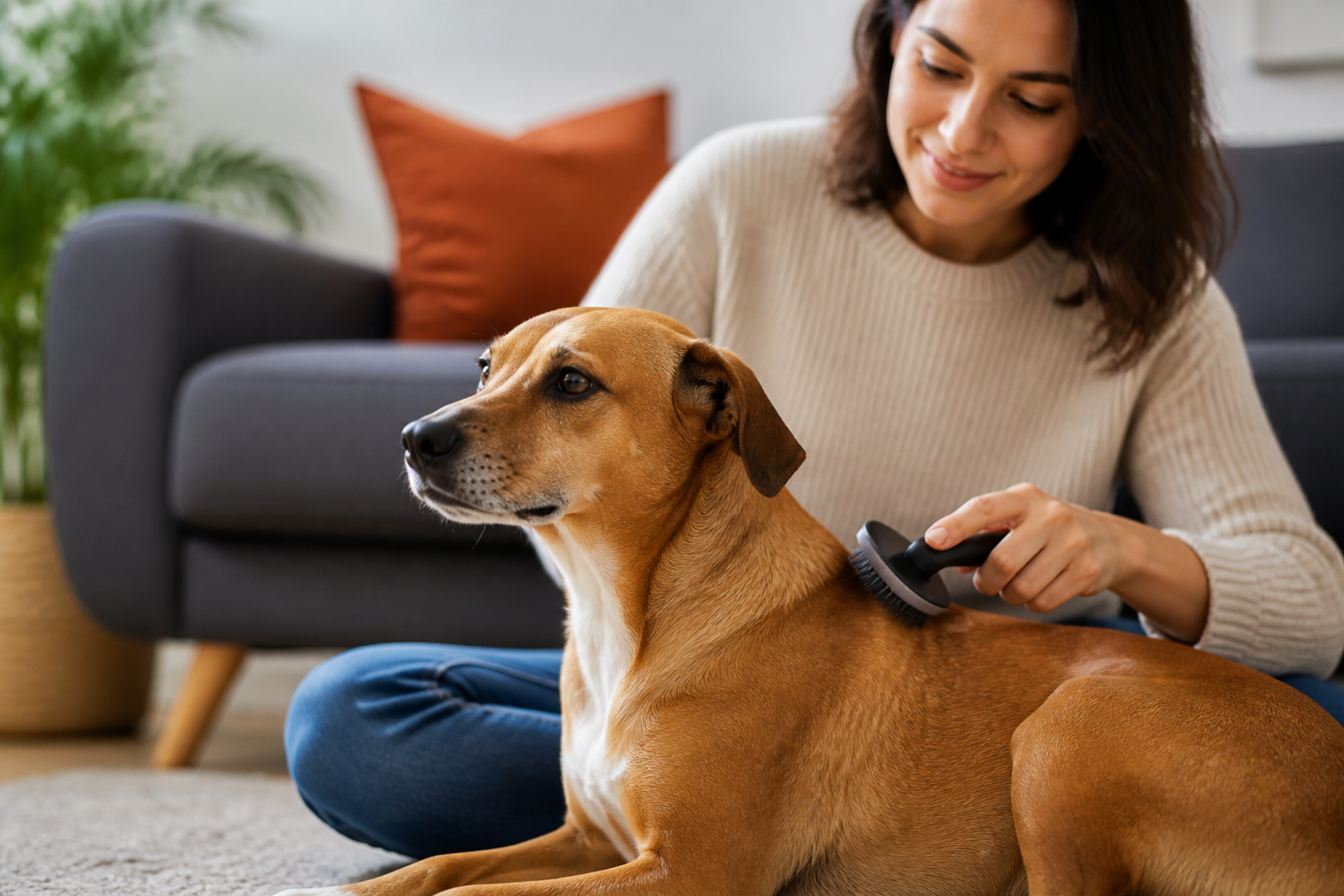
If you share your home with a Boxer, a Beagle, or a sleek Greyhound, you might think your grooming duties are minimal. You do not have to worry about the long, flowing tangles of a Poodle or the dense mats of a Husky. However, you likely still find yourself pulling short, prickly hairs out of your upholstery or noticing a fine layer of fur on your dark clothes. Many pet owners wonder if brushing is even necessary when the hair is only an inch long. At BaxterBoo, we have spent years helping pet parents understand that grooming is about much more than just preventing knots. Brushing a short-haired dog is a vital part of maintaining their skin health, managing shedding, and spotting health issues early. This guide covers why short coats need attention and the specific tools that make the job easy.
Quick Answer: Yes, you should brush short-haired dogs at least once or twice a week. While they do not get mats, regular brushing removes dead hair, distributes natural skin oils for a shiny coat, and allows you to check for skin irritations or parasites.
Why Short Haired Dogs Require Regular Brushing
Many owners assume that short hair means low maintenance. While you will not spend hours detangling a Lab, their coat still undergoes a constant cycle of growth and shedding. Short hairs are often stiffer than long hairs. This means they can weave themselves into fabric like needles, making them much harder to remove from carpets and couches once they fall out.
Regular brushing captures these hairs before they hit your floor. Beyond hair management, the skin of a short-haired dog is their primary line of defense. Brushing acts as a massage that stimulates blood flow to the skin surface. This helps keep the skin supple and healthy.
Brushing also serves as a crucial time for a "body scan." When your dog has short fur, you have a clear view of their skin. As you move the brush across their back and belly, you can easily feel for new lumps, bumps, or dry patches. This is also the best time to look for "flea dirt" or actual pests. Catching a skin issue or a flea infestation early can save your dog a lot of discomfort and save you a trip to the clinic for a secondary skin infection.
Key Takeaway: Brushing short-haired dogs is less about aesthetics and more about skin health, oil distribution, and early detection of health concerns.
The Science of the Short Coat
Not all short hair is the same. Understanding your dog's specific coat type helps you choose the right frequency for grooming.
Smooth Coats
Breeds like Boxers, Doberman Pinschers, and Greyhounds have "smooth" coats. These are single-layered and lie very close to the skin. These dogs do not have a soft undercoat. They shed, but the volume is usually lower than other breeds. However, their skin is often more exposed to the elements, making oil distribution through brushing even more important.
Short Double Coats
Labrador Retrievers and Beagles have short hair, but they also have a dense undercoat. This undercoat is designed to keep them warm and dry. These dogs are heavy shedders, especially during the spring and fall. If you do not brush a short-haired double-coated dog, the dead undercoat gets trapped against the skin. This can lead to itching and a "doggy smell" as the trapped hair collects oils and bacteria.
Wire Coats
Some short-haired dogs, like certain Terriers, have wire-like hair. This hair is stiff and coarse. While it does not shed as much as a Lab's coat, it can become dull and brittle without regular attention to stimulate the follicles.
Vet Tip: If you notice your dog's skin is consistently flaky or they are losing hair in patches, consult your veterinarian. While regular brushing helps with minor dandruff, persistent skin issues might indicate allergies or a thyroid condition that requires professional diagnosis.
Choosing the Best Tools for the Job
You cannot use just any brush on a short-haired dog. A pin brush or a deep undercoat rake designed for a Golden Retriever can be too abrasive. Because there is very little "cushion" between the hair and the skin, you need tools that are effective but gentle.
For additional options, browse our dog brushes and combs collection.
The Rubber Curry Brush
This is the gold standard for short-haired breeds. Tools like the Kong ZoomGroom are made of soft, flexible rubber. The thick nubs act like a magnet for loose hair. As you move the brush in a circular motion, it pulls dead hair from the coat while giving your dog a deep tissue massage. Most dogs find this very relaxing.
The Bristle Brush
A natural bristle brush is perfect for the "finishing touch." The closely packed bristles are excellent at picking up fine dust and dander. More importantly, they help spread the sebum (natural oils) from the skin down the hair shaft. This is what gives a Doberman or a Great Dane that mirror-like shine.
Grooming Mitts
For dogs that are nervous about traditional brushes, a grooming glove is a perfect solution. You simply wear the glove and pet your dog as usual. The rubberized palm picks up loose fur while your dog thinks they are just getting extra affection. This is a great tool for puppies or sensitive seniors.
Comparison of Brushes for Short Hair
| Brush Type | Best For | Benefit |
|---|---|---|
| Rubber Curry | All short coats | Massages skin and removes loose fur |
| Bristle Brush | Smooth coats | Distributes oils and adds shine |
| Grooming Mitt | Nervous dogs | Provides a gentle, pet-like experience |
| Flea Comb | All dogs | Detects pests and removes fine debris |
| Slicker Brush | Short double coats | Only use soft-tipped versions for undercoats |
How to Brush Your Short Haired Dog: A Step-by-Step Guide
To get the most out of a grooming session, follow a consistent routine. This helps your dog get used to the process and ensures you do not miss any spots.
Step 1: Inspect the skin. / Before you start brushing, run your hands over your dog's body. Feel for any new bumps, scabs, or areas that seem tender. Check the ears and the "armpits" for redness.
Step 2: Use the rubber brush first. / Start at the neck and move toward the tail. Use circular motions with a rubber curry brush. This helps loosen the dead hair that is buried deep in the coat. Do not forget the chest and the back of the thighs, where hair is often densest.
Step 3: Follow the grain with a bristle brush. / Once you have loosened the fur, use long, sweeping strokes with a bristle brush. Always brush in the direction the hair grows. This smooths the coat and spreads those healthy oils.
Step 4: Wipe them down. / Finish by wiping the dog with a damp cloth or a grooming wipe. This picks up any remaining loose hairs that the brush might have left behind on the surface.
Step 5: Reward and praise. / Make grooming a positive experience. Give your dog a small treat or plenty of verbal praise so they look forward to the next session.
Bottom line: A ten-minute session twice a week is enough to keep most short-haired dogs looking and feeling great.
Managing Seasonal Shedding in Short Haired Breeds
Even though the hair is short, shedding "blowouts" are real. This usually happens in the spring when the winter coat falls out and in the fall when the summer coat makes way for thicker fur.
During these times, you may need to brush your dog every single day. If you have a heavy shedder like a Labrador or a Pug, you might consider a de-shedding tool. However, be very careful with metal de-shedding blades. Because short-haired dogs have thin coats, it is easy to "brush burn" their skin if you apply too much pressure.
We carry a variety of gentle de-shedding options at BaxterBoo that are specifically designed for shorter lengths. If the shedding seems excessive or your dog's skin looks inflamed during these seasonal shifts, it is a good idea to chat with your vet. They might recommend a prescription skin support diet or a specific supplement. Our pharmacy, operated through our partnership with Pet's Choice, carries many of these specialized diets and medications if your vet determines they are necessary.
For more guidance on managing seasonal shedding, read how regular grooming helps dogs during shedding seasons.
The Connection Between Brushing and Skin Health
Brushing is your first line of defense against skin issues. Short-haired dogs are often more prone to environmental allergies because their skin has less protection from grass, pollen, and dust.
When you brush regularly, you remove these allergens from the coat. This can significantly reduce itching and scratching. If your dog does struggle with seasonal allergies, your vet may prescribe medicated shampoos or even oral medications like Apoquel or Cytopoint.
Spotting Fleas and Ticks
Short hair makes it easier to find pests, but you still have to look. A flea comb is a great addition to your grooming kit. Its teeth are spaced so closely that they can catch even the tiniest flea or a single speck of flea dirt.
If you find pests during your grooming session, it is time to act fast. We offer a wide range of flea and tick preventives. For those who prefer prescription-strength protection like NexGard, Simparica, or Frontline, our BaxterBoo pharmacy provides a convenient way to get FDA-approved medications delivered right to your door. Simply provide your vet's information, and we handle the rest with Pet's Choice.
Supporting the Coat from the Inside
While brushing handles the outside, nutrition handles the inside. A shiny coat starts with high-quality protein and healthy fats. Look for foods or treats rich in Omega-3 and Omega-6 fatty acids. Brands like Stella and Chewy's or Zesty Paws offer supplements that are formulated to support skin moisture and coat shine.
Vet Tip: If your dog's coat is dull, brittle, or "stinky" even after a bath and a brush, it may be a sign of a nutritional deficiency or an underlying health issue. A quick blood test at the vet can often identify the cause.
Bathing vs. Brushing: Finding the Balance
One mistake many short-haired dog owners make is bathing too often. While it is tempting to stick them in the tub every time they smell a bit "doggy," over-bathing can strip the skin of essential oils. This leads to dry, itchy skin and can actually make shedding worse.
For most short-haired dogs, a bath once a month is plenty. Brushing, however, should happen much more frequently. Brushing actually helps keep the dog cleaner for longer by removing the dirt and dander that cause odors.
When you do bathe them, try using your rubber curry brush while the dog is lathered up. This helps the shampoo reach the skin and pulls out even more dead hair during the rinsing process. Make sure to use a soap-free, pH-balanced shampoo designed for dogs to avoid irritation.
For more bathing guidance, see these dos and don'ts for bathing your dog.
Grooming Checklist for Short Haired Dogs
- Rubber Curry Brush: For deep cleaning and massage.
- Soft Bristle Brush: For shine and oil distribution.
- Flea Comb: For regular pest checks.
- Grooming Wipes: For quick clean-ups between sessions.
- Omega-3 Supplement: To support skin health from within.
- Nail Clippers: Short-haired dogs' paws are very visible; keep those nails tidy.
Making Grooming Stress-Free
Not every dog loves being brushed. If your dog hides when they see the brush, you need to change their perspective. Start by just leaving the brush on the floor near their food bowl so they associate it with something positive.
When you start brushing, keep the sessions very short—even just sixty seconds. Gradually increase the time as they become more comfortable. Use high-value treats from brands like Real Meat Co or RedBarn to reward them for staying calm.
If your dog has extreme anxiety about grooming, talk to your vet. They might suggest a calming supplement or, in some cases, a mild sedative for grooming sessions. Our pharmacy carries several options for managing pet anxiety if your veterinarian provides a prescription.
Value and Convenience at BaxterBoo
Maintaining a grooming routine is much easier when you have the right supplies on hand. Since 2006, we have been helping pet owners find the best products for their specific needs. Whether you visit our warehouse in Vernon Hills or shop with us online, we focus on providing value without compromising on quality.
To make things even easier, consider our Autoship programme. You can have your favorite grooming wipes, shampoos, and even flea preventives delivered on a schedule that works for you. This ensures you never run out of the essentials. Plus, as an MVP Rewards member, you earn points on every purchase, which can be used for future discounts on your dog's favorite treats or gear.
We carry over 500 trusted brands, and every item is handpicked by our team. We know pets because we live with them too. We want to make sure you have the tools to keep your short-haired companion healthy and happy for years to come.
Conclusion
Brushing a short-haired dog is a simple but powerful way to improve their quality of life. It keeps their skin healthy, their coat shiny, and your home much cleaner. By choosing the right tools like rubber curry brushes and soft bristle brushes, you turn a chore into a bonding experience. Remember to keep sessions positive and use the time to check for any health changes.
- Brush smooth coats 1-2 times weekly.
- Brush short double coats 2-3 times weekly (daily during shedding season).
- Use rubber tools for massage and bristle tools for shine.
- Monitor skin for bumps, redness, or pests.
Key Takeaway: Regular grooming is the best way to stay proactive about your dog's health while keeping their coat in peak condition.
Ready to upgrade your grooming kit? Explore our full collection of dog grooming supplies and find the perfect tools for your short-haired pup today.
FAQ
Why does my short-haired dog shed so much?
Short-haired dogs often shed just as much as long-haired dogs, but the hairs are smaller and more noticeable when they stick to fabric. Breeds with double coats, like Labradors, shed their undercoat seasonally, which can lead to a significant amount of loose fur. Regular brushing with a rubber curry brush is the most effective way to manage this volume.
Can I use a human hairbrush on my dog?
It is not recommended to use human hairbrushes on dogs. Human brushes are designed for human hair and scalps, which have different pH levels and sensitivities. Dog brushes, especially those for short-haired breeds, are designed to be gentle on the skin while effectively grabbing the specific texture of canine fur.
How do I stop my dog's skin from getting dry after brushing?
If your dog's skin seems dry, ensure you are using a soft bristle brush to distribute natural oils properly. You should also check that you are not bathing them too frequently, as this is a common cause of dryness. Adding a skin and coat supplement with Omega fatty acids to their diet can also help maintain moisture from the inside out.
What should I do if I find a tick while brushing?
If you find a tick, use a dedicated tick removal tool to pull it out carefully, ensuring you get the head. Clean the area with an antiseptic. This is a good reminder to ensure your dog is on a regular flea and tick preventive. You can find both over-the-counter and prescription options through our BaxterBoo pharmacy and Pet's Choice partnership.






