
 Save 15% on your 1st Autoship learn more

 Email us
 Live Chat
 FAQs
FAQs





Introduction
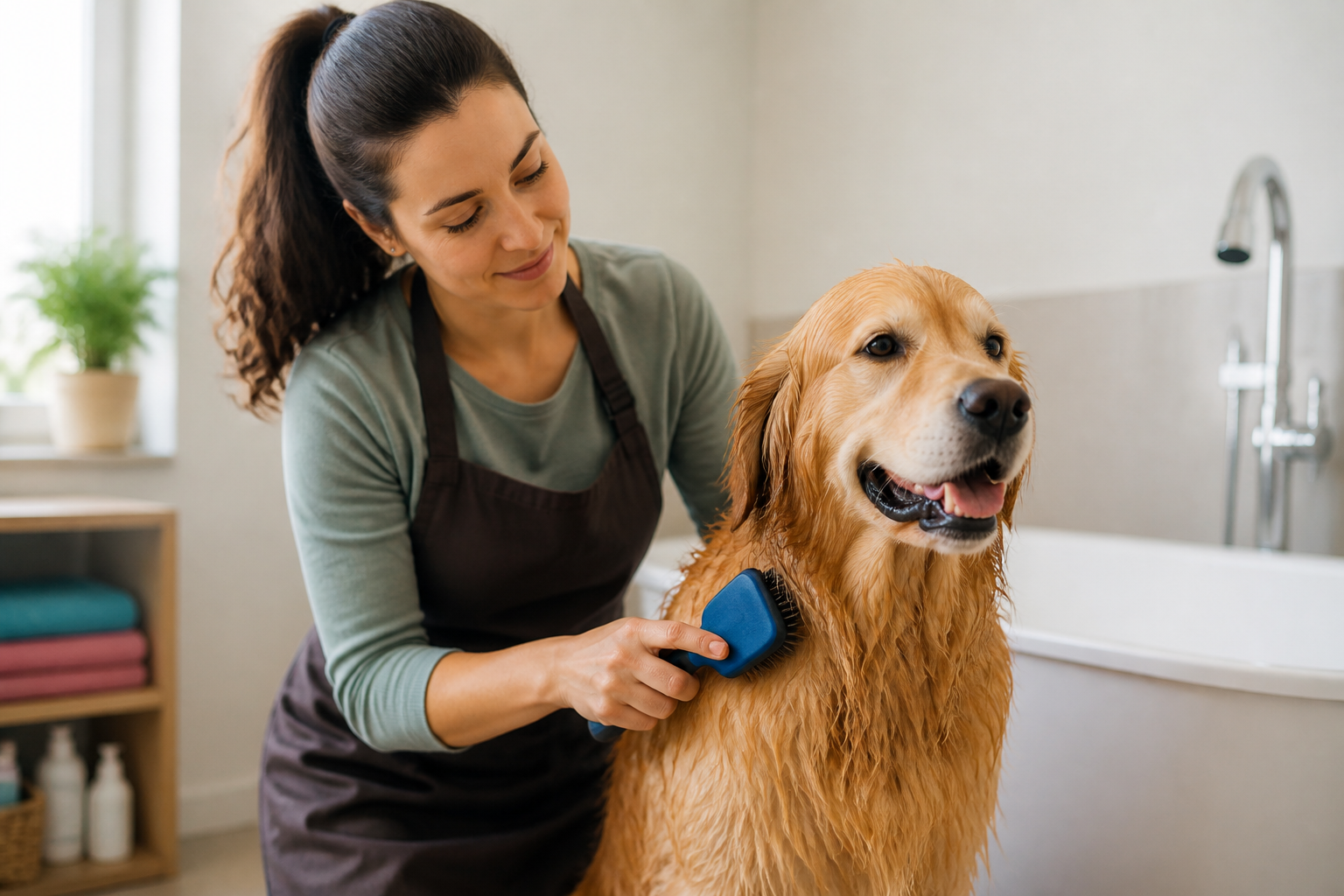
You stand in the bathroom with a muddy dog and a bottle of shampoo. Your first instinct is to get that dirt off as fast as possible. But then you look at those stubborn tangles on their legs and wonder if you should grab the brush first. Getting the order wrong can lead to a long afternoon of fighting with knots that refuse to budge. At BaxterBoo, we know that grooming is about more than just a clean coat. It is about keeping your pet comfortable and their skin healthy. This guide covers why the timing of your brushing session matters and how to choose the right routine for your dog. For most pets, a combination of both before and after is the best path to a shiny, tangle-free coat.
Quick Answer: You should almost always brush your dog before a bath to remove loose fur and mats. Water acts like glue on existing tangles and makes them much harder to remove once wet. A second light brushing after the coat is completely dry helps distribute natural oils and ensures no new knots formed during the drying process.
Why You Should Almost Always Brush Before a Bath
The most important rule of home grooming is to never get a mat wet. If your dog has tangles or clumps of fur, adding water and shampoo will likely make the problem worse. When hair gets wet, the individual shafts swell and the cuticles can hook onto each other. This causes existing knots to tighten into hard lumps that are nearly impossible to brush out without causing pain.
Brushing before the bath also saves you a lot of cleanup time. It allows you to remove a significant amount of loose undercoat and dead hair before it reaches the tub. This keeps your drain from clogging and prevents that "wet dog" smell from lingering in your bathroom. It also means you can get the shampoo and water directly to the skin where it belongs. Explore our dog grooming collection for brushes, shampoos, and other bath-time essentials.
Key Takeaway: Brushing before the bath removes the "debris" layer of loose fur. This allows the water and shampoo to penetrate deep into the coat for a more effective clean.
The Problem with Dirt and Your Tools
Dirt is abrasive. If you try to do heavy grooming or clipping on a filthy coat, you are essentially running your tools through sandpaper. This dulls your brushes and clipper blades much faster than working on a clean coat. While you have to brush the tangles out first, save the precision trimming for after the bath when the hair is clean and soft.
Protecting the Skin
A pre-bath brushing session is the perfect time to perform a health check. As you move through the fur, you can look for lumps, bumps, or signs of irritation. This is also when you are most likely to spot fleas or ticks. If you find a skin issue, you might need to use a specific medicated shampoo or flea treatment. Our dog pharmacy carries a variety of FDA-approved flea and tick preventives and medicated washes through our partnership with Pet's Choice.
The Trap of the Wet Mat
Many pet owners make the mistake of trying to brush a wet dog. This is often a recipe for discomfort. Wet hair is more elastic than dry hair. When you pull a brush through wet fur, the hair stretches and then snaps back. This can be painful for your dog and can actually damage the hair follicles.
If you have ever tried to untie a wet shoelace, you know how difficult it can be. Mats in a dog's coat behave the same way. The moisture creates a bond between the hairs that makes them cling together. If you find a mat after you have already started the bath, do not tug at it. Instead, apply a heavy amount of conditioner to the area and try to gently work it apart with your fingers while the coat is still saturated. For additional bath-time guidance, read our tips on the dos and don'ts of bathing your dog.
Vet Tip: If your dog has severe matting that reaches the skin, do not attempt to cut them out with scissors at home. This can easily lead to accidental skin tears. Consult your veterinarian or a professional groomer to safely shave the area.
When Brushing After the Bath Makes Sense
While the heavy lifting should happen before the bath, the finishing touches happen afterward. Once your dog is completely dry, a light brushing helps to realign the hair and gives the coat a polished look. Clean hair is much easier to work with because the dirt and oils that cause friction have been washed away.
Distributing Natural Oils
Bathing can sometimes strip away the natural oils that keep a dog's skin hydrated. Brushing a dry, clean coat helps to pull those remaining natural oils from the skin down the length of the hair shaft. This provides a natural shine and creates a protective barrier against future tangles.
Using Detangling Sprays
If your dog has a coat that tangles easily, you can use a detangling spray after the bath while the hair is still damp. However, you should still wait until the hair is mostly dry before doing a full brushing session. These sprays act as a lubricant, making it easier for your brush to glide through the fur without pulling. You can find conditioners and sprays in our dog shampoo and conditioner collection.
Understanding the Best Tools for Your Dog's Coat
Not every brush is built for every dog. Using the wrong tool can be ineffective or even cause skin abrasions. At BaxterBoo, we handpick tools that serve specific coat types to ensure you get the best results. Browse our dog brushes and combs to compare options for different coats.
- Slicker Brushes: These have fine, short wires close together on a flat or curved surface. They are excellent for removing mats and tangles in medium to long-haired breeds.
- Bristle Brushes: These are best for short-haired dogs like Boxers or Pugs. They remove loose hair and stimulate the skin.
- Undercoat Rakes: These tools reach through the topcoat to pull out dead hair from the undercoat. They are essential for double-coated breeds like Golden Retrievers or Huskies.
- Rubber Brushes: Tools like the Kong ZoomGroom are perfect for use during the bath. They help massage the shampoo into the skin and pull away loose hair while the coat is wet without pulling.
Identifying Your Dog's Coat Type
The frequency of your brushing routine depends entirely on what kind of fur your dog has.
- Short-Coated Breeds: Think Beagles or Labradors. They need a quick brush before the bath to minimize shedding in the tub.
- Double-Coated Breeds: These dogs have a soft undercoat and a tougher outer coat. They require deep brushing before the bath to prevent the undercoat from "felting" when it gets wet.
- Curly-Coated Breeds: Poodles and Doodles need meticulous brushing before the bath. Their curls trap loose hair, which leads to quick matting if not managed. For more curly-coat guidance, see our guide to grooming curly-haired dogs.
Handling Sensitive Skin and Health Issues
Sometimes the reason for a messy coat is an underlying health condition. Dogs with allergies often have dry, flaky skin or greasy fur that tangles more easily. If you notice your dog is constantly itchy or has a dull coat despite regular grooming, it is time to talk to your vet.
Our pharmacy provides access to prescription pet foods from brands like Farmina Vet Life and Royal Canin that are formulated to support skin health. Many skin issues are managed from the inside out through proper nutrition and medication. We make it easy to get these essential items delivered to your door so you can focus on your pet's comfort.
Key Takeaway: Regular grooming is your first line of defense in spotting skin infections or parasites early. Always follow up with a professional if you see unusual redness or hair loss.
A Practical Step-by-Step Grooming Routine
To make your home grooming sessions more efficient, follow this order of operations. This routine works for most breeds and helps build a positive association with bath time.
Step 1: Perform a pre-bath brush. / Use a slicker brush or rake to remove all visible tangles and as much loose undercoat as possible.
Step 2: Check the ears and paws. / Look for debris between the toe pads and ensure the ears are clear of any excessive wax or redness.
Step 3: Begin the bath. / Use lukewarm water and a dog-specific shampoo. Avoid the eyes and ears to prevent irritation.
Step 4: Apply conditioner. / For long-haired breeds, a conditioner is vital. It smooths the hair cuticle and makes the post-bath brush much easier.
Step 5: Dry thoroughly. / Use a towel to blot the moisture, then use a blow dryer on a cool setting if your dog tolerates it. Never brush the fur while it is still soaking wet.
Step 6: Finish with a final brush. / Once the coat is dry, do one last pass with a soft brush to ensure the hair is lying flat and looking its best.
Bottom line: A consistent routine that starts with a dry brush and ends with a dry brush will keep your dog's coat in peak condition.
The Role of Professional Products
Using high-quality products makes a massive difference in how your dog's coat feels. We carry over 500 trusted brands to ensure you have access to the same quality used by professional groomers. If you find that home grooming is becoming a struggle, it might be the products you are using. Soap-free shampoos and high-quality conditioners can make the fur much more manageable. A Pure and Natural Pet 2-in-1 Fragrance-Free Hypoallergenic Organic Dog Shampoo & Conditioner is one dog-safe option.
For those who find they are constantly buying grooming supplies, our MVP Rewards program is a great way to save. You can earn up to 5% back on your purchases. If you use a specific shampoo or flea preventive regularly, consider our Autoship program. It saves you money on your first order and ensures you never run out of the essentials.
Grooming and Your Bond
Grooming is not just a chore. It is a time for you to connect with your pet. When you brush your dog, you are providing them with attention and physical touch that can be very soothing. Many dogs who are initially nervous about the bath eventually learn to love the brushing sessions that come with it.
Keep the mood light and use treats to reward your dog for staying still. If your dog is particularly anxious, we offer a range of anxiety and calming aids in our Training and Behavior section. A calm dog is much easier to groom, and it makes the experience better for both of you.
Conclusion
Deciding whether to brush your dog before or after a bath is easy once you understand how water affects the coat. Always start with a thorough brushing to remove mats and loose fur. This protects your tools, keeps your drain clear, and prevents painful knots from tightening. Save the final "beauty brush" for after the coat is completely dry.
- Brush before the bath to remove tangles and loose hair.
- Avoid brushing wet fur to prevent stretching and breakage.
- Use a final brush after drying to distribute oils and add shine.
- Check for skin issues during the process and consult a vet for any concerns.
Bottom line: Preparation is the key to a stress-free bath for both you and your dog.
If you are ready to upgrade your home grooming setup, explore our grooming collection. From professional-grade brushes to soothing shampoos, we have everything you need to keep your dog looking and feeling their best.
FAQ
Is it okay to brush my dog while they are still wet?
It is generally best to wait until the fur is dry. Wet hair is more fragile and prone to breaking, and the skin is more sensitive when damp. If you must brush while wet, use a wide-toothed comb or a specialized rubber brush along with a high-quality conditioner to minimize pulling.
What happens if I wash my dog without brushing them first?
If your dog has any mats or tangles, the water will cause the hair fibers to tighten and lock together. This can turn a small knot into a hard "pelt" that is very difficult to remove. You will also likely find much more hair in your bathtub drain, which can lead to plumbing issues over time.
How do I get my dog to stay still for brushing?
Start with short sessions and use plenty of high-value treats to create a positive association. It helps to brush your dog when they are already tired, such as after a long walk or play session. Consistency is key. Brushing for five minutes every day is much better than a long, stressful session once a month.
Should I use human shampoo if I am out of dog shampoo?
We strongly recommend against using human shampoo. Dogs have a different skin pH than humans, and our shampoos can be too acidic for them. This can strip their natural oils and lead to skin irritation or infections. Our pharmacy and store offer many gentle, dog-safe alternatives that are much better for their long-term skin health.






