
 Save 15% on your 1st Autoship learn more

 Email us
 Live Chat
 FAQs
FAQs





Introduction
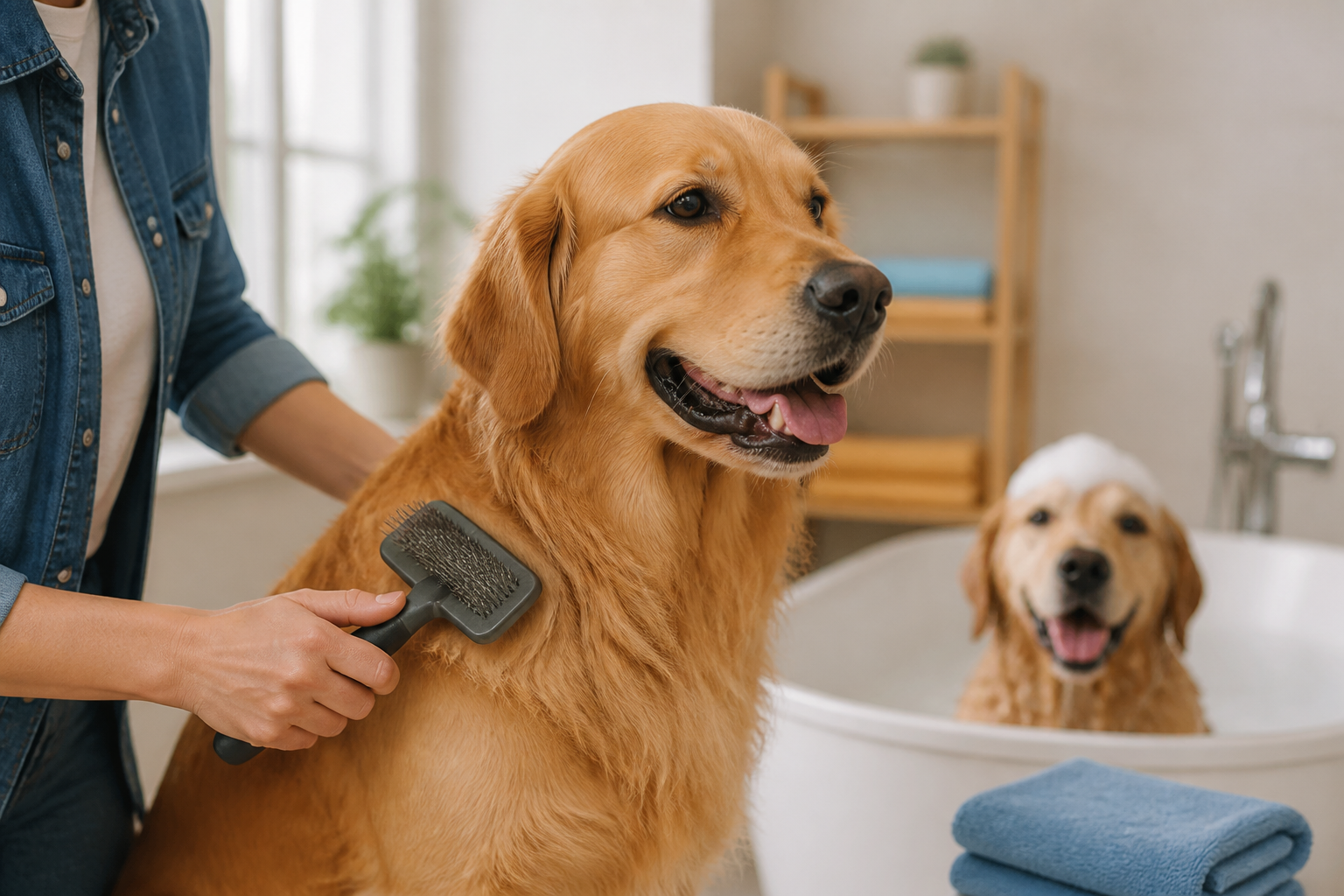
You are standing in the bathroom with a dog that smells like a rainy afternoon and looks even worse. The tub is filling. You have the shampoo ready. Then you notice a few tangles around your dog’s ears and tail. You might wonder if you should just let the soapy water do the work for you. At BaxterBoo, we have helped thousands of pet parents navigate the nuances of home grooming. This is a common point of confusion for many owners. The short answer is that you should almost always brush your dog before the bath. Brushing after the bath is also important for the finishing touches. This article explains why the order of operations matters for your dog’s comfort and the health of their coat.
Quick Answer: You should brush your dog before the bath to remove loose hair and tangles. Water often acts like glue for knots and makes them much harder to remove. Once the dog is fully dry after the bath, a second brushing provides a smooth finish.
The Science of the Wet Coat
To understand why brushing before a bath is the golden rule, you have to look at the hair itself. Most dog hair is porous. When hair gets wet, it absorbs water and swells. If that hair is already tangled or matted, the moisture causes those fibers to expand and lock together even tighter. What was a minor tangle before the bath can become a solid knot afterward.
Professional groomers often refer to this as setting the mats. If you apply shampoo to a matted coat, you are essentially cementing those mats in place. The friction of scrubbing the dog only makes it worse. By the time the dog is dry, the mats may be so tight against the skin that they require clipping. Brushing a dry coat allows the bristles to glide through the hair without the added tension of water-swollen fibers.
Why Brushing Before the Bath Is Essential
Brushing is the most effective way to remove debris before it gets wet. Dogs carry a surprising amount of dust, dried mud, and loose undercoat near their skin. If you skip the pre-bath brush, you are trying to wash a dog through a layer of old hair and dirt. Our dog grooming collection includes brushes, combs, shampoos, conditioners, and bath supplies for this routine.
Removing the Undercoat
For double-coated breeds like Golden Retrievers or Huskies, the undercoat is a thick layer of soft hair. This layer sheds constantly. If you do not brush it out first, the water will trap that loose hair against the skin. This creates a heavy, soggy mess that takes hours to dry. It also prevents the shampoo from reaching the skin where the oils and odors actually live.
Preventing Painful Mats
Mats are not just an aesthetic issue. They pull on the skin and can cause sores or hidden infections. Brushing before the bath ensures that you find these problem areas while the hair is still manageable. If you find a severe mat, you can use a detangling spray or a specialized tool to work it out gently. Trying to do this on a wet dog is often painful for the pet and frustrating for you.
Better Shampoo Distribution
When the coat is free of tangles and loose hair, the water and shampoo can penetrate deeply. This leads to a much cleaner dog. You will find that you need less shampoo to get a good lather. It also makes the rinsing process much faster. Leftover shampoo trapped in a tangle is a leading cause of skin irritation after bath day.
Key Takeaway: Brushing before the bath removes the barriers between the shampoo and your dog’s skin. It prevents mats from tightening and ensures a more thorough clean with less effort.
The Role of the Post-Bath Brush
While the pre-bath brush does the heavy lifting, the post-bath brush is what gives the coat its shine and volume. However, the timing of this second brush is just as important as the first. You should generally wait until your dog is completely dry before doing a final brush-through. For additional bathing guidance, review these dos and don’ts for bathing your dog.
Brushing During the Drying Process
If you use a high-velocity dryer, you can brush as you dry to help separate the hair. This is common for dogs with long or curly coats. For the average pet owner at home, waiting for the coat to be dry is usually safer. Wet hair is more elastic than dry hair. Brushing it while wet can stretch the strands to the point of breaking. This leads to a frizzy, damaged texture over time.
The Finishing Touch
Once the dog is dry, a final brush removes any hair that was loosened during the washing process. Even with a great pre-bath brush, the act of scrubbing will dislodge more dead hair. This final pass ensures that your house stays cleaner for longer. It also helps distribute the natural oils that the bath might have temporarily disrupted.
When to Use Specific Tools
Different coats require different approaches. Using the wrong tool can make the pre-bath brush less effective or even uncomfortable for your dog. Explore our grooming tools for brushes, combs, and other coat-care supplies.
Slicker Brushes
A slicker brush is the workhorse of the grooming world. It features fine wire bristles that are slightly angled. This tool is perfect for removing loose undercoat and breaking up small tangles before the bath. Brands like Kong offer rubber versions that are gentler for dogs with sensitive skin. Use a slicker brush in a pat and pull motion rather than dragging it across the skin.
Metal Combs
A sturdy metal comb is your best diagnostic tool. After you think you are done brushing, run a comb through the coat. If the comb catches, you still have a tangle that needs attention. This is especially important for long-haired breeds and doodles. The comb ensures you have reached the hair closest to the skin.
De-Shedding Tools
Tools designed for de-shedding are best used on a completely dry coat before the bath. These tools reach deep into the undercoat to pull out dead hair. Using them after a bath can sometimes be too abrasive on the skin, which may be more sensitive after being soaked and scrubbed.
Vet Tip: If you notice your dog has persistent skin irritation, redness, or a foul odor that returns quickly after a bath, consult your veterinarian. These can be signs of underlying allergies or infections. Our pet pharmacy carries a variety of medicated shampoos and treatments through our partnership with Pet's Choice to help manage these chronic conditions.
Step-by-Step Bath Day Routine
To get the best results, follow this structured routine. It balances the needs of the coat with the comfort of your pet.
Step 1: Perform a thorough pre-bath brush. / Work in sections, starting from the rear and moving forward. Use a slicker brush to remove loose hair.
Step 2: Use the comb test. / Run a metal comb through the long hair on the legs, tail, and ears. If the comb stops, work that area again with the brush.
Step 3: Check for mats near the skin. / Feel with your fingers for any hard lumps. If you find one, use a detangling aid before the dog gets wet.
Step 4: Bathe using lukewarm water. / Avoid circular scrubbing motions. Instead, massage the shampoo into the coat in the direction the hair grows to prevent new tangles.
Step 5: Rinse until the water runs clear. / Rinsing is the most skipped step. Spend twice as long rinsing as you did soaping up the dog.
Step 6: Towel dry by blotting. / Do not rub the dog vigorously with a towel. This creates friction and tangles. Blot the moisture out instead.
Step 7: Allow the dog to dry completely. / Use a blow dryer on a cool setting or let them air dry in a warm room.
Step 8: Final finishing brush. / Once the hair is bone dry, do a quick pass with the brush to fluff the coat and remove the last of the loose hair.
Special Considerations for Coat Types
Not every dog needs an hour of brushing before they jump in the tub. The intensity of your pre-bath routine should match your dog's specific coat type.
Short-Haired Breeds
Dogs like Labradors or Boxers do not mat, but they do shed. A quick brush with a rubber curry brush before the bath will remove a massive amount of loose hair. This keeps that hair from clogging your drain. It also helps the shampoo get through the dense, oily coat these breeds often have.
Curly and Wavy Coats
Poodles and doodles are the most at risk for bath-related matting. Their hair is prone to wrapping around itself. For these dogs, the pre-bath brush is non-negotiable. If you miss a spot, the bath will likely turn that spot into a knot that must be cut out.
Double-Coated Dogs
Breeds like Shelties or Newfoundlands have a "waterproof" outer coat. If you do not brush out the dense undercoat first, the water might never actually reach the skin. This leads to a dog that looks clean on top but still smells like a wet dog underneath.
Bottom line: The more hair your dog has, the more critical the pre-bath brush becomes for their health and your sanity.
Common Home Grooming Mistakes
Even with the best intentions, it is easy to make mistakes that lead to skin problems or coat damage. Avoiding these common pitfalls will make the experience better for everyone.
Using Human Shampoo
Human skin and dog skin have different pH levels. Our skin is more acidic, while a dog’s skin is more neutral. Using human shampoo can strip the protective acid mantle from your dog’s skin. This leaves them vulnerable to bacteria and yeast. Always use a formula specifically designed for pets.
Neglecting the Ears
Water in the ear canal is a recipe for an infection. The shape of a dog's ear traps moisture easily. When you are bathing your dog, try to avoid spraying water directly at the head. Instead, use a damp washcloth to clean the face and the outer parts of the ears.
Incomplete Rinsing
Dried shampoo residue is incredibly itchy. If your dog starts scratching or biting at their skin a day after a bath, it might be because they weren't rinsed well enough. Pay special attention to the armpits and the belly, as these are the areas where soap often lingers.
Brushing Too Hard
It is easy to get over-zealous during the pre-bath brush. If you see the skin turning pink, you are using too much pressure. This is called brush burn. It is painful and can lead to scabbing. Use short, gentle strokes and let the tool do the work.
When to Visit a Professional
While home grooming is a great way to bond with your dog and save money, some situations require a professional. If your dog is severely matted to the skin, do not try to brush it out or cut it with scissors at home. Scissors can easily nick the skin, which is often pulled thin underneath a mat.
Professional groomers have specialized equipment and training to handle difficult coats safely. They also have high-velocity dryers that can blow out dead undercoat far more effectively than a home hairdryer. If your dog has a high level of anxiety about grooming, a professional might also have techniques to keep them calm and safe.
Vet Tip: Regular grooming is an excellent time to check for lumps, bumps, or parasites like ticks. If you find something unusual, schedule an appointment with your vet. For ongoing wellness, consider a pet insurance plan like FIGO, which we offer to help cover unexpected health costs.
Supporting Skin Health from the Inside
A healthy coat starts with good nutrition. If your dog's hair is brittle or they have chronically dry skin, brushing and bathing can only do so much. High-quality food rich in omega fatty acids can make a visible difference in how easily the coat is managed. You can also browse our dog healthcare products for skin and coat support.
Brands like Farmina and Royal Canin offer specific formulas that support skin and coat health. We carry a wide range of these premium foods at BaxterBoo, and many are available through our Autoship programme. This ensures you never run out and gives you a discount on your orders.
If your dog has severe skin allergies, your vet may recommend a prescription diet. These diets are formulated with specific protein sources to reduce the likelihood of a reaction. Our pharmacy partnership allows us to fulfill these prescription food orders, making it easier to manage your dog's health in one place.
Essential Grooming Supplies Checklist
Before you start your next bath day, make sure you have these items on hand:
- A high-quality slicker brush suited for your dog's size.
- A stainless steel grooming comb.
- Pet-safe shampoo and conditioner.
- Several large towels (microfiber works best for absorbing water).
- A detangling spray for stubborn knots.
- Treats to reward your dog for being patient.
Having everything ready prevents you from having to leave a wet dog in the tub while you hunt for a towel. It keeps the process moving quickly, which reduces stress for both of you.
Key Takeaway: Proper preparation with the right tools turns a messy chore into a successful grooming session that keeps your dog's coat healthy and mat-free.
Maintaining the Routine Between Baths
You do not have to wait for bath day to pick up the brush. In fact, brushing your dog for five to ten minutes every few days is the best way to prevent mats from forming in the first place. This frequent maintenance makes the pre-bath brush much faster and easier.
Regular brushing also helps you stay on top of shedding. Instead of finding clumps of hair on your carpet, you can collect them in the brush and toss them in the bin. For many owners, this simple habit is the key to a manageable home grooming routine. If you stay consistent, the question of whether to brush before or after the bath becomes less stressful because the coat is always in good shape.
Conclusion
The secret to a successful dog bath is all in the preparation. By taking the time to brush your dog thoroughly before they ever touch the water, you protect their skin from irritation and their coat from painful mats. Remember to use the right tools for your dog’s specific coat type and always finish with a thorough rinse. While the pre-bath brush handles the dirty work, the post-dry brush provides that soft, clean finish we all love.
- Always brush before the bath to prevent mats from tightening.
- Use a metal comb to check your work.
- Wait until the coat is fully dry before the final brush.
- Maintain a regular brushing schedule between baths to keep the coat manageable.
For all your grooming needs, from slicker brushes to prescription shampoos, explore our full dog grooming collection. Our expertly curated selection ensures you have the best tools to keep your pet looking and feeling their best.
FAQ
Can I brush my dog while they are covered in shampoo?
For most dogs, it is better to avoid brushing during the active washing stage as the friction can cause tangles. However, if your dog has a very thick or curly coat, you can gently use a wide-toothed comb while a high-quality conditioner is sitting in the hair. This helps the conditioner penetrate and can make post-bath brushing easier. Always be very gentle as wet hair is more prone to breaking.
What happens if I forget to brush before the bath and find a mat?
If you discover a mat while the dog is wet, do not try to scrub it or pull it apart. Gently apply a generous amount of conditioner to that spot and leave it alone until the dog is dry. Once the hair is completely dry, use a detangling spray and a slicker brush to carefully work the knot out from the ends toward the skin. If the mat is tight against the skin, it is safest to have a professional groomer or vet remove it with clippers.
Why does my dog's hair feel coarse after a bath even if I brushed them?
Coarse hair after a bath is often the result of using a shampoo that is too harsh or failing to rinse the coat completely. If shampoo residue stays on the hair, it creates a dull, tacky texture that feels rough to the touch. It could also be that you skipped the conditioner. Much like human hair, dog hair benefits from the moisturizing properties of a pet-safe conditioner to close the hair cuticle and restore softness.
Is it okay to let my dog air dry after brushing?
Yes, air drying is perfectly fine for many breeds as long as they are in a warm, draft-free environment. However, for dogs with very thick undercoats or long, heavy hair, air drying can take a long time and may lead to a "musty" smell if the hair stays damp for too long near the skin. In these cases, using a hairdryer on a low, cool setting can help speed up the process and prevent skin issues related to prolonged moisture.






