
 Save 15% on your 1st Autoship learn more

 Email us
 Live Chat
 FAQs
FAQs





Introduction
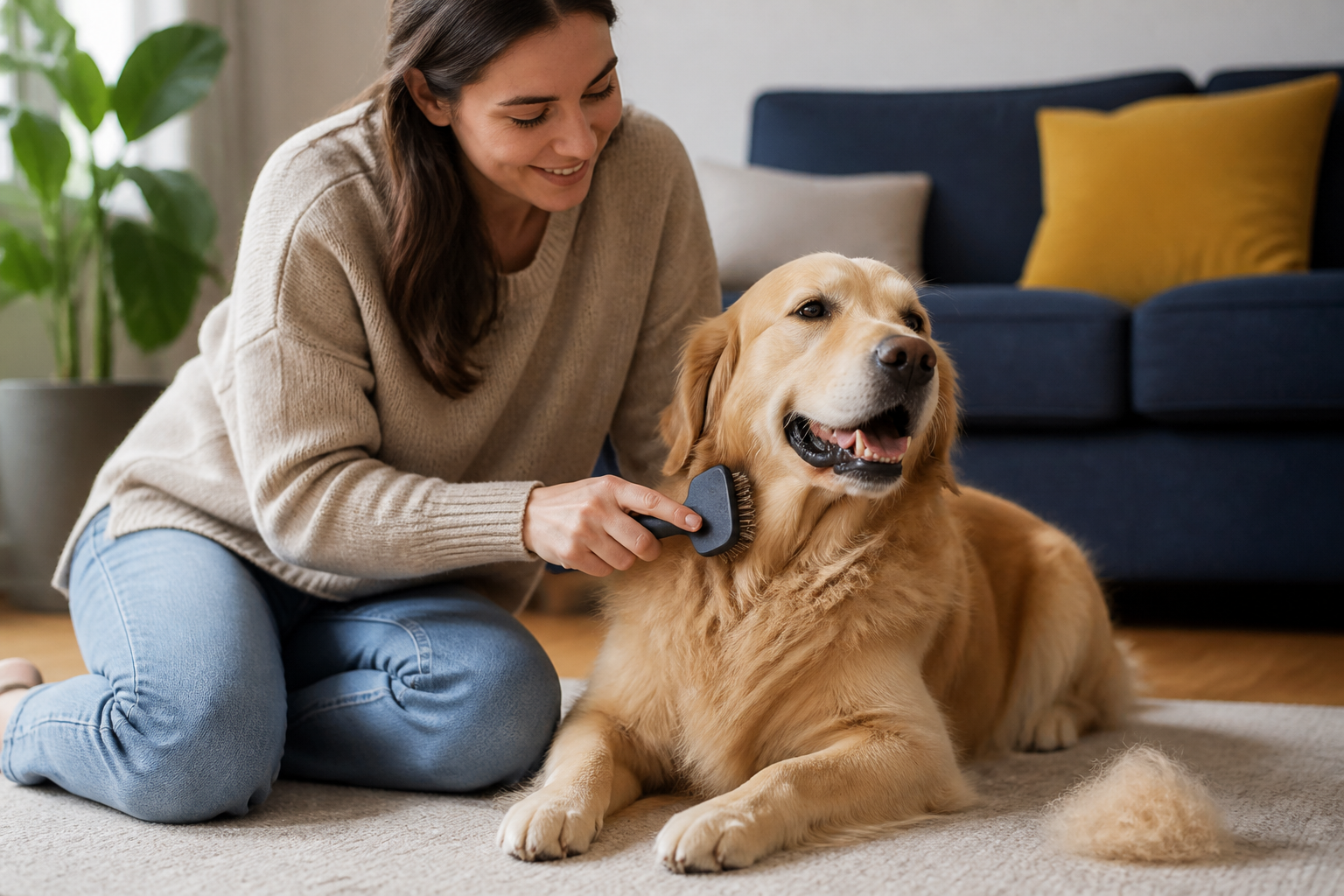
You are sitting on the sofa, petting your dog, and your fingers snag on a thick knot behind their ear. Or perhaps you just finished sweeping the floor, only to see a fresh tumbleweed of fur roll across the hardwood minutes later. At BaxterBoo, we know that grooming often feels like a chore that keeps slipping to the bottom of the to-do list. You might wonder if you really need to pick up the brush every single morning or if once a week is enough to keep things under control. The answer is not the same for every dog because their coats function in very different ways. This guide will help you determine the ideal grooming schedule for your specific dog to keep their skin healthy and your home a little cleaner.
Understanding Your Dog's Coat Type
The first step in deciding how often to brush is identifying what kind of coat your dog actually has. Not all fur is created equal. Some dogs have hair that grows continuously, like humans, while others have thick fur that sheds in cycles.
Smooth and Short Coats
Dogs like Boxers, Pointers, and Dalmatians have smooth coats. These are the lowest maintenance in terms of tangles. At least once or twice a week is usually enough. For short-coated breeds like Labradors or Beagles, a weekly session helps remove dead hair before it ends up on your furniture. Using a bristle brush or a rubber curry tool can help stimulate the skin and distribute natural oils.
Double Coats and Heavy Shedders
German Shepherds, Huskies, and Samoyeds have a dense undercoat and a tougher outer coat. These dogs are the champions of shedding. During the changing seasons, they "blow" their coats, and you will see massive amounts of fur falling out. During these peaks, you should absolutely brush them every day. This prevents the dead undercoat from getting trapped and forming painful mats against the skin.
Curly and Drop Coats
Poodles, Bichons, and Yorkshires have hair that does not shed much, but it tangles incredibly easily. Because the hair keeps growing, it can wrap around itself and create knots within hours of play. For these breeds, daily brushing is highly recommended. If you skip even a few days, you might find yourself needing a professional groomer to shave out mats that have become too tight to brush.
Quick Answer: While daily brushing is a "must" for long-haired and curly breeds to prevent matting, short-haired dogs usually only need a good brushing once or twice a week. However, any dog going through a heavy shedding season benefits from a daily routine.
The Benefits of a Daily Brushing Routine
Brushing is about much more than just a shiny coat. It serves as a vital health check that helps you spot problems before they become serious. When you brush your dog every day, you become intimately familiar with their body.
Early Detection of Skin Issues
As you move the brush through the fur, you can see the skin clearly. This is the best time to look for redness, bumps, or dry patches. Many dogs suffer from seasonal allergies that cause itchy, inflamed skin. If you notice your dog has "hot spots" or persistent irritation, we recommend checking with your veterinarian. Our pharmacy at BaxterBoo carries a variety of FDA-approved allergy medications and medicated shampoos through our partnership with Pet's Choice that can help manage these conditions.
Pest Control and Prevention
A daily brush is your first line of defense against fleas and ticks. It is much easier to spot a lone tick before it attaches if you are looking every day. If you find signs of pests, like "flea dirt" or actual insects, it is a signal that your preventive routine needs an upgrade. You can find a wide range of prescription and over-the-counter flea and tick treatments in our pharmacy section to keep your home and pet safe.
For additional guidance, read our article on flea and tick prevention products.
Bonding and Stress Reduction
When done correctly, brushing is a soothing activity. It lowers the heart rate for both the dog and the owner. It creates a dedicated moment of calm in a busy day. If your dog learns that brushing means gentle praise and perhaps a healthy treat, they will begin to seek out the brush whenever you bring it out.
Vet Tip: Use grooming sessions to check for new lumps or swellings, especially in senior dogs. If you feel anything unusual under the skin that was not there last week, schedule a veterinary exam to rule out serious issues.
Essential Tools for Every Coat
Using the wrong brush can lead to "brush burn" or skin irritation. It can also be ineffective at reaching the layers of fur that actually need attention. Our dog brushes and combs include options for different coat types and grooming needs.
- Slicker Brushes: These have fine wire bristles and are great for removing tangles in long-haired or curly dogs.
- Bristle Brushes: Best for smooth-coated dogs. They remove surface dirt and add shine.
- Undercoat Rakes: Essential for double-coated breeds. They reach through the topcoat to pull out loose fur from the bottom layer.
- Pin Brushes: Good for general maintenance on dogs with longer, silkier hair like Setters.
- Rubber Curry Brushes: Perfect for short-haired breeds to massage the skin and remove loose hair.
How to Prevent Brush Burn
It is possible to over-brush if you stay in one spot for too long or apply too much pressure. This is especially true with wire slicker brushes. Always use a light hand. If you see the skin turning pink or red, you are pressing too hard or the brush is too abrasive for that area.
Using Detangling Sprays
If you find a stubborn knot, do not just pull at it. This causes pain and will make your dog hate grooming. Use a detangling spray to lubricate the hair fibers. This allows the brush to slide through the knot more easily. We carry several gentle formulas that make this process much faster.
Key Takeaway: Matching the tool to the coat type is the secret to a painless grooming session. A slicker brush is your best friend for curls, while a rubber curry tool is best for short, smooth coats.
Step-by-Step: Starting a Daily Routine
If your dog is not used to being brushed, you cannot start with a thirty-minute session. You have to build trust.
Step 1: Introduce the brush. Let your dog sniff the tool. Place it on the floor and put a treat next to it. You want them to associate the sight of the brush with something positive.
Step 2: Start with "easy" areas. Most dogs enjoy being petted on their back and shoulders. Start there. Use very light strokes for just a minute or two. Stop before the dog gets restless.
Step 3: Gradually move to sensitive spots. Areas like the belly, the back of the legs, and behind the ears are where mats usually form. These spots are also more sensitive. Only move to these areas once your dog is relaxed with the brush on their back.
Step 4: Reward and finish. Always end the session on a high note. Give a small treat or a favorite toy. This ensures the dog looks forward to the next time.
Bottom line: Short, positive sessions are much more effective than one long, stressful grooming marathon.
When Brushing Is Not Enough
While brushing is a cornerstone of care, some situations require more intensive help. If your dog has developed "pelting," which is when mats become so thick they form a solid layer against the skin, do not try to cut them out with scissors. This is a very common way that owners accidentally cut their pet's skin.
Pelting requires professional grooming and sometimes a veterinary visit if the skin underneath has become infected. Mats trap moisture against the skin, which can lead to fungal or bacterial infections. If you notice a foul smell or see oozing skin under a mat, consult your vet immediately. You may need prescription topical treatments from our pharmacy to clear up the infection once the mats are removed.
Managing the Mess: Shedding Solutions
If you find that even daily brushing is not stopping the "snowstorm" of fur in your house, look at the overall health of the coat. Sometimes excessive shedding is a sign of a nutritional gap.
High-Quality Nutrition
A coat that is brittle or sheds excessively can sometimes be improved with better food. Look for diets rich in Omega-3 and Omega-6 fatty acids. Brands like Farmina, Zesty Paws, and Stella and Chewy's offer formulations specifically designed to support skin and coat health.
Supplements
If you are happy with your dog's food but still see a dull coat, a supplement might be the answer. Fish oil, biotin, and vitamin E are all known to strengthen hair follicles and reduce non-seasonal shedding. You can easily add these to your Autoship order so you never run out. Our MVP Rewards program also makes it easy to earn points on these repeat purchases, helping you save money while keeping your dog healthy.
The Importance of Dental Brushing
While we usually think of "brushing" as a coat activity, we cannot ignore the teeth. Just like the coat, your dog's mouth benefits from daily attention. Plaque can harden into tartar in as little as 24 to 48 hours.
If you can manage to brush your dog's teeth even a few times a week, you are significantly reducing their risk of periodontal disease. Use a dog-specific toothpaste, as human toothpaste contains ingredients like xylitol that are toxic to pets. For dogs that simply will not tolerate a toothbrush, we offer dental wipes and water additives that provide a baseline of protection.
For more information, see our guide to warning signs of dental disease in dogs.
Vet Tip: Bad breath is not just a "dog thing." It is often a sign of dental infection. If your dog's breath is strong enough to clear a room, it is time for a professional dental checkup.
Grooming Throughout the Life Stages
Your dog's grooming needs will change as they age. Puppies need to be handled frequently so they become comfortable with grooming as adults. Senior dogs may develop thinner skin or arthritis, making traditional grooming positions uncomfortable.
For Puppies
Focus on "handling" rather than actual hair removal. Touch their paws, ears, and tail often. This desensitizes them for future vet visits and grooming appointments. Make it a game.
For Seniors
Be very gentle. Senior dogs may have lumps, bumps, or sensitive joints. You might need to brush them while they are lying down rather than asking them to stand. If your senior dog has mobility issues that make standing for grooming difficult, our Medical and Mobility section offers supports that can help.
Key Takeaway: Tailor your brushing technique to your dog's age and physical comfort. Patience and a gentle touch are more important than removing every single loose hair.
Common Brushing Mistakes to Avoid
Even well-meaning owners can make mistakes that lead to skin damage or a fearful pet.
- Brushing a dry, matted coat: Always use a spray or a bit of water to dampen a mat before working on it. Dry hair breaks more easily, which can lead to more tangles later.
- Skipping the "hidden" spots: Don't forget the armpits, the groin, and the tail. These are prime locations for mats to hide.
- Using too much pressure: The goal is to move the hair, not scrape the skin.
- Rushing the process: If you are in a bad mood or a hurry, skip the brushing. Your dog will pick up on your stress, and it could ruin the progress you have made.
How BaxterBoo Can Help
We are more than just an online store. We are a resource for pet owners who want the best for their animals. Whether you are looking for a professional-grade slicker brush or need to fill a prescription for a skin condition, we have you covered.
Our hybrid model means you get the convenience of online shopping with the expertise of a specialty retailer that has been operating since 2006. If you live near Vernon Hills, Illinois, you can even visit our warehouse in person. For everyone else, our fast shipping and Autoship program ensure that your grooming supplies and medications arrive exactly when you need them.
Remember that a daily brushing routine is one of the cheapest and most effective ways to prevent expensive vet bills down the road. It keeps the skin healthy, the coat shiny, and the bond between you and your dog stronger than ever.
Bottom line: Daily brushing is the gold standard for pet health, providing a daily "physical exam" while keeping your home cleaner.
FAQ
Does daily brushing actually stop shedding?
Brushing does not stop the biological process of shedding, but it controls where that hair ends up. By removing the loose fur with a brush, you catch it before it falls onto your carpets and clothes. For heavy shedders, daily brushing is the only way to significantly reduce the amount of fur in your home.
My dog hates being brushed; should I still do it every day?
If your dog is stressed, do not force a full grooming session. Instead, do "micro-sessions" of just thirty seconds followed by a high-value reward. The goal is to change their emotional response to the brush. Over time, you can increase the duration as they become more comfortable.
Can I use my own hairbrush on my dog?
It is generally not a good idea. Human brushes are designed for human hair density and scalp sensitivity. Dog brushes, like slicker brushes or rakes, are specifically engineered to reach through thick fur to the undercoat without scratching the skin. Using the wrong tool can be ineffective or even painful for your pet.
How do I know if a mat is too tight to brush out?
If you cannot see the skin underneath the knot, or if the knot feels like a hard "felted" lump, it is likely too tight to brush. Pulling on these can tear the skin. In these cases, it is safer to have a professional groomer or vet technician shave the mat out to avoid causing your dog unnecessary pain.






