Save 15% on your 1st Autoship learn more

 Email us
 Live Chat
 FAQs
FAQs





Introduction
You might be standing in your kitchen, watching your dog nudge their bowl with a bit of hesitation. Maybe you have noticed a sudden increase in gas or loose stools after a weekend of boarding. These moments make us question if we are doing enough for their internal health. At BaxterBoo, we talk to pet owners every day who want to move beyond just basic kibble to support their dog's long term wellness. Probiotics have become a staple in many households, promising better digestion and stronger immunity. This article explores whether a daily dose is the right choice for your pet. We will cover how these beneficial bacteria work, the specific health conditions they support, and how to choose the best supplement from our warehouse or online collection. Daily probiotics can often be the missing piece in a proactive health routine.
Understanding the Canine Microbiome
Your dog's gut is home to a complex community of trillions of microorganisms. This living system is known as the microbiome. It includes bacteria, fungi, and viruses that live primarily in the large intestine. These microbes are not just passengers. They perform essential jobs like breaking down fiber and producing vitamins. They also act as a primary line of defense against pathogens. When this community is balanced, your dog usually has steady energy and consistent stools.
However, the microbiome is sensitive. It shifts based on what your dog eats, the stress they feel, and the medications they take. Antibiotics are a major disruptor because they cannot tell the difference between "bad" bacteria and "good" bacteria. When the beneficial populations drop, harmful microbes can take over. This imbalance is called dysbiosis. It often leads to the gas, bloating, and diarrhea that many owners find frustrating.
Quick Answer: Yes, giving your dog probiotics daily is generally recommended. The gut microbiome is a dynamic system that requires consistent input to maintain a healthy balance of beneficial bacteria.
The Case for Daily Consistency
Many owners wonder if they should only use probiotics during a crisis. While they are helpful for sudden upset, daily use offers a more stable foundation. Think of the gut like a garden. If you only plant seeds when the soil is dead, it takes a long time to see growth. If you provide a steady supply of nutrients and new seeds every day, the garden stays lush and resistant to weeds.
The gut environment is constantly moving. Probiotics do not usually stay in the dog's system forever. They pass through the digestive tract and do their work along the way. Daily dosing ensures that there is always a fresh supply of beneficial microbes to compete with harmful bacteria. This constant presence helps maintain the acidic environment that "bad" bacteria hate. It also keeps the intestinal lining strong, which prevents toxins from entering the bloodstream.
Key Benefits of Probiotics for Dogs
The most obvious benefit of probiotics is digestive regularity. Dogs that struggle with intermittent vomiting or soft stools often see improvement within a few weeks of daily use. These supplements help firm up stools by improving nutrient absorption and water regulation in the colon. You can explore our dog digestive health selection when comparing supplement formats and formulas.
Beyond digestion, the benefits reach much further:
- Immune System Support: Approximately 70% of a dog's immune system lives in the gut. Probiotics help train immune cells to recognize real threats versus harmless substances.
- Skin and Coat Health: There is a strong link between gut health and skin inflammation. Many dogs with seasonal allergies or itchy skin find relief when their gut microbiome is balanced.
- Anxiety and Behavior: The gut-brain axis is a real communication line. Certain probiotic strains may help lower cortisol levels and reduce anxious behaviors like excessive barking or pacing.
- Bad Breath: Sometimes "dog breath" starts in the stomach. Better digestion can lead to fresher breath by reducing the gases produced during slow or poor digestion.
Key Takeaway: Consistent probiotic use supports the gut-skin axis and the gut-brain axis, potentially improving everything from coat quality to anxious behavior.
When Your Dog Needs Targeted Support
While daily probiotics are great for general wellness, some situations require a more specific approach. Senior dogs often experience a natural decline in microbial diversity. This makes them more prone to digestive issues and weakened immunity. Adding a daily supplement can help them maintain their weight and energy levels as they age.
If your dog is currently on medication, the timing of their probiotic matters. We recommend giving probiotics at least two hours apart from any antibiotic dose. This prevents the medication from immediately killing the helpful bacteria you are trying to introduce. For dogs with chronic health conditions like Inflammatory Bowel Disease (IBD), a daily probiotic is often part of a long term management plan.
Vet Tip: If your dog has a severely weakened immune system or is undergoing intensive medical treatment, always consult your veterinarian before starting a probiotic. Their system may react differently to the introduction of live bacteria.
Accessing Professional Health Solutions
At BaxterBoo, we know that some digestive issues go beyond what a standard supplement can fix. Our partnership with Pet's Choice allows you to access our pet pharmacy for prescription medications and prescription pet foods. If your veterinarian has diagnosed a condition like chronic colitis or severe food allergies, you may need a prescription diet from brands like Farmina Vet Life or Royal Canin.
Our pharmacy makes it easy to manage these ongoing needs. You can have prescription diets and medications delivered right to your door alongside your favorite treats and toys. This hybrid approach ensures you get the expert products your vet recommends with the convenience of our online store. Transitioning to a prescription diet is a big step, and having access to a reliable pharmacy ensures your dog never misses a meal or a dose.
Choosing the Right Probiotic Strain
Not all probiotics are created equal. When you look at a label, you want to see specific strains listed. Different bacteria do different jobs. A multi-strain formula is usually better than a single-strain option because it covers more ground in the digestive tract. Our dog probiotic supplements include powders, chews, and other formats for different routines.
Look for these common, effective strains:
- Enterococcus faecium: Excellent for firming up stools and aiding overall digestion.
- Lactobacillus acidophilus: Supports immune function and helps with nutrient absorption.
- Bifidobacterium animalis: Frequently used to manage acute diarrhea and improve recovery times.
- Bacillus coagulans: A hardy strain that survives the acidic environment of the stomach well.
You also want to check the CFU count. This stands for Colony Forming Units. For a daily maintenance dose, look for products offering between 1 billion and 10 billion CFUs. If the count is too low, the bacteria might not survive the journey to the large intestine in high enough numbers to make a difference.
The Role of Prebiotics
You will often see the word "synbiotic" on high-quality supplements. This means the product contains both probiotics and prebiotics. If probiotics are the "good" bacteria, prebiotics are the food that helps them grow. Prebiotics are typically non-digestible fibers like inulin or chicory root.
Adding prebiotics to the mix ensures that the live bacteria have something to eat as soon as they reach the gut. This helps them colonize more effectively. Without prebiotics, the introduced bacteria might starve before they can do their job. We carry several brands, including Zesty Paws and Honest Paws, that prioritize these synbiotic formulas for better results.
How to Administer Daily Probiotics
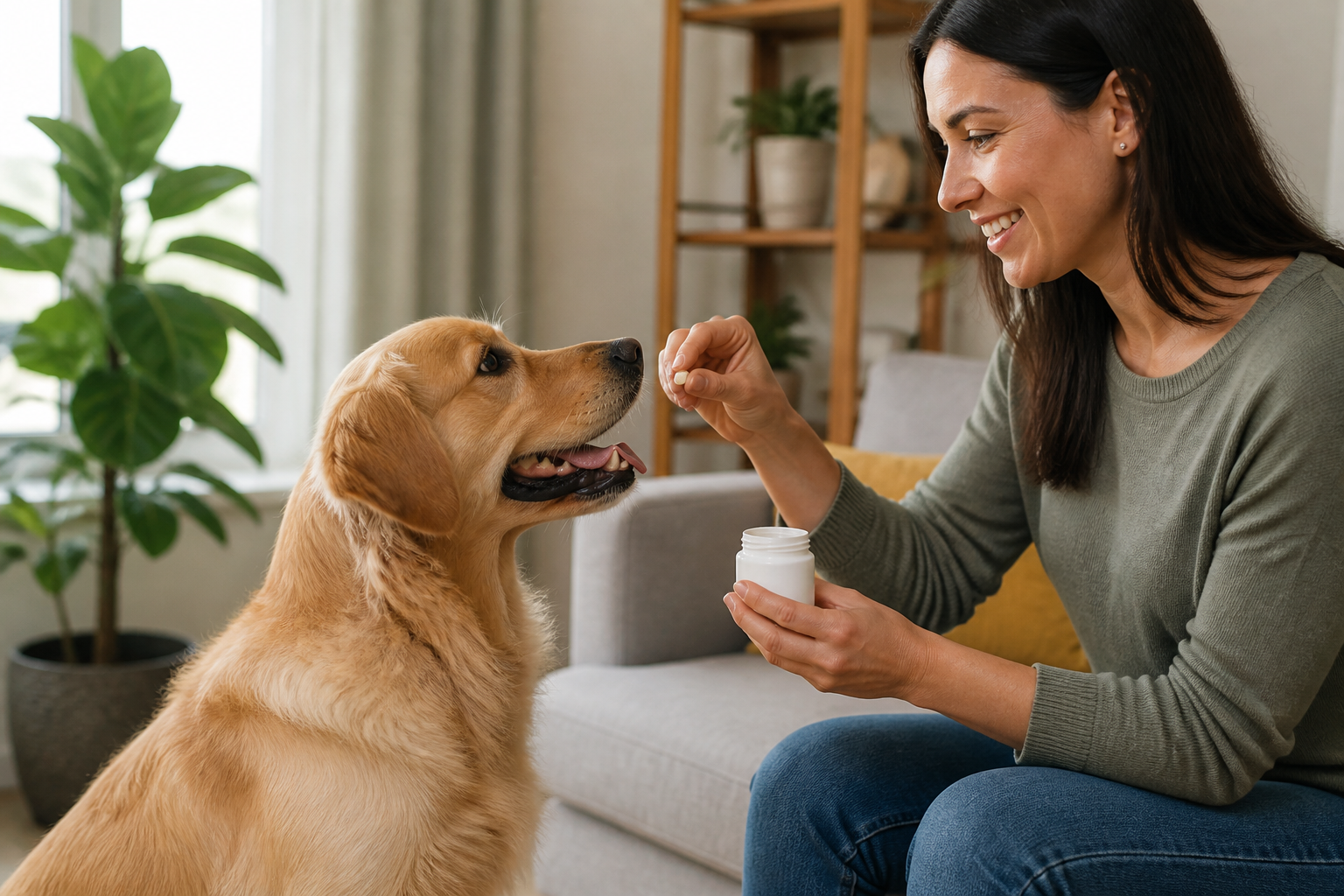
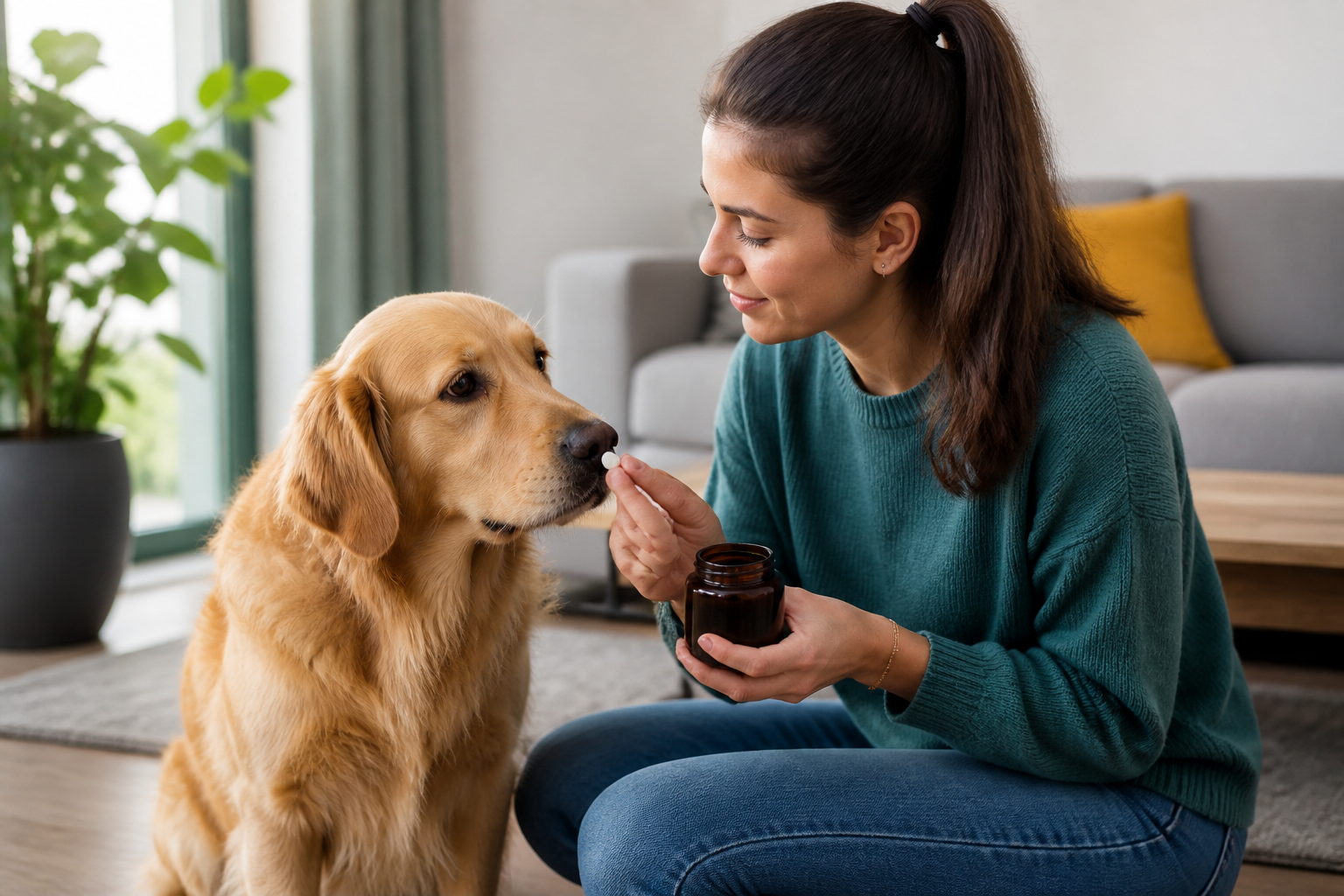
Feeding supplements should not be a struggle. Most modern probiotics come in forms that dogs actually enjoy.
Step 1: Choose the right format. / Soft chews are great for dogs who love treats. Powders are ideal for picky eaters because they can be mixed into wet food or kibble.
Step 2: Start with a half dose. / Even though probiotics are safe, a sudden influx of new bacteria can cause temporary gas. Start slow for the first three to five days.
Step 3: Move to the full daily dose. / Once your dog's system has adjusted, follow the weight-based instructions on the packaging.
Step 4: Monitor the results. / Keep an eye on stool consistency and energy levels. It usually takes two to four weeks to see the full benefits of a daily routine.
Bottom line: Introduce probiotics gradually over several days to avoid minor gas or bloating as the gut environment shifts.
What to Look for on the Label
When shopping for supplements at BaxterBoo or any reputable retailer, the label tells the whole story. A trustworthy brand will always provide a guaranteed analysis. This means they guarantee the number of live bacteria present at the end of the product's shelf life, not just at the time of manufacture.
Check for these trust signals:
- NASC Quality Seal: This shows the manufacturer follows strict quality control standards.
- Expiration Date: Live bacteria do not last forever. Never use expired probiotics.
- Storage Instructions: Some probiotics are shelf-stable, while others must be refrigerated. Improper storage can kill the live cultures before your dog even eats them.
- Clear Ingredients: Avoid products with excessive artificial colors, flavors, or heavy fillers that might upset a sensitive stomach.
Common Signs Your Dog Needs Probiotics
If you are still on the fence about daily use, look at your dog's daily habits. Some signs are subtle but indicate a microbiome that could use some help. Chronic "grumbly" stomachs that you can hear from across the room are a classic sign. If your dog frequently eats grass or has a dull, dry coat despite a good diet, their gut may not be absorbing nutrients efficiently.
Other signs include:
- Occasional loose stools or constipation
- Excessive shedding or "hot spots" on the skin
- Increased flatulence after meals
- A history of yeast infections in the ears or on the paws
- Recent stressful events like moving house or a new baby in the home
Daily probiotics help smooth out these minor issues before they become major health concerns. It is much easier to maintain a healthy gut than it is to fix a severely damaged one. For broader supplement-selection guidance, read our pet supplement guide.
Safety and Potential Side Effects
Probiotics are remarkably safe for the vast majority of dogs. They are a natural part of the canine body. However, as with any change in diet, there can be a short transition period. Some dogs might experience a temporary increase in gas or slightly softer stools for the first few days. This is simply the result of the "good" bacteria pushing out the "bad" ones.
If these symptoms last longer than a week or seem to cause your dog distress, stop the supplement and talk to your vet. It is possible that the specific strain or the fiber source in the prebiotic does not agree with your dog. Every dog is an individual, and sometimes you have to try a couple of different brands to find the perfect match.
Key Takeaway: While side effects are rare and usually mild, always watch your dog's reaction during the first week of any new supplement routine.
Why Quality Matters More Than Price
It can be tempting to grab the cheapest option on the shelf, but with probiotics, you get what you pay for. Manufacturing live bacteria is a delicate process. High-quality brands invest in testing to ensure their bacteria survive the manufacturing process and the acidic environment of the stomach.
At BaxterBoo, we handpick the brands we carry because we want our customers to see real results. Brands like NutriSource, Stella and Chewy's, and Zesty Paws have proven track records. They use science-backed strains and keep their formulations clean. Investing in a high-quality daily probiotic can actually save you money in the long run by reducing the need for vet visits related to digestive upset or skin flare-ups.
Final Thoughts on Daily Gut Health
Deciding to give your dog probiotics every day is a proactive step toward a longer, happier life together. It supports their digestion, strengthens their immunity, and can even help them feel more relaxed. Whether you are managing a senior dog's declining health or starting a puppy on the right foot, consistency is the most important factor.
We invite you to explore our selection of gut health supplements and professional pharmacy services. If you are looking for even more value, our Autoship programme is a great way to ensure you never run out of your dog's daily essentials. You will save on your first order and earn MVP Rewards points on every purchase. Taking care of your dog's internal health has never been simpler or more rewarding.
Bottom line: Daily probiotics provide the consistent microbial input needed to maintain long term digestive and immune health.
FAQ
Can I give my dog human probiotics?
While some human strains are safe, it is always better to use a dog-specific formula. Dogs have different types of bacteria in their gut and a much higher stomach acidity than humans. Dog-specific supplements are designed to survive the canine digestive process and contain the strains that provide the most benefit to their unique biology.
How long does it take for dog probiotics to work?
You might notice a change in stool consistency in as little as two to five days. However, for deeper issues like skin health, allergies, or immune support, it typically takes four to six weeks of consistent daily use. The microbiome needs time to shift and stabilize before the outward benefits become obvious.
Should I give my dog probiotics on an empty stomach or with food?
We generally recommend giving probiotics with a meal. Food acts as a buffer against stomach acid, which helps more of the live bacteria survive the trip to the intestines. Additionally, making the supplement part of their breakfast or dinner routine makes it much easier for you to remember to give it every day.
Can a dog have too many probiotics?
It is very difficult to "overdose" on probiotics because they are naturally occurring bacteria. If a dog eats too many at once, they will likely just experience a temporary bout of diarrhea or gas as their body flushes out the excess. Always follow the dosage instructions on the label to ensure your dog gets the most benefit without unnecessary waste.
Conclusion
Supporting your dog's gut health is one of the most effective ways to impact their overall quality of life. By providing a daily probiotic, you are helping them maintain a strong immune system and a balanced digestive tract. From the Warehouse in Vernon Hills to your front door, we are here to provide the expert-curated products and pharmacy access you need. Consider signing up for our MVP Rewards programme to earn points on every supplement and food purchase you make. Your dog counts on you for their well-being, and a healthy gut is a fantastic place to start.