
 Save 15% on your 1st Autoship learn more

 Email us
 Live Chat
 FAQs





Introduction
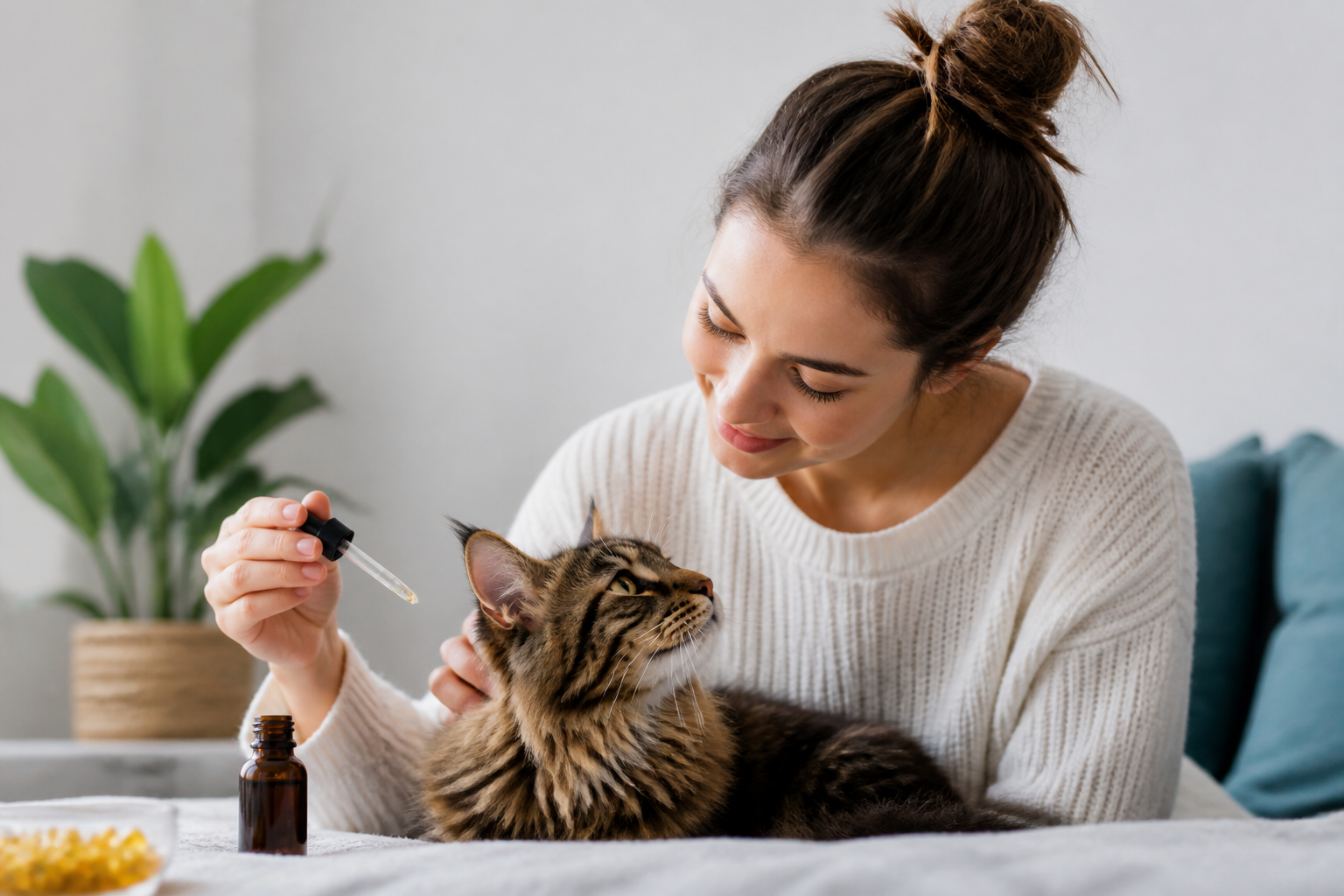
You are petting your cat and notice small white flakes scattered across their dark fur. Maybe their coat feels a bit coarse or looks duller than usual. These signs of dandruff are common, but they usually mean your cat's skin needs a little extra support. Many owners find that adding specific nutrients to the bowl makes a significant difference. At BaxterBoo, we talk to pet parents every day who are looking for practical ways to improve their cat's comfort and appearance. This guide explains how cat dandruff fish oil supplements work, what to look for on a label, and how to safely introduce these fats into a feline diet. We want to help you understand the connection between nutrition and a shiny, flake free coat.
Quick Answer: Fish oil helps cat dandruff by providing essential omega-3 fatty acids like EPA and DHA. These fats strengthen the skin barrier and reduce the inflammation that leads to dryness and flaking.
Understanding the Causes of Feline Dandruff
Dandruff is not a disease by itself. It is a symptom that something is out of balance. In most cases, those white flakes are just dead skin cells shedding more quickly than they should. This happens when the skin becomes too dry or when the natural oils are stripped away.
Environmental factors often play a big role. During the winter, indoor heating can drop the humidity in your home. This dries out your cat's skin just like it dries out your own. If your cat spends a lot of time near a heater vent, they might develop a localized patch of dry, flaky skin.
Another factor is grooming. Cats are normally meticulous about cleaning themselves. If a cat is overweight or has arthritis, they may struggle to reach their lower back or the base of their tail. When they stop grooming those areas, dead skin and loose hair build up. This results in visible dandruff and a greasy or matted texture.
Diet is the third piece of the puzzle. Skin is the largest organ in the body. It requires a lot of protein and specific fats to stay healthy. If a diet is low in certain fatty acids, the skin barrier weakens. This allows moisture to escape and irritants to get in. You can explore our cat healthcare selection for nutritional and wellness products that complement a balanced diet.
Vet Tip: If your cat has large amounts of dandruff, red skin, or is losing patches of fur, schedule a visit with your veterinarian. These can be signs of skin parasites, fungal infections, or underlying health issues that need a professional diagnosis.
Cat Skin & Coat Care





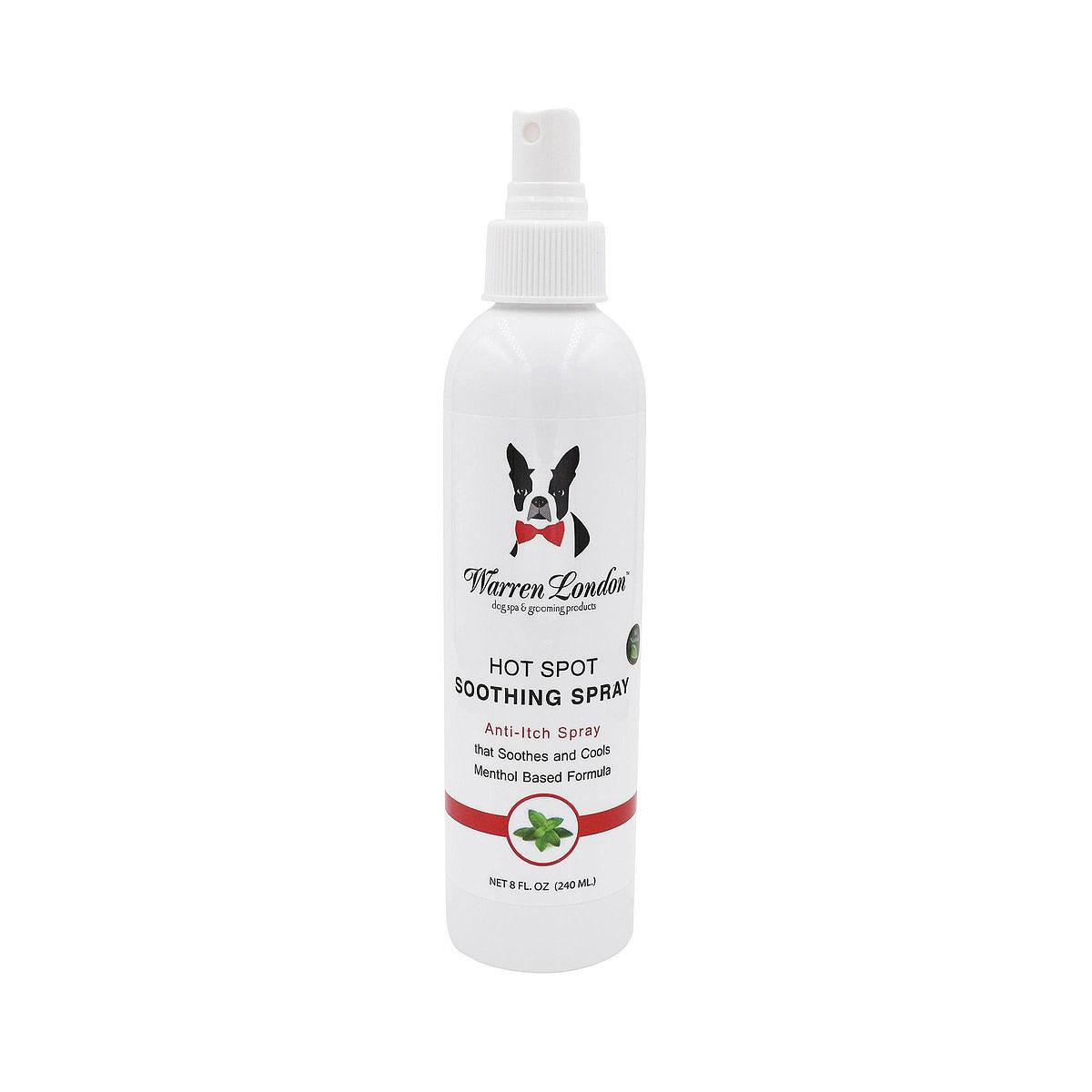

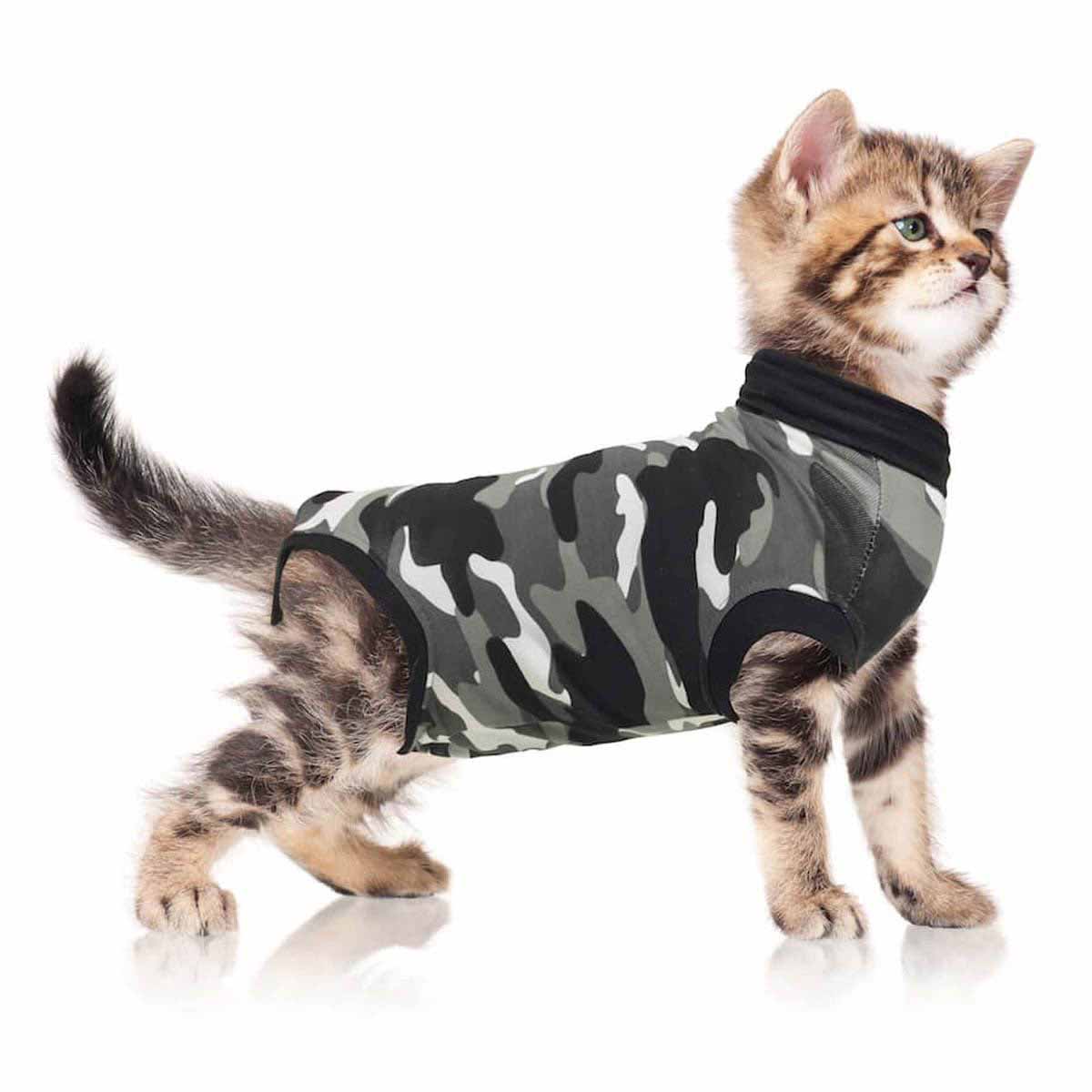


The Role of Omega-3 Fatty Acids
When people talk about cat dandruff fish oil benefits, they are really talking about omega-3 fatty acids. These are essential nutrients. This means your cat's body cannot produce them on its own. They must come from a food source or a supplement.
There are two specific types of omega-3s found in fish oil that do the heavy lifting:
- EPA (Eicosapentaenoic Acid): This fatty acid is a natural anti-inflammatory. It helps calm the skin and reduces the itchiness that often leads to over-grooming.
- DHA (Docosahexaenoic Acid): This is vital for the structural integrity of cell membranes. It helps the skin stay hydrated by keeping moisture locked inside the cells.
While plant based oils like flaxseed contain omega-3s, they are in a form called ALA. Cats are not very good at converting ALA into the EPA and DHA they actually need. This is why fish oil is generally considered more effective for feline skin health than vegetable oils. For more guidance, read our pet supplement guide.
Choosing the Best Fish Oil for Your Cat
Not all fish oils are created equal. Since you are adding this to your cat's daily routine, you want to ensure it is pure and potent. We carry several trusted brands like Zesty Paws, Nutramax, and Fera Pets that focus on high quality sourcing. You can browse our selection of Zesty Paws products when comparing skin and coat supplements.
Look for Purity and Testing
Fish can sometimes carry heavy metals like mercury or toxins like PCBs. Look for products that mention third party testing or molecular distillation. These processes remove impurities while keeping the beneficial fats intact. A label that mentions the National Animal Supplement Council (NASC) seal is also a good sign of quality control.
Consider the Source
Salmon oil is very popular because most cats love the taste. However, oils made from smaller fish like sardines, anchovies, and mackerel are also excellent choices. Smaller fish are lower on the food chain, which often means they have lower levels of environmental toxins.
Packaging Matters
Omega-3 fats are very sensitive to light and air. When fish oil is exposed to oxygen, it can go rancid. This not only makes it smell terrible but also makes it less effective and potentially harmful. Look for fish oils packaged in dark, opaque bottles. Pumps are convenient, but they can sometimes let air back into the bottle. Some owners prefer single use capsules or small bottles that can be used quickly.
Key Takeaway: Quality fish oil should have a mild scent and be stored in a dark container to prevent oxidation. Look for EPA and DHA levels on the label to ensure you are giving a therapeutic dose.
How to Introduce Fish Oil to the Diet
Cats are famously picky about changes to their food. If you suddenly pour a large amount of oil over their kibble, they might refuse to eat it entirely. A slow transition is the best way to ensure success and avoid digestive upset.
Step 1: Start with a tiny amount. / Use just a drop or two during the first few days to let your cat get used to the new smell and flavor.
Step 2: Watch for digestive changes. / Some cats have sensitive stomachs. Too much oil too fast can cause loose stools or diarrhea. If this happens, reduce the amount.
Step 3: Gradually increase to the recommended dose. / Follow the weight based instructions on the product packaging or your vet's guidance. It usually takes 4 to 6 weeks of consistent use to see a real change in the skin and coat.
Step 4: Mix it well. / For the best results, stir the oil into wet food. This masks the texture and ensures your cat consumes the entire dose. For repeat purchases, our Autoship programme can help you maintain a consistent routine.
Bottom line: Patience is key when starting a fish oil supplement. It takes time for the nutrients to incorporate into the skin cells.
When to Use the BaxterBoo Pharmacy
Sometimes, dandruff is a sign of a more complex medical issue. If your cat has chronic skin allergies, severe inflammation, or a condition like seborrhea, standard over the counter supplements might not be enough. In these cases, a veterinarian may recommend a prescription strength solution.
Our pharmacy provides a specialized path for these pets. Through our partnership with Pet's Choice, we offer FDA-approved medications and prescription diets designed for skin support. Brands like Royal Canin and Farmina Vet Life create veterinary exclusive formulas that have higher, therapeutic levels of fatty acids and limited protein sources for cats with food sensitivities. For prescription needs, visit our pet pharmacy.
If your vet writes a prescription for a medicated shampoo or a specific diet to manage skin disease, you can fulfill that through us. This allows you to manage your cat's health needs alongside their regular toys and treats. Using the pharmacy ensures you are getting genuine, regulated products that are safe for your pet.
Potential Side Effects and Safety
While fish oil is generally very safe, there are a few things to keep in mind. Because fish oil is a fat, it is calorie dense. If your cat is already struggling with their weight, you may need to adjust their daily food portions to account for the extra calories from the oil.
High doses of fish oil can also interfere with blood clotting. This is usually only a concern for cats undergoing surgery or those with existing bleeding disorders. Always tell your vet about any supplements your cat is taking before a scheduled procedure.
Some cats may experience fishy breath or a slight odor to their skin. If the smell is very strong, it could be a sign that the oil is going rancid or that the dose is too high. Finally, because fish oil is derived from fish, cats with a known fish allergy should avoid these supplements.
Key Takeaway: Fish oil adds calories to the diet. Monitor your cat's body condition and consult your vet if you notice unexplained weight gain or digestive issues.
Supporting Skin Health Beyond Fish Oil
While cat dandruff fish oil is a great tool, it works best as part of a broader care plan. You can help your cat's skin from the outside in as well as the inside out.
Regular Grooming
Brushing your cat once or twice a week does more than just remove loose hair. It stimulates the skin and helps distribute the natural oils across the coat. For senior cats or those who have trouble reaching certain spots, this manual help is essential for preventing dandruff buildup. Explore our cat grooming supplies for brushes, wipes, shampoos, and other care tools.
Hydration and Humidity
Ensure your cat is drinking enough water. Cats often prefer running water, so a fountain can help increase their intake. If your home is very dry during the winter, consider running a humidifier in the room where your cat spends the most time. This can prevent the skin from losing moisture to the air.
High Quality Proteins
The skin and coat are made primarily of protein. If your cat's base diet is low in high quality animal protein, no amount of fish oil will fully fix the problem. Look for foods that list a specific meat or fish as the first ingredient and avoid those with excessive fillers. For sensitive eaters, our sensitive stomach cat food options offer another nutrition topic to discuss with your veterinarian.
Tips for Storage and Freshness
To get the most out of your purchase, you must store the oil correctly. Keep liquid fish oil in the refrigerator after opening. This significantly slows down the oxidation process. If you notice the oil has developed a strong, sour, or "off" smell, throw it away.
If your cat is very small and you find that a large bottle of oil goes bad before you can finish it, consider switching to capsules. You can prick a capsule with a needle and squeeze the oil onto the food. This keeps the remaining doses sealed and fresh until they are needed.
- Keep bottles tightly capped.
- Store away from direct sunlight.
- Check expiration dates regularly.
- Wipe the bottle neck to prevent oil buildup and rancidity around the cap.
Bottom line: Freshness is the most important factor for both safety and effectiveness in fish oil supplements.
Comparing Fish Oil to Other Supplements
You might see other supplements like coconut oil or olive oil recommended for cat dandruff. While these fats are not necessarily harmful in small amounts, they do not offer the same targeted benefits as fish oil. Coconut oil consists mostly of saturated fats. It lacks the EPA and DHA required to reduce skin inflammation effectively.
Other skin and coat supplements may include ingredients like biotin, zinc, or vitamin E. These are often used alongside fish oil to provide comprehensive support. Vitamin E is particularly helpful because it acts as an antioxidant that helps the body process the fatty acids in fish oil. Many high quality fish oils already include a bit of vitamin E for this reason.
Conclusion
Managing cat dandruff is about more than just aesthetics. It is about making sure your cat feels comfortable in their own skin. Adding a high quality fish oil to their diet provides the essential omega-3s needed to strengthen the skin barrier and reduce flaking. Whether you choose a liquid salmon oil or a concentrated capsule, consistency is the key to seeing results.
Remember to start with small doses and choose products that have been tested for purity. If your cat's skin issues seem severe or do not improve after a few weeks, consult your veterinarian to rule out other conditions. We are here to support your journey with our cat skin and coat food options and a dedicated pharmacy for your prescription needs.
Key Takeaway: Fish oil is a safe, effective way to manage dry skin, but it works best when combined with regular grooming and a high quality diet.
FAQ
How long does it take for fish oil to help my cat's dandruff?
You should expect to wait about 4 to 6 weeks before you see a visible change in your cat's coat. The nutrients need time to be absorbed and incorporated into new skin cells as they grow. Consistency is very important, so try to give the supplement at the same time every day.
Can I give my cat fish oil made for humans?
It is generally safer to use fish oil specifically formulated for cats. Human supplements often have different concentrations and may contain flavors like lemon or xylitol that are toxic to pets. Pet specific products also make it much easier to calculate the correct dose for a cat's small body weight.
Will fish oil make my cat's fur greasy?
If you give the correct dose, fish oil should make the coat shiny and soft, not greasy. If your cat's fur starts to feel oily or looks clumped together, you may be giving too much. Reduce the dosage and see if the coat texture improves over the next week.
My cat hates the smell of fish oil. What can I do?
Some fish oils are formulated to have a very low odor to appeal to picky eaters. You can also try using a different source, such as krill oil or a blend of small fish, which may have a milder scent than salmon oil. Mixing the oil into a strongly scented wet food or a lickable treat can also help mask the smell.






- Site & Contents BaxterBoo.com. BaxterBoo is located in the United States.
- Privacy & Security
- Terms of Use
- Accessibility Statement
