Save 15% on your 1st Autoship learn more

 Email us
 Live Chat
 FAQs
FAQs





Introduction
You might notice your dog is suddenly passing more gas than usual or leaving loose stools in the yard. These small changes often signal that their digestive system is struggling to process their meals. While a dog's body naturally produces tools for digestion, modern diets and aging can sometimes slow the process down. This is where dog enzymes and probiotics come into play to help restore balance. At BaxterBoo, we believe that understanding how these supplements work is the first step toward better pet wellness. This guide covers the differences between enzymes and probiotics and how they work together. You will learn how to identify if your dog needs support and how to choose the right products for their specific life stage.
Quick Answer: Digestive enzymes break down food into absorbable nutrients in the stomach and small intestine. Probiotics are live, beneficial bacteria that support a balanced microbiome in the colon. Using both can improve nutrient absorption while reducing symptoms like gas, bloating, and diarrhea.
How Digestive Enzymes Help Your Dog
Digestive enzymes are specialized proteins that act as catalysts for chemical reactions. Their primary job is to break down large food molecules into smaller pieces that the body can actually use. Without enough of these proteins, food remains undigested as it moves through the GI tract. This often leads to fermentation in the gut, which causes painful gas and foul-smelling stools.
Most dogs produce enzymes in their pancreas and release them into the small intestine. However, the natural enzymes found in raw food are often destroyed during the high-heat processing of kibble and canned diets. If your dog eats a strictly processed diet, their pancreas has to work much harder to keep up. Over time, this can lead to a deficiency that affects their overall energy and coat quality.
The Four Major Enzymes
There are four main types of enzymes you will see on supplement labels. Each one has a specific target within your dog's diet.
- Protease: This enzyme breaks down proteins into amino acids. Amino acids are essential for muscle repair, skin health, and immune function.
- Amylase: This protein targets starches and carbohydrates. Since many dog foods contain grains or potatoes, amylase is vital for converting those starches into energy.
- Lipase: This is responsible for breaking down fats. If your dog has greasy or very soft stools, they might be struggling with fat digestion.
- Cellulase: Interestingly, dogs do not produce this enzyme naturally. It breaks down fiber from plants and grains. Adding it to their diet helps them get more nutrition from vegetables and plant-based ingredients.
Key Takeaway: Enzymes are the workers that physically disassemble food. If your dog has a "dead" diet consisting only of cooked food, supplemental enzymes take the stress off their pancreas.
Understanding Probiotics for Dogs
While enzymes focus on the food itself, probiotics focus on the environment of the gut. Your dog's digestive tract is home to trillions of microorganisms, including both helpful and harmful bacteria. This community is called the microbiome. Probiotics are the live, beneficial bacteria you add to the mix to keep the "bad" bacteria in check.
A healthy microbiome supports more than just digestion. It is also a massive part of your dog's immune system. When the balance of bacteria is thrown off by stress or illness, your dog might experience chronic diarrhea or skin issues. Probiotics help crowd out pathogens and strengthen the intestinal lining.
Choosing the Right Strains
Not all probiotics are the same. Different strains of bacteria perform different roles in the body. When you look at a supplement, you will see names like Lactobacillus or Bifidobacterium.
Enterococcus faecium is one of the most common strains used for dogs. It is particularly effective at helping with acute diarrhea. Bacillus coagulans is another favorite because it is very hardy. It can survive the high acidity of a dog's stomach to reach the intestines where it is needed most. Some products also include yeast-based probiotics like Saccharomyces boulardii, which are excellent for dogs with food sensitivities.
Vet Tip: If your dog is currently taking antibiotics, talk to your veterinarian about a probiotic supplement. Antibiotics kill both good and bad bacteria. Starting a probiotic during or after treatment can help prevent the common side effect of antibiotic-associated diarrhea.
Why Combine Dog Enzymes and Probiotics?
You might wonder if you need to choose one or the other. In many cases, these two supplements work better when they are used together. Enzymes handle the "top-down" work of breaking down food in the stomach. Probiotics handle the "bottom-up" work of maintaining the environment in the lower intestines.
When food is properly broken down by enzymes, it provides the right fuel for the probiotics to thrive. If undigested food reaches the colon, it can actually feed the harmful bacteria. This creates a cycle of digestive upset. By using a combined supplement, you ensure that the food is prepared correctly and the gut environment is ready to process it.
For a product that combines both types of support, consider the NaturVet Advanced Probiotics & Enzymes Soft Dog Chew.
Bottom line: Enzymes prepare the food for absorption, and probiotics maintain the health of the organ doing the absorbing.
Impact of Diet on Gut Health
The way we feed our dogs has changed significantly over the last few decades. Most commercial kibble is cooked at temperatures exceeding 300 degrees Fahrenheit. This heat effectively kills all live enzymes that were present in the raw ingredients. While the food is still nutritionally complete, it is biologically "silent."
If your dog is a scavenger or a "counter surfer," they might also be introducing foreign bacteria into their system regularly. This constant influx of new bacteria can overwhelm a weak microbiome. Supplemental support helps a dog's system stay resilient even when they eat something they should have avoided.
For broader digestive wellness options, explore our dog digestive health category.
Transitioning to New Foods
Switching dog food brands is a common trigger for tummy troubles. Even a high-quality food can cause issues if the transition happens too fast. Enzymes and probiotics can act as a safety net during this time. They provide the extra help needed to process new proteins or carbohydrate sources.
For additional guidance, read how to switch from dry to wet dog food.
Step 1: Start the supplement a few days before you begin the food transition. / This prepares the gut for change. Step 2: Mix the supplement into the old and new food blend daily. / Keep the dosage consistent throughout the week of the switch. Step 3: Continue the supplement for at least a week after the transition is complete. / This ensures the new microbiome has stabilized.
Managing Special Health Conditions
Some dogs have medical needs that go beyond simple gas or occasional soft stools. Certain breeds, like German Shepherds, are prone to specific digestive failures. In these cases, supplements are not just a wellness choice. They are a medical necessity.
Exocrine Pancreatic Insufficiency (EPI)
EPI is a condition where the pancreas essentially stops producing digestive enzymes. This results in a dog who is always hungry but continues to lose weight. Their stools are often large, pale, and greasy. If your dog shows these signs, you must see a veterinarian for a TLI blood test.
Dogs with EPI require high-potency, prescription-strength enzymes. Our pet pharmacy carries specialized prescription treatments. Through our partnership with Pet's Choice, we provide FDA-approved medications and prescription diets for dogs with chronic conditions. If your vet prescribes a specific pancreatic enzyme or a prescription GI diet, we can fill those orders and deliver them to your door.
Vet Tip: Never try to treat suspected EPI with over-the-counter supplements alone. This condition requires a formal diagnosis and specific dosing of porcine-based enzymes to prevent malnutrition. Your vet will also likely monitor your dog's B12 levels, as EPI often leads to deficiencies.
How to Choose the Best Supplement
The pet aisle is full of options, which can be confusing for owners. To find a quality product, you need to look past the marketing on the front of the bag. Check the back label for specific activity units for enzymes. For probiotics, look for the CFU count.
You can also browse our selection of NaturVet products when comparing dog supplements.
Understanding Potency
CFU stands for Colony Forming Units. This tells you how many live bacteria are in each serving. For a healthy dog, a supplement with 1 to 3 billion CFUs is often sufficient for daily maintenance. If your dog is recovering from a specific issue, your vet might recommend a higher potency.
For enzymes, look for units like "DU" for amylase or "HUT" for protease. These measure the activity level of the enzyme. A label that only lists the weight of the enzyme in milligrams does not tell you how effective it will be at breaking down food.
The NASC Quality Seal
We always recommend looking for the National Animal Supplement Council (NASC) seal on the packaging. This seal means the company has passed independent audits and follows strict quality control standards. Brands like Zesty Paws, Animal Essentials, and NutriSource often carry these quality markers. It gives you peace of mind that what is on the label is actually in the bottle.
Introducing Supplements to the Diet
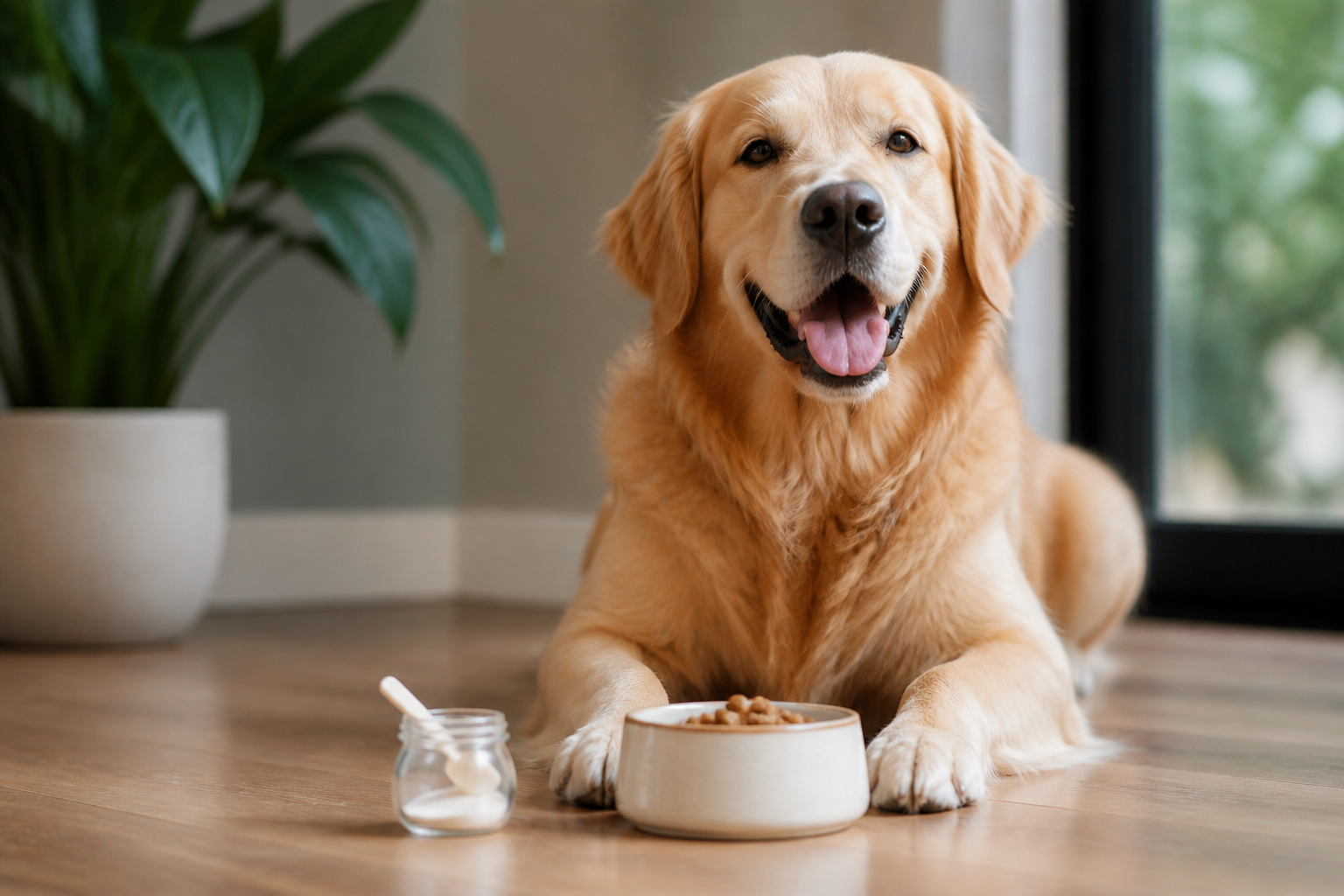
Most enzymes and probiotics come in powders or soft chews. Soft chews are excellent for food-motivated dogs because they feel like a treat. Powders are often better for picky eaters because they can be mixed into wet food or a bit of plain yogurt.
If you choose a powder, be careful not to add it to boiling water or very hot food. High heat will kill the probiotics and deactivate the enzymes. Always wait for the meal to cool to room temperature before adding the supplement.
- Start small: Give half the recommended dose for the first three days to let their system adjust.
- Be consistent: Give the supplement at the same time every day, preferably with a meal.
- Watch the stool: Look for improvements in consistency and a reduction in gas over a two-week period.
Senior Dog Considerations
As dogs age, their entire bodies begin to slow down, including their digestive organs. Senior dogs often produce fewer enzymes naturally. This can lead to weight loss even if their appetite remains the same. Supporting an older dog with dog enzymes and probiotics can help them maintain their muscle mass by ensuring they get every bit of nutrition from their senior diet.
Older dogs are also more susceptible to the effects of stress. A vet visit or a move can cause a senior dog to stop eating or develop diarrhea. Keeping their gut health stable provides a foundation for their overall senior wellness plan.
For related nutrition guidance, read how to choose the right dog food for senior pets.
Troubleshooting Common Issues
Sometimes, adding a supplement can cause a temporary increase in gas for a day or two. This is usually just the microbiome shifting. However, if your dog develops vomiting or severe diarrhea after starting a supplement, stop use and contact your vet.
It is also important to remember that supplements are not a cure-all. If your dog is losing weight rapidly or has blood in their stool, these are signs of a more serious problem. Parasites, inflammatory bowel disease, or obstructions cannot be fixed with probiotics.
For more discussion of digestive upset and diet, see our guide to dog food for sensitive stomachs.
Key Takeaway: Use supplements to support a healthy dog or manage known sensitivities. Always seek professional veterinary help for sudden, severe, or worsening digestive symptoms.
Conclusion
Managing your dog's gut health does not have to be a guessing game. By providing dog enzymes and probiotics, you address both the mechanical breakdown of food and the biological balance of the gut. We have seen how these small additions can make a huge difference in a dog's comfort and energy levels. Whether you are helping a puppy transition to new food or supporting a senior dog's digestion, the right tools make the job easier. At BaxterBoo, we carry a wide range of trusted brands to help you find the perfect fit for your pet.
- Enzymes help break down fats, proteins, and starches for better absorption.
- Probiotics support the immune system and keep bad bacteria in check.
- Prescription needs for conditions like EPI should be handled through our pharmacy.
- Consistency is the key to seeing real results in your dog's digestive health.
For recurring supplement needs, our Autoship programme can help simplify repeat deliveries.
Bottom line: A healthy gut leads to a healthier dog, and supplemental support is a simple way to bridge the gap between processed diets and natural digestive needs.
FAQ
Can I give my dog human probiotics instead of dog-specific ones?
While some human probiotics are safe, they are formulated for the human gut microbiome, which has a different pH and bacterial balance. Dog-specific supplements contain strains like Enterococcus faecium that are better suited for canine digestion. It is always safer to use a product designed specifically for a dog's unique internal environment.
How long does it take to see results from enzymes and probiotics?
For acute issues like gas or minor indigestion, you might see an improvement in as little as 24 to 48 hours. For chronic issues or coat improvements, it usually takes about two to four weeks of consistent daily use. Your dog's system needs time to adjust and for the beneficial bacteria to colonize the gut.
Are there any side effects to giving my dog these supplements?
Most dogs tolerate these supplements very well, but some may experience a brief period of increased gas or slightly loose stools when first starting. This is typically just the body adjusting to the new bacteria and enzymes. Starting with a smaller dose and gradually increasing it to the full amount can help prevent these minor issues.
Do probiotics for dogs need to be refrigerated?
It depends on the specific brand and the way the bacteria were processed. Some probiotics are shelf-stable due to freeze-drying or the use of spore-forming bacteria, while others require refrigeration to keep the cultures alive. Always check the storage instructions on the label of your BaxterBoo purchase to ensure the product remains effective.