
 Save 15% on your 1st Autoship learn more

 Email us
 Live Chat
 FAQs





Introduction
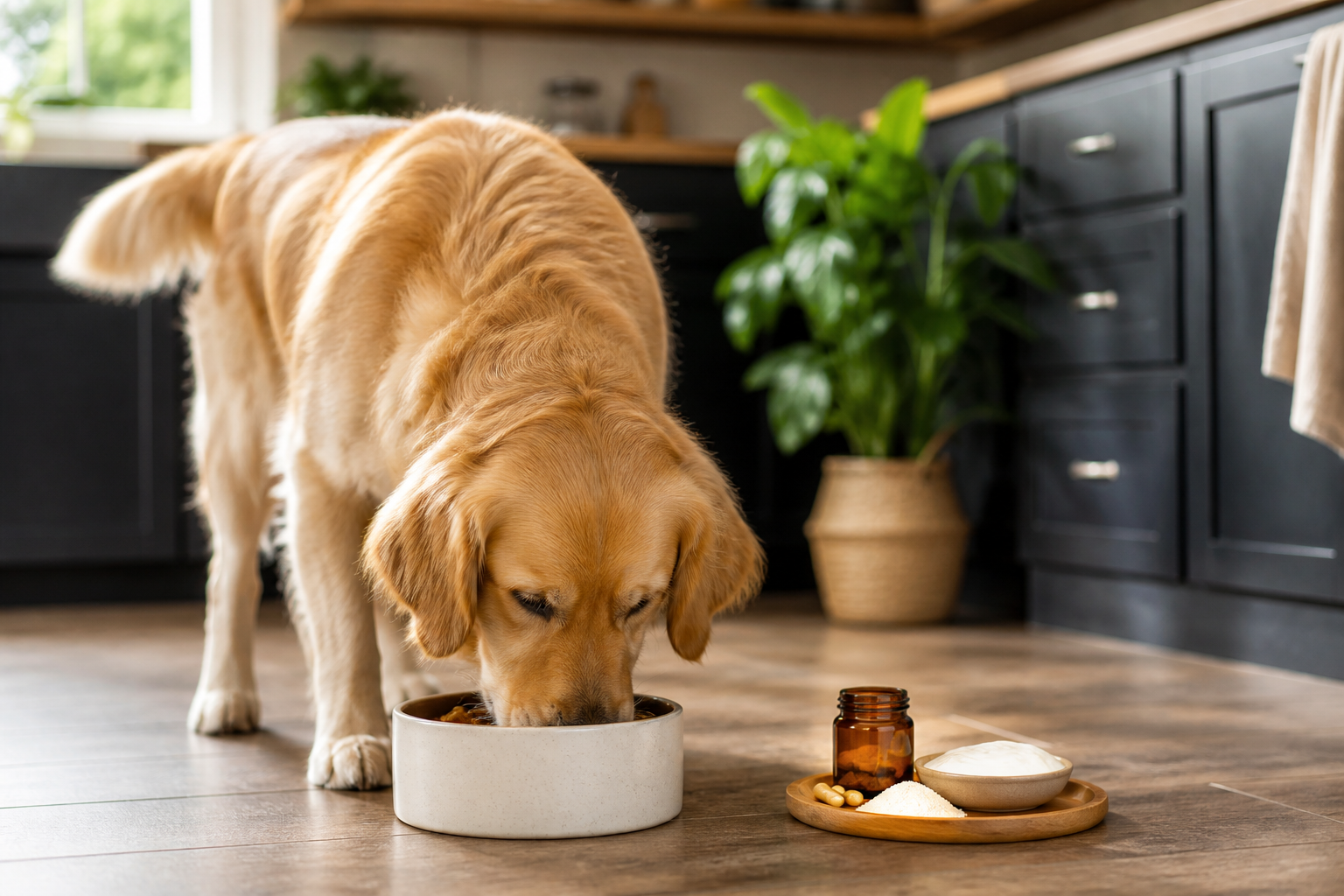
You might notice your dog clearing the room with sudden gas or perhaps you are seeing loose stools every time you try a new protein. These digestive hiccups are common but they often signal that your dog's gut needs a little extra support to process their meals efficiently. At BaxterBoo, we talk to pet owners every day who are looking for ways to settle sensitive stomachs and improve nutrient absorption. This guide will help you understand the specific roles of dog enzymes probiotics and how they work together to maintain a healthy digestive tract. We will look at the signs your dog might need a supplement and how to choose the right format for their lifestyle. Understanding the biology of your dog's digestion is the first step toward a happier and more comfortable companion.
Quick Answer: Dog enzymes help break down food into absorbable nutrients while probiotics are live beneficial bacteria that balance the gut microbiome. Using them together can reduce gas, bloating, and diarrhea while supporting overall immune health.
Understanding the Difference Between Enzymes and Probiotics
It is helpful to think of your dog's digestive system as a complex processing plant. Enzymes are the tools that physically break down the raw materials. Probiotics are the "good" workers that keep the environment clean and prevent "bad" workers from taking over. While they both support the gut, they perform very different biological functions.
Digestive enzymes are proteins that speed up chemical reactions in the body. Their primary job is to take large pieces of protein, fat, and carbohydrates and turn them into tiny molecules. Your dog's body can then move these molecules into the bloodstream to fuel muscles and organs. Without enough enzymes, food can sit in the digestive tract and begin to ferment. This fermentation is what causes the uncomfortable gas and bloating many owners witness. Explore our dog digestive health collection for supplement options designed for everyday gut support.
Probiotics are living microorganisms, mostly bacteria and some yeasts. They live in the intestines and make up what we call the microbiome. A healthy microbiome helps with digestion but it also plays a massive role in the immune system. In fact, a huge portion of your dog's immune cells live in the gut. Probiotics help crowd out harmful bacteria like E. coli or Salmonella.
Dog Digestive Support






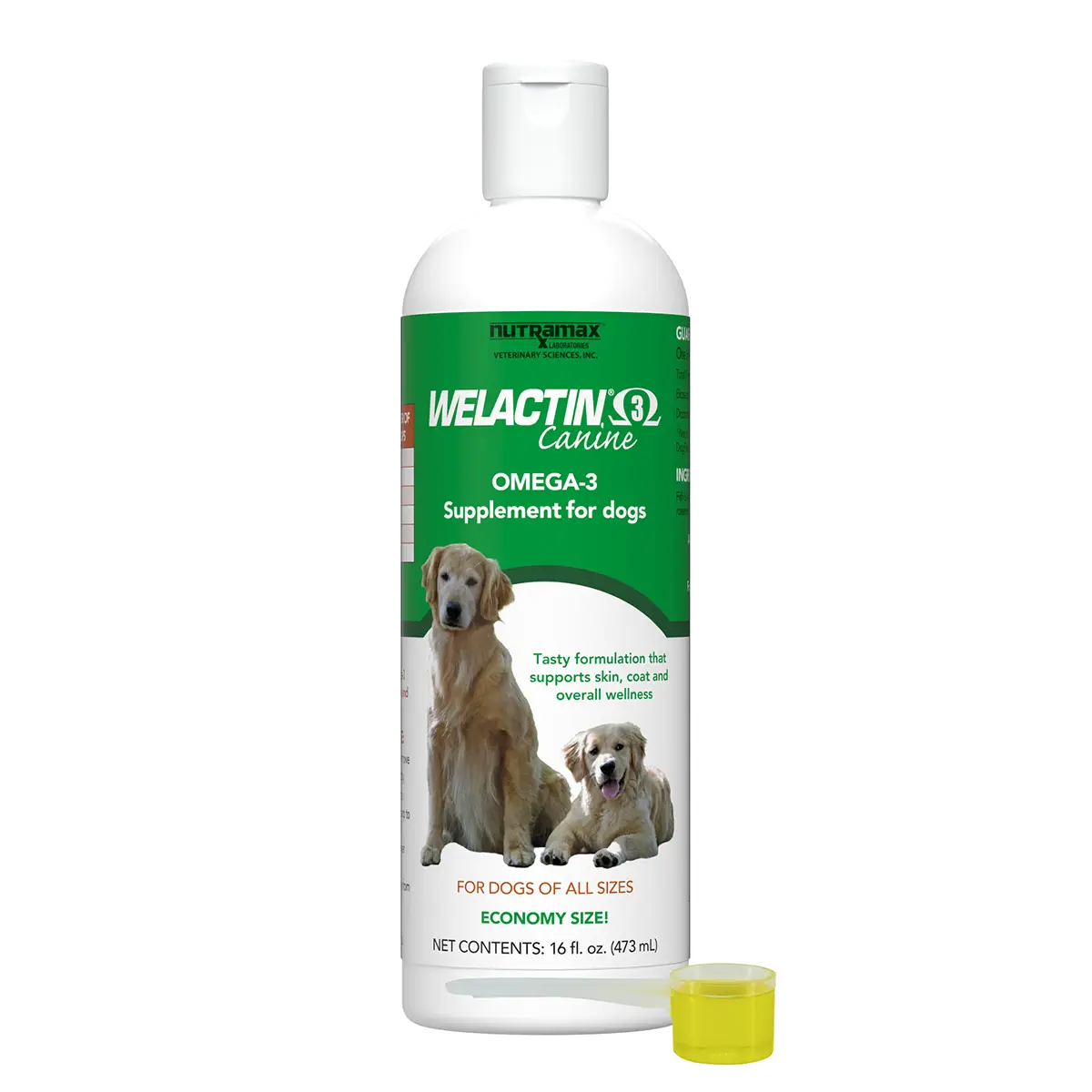


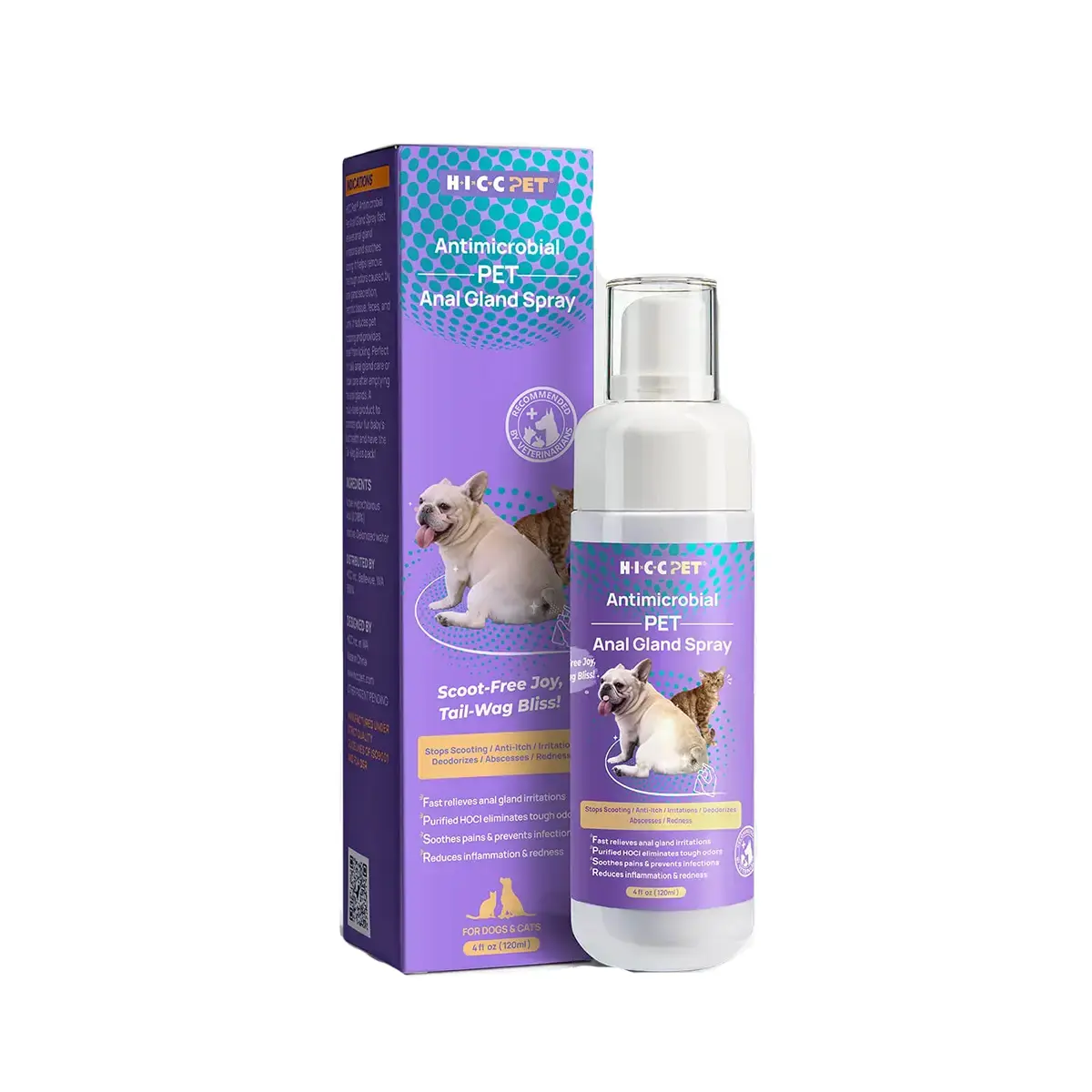
The Role of Specific Digestive Enzymes
When you look at a supplement label, you will see several scientific names. Each one has a very specific target in your dog's food. Understanding these helps you match the supplement to your dog's specific diet.
Amylase for Carbohydrates
Amylase is responsible for breaking down starches and sugars. While dogs are primarily carnivores, most modern kibbles contain a significant amount of plant based starches to hold the nugget together. If your dog eats a diet high in grains, peas, or potatoes, amylase is essential. It prevents undigested starch from reaching the lower colon where it can cause soft, smelly stools.
Protease for Proteins
Protease breaks down proteins into amino acids. Amino acids are the building blocks for almost everything in your dog's body, including hair, skin, and muscle tissue. If your dog has a dull coat or seems to lose muscle mass, they might not be breaking down their protein efficiently. Protease ensures they get the most value out of every ounce of meat they eat.
Lipase for Fats
Lipase targets dietary fats and oils. It turns them into fatty acids and glycerol. This is especially important for dogs on high fat diets or those who receive fish oil supplements. Proper fat digestion is also vital for the absorption of fat soluble vitamins like A, D, E, and K.
Cellulase for Fiber
Interestingly, dogs do not naturally produce cellulase. This enzyme breaks down cellulose, which is the tough fiber found in the cell walls of plants. If you add vegetables like broccoli or carrots to your dog's bowl, a supplement containing cellulase can help them actually digest those greens rather than just passing them through.
Key Takeaway: Enzymes are specialized tools. Choosing a broad spectrum supplement ensures that proteins, fats, and carbohydrates are all processed correctly before they leave the small intestine.
How Probiotics Support the Immune System
Probiotics do more than just help with poop. They are an active part of the body's defense system. When your dog swallows a probiotic, these bacteria travel to the intestines and begin to colonize.
They create a physical barrier on the lining of the gut. This makes it much harder for pathogens to attach and cause infection. Probiotics also produce short chain fatty acids. These acids lower the pH of the gut, creating an acidic environment that "bad" bacteria hate but "good" bacteria love.
We often recommend probiotics for dogs who have recently finished a course of antibiotics. Antibiotics are great for killing infections, but they are not selective. They kill the beneficial gut bacteria along with the harmful ones. This often leaves the gut "empty" and vulnerable to upset. Replenishing those populations with a high quality probiotic helps get the system back to normal faster.
Signs Your Dog Needs Digestive Support
It is not always obvious when a dog's gut is out of balance. While some signs are loud and clear, others are subtle and develop over time. Monitoring these symptoms can help you decide if it is time to add a supplement.
- Chronic Flatulence: If your dog regularly has gas that smells very strong, it is a sign of undigested food fermenting.
- Stool Consistency: Loose stools, mucus in the stool, or frequent diarrhea are primary indicators of gut distress.
- Eating Grass: While some dogs just like the taste, many dogs eat grass to soothe an upset stomach or to add missing fiber and enzymes.
- Gurgling Tummy: You can often hear a dog's stomach making loud noises from across the room if they are struggling with digestion.
- Bad Breath: Sometimes "dog breath" is actually coming from the gut rather than the teeth.
- Weight Issues: A dog who eats plenty but cannot seem to maintain a healthy weight may have malabsorption issues.
Vet Tip: If your dog has diarrhea that lasts more than 24 hours or is accompanied by lethargy, vomiting, or blood, please consult your veterinarian immediately. These can be signs of serious underlying conditions that require medical intervention.
Choosing Between Soft Chews and Powders
At BaxterBoo, we carry a variety of formats because we know every dog is different. The "best" format is the one your dog will actually eat every day.
Soft chews are incredibly popular because they double as a treat. Brands like Zesty Paws or NaturVet offer advanced probiotics and enzymes in a chewable form. These are perfect for owners who want a mess free option. They are also easy to dose because each chew has a specific amount of active ingredients. Browse our selection of NaturVet products for soft chews and powder formats.
Powders are often more concentrated. A brand like Animal Essentials provides a plant based enzyme and probiotic powder that you simply sprinkle over wet or dry food. Powders are excellent for picky eaters because the flavor can be masked by the food. They also tend to be more cost effective for multi dog households or very large breeds.
Step 1: Identify the main issue. Is it gas (needs enzymes) or irregular stools (needs probiotics)?
Step 2: Choose the format. Select a soft chew for convenience or a powder for potency.
Step 3: Check the CFU count. Look for a probiotic with at least 1 billion CFUs (colony forming units) for therapeutic support.
Step 4: Introduce slowly. Start with a half dose for the first few days to let your dog's system adjust.
The Importance of CFU Counts and Strains
When reading a probiotic label, you will see the term CFU. This stands for Colony Forming Units. It tells you how many live, active bacteria are in each serving. For general wellness, a few hundred million might be enough. For a dog with active digestive issues, you generally want to look for counts in the billions.
Specific strains also matter. Some of the most studied and effective strains for dogs include:
- Bacillus coagulans: Known for being very hardy. It can survive the harsh, acidic environment of the stomach to reach the intestines where it is needed.
- Bacillus subtilis: Often used to support the immune system and help with the breakdown of complex carbohydrates.
- Enterococcus faecium: A common strain that helps improve stool quality and helps during times of stress.
Managing Senior Dog Digestion
As dogs age, their bodies naturally begin to produce fewer digestive enzymes. This is a normal part of the aging process, but it can lead to senior dogs becoming "fussy" or losing weight. They might find that the food they have eaten for years suddenly causes them discomfort.
Adding a supplement can help a senior dog maintain their condition. It ensures they are still getting the vitamins and minerals out of their senior diet. We also see many senior dogs benefit from the immune support that probiotics provide, as their natural defenses might not be as strong as they once were.
Bottom line: Senior dogs often need supplemental enzymes to compensate for the natural decline in their own enzyme production.
Prescription Diets and the Pharmacy
Sometimes, a standard over the counter supplement is not enough. There are specific medical conditions where a dog's pancreas stops producing enzymes entirely. This is called Exocrine Pancreatic Insufficiency (EPI). Dogs with EPI require high potency, prescription strength enzymes to survive.
Our pet pharmacy offers a range of FDA approved medications and prescription pet foods through our partnership with Pet's Choice. If your veterinarian has diagnosed a chronic condition like EPI, inflammatory bowel disease, or severe food allergies, you may need a specialized diet. Brands like Royal Canin and Farmina Vet Life offer veterinary diets designed to be exceptionally easy to digest. These often require a prescription, which our pharmacy team can help you manage for home delivery. For more guidance, read our veterinary diet food guide.
Transitioning Foods with Support
One of the most common times pet owners reach for dog enzymes probiotics is during a food transition. Even the highest quality food can cause an upset stomach if the switch happens too fast. The gut bacteria are "trained" to digest the old food. When a new recipe arrives, those bacteria can be overwhelmed.
We recommend starting a probiotic a few days before you begin the food transition. Continue the supplement throughout the week or two it takes to switch. This provides a safety net for the gut. It helps the new proteins and fats break down more easily while keeping the bacterial balance stable. You can also read more about changing your dog's food gradually.
Dietary Fiber as a Prebiotic
You cannot talk about probiotics without mentioning prebiotics. While probiotics are the live bacteria, prebiotics are the "food" those bacteria eat. Most prebiotics are forms of dietary fiber.
When you see ingredients like inulin, chicory root, or fructooligosaccharides (FOS) on a label, those are prebiotics. They pass through the small intestine undigested and land in the colon. There, the probiotics ferment them. This process keeps the "good" bacteria strong and well fed. Adding a little plain canned pumpkin to your dog's meal is a great, natural way to add prebiotic fiber to their diet.
Environmental Stress and Gut Health
It might seem strange, but your dog's brain and gut are closely connected. Stress can physically change the balance of bacteria in the intestines. This is why many dogs get diarrhea when they stay at a boarding kennel, move to a new house, or visit the vet.
During times of predictable stress, a probiotic can act as a preventative measure. It keeps the gut population high so that the stress hormones do not cause a "crash" in the microbiome. If you have a dog who is prone to anxiety, daily gut support can be a foundational part of their wellness routine.
Selecting Trusted Brands
With so many options on the market, it is important to choose brands that prioritize quality control. At BaxterBoo, we curate our selection to include manufacturers with long track records of safety.
VetriScience is a leader in the field, offering formulas like their "Extra Strength Healthy Gut" which combines enzymes, probiotics, and even ginger to soothe the stomach. NaturVet has been producing pet supplements for decades and is a go to for many of our customers. We also carry Animal Essentials for those looking for plant based, minimalist ingredient lists. These brands often carry the NASC (National Animal Supplement Council) seal, which indicates they meet high standards for labeling and manufacturing. Explore our VetriScience selection for additional supplement options.
Summary of Benefits
Adding dog enzymes probiotics to your dog's routine can result in several visible improvements. Most owners notice a difference within two to four weeks of consistent use.
- Better Stools: You should see firmer, more consistent stools that are easier to pick up.
- Reduced Odor: Both breath and gas usually improve as food is digested more completely.
- Improved Energy: When a dog is actually absorbing their nutrients, they often have more "get up and go."
- Healthier Skin: Because the gut and the skin are linked, many dogs with mild allergies see improvement in their coat quality.
Key Takeaway: Consistent daily use is more effective than occasional dosing. It takes time for the gut microbiome to shift and stabilize.
Conclusion
Supporting your dog's digestive health does not have to be complicated. By providing the right enzymes to break down food and the probiotics to balance the gut, you are giving your pet a foundation for long term wellness. Whether you have a puppy with a sensitive stomach or a senior dog who needs a little extra help, these supplements offer a practical solution. We encourage you to monitor your dog's symptoms and consult with your veterinarian to ensure there are no serious underlying health issues. If your dog requires a specialized prescription diet or FDA approved medication for their gut health, our pharmacy through Pet's Choice is ready to assist. For everyday support, consider setting up an Autoship order for your favorite enzymes and probiotics to save on every delivery and ensure you never run out.
FAQ
Can I give my dog human probiotics?
While some human strains are safe, it is always better to use a probiotic formulated specifically for dogs. A dog's digestive system has a different pH level and different bacterial needs than a human's gut. Using a human product might not be effective or could potentially cause more stomach upset.
How long does it take for dog enzymes probiotics to work?
For acute issues like gas, you might see an improvement in a few days. However, for long term gut health and immune support, it usually takes two to four weeks of daily use. Consistency is the most important factor in allowing the beneficial bacteria to colonize the intestines.
Are there any side effects to giving my dog enzymes?
Most dogs handle digestive enzymes very well. However, if you give too much too soon, some dogs might experience temporary diarrhea or a different type of gas as their body adjusts. It is best to start with a small amount and work up to the full recommended dose over a week.
Can my dog take probiotics while on antibiotics?
Yes, and many veterinarians actually recommend it. Antibiotics can strip the gut of all bacteria, both good and bad. Giving a probiotic during and after a course of antibiotics helps maintain some balance and can prevent the diarrhea that often follows antibiotic treatment.






- Site & Contents BaxterBoo.com. BaxterBoo is located in the United States.
- Privacy & Security
- Terms of Use
- Accessibility Statement
