 Save 15% on your 1st Autoship learn more

 Email us
 Live Chat
 FAQs
FAQs





Introduction
You might notice your dog is a bit gassy after dinner, or perhaps they have been scratching more than usual despite a clean bill of health from the groomer. These small signs often point toward the gut. Many pet owners find themselves searching for a solution that addresses both food sensitivities and digestive efficiency. At BaxterBoo, we know that the right bowl of food can change a dog's daily comfort level. Combining a grain-free recipe with active probiotics is a strategy used by many to support dogs with sensitive systems. This article covers how these ingredients work together, what specific strains to look for on a label, and how to choose a formula that fits your pet's life stage. Finding the right balance of nutrition and digestive support is a practical way to help your dog feel their best.
Quick Answer: Grain-free dog food with probiotics removes common fillers like corn and wheat while adding beneficial bacteria to support the gut. This combination is often used to manage food sensitivities, improve stool quality, and support the immune system through better nutrient absorption.
Understanding Grain-Free Nutrition
The term grain-free is common in the pet food aisle, but it is important to understand what it actually replaces. In these recipes, manufacturers remove grains like wheat, corn, rice, barley, and soy. In their place, they use alternative carbohydrate sources such as sweet potatoes, lentils, chickpeas, or peas. These ingredients provide the energy and fiber your dog needs without the specific proteins found in grains that some dogs find difficult to process.
For many dogs, grains are a perfectly healthy source of nutrition. However, some individual pets show signs of intolerance. This can manifest as red, itchy skin, chronic ear infections, or frequent digestive upset. By moving to a grain-free format, you are simplifying the ingredient list. This makes it easier to identify if a specific grain was causing the issue. Most high-quality grain-free foods also tend to have a higher concentration of animal-based protein, which aligns with a dog's natural dietary needs. You can compare available formulas in our dog food category.
Key Takeaway: Grain-free food is not just about what is missing. It is about replacing grains with nutrient-dense alternatives like legumes and root vegetables that provide steady energy.
Dog Food





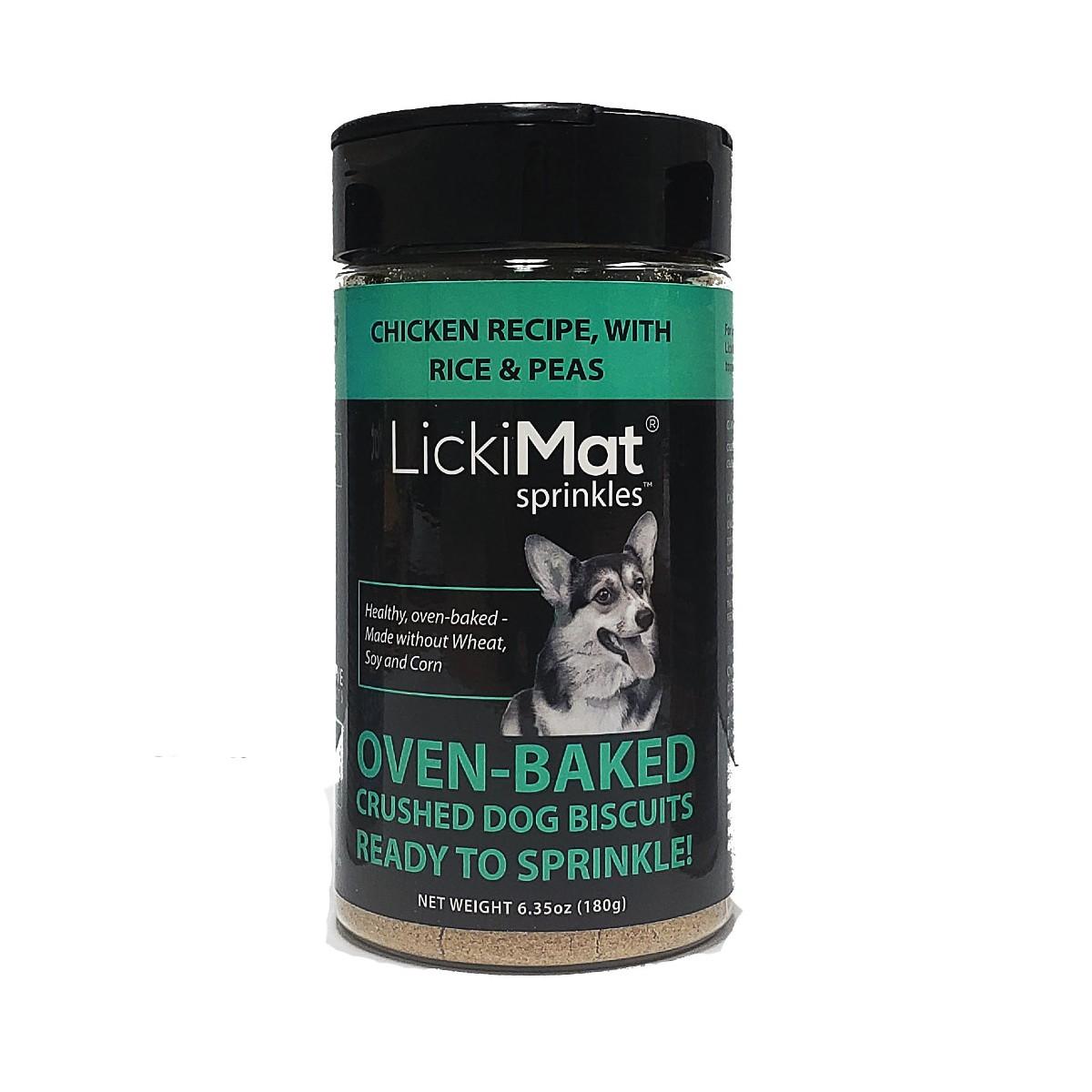
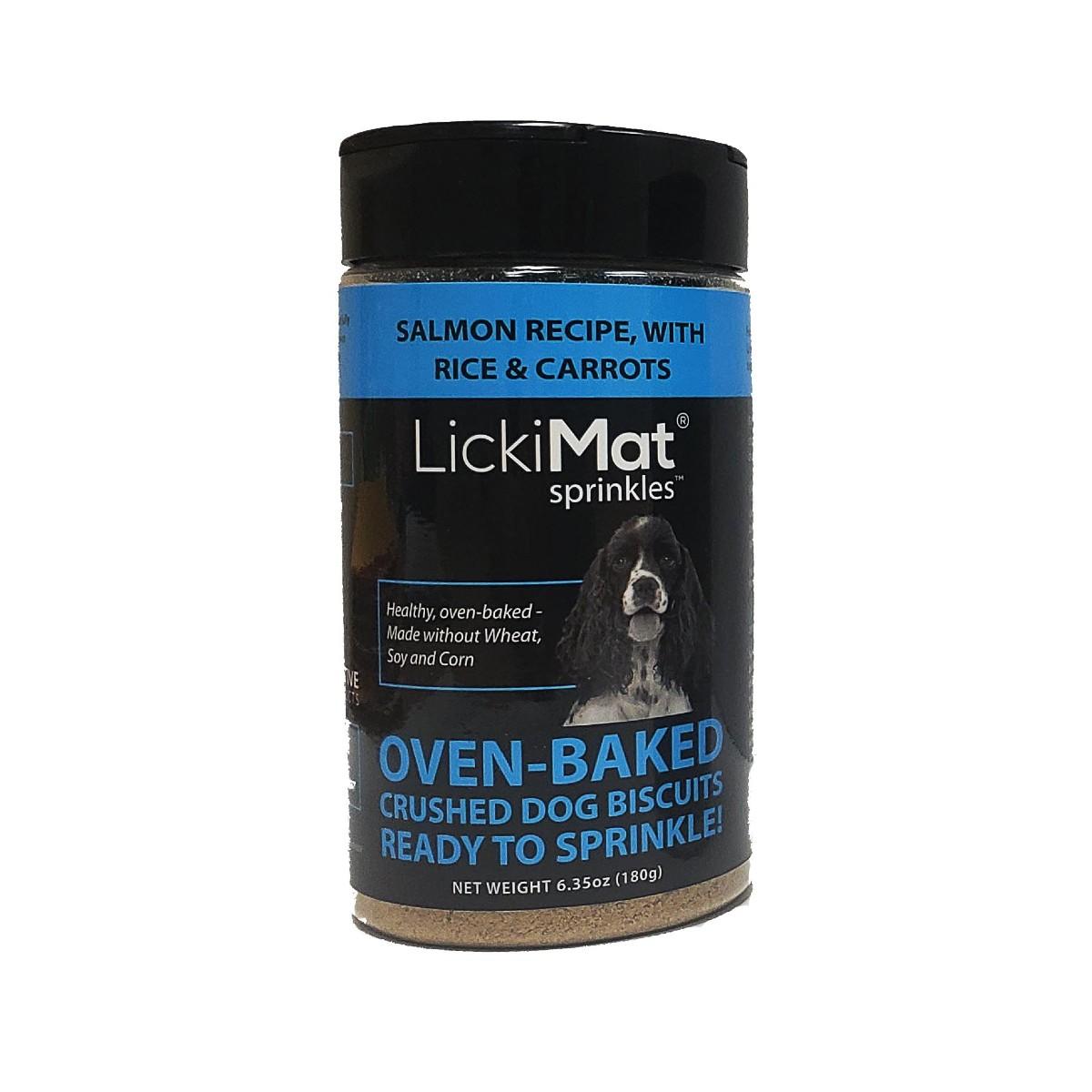
The Power of Probiotics in Every Scoop
Probiotics are live, beneficial bacteria that live in your dog’s digestive tract. You can think of them as a tiny internal cleanup crew. They help break down food, fight off harmful bacteria, and support the immune system. In fact, a huge portion of a dog’s immune system is located right in the gut. When the balance of "good" versus "bad" bacteria gets thrown off, you might see signs like loose stools, bloating, or even a dull coat.
Adding probiotics directly to the kibble ensures your dog gets a consistent dose of these helpful microbes with every meal. However, not all probiotics are created equal. The manufacturing process of dry dog food involves heat, which can kill delicate bacteria. High-quality brands like Nulo or Redbarn often apply probiotics after the cooking process or use microencapsulated strains. This protection helps the bacteria survive the journey through the stomach’s acids so they can reach the intestines where they are needed most. For additional ideas, read our guide to diets for dogs with sensitive stomachs.
Common Probiotic Strains to Look For
When you read the back of a bag, look for specific names in the ingredient list. Some of the most effective strains for dogs include:
- Lactobacillus acidophilus: Supports nutrient absorption and helps manage occasional diarrhea.
- Enterococcus faecium: Aids in general digestion and helps maintain a healthy bacterial balance.
- Bacillus coagulans: A hardy, spore-forming bacterium that survives the heat of manufacturing well.
- Bifidobacterium animalis: Known for supporting immune function and stool consistency.
Why Combine Grain-Free with Probiotics?
You might wonder why these two features are so often paired together. The answer lies in how they support a sensitive digestive system from two different angles. Grain-free recipes remove potential irritants, while probiotics actively work to strengthen the gut lining. For a dog with a "leaky gut" or chronic inflammation, this two-pronged approach can be very effective.
When the gut is healthy, the body can absorb more vitamins and minerals from the food. This means your dog gets more value out of every bite. You might notice they have more energy and a shinier coat because the nutrients are actually reaching their skin and muscles instead of passing straight through their system. This combination is particularly popular for breeds prone to allergies or those with naturally fast metabolisms who need high-quality fuel. Our sensitive skin dog food recommendations offer another perspective on connected skin and digestive concerns.
The Role of Prebiotics and Enzymes
While probiotics get most of the attention, they cannot do the job alone. Prebiotics are essentially the "food" that probiotics eat. They are non-digestible fibers that help the good bacteria grow and flourish. Ingredients like chicory root, inulin, and beet pulp are common prebiotics found in premium dog food.
Some formulas also include digestive enzymes. These are proteins that help break down fats, proteins, and starches before they even reach the lower digestive tract.
- Protease: Helps break down animal proteins.
- Amylase: Assists with breaking down carbohydrates and starches.
- Lipase: Helps the body process fats.
A food that combines grain-free carbohydrates, probiotics, prebiotics, and enzymes offers a complete digestive support system. This is often the gold standard for pets who struggle with maintaining a healthy weight or those who have "iron stomachs" that are suddenly acting up. You can also explore our dog food supplements when considering supplemental support.
Vet Tip: If your dog has sudden, severe diarrhea or is vomiting, skip the diet change and call your veterinarian immediately. While probiotics support long-term wellness, they are not a substitute for medical treatment in an acute health crisis.
Evaluating Protein Sources
Since grain-free foods often rely more heavily on meat, the quality of that meat matters. Look for a named animal protein as the first ingredient. This might be chicken, beef, lamb, or fish. Avoid generic terms like "meat meal" or "animal by-products."
Novel proteins are a great choice for dogs with extreme sensitivities. If your dog has eaten chicken or beef their whole life and still has itchy skin, they may have developed a protein allergy. In these cases, grain-free recipes using venison, duck, or salmon can provide a fresh start. Salmon, in particular, is excellent because it is naturally high in Omega-3 fatty acids, which work alongside probiotics to reduce inflammation and support skin health. For air-dried and other protein-forward options, browse our Redbarn selection.
Checklist for Choosing a Recipe
- Does it list a named animal protein as the first ingredient?
- Are there at least two or three probiotic strains listed?
- Does the label mention Colony Forming Units (CFUs) to guarantee live cultures?
- Is the food formulated for your dog's specific life stage (puppy, adult, or senior)?
- Does it contain prebiotic fibers like chicory root or flaxseed?
Transitioning Your Dog to New Food
Even the best probiotic food can cause an upset stomach if you switch too fast. A dog’s digestive system needs time to adjust to a new protein source and a new influx of bacteria. We recommend a slow transition over seven to ten days. Our dog food collection includes formulas for comparing different recipes and life stages.
Step 1: Mix 25 percent of the new grain-free food with 75 percent of the old food for three days. Step 2: Move to a 50/50 split for the next three days. Step 3: Increase to 75 percent new food and 25 percent old food for the final three days. Step 4: Serve 100 percent of the new recipe.
During this time, watch your dog’s stools. If they become very loose, slow down the transition and stay at the current ratio for a few extra days. The probiotics in the new food will eventually help stabilize their system, but the initial change can be a shock.
Life Stage Considerations
A puppy’s nutritional needs are very different from a senior dog’s needs. Puppies require more calories and specific minerals for bone growth. Many grain-free puppy formulas include probiotics to help build a strong immune system from the start. This can be especially helpful for puppies coming from shelters who may have had irregular nutrition early in life. For more context on puppy nutrition and biotic support, read why puppies benefit from holistic ingredients.
Senior dogs often deal with slowing metabolisms and joint stiffness. A grain-free diet can help keep their weight in check, while probiotics ensure they are still absorbing nutrients efficiently despite a slower digestive pace. Some senior-specific recipes also include glucosamine and chondroitin. These supplements work well alongside a healthy gut to keep older dogs mobile and comfortable.
Managing Chronic Health Needs
For some dogs, standard over-the-counter food is not enough. If your pet has a diagnosed medical condition like inflammatory bowel disease (IBD), severe food allergies, or kidney issues, they might require a prescription diet. These formulas are specifically engineered to manage symptoms through strictly controlled nutrient levels.
Our pet pharmacy for dogs offers a wide selection of prescription pet medications. If your veterinarian recommends a specific therapeutic diet that is grain-free or probiotic-heavy, you can discuss appropriate options with your veterinary team. Prescription diets often use hydrolyzed proteins, which are broken down so small that the dog's immune system does not recognize them as a threat. This is a common next step for dogs who do not see enough improvement on standard grain-free options.
Bottom line: While many dogs thrive on high-quality commercial grain-free food, those with chronic medical needs should always be managed under a veterinarian’s guidance with appropriate prescription options.
The Role of Treats and Supplements
It is easy to forget that treats count toward your dog's daily nutrition. If you switch to a grain-free, probiotic-rich diet but continue to give them treats full of corn and wheat, you might not see the results you want. Look for grain-free treats that use similar proteins to their main meal.
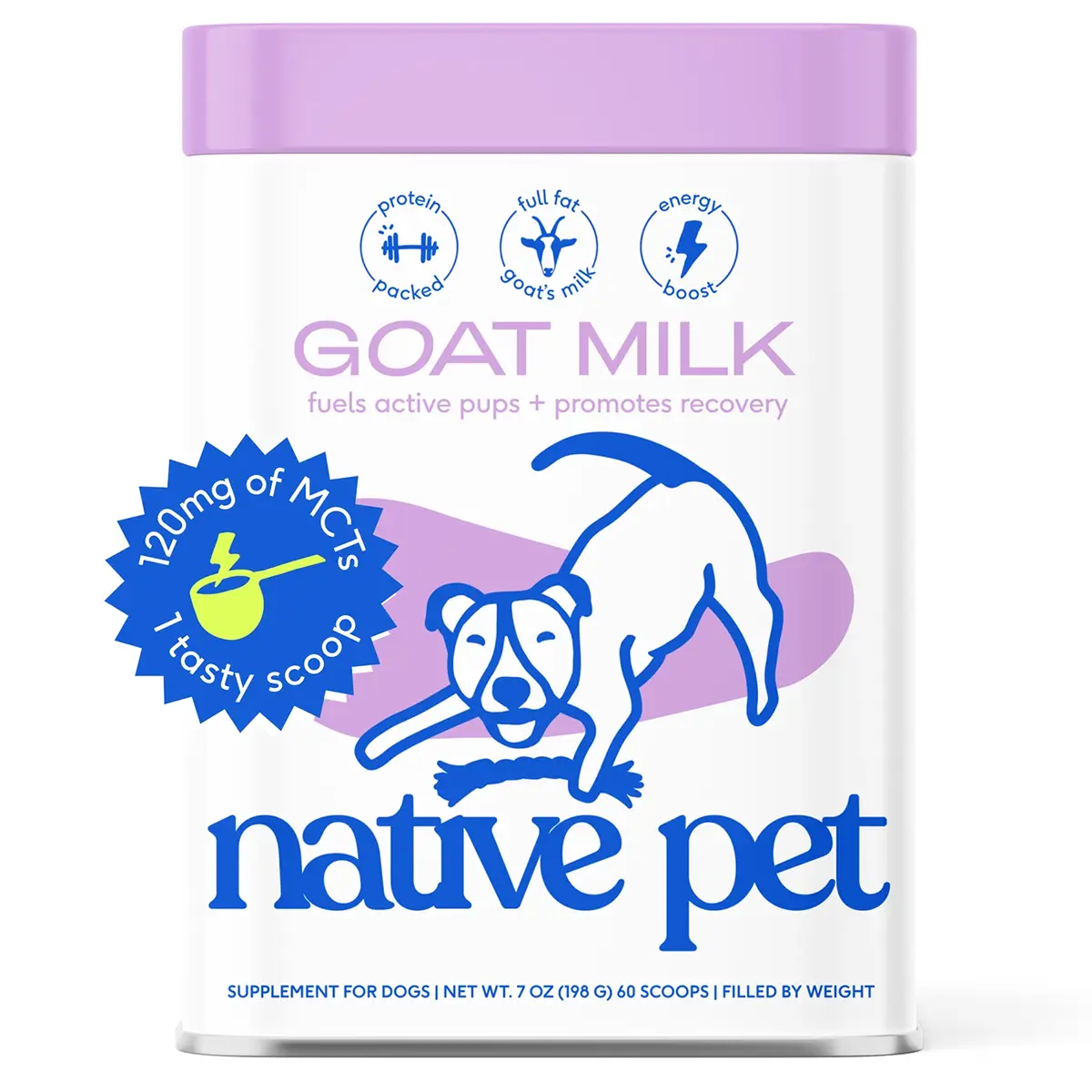
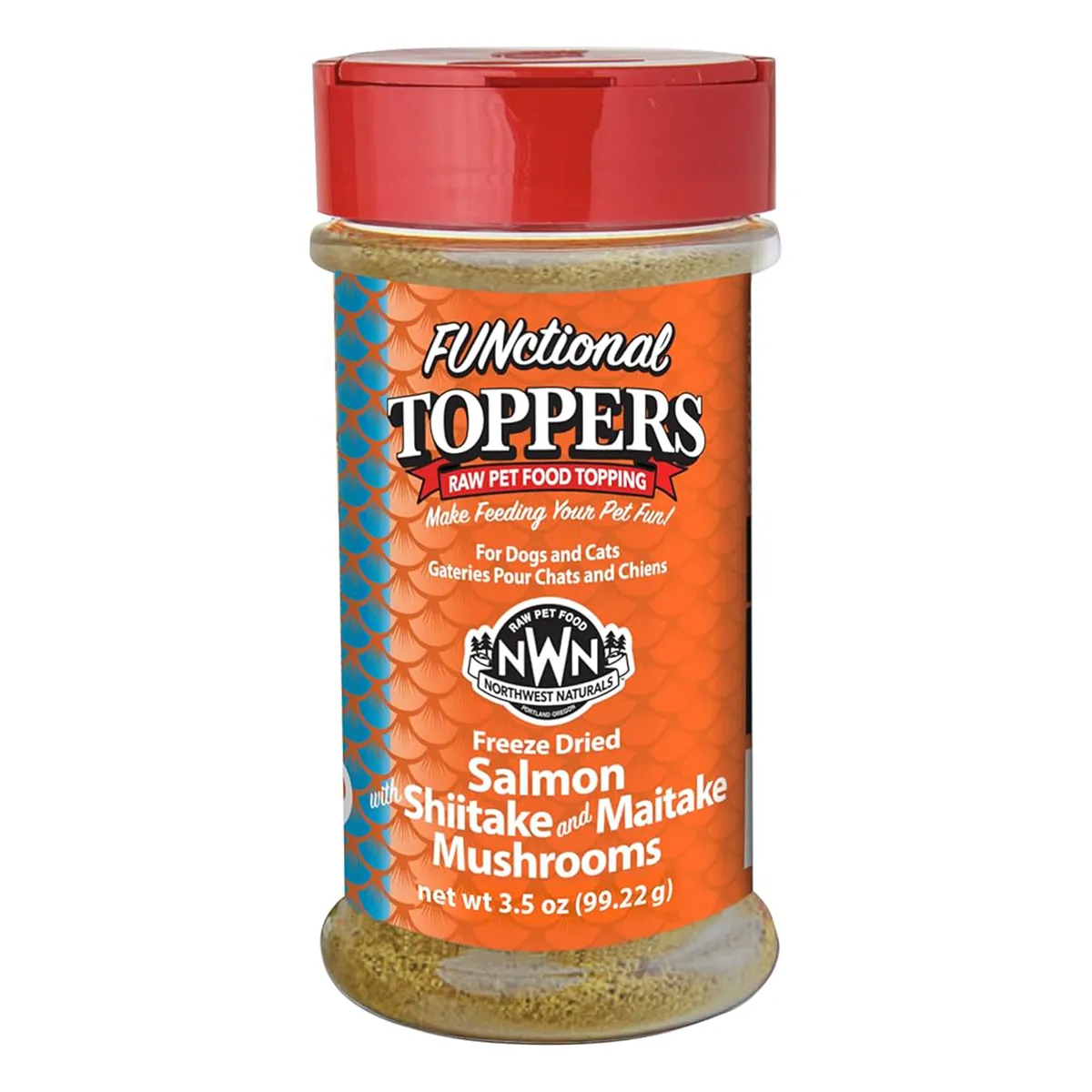
If you are happy with your dog's current food but want the benefits of "good" bacteria, you can also consider a standalone probiotic supplement. These come in powders, chews, or liquids. Supplements are a great way to give a concentrated dose of probiotics during times of stress, such as boarding, traveling, or after a course of antibiotics. Antibiotics are designed to kill "bad" bacteria, but they often kill the "good" bacteria in the gut too. Supplementing with probiotics can help restore that balance more quickly. For broader supplement guidance, explore our pet supplement guide.
Identifying Quality Brands
At BaxterBoo, we carry over 500 brands because we know every dog is an individual. Brands like Farmina, Nulo, and Redbarn are leaders in the grain-free and probiotic space. They focus on transparency and high-quality sourcing. For example, some brands use air-drying or baking methods rather than high-pressure extrusion. This helps preserve the natural integrity of the ingredients and the viability of the added probiotics.
Always look for the AAFCO (Association of American Feed Control Officials) statement on the bag. This ensures the food is "complete and balanced," meaning it provides all the essential nutrients your dog needs to survive and thrive. A grain-free label is good, but the AAFCO statement is the real indicator of nutritional safety.
Addressing Common Concerns
You may have heard discussions regarding grain-free diets and heart health, specifically a condition called dilated cardiomyopathy (DCM). The FDA began investigating a potential link in 2018, focusing on diets with high levels of peas, lentils, and other legumes. However, in 2022, the FDA noted that they had not found a definitive causal link and that many factors, including genetics, play a role in heart health.
The best way to navigate this is through balance. Ensure your chosen grain-free food includes essential amino acids like taurine and methionine, which support heart health. Many premium brands now proactively add these nutrients to their formulas. Rotating your dog’s protein sources every few months can also provide a more varied nutritional profile. As always, a regular checkup with your vet is the best way to monitor your dog's heart and overall wellness.
Key Takeaway: Quality grain-free food is about balance. Look for recipes that supplement heart-healthy nutrients like taurine to ensure comprehensive care.
Final Thoughts on Digestive Wellness
Supporting your dog’s gut health is one of the most proactive things you can do for their long-term vitality. By choosing a grain-free dog food with probiotics, you are removing common digestive hurdles and adding active support for their immune system. Whether you are dealing with a picky eater, a dog with skin sensitivities, or an active pup who needs high-density nutrition, this combination offers a practical path forward.
At BaxterBoo, we are committed to helping you find the specific products that make a difference in your pet's life. We have been operating since 2006, and we handpick our inventory to ensure every bag of food meets our standards for quality and value. If your dog's needs go beyond standard kibble, remember that our pharmacy provides access to prescription pet medications to keep your pet's health on track.
- Select a food with named animal proteins and guaranteed probiotic levels.
- Transition slowly over 7 to 10 days to avoid stomach upset.
- Consider grain-free treats to keep the diet consistent.
- Keep your veterinarian involved in any major dietary changes.
Bottom line: A healthy gut leads to a healthier, happier dog with better immunity and more energy for life’s adventures.
FAQ
Is grain-free dog food with probiotics good for sensitive stomachs? Yes, this combination is often the first choice for dogs with sensitive digestion. The grain-free aspect removes potential irritants like corn and wheat, while the probiotics work to balance the gut microbiome and improve stool consistency.
How many probiotics should be in my dog's food? Look for the number of Colony Forming Units (CFUs) on the label, which represents the number of live, active bacteria. While the ideal number varies by dog size and need, many high-quality foods guarantee between 80 million and 100 million CFUs per pound.
Can puppies eat grain-free food with probiotics? Puppies can certainly eat grain-free food as long as it is specifically formulated for the "growth" life stage. Probiotics are actually very beneficial for puppies as they help develop a strong immune system and support the transition from mother's milk to solid food.
Does cooking the food kill the probiotics in the kibble? High heat used in traditional kibble manufacturing can kill many types of bacteria. To solve this, premium brands usually apply the probiotics as a coating after the food has cooled or use specialized strains that are naturally resistant to heat and stomach acid.



- Site & Contents BaxterBoo.com. BaxterBoo is located in the United States.
- Privacy & Security
- Terms of Use
- Accessibility Statement
