
 Save 15% on your 1st Autoship learn more

 Email us
 Live Chat
 FAQs





Introduction
You are petting your cat and notice a dusting of white flakes across their back. These flecks are especially visible on darker coats. It looks just like human dandruff, and it often points to the same underlying issue of dry skin. While a few flakes might seem like a minor cosmetic nuisance, they are often a signal that your cat’s skin barrier needs more support. At BaxterBoo, we know that healthy fur starts from the inside out. This post covers how nutrition affects skin health, which ingredients target flakiness, and when a change in diet is the best solution for your cat. Understanding the link between what your cat eats and how their skin feels is the first step toward a flake-free coat.
What Exactly Is Cat Dandruff?
Cat dandruff is a collection of dead skin cells that have clumped together and shed from the surface of the skin. Every cat sheds skin cells naturally. This is a process called dander, but dander is usually microscopic. You should not be able to see healthy dander with the naked eye. When those cells become visible as white or grey flakes, it is officially considered dandruff.
Dandruff often occurs when the skin becomes too dry. The skin loses its elasticity and starts to peel. However, there is also a greasy version of dandruff. If a cat produces too much skin oil, those oils can trap dead cells and cause them to flake off in larger, yellowish clumps. Both types indicate that the skin is out of balance.
Quick Answer: Cat dandruff is the visible shedding of dead skin cells caused by dry or oily skin. It is often managed through improved hydration, essential fatty acids in the diet, and regular grooming.
Cat Food




How Diet Influences Your Cat's Skin Health
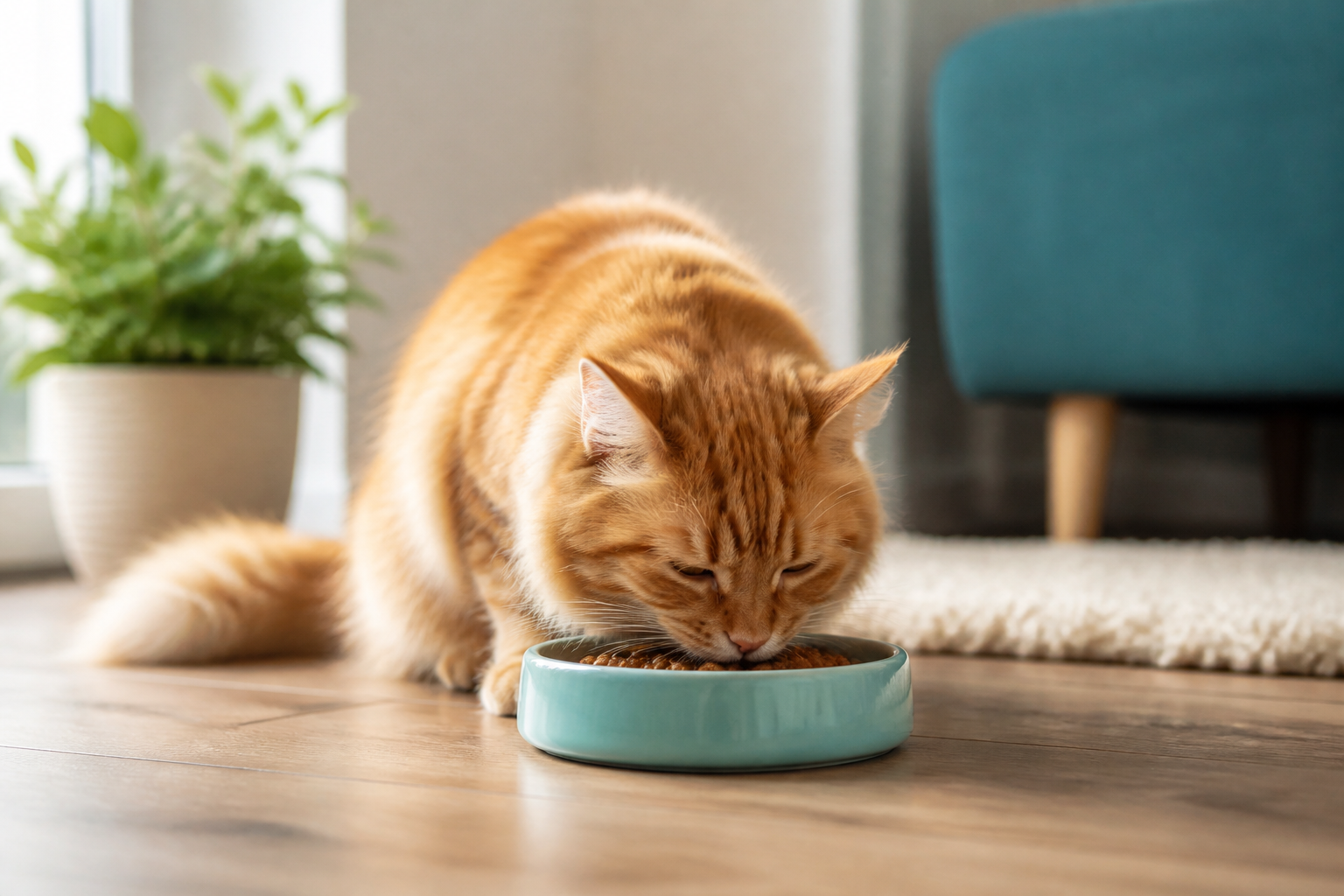
The skin is the largest organ in a cat’s body. It requires a significant amount of daily protein and fat to maintain itself. If a cat's diet is low in high-quality nutrients, the body will prioritize internal organs like the heart and liver. This leaves the skin and coat as the last recipients of nutrition. This is why a dull, flaky coat is often the first sign of a dietary deficiency.
Fat is the most important component for skin health. Specifically, cats need a balance of Omega-3 and Omega-6 fatty acids. These fats act as a sealant for the skin. They keep moisture inside the cells and prevent irritants from getting in. If your cat eats a diet that is too low in fat, their skin will naturally become brittle and prone to flaking.
The Role of Protein
Cat hair is made almost entirely of protein. If your cat does not get enough high-quality animal protein, their fur can become thin and the skin can become dry. Brands like Stella and Chewy’s or Open Farm focus on high-protein recipes that provide the building blocks for a strong skin barrier. Look for real meat as the first ingredient rather than grain-based fillers.
The Importance of Vitamins
Vitamins A and E are essential for skin repair. Vitamin A helps the skin cells regenerate at a healthy rate. Without it, cells may stay on the surface too long and become dry. Vitamin E is an antioxidant that protects skin cells from damage. Most premium foods we carry already include these, but some cats may need higher levels than the standard minimum.
Essential Ingredients for Healthy Skin and Fur
When you are looking for a cat food to help with dandruff, you need to read the label carefully. Not all fats or proteins are created equal. You want to see specific sources of fatty acids and minerals that support the dermis.
- Salmon Oil: This is a powerhouse for Omega-3 fatty acids. It helps reduce inflammation in the skin.
- Flaxseed: This provides a plant-based source of healthy fats that can improve coat shine.
- Zinc: This mineral is vital for skin health. A deficiency often leads to crusting or flaking.
- Biotin: Also known as Vitamin B7, this supports the growth of healthy fur and skin tissue.
- Chelated Minerals: These are minerals attached to protein molecules. They are easier for a cat’s body to absorb and use.
Our cat skin and coat supplements include options designed to complement a balanced diet.
Key Takeaway: Look for foods enriched with fish oils and zinc to strengthen the skin barrier and reduce the occurrence of dry flakes.
The Hydration Factor: Wet Food vs. Dry Food
Many cats live in a state of mild, chronic dehydration. Cats have a low thirst drive. They evolved to get most of their water from their prey. When a cat eats primarily dry kibble, they often do not drink enough extra water to compensate. This lack of internal moisture shows up on the skin first.
Switching to a wet food diet can make a massive difference for a cat with dandruff. Brands like Tiki Cat, Fussie Cat, or Weruva offer high-moisture recipes that hydrate the skin from within. The extra water helps keep skin cells plump and flexible.
Benefits of Canned Food for Skin
- Higher water content (typically 75% to 80%).
- Usually higher in animal-based fats.
- Easier to digest for many cats.
- Reduces the risk of urinary issues alongside skin problems.
How to Introduce More Moisture
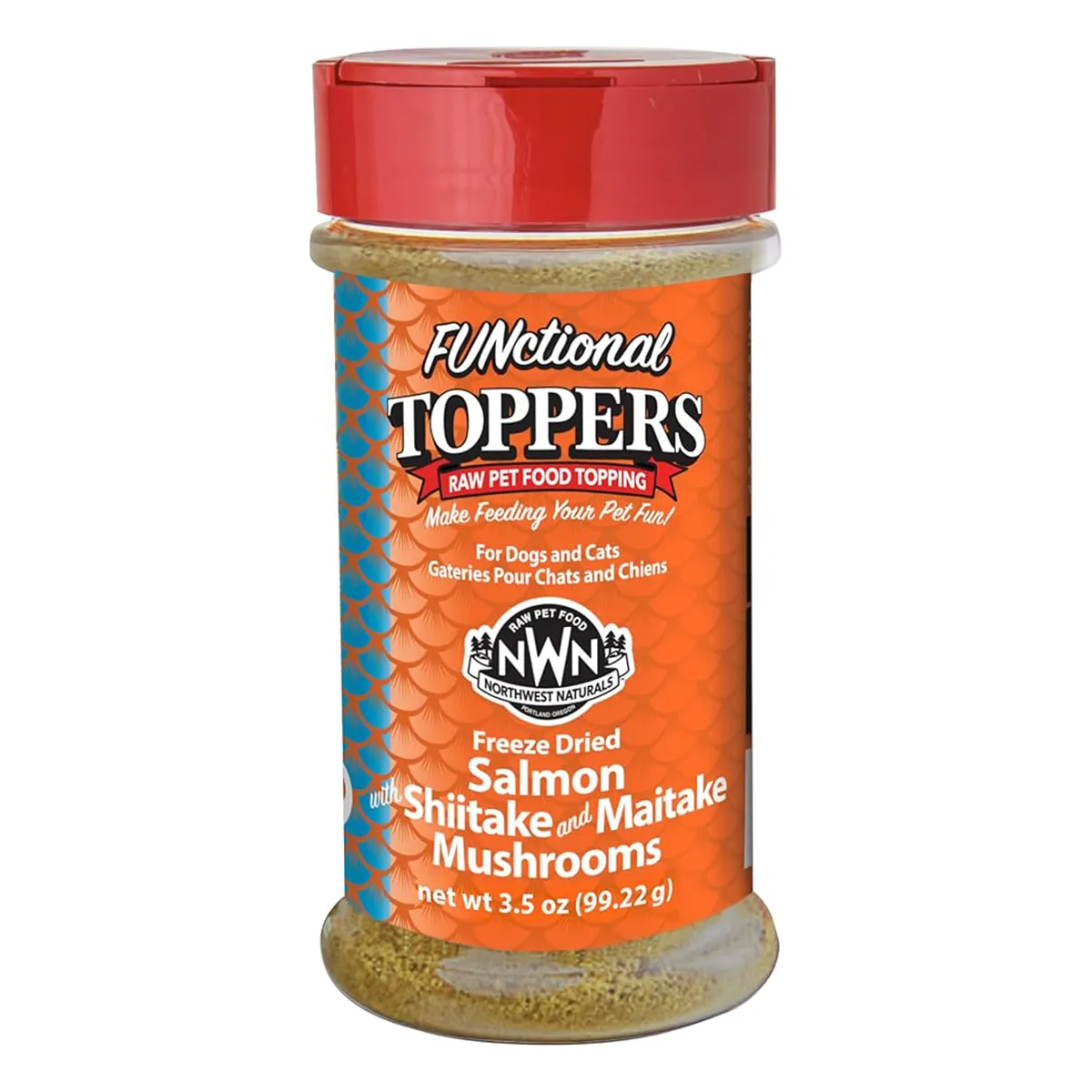
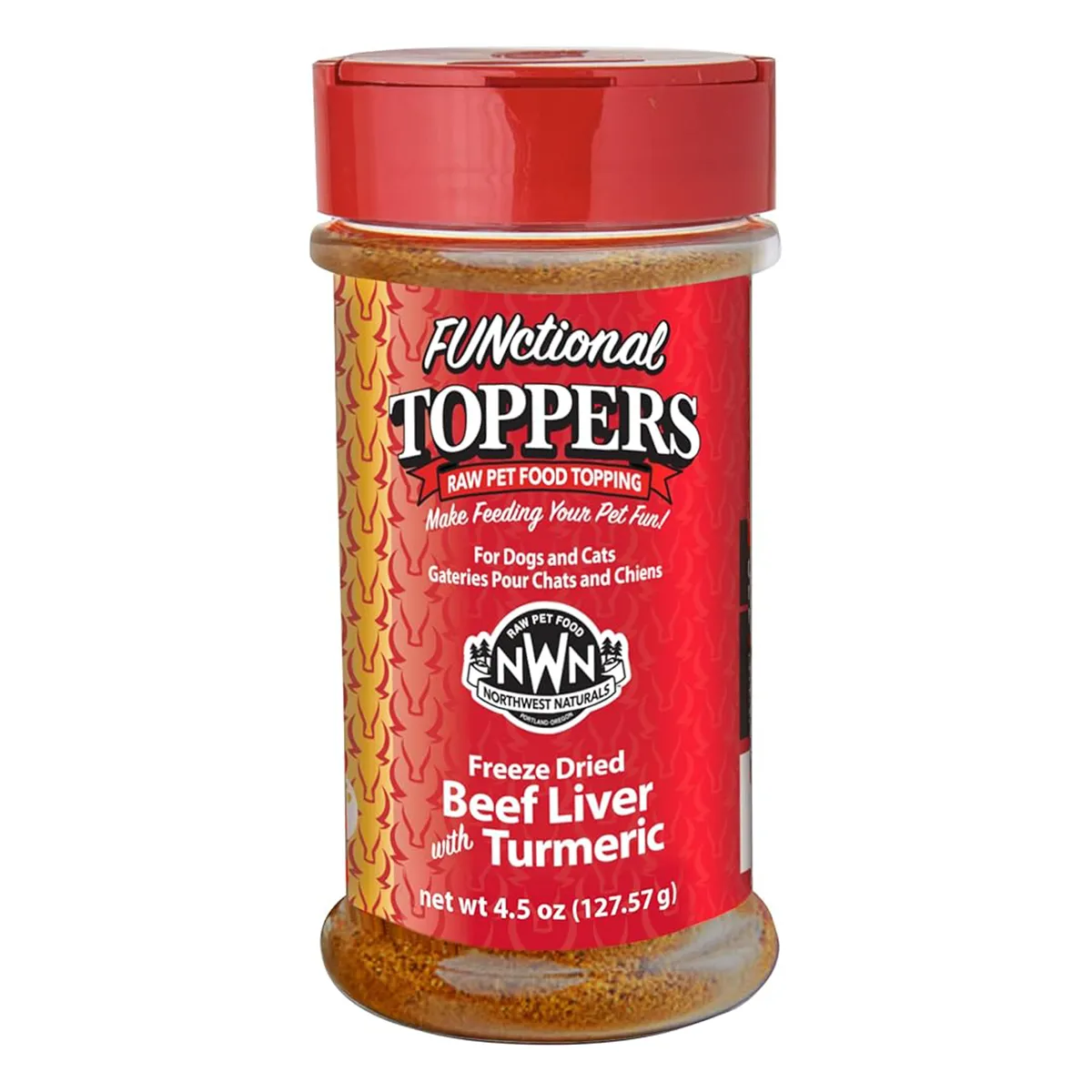
If your cat refuses to eat canned food, you can try adding a topper. Products like Caru stews or Honest Paws broths can be poured over dry kibble. This adds flavor and essential hydration without requiring a total diet change. Even a small amount of extra liquid each day can improve skin elasticity.
For more options, browse our wet cat food collection.
When to Look Beyond the Food Bowl
Diet is a major factor, but it is not the only cause of dandruff. Sometimes the food is perfect, but other issues prevent the skin from staying healthy. You should look at your cat’s lifestyle and environment to see if other factors are at play.
Grooming Issues
Cats are meticulous groomers. They use their tongues to remove dead skin cells and distribute natural oils across their fur. If a cat stops grooming, dandruff will build up quickly. This often happens in senior cats who have arthritis. It is also common in obese cats who cannot reach certain spots on their back.
For additional feline grooming guidance, read about maintaining a cat’s coat and whiskers.
Environmental Factors
Very dry air can sap moisture from a cat’s skin. This is common during the winter when heaters are running constantly. Using a humidifier in the rooms where your cat spends the most time can help. It prevents the air from pulling moisture out of their coat.
Parasites and Infections
Flea bites can cause allergic reactions that lead to scabbing and flaking. There is also a specific parasite called Cheyletiella mites, often called "walking dandruff." These mites look like white flakes but are actually tiny moving insects. If the dandruff seems to be moving or if your cat is itching intensely, it is time for a medical checkup.
Vet Tip: If your cat has dandruff along with hair loss, redness, or constant itching, consult your veterinarian. These symptoms can indicate a fungal infection like ringworm or a parasitic infestation that requires prescription treatment.
Managing Flakes with Grooming and Supplements
While you wait for a new diet to take effect, you can manage the flakes manually. Regular brushing is the best way to help your cat. It mimics the natural grooming process and stimulates the production of oils.
Choosing the Right Brush
For cats with dandruff, a soft slicker brush or a rubber grooming mitt is usually best. These tools gently massage the skin without causing irritation. Avoid harsh metal combs that might scratch dry, sensitive skin. Brushing also helps remove the dead hair that traps flakes against the body.
Supplements for Faster Results
Sometimes a cat needs a more concentrated dose of nutrients than food alone can provide. Omega-3 supplements, like those from Zesty Paws or Honest Paws, can be added to any meal. These liquids or soft chews provide a boost of EPA and DHA. These are specific fatty acids that are highly effective at calming skin irritation.
For more guidance on choosing nutritional support, explore this pet supplement guide.
Step 1: Start with a small dose. / Adding too much oil at once can cause upset stomachs or loose stools.
Step 2: Mix the supplement into wet food. / This ensures your cat consumes the entire dose and masks any new smells.
Step 3: Monitor the coat for 4 weeks. / Skin cells take about a month to turn over, so you will not see results overnight.
Prescription Solutions and the BaxterBoo Pharmacy
In some cases, dandruff is a symptom of a more complex medical issue. Conditions like hyperthyroidism, diabetes, or severe food allergies can all cause skin problems. When standard premium foods do not work, your veterinarian might recommend a prescription diet. These diets are formulated to address specific metabolic needs or to exclude all common allergens.
Our pet pharmacy carries a wide range of FDA approved medications and prescription pet foods through our partnership with Pet's Choice. This includes specialized formulas like Royal Canin Veterinary Diet or Farmina Vet Life. These brands offer "Skin and Coat" or "Hypoallergenic" options that are only available with a vet's authorization.
Using a prescription diet can help identify if a cat has a true food protein allergy. These diets use hydrolyzed proteins. This means the protein is broken down so small that the immune system does not recognize it as a threat. This stops the inflammatory response that causes itchy, flaky skin.
Bottom line: Chronic or severe dandruff often requires a combination of veterinary diagnosis and specialized prescription nutrition.
Maintaining Long-Term Skin Health
Once you find a routine that clears up the flakes, consistency is key. Skin health is an ongoing process. If you switch back to a low-quality food or stop the hydration routine, the dandruff will likely return.
Transitioning Foods Correctly
Whenever you change your cat's food to address dandruff, do it slowly. Mix the new food with the old food over a period of 7 to 10 days. A sudden change can cause digestive upset. This stress can actually make skin conditions worse in the short term.
Using Autoship for Consistency
We recommend using our Autoship program for your cat’s skin and coat supplies. This ensures you never run out of the specific food or supplements that keep your cat’s coat shiny. Regular delivery helps you maintain the routine without gaps. Plus, you earn MVP Rewards on every purchase, which helps you save on future care.
Summary of Cat Dandruff Care
Managing cat dandruff is about balancing internal nutrition with external care. It takes patience to see the results of a diet change, but the improvement in your cat’s comfort is worth the wait.
- Prioritize wet food to increase daily hydration.
- Look for high-quality proteins and Omega fatty acids.
- Brush your cat daily to distribute natural oils.
- Consult a vet if you notice excessive itching or redness.
- Consider prescription diets for cats with stubborn skin issues.
Key Takeaway: A healthy coat is a reflection of overall wellness. By focusing on hydration and essential fats, you can eliminate most cases of cat dandruff.
At BaxterBoo, we carry over 500 trusted brands to help you find the exact formula your cat needs. Whether you need a high-protein kibble, a moisture-rich canned food, or a specialized supplement, we are here to help you make the best choice. Our goal is to provide the expert guidance you need to keep your cat feeling their best every day.
FAQ
Can I use human dandruff shampoo on my cat?
No, you should never use human dandruff shampoo on a cat. Human skin has a different pH level than cat skin, and many human products contain ingredients that are toxic to felines. If your cat needs a bath, use a soap-free, moisturizing shampoo specifically formulated for cats. Always consult your veterinarian before bathing a cat with dry skin, as excessive bathing can actually strip away beneficial oils and make the dandruff worse.
How long does it take for a diet change to fix dandruff?
It typically takes between four and six weeks to see visible changes in a cat’s skin and coat after switching their food. This is because skin cells take time to regenerate and the new nutrients must work their way through the cat's system. You may notice an improvement in energy or digestion sooner, but the coat is often the last part of the body to show the benefits of improved nutrition. Consistency during this period is vital for success.
Is dandruff in cats always caused by dry skin?
While dry skin is the most common cause, dandruff can also be caused by oily skin or underlying medical conditions. If a cat is overweight or has arthritis, they may have dandruff simply because they cannot reach certain areas to groom themselves properly. In some cases, flakes are caused by parasites like mites or fleas, or by internal health issues like kidney disease or allergies. If the flakes do not resolve with better food and grooming, a vet visit is necessary to rule out these other causes.
Does wet food really help with cat dandruff?
Yes, wet food is one of the most effective ways to combat dandruff because it significantly increases a cat's water intake. Hydrated skin is more elastic and less likely to crack or flake off. Many cats do not drink enough water from a bowl, so getting moisture directly through their meals is the most efficient way to keep their skin healthy. Canned foods also tend to be higher in the animal-based fats that cats need to maintain a glossy, flake-free coat.





- Site & Contents BaxterBoo.com. BaxterBoo is located in the United States.
- Privacy & Security
- Terms of Use
- Accessibility Statement
