Save 15% on your 1st Autoship learn more

 Email us
 Live Chat
 FAQs
FAQs





Introduction
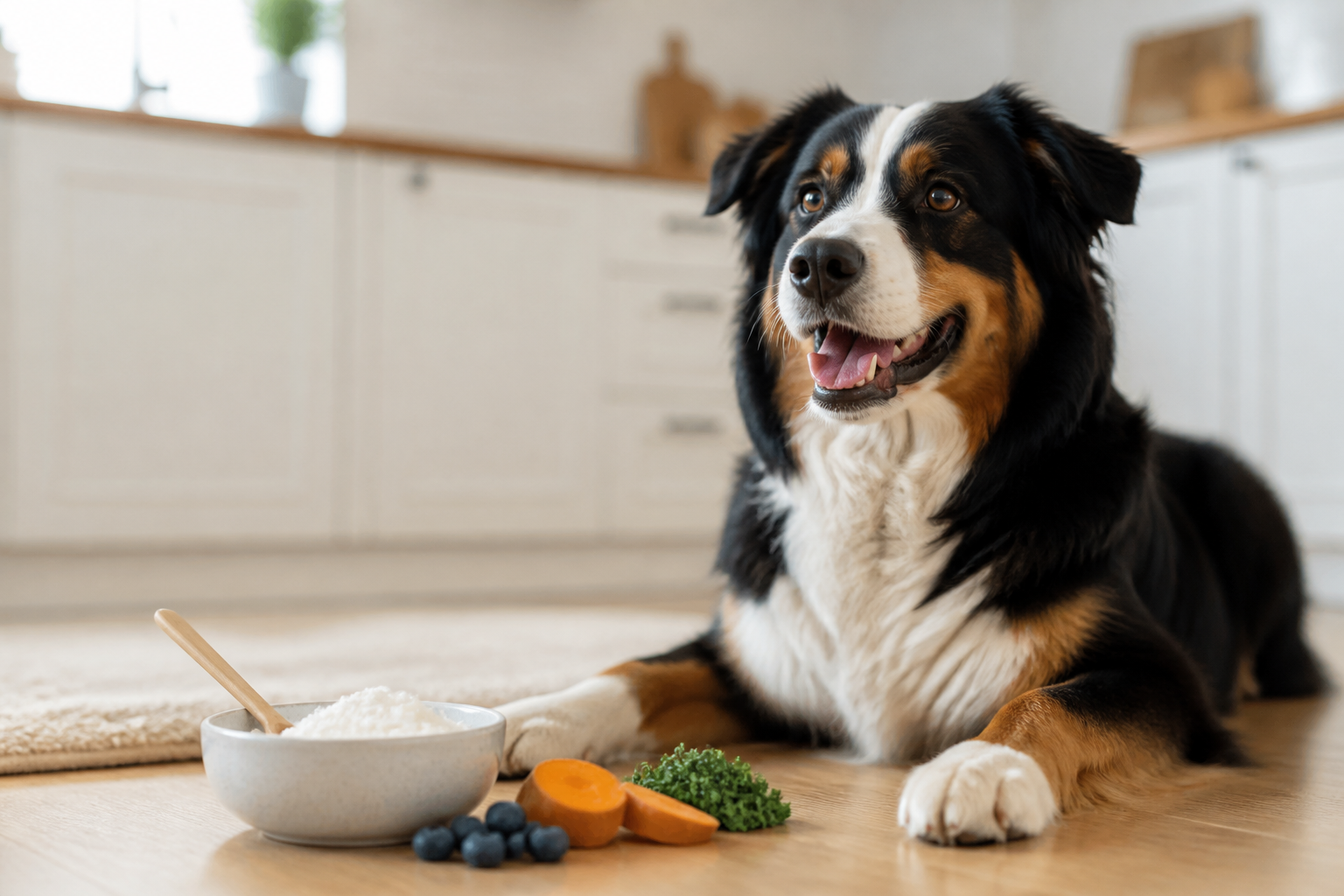
You might notice your dog is suddenly gassy after a meal or struggling with loose stools after a stressful weekend at the kennel. These moments often lead pet owners to search for the best ways to support their pet's digestive system. At BaxterBoo, we know that a healthy gut is the foundation for a happy, active life. Probiotics are one of the most effective tools for maintaining that balance. This post covers how these beneficial bacteria work, which specific strains to look for, and how to choose the right supplement for your dog's unique needs. Understanding the microbiome can help you manage everything from occasional upset stomachs to long term immune health. Our goal is to provide the practical knowledge you need to make the best choice for your furry companion.
Quick Answer: The best probiotics for dogs contain specific canine strains like Enterococcus faecium or Bifidobacterium animalis and provide at least 1 to 10 billion CFUs per serving. These supplements help restore the natural balance of gut bacteria which supports digestion, immunity, and even skin health.
Understanding the Canine Microbiome
The gut microbiome is a massive community of bacteria, yeasts, and other microbes living in your dog's intestines. While the word bacteria often sounds negative, most of these organisms are vital for survival. They help break down food, produce essential vitamins, and keep harmful pathogens from taking over. In a healthy dog, the good and bad bacteria live in a delicate balance.
When this balance shifts, it is called dysbiosis. This often happens because of stress, poor diet, or the use of certain medications. If the bad bacteria outnumber the good, your dog may experience gas, bloating, or chronic diarrhea. Probiotics are live, beneficial microbes that you can add to your dog's diet to push the balance back in the right direction.
Scientists have found that about 70 percent of a dog's immune system is located in the gut. This means that gut health is not just about digestion. It is also about how well your dog can fight off infections and manage environmental allergies. By supporting the gut, you are supporting the entire body's defense system.
How to Identify the Best Probiotics for Dogs
Not all supplements are equal. If you look at a label and only see the word probiotics without any details, it may not be the most effective choice. The best products are transparent about exactly what is inside the bottle or bag. You should look for three main factors: specific strains, colony forming units, and stability.
Look for Specific Bacterial Strains
Different bacteria do different jobs. A product that works for diarrhea might not be the best choice for a dog with anxiety or skin issues. The label should list the genus, species, and ideally the specific strain. For example, Enterococcus faecium SF68 is a very well researched strain known for helping with stool quality.
Check the CFU Count
CFU stands for Colony Forming Units. This number tells you how many live, active bacteria are in each dose. For general maintenance, many experts suggest a range of 1 to 10 billion CFUs. If the count is too low, the bacteria may not survive the trip through the stomach's harsh acids to reach the intestines where they are needed.
Ensure Product Stability
Probiotics are living organisms. They are sensitive to heat, light, and moisture. The best manufacturers use specialized packaging or stabilization techniques to ensure the bacteria stay alive until the expiration date. Some products require refrigeration, while others are shelf stable. Always follow the storage instructions on the label to keep the supplement effective.
Key Takeaway: Quality probiotics must list specific bacterial strains and provide a guaranteed CFU count that lasts until the product expires.
Common Probiotic Strains and Their Benefits
When you are shopping for the best probiotics for dogs, you will see a lot of long, scientific names. Understanding what these mean helps you target your dog's specific issues. Here is a breakdown of the most common and effective strains found in premium supplements.
| Bacterial Strain | Primary Benefit | Best Used For |
|---|---|---|
| Enterococcus faecium (SF68) | Improves stool consistency | Diarrhea and GI upset |
| Bifidobacterium animalis | Shortens recovery time for digestive issues | Acute diarrhea or dietary changes |
| Lactobacillus acidophilus | Supports overall gut flora balance | Daily maintenance and immune support |
| Bifidobacterium longum (BL999) | Supports calm behavior | Anxiety and stress management |
| Bacillus coagulans | Resilient to stomach acid | Long term digestive health |
Strains for Digestive Issues
If your dog has a sensitive stomach, look for Enterococcus faecium. This strain is particularly good at colonizing the gut quickly. It is often the primary ingredient in veterinary strength powders designed to stop diarrhea fast. It competes with harmful bacteria for space and nutrients, effectively crowding them out.
Strains for Mental Health
The gut and the brain are in constant communication through the gut brain axis. Some strains, like Bifidobacterium longum BL999, have been shown to help dogs stay calmer in stressful situations. If your dog barks excessively or paces when you are away, a probiotic targeting the gut brain axis might be a useful addition to their training routine.
Strains for Skin and Allergies
Lactobacillus strains are often associated with improved skin health. Because they support the immune system, they can help reduce the body's overreaction to allergens like pollen or dust. While they are not a cure for allergies, they are often used as part of a broader management plan for itchy dogs.
When Your Dog Needs a Probiotic
There are specific times in a dog's life when their gut needs extra help. Knowing these triggers allows you to be proactive rather than waiting for a problem to start.
During and After Antibiotics
Antibiotics are life saving medications, but they do not discriminate between good and bad bacteria. They often wipe out large portions of the beneficial gut flora. This is why many dogs develop diarrhea while taking them. Giving a probiotic during the course of antibiotics and for several weeks after can help rebuild the microbiome.
Vet Tip: If your dog is on antibiotics, give the probiotic at least two to four hours before or after the medication. If you give them at the exact same time, the antibiotic may kill the beneficial bacteria in the supplement before they can help.
Stressful Life Transitions
Dogs are creatures of habit. Changes like moving to a new house, boarding at a kennel, or even a loud holiday party can cause physical stress. This stress often manifests as an upset stomach. Starting a probiotic a few days before a known stressful event can help prepare the gut for the challenge.
Switching Foods
Changing your dog's diet too quickly is a common cause of digestive distress. Even when you transition slowly, the gut bacteria have to adjust to new proteins and fiber levels. A daily probiotic can make this transition much smoother by providing a consistent source of beneficial microbes. For more guidance, read about how dry food changes can affect diarrhea and digestive health.
Comparing Powders, Chews, and Capsules
Probiotics come in many forms. The best one is usually the one your dog will actually eat consistently. However, there are some technical differences in how these forms perform.
Step 1: Consider your dog's appetite. / If they are highly food motivated, a soft chew might be the easiest option. Step 2: Check for stability requirements. / Powders in individual packets are often more stable because they are protected from air and moisture until the moment you use them. Step 3: Evaluate the ingredients. / Some chews contain extra calories or flavorings that might not sit well with very sensitive dogs. Capsules or plain powders often have fewer additives.
Soft chews are very popular because they act like a treat. Many brands we carry, such as Zesty Paws, offer chews that combine probiotics with other beneficial ingredients like pumpkin or enzymes. These are great for daily maintenance. For more intense issues, many veterinarians prefer powders. Powders can be mixed directly into wet food or sprinkled over kibble. They often have a high palatability to encourage sick dogs to eat. You can also compare chews, powders, and oils for dog supplements.
The Importance of Prebiotics and Postbiotics
You may see the terms prebiotics or postbiotics on a label. These are not just marketing buzzwords. They play a functional role in how well a probiotic works.
Prebiotics are a type of fiber that humans and dogs cannot digest. Instead, they serve as food for the probiotics. Think of them as the fuel that keeps the good bacteria healthy and active. Common prebiotics include chicory root, inulin, and fructooligosaccharides (FOS). When a supplement contains both prebiotics and probiotics, it is called a synbiotic.
Postbiotics are the byproducts created when probiotics feed on prebiotics. These include short chain fatty acids that help nourish the lining of the colon. A healthy gut lining is essential for preventing unwanted substances from leaking into the bloodstream. Using a product that supports all three stages of this process provides the most comprehensive care for your dog.
Managing Chronic Health Issues with Professional Care
While over the counter probiotics are excellent for general wellness, some dogs require more specialized support. This is especially true for pets with chronic conditions like Inflammatory Bowel Disease (IBD), kidney issues, or severe food allergies. In these cases, a standard supplement might not be enough.
Our pharmacy at BaxterBoo offers access to FDA approved medications and prescription pet foods through our partnership with Pet's Choice. Prescription diets, such as those from Farmina Vet Life, are specifically formulated to manage health conditions under the guidance of a veterinarian. These diets often incorporate high quality fiber and stabilized probiotics that are tested for clinical efficacy.
If your dog has persistent vomiting, weight loss, or chronic diarrhea, it is important to consult your veterinarian. They can help determine if your dog needs a prescription strength probiotic or a specific diet transition. Probiotics are a support tool, but they should be part of a larger health plan for dogs with ongoing medical needs.
Bottom line: For chronic digestive or immune conditions, professional veterinary guidance and prescription products are often necessary alongside daily probiotics.
Probiotics for Puppies and Seniors
A dog's gut needs change as they age. Puppies and seniors have unique requirements that can be supported through targeted supplementation. For broader guidance, see this life-stage pet nutrition guide.
Support for Growing Puppies
Puppies are born with an immature immune system. As they begin to explore the world, they often pick up parasites or bacteria that cause stomach upset. Probiotics can help strengthen their developing immune system and make them more resilient. Many breeders start puppies on probiotics early to help them transition from milk to solid food. This can prevent the "puppy mush" stools often seen during weaning.
Maintenance for Senior Dogs
As dogs age, their digestion often becomes less efficient. They may struggle to absorb nutrients as well as they used to. Senior dogs are also more likely to be on long term medications for joints or other age related issues. A daily probiotic can help maintain a healthy appetite and ensure their gut continues to function smoothly. It can also support their immune system, which naturally weakens over time.
Feeding Tips for Picky Eaters
Even the best probiotics for dogs won't help if your pet refuses to eat them. If you have a picky eater, you may need to get creative with how you administer the supplement.
- Mix with a topper: If you use a powder, mix it with a small amount of plain canned pumpkin or unsweetened applesauce.
- The "treat sandwich" method: If your dog dislikes capsules, hide them inside a small piece of a high quality treat or a bit of plain, boiled chicken.
- Use wet food: Powders disappear easily into wet food. If you normally feed kibble, adding a spoonful of wet food just for the supplement can make it a special treat.
- Try liquid forms: Some probiotics come in a liquid or spray that can be added to water or food. These are often tasteless and easy to hide.
Always avoid using human foods like chocolate, onions, or anything containing the sweetener xylitol to hide supplements. Xylitol is extremely toxic to dogs. Stick to pet safe options or specific pill hiding treats.
How Long Until You See Results?
Many owners expect an immediate change, but probiotics usually take some time to work. The speed of the results often depends on what you are trying to treat.
For acute diarrhea caused by a simple dietary indiscretion, you might see an improvement in stool quality within 24 to 48 hours. However, for chronic issues like allergies or immune support, it can take four to six weeks of consistent daily use to see a noticeable difference.
It is important to stay consistent. Missing doses can make it harder for the beneficial bacteria to establish a strong population in the gut. If you don't see any changes after a month, it might be worth trying a different strain or consulting your vet to see if there is an underlying issue that needs to be addressed. Explore digestive health supplements for dogs when comparing product formats and formulas.
Key Takeaway: While some digestive improvements happen quickly, long term benefits for the immune system and skin health usually require at least a month of daily use.
Safety and Potential Side Effects
Probiotics are generally very safe for most dogs. However, introducing a large amount of new bacteria can sometimes cause temporary digestive changes.
When you first start a probiotic, your dog might experience a slight increase in gas or slightly looser stools for a day or two. This is usually just the body adjusting to the new microbes. If these symptoms are severe or last more than a few days, you should reduce the dose or stop the supplement and talk to your vet.
Dogs with severely compromised immune systems should be treated with caution. In rare cases, introducing live bacteria can be a risk for an animal that cannot defend itself. If your dog is undergoing chemotherapy or has a serious autoimmune disease, always get professional medical advice before starting any new supplement.
Conclusion
Finding the best probiotics for dogs involves looking past flashy labels and focusing on proven bacterial strains and stable CFU counts. These supplements provide essential support for the gut microbiome, which in turn strengthens your dog's immune system and improves their daily comfort. Whether you are managing a temporary bout of gas or looking for long term wellness support, a high quality probiotic is a valuable addition to your pet's routine. Remember to consider your dog's life stage and specific health needs when choosing between chews, powders, or capsules.
- Look for strains like Enterococcus faecium for diarrhea or Bifidobacterium longum for stress.
- Ensure the product provides at least 1 billion CFUs per serving for effectiveness.
- Be patient and consistent, as some benefits take a few weeks to appear.
- Consult your veterinarian for chronic issues or prescription needs.
Bottom line: A healthy gut leads to a healthier dog, and the right probiotic is an easy, effective way to support their lifelong wellness.
To support your dog's ongoing health, you can earn points on every supplement purchase through our MVP Rewards program or save on regular deliveries with Autoship. Browse our dog probiotic selection to compare available options.
FAQ
Can I give my dog human probiotics?
While some human probiotics are safe, they are not always the best choice because dogs have different gut bacteria than humans. Human supplements may also contain ingredients like xylitol or high levels of dairy that can upset a dog's stomach. It is much better to use a product specifically formulated for canine physiology and safety.
How do I know if the probiotics are working?
The most obvious sign is an improvement in your dog's stool quality and a reduction in gas or bloating. You might also notice that your dog has a more consistent appetite and better energy levels. For long term use, signs of success include a shinier coat and fewer seasonal allergy symptoms.
Can a dog take too many probiotics?
It is very difficult to "overdose" on probiotics, but giving too much at once can cause temporary diarrhea or gas. Always follow the dosage instructions on the product packaging based on your dog's weight. If your dog accidentally eats an entire bag of probiotic chews, contact your vet, though the main concern is usually the other ingredients in the chew rather than the bacteria itself.
Should I give my dog probiotics every day?
For most dogs, a daily probiotic is a great way to maintain a healthy and resilient microbiome. It is especially beneficial for senior dogs, puppies, or dogs with sensitive stomachs. However, some owners choose to use them only during times of stress or antibiotic use, which is also an effective approach depending on your pet's needs.