Save 15% on your 1st Autoship learn more

 Email us
 Live Chat
 FAQs
FAQs





Introduction
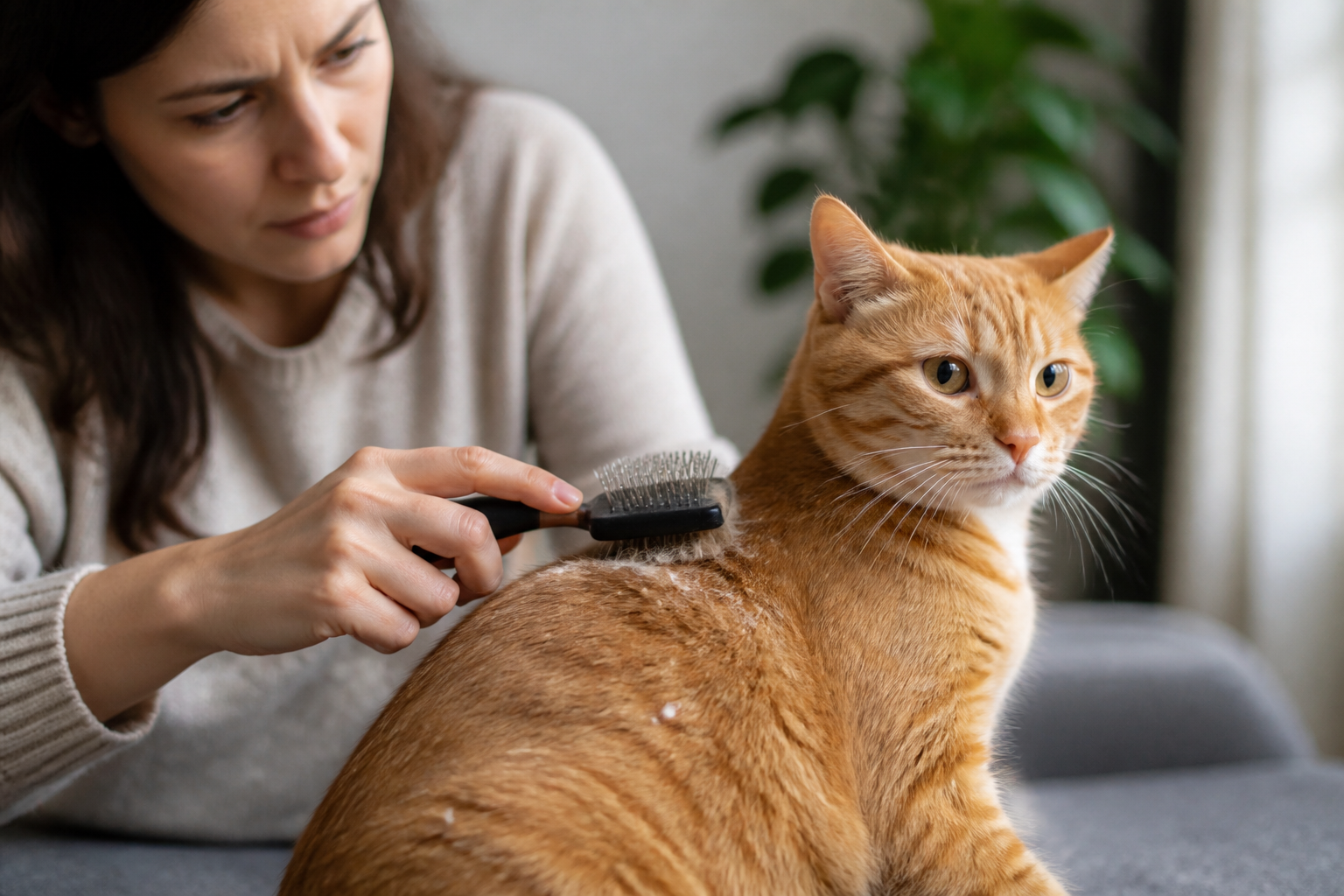
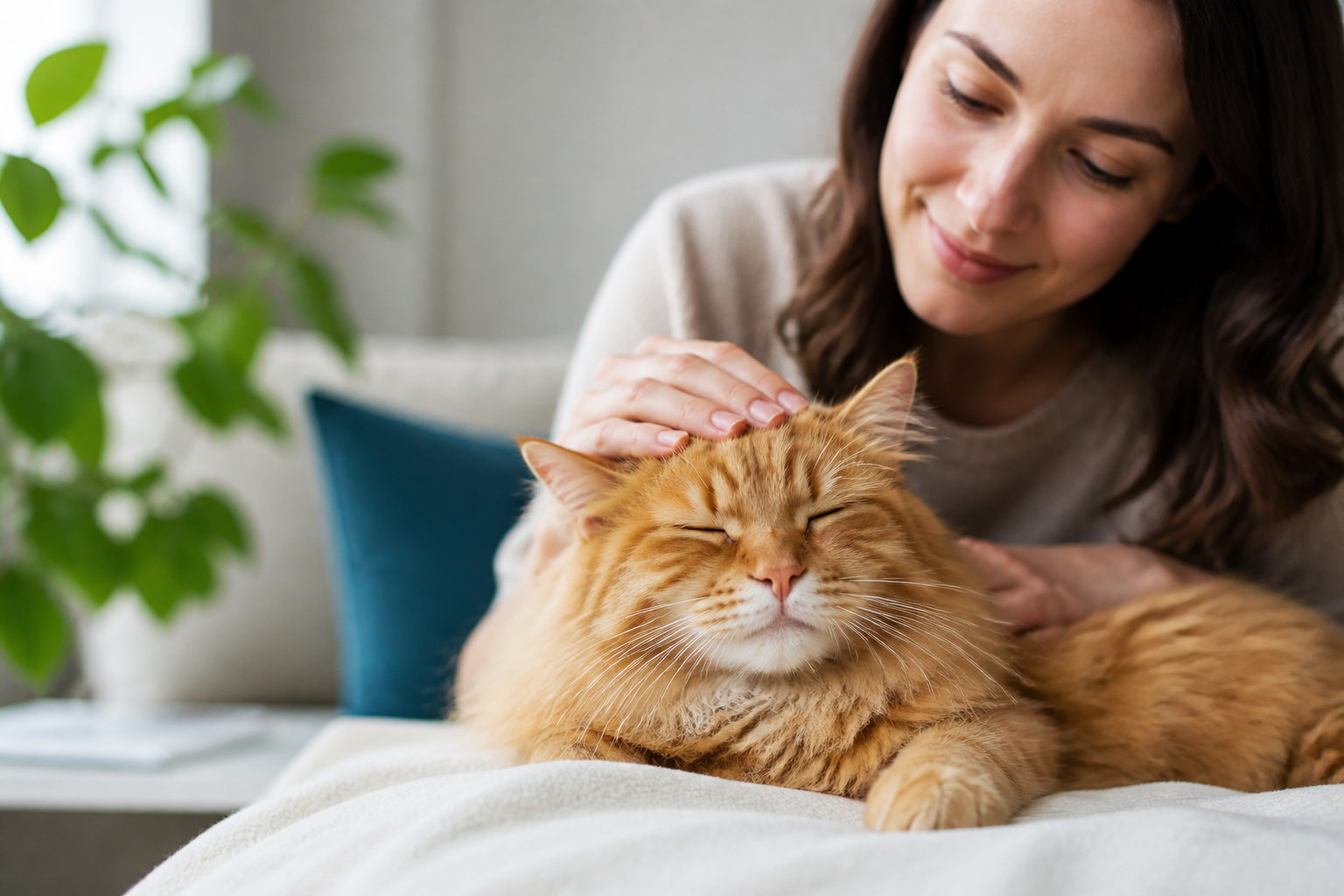
You are relaxing on the sofa with your cat when you notice a dusting of white specks across their dark fur. At first, you might think it is just dust or litter. When those white flakes persist after a good petting session, you realize your cat has dandruff. Seeing these flakes can be frustrating, especially when your cat seems to be grooming as usual. At BaxterBoo, we know that a shiny, flake-free coat is more than just a cosmetic goal. It is often a sign of good internal health. This post covers the most effective grooming tools, moisturizing topicals, and nutritional supports to help clear up your cat's skin. You will learn how to identify the cause of the flakes and choose the best product for cat dandruff based on your pet's specific needs.
Identifying the Source of the Flakes
Before you can choose the right treatment, you need to understand why the dandruff is there. Feline dandruff occurs when the skin loses its natural moisture or when skin cells turn over too quickly. While it is similar to the dander all cats produce, dandruff is visible to the naked eye. It often clusters around the base of the tail or along the spine.
Environmental factors are a common culprit. If you live in a region with cold winters, the dry air from your home heating system can zap moisture from your cat's skin. This usually results in seasonal flakes that disappear when the weather warms up. However, if the dandruff is present year round, it might be tied to your cat's ability to groom.
Older cats or those with mobility issues often struggle to reach certain spots. If a cat is overweight, they may stop cleaning their lower back entirely. This leads to a buildup of dead skin and oils. In these cases, the best product for cat dandruff is often a high quality grooming tool that helps you do the work for them.
Quick Answer: The best product for cat dandruff depends on the cause. For environmental dryness, use a moisturizing spray or salmon oil. For grooming issues, a fine tooth comb is best.
Essential Grooming Tools for Dandruff Removal
Regular brushing is the first line of defense against flakes. When you brush your cat, you are not just removing loose fur. You are also distributing natural oils across the skin. These oils act as a built-in moisturizer. Explore our cat grooming collection for brushes, combs, shampoos, and other grooming tools.
For cats with short hair, a soft bristle brush or a rubber grooming mitt works well. These tools are gentle on the skin and help stimulate blood flow. If your cat has a thick undercoat, you may need a slicker brush or a stainless steel comb. These can reach down through the fur to pull up dead skin cells before they become visible on the surface.
If your cat has stopped grooming due to age or weight, you will need to step in at least three times a week. Focus on the base of the tail and the center of the back. These are the areas where flakes tend to accumulate the most.
- Select a brush with rounded tips to avoid scratching sensitive skin.
- Use a fine tooth flea comb to gently lift flakes out of the fur.
- Always brush in the direction of hair growth to keep your cat comfortable.
- Reward your cat with a small treat like a Greenies dental chew to make grooming a positive experience.
Key Takeaway: Regular brushing mimics a cat's natural grooming process and is essential for distributing the skin's natural oils to prevent dryness.
Moisturizing Shampoos and Topical Sprays
Sometimes brushing alone is not enough to solve the problem. If your cat's skin feels tight or looks red, a topical product can provide immediate relief. We carry a variety of moisturizing options in our cat skin and coat care collection.
Oatmeal based shampoos are a classic choice for itchy, flaky skin. Oatmeal contains natural compounds that soothe inflammation and lock in moisture. However, many cats find baths very stressful. Stress can actually worsen skin conditions by increasing cortisol levels. If your cat hates the water, do not force a bath unless your vet specifically recommends it for a medical condition.
A better option for many owners is a leave on conditioner or a moisturizing spray. These products can be applied directly to the coat and massaged in with your hands or a brush. Look for ingredients like vitamin E or aloe vera. These provide hydration without the need for a full rinse.
Our pharmacy carries several specialized topical treatments through our partnership with Pet's Choice. If your cat's dandruff is caused by a fungal infection or a bacterial imbalance, a standard over the counter shampoo may not work. In those cases, a prescription medicated wash is often the best path forward. You can review our pet pharmacy for prescription products that may be appropriate after veterinary guidance.
Vet Tip: If you notice your cat's dandruff is moving, it may actually be Cheyletiella mites, also known as walking dandruff. Consult your veterinarian immediately for a physical exam and a skin scraping if you see any movement or if the itching is severe.
Nutritional Supplements and Dietary Changes
What goes into your cat's body is just as important as what you put on their fur. Skin health starts from the inside out. If your cat's diet is low in essential fatty acids, their skin barrier will weaken. This leads to moisture loss and the inevitable white flakes. For additional guidance, read our pet supplement guide.
Omega-3 fatty acids are the gold standard for skin health. These fats, usually derived from fish oils like salmon or pollock, help reduce inflammation. They also give the coat a healthy shine. You can find Omega-3s in liquid form to pump over their food or in soft chew treats from brands like Zesty Paws.
Water intake also plays a massive role. Cats are notorious for having a low thirst drive. If they only eat dry kibble, they may be chronically dehydrated. Dehydration shows up on the skin very quickly. Switching to a high moisture diet can make a significant difference.
How to Transition to a High Moisture Diet
Step 1: Introduce wet food slowly. / Mix a small spoonful of a high quality canned food like Tiki Cat or Fussie Cat into their current dry food.
Step 2: Increase the ratio over ten days. / Gradually add more wet food and less kibble to avoid upsetting your cat's stomach.
Step 3: Monitor the skin. / Check your cat's back after three weeks to see if the flakes have diminished.
Step 4: Add a supplement if needed. / If the skin is still dry, add a daily dose of salmon oil to their morning meal.
Bottom line: A diet rich in moisture and healthy fats is often the most effective long term solution for chronic dandruff.
The Role of the BaxterBoo Pharmacy
In some cases, the best product for cat dandruff is not found in the grooming aisle. Dandruff can be a symptom of underlying health issues like hyperthyroidism, kidney disease, or severe allergies. These conditions require professional diagnosis and specific medications.
Through our partnership with Pet's Choice, we offer access to a full pharmacy. This includes prescription diets from brands like Farmina Vet Life and Royal Canin that are formulated for skin sensitivities. If your vet determines that your cat's dandruff is a side effect of a flea allergy, our pharmacy can provide FDA approved preventives like NexGard or Frontline.
Using the pharmacy is simple. You can order your required medications or prescription food online, and we coordinate with your veterinarian to verify the details. This ensures your cat gets the exact treatment they need without you having to make an extra trip to the clinic. For more context on therapeutic nutrition, see our guide to veterinary diet food.
Key Takeaway: When dandruff is caused by medical conditions or parasites, prescription treatments from our pharmacy are necessary to address the root cause.
Managing Environmental Factors and Stress
Your home environment can either help or hurt your cat's skin. During the winter, the humidity in many homes drops below 30 percent. This is much lower than the 50 percent humidity most pets need to stay comfortable.
Using a humidifier in the room where your cat spends the most time can provide significant relief. It adds moisture back into the air, which prevents the skin from cracking and flaking. You should also check the location of your cat's favorite nap spots. If they sleep directly on top of a heating vent, their skin will dry out much faster.
Stress is another hidden cause of skin issues. When a cat is stressed, they may over groom or stop grooming entirely. Both can lead to dandruff. If you have recently moved, added a new pet, or changed your schedule, your cat's skin might be reacting to the change. Using calming diffusers or pheromone sprays can help lower their stress levels and improve their coat quality.
| Product Category | Best For | Benefit |
|---|---|---|
| Salmon Oil | Dietary Support | Adds healthy fats and reduces inflammation |
| Fine Tooth Comb | Physical Removal | Lifts flakes and distributes natural oils |
| Moisturizing Spray | Immediate Relief | Hydrates skin without the stress of a bath |
| Humidifier | Environment | Adds moisture to the air in dry climates |
When to Visit the Veterinarian
While mild dandruff is usually a minor issue, it can sometimes indicate a more serious problem. You should monitor your cat for any changes in behavior or appetite. Dandruff paired with other symptoms is a signal that you need professional help.
If your cat's skin is red, raw, or bleeding, stop all home treatments and call your vet. This could be a sign of a fungal infection like ringworm, which can spread to humans. You should also seek help if your cat is losing patches of hair or if they seem to be in pain when you touch their back.
A vet can perform blood work to rule out systemic issues like diabetes or thyroid problems. Once they provide a diagnosis, you can find the necessary prescription foods and medications through our pharmacy.
Vet Tip: Always consult your vet before adding new supplements to your cat's routine, especially if they have existing health conditions or are on other medications.
Conclusion
Managing cat dandruff requires a multi-faceted approach. While you might be looking for a single best product for cat dandruff, the reality is that a combination of grooming, nutrition, and environmental care works best. Start by increasing the frequency of your brushing sessions and adding a high quality salmon oil to their diet. If the air in your home is dry, a humidifier can provide much needed moisture for both you and your pet.
For many owners, the most important step is ensuring that their cat is on a balanced, moisture rich diet. We are here to help you navigate these choices with our curated selection of premium foods and supplements. If the flakes persist or seem linked to a medical issue, our pharmacy is ready to fulfill your prescription needs.
- Brush your cat three times a week with a soft bristle brush.
- Incorporate wet food into their daily meals.
- Monitor for signs of redness or excessive itching.
Your next step is to evaluate your cat's current diet and grooming routine. Visit our cat skin and coat care collection to find the right supplements, or browse our Autoship programme for convenient repeat deliveries.
FAQ
Can I use human dandruff shampoo on my cat?
No, you should never use human dandruff shampoo on a cat. These products often contain ingredients like zinc pyrithione or selenium sulfide which can be toxic to cats if ingested during grooming. The pH balance of human skin is also different from feline skin, so these shampoos can cause severe irritation or chemical burns.
Is coconut oil safe for cat dandruff?
Small amounts of food grade coconut oil can be safe to apply topically to a cat's skin. It contains fatty acids that may help moisturize dry areas. However, cats will likely lick it off immediately, and too much ingested coconut oil can cause an upset stomach or diarrhea.
How long does it take for cat dandruff to go away?
The timeline for clearing up dandruff depends on the cause and the treatment used. If the flakes are caused by dry air, you may see improvement within a week of using a humidifier. For nutritional changes like adding salmon oil, it usually takes three to four weeks to see a noticeable change in the skin and coat.
Can allergies cause my cat to have dandruff?
Yes, both food allergies and environmental allergies can lead to skin inflammation and flaking. When a cat has an allergic reaction, their skin barrier becomes compromised, leading to dryness and itching. If you suspect allergies are the cause, your veterinarian can help identify the specific trigger and may recommend a prescription diet from our pharmacy.