Save 15% on your 1st Autoship learn more

 Email us
 Live Chat
 FAQs
FAQs





Introduction
It usually starts with a clearing of the room. Your dog lets out a heavy sigh, and a moment later, the tell-tale scent of digestive upset hits. While occasional gas is part of living with a dog, persistent gurgling tummies, loose stools, or itchy skin can signal that the internal balance is off. At BaxterBoo, we talk to pet parents every day who are looking for ways to support their dogs from the inside out. One of the most effective tools in your nutritional toolkit is dog food that has probiotics. These beneficial bacteria do much more than just help with digestion. They are a cornerstone of immune health and overall wellness. This post covers how probiotics work, what to look for on a label, and how to choose the right formula for your dog.
Quick Answer: Probiotics are live, beneficial bacteria that support a healthy gut microbiome in dogs. They help improve digestion, strengthen the immune system, and may even reduce anxiety or skin allergies by balancing the bacteria in the intestinal tract.
The Science of the Canine Microbiome
To understand why probiotics matter, you have to look at the microbiome. This is a complex ecosystem of billions of microorganisms living in your dog’s digestive tract. These include bacteria, fungi, and viruses. When the population of "good" bacteria outweighs the "bad" bacteria, your dog’s body functions efficiently.
When this balance shifts, it is called dysbiosis. This can happen because of stress, a sudden change in diet, or a round of antibiotics. Antibiotics are designed to kill harmful bacteria, but they often kill the beneficial ones too. This is why many veterinarians suggest starting a probiotic during or after a course of medication.
Probiotics vs. Prebiotics
You will often see these two terms used together. They are different but dependent on each other. Probiotics are the live bacteria themselves. Prebiotics are a type of non-digestible fiber that acts as food for those bacteria.
Common prebiotics in dog food include:
- Chicory root
- Inulin
- Beet pulp
- Flaxseed
Think of it like a garden. The probiotics are the seeds you want to grow, and the prebiotics are the fertilizer that helps them thrive. Without prebiotics, the "good" bacteria might not survive long enough to do their job.
The Role of Postbiotics
A newer term in pet nutrition is postbiotics. These are the beneficial byproducts created when probiotics digest prebiotics. These compounds, like short-chain fatty acids, help strengthen the gut barrier. They prevent toxins and harmful pathogens from leaking into the bloodstream. When you choose a high-quality dog food with both pre- and probiotics, your dog’s body naturally produces these postbiotics.
Why Your Dog Needs Probiotics
The benefits of a balanced gut extend far beyond the litter box or the backyard. While the most obvious sign of a healthy gut is a firm, consistent stool, other systems benefit as well.
Immune System Support
Roughly 70 percent of your dog’s immune system resides in the gut. The intestinal lining is the first line of defense against many illnesses. Probiotics help maintain this barrier. They stimulate the production of antibodies and keep the immune system in a state of "ready" without being overactive. This is particularly important for puppies with developing immune systems and seniors whose defenses may be slowing down.
Skin and Coat Health
It might seem strange to treat an itchy dog by changing their gut health, but the two are closely linked. Many skin issues are the result of an overactive immune response or inflammation. By calming the gut and balancing the microbiome, you can often see a reduction in hot spots, seasonal allergy symptoms, and yeast infections.
The Gut-Brain Axis
Recent research has highlighted the connection between the gut and the brain. Certain strains of bacteria produce neurotransmitters like serotonin and dopamine. Dogs with a balanced microbiome often show fewer signs of anxiety, better focus during training, and more stable moods.
Key Takeaway: A healthy gut supports everything from solid stools to a shiny coat and a calm mind. Probiotics are a multi-purpose supplement for total body wellness.
Identifying Probiotics on a Dog Food Label
Not all dog foods that claim to have probiotics are equal. Some brands add them before the cooking process, while others apply them after. This distinction is critical because heat kills live bacteria.
Guaranteed Analysis
When you look at a bag of food, turn it over to the Guaranteed Analysis section. You want to see a specific mention of "Total Microorganisms" or the names of specific strains. This is usually measured in CFUs, which stands for Colony Forming Units. This tells you how many live, active bacteria are guaranteed to be in the food.
Common Strains to Look For
Different strains serve different purposes. A high-quality food will often list several.
- Lactobacillus acidophilus: One of the most common strains, excellent for overall digestion and stool quality.
- Enterococcus faecium: Often used to help dogs recover from diarrhea or stress-related stomach upset.
- Bifidobacterium animalis: Specifically known for helping with acute diarrhea and speeding up recovery time.
- Bifidobacterium longum: This strain is often studied for its ability to help calm anxious dogs.
Survival of the Strains
The biggest challenge for probiotics is survival. They have to survive the manufacturing process, the shelf life of the bag, and the highly acidic environment of a dog’s stomach. Some premium brands use microencapsulation. This is a protective coating around each bacterium that keeps it dormant until it reaches the intestines.
Vet Tip: If your dog has a chronic health condition, a weakened immune system, or severe allergies, consult your veterinarian before starting a new probiotic regimen. They can help you determine if a prescription diet or a specific therapeutic strain is necessary.
Top Brands for Probiotic Support
We have curated several brands at BaxterBoo that prioritize digestive health. These companies understand the science of the microbiome and ensure their formulas provide active support.
NutriSource and PureVita
These brands are well-known for their "Good 4 Life" system. This is a specific blend of ingredients designed to support gut health and nutrient absorption. They include several strains of probiotics and prebiotics that are formulated to survive the cooking process and stay active in the gut.
Stella and Chewy's
For pet owners who prefer a raw-inspired diet, Stella and Chewy's offers freeze-dried raw coated kibble. Because raw and freeze-dried ingredients aren't subjected to the high heat of traditional kibble, the probiotics are often more stable. They also offer "Solutions" formulas specifically targeted at digestive support.
Farmina Vet Life
If your dog requires a higher level of intervention, we carry the Farmina Vet Life line. These are prescription-strength diets designed for specific medical needs. Through our partnership with Pet's Choice, we offer our pet pharmacy where you can fulfill your veterinarian's recommendations for therapeutic diets and FDA-approved medications.
When to Consider a Separate Supplement
Sometimes, the probiotics found in a standard bag of kibble aren't enough. If your dog is going through a high-stress event, such as a move, boarding, or a round of medication, a concentrated supplement might be better.
Soft Chews and Powders
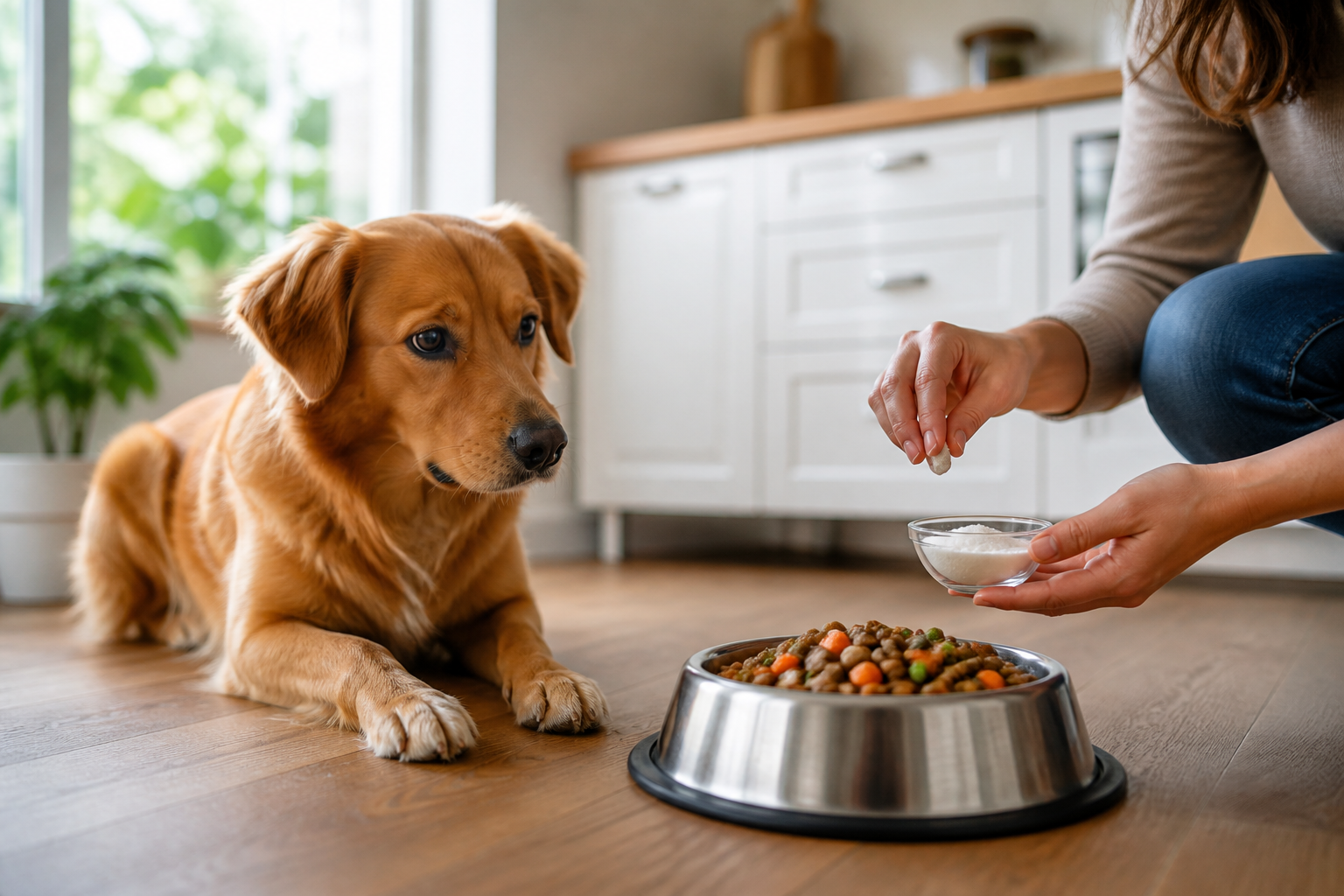
Brands like Zesty Paws and Honest Paws offer targeted probiotic supplements. These are excellent because they allow you to control the exact dosage. Powders can be easily mixed into wet food, while soft chews act as a daily treat. You can browse our dog digestive health supplements for powders, chews, and other options.
Transitioning to New Food
If you decide to switch to a probiotic-enriched food, do it slowly. The sudden introduction of new bacteria can sometimes cause a temporary upset.
Step 1: Mix 25% of the new food with 75% of the old food for three days.
Step 2: Increase to a 50/50 mix for the next three days.
Step 3: Move to 75% new food and 25% old food for three days.
Step 4: Provide 100% of the new probiotic food.
Bottom line: While fortified kibble is convenient, specialized supplements or prescription diets from our pharmacy may be needed for dogs with chronic issues.
Managing Ongoing Digestive Issues
It is important to remember that while probiotics are powerful, they are not a cure-all for every medical condition. If your dog has persistent vomiting, bloody stools, or extreme lethargy, these are signs of a more serious issue that requires a vet visit.
For dogs with chronic conditions like Inflammatory Bowel Disease (IBD) or severe food sensitivities, our pharmacy offers FDA-approved medications and prescription foods through the Pet's Choice partnership. These products are formulated to work alongside your vet's treatment plan to manage inflammation and restore gut integrity.
Seasonal Support
Many owners find that their dogs benefit from increased probiotic intake during seasonal transitions. In the spring and fall, when environmental allergens are high, a healthy gut can help keep the immune system from overreacting to pollen or mold.
Weight Management
There is also a link between the microbiome and weight. Certain bacteria are more efficient at extracting calories from food. By shifting the balance of the gut, you may find it easier to manage a dog that is prone to weight gain. Formulas like Farmina Vet Life for weight management often include these considerations in their recipes.
Shopping for Digestive Health at BaxterBoo
We take the guesswork out of choosing pet food. Every brand we carry has been handpicked by people who genuinely care about animal health. We have been operating since 2006, and we know that pet owners want quality without a complicated sales pitch.
When you shop with us, you can take advantage of several programs:
- Autoship: Never run out of your dog’s favorite probiotic food. You’ll save on your first order and get free MVP Gold membership. Learn more about our Autoship programme.
- MVP Rewards: Earn up to 5% back on every purchase, which you can use for treats, toys, or more food. Explore the MVP Rewards programme.
- Frequent Buyer Program: Many of the premium brands we carry participate in programs where you can earn free bags of food. See the Frequent Buyer Program.
Whether you are visiting our warehouse in Vernon Hills or ordering online for home delivery, our goal is to provide you with the tools to keep your dog healthy.
Key Takeaway: Consistency is key when it comes to probiotics. It can take two to four weeks of daily feeding to see a noticeable change in your dog’s skin, coat, or digestion.
Conclusion
Supporting your dog's gut health is one of the most proactive steps you can take for their long-term wellness. Dog food that has probiotics provides a daily dose of "good" bacteria that strengthens the immune system, clears up skin issues, and ensures the backyard cleanup is much easier. By understanding how to read labels for CFUs and specific strains, you can make an informed choice that fits your dog's lifestyle.
- Probiotics balance the gut microbiome and support the immune system.
- Prebiotics feed the probiotics to ensure they thrive.
- Look for guaranteed analysis and specific strains like Lactobacillus on the label.
- Consider a vet-prescribed diet for chronic gastrointestinal issues.
If you are ready to start your dog on a journey toward better gut health, browse our dog food selection and our dog food supplements. Our partnership with Pet's Choice also makes it easy to fulfill your prescription diet needs directly through our pharmacy.
FAQ
Can I just give my dog human yogurt for probiotics?
While some plain, unsweetened Greek yogurt can be a safe treat, it often doesn't contain the specific strains or concentrations of bacteria that dogs need. Many dogs are also lactose intolerant, which can lead to more gas and diarrhea. It is usually better to use a probiotic specifically formulated for the canine digestive system.
How long does it take for probiotics to start working?
For acute issues like soft stools due to stress, you might see an improvement in a few days. For chronic issues like skin allergies or long-term immune support, it typically takes three to four weeks of consistent daily feeding to see a significant difference.
Are there any side effects to giving my dog probiotics?
Most dogs tolerate probiotics very well. However, when you first introduce them, some dogs may experience a temporary increase in gas or slightly softer stools as the microbiome shifts. This usually resolves within a few days. If symptoms persist or worsen, consult your veterinarian.
Does the heat of making kibble kill the probiotics?
In many standard grocery store brands, yes. However, premium brands often use a process where probiotics are applied to the outside of the kibble after it has cooled. Others use microencapsulation to protect the bacteria. Always check the label for "Guaranteed Analysis" to ensure the bacteria are live and active.