
 Save 15% on your 1st Autoship learn more

 Email us
 Live Chat
 FAQs
FAQs





Introduction
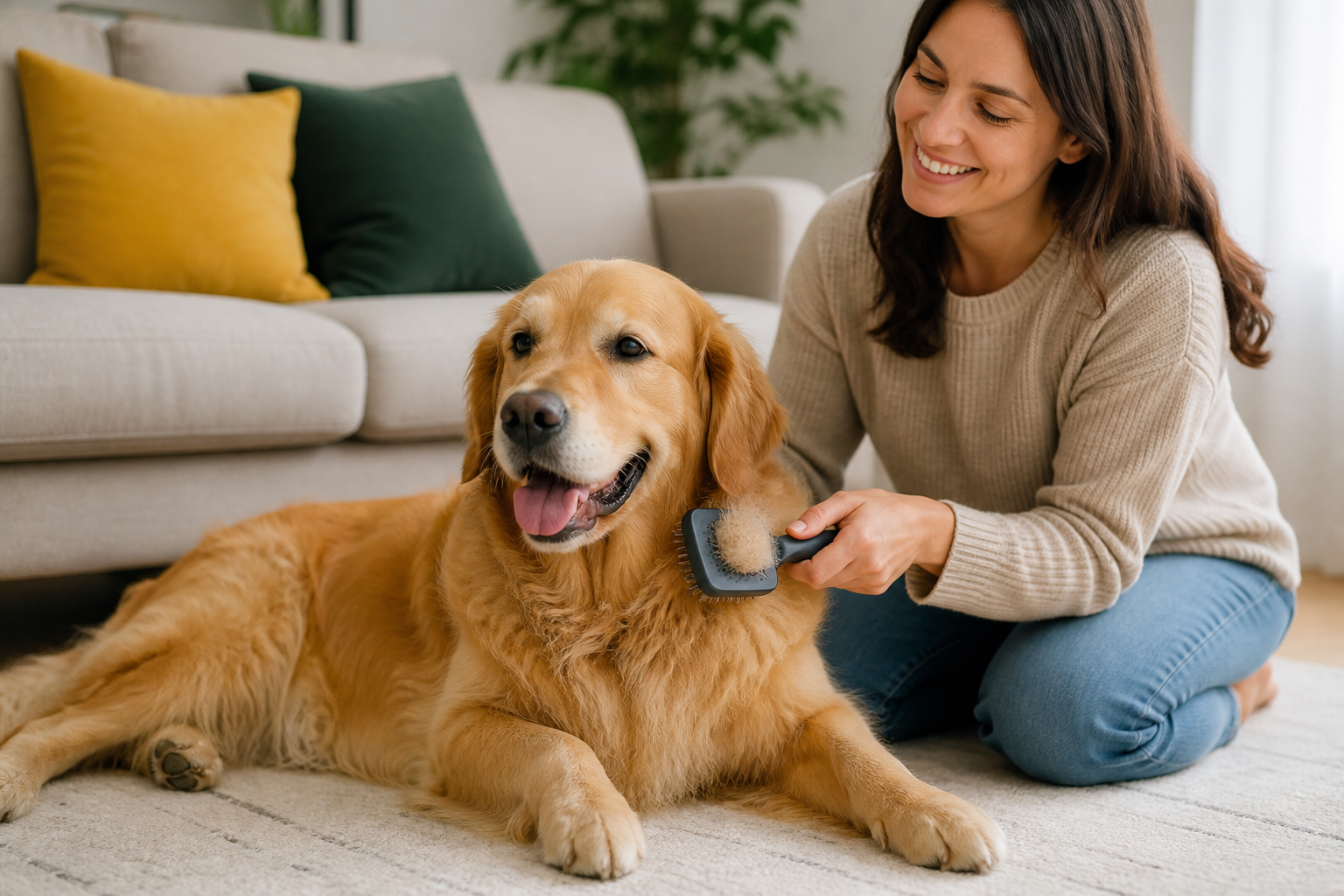
You just finished vacuuming the living room ten minutes ago. Now, a cluster of fur is drifting across the hardwood like a lonely tumbleweed. If you share your home with a heavy shedder, you know that the battle against loose hair feels constant. While shedding is a natural process for most breeds, the right grooming tools can make the difference between a house covered in fur and a manageable routine. At BaxterBoo, we have spent years helping pet parents navigate the aisles of grooming supplies to find exactly what works for their specific dog. This guide will walk you through the various types of brushes, how they interact with different coat types, and which specific tools will help you reclaim your furniture.
Quick Answer: The best brush for a shedding dog depends entirely on their coat type. Most heavy shedders require an undercoat rake or a slicker brush to pull out loose fur before it falls. Short-haired shedders typically benefit most from a rubber curry brush or a grooming mitt.
Understanding the Shedding Cycle
Before you pick up a brush, it helps to understand why your dog is shedding in the first place. Most dogs shed to get rid of old, unneeded, or damaged hair. The amount they shed is influenced by their breed, the environment, and their overall health. Many breeds go through a heavy shedding period twice a year, often called blowing coat, as they transition between their summer and winter layers.
A double coat is the most common reason for heavy shedding. These dogs have a harsh outer coat and a soft, dense undercoat that acts as insulation. When the weather changes, that undercoat releases in massive quantities. If you have a Husky, a Golden Retriever, or a German Shepherd, you are dealing with a double coat. Single-coated dogs, like Boxers or Beagles, still shed, but they lack that thick secondary layer.
Key Takeaway: Shedding is a biological necessity for temperature regulation. Identifying whether your dog has a single or double coat is the first step in choosing the right tool.
The Professional Grooming Toolbox
There is no one-size-fits-all brush. Each tool is designed to solve a specific problem, from surface debris to deep-seated undercoat mats. Using the wrong tool can be ineffective or even uncomfortable for your dog. Explore our dog grooming tools to compare brushes, combs, and other grooming supplies.
Slicker Brushes
A slicker brush features a flat or slightly curved head with rows of thin, angled wire pins. These pins are designed to grab loose hair and detangle small knots. They are highly versatile and work well on most coat types, especially medium-to-long hair. When you use a slicker brush, the pins reach through the topcoat to pull out dead hair from the middle layer.
Undercoat Rakes
An undercoat rake looks a bit like a small garden tool. It has one or two rows of sturdy metal tines designed to reach deep into thick fur. This is the gold standard for double-coated dogs. The tines bypass the outer guard hairs and pull out the soft, shedding undercoat. This tool is essential for preventatively removing the hair that would otherwise end up on your carpet.
Rubber Curry Brushes and Mitts
For short-haired dogs like Labradors or Pugs, a metal rake is often too harsh. A rubber curry brush, like the Kong ZoomGroom, uses soft rubber nubs to massage the skin and pull loose hair from the surface. The rubber creates a bit of friction that "grabs" the short, prickly hairs that traditional brushes might miss. These are also excellent for use during bath time to suds up the shampoo and loosen dead fur.
Bristle Brushes
Bristle brushes are best used as a finishing tool. They feature natural or synthetic bristles packed tightly together. While they do not pull out massive amounts of shedding undercoat, they are excellent at removing surface dust and distributing natural skin oils. This gives the coat a healthy, polished shine.
De-Shedding Tools
Specialized de-shedding tools, such as the FURminator or the SleekEZ, use a fine, comb-like edge to remove loose hair and thinning undercoat. These tools are incredibly effective but must be used with care. They are designed to grab the hair that is already loose or about to fall, significantly reducing the amount of fur in your home.
Bottom line: Every grooming kit should have at least two tools: one for deep de-shedding and one for surface smoothing.
Matching the Brush to the Coat Type
The texture and length of your dog's hair dictate which brush will be the most effective. Using a tool meant for a long-haired dog on a short-haired dog can cause skin irritation, while a short-hair brush will barely scratch the surface of a thick double coat.
| Coat Type | Best Brush Options | Primary Purpose |
|---|---|---|
| Short and Smooth | Rubber Curry Brush, Bristle Brush | Massage skin, remove surface hair, boost shine. |
| Medium to Long | Slicker Brush, Pin Brush | Remove tangles, pull out loose middle-layer hair. |
| Double Coat | Undercoat Rake, Slicker Brush | Reach the deep undercoat, prevent matting. |
| Wire-Haired | Slicker Brush, Metal Comb | Detangle coarse hair, remove dead guard hairs. |
| Curly or Wooly | Slicker Brush, Metal Comb | Prevent painful mats, manage fast-growing hair. |
Brushing Short-Haired Shedders
Dogs like Dalmatians, Beagles, and Boxers have short, stiff hairs that tend to weave themselves into fabric. For these breeds, a rubber grooming mitt is often the best choice. You can simply pet your dog while wearing the mitt, and the loose hair will stick to the rubber. Follow up with a soft bristle brush to ensure the coat remains shiny and smooth.
Managing the Heavy Double Coat
If you have a Great Pyrenees, a Newfoundling, or an Australian Shepherd, you need an undercoat rake. These dogs produce a staggering amount of fur. A daily session with a rake during shedding season can reduce household fur by up to 90 percent. Focus on the areas where the fur is densest, such as the "pants" on the back of the legs and the thick ruff around the neck. For more guidance, read about how Australian Shepherds shed.
Caring for Long, Silky Coats
Breeds like Setters or Spaniels have hair that is prone to tangling and shedding. A pin brush is a good starting point for these dogs. The long, blunt-tipped pins move through the hair without pulling. Once the hair is detangled, a slicker brush can be used to remove the loose shedding hair from the deeper layers.
Vet Tip: If you notice your dog is shedding excessively, losing hair in patches, or has red, irritated skin, schedule a visit with your veterinarian. While shedding is normal, sudden changes in coat quality can sometimes signal underlying health issues like allergies or hormonal imbalances.
How to Brush Your Dog Correctly
Brushing might seem straightforward, but the technique matters. Pulling too hard or brushing the same spot for too long can lead to brush burn, which is a painful skin irritation.
Step 1: Inspect the skin. / Before you begin, run your hands over your dog's body to check for lumps, bumps, ticks, or sore spots.
Step 2: Remove large tangles. / Use a metal comb or your fingers to gently tease out any mats or knots before using a de-shedding tool.
Step 3: Brush in the direction of growth. / Always move the brush in the same direction the hair grows. Brushing against the grain can be uncomfortable.
Step 4: Use long, gentle strokes. / Avoid short, scrubbing motions. Instead, use smooth strokes that reach from the skin outward.
Step 5: Reward and praise. / Make grooming a positive experience with plenty of treats and verbal encouragement.
Key Takeaway: Consistency is more important than duration. Five minutes of brushing every day is more effective than an hour once a month.
Specialized De-Shedding Tools: Pros and Cons
High-efficiency de-shedding tools are popular for a reason: they work. However, they are not appropriate for every dog or every situation.
The Benefits
These tools are designed to reach through the topcoat and grab the loose undercoat before it falls. They are particularly useful for breeds with "infinite" shedding, like Labradors or German Shepherds. Many owners find that using a de-shedding tool once a week significantly cuts down on the time they spend vacuuming.
The Precautions
Because these tools use a metal edge, you must be careful not to apply too much pressure. You should never "scrub" the skin with a de-shedding tool. If your dog has a single coat or very thin hair, these tools may be too aggressive. Always read the manufacturer instructions to ensure the tool is safe for your dog's specific hair length.
Bottom line: De-shedding tools are powerful allies in the fight against fur, but they must be used with a light hand and a focus on the undercoat.
Beyond the Brush: Total Shedding Management
While brushing is the most direct way to manage shedding, it is only one part of the equation. A holistic approach to coat health will make your grooming sessions easier and more effective.
Nutrition and Supplements
A healthy coat starts from the inside. Dogs that lack essential fatty acids, particularly Omega-3 and Omega-6, often have dry skin and brittle hair that sheds more easily. Look for foods that prioritize skin and coat health, such as those from Open Farm or Stella and Chewy's. You can also add a salmon oil supplement to their daily meals to improve coat elasticity and shine. Browse our dog food selection when evaluating nutrition options.
Bathing and Drying
A warm bath can help loosen dead hair, making your brushing session much more productive. Use a de-shedding shampoo and conditioner to help "release" the undercoat. After the bath, using a high-velocity dryer or even a thorough towel-dry will help blow out the loose fur. Just make sure the coat is completely dry before you use a de-shedding tool, as brushing wet hair can cause breakage. These steps are also covered in our guide to bathing your dog.
Managing Skin Health Through Our Pharmacy
Sometimes, excessive shedding is caused by skin sensitivities or allergies. If your vet recommends a specific medicated shampoo or a prescription diet to manage skin conditions, we can help. Through our partnership with Pet's Choice, the BaxterBoo pharmacy offers FDA-approved medications and prescription pet foods. This allows you to get your dog's necessary treatments delivered right to your door alongside your favorite grooming supplies. You can browse our pet pharmacy for prescription products.
Vet Tip: For dogs with chronic skin issues or severe seasonal allergies that lead to hair loss, a prescription-strength solution is often necessary. Always consult your vet before starting a new medicated regimen.
Why Quality Brushes Matter
It can be tempting to grab the cheapest brush on the rack, but quality matters for both the dog's comfort and the tool's longevity. Brands like Bass and SleekEZ are built to last and designed with ergonomics in mind. A well-designed brush handle reduces hand fatigue during long grooming sessions, which is a major benefit if you have a large dog.
Our selection at BaxterBoo is handpicked by people who actually use these products on their own pets. We do not just stock what is popular; we stock what works. Whether you need a gentle rubber mitt for a new puppy or a heavy-duty rake for a senior dog with a thick winter coat, our experts have curated a range that covers every need.
Key Takeaway: Investing in a high-quality brush saves money over time and ensures a safer, more comfortable experience for your dog.
Building a Grooming Routine That Sticks
The secret to a hair-free home is not a magic tool; it is a consistent routine. Most dogs come to enjoy their grooming time if it is introduced slowly and paired with positive reinforcement.
- Puppies: Start with a soft bristle brush. Even if they do not have much hair to shed yet, the goal is to get them used to the feeling of being handled and brushed.
- Adolescent Dogs: This is often when the adult coat begins to come in. Introduce the slicker brush or rake gradually during this phase.
- Senior Dogs: Older dogs may have more sensitive skin or joint stiffness. Be extra gentle around the hips and shoulders. A soft rubber brush can provide a soothing massage that older dogs often appreciate.
If you find yourself running low on grooming sprays or need to replace a worn-out brush, our Autoship program is a great way to stay prepared. You can schedule regular deliveries of shampoo, treats, and supplements while saving on every order. Plus, you will get a free MVP Gold membership, which earns you points back on everything you buy.
Summary of Best Practices
Managing a shedding dog does not have to be a full-time job. By choosing the right tool and staying consistent, you can keep the fur on your dog and off your clothes.
- Identify your dog's coat type before buying a brush.
- Use an undercoat rake for double-coated breeds and a rubber brush for short hair.
- Brush in the direction of hair growth with long, gentle strokes.
- Support coat health with high-quality nutrition and Omega supplements.
- Check for skin irritation and consult a vet if shedding seems abnormal.
Bottom line: The right brush is the one that fits your dog's coat and that you are willing to use regularly.
Conclusion
Finding the perfect brush for a shedding dog is about matching the tool to the hair texture. Whether you are dealing with the fine flyaway fur of a Golden Retriever or the short, prickly hairs of a Beagle, the right equipment makes the task much easier. We take pride in offering a carefully curated selection of grooming gear at BaxterBoo to help you maintain your dog's health and happiness. From the initial detangling to the final shine, a good grooming routine is a great way to bond with your pet while keeping your home clean. For all your grooming needs, from rakes and slickers to skin-supporting supplements and medications, visit our dog grooming collection or check out our MVP Rewards programme for added value.
FAQ
How often should I brush my shedding dog?
For most shedding breeds, brushing two to three times a week is sufficient to keep loose hair under control. During heavy shedding seasons in the spring and fall, you may need to brush daily to keep up with the volume of fur being released. Short-haired dogs can often go a week between sessions, though more frequent brushing will always result in less hair on your furniture.
Can I use a de-shedding tool on a wet dog?
It is generally best to wait until your dog is completely dry before using a metal de-shedding tool or rake. Wet hair is more elastic and prone to breakage, and the tool may pull uncomfortably on the skin. Brushing a dry coat allows the pins and tines to glide through the fur and grab only the hair that is truly ready to come out.
Will shaving my shedding dog stop the shedding?
Shaving is rarely a good solution for shedding and can actually damage a dog's coat, especially if they have a double coat. The undercoat often grows back faster than the guard hairs, leading to a patchy, frizzy texture that sheds just as much as before. Additionally, a dog's coat provides vital protection against both heat and cold, so removing it can interfere with their ability to regulate their body temperature.
Why is my dog shedding so much more than usual?
While seasonal shedding is normal, excessive hair loss can sometimes be linked to stress, poor nutrition, or medical issues like skin infections or thyroid problems. If the shedding is accompanied by bald patches, scabs, or constant scratching, it is important to consult your veterinarian. They can help determine if a change in diet or a visit to our pharmacy for specialized treatment is necessary.






