Save 15% on your 1st Autoship learn more

 Email us
 Live Chat
 FAQs
FAQs





Introduction
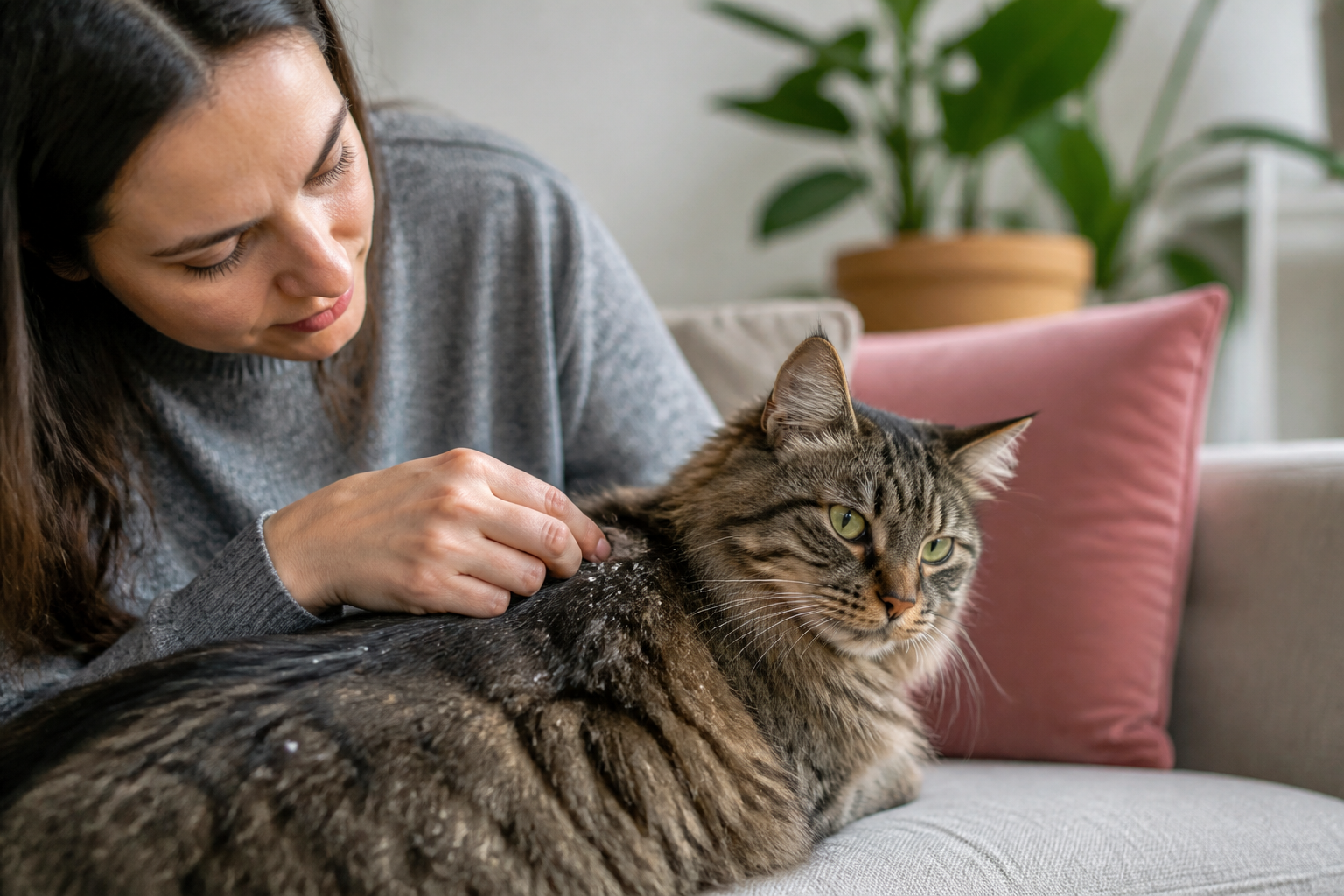
You are relaxing on the couch with your cat when you notice a dusting of white flakes along their lower back. It looks like a sprinkle of salt against their dark fur, or perhaps you see these flecks left behind on their favorite velvet chair. Finding dandruff on your cat is a common experience for many pet owners, but it often leaves you wondering if your feline friend is itchy, uncomfortable, or missing something vital in their diet.
At BaxterBoo, we know that a shiny, flake-free coat is more than just a sign of beauty. It is a reflection of your cat's internal health. This guide covers the most effective ways to manage feline dandruff through nutrition, hydration, and targeted care. We will look at supplements, grooming tools, and when it is time to transition from home care to a veterinary consultation. Our goal is to help you understand exactly what you can give your cat to restore their skin health and stop those pesky flakes for good.
Quick Answer: You can give your cat Omega-3 fatty acid supplements, such as fish oil, to improve skin moisture from the inside out. Increasing hydration through wet food and maintaining a regular brushing routine are also essential steps to eliminate flakes.
Understanding the Difference Between Dander and Dandruff
Before you reach for a new bottle of salmon oil, it is important to know what you are looking at. Every cat has dander. Dander consists of microscopic skin cells that shed naturally as part of the normal skin renewal process. Because these particles are so tiny, you usually cannot see them with the naked eye. Dander is the material that often triggers allergies in humans, but it is a perfectly healthy part of being a cat.
Dandruff is different. Dandruff occurs when those skin cells clump together to form visible white or gray flakes. This happens when the skin is too dry, too oily, or irritated by an external factor. If you can see the flakes, your cat has dandruff. While a few flakes might seem like a minor cosmetic issue, they are often a signal that the skin’s protective barrier is struggling.
Key Takeaway: Dander is normal and invisible to the eye, while dandruff is a visible sign of skin imbalance that requires attention.
What to Give Your Cat: Nutritional Support for Skin Health
The most effective way to treat cat dandruff is often from the inside out. The skin is the largest organ of the body, and it requires specific nutrients to remain supple and functional. If your cat’s diet is lacking in healthy fats, the skin is the first place you will notice a problem.
Omega-3 and Omega-6 Fatty Acids
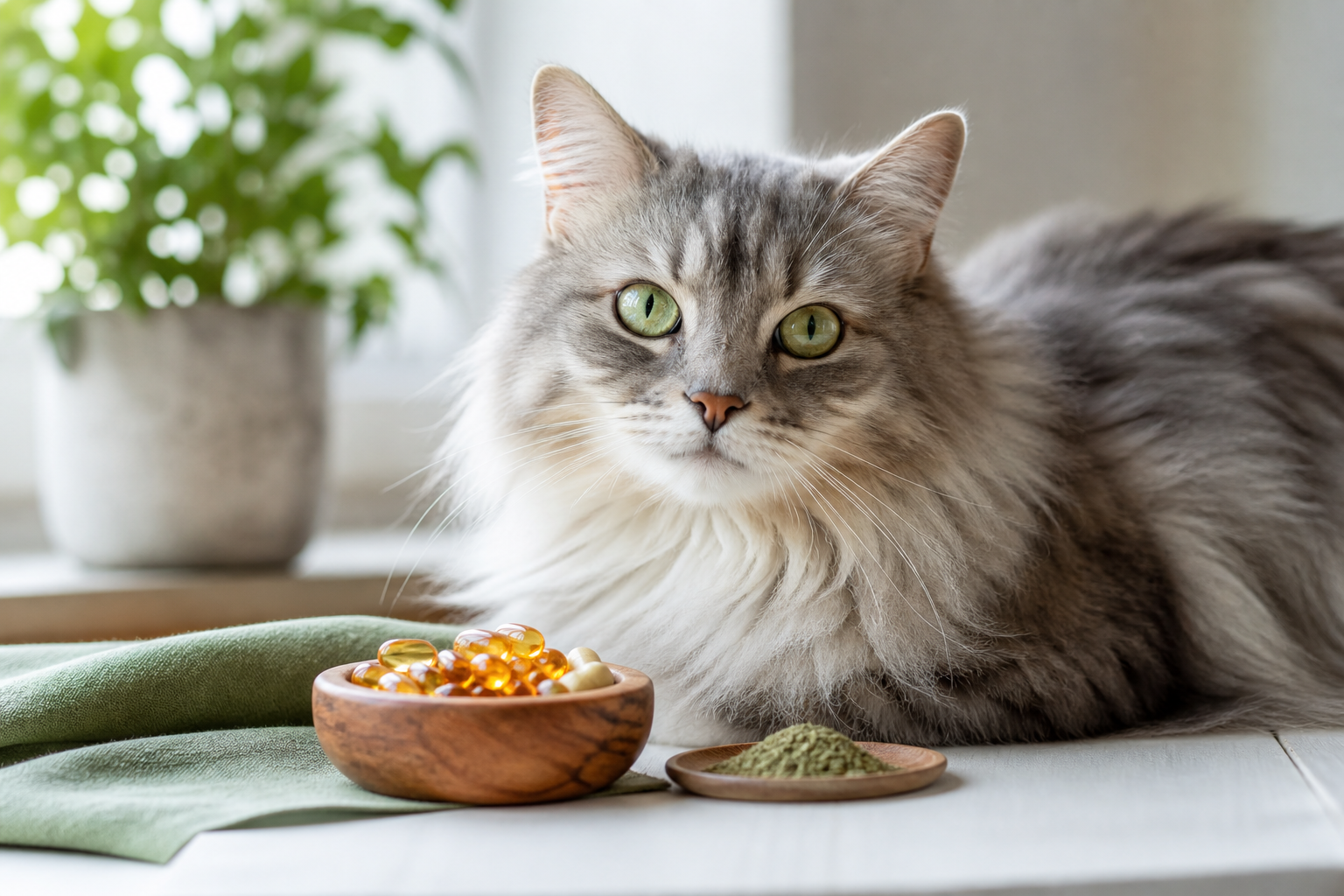
Essential fatty acids are the building blocks of healthy skin. Omega-3 fatty acids, typically found in fish oils like salmon or pollock oil, act as natural anti-inflammatories. They help soothe irritated skin and reinforce the moisture barrier. Omega-6 fatty acids, often found in poultry fat and plant oils, help with the structural integrity of the skin.
You can give your cat these nutrients through liquid supplements or our cat healthcare products. Brands like Zesty Paws or Stella & Chewy’s offer skin and coat specific formulations that are easy to add to a daily meal. These supplements help the skin retain water, which prevents the dryness that leads to flaking.
High-Quality Protein Sources
Cats are obligate carnivores, meaning their bodies are designed to process animal protein. Their skin and hair are made almost entirely of protein. If a cat is not getting enough high-quality, digestible protein, their body will prioritize internal organs over the coat. This leads to a dull, brittle coat and flaky skin. Look for foods that list a specific animal protein, like chicken, turkey, or salmon, as the first ingredient. Avoid foods with excessive fillers that provide "empty" calories without the amino acids your cat needs.
Vitamin A and Vitamin E
Vitamin A is necessary for the repair and growth of skin tissue. Vitamin E is a powerful antioxidant that protects skin cells from oxidative stress. Most complete and balanced cat foods contain these vitamins, but cats with chronic dandruff may benefit from a diet with slightly higher levels of these nutrients.
Vet Tip: Always consult your veterinarian before adding high doses of vitamins to your cat’s diet. While Omegas are generally safe, fat-soluble vitamins like Vitamin A can build up in the system if over-supplemented.
The Role of Hydration in Managing Flakes
Dehydration is one of the leading causes of dry skin in house cats. Many cats have a low thirst drive because their ancestors obtained most of their moisture from prey. If your cat eats only dry kibble, they may be in a state of mild, chronic dehydration. This shows up on their skin as dandruff.
Transitioning to Wet Food
One of the best things you can "give" your cat for dandruff is a bowl of wet cat food. Canned foods, like those from Tiki Cat or Fussie Cat, have a much higher moisture content than kibble. This extra water intake hydrates the skin cells from within. If your cat is a devoted kibble lover, try adding a splash of warm water or a specialized pet bone broth to their dry food.
Encouraging Water Intake
Cats are often finicky about their water source. They may ignore a stagnant bowl of water but drink happily from a dripping faucet. To increase hydration:
- Switch to a circulating water fountain to provide moving water.
- Place multiple water bowls in different areas of the house.
- Ensure the water is fresh and the bowl is cleaned daily to prevent bacterial buildup.
Bottom line: Hydrated cats have more elastic, resilient skin that is less likely to flake off as dandruff.
Topical Solutions and Grooming Gear
While nutrition addresses the root cause, topical care helps manage the flakes that are already present. Proper grooming helps distribute the natural oils that your cat’s skin produces.
Regular Brushing
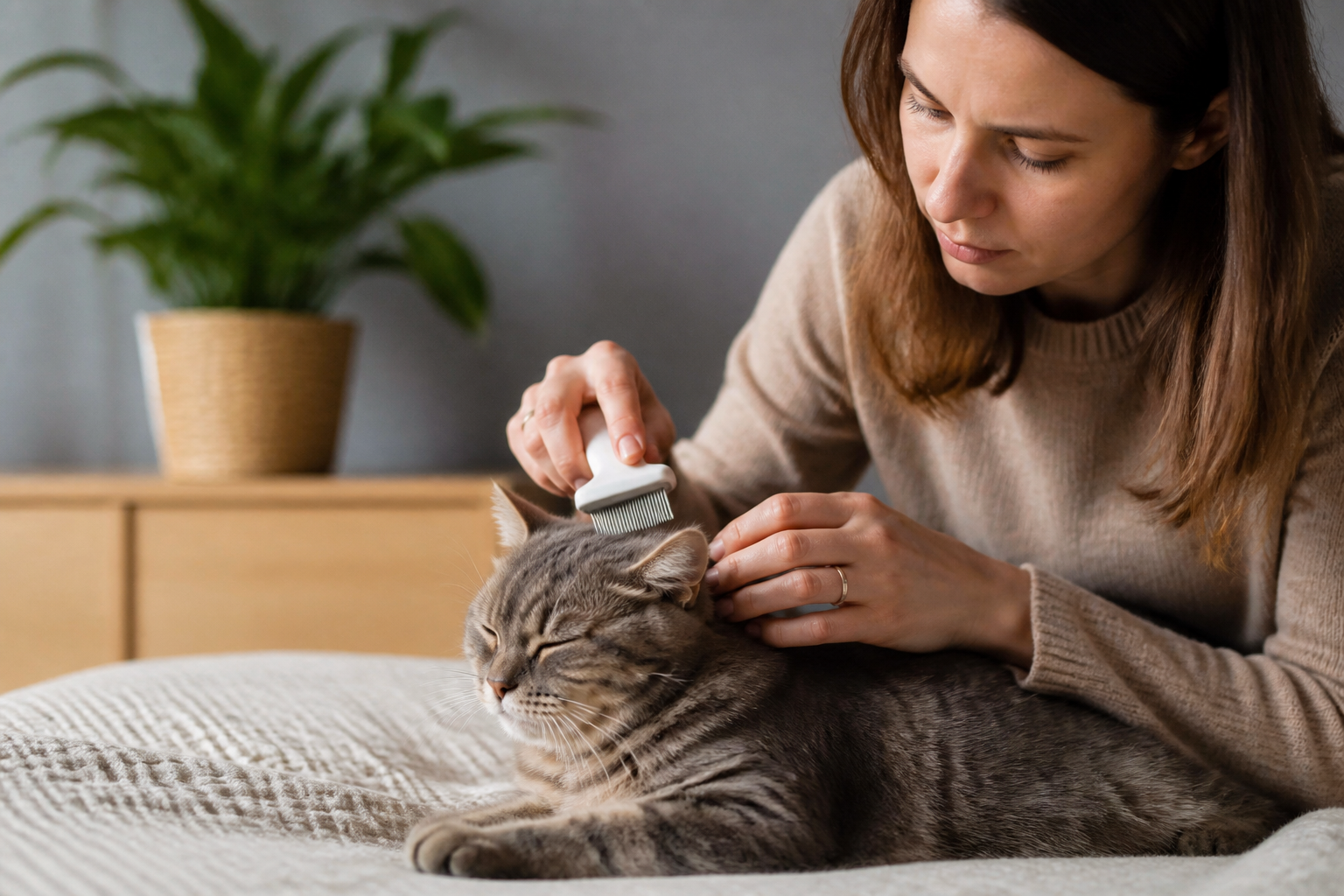
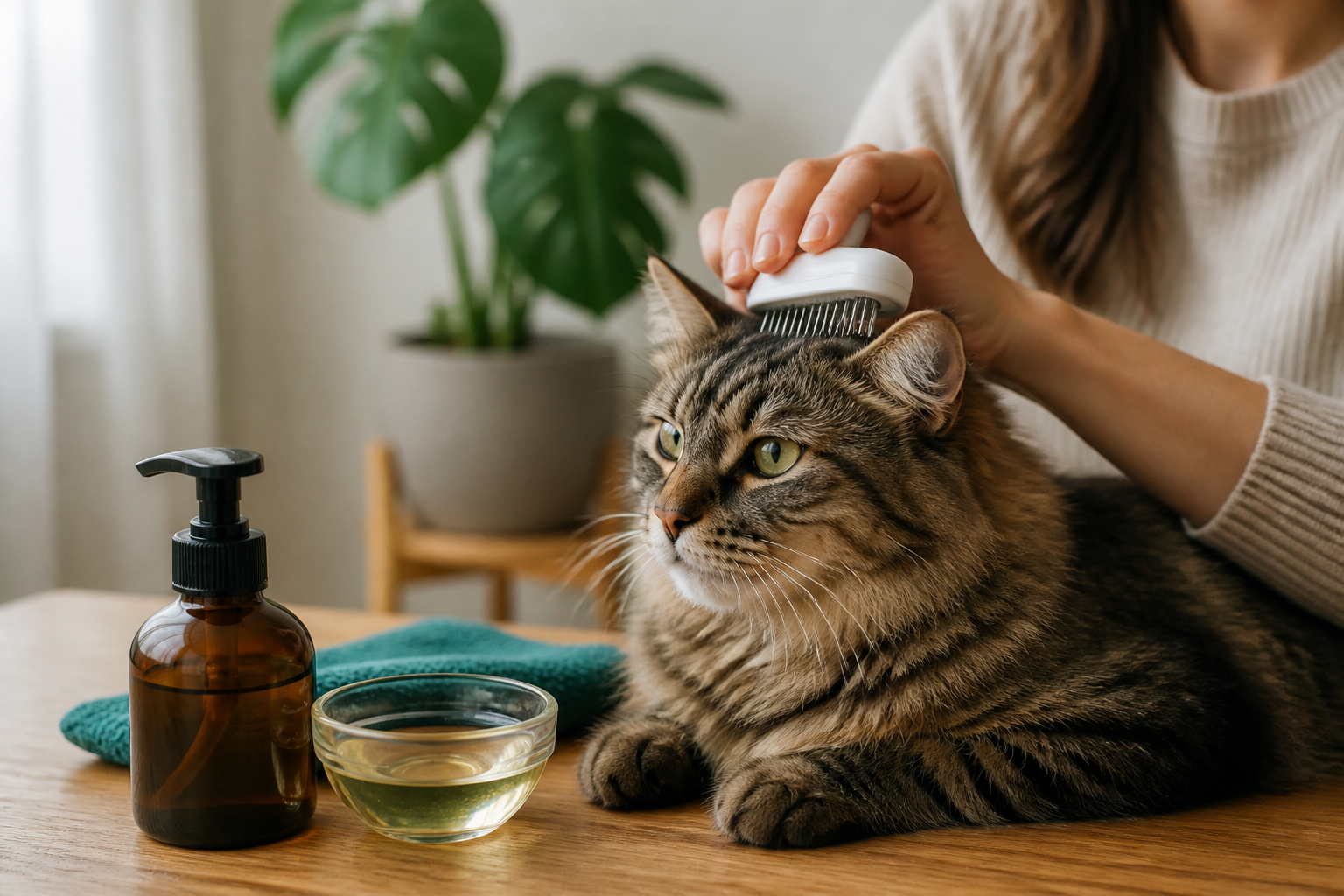
If your cat has dandruff, they might need a little help with their daily beauty routine. Brushing does two things: it removes the dead skin flakes and it stimulates the sebaceous glands to produce oil. For short-haired cats, a rubber grooming mitt or a soft bristle brush is often enough. For long-haired cats, a stainless steel comb or a slicker brush can help reach the undercoat where flakes often hide.
For additional grooming guidance, read how to care for your cat’s whiskers during grooming.
Moisturizing Shampoos and Wipes
Most cats do not need regular baths, and bathing them too often can actually make dandruff worse by stripping away natural oils. However, if your cat has a significant buildup of flakes or grease, a moisturizing shampoo specifically formulated for cats can help. Look for ingredients like oatmeal, aloe vera, or honey. If your cat treats bath time like a battle, grooming wipes are a great alternative. You can use these to gently wipe away flakes and condition the fur without the stress of a full bath.
Humidifiers for the Home
In the winter, indoor heating strips the moisture from the air. This environmental dryness is a major trigger for feline dandruff. Placing a humidifier in the room where your cat spends the most time can make a massive difference in their skin quality.
When Dandruff Signals an Underlying Condition
Sometimes, what looks like simple dry skin is actually a symptom of a more complex health issue. If you have improved your cat’s diet and hydration but the flakes remain, it is time to look deeper.
Obesity and Mobility Issues
If the dandruff is concentrated on your cat’s lower back and the base of their tail, the problem might be a lack of reach. Overweight cats often cannot twist far enough to groom their hindquarters. Similarly, senior cats with arthritis may find the act of grooming painful. In these cases, the dandruff is simply a buildup of skin cells that the cat would normally lick away.
If weight is affecting your cat’s grooming routine, this guide to helping an indoor cat lose weight offers additional information.
Parasites and Infections
Certain parasites can cause "walking dandruff." This is actually a type of mite called Cheyletiella. To the naked eye, the mites look like moving white flakes. Flea infestations can also cause skin irritation and flaking, especially if the cat has a flea saliva allergy.
Explore our cat flea and tick collection for preventive care options. You can also learn more about how flea collars work before choosing a product.
Medical Conditions
More serious internal issues can manifest on the skin. Conditions like hyperthyroidism, diabetes, or kidney disease can change the way a cat's body processes nutrients, leading to a poor coat. In rare cases, severe flaking can be a sign of certain skin cancers or autoimmune disorders.
Vet Tip: If your cat's dandruff is accompanied by redness, sores, hair loss, or a change in appetite, schedule a veterinary exam immediately. These are signs of a medical issue that requires professional diagnosis.
The BaxterBoo Pharmacy and Prescription Support
When home remedies like fish oil and brushing are not enough, your veterinarian may suggest a more clinical approach. This is where our cat pharmacy becomes a vital resource for your pet’s wellness. Through our partnership with Pet's Choice, we offer access to FDA-approved medications and prescription diets that can resolve the underlying causes of skin issues.
For example, if your cat's dandruff is caused by a flea allergy or mites, your vet may prescribe a professional-strength preventive like NexGard or Frontline. If a food allergy is the culprit, a prescription hydrolyzed protein diet may be necessary to calm the immune system. We provide a convenient way to have these essential items delivered to your door, ensuring your cat never misses a dose of the support they need.
Managing a chronic health condition like diabetes or hyperthyroidism also requires consistent medication. Our pharmacy services allow you to manage these prescriptions in one place, alongside your regular orders for food and treats. This integrated approach makes it easier to keep your cat on the path to health.
Step-by-Step Plan to Eliminate Cat Dandruff
If you are ready to start clearing up those flakes today, follow this simple transition plan.
Step 1: Assess the diet.
Look at your cat's current food. If it is primarily dry kibble, begin introducing high-quality wet food toppers or daily wet meals to boost hydration.
Step 2: Add a supplement.
Start a daily Omega-3 fatty acid supplement. It can take 4 to 6 weeks to see a visible change in the coat, so be patient and consistent.
Step 3: Implement a grooming schedule.
Spend five minutes each day brushing your cat. Focus on the areas where the flakes are most prominent, such as the base of the tail and along the spine.
Step 4: Monitor and adjust.
Observe your cat's behavior. If the dandruff persists after a month of these changes, or if you notice any skin irritation, call your veterinarian to rule out parasites or internal health concerns.
Bottom line: A combination of internal hydration, nutritional fatty acids, and external grooming is the most effective way to eliminate cat dandruff.
Maintaining Long-Term Coat Health
Once those white flakes have disappeared, the goal shifts to prevention. Maintaining a healthy coat is an ongoing process that evolves with your cat’s age. Kittens have naturally oily, soft skin, but as cats reach their senior years, their skin naturally becomes thinner and drier.
Keep your cat on a high-quality diet and continue with the Omega supplements even after the skin looks clear. This "maintenance dose" helps prevent the return of dryness. Regularly check your cat's weight to ensure they remain mobile enough to groom themselves properly. Using our MVP Rewards programme can help you save on these recurring essentials, making it easier to provide the best care throughout your cat's life.
You might also consider our Autoship programme for your cat’s favorite wet foods and supplements. This ensures you never run out of the supplies that keep your cat’s skin healthy. Plus, with the free MVP Gold membership included with Autoship, you will earn rewards even faster on the brands you trust.
Summary of Home Care for Feline Dandruff
Dealing with cat dandruff is mostly about consistency and observation. Most cases are easily managed with better hydration and a boost in healthy fats. By paying attention to the environment and providing the right nutritional building blocks, you can help your cat feel comfortable in their own skin again.
- Give Omega-3 fatty acids to support the skin barrier.
- Increase moisture by adding wet food to the diet.
- Brush daily to distribute natural oils and remove flakes.
- Use a humidifier during dry winter months.
- Consult a vet if you see redness, hair loss, or "walking" flakes.
If your cat needs specialized care, remember that BaxterBoo offers a full range of health products. From premium food to prescription medications through our pharmacy partnership, we are here to support every stage of your cat's journey to better skin health.
FAQ
Can I use human dandruff shampoo on my cat?
No, you should never use human dandruff shampoos on your cat. Many of these products contain chemicals like zinc or salicylic acid that are toxic to cats if swallowed during grooming. Additionally, the pH level of human skin is different from cat skin, so human products can cause severe irritation or chemical burns.
Does my cat have dandruff because they are dirty?
Not necessarily. Cats are generally very clean animals, and dandruff is rarely a sign of dirtiness. It is usually a sign of dry skin, poor nutrition, or an inability to groom due to age or weight. While a bath might temporarily remove flakes, it will not solve the underlying reason why the skin is flaking in the first place.
Can food allergies cause dandruff in cats?
Yes, food allergies often manifest as skin problems in felines. If a cat is allergic to a specific protein source, their skin may become inflamed, itchy, and flaky. If you suspect an allergy, your veterinarian might recommend a limited-ingredient diet or a prescription food from our pharmacy to identify the trigger.
How long does it take for supplements to fix cat dandruff?
Skin cells take time to regenerate, so you will not see an overnight change. Most owners notice an improvement in coat shine within two weeks of starting Omega-3 supplements, but it can take four to eight weeks for the dandruff flakes to fully disappear. Consistency is key when giving any nutritional supplement.