
 Save 15% on your 1st Autoship learn more

 Email us
 Live Chat
 FAQs
FAQs





Introduction
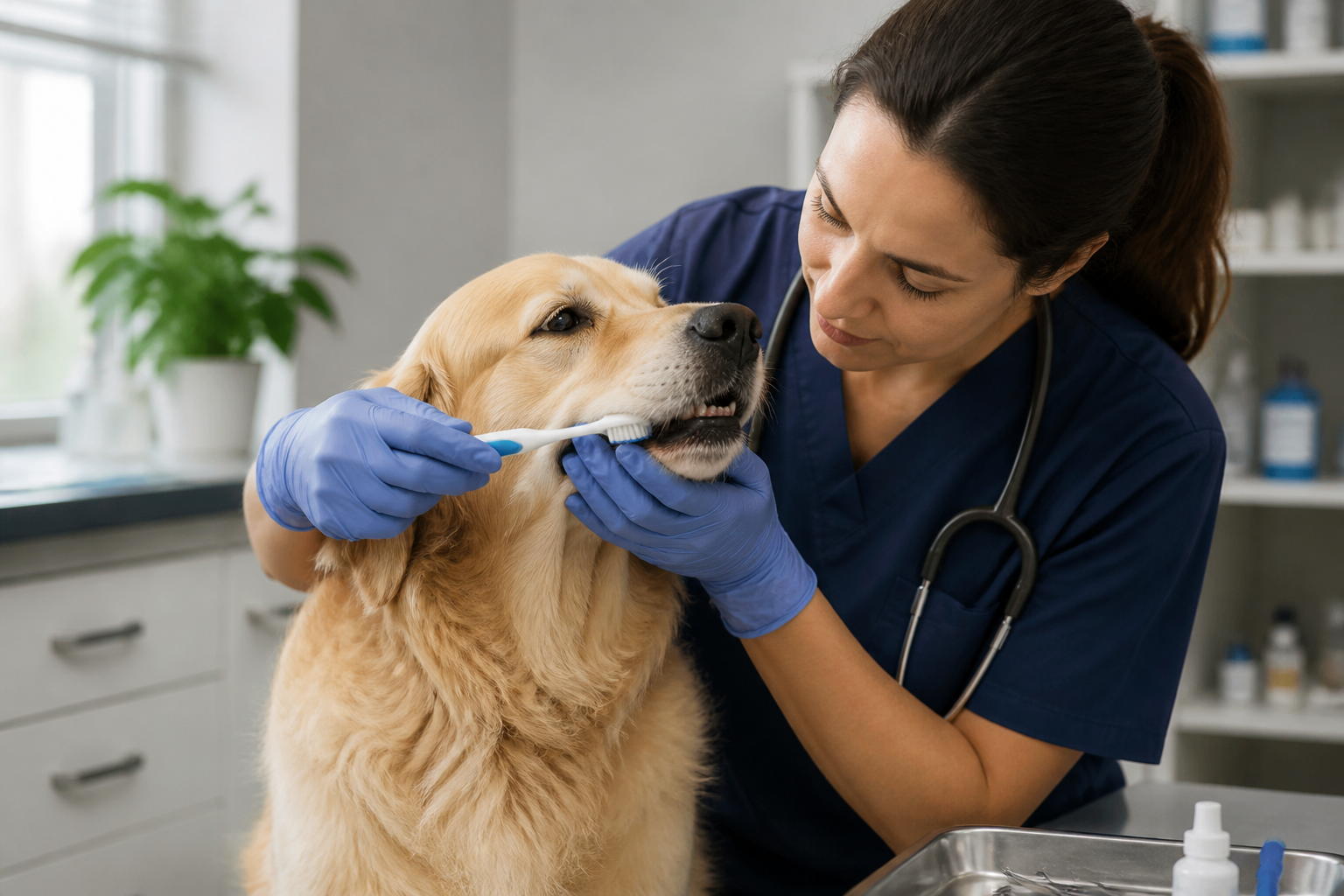
You lean in for a happy morning nuzzle and notice a smell that is more than just typical dog breath. You might see a thick, tan layer of buildup along your dog’s gumline or notice they are chewing more slowly than usual. These are the moments when owners realize a professional dental cleaning is necessary. At BaxterBoo, we understand that "dog breath" is often a sign of underlying dental disease that requires professional intervention. While you might use a toothbrush at home, veterinarians have access to specialized medical equipment designed to reach where bristles cannot. This article explains the specific tools, medications, and techniques used by veterinary professionals to restore your dog's oral health. Understanding this process helps you feel more confident in your pet's care and prepares you for the journey toward a healthier smile.
Quick Answer: Veterinarians use specialized equipment including ultrasonic scalers to shatter tartar, hand curettes to clean below the gumline, and high-speed polishers to smooth the tooth surface. These procedures are performed under general anesthesia to ensure the safety and comfort of the dog while allowing for a complete oral examination.
The Foundation of Professional Care: Why Vets Use Anesthesia
One of the most common questions owners ask is why a dog must be "put under" for a simple cleaning. Humans sit still in a dentist's chair and open wide on command, but dogs do not share this level of cooperation. To perform a thorough cleaning, the vet must reach the inner surfaces of the teeth and the deep pockets beneath the gums.
If a dog is awake, they may move suddenly, leading to accidental injury from sharp dental instruments. Furthermore, the sound and vibration of an ultrasonic scaler can be terrifying for a conscious pet. Anesthesia allows the veterinary team to work efficiently and safely. It also enables them to place a breathing tube, which protects the dog’s lungs from the water and bacteria being sprayed around the mouth during the scaling process.
Vet Tip: Always request pre-anesthetic blood work before a dental procedure. This allows your veterinarian to check liver and kidney function, ensuring your dog can safely process and clear the anesthetic medications.
The Ultrasonic Scaler: The Heavy Lifter
The primary tool used to remove heavy tartar is the ultrasonic scaler. This device looks similar to a small metal wand. It uses high-frequency vibrations to literally shatter the bonds of hardened calculus, also known as tartar, on the surface of the tooth.
As the tip vibrates, it generates heat, so the scaler continuously sprays a fine mist of water to keep the tooth cool. This water also helps flush away the debris as it breaks loose. While a toothbrush can remove soft plaque, only this level of mechanical vibration can remove the "cement-like" tartar that has been building up for months or years.
The veterinarian or a licensed technician moves the tip of the scaler over the crown of each tooth. They pay close attention to the grooves and crevices where bacteria like to hide. This process removes the visible brown and yellow stains, giving the teeth a much whiter appearance almost instantly.
Hand Scaling and Subgingival Cleaning
The most important part of the cleaning happens where you cannot see it. Periodontal disease lives under the gumline. Once the visible tartar is removed with the ultrasonic wand, the vet uses hand instruments to finish the job.
Hand scalers and curettes are specialized metal tools with different curved tips. These are designed to slide gently between the tooth and the gum tissue. The vet uses these to scrape away the subgingival plaque. This is the material that causes inflammation, bone loss, and eventual tooth loss. Removing this hidden bacteria is the only way to truly "clean" a dog's mouth and stop the progression of dental disease.
Common Hand Tools in the Veterinary Dental Suite
- Sickle Scaler: A sharp, pointed tool used to remove tartar from the visible crowns of the teeth.
- Curette: A tool with a rounded tip designed specifically for cleaning below the gumline without damaging the sensitive soft tissue.
- Periodontal Probe: A tiny ruler used to measure the depth of the "pockets" around each tooth. Deep pockets indicate significant gum disease.
Bottom line: Visible cleaning is for aesthetics, but subgingival scaling is for your dog's actual health.
The Power of Digital Dental X-Rays
In modern veterinary medicine, a cleaning is often considered incomplete without X-rays. A dog’s tooth is like an iceberg. About 60 percent of the tooth structure is hidden beneath the bone and gums.
Vets use digital dental X-ray sensors that are sized specifically for a dog's mouth. These images reveal hidden problems that are impossible to see with the naked eye. This includes abscessed roots, bone loss, or internal tooth resorption. Without X-rays, a vet might leave a painful, infected tooth in your dog's mouth simply because the visible crown looked healthy.
Key Takeaway: Dental X-rays are the only way to identify painful "hidden" disease beneath the gumline, preventing your dog from suffering in silence.
Polishing: The Essential Finish
After scaling, the surface of the tooth enamel is covered in microscopic scratches and ridges. If the vet left the teeth this way, the rough surface would act like a magnet for new bacteria. Plaque would return even faster than before.
To prevent this, vets use a high-speed polisher. This tool uses a small, spinning rubber cup filled with "prophy paste." This paste is slightly abrasive and works to smooth out the enamel until it is perfectly slick. This makes it much harder for plaque to stick to the teeth in the weeks following the procedure. After polishing, the vet rinses the mouth thoroughly with water or a chlorhexidine solution to remove any remaining paste and bacteria.
Medications and the BaxterBoo Pharmacy
Sometimes a cleaning reveals that a dog needs more than just a scrub. If the vet finds a severe infection or needs to extract a broken tooth, they will prescribe medications to manage pain and bacteria.
Our pharmacy at BaxterBoo provides a wide range of FDA-approved medications through our partnership with Pet's Choice. If your dog has a deep gum infection, your vet may prescribe antibiotics such as Clavamox or Antirobe. For pain management after extractions, medications like Rimadyl or Deramaxx are commonly used to ensure your dog stays comfortable during recovery.
We also offer specialized prescription diets, such as those from Farmina Vet Life or Royal Canin, which are formulated to support oral health or help with recovery after surgery. Having these items delivered through our Autoship programme ensures you never run out of the support your dog needs to stay healthy.
Checklist for Post-Cleaning Care
- Confirm if your dog needs soft food for 7 to 10 days if extractions were performed.
- Monitor for any redness or swelling in the gums.
- Finish the entire course of any prescribed antibiotics.
- Wait at least 14 days before resuming at-home brushing if surgery was involved.
At-Home Maintenance: Keeping the Teeth Clean
Plaque begins to reform on a dog's teeth within hours of a professional cleaning. While a vet visit "resets" the mouth, your daily routine determines how long those results last. We carry a variety of tools to help you maintain that professional shine at home.
Enzymatic toothpastes are the gold standard for home care. Unlike human toothpaste, which contains foaming agents that are toxic to dogs, canine toothpaste uses enzymes to break down plaque chemically. Brands like Virbac or Vet’s Best offer flavors like poultry or beef to make the process more enjoyable for your pet. Virbac C.E.T. Enzymatic Pet Toothpaste is one option made specifically for dogs and cats.
Dental treats also play a role. Products like Greenies or Whimzees are designed with a specific texture that helps scrub the teeth as the dog chews. While these do not replace brushing, they are a great supplemental tool for those days when your dog is less than cooperative with a toothbrush. You can browse our dental dog treats for additional options.
The Role of Water Additives and Gels
For dogs that absolutely will not tolerate a toothbrush, water additives and dental gels provide a "hands-off" approach. You simply add a specific amount of the liquid to your dog's water bowl. These additives often contain ingredients like xylitol-free sweeteners or enzymes that prevent bacteria from sticking to the teeth.
Dental gels work similarly but are applied directly to the gums. You do not have to scrub. The dog's saliva spreads the gel around the mouth, where it can work to neutralize odor-causing bacteria. These are excellent "bridge" products to use between professional cleanings. Zymox Oratene Brushless Enzyme Oral Care Dental Gel is designed for this type of at-home care.
Vet Tip: Look for products with the VOHC (Veterinary Oral Health Council) seal of approval. This seal means the product has been scientifically proven to reduce plaque or tartar in pets.
When to Schedule the Next Visit
The frequency of professional cleanings depends heavily on your dog's breed and genetics. Smaller breeds, such as Pugs, Yorkies, and Chihuahuas, often have crowded teeth that trap food and bacteria more easily. These dogs may need a professional cleaning every 6 to 12 months.
Larger breeds with more space between their teeth might be able to go 18 to 24 months between visits, provided the owner is diligent with at-home care. Your vet will check your dog's teeth during their annual wellness exam and let you know when it is time to schedule a dental.
Bottom line: Regular professional cleanings combined with at-home care can add years to your dog's life by preventing systemic diseases linked to oral bacteria.
Recognizing the Signs of Dental Distress
It is important to know when your dog cannot wait for their next scheduled exam. Dental pain in dogs is often silent. They rarely stop eating entirely until the pain is unbearable because their survival instinct tells them to push through.
If you notice your dog dropping food while they eat, pawing at their face, or if you see blood on their chew toys, these are red flags. A sudden change in behavior, such as becoming irritable or withdrawing from play, can also be a sign of a painful tooth. If you see any of these signs, schedule a veterinary consultation immediately. You can also review these warning signs of bad teeth in dogs.
Red Flags for Immediate Veterinary Attention
- Heavy drooling, sometimes tinged with blood.
- Visible loose or broken teeth.
- Swelling on the face, especially under the eye.
- A foul odor that persists even after using dental treats.
The Long-Term Benefits of Professional Cleaning
Investing in professional dental care is not just about fresh breath. Bacteria in the mouth can enter the bloodstream through inflamed gums. Once in the blood, these bacteria can travel to the heart, kidneys, and liver, causing micro-abscesses and organ damage over time.
By removing the source of infection through scaling and polishing, you are protecting your dog's vital organs. This is why many veterinarians say that dental care is one of the most effective ways to extend a pet's lifespan. It is a proactive step that pays dividends in your dog's overall vitality and comfort.
We are committed to supporting this journey at BaxterBoo. From the first puppy toothbrush to the prescription diets needed for senior dogs, we have the expertly curated products your pet needs. Our MVP Rewards programme also helps you earn points on every dental care purchase, making it easier to prioritize your dog's health without breaking the bank.
Summary of Professional Cleaning Steps
The process of a professional cleaning is a well-orchestrated medical procedure. It starts with an exam and blood work, moves into safe anesthesia, and involves high-tech scaling and polishing. It often concludes with a plan for at-home care and, if necessary, medications to support healing.
By understanding that vets use ultrasonic vibrations, hand scaling, and digital imaging, you can see the value in these visits. No at-home tool can replicate the thoroughness of a clinical cleaning. Your role is to be the "daily maintenance crew" that keeps the teeth healthy between those professional deep cleans.
Key Takeaway: Professional cleaning is a multi-step medical procedure that addresses the 60% of the tooth hidden beneath the gums, providing health benefits that go far beyond just white teeth.
Conclusion
Professional dental cleanings are a vital part of your dog's healthcare routine. While the process involves specialized tools like ultrasonic scalers and digital X-rays, the goal is simple: to keep your dog pain-free and healthy. At BaxterBoo, we are here to provide the supplies you need to maintain those results, from VOHC-approved treats to enzymatic toothpastes. Always consult your veterinarian if you notice signs of dental pain or significant tartar buildup. A proactive approach to oral health is one of the greatest gifts you can give your dog.
- Schedule yearly dental exams with your veterinarian.
- Use enzymatic toothpaste for daily at-home brushing.
- Support recovery with prescription medications and diets if needed.
- Join MVP Rewards to save on ongoing dental maintenance supplies.
Vet Tip: If your dog is scheduled for a dental cleaning, ask your vet for a "before and after" report with dental charts and X-rays. This creates a baseline for your dog's oral health that you can track over the coming years.
FAQ
How long does a professional dog teeth cleaning take?
A routine cleaning usually takes between 45 minutes and 90 minutes. However, if the veterinarian finds underlying issues that require X-rays or extractions, the procedure can take longer. Your dog will also spend several hours at the clinic for pre-operative preparation and post-operative monitoring as the anesthesia wears off.
Is it safe for my senior dog to have their teeth cleaned under anesthesia?
While anesthesia always carries some risk, age itself is not a disease. Veterinarians take extra precautions with senior pets, including performing comprehensive blood work and using tailored anesthetic protocols. For many seniors, the risk of untreated dental infection and chronic pain is much higher than the risk of a controlled anesthetic procedure.
Can I just use dental treats instead of a professional cleaning?
Dental treats are a helpful tool for maintaining oral health, but they cannot remove hardened tartar or clean beneath the gumline. Think of dental treats like chewing sugar-free gum for humans; it helps, but it does not replace a visit to the dentist. Once tartar has formed, only professional scaling can safely remove it.
Why do some teeth need to be extracted during a cleaning?
Extractions are performed when a tooth is so diseased or damaged that it is causing your dog pain or risking further infection. Common reasons include fractured crowns, rotted roots, or advanced periodontal disease that has destroyed the bone supporting the tooth. Removing these teeth eliminates a source of chronic pain and prevents bacteria from spreading further into the jawbone.






