
 Save 15% on your 1st Autoship learn more

 Email us
 Live Chat
 FAQs





Introduction
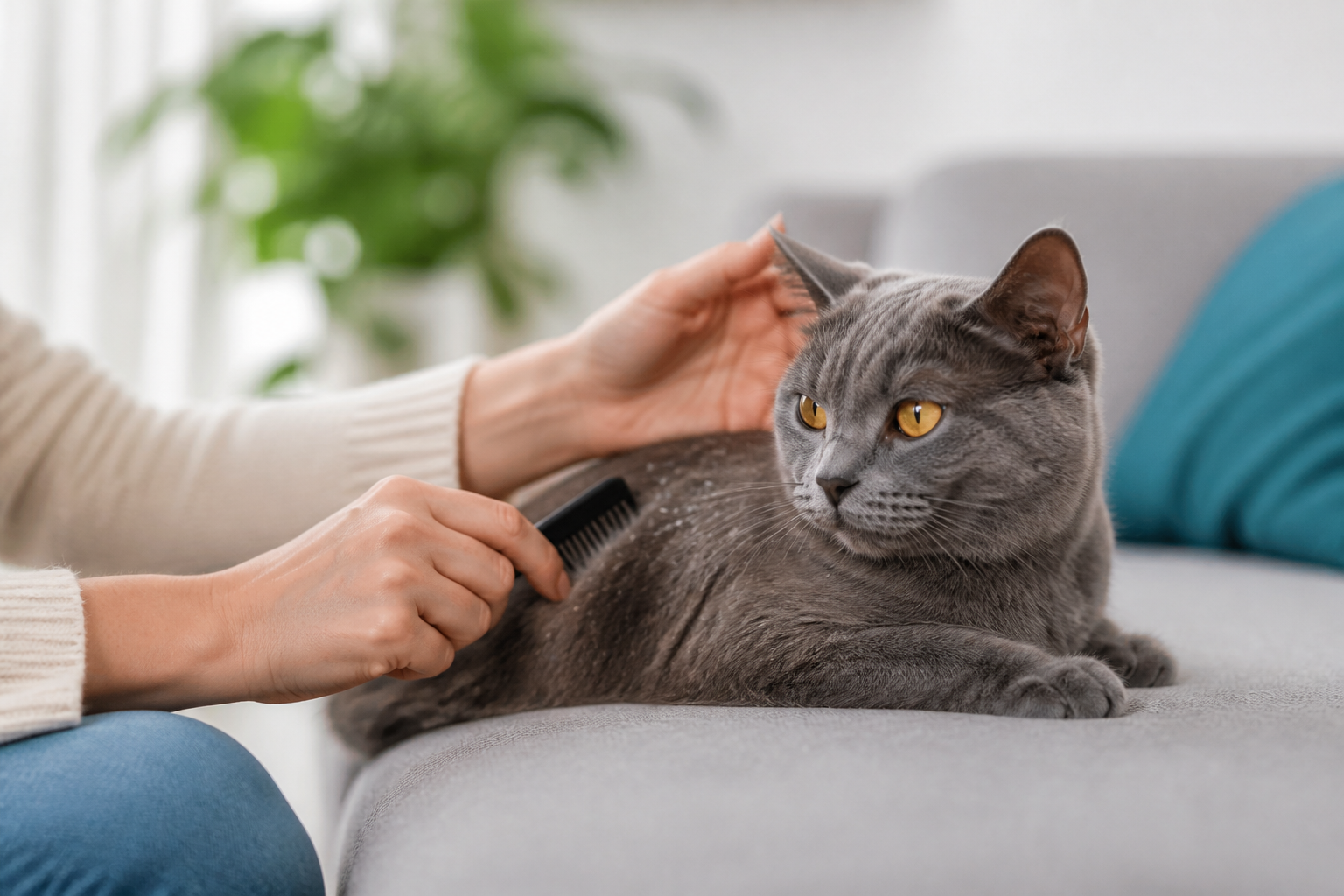
You are relaxing on the sofa with your cat when you notice a dusting of white flakes across their fur. It usually shows up most clearly along the lower back or near the base of the tail. While you might initially think it is just a bit of dust, these flakes are often a sign that something is changing with your cat's skin or overall health. At BaxterBoo, we understand that a glossy coat is one of the best indicators of a healthy pet. We want to help you understand why these flakes appear and how you can help your cat feel comfortable again. This post covers the common causes of feline dandruff, from environmental dry air to underlying medical conditions. Understanding these signs is the first step toward restoring your cat’s coat to its natural shine.
Quick Answer: Cat dandruff is a collection of dead skin cells that have clumped together and become visible on the fur. It usually means your cat is struggling with dry skin, a lack of grooming, or an underlying health issue like parasites or allergies.
The Difference Between Dandruff and Dander
It is common for pet owners to use the terms dandruff and dander interchangeably. However, they are actually two different things. Every cat produces dander as a normal part of their biology. Dander consists of microscopic skin cells that shed naturally as the skin renews itself. Because these cells are so small, you typically cannot see them with the naked eye. Dander is also the primary carrier of the Fel d 1 protein, which is the allergen that causes reactions in people with cat allergies.
Dandruff is quite different because it is visible. These are larger flakes of skin that have accumulated and stayed trapped in the fur. When you see white or gray flecks on your cat’s coat, you are looking at dandruff. While dander is healthy and normal, dandruff is often a signal that the skin is shedding too quickly or that the cat is not removing the dead cells through regular grooming.
Why Dandruff Becomes Visible
Healthy skin goes through a constant cycle of growth and shedding. In a healthy cat, this process is subtle. The cat grooms themselves frequently, which removes these cells before they can clump together. When you start seeing flakes, it means the balance has been disrupted. This could be due to the skin being too dry, being too oily, or the cat simply being unable to reach certain spots during their daily bath.
When to Take Note
A few tiny flakes here and there might not be a major concern, especially during a change in seasons. However, if the dandruff is accompanied by a greasy feel to the fur or a dull appearance, it deserves closer attention. You should also look at the color of the flakes. Most dandruff is white or translucent. If you see dark specks that look like pepper, that may be flea dirt rather than skin flakes.
Key Takeaway: Dander is a microscopic and normal part of a cat's skin cycle. Dandruff is visible flaking that suggests an imbalance in skin health or a disruption in grooming habits.
Cat Skin & Coat Care
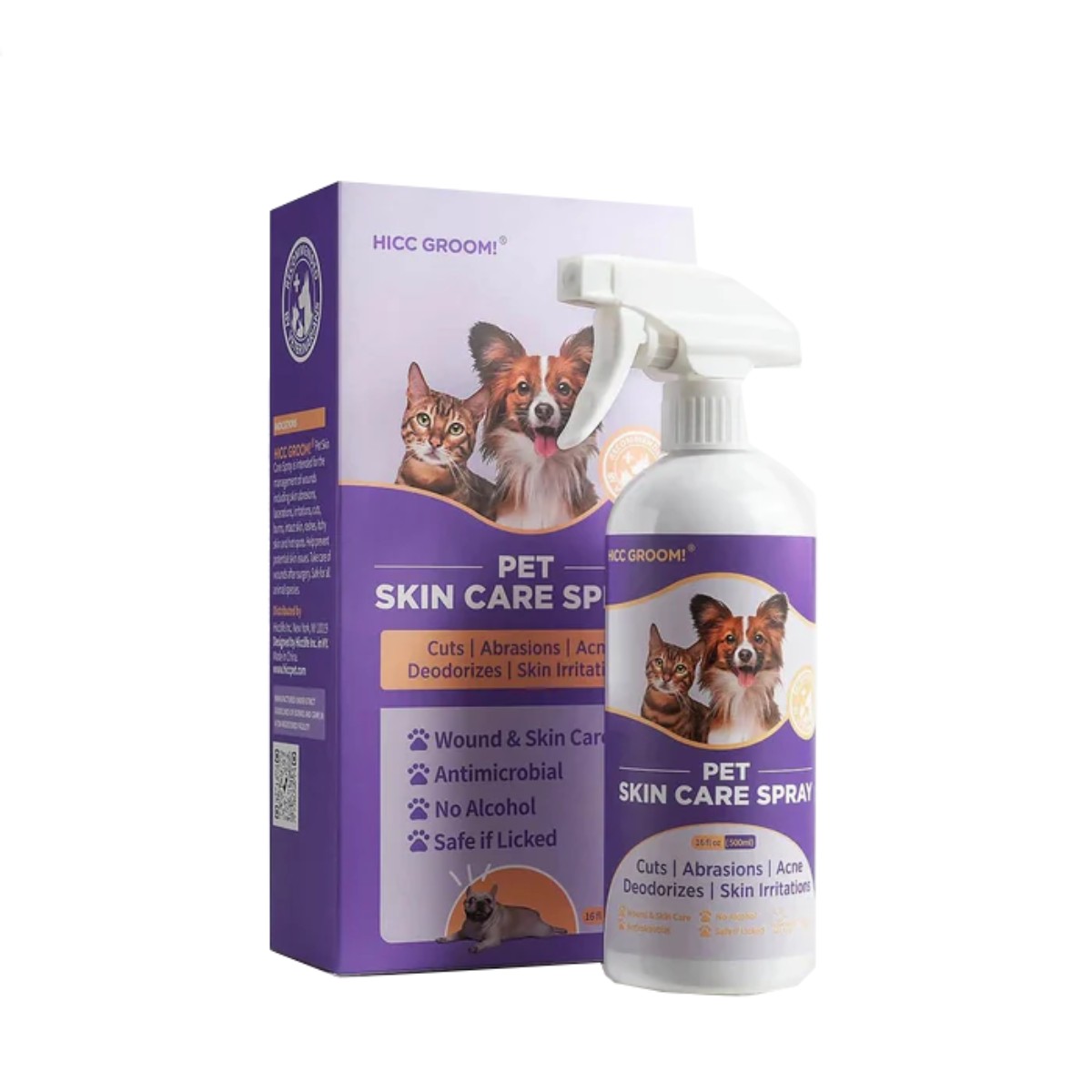

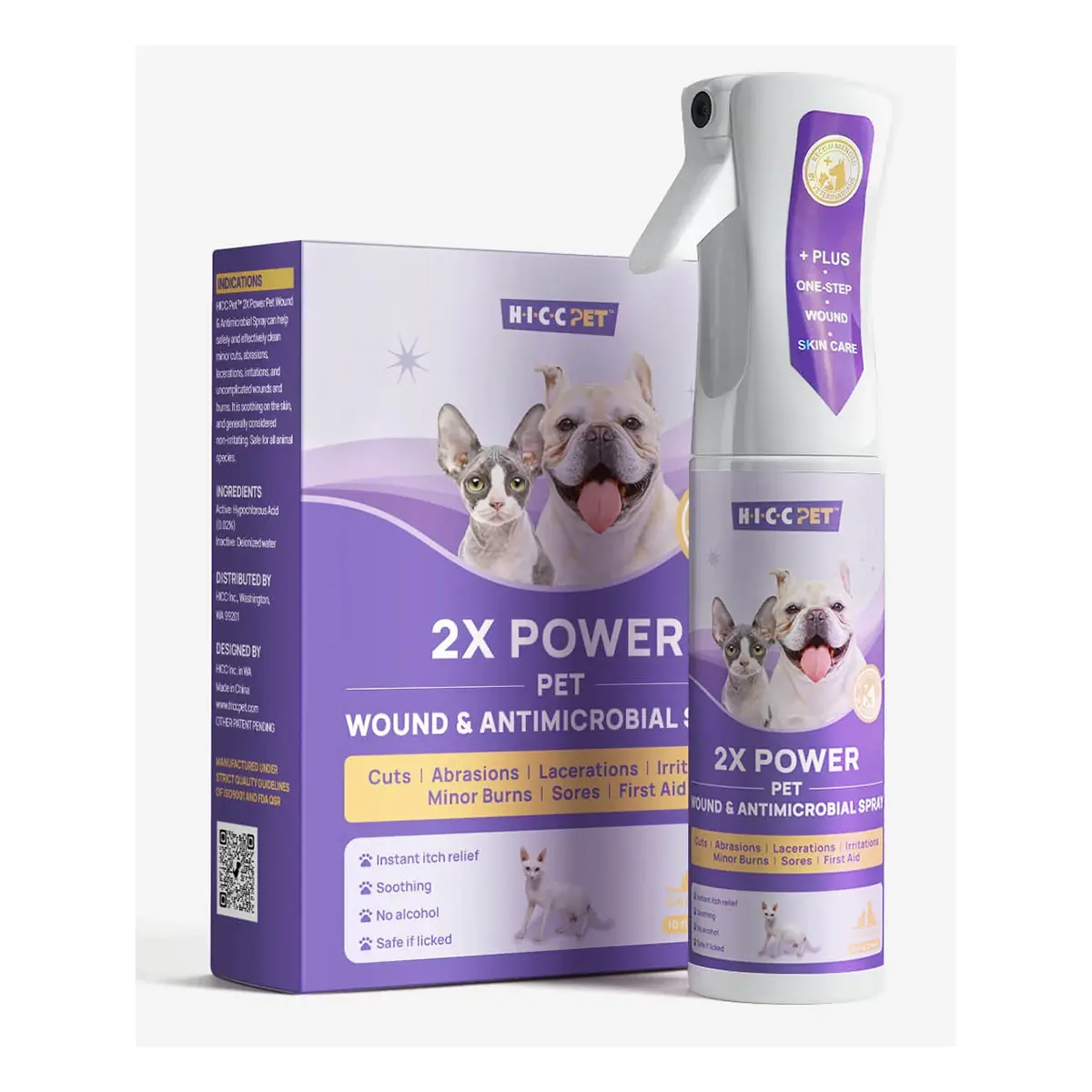







Why Your Cat Might Stop Grooming
One of the most frequent answers to what it means when your cat has dandruff involves a change in grooming habits. Cats are famously clean animals that spend a large portion of their day licking and smoothing their fur. This process does more than just keep them clean. It distributes natural oils across the skin and physically removes dead skin cells. If a cat stops grooming effectively, those skin cells build up and become visible as dandruff.
Obesity and Accessibility
If a cat is carrying extra weight, they may physically struggle to reach certain parts of their body. The lower back and the base of the tail are the most common areas for dandruff to appear in overweight cats. They simply cannot twist far enough to reach these spots. Over time, the fur in these areas can become matted, greasy, and filled with flakes. Helping your cat reach a healthy weight is often the best way to resolve this type of dandruff. For additional guidance, read our tips for helping an indoor cat lose weight.
Arthritis and Joint Pain
Senior cats often develop dandruff as a result of osteoarthritis. When joints become stiff or painful, the acrobatic positions required for grooming become difficult to maintain. A cat might skip grooming their back or hindquarters because it hurts to reach back there. If you notice your older cat is suddenly looking flaky, it may be a sign of hidden discomfort.
Dental Issues
Grooming requires a healthy mouth. If a cat has dental disease, inflamed gums, or a broken tooth, the act of grooming can be painful. They may stop licking their fur because the contact causes sharp pain in their mouth. In these cases, the dandruff is a secondary symptom of a primary dental problem. We always recommend a veterinary checkup if you notice a sudden drop in grooming activity along with bad breath or a change in eating habits.
Vet Tip: If your cat has stopped grooming and has visible dandruff, a veterinarian can help determine if the cause is physical, such as arthritis or dental pain. They can recommend appropriate pain management or treatments that make grooming comfortable again.
Environmental Factors and Dry Air
The environment inside your home plays a huge role in the health of your cat's skin. Just like humans, cats can suffer from dry skin when the humidity levels drop. This is especially common in the winter months when heaters are running constantly. Forced air heating strips moisture from the environment, which in turn dries out your cat's epidermis.
Seasonal Changes
You might notice that your cat’s dandruff flares up as soon as the temperature drops. This seasonal dryness is usually mild and affects the entire coat. The skin loses its elasticity and begins to flake off in small, white flecks. While this is often a cosmetic issue, very dry skin can become itchy and lead to excessive scratching.
Using a Humidifier
A simple way to combat environmental dandruff is to add moisture back into the air. Running a humidifier in the rooms where your cat spends the most time can make a significant difference. You might also find that your own skin and hair feel better as a result. This is a practical first step to take if your cat seems healthy but is showing signs of seasonal flakiness.
Water Intake and Hydration
Internal hydration is just as important as external moisture. Cats are notorious for having a low thirst drive. If a cat is mildly dehydrated, their skin is often the first place it shows. Providing a water fountain or adding wet food to their diet can help increase their overall fluid intake. This keeps the skin cells hydrated from the inside out, making them less likely to flake off prematurely. Our wet cat food selection includes options that can support mealtime hydration.
Bottom line: Dry indoor air is a common cause of mild, seasonal dandruff that can often be managed by increasing humidity and supporting hydration.
Skin Parasites and Walking Dandruff
Sometimes, what looks like dandruff is actually something much more active. There are several parasites that can cause the skin to flake or create the illusion of flakes. One of the most notable is a mite called Cheyletiella. This condition is often referred to as "walking dandruff" because the mites are large enough to be seen with the naked eye. As they move under the scales of the skin, it looks like the dandruff flakes are crawling across the cat's back.
The Impact of Fleas and Ticks
Flea infestations are a leading cause of skin irritation in cats. Many cats have an allergy to flea saliva, known as flea allergy dermatitis. Even a single bite can cause a massive inflammatory response. This inflammation leads to redness, itching, and significant flaking. If your cat is scratching or over-grooming in response to fleas, they will likely develop a lot of dandruff. You can learn more about prevention in our guide to flea and tick products.
Mites and Other External Pests
Other mites, such as those that cause mange, can also lead to heavy crusting and flaking of the skin. These parasites disrupt the skin barrier and cause the body to produce skin cells at an accelerated rate. This results in thick, scaly dandruff that does not improve with simple brushing. These conditions are highly contagious and can sometimes spread to other pets or even humans in the household.
Seeking Treatment Through the Pharmacy
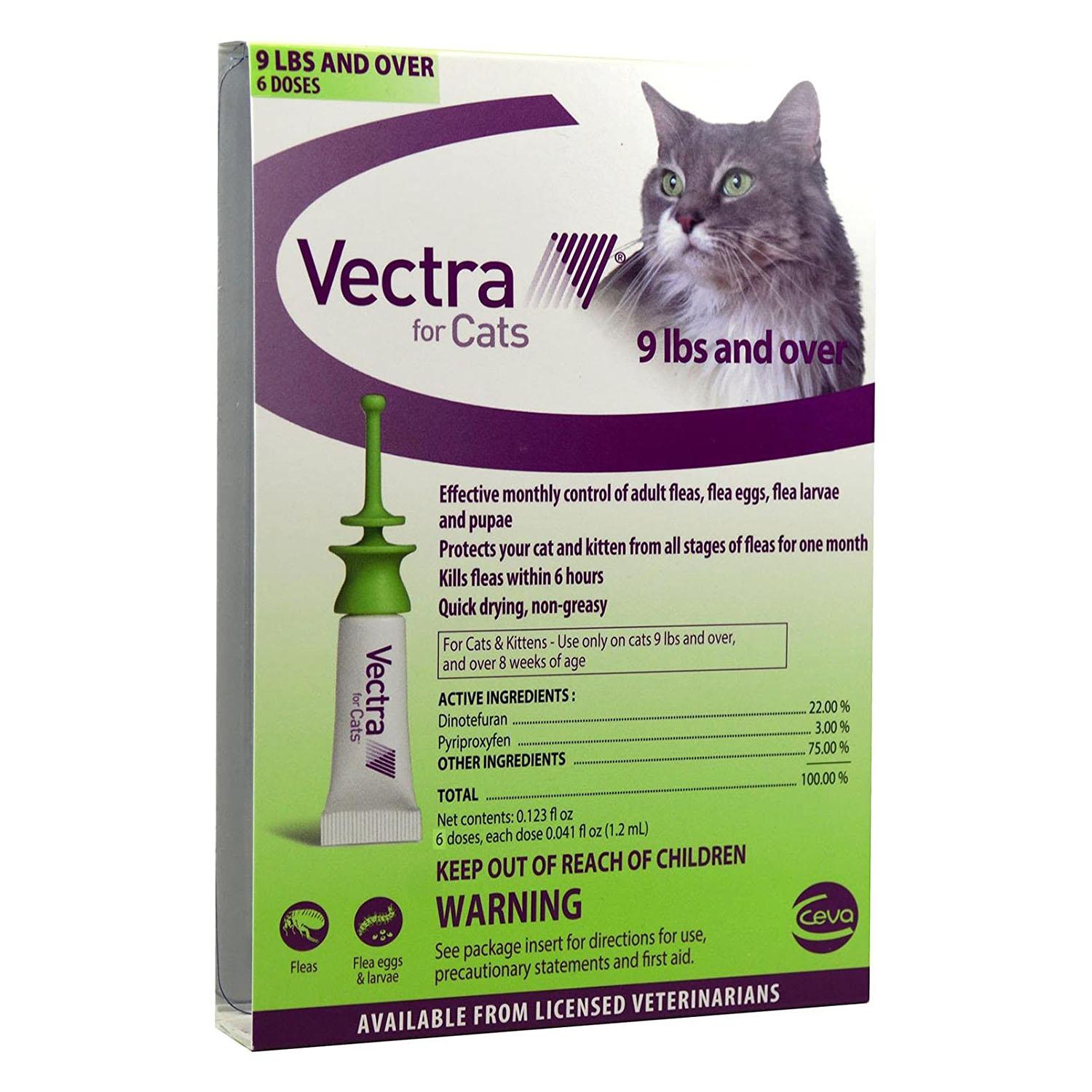
If parasites are the cause of your cat's dandruff, professional treatment is necessary. Our cat flea and tick collection offers prevention and treatment options for feline households. Some of these options require a prescription from your veterinarian, while others are available over the counter. Maintaining year-round parasite prevention is the best way to ensure these pests do not cause skin issues for your cat.
Key Takeaway: "Walking dandruff" is a specific mite infestation that requires veterinary treatment. Regular use of flea and tick prevention can protect your cat from many of the parasites that cause flaky skin.
Nutritional Needs for a Healthy Coat
The quality of the food you put in your cat's bowl directly affects the quality of the fur on their back. The skin is the largest organ in a cat's body, and it requires a huge amount of protein and specific fats to maintain its barrier function. If a diet is lacking in essential nutrients, the skin will often become dry, thin, and prone to flaking.
The Role of Omega Fatty Acids
Omega-3 and Omega-6 fatty acids are crucial for skin health. These fats help maintain the lipid barrier of the skin, which locks in moisture and keeps irritants out. Many premium cat foods, like those from brands we carry such as Farmina or Open Farm, are formulated with these essential fats. If your cat has persistent dandruff, you might look for a formula specifically designed for skin and coat support.
Protein and Amino Acids
Cat hair is made almost entirely of protein. If a cat's diet is too low in high-quality animal protein, the body will prioritize internal organs over the coat. This leads to a dull, brittle coat and flaky skin. Ensuring your cat is eating a nutritionally complete and balanced diet is one of the most effective long-term solutions for dandruff.
Dietary Supplements
In some cases, your veterinarian might recommend adding a supplement to your cat’s routine. Fish oil or plant-based oil supplements can provide a concentrated dose of fatty acids. These are often used as a supportive treatment for cats with chronic skin issues or allergies. Always consult your vet before starting a new supplement to ensure it is appropriate for your cat's specific health needs. For more information, explore our pet supplement guide.
Step 1: Evaluate the current diet. / Check the label to see if it includes sources of Omega-3 and Omega-6 fatty acids.
Step 2: Transition slowly. / If you choose to switch to a higher-quality skin and coat formula, mix it with the old food over seven to ten days.
Step 3: Monitor for changes. / It can take four to six weeks for a change in diet to show up as an improvement in the skin and coat.
Serious Underlying Health Conditions
While most dandruff is caused by simple things like dry air or poor grooming, it can sometimes be a sign of a more serious internal health problem. The skin often reflects what is happening inside the body. When internal organs are struggling, the coat is often the first thing to lose its luster.
Hormonal Imbalances
Conditions like hyperthyroidism or diabetes mellitus can significantly affect skin health. Hyperthyroidism, which is common in older cats, often causes the coat to look unkempt, greasy, and filled with dandruff. Diabetes can lead to poor skin elasticity and a higher risk of skin infections. Both of these conditions require a diagnosis from a veterinarian and ongoing management.
Kidney and Liver Disease
When the kidneys or liver are not functioning correctly, toxins can build up in the bloodstream. This can lead to a variety of skin changes, including dryness and flakiness. Cats with chronic kidney disease may also become dehydrated more easily, which further contributes to dandruff. If your cat has dandruff along with increased thirst or changes in urination, a vet visit is essential.
Skin Infections and Allergies
Bacterial or fungal infections, such as ringworm, can cause localized areas of intense flaking and hair loss. Allergies to ingredients in food or environmental triggers like pollen can also cause the skin to become inflamed and flaky. These issues often require specific medications, such as antibiotics or antifungals, which can be found in our cat healthcare category once your vet provides a prescription.
Rare Conditions
In very rare cases, dandruff can be a sign of autoimmune diseases or certain types of skin cancer, such as cutaneous lymphoma. These conditions usually involve other severe symptoms like skin sores, redness, or significant behavior changes. While these are not common, they are why we always emphasize the importance of professional medical advice for persistent skin issues.
Vet Tip: Do not ignore dandruff if it is accompanied by other symptoms like weight loss, increased thirst, or lethargy. These can be signs of internal health issues that need immediate veterinary attention.
How to Manage and Prevent Cat Dandruff
If your veterinarian has ruled out serious medical conditions, there are several things you can do at home to help manage your cat’s dandruff. A proactive approach to grooming and skin care can keep the flakes at bay and ensure your cat stays comfortable.
Establishing a Grooming Routine
Regular brushing is the most effective tool for managing dandruff. It physically removes the dead skin cells before they can clump together. For short-haired cats, a weekly brushing is usually enough. Long-haired cats or senior cats who struggle to groom themselves may need daily attention. Using a soft-bristled brush or a grooming mitt can help distribute natural oils without irritating the skin. Browse our cat grooming supplies for brushes and other care essentials.
Safe Bathing Practices
Most cats do not need regular baths, and over-bathing can actually make dandruff worse by stripping away natural oils. However, if your cat has a greasy coat or a skin infection, your vet might recommend a medicated shampoo. Always use a shampoo specifically formulated for cats. Human dandruff shampoos are often toxic to felines and should never be used.
Managing Weight and Mobility
If your cat's dandruff is caused by obesity, focusing on weight management is key. We carry weight management diets like those from Farmina Vet Life that can help your cat reach a healthier size. For cats with arthritis, providing easy access to warm beds and using supplements like Cosequin can improve their mobility. When they feel better, they are more likely to return to their normal grooming habits.
Consistent Parasite Prevention
Keeping your cat on a monthly flea and tick preventive is one of the easiest ways to prevent skin irritation. Even indoor cats can be exposed to hitchhiking fleas or mites brought in on your clothes. Consistency is the most important factor here. Setting up our Autoship programme for your preventives ensures you never miss a dose.
Key Takeaway: Effective dandruff management involves a combination of regular grooming, a high-quality diet, and consistent parasite prevention.
Summary of Next Steps
Seeing dandruff on your cat can be a bit of a surprise, but it is a manageable condition in most cases. By paying attention to where the flakes are and whether your cat is showing other symptoms, you can help identify the cause. Whether it is a simple matter of dry winter air or a need for better nutrition, there are clear steps you can take to help.
- Schedule a vet visit to rule out parasites or internal health issues.
- Increase the frequency of your grooming sessions to help remove dead skin.
- Review your cat's diet to ensure it has enough essential fatty acids.
- Use a humidifier during dry months to keep the skin hydrated.
- Ensure your cat is up to date on flea and tick prevention.
At BaxterBoo, we are committed to providing the products and expertise you need to keep your cat healthy. From premium food and grooming tools to our full-service pharmacy for prescription needs, we are here to support you at every stage of your pet's life. Consider joining the MVP Rewards programme to earn points on these essentials and keep your cat's coat looking its best all year round.
FAQ
Is it normal for a cat to have some dandruff?
A very small amount of flaking can be normal, especially when a cat is shedding their seasonal coat or if the air is very dry. However, if you see a large amount of visible flakes or if the skin looks red and irritated, it usually indicates an underlying issue that needs attention. Healthy cats are usually able to remove most dead skin cells through their daily grooming routine.
Can I use human dandruff shampoo on my cat?
No, you should never use human dandruff shampoo on a cat. Many of the active ingredients in human products, such as zinc pyrithione or selenium sulfide, can be toxic to cats if ingested during grooming. Cat skin also has a different pH level than human skin, so these shampoos can cause severe irritation or even chemical burns. Always use a product specifically labeled for feline use or one recommended by your veterinarian.
Does dandruff mean my cat has fleas?
Not necessarily, but there is often a connection. Fleas cause skin irritation and inflammation, which lead to increased flaking and dandruff. Some cats are also allergic to flea saliva, which makes the reaction much worse. If you see dandruff along with small black specks in the fur, it is a strong sign that fleas are present.
How can I get rid of my cat's dandruff quickly?
The fastest way to reduce the appearance of flakes is through regular, gentle brushing. This removes the buildup of dead skin and helps distribute natural oils. For a long-term solution, you should address the root cause, such as improving their diet with Omega fatty acids or using a humidifier to combat dry air. If the dandruff persists for more than a few weeks, a vet visit is the best next step.






- Site & Contents BaxterBoo.com. BaxterBoo is located in the United States.
- Privacy & Security
- Terms of Use
- Accessibility Statement
