
 Save 15% on your 1st Autoship learn more

 Email us
 Live Chat
 FAQs
FAQs





Introduction
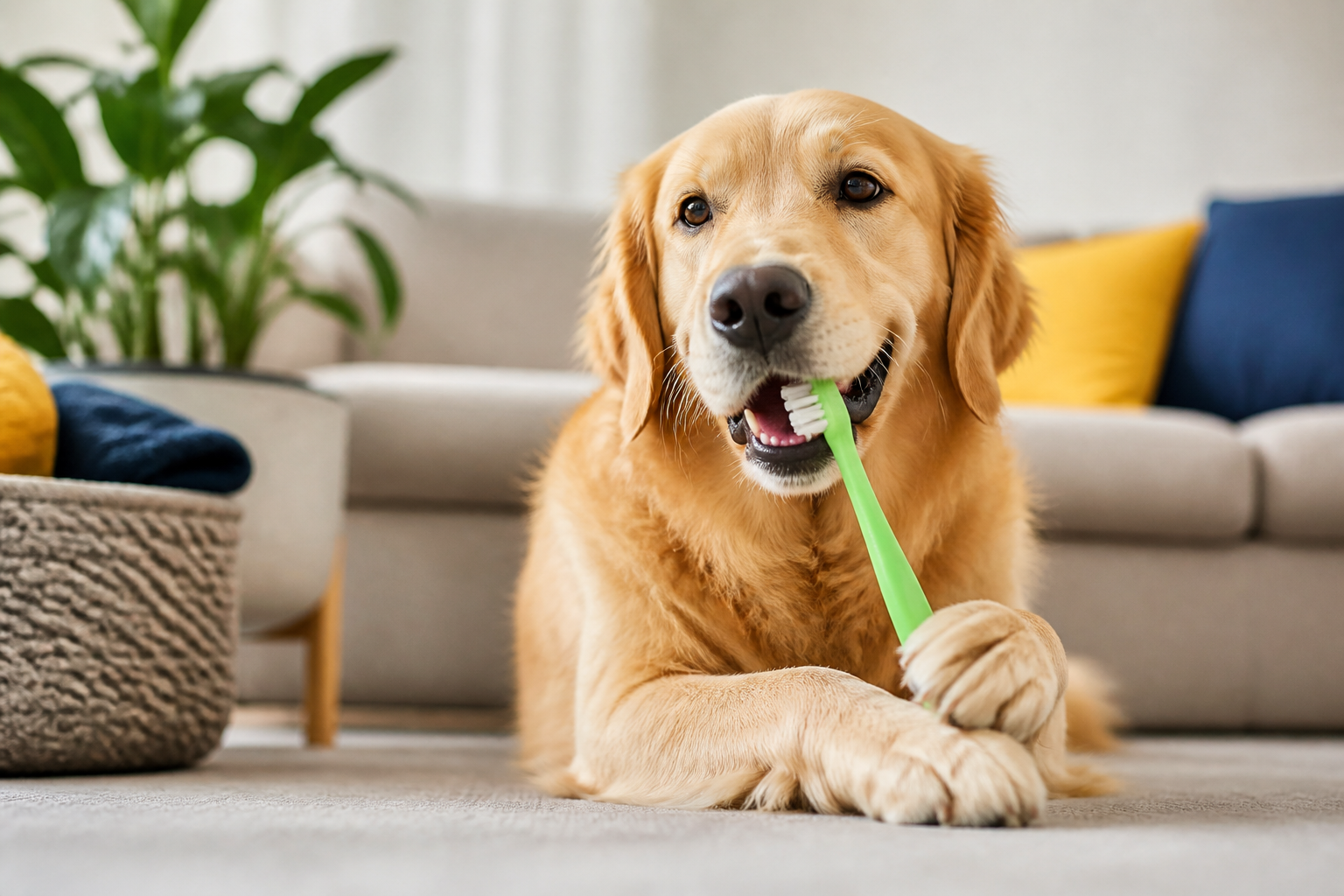
Your dog leans in for a friendly lick, but the scent that follows is enough to make you pull away. Bad breath is often the first sign that plaque and tartar are taking over your dog's mouth. While many owners know that brushing is the gold standard, the reality is that many dogs simply will not tolerate a toothbrush. At BaxterBoo, we talk to owners every day who are looking for ways to support oral health without the daily wrestling match. Keeping your pet's teeth clean is about more than just a fresh-smelling mouth. It is a vital part of their overall wellness that affects their heart, kidneys, and comfort. This post explores what helps clean dogs teeth naturally through mechanical chewing, specific diet choices, and effective supplements. We will help you build a dental routine that works for your lifestyle and your dog's personality.
The Difference Between Plaque and Tartar
To understand how to clean teeth naturally, you have to know what you are fighting. Plaque is a soft, sticky film of bacteria that forms on the teeth within hours of eating. At this stage, it is easy to remove with simple mechanical action or natural enzymes. If plaque is left alone for forty-eight hours, it begins to mix with minerals in your dog's saliva.
This process turns soft plaque into hard, crusty tartar. You can usually see tartar as yellow or brown staining near the gum line. Once tartar forms, it is like concrete. Natural methods can help prevent more tartar from forming, but they generally cannot remove what is already there. That is why consistency is the most important part of any natural dental routine.
Quick Answer: You can clean dog teeth naturally by using mechanical tools like raw carrots, rubber chew toys, and raw meaty bones. Combining these with systemic solutions like seaweed-based powders helps break down plaque through the saliva.
Harnessing the Power of Seaweed
One of the most effective natural ways to manage oral health is a specific type of seaweed called Ascophyllum nodosum. This is not the typical seaweed you find on a beach. It is a specialized kelp that works systemically. When your dog eats it, the natural compounds are absorbed into the bloodstream and come out through the saliva.
These compounds work to soften existing tartar and prevent new plaque from sticking to the tooth surface. Many owners notice that after a few weeks of use, heavy tartar begins to flake off during normal chewing. This is a great option for dogs who refuse to have their mouths touched. It is a passive way to improve oral health during mealtime.
Key Takeaway: Seaweed-based supplements work through the saliva to soften plaque 24 hours a day. They are the best natural choice for dogs that resist physical brushing.
Mechanical Cleaning with Raw Vegetables
If your dog loves to crunch, raw vegetables are a fantastic natural tool. Carrots are a popular choice because they are firm and require significant chewing. As your dog gnaws on a cold carrot, the fibers scrape against the surface of the teeth. This acts like a natural scrub brush for the molars.
Apples are another good option, provided you remove the seeds and the core. The skin of the apple provides a mild abrasive quality. While vegetables do not contain special enzymes to kill bacteria, the physical act of chewing helps dislodge food particles before they can turn into plaque.
Step 1: Choose a vegetable. Large, whole carrots are better than baby carrots because they encourage more chewing.
Step 2: Offer the vegetable cold. A chilled carrot is firmer and can provide relief for slightly inflamed gums.
Step 3: Supervise the session. Always watch your dog to ensure they do not try to swallow large chunks.
The Role of Raw Meaty Bones
Feeding raw meaty bones is a traditional way to keep teeth clean, but it requires careful thought. When a dog chews on a raw bone, they use their side teeth to shear off meat and connective tissue. This shearing action is one of the best ways to keep the back teeth white and the gums stimulated.
However, you must never feed cooked bones. Cooking makes bones brittle, which leads to splintering and internal injury. Raw bones are softer and more flexible. Large knucklebones or marrow bones are often used as recreational chews.
Vet Tip: Always consult your veterinarian before introducing raw bones to your dog's diet. While they provide excellent mechanical cleaning, they may not be suitable for dogs with fractured teeth or sensitive stomachs.
Choosing the Right Natural Chew Toys
Not every natural solution has to be edible. High-quality rubber toys can provide the same mechanical cleaning benefits as bones or vegetables. We carry brands like Kong that are designed to stand up to heavy chewing. Look for toys with ridges, nubs, or a textured surface.
As your dog chews, these textures rub against the teeth and massage the gums. This increases blood flow to the oral tissues and helps keep gums tight against the teeth. You can even smear a small amount of dog-safe coconut oil into the grooves of a toy. Coconut oil has mild antimicrobial properties that can support a healthy mouth.
Explore our dog toys collection to find textured options for supervised chewing.
Diet and the Carbohydrate Connection
What your dog eats has a direct impact on the bacteria in their mouth. Many commercial dry kibbles are high in processed starches and carbohydrates. These starches break down into sugars as soon as they hit the saliva. This sugar acts as a fuel source for the bacteria that cause plaque.
Switching to a diet with fewer fillers can help reduce the rate of plaque accumulation. Some owners find that fresh, raw, or freeze-dried diets result in much cleaner teeth over time. These diets usually contain natural enzymes that help break down food debris. We offer several premium brands like Stella & Chewy's or The Honest Kitchen that focus on high-quality proteins rather than starchy fillers.
Bottom line: A diet lower in processed carbohydrates provides less fuel for the bacteria that create plaque and bad breath.
Probiotics for the Oral Microbiome
Just like the gut, the mouth has its own ecosystem of bacteria. When the bad bacteria outweigh the good, you get bad breath and gum disease. Natural oral probiotics can help rebalance this environment. These are often available as powders or treats that you give daily.
By introducing beneficial bacteria, you can crowd out the strains that cause decay and odor. This is a gentle, natural way to support long-term health. It is particularly helpful for senior dogs who may be more prone to oral infections as their immune systems change.
Water Additives and Natural Gels
If your dog is picky about their food, water additives are a simple alternative. These are liquid solutions made from natural ingredients like green tea extract or citric acid. You simply add a small amount to their water bowl each time you refill it.
As your dog drinks, the solution coats the teeth and gums. These additives work by breaking the surface tension of plaque, making it harder for it to stick to the teeth. Natural dental gels work similarly but are applied directly to the gums. You do not need to brush them in. You just smear the gel on the outside of the teeth, and your dog's tongue does the rest of the work.
When Natural Methods Aren't Enough
Natural care is excellent for maintenance, but it cannot solve every problem. If your dog has deep-seated dental disease, a broken tooth, or heavy tartar, they need professional help. Chronic dental pain can cause a dog to stop eating or become irritable.
In some cases, your vet may recommend a prescription dental diet. These are formulated with a specific fiber matrix that does not crumble immediately. Instead, the tooth sinks into the kibble, allowing the fibers to scrub the tooth all the way to the gum line. Through our partnership with Pet's Choice, the BaxterBoo pharmacy carries FDA-approved medications and prescription diets for dogs with advanced health needs.
For additional guidance, read the warning signs of bad teeth in dogs.
Signs Your Dog Needs a Vet Check
- Gums that are bright red or bleeding.
- A sudden change in eating habits or dropping food.
- Breath that smells metallic, sweet, or like rotting eggs.
- Visible brown or grey buildup that covers most of the tooth.
- Pawing at the mouth or face frequently.
Vet Tip: Regular professional cleanings are sometimes necessary to reach the areas under the gum line where natural methods cannot reach. Always have your vet perform a dental exam during your annual wellness visit.
Creating a Consistent Routine
The secret to natural dental care is not finding one perfect product. It is about creating a layers-of-protection approach. One method alone might not be enough, but combining several can lead to great results.
A simple weekly routine might look like this:
- Daily: Add a seaweed-based dental powder to breakfast.
- Daily: Add a natural oral probiotic to dinner.
- Three times a week: Offer a raw carrot or a textured chew toy.
- Monthly: Perform a "lip lift" to check for any new redness or buildup.
For more ideas, explore natural dental chews for dogs.
Benefits of the BaxterBoo Approach
We believe that caring for your pet should be straightforward and effective. By choosing products that are handpicked for quality, you can feel confident in what you are giving your dog. Our warehouse in Vernon Hills is stocked with 500+ brands that we trust for our own pets.
If you are just starting a dental routine, we recommend looking into our Autoship program. This ensures you never run out of the supplements or chews your dog needs. Plus, you get savings on your orders and a free MVP Gold membership. Consistency is the key to natural dental success, and we are here to make that consistency easier for you.
Conclusion
Cleaning your dog's teeth naturally is an achievable goal that pays off in your pet's long-term health. By focusing on mechanical cleaning with vegetables and toys, and supporting the mouth's environment with seaweed and probiotics, you can significantly reduce the need for stressful procedures. Remember that every dog is different. Some may prefer the crunch of a carrot, while others do better with a tasteless water additive. The best method is the one you can perform every day without stress. Explore our dog treats collection to find the right natural tools for your dog's specific needs.
FAQ
Can coconut oil really help clean my dog's teeth?
Coconut oil contains lauric acid, which has mild antimicrobial and antifungal properties. While it cannot replace the mechanical action of chewing, rubbing a small amount on the gums or adding it to a chew toy can help reduce the bacteria that cause bad breath. Many dogs also love the taste, making it a great high-value reward for dental sessions.
Are raw carrots as effective as dental chews?
Raw carrots provide excellent mechanical scrubbing for the surface of the teeth, but they do not contain the active plaque-fighting ingredients found in specialized dental chews. They are a great, low-calorie natural supplement to a dental routine. For the best results, use carrots alongside a product that carries the VOHC seal for plaque control.
Is it safe to give my dog bones to clean their teeth?
Raw meaty bones can be an effective natural cleaner, but they carry risks like tooth fractures or bacterial contamination. Never give your dog cooked bones, as these can splinter and cause life-threatening internal damage. Always supervise your dog while they are chewing any type of bone and talk to your vet to ensure it is appropriate for your dog's dental history.
How long does it take to see results from natural dental products?
Natural methods like seaweed supplements or probiotics usually take three to eight weeks to show visible results. You may first notice that your dog's breath smells fresher. Over time, you might see that the hard tartar on their teeth begins to soften or even flake off during play. Consistency is vital, as the benefits stop as soon as you stop using the products.






